|
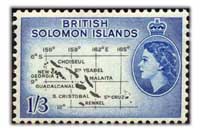
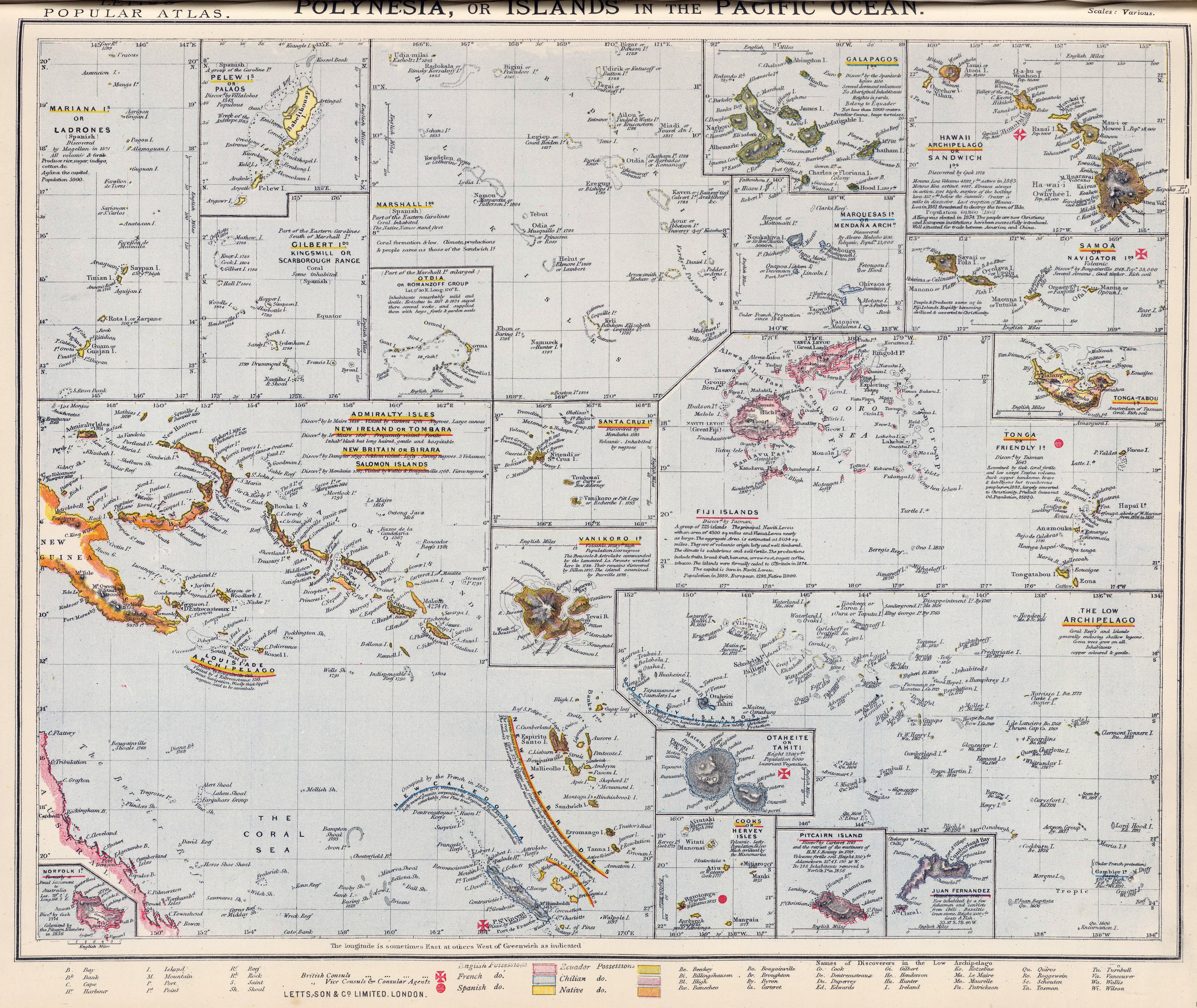
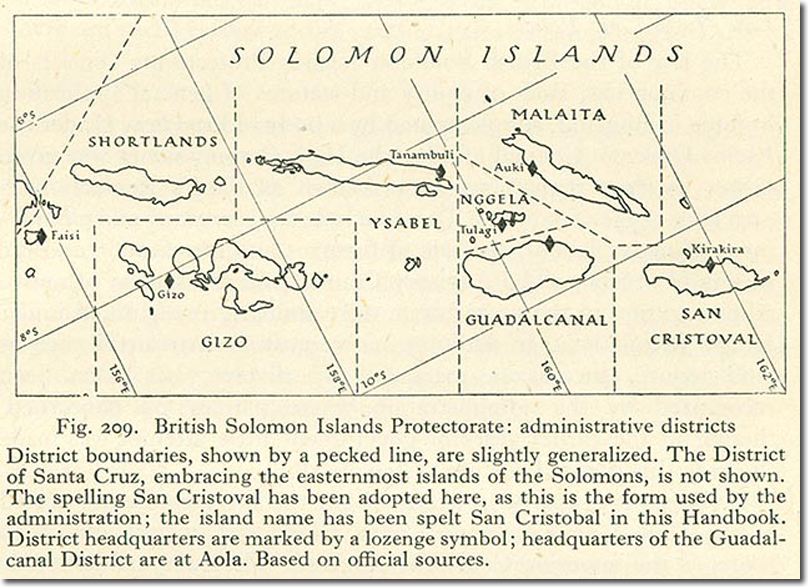
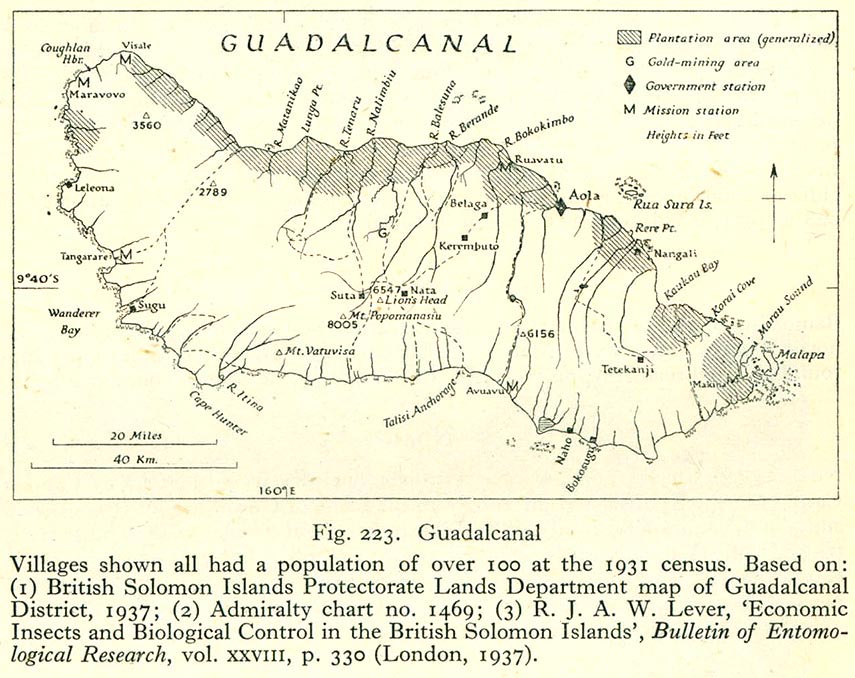
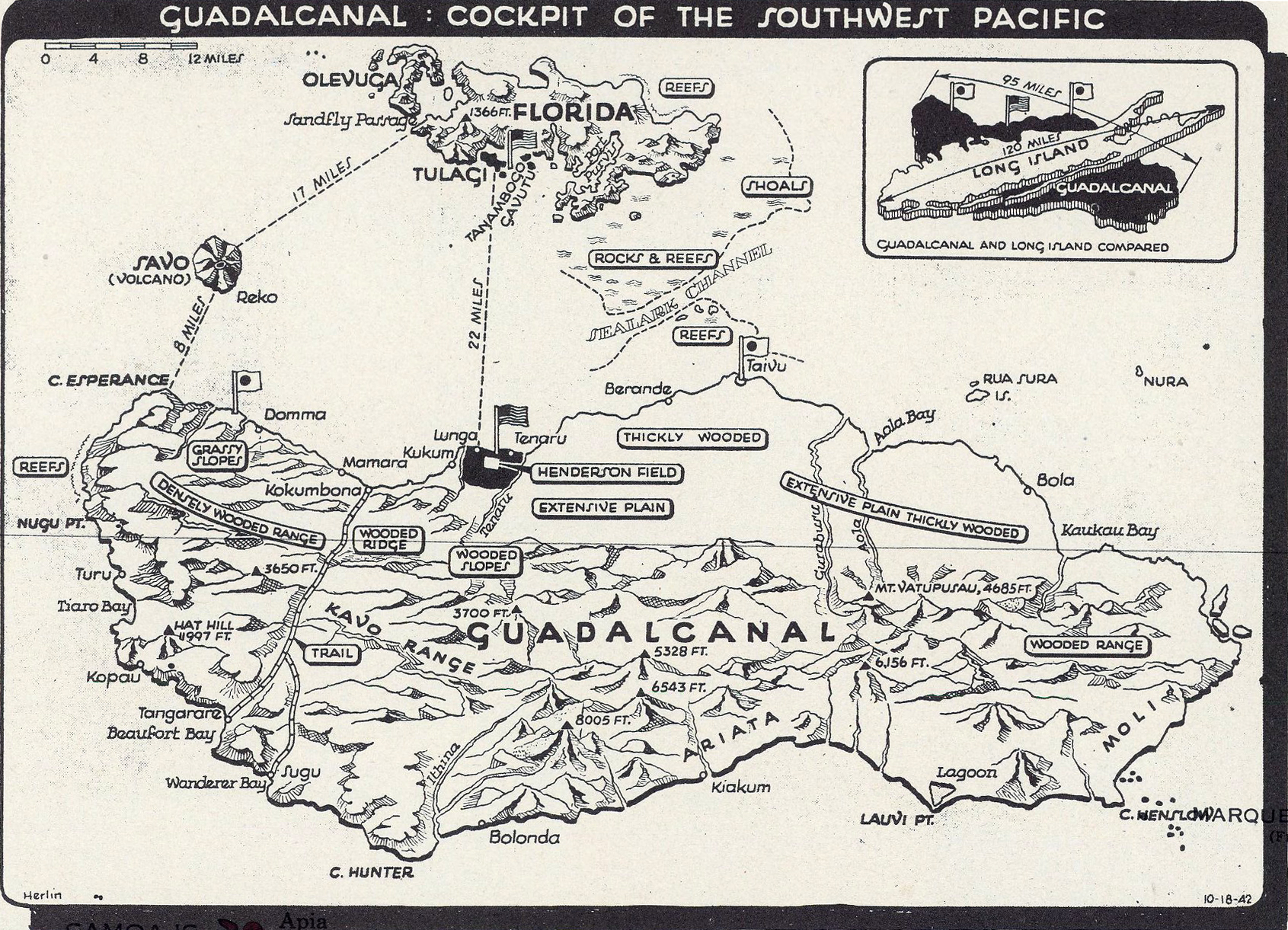
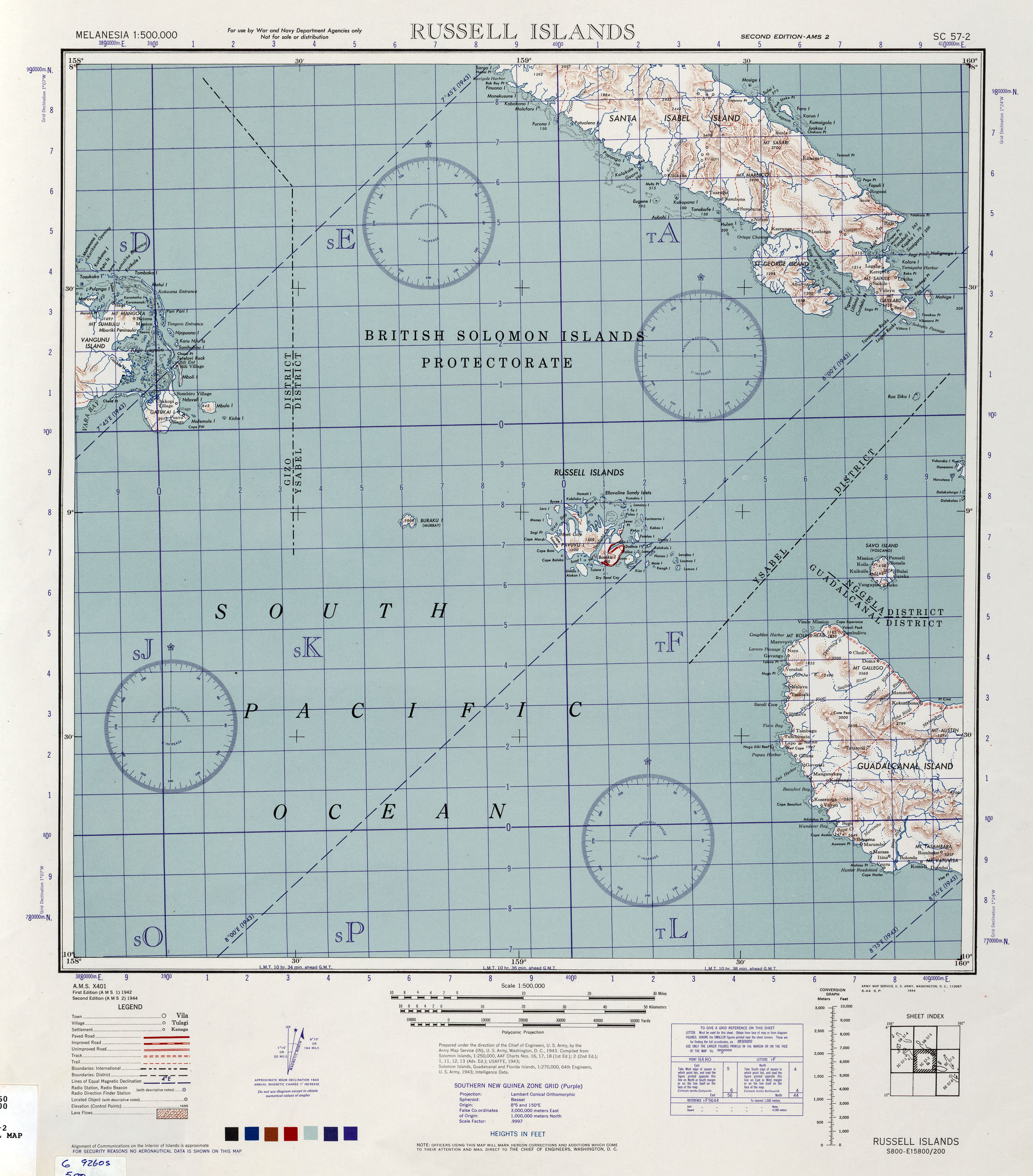
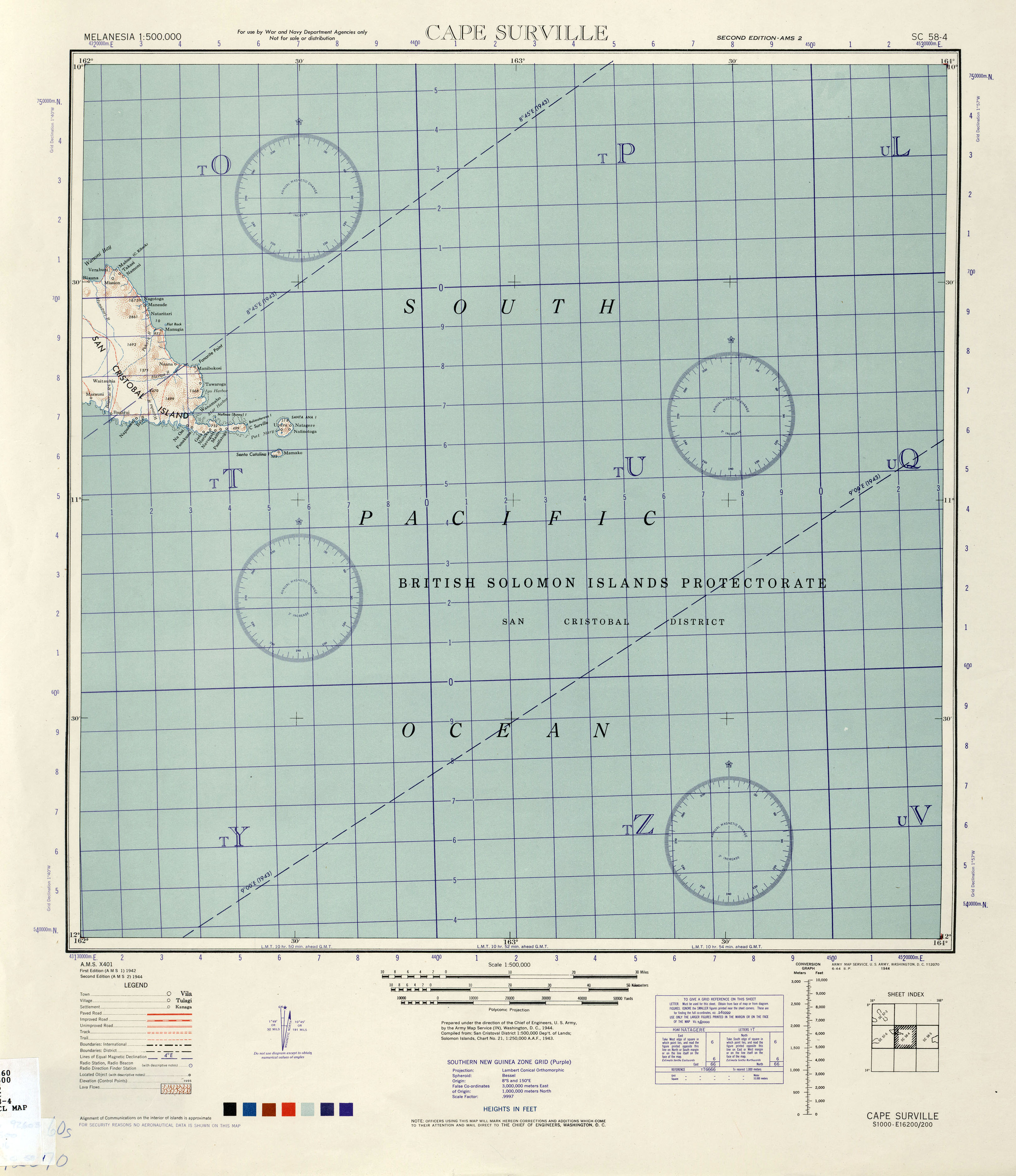
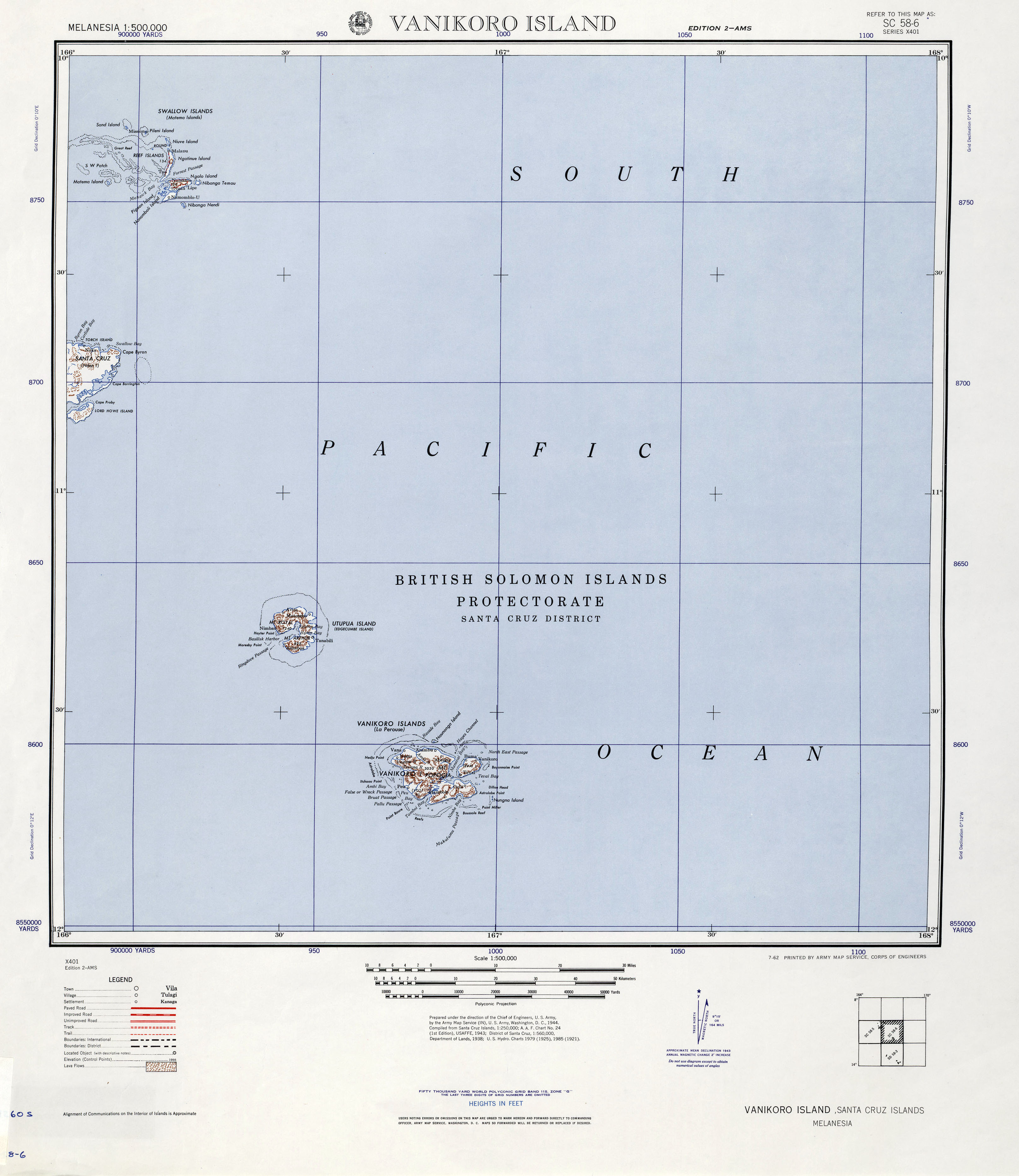
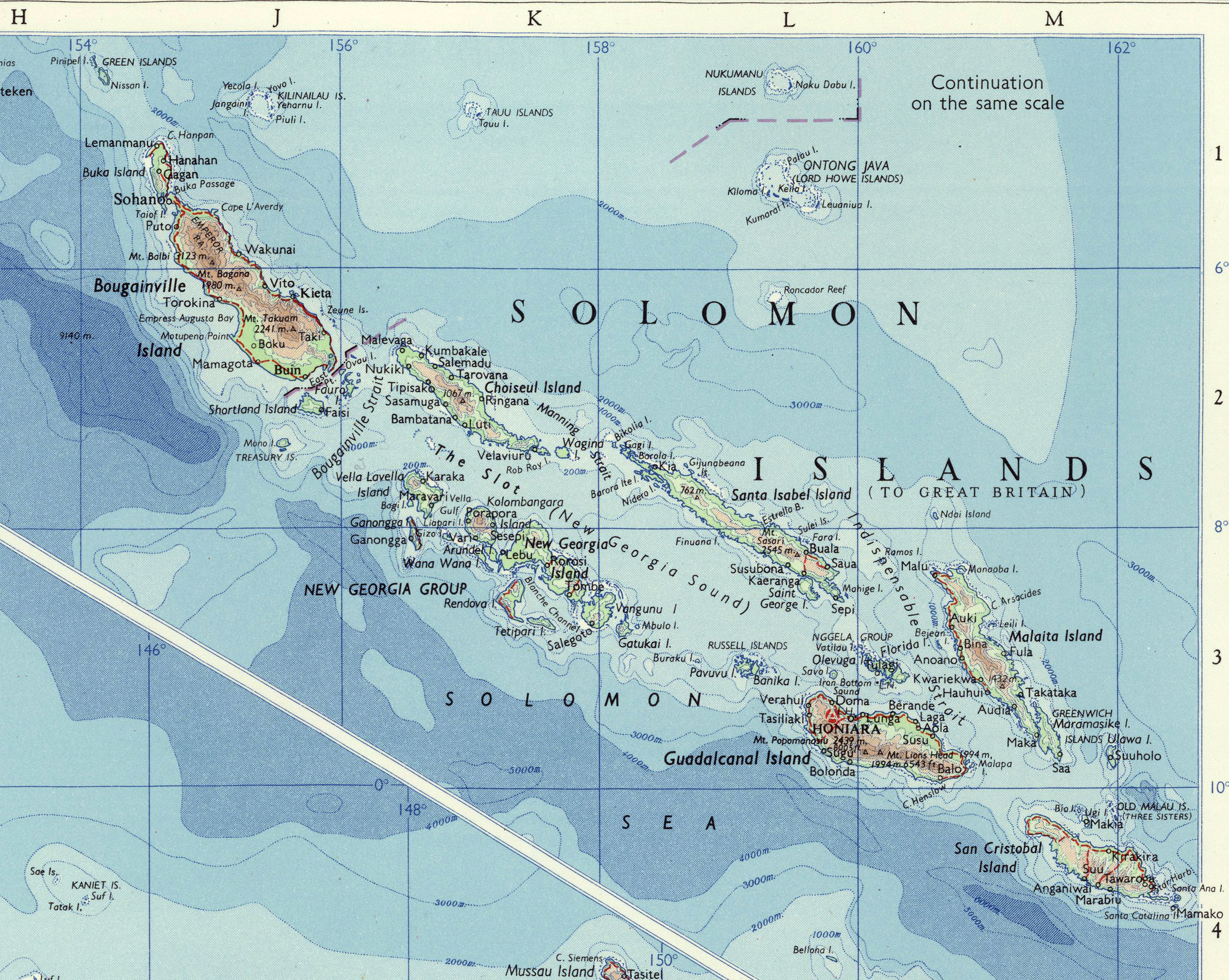
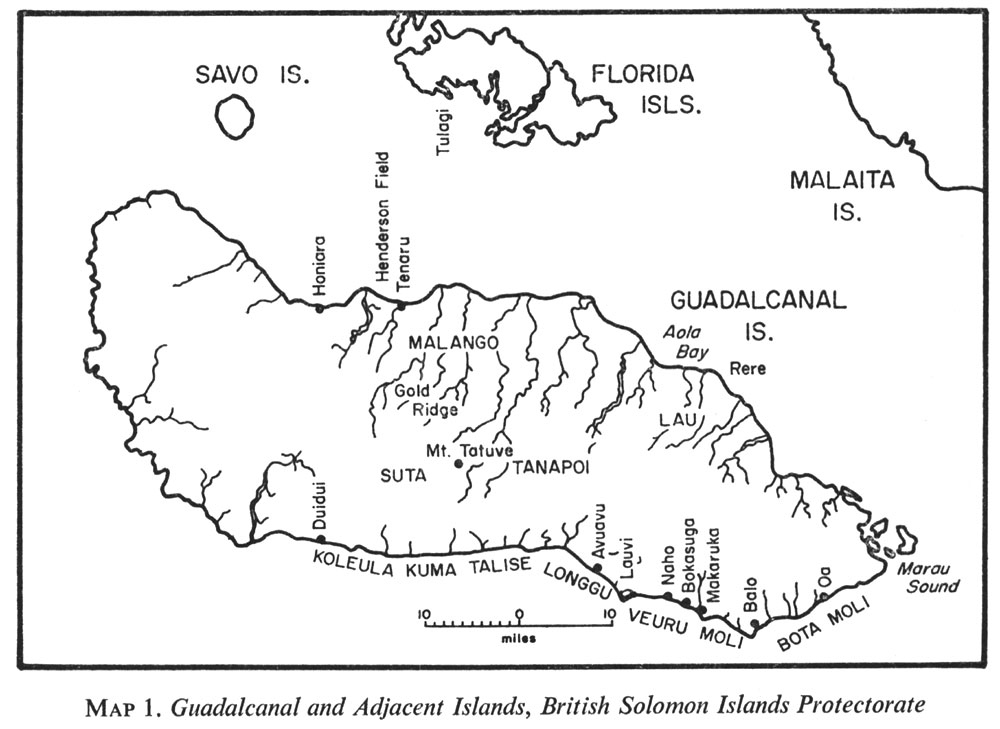
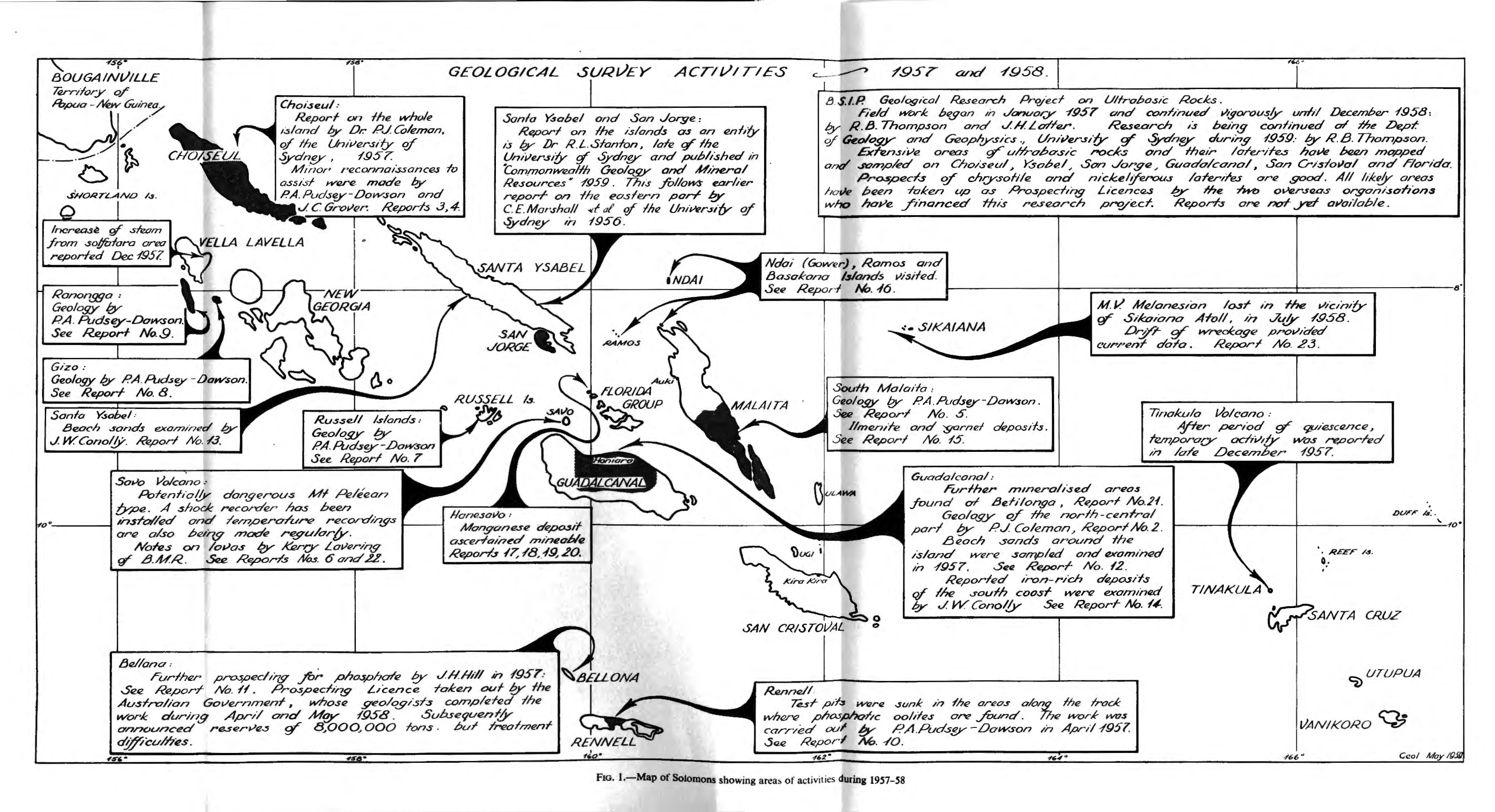
The Spanish navigator Alvaro Mendana discovered these islands in 1567, though it is somewhat doubtful whether he was actually the first European who set eyes on them. In anticipation of their natural riches he named them Islas de Salomon. The expedition surveyed the southern portion of the group, and named the three large islands San Cristoval, Guadalcanal and Ysabel. On his return to Peru, Mendana endeavoured to organize another expedition to colonize the islands, but it was not before June 1595 that he, with, Pedro Quiros as second in command, was able to set sail for this purpose. The Marquesas and Santa Cruz islands were now discovered; but on one of the latter, after various delays, Mendana died, and the expedition collapsed.
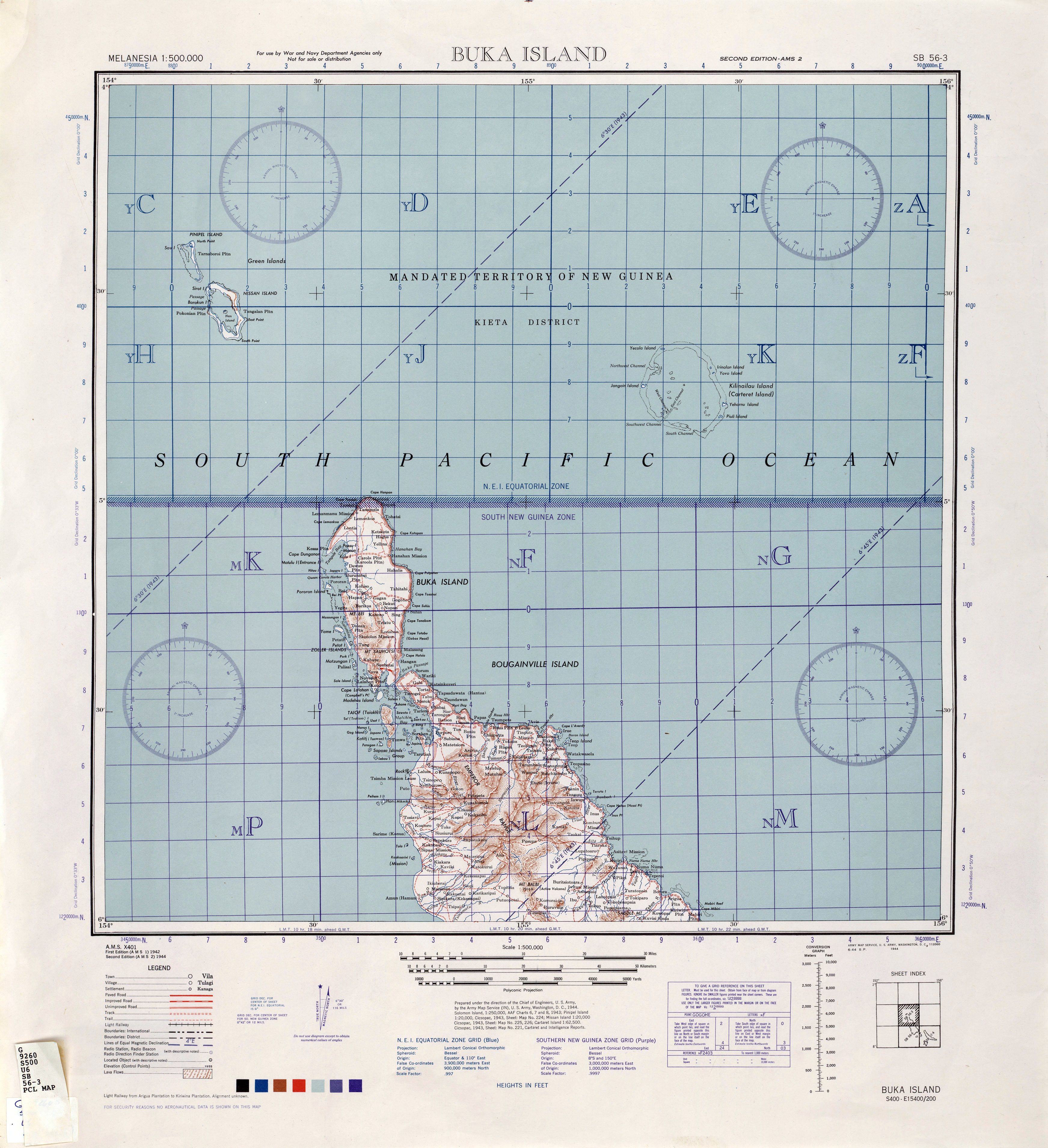
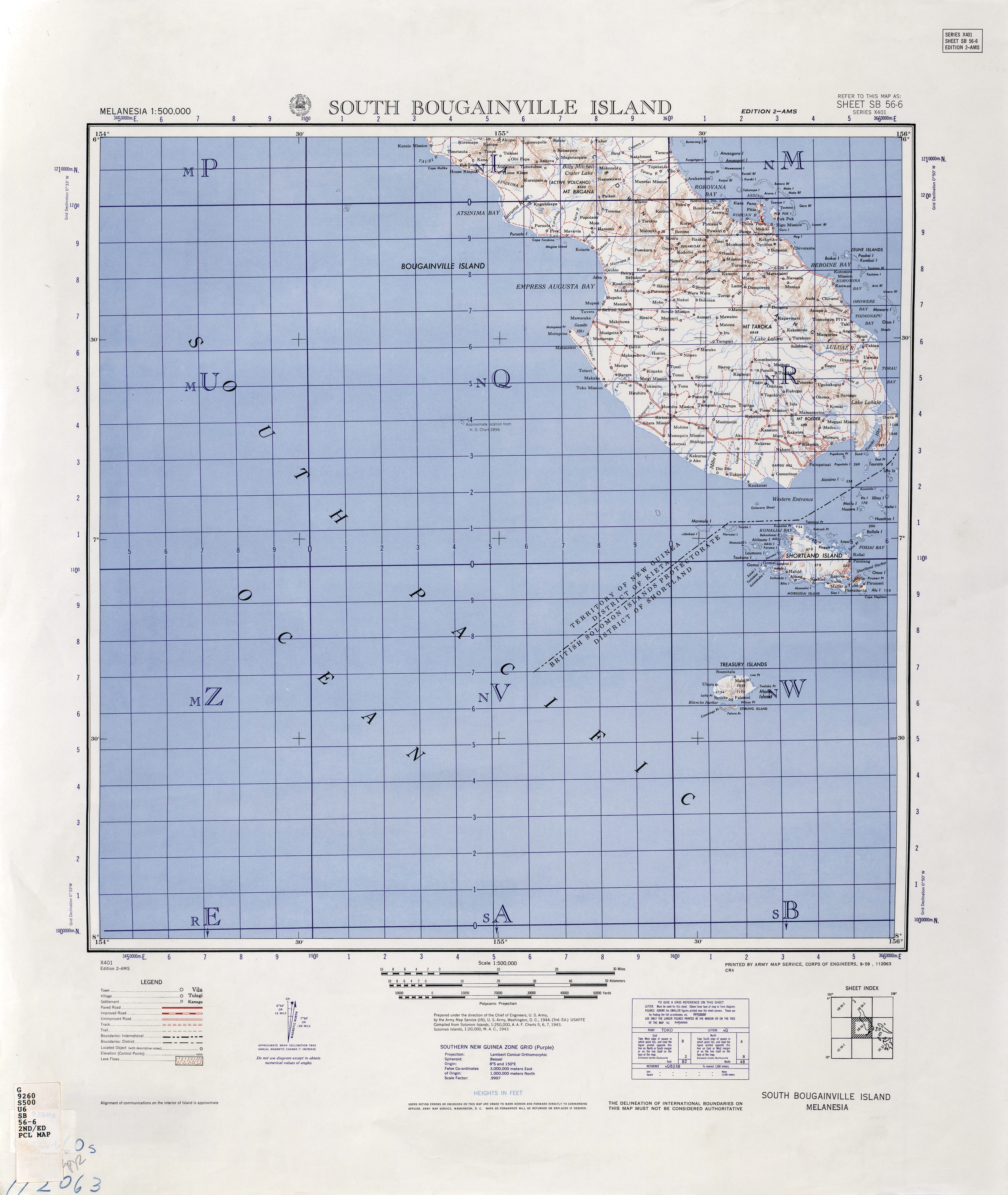
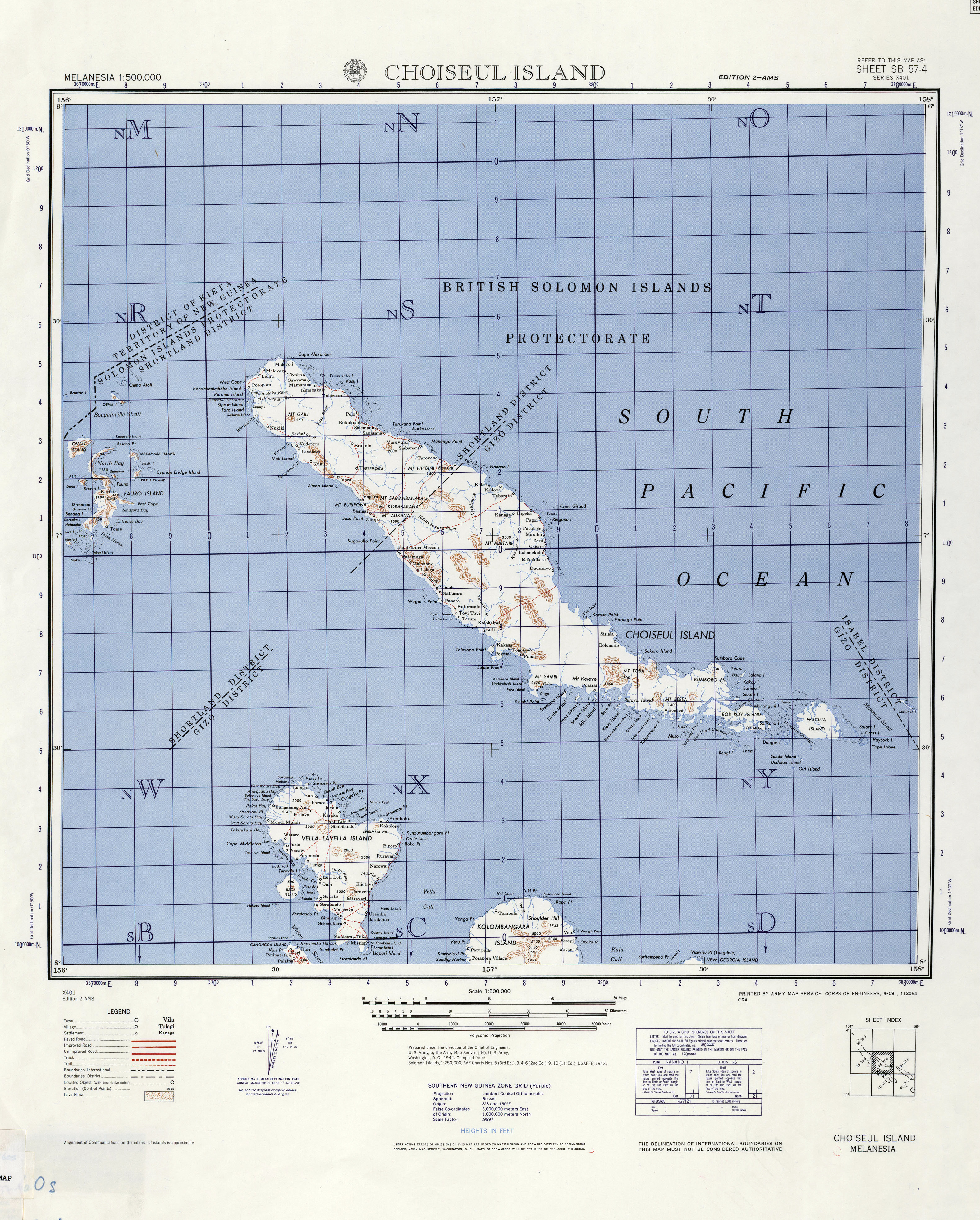
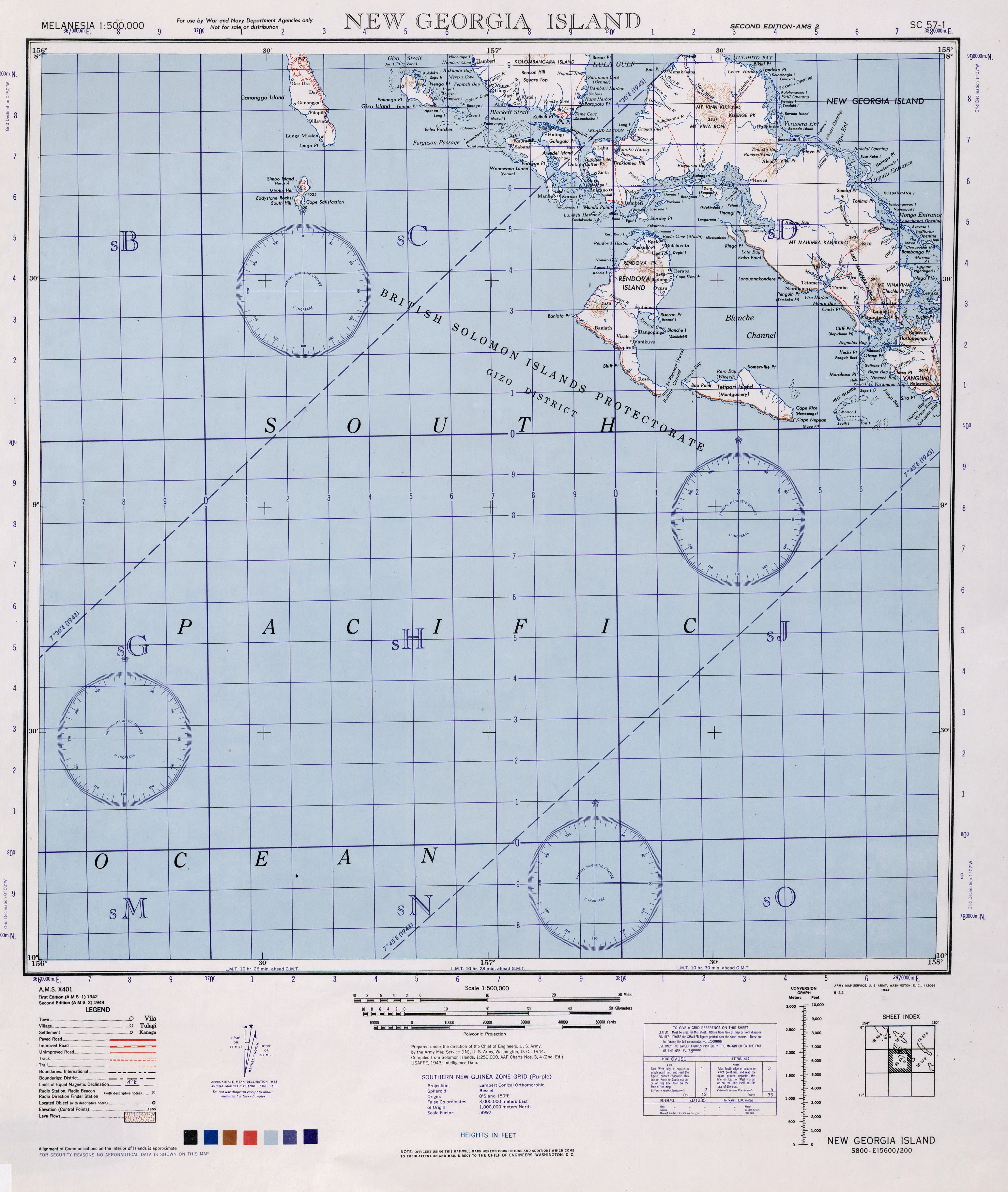
Even the position of the Solomon Islands was now in uncertainty, for the Spaniards, fearing lest they should lose the benefits expected to accrue from these discoveries, kept secret the narratives of Mendana and Quiros. The Solomon Islands were thus lost sight of until, in 1767, Philip Carteret lighted on their eastern shores at Gower Island, and passed to the north of the group; without, however, recognizing that it formed part of the Spanish discoveries. In 1768 Louis de Bougainville found his way there. He discovered the three northern islands (Buka, Bougainville and Choiseul), and sailed through the channel which divides the two last and bears his name. In 1769 a French navigator, de Surville, was the first, in spite of the hostility of the natives, to make any lengthened stay in the group. He gave some of the islands the French names they still bear, and brought home some detailed information concerning them which he called Terre des Arsacides (Land of the Assassins); but their identity with Mendanas Islas de Salomon was soon established by French geographers. In 1788 the English lieutenant Shortland coasted along the south side of the chain, and, supposing it to be a continuous land, named it New Georgia; and in 1792 Captain Edward Manning sailed through the strait which separates Ysabel from Choiseul and now bears his name.
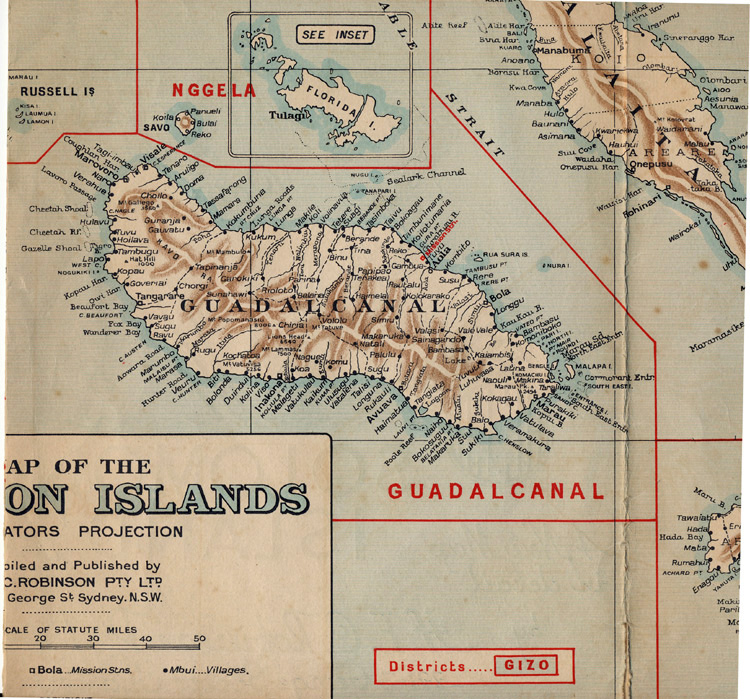
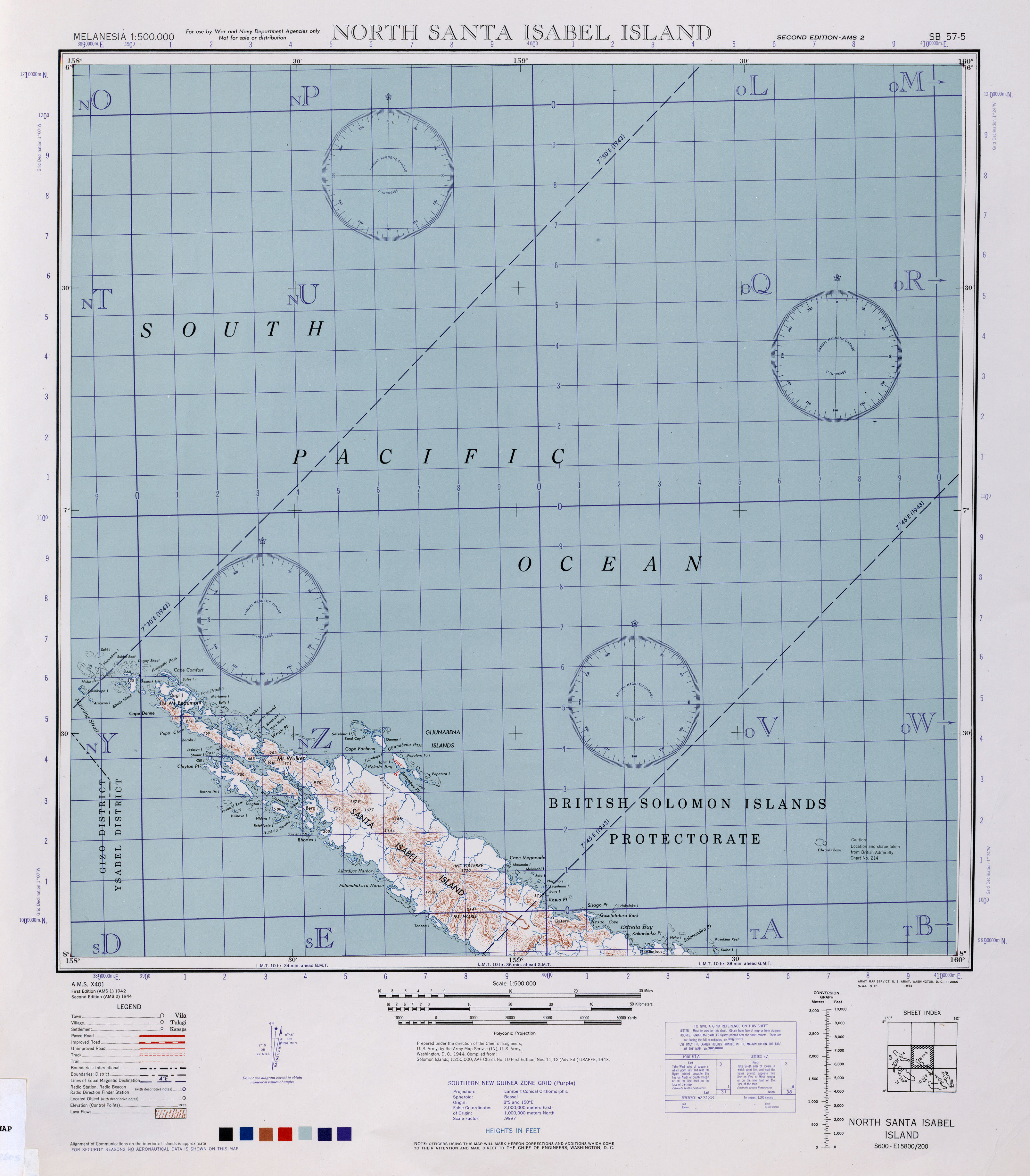
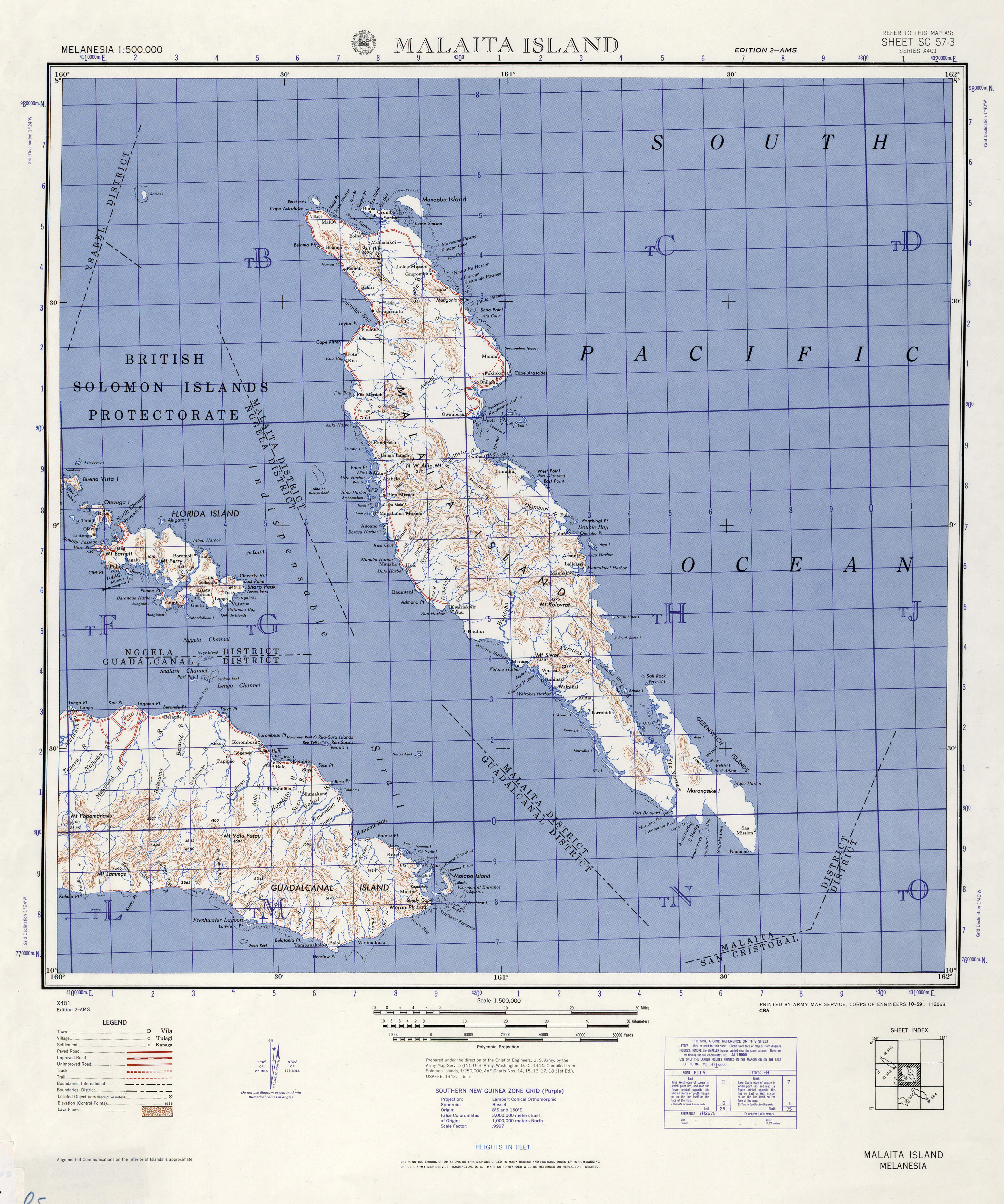
Traders attempted to settle in the islands, and missionaries began to think of this fresh field for labour, but neither met with much success, and little was heard of the islanders save accounts of murder and plunder. In 1845 the French Marist Fathers went to Isabel, where Mgr Epaulle, first vicar apostolic of Melanesia, was killed by the natives soon after landing. Three years later this mission had to be abandoned; but in 1851 work was again resumed. In 1856 John Coleridge Patteson, afterwards bishop of Melanesia, had paid his first visit to the islands, and native teachers trained at the Melanesian mission college subsequently established themselves there. About this date the yacht Wanderer cruised in these seas, but her owner, Benjamin Boyd, was kidnapped by the natives and never afterwards heard of. In 1873 the foreign labour traffic in plantation hands for Queensland and Fiji extended its baneful influence from the New Hebrides to these islands. In 1893 the islands Malaita, Marovo, Guadalcanal and San Cristoval with their surrounding islets were annexed by Great Britain, and the final delimitation of German and British influence in the archipelago was made by the convention of the 14th of November 1899.
The Japanese occupied the islands from 1942 to 1945. They became independent in 1978.
|