|
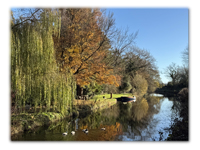
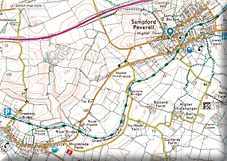
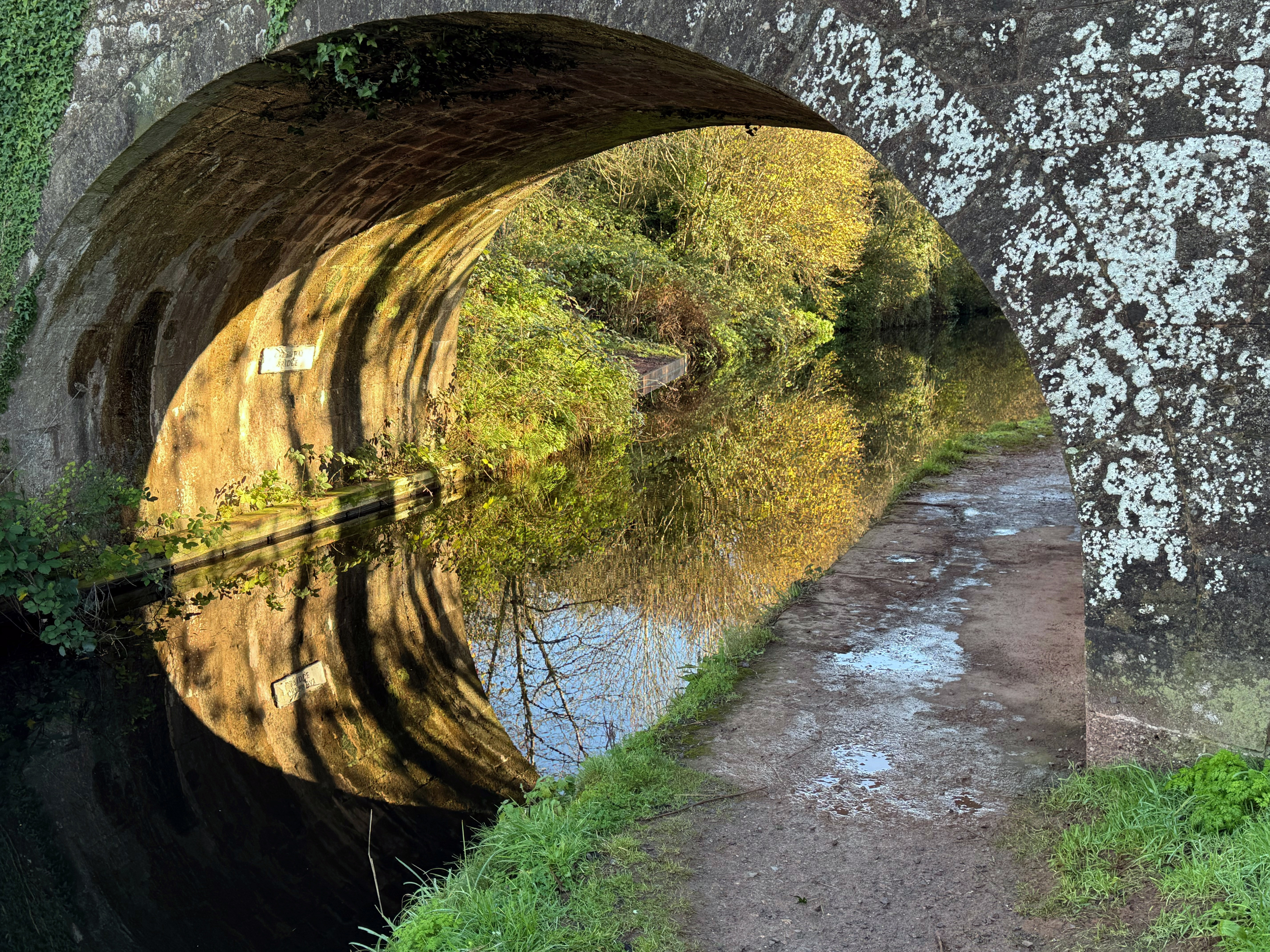
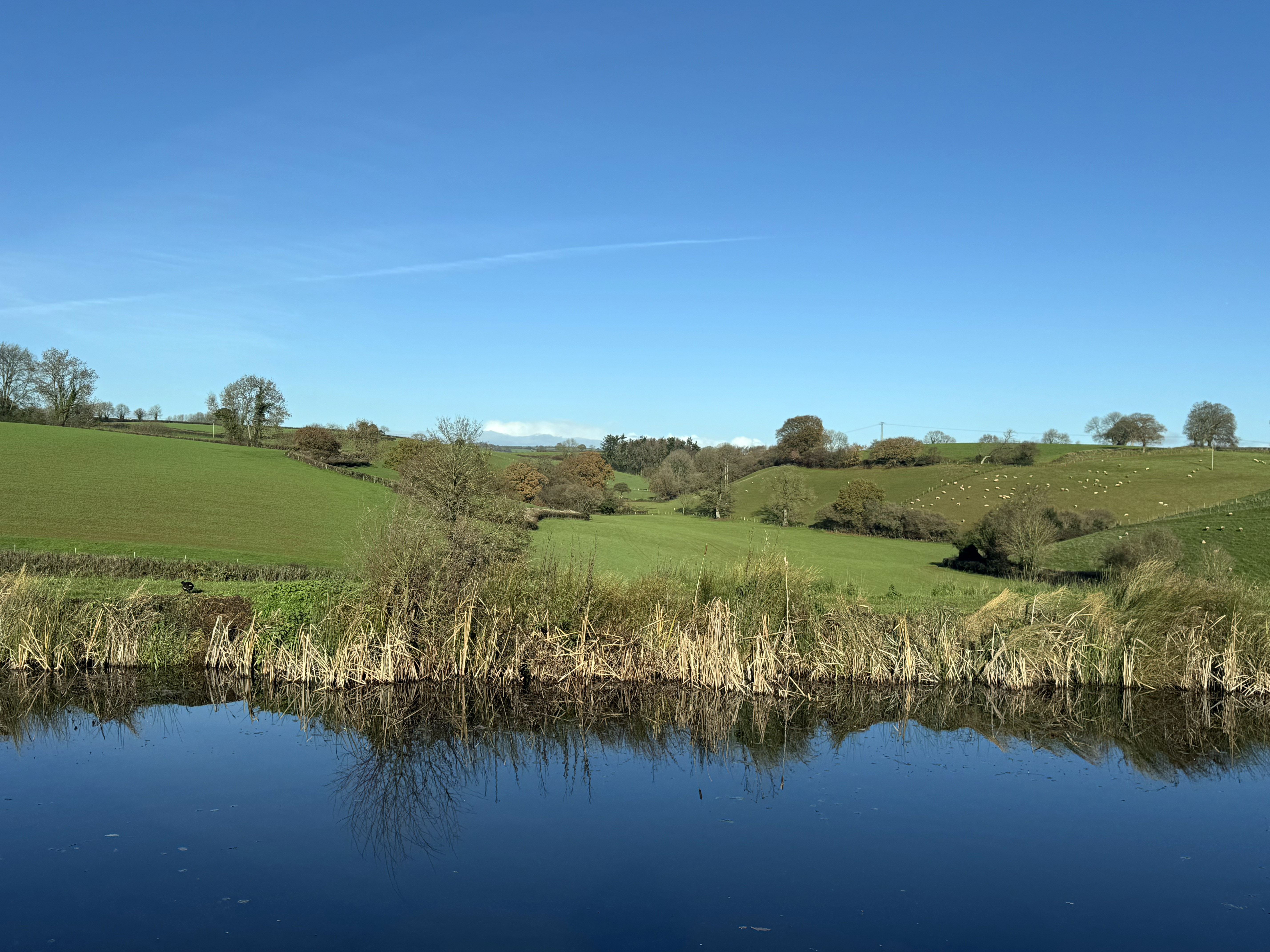
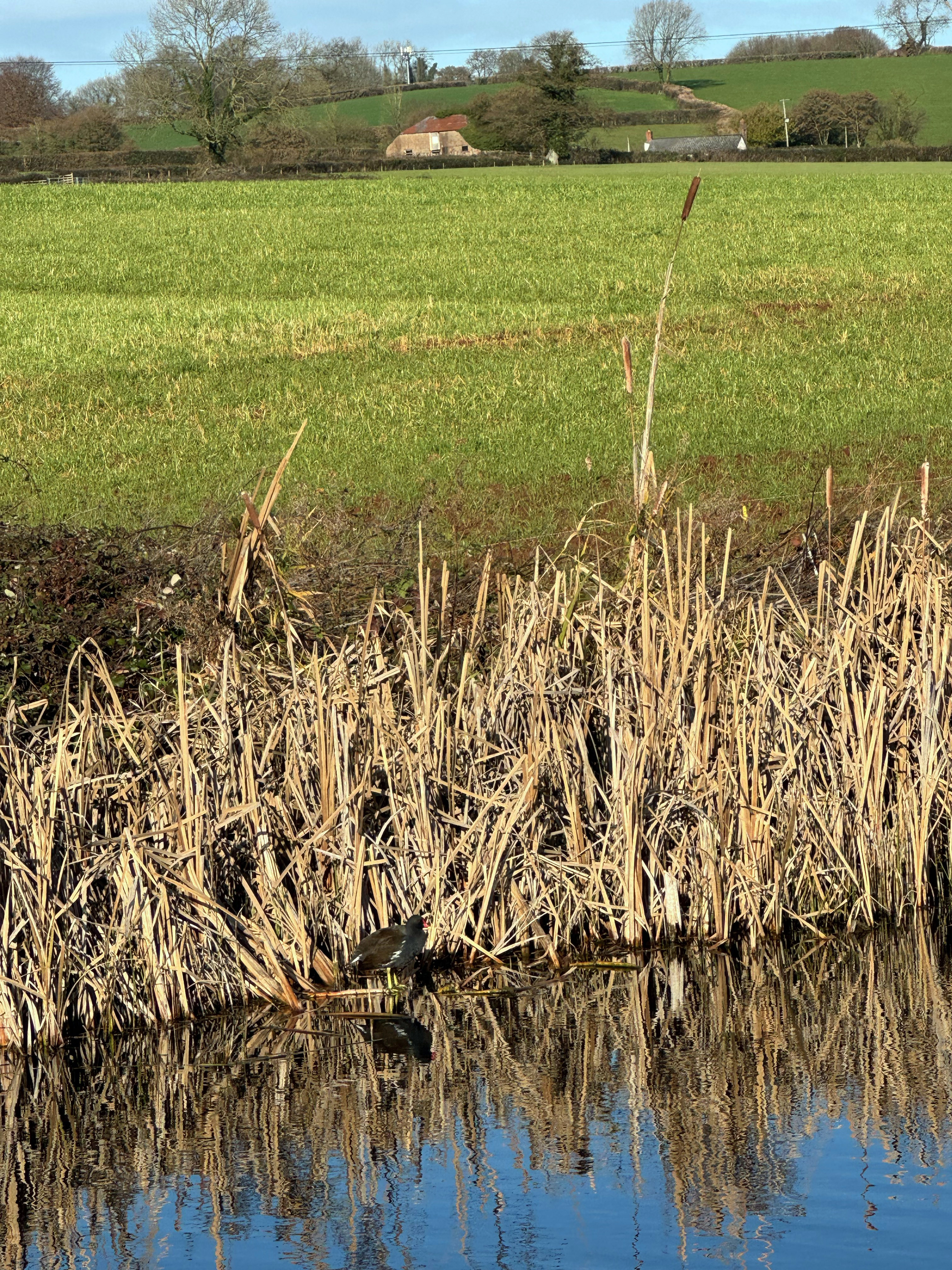
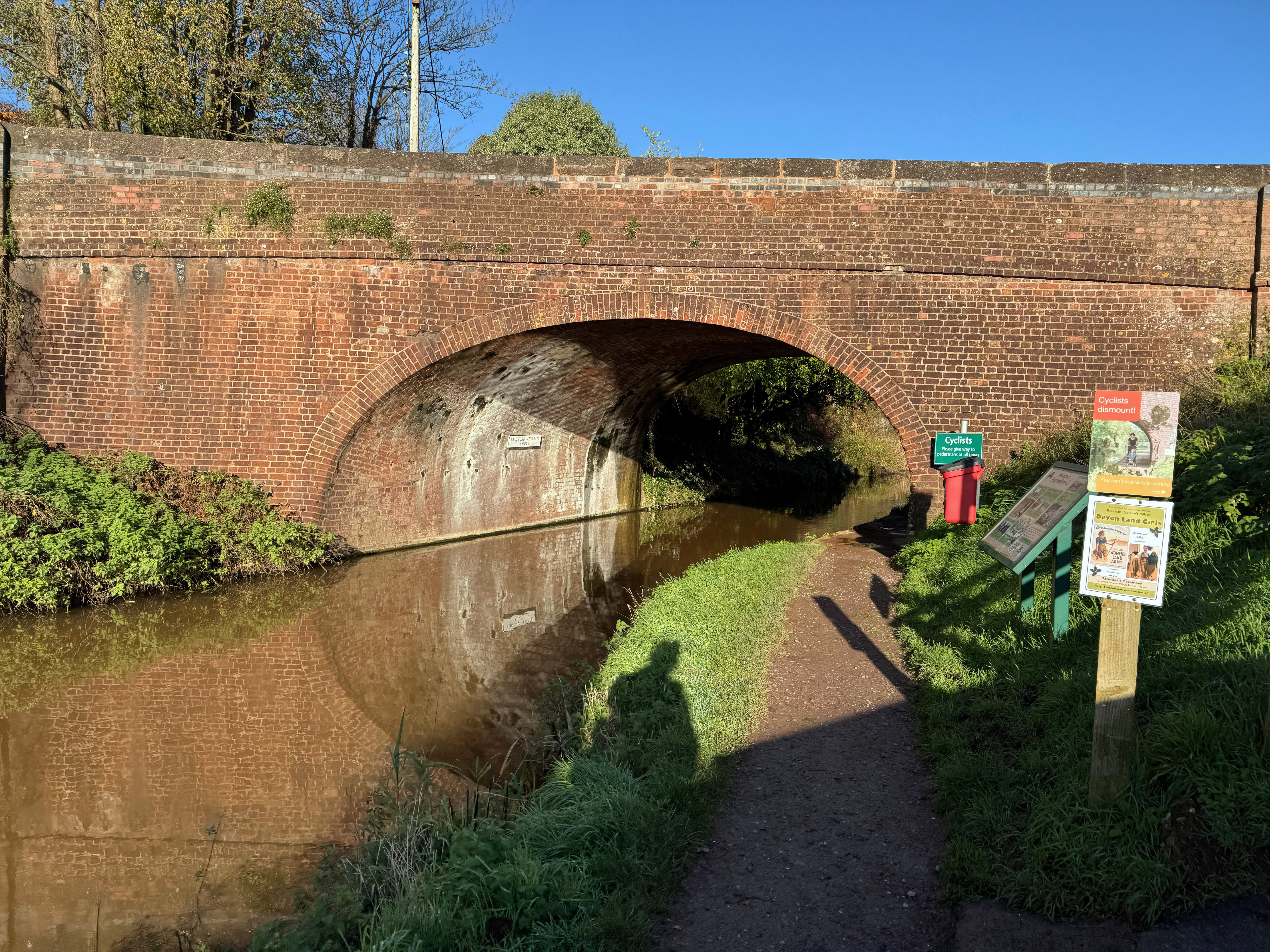
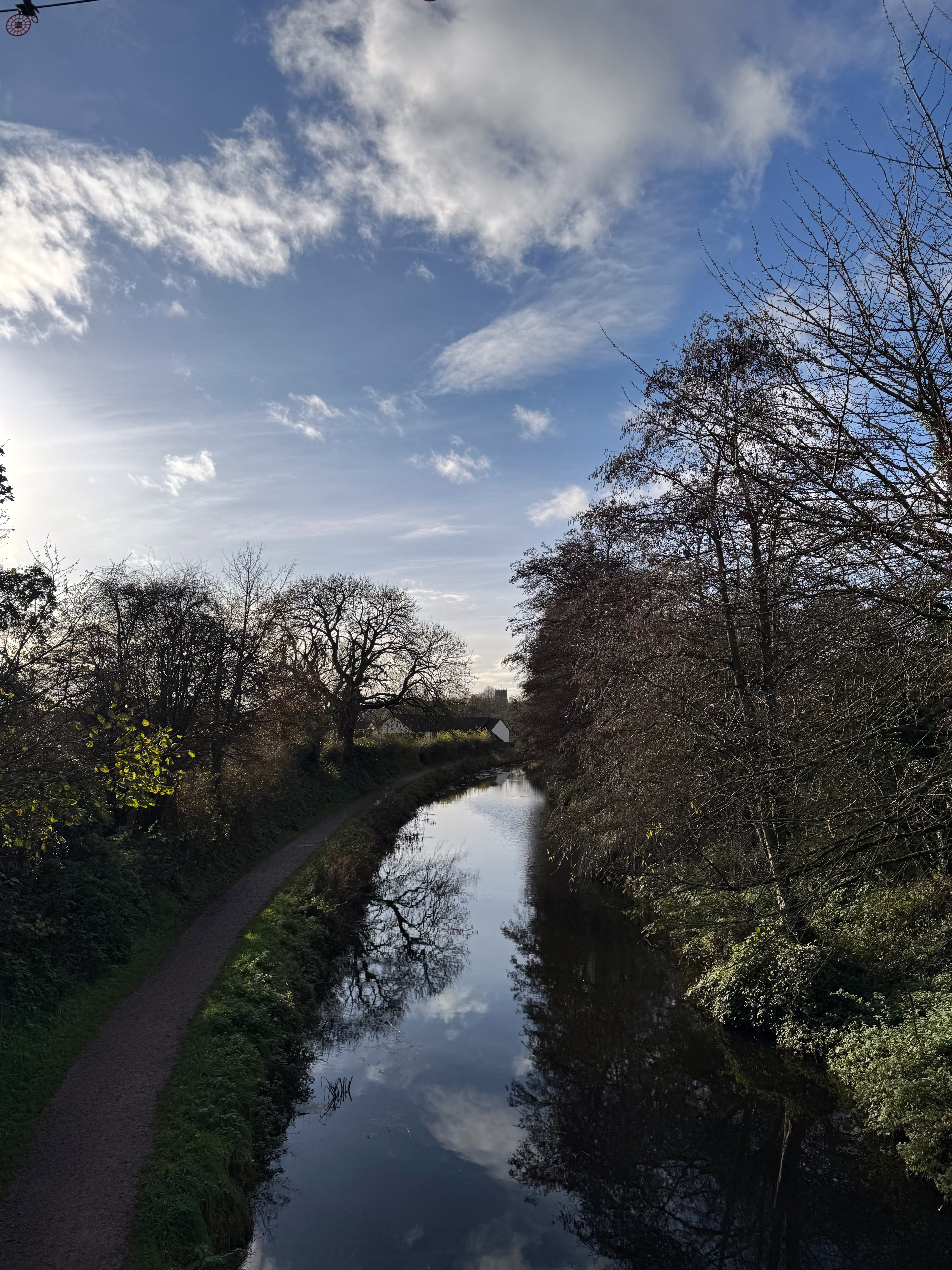
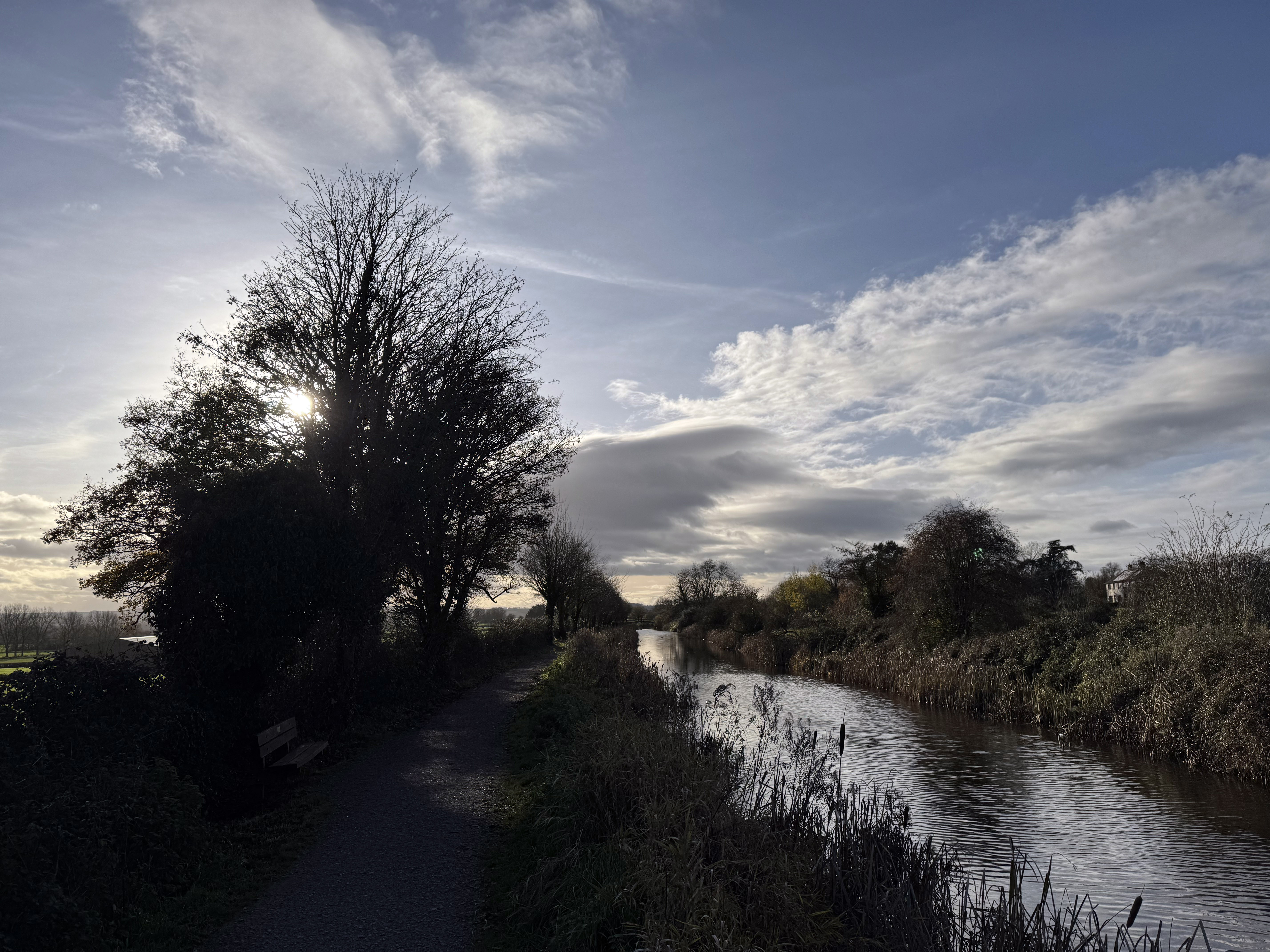
The last day of November awarded us a spectacularly sunny day as we once more headed to the Grand Western Canal near Halberton. Although this time with a view to heading eastwards to Sampford Peverell from Greenway Bridge. Not only was the winter sun shining but the water barely had a ripple in it, making for some gorgeous reflections of the trees, bridges and wildlife. Considering how wet and horrible the weather had been in the preceding days, this was a wonderful day for following the footpath. Oh, and we were once again treated to the beautiful sight of a Kingfisher dashing down the canal with its brilliant flash of blue and rusty red as clear in the reflection of the water as in its path of flight. Sadly once again they defeated my ability to wield my camera quickly enough upon it, and yet they are so distinctive and so joyous to see I can remember every single Kingfisher sighting I have ever made as if it were a photograph ingrained on my memory.
 |
|
|
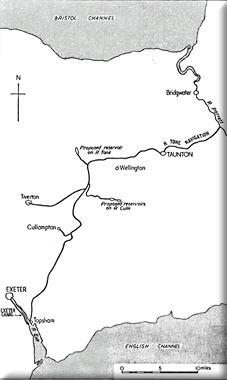
I mentioned in our previous walk that this was very much a canal to nowhere. Originally conceived to link Topsham near Exeter to Bristol in order to allow ships to avoid the dangerous journey around the precarious Devon and Cornish coastlines, the timing could not have been worse for the investors of this scheme. Starting in the middle, it opened in 1814 just five years before the first steam train run. What exacerbated the misfortunes of this project was their well-intentioned idea of having no locks, at least in this central section. This of course meant that the route had to be perfectly flat, and anyone who knows Devon will tell you it is rarely flat! This meant that huge embankments had to be built over the valleys on both sides to carry the water. On our route was an excellent example of just such a mammoth undertaking overlooking Ivy House and Battens Farm in one direction and up towards Broadview Farm in the opposite direction. This was of course largely constructed through manpower by the famous ‘navvies’ who for much of the 18th and early 19th century would follow the myriad ‘navigable’ rivers (i.e. canals) being built throughout the country. Many of these would be Irish, coming over looking for work and opportunities.
 |
|
|
There is a strange connection between these navvies and a famous (or rather infamous) ghost story. Back in 1810 a house in Sampford Peverell belonging to a Mr Chave became infamous as the “Sampford Ghost.” For months, witnesses reported violent knockings, women beaten by unseen blows, heavy objects hurled across rooms, and even a disembodied arm appearing above a bed. Clergymen and officials swore they saw these phenomena, yet no explanation was ever identified. Some suspected smugglers or fraud, others spoke of necromancy, but despite rewards offered, the mystery was never solved. A rather seedy clergyman called Reverend Colton seemed to take particular delight in popularising the suspicious occurrences. The Sampford Ghost entered popular culture with accompanying ballads and retellings. Anyway, shortly after this affair some navvies working on the canal were disputing their pay and conditions with an employer facing increasing financial difficulties — largely due to escalating costs because of the soil type and excessive embankments required. One day in 1811 a group of about 300 disgruntled and perhaps drunken navvies recognised Mr Chave going by in a cart returning home. They started taunting and jeering him, throwing things at him and questioning the ghost story in an aggressive manner. They beat up his cart driver and followed him to his reputed haunted house! The large workforce threw stones at his windows and threatened to pull the house down brick by brick to find any ghosts. To try and disperse them and in fear for his life and property, Mr Chave fired a loaded pistol into the mob, killing one of them by the name of George Helps. The coroner’s inquest became something of a sensation but Mr Chave was cleared of defending his family and property from the depravities of the mob through the convenient sentence of “justifiable homicide,” remembering that this was whilst the Napoleonic Wars were in full flow and the consequences of mob rule in France were fresh in everybody’s mind. George Helps was not to be the last victim of this affair as Reverend Colton would act in a very unchristian-like manner by running up continued gambling debts wherever he went, including in America and France. In the end he committed suicide in Paris in pain and poverty. The collision of these two stories really does shine a fascinating light on events in this corner of Devon in the early nineteenth century.
 |
|
|
We passed another interesting engineering feature at the swing bridge which doesn’t look like it has swung for a very long time, and its height hints that it was designed to swing to allow ships with masts to pass it en route from Exeter to Bristol or vice versa — no barge would need this bridge to swing out of the way! This metal structure would have replaced an earlier wooden bridge but used the same dimensions and height for simplicity. What is interesting about this section is that in 2012, after terrible flooding which overwhelmed the canal’s capacity to hold the water and extensive overtopping, remedial works discovered at the site of this bridge that the original engineers had built a stop gate that would allow for repairs or to isolate a section to be drained. Basically there was a submerged door that a horse could pull up, closing off the canal and then draining one of the adjoining sections. It is thought to be the only remaining stop gate on the entire canal.
Now the name of Sampford Peverell is fascinating to me as I also live in an area of Plymouth called “Peverell,” and yes they are related to the same Norman family. Peverells accompanied William the Conqueror and received extensive land gifts in the wake of the Norman conquest. In the 12th century the manor near Tiverton was granted to William Peverell and this family name was added to the place name to give its current name of Sampford Peverell. His son Hugh Peverell would take over the manor at Weston here in modern-day Plymouth and it would become called Weston Peverell. Eventually his son John Peverell would give away this manor as a dowry to Nicholas Carew to marry his sister Amicia Peverell, who held it for another five generations of Carews. Small world though, to have these two manors sixty miles apart with the same origins in name.
 |
|
|
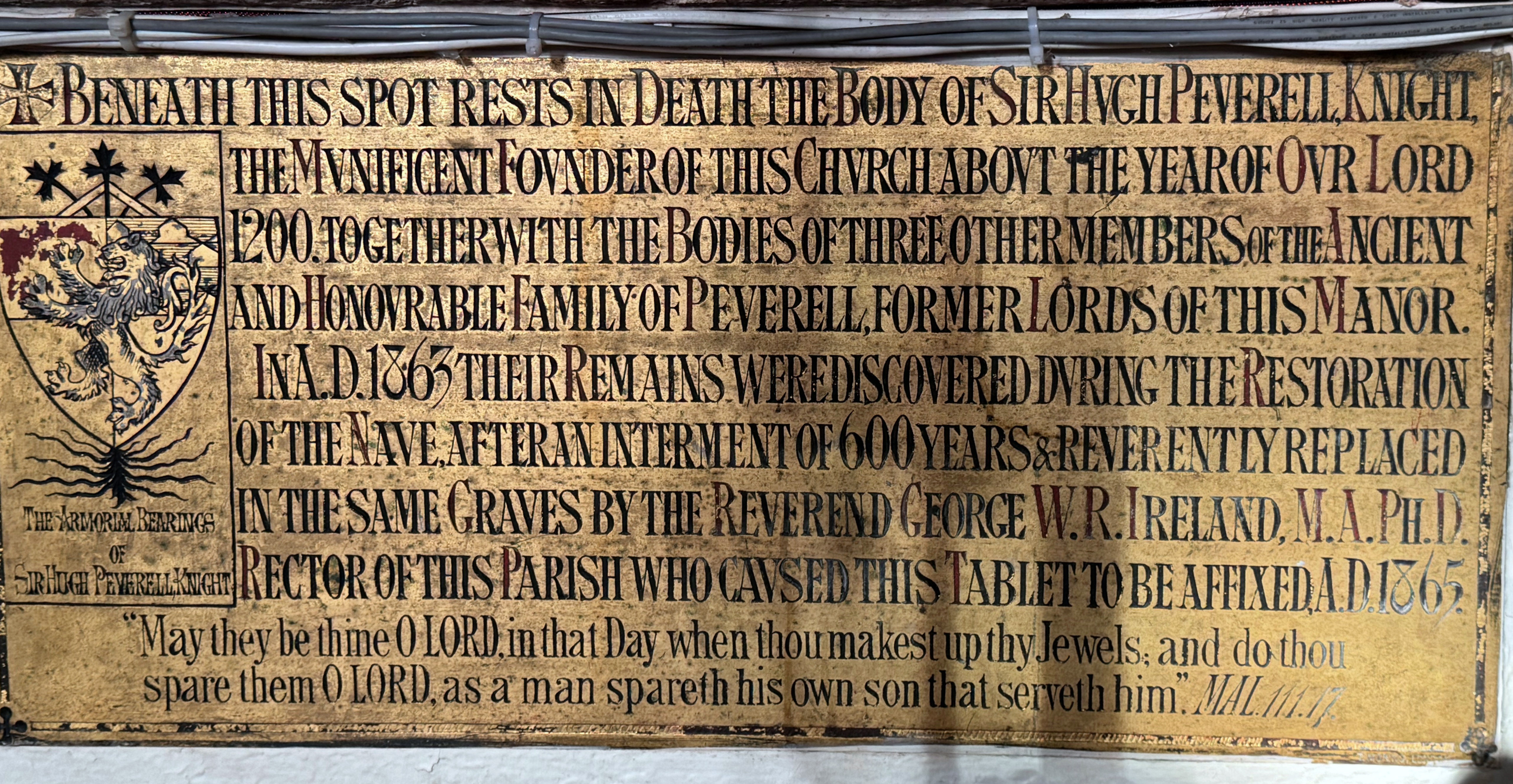
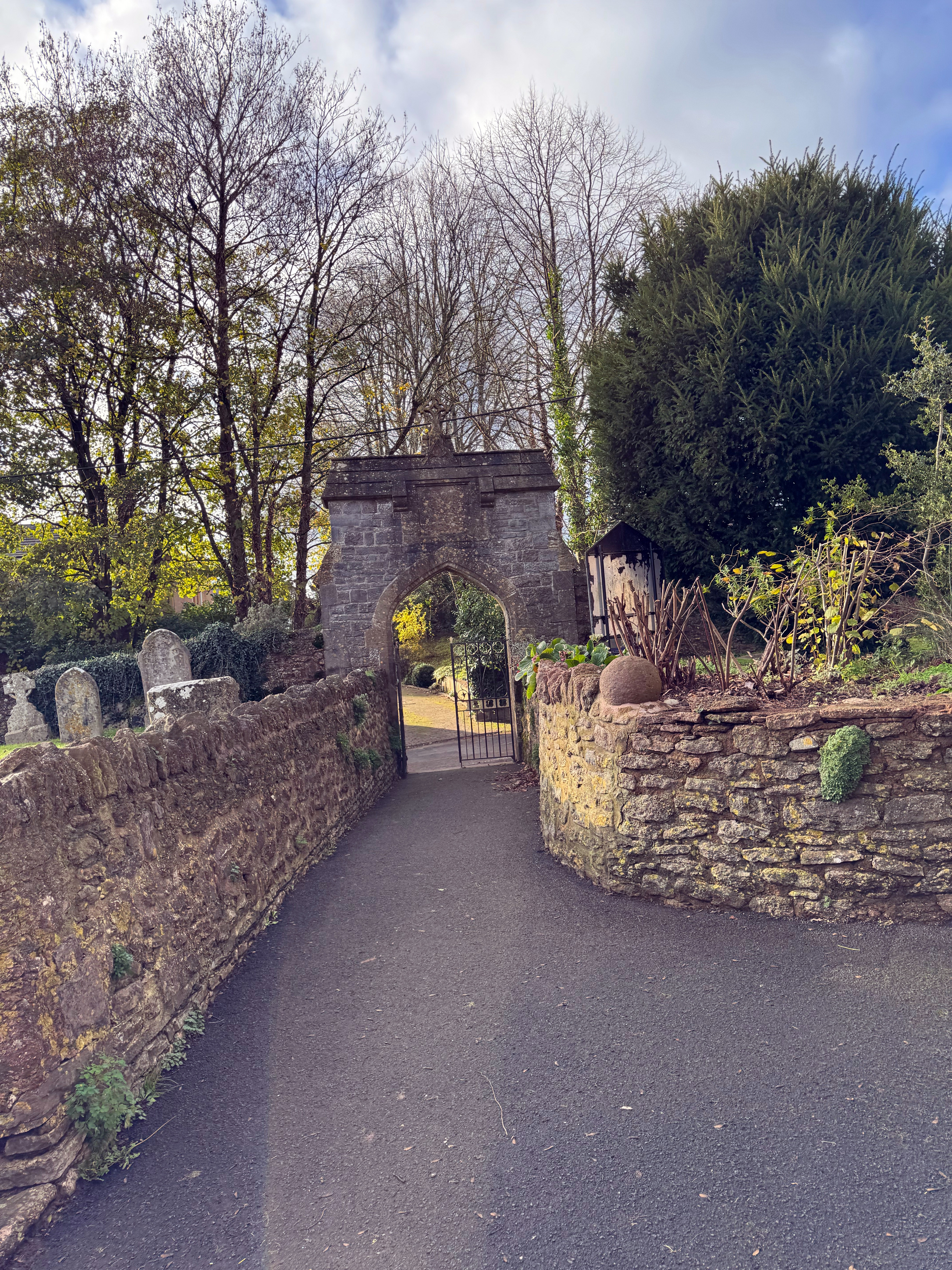
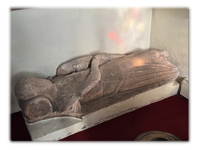
Apparently Sampford Carew did once have a castle, but it has long gone. It does have a magnificent church with the effigy of the next generation of Hugh II Peverell (son of the Weston Peverell Hugh). This Hugh II was only thirty-six when he died in Bodmin but was returned to his manor here at Sampford to be buried in the church that the Peverells had had built in the 13th century by the name of St John the Baptist.
 |
|
|
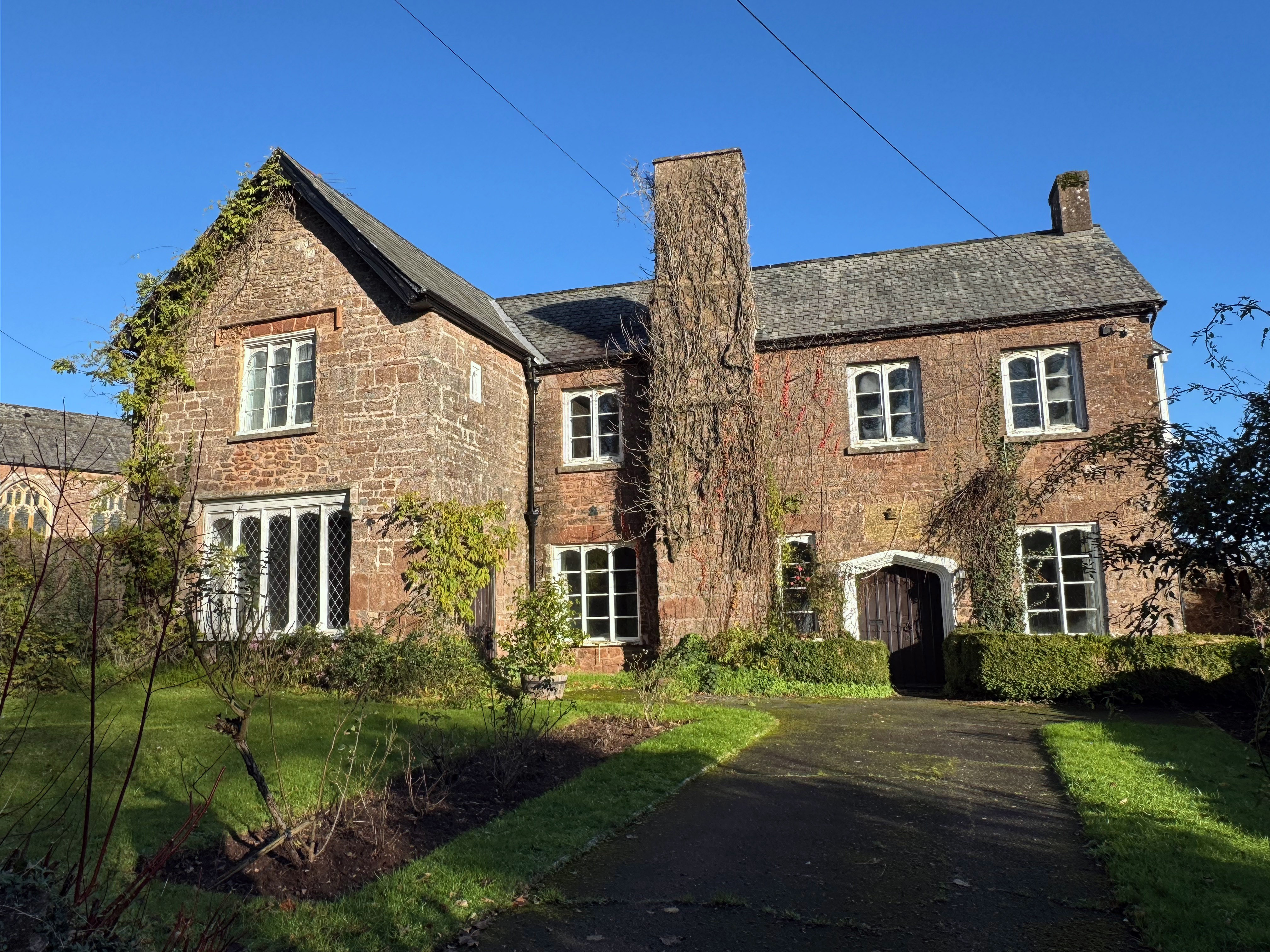
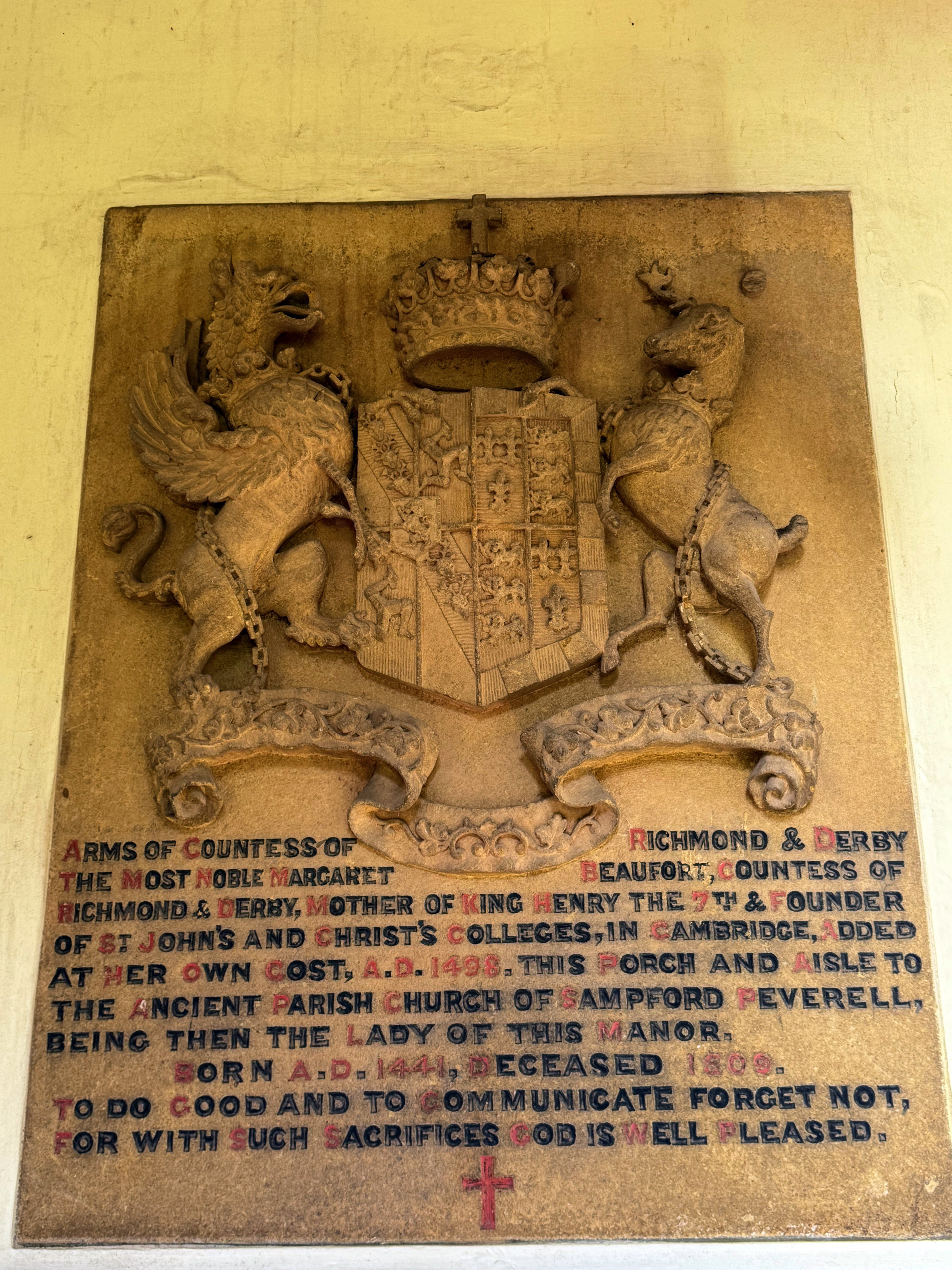
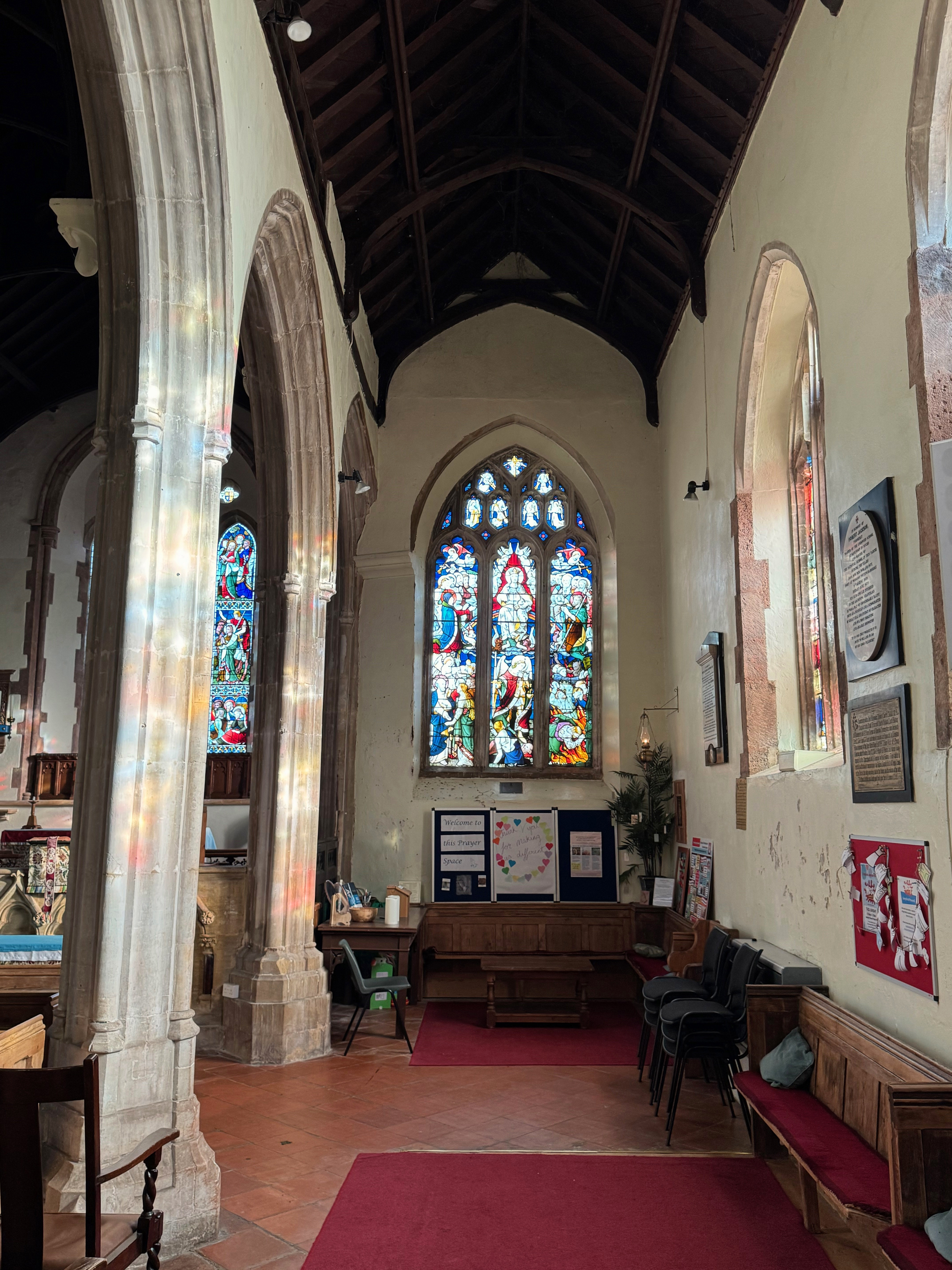
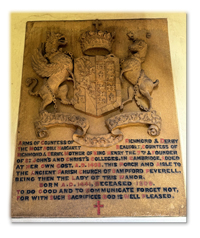
Now this church also had another very famous benefactor at the end of the 16th century — a certain Lady Margaret Beaufort, who you might know better as the determined mother of Henry VII. She was somewhat notoriously overbearing and protective of her son, who seemed to find that the best solution to keep her from meddling in his affairs was to give her land and property in the extremities of England and encourage her to spend time looking after her extensive estates. She was a very pious individual who believed that she had much to thank God for after her son gained the Crown of England. The South Aisle and Porch were added to the church at her instigation, and right next door she had a rectory house built which she also used herself on a number of occasions. There is a rather lovely coat of arms dedicated to her in the porch in recognition of her patronage.
 |
|
|
After her death an interesting bailiff was appointed to her estate here in Sampford Peverell by the name of James ap Jenkins — a Welsh Yeoman of the Guard. This was a brand new formation created in 1485 by Henry VII and was inspired by his time in France where he saw the Royal Guard in operation. James ap Jenkins was Welsh and served both Henry VII and his son Henry VIII with distinction, including attending the famous meeting between Henry VIII and Francis I of France at the Field of the Cloth of Gold in 1520. He seemed to make a life for himself in Sampford Peverell in parallel to his normal life elsewhere, and intriguingly he left a will where he left much of his possessions in Sampford Peverell to a “little wench” called Thomasyn whilst the rest of his belongings went to his actual wife! Not sure how happy the wife would have been when that bit of the will was read out.
 |
|
|
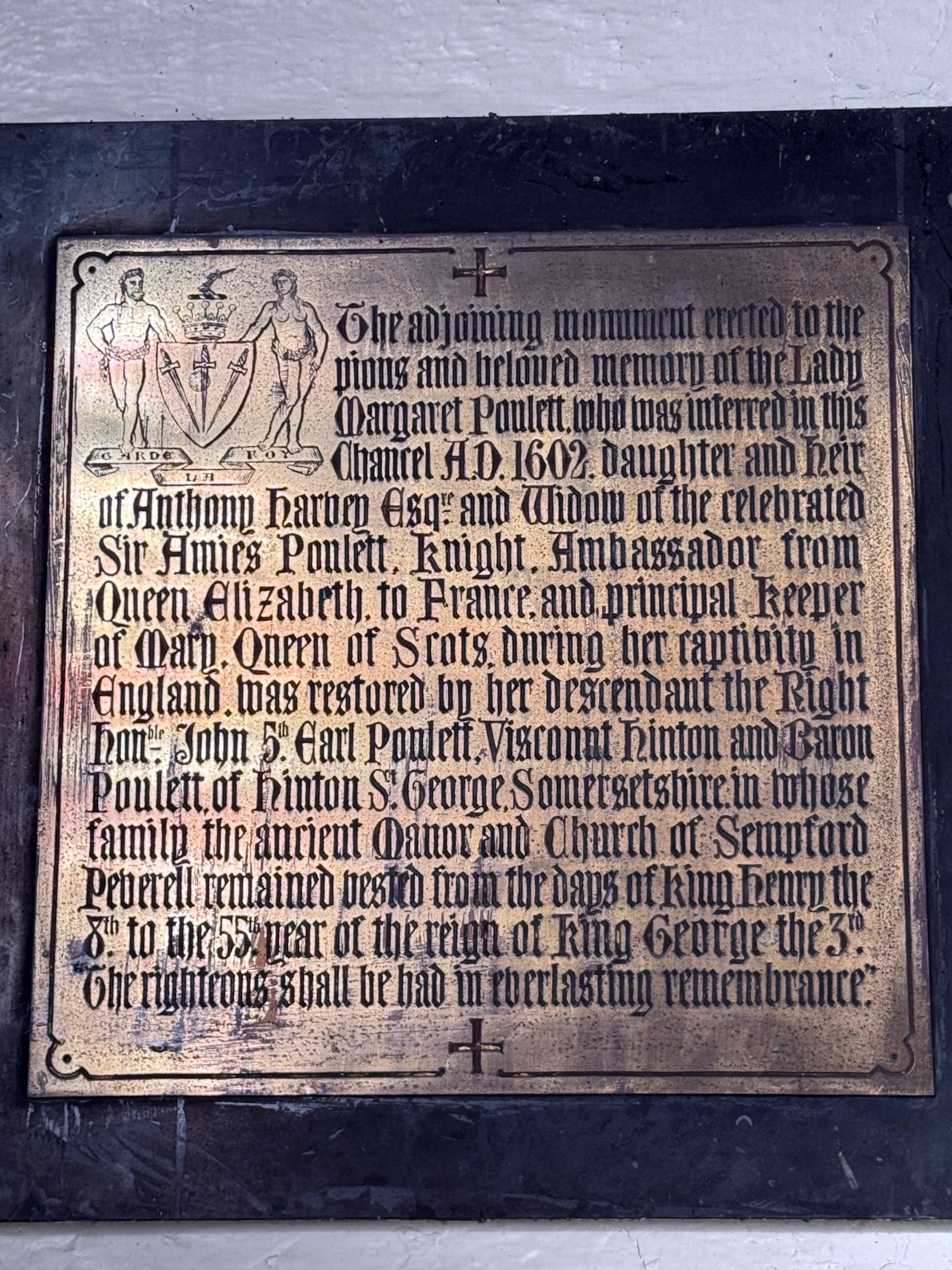
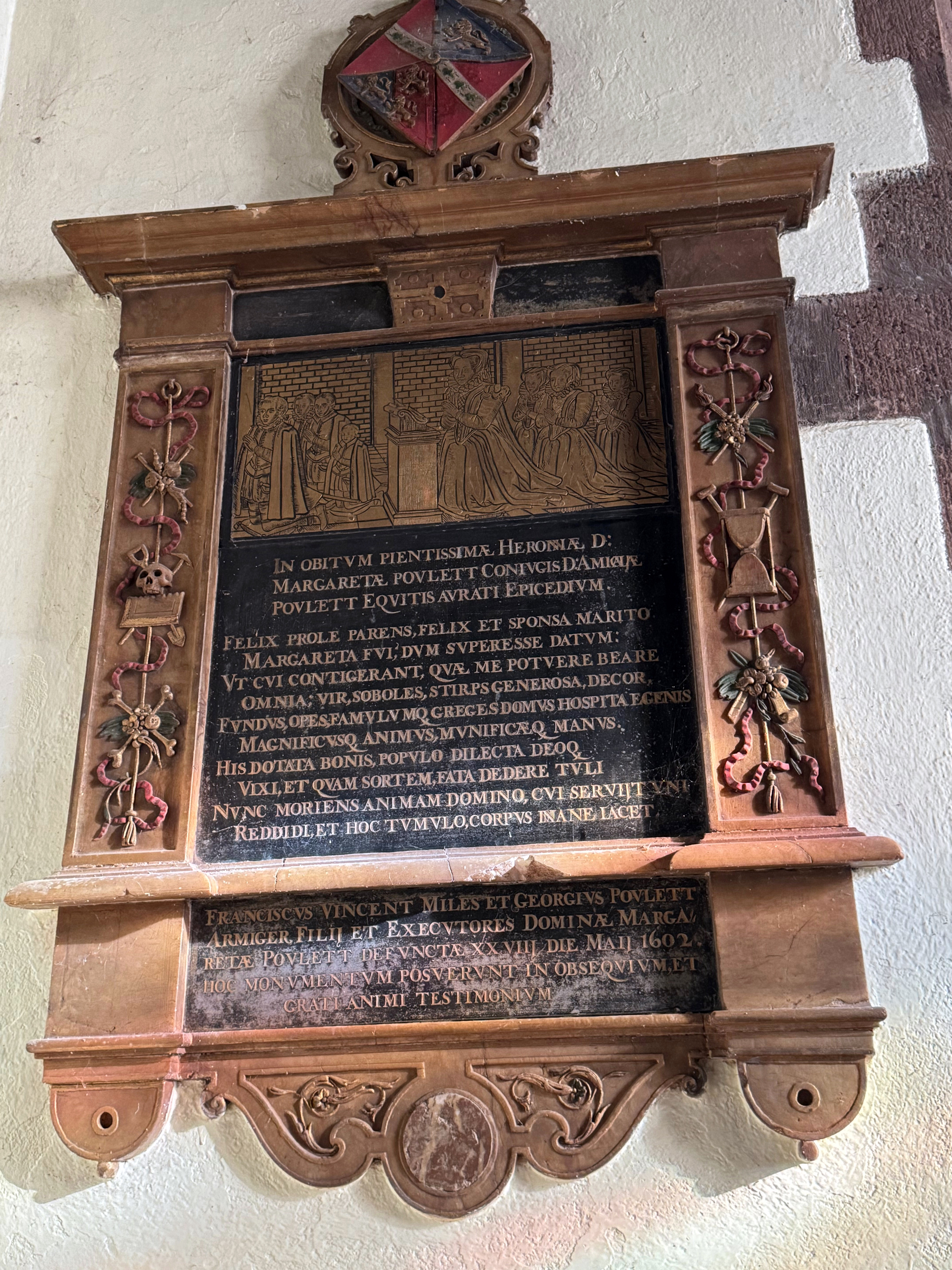
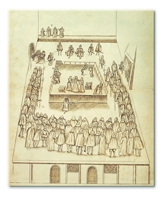
And then there is one more fascinating character of history commemorated in the church. In the corner is a rather lovely memorial to Margaret Paulett, the widow of Sir Amies Paulett who was, like his father, the Governor of Jersey and who had been Queen Elizabeth’s Ambassador to France, and indeed Queen Elizabeth had knighted him personally. But even more intriguingly he was the last jailer of Mary Queen of Scots. Apparently he was a harsh but fair jailer which endeared him to Elizabeth. However, when Walsingham supposedly suggested that Paulett might quietly assassinate her to rid his Queen of her bothersome relative, Paulett did at least illustrate that there were limits to his loyalty with this very illustrative comment: “I would not make so great a shipwreck of my conscience, or leave so great a blot to my poor posterity, as shed blood without law or warrant.” He did however attend Mary’s execution and is depicted as number three on the famous Beale illustration of her execution in 1587. He was not to live much longer himself though and died the following year in 1588. He had wished to be buried in Sampford Peverell but died in London and so was buried in St Martin-in-the-Fields, although his wife would indeed be buried and commemorated here in Devon.
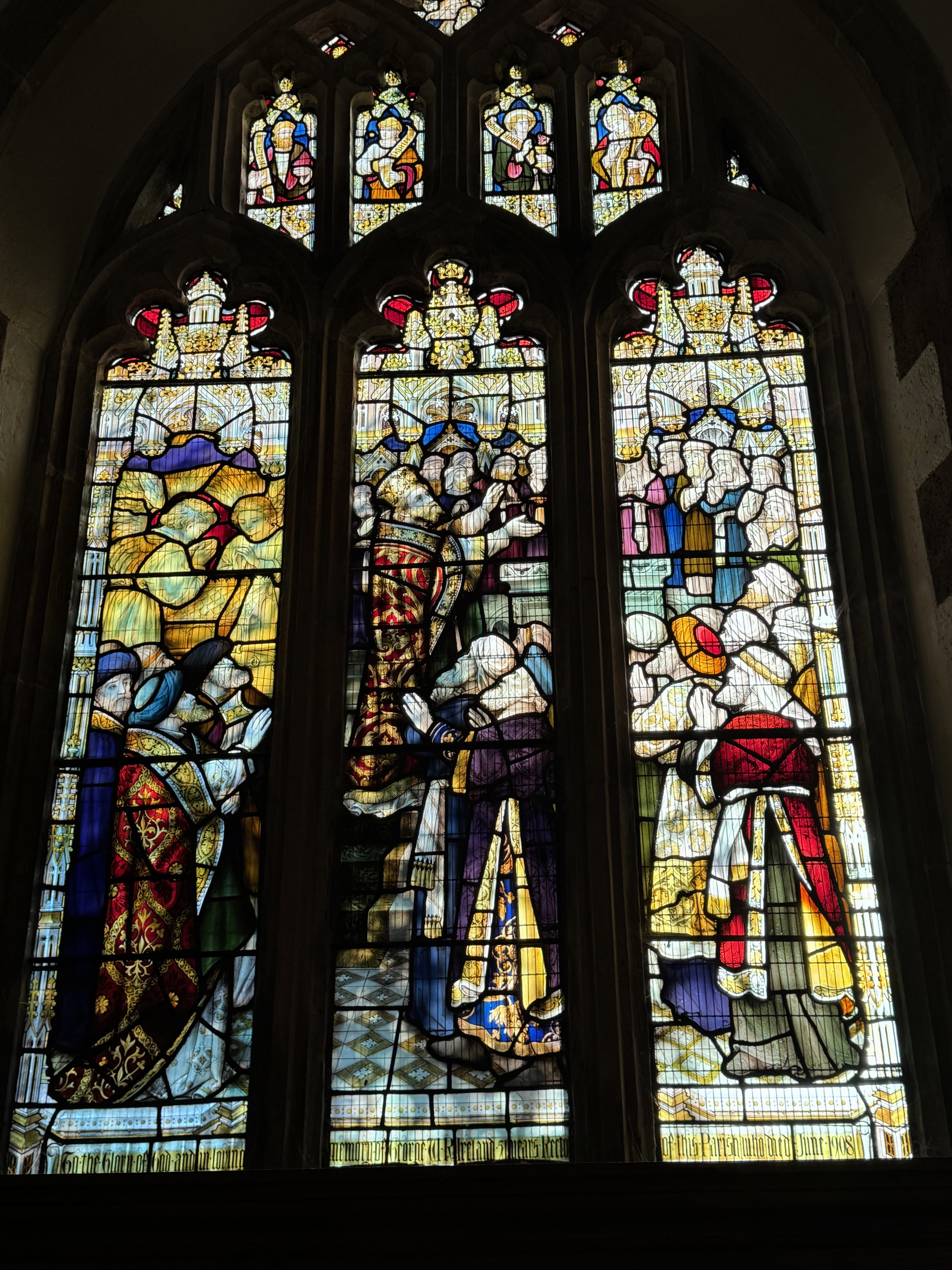
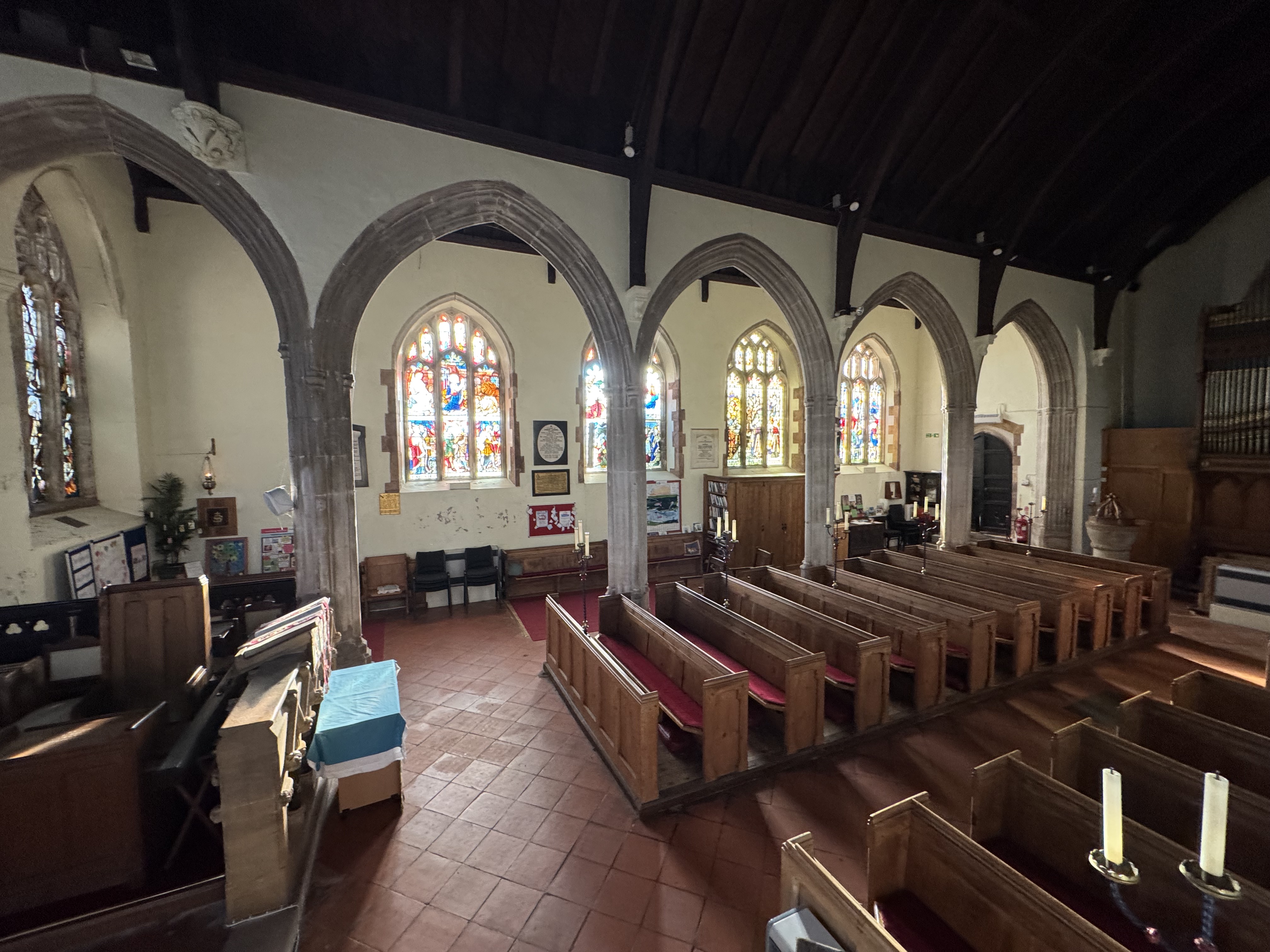
The church has a stunning Bevington organ at the back of the church, dominating this part of the building. It also has extensive stained glass windows, but perhaps the most intriguing of all of them is the one that shows Christ in Majesty with the flames of hellfire, complete with devil and dragon consuming sinners in beautiful colours. These images would be more at home before the Renaissance, so it is fascinating to find one of the very few Victorian depictions of hell in all its technicolour glory here in Devon.
And of course the church has its war memorials, showing just how much rural England sacrificed for its country. It may seem curious that St John the Baptist has two distinct World War One memorials with completely different names on them. This is because one of them was the original Anglican Roll of Honour for its parishioners and the other a non-conformist Roll of Honour for theirs. Eventually these two memorials were put together here in St John the Baptist. Oh, and I must applaud the church for having a magnificent folder detailing the lives and fates of all the First World War soldiers commemorated in the church. From it I was able to glean fascinating insights such as:
 |
|
|
Matthew Richardson Bell’s life began in hardship. Born in a mining street in Northumberland, orphaned young, and placed in the care of the Waifs and Strays Society, he found his way to Sampford Peverell. From there he enlisted in the Royal Navy, serving aboard HMS Monmouth. When the ship was sunk off Chile in 1914, Matthew was just eighteen. Percy Charles Bradfield’s story is equally moving. Raised in the austere care of the St Boniface Home for Boys, he was remembered as “a good lad, intelligent and trustworthy.” He worked at the Home itself before enlisting in the Royal Warwickshire Regiment. At Ypres in 1917 he was shot while manning a Lewis gun. His grave lies in Belgium. Henry Thomas Hetherington, a farm labourer, earned the Distinguished Conduct Medal for conspicuous gallantry under fire. He was killed on the Somme in 1916, aged twenty-four. William Henry Taylor, the only child of a schoolmaster, trained as a veterinary surgeon. Commissioned into the Royal Army Veterinary Corps, he tended wounded men and horses under fire and was awarded the Military Cross. He died in 1918, aged twenty-four. Walter Gale, a labourer from Lower Town, enlisted in the Devonshire Regiment and was killed at Loos in 1915. His brother Lewis was wounded and later died of his injuries. The Gale brothers’ story is echoed by the Tucker family, where cousins Ernest, Frederick, and Richard all died in different theatres of war, their names repeated across memorials in France, Salonika, and Egypt. And there are stories of youth cut short. Robert Hine, a railway platelayer’s son, enlisted at seventeen and was killed in 1914, one of the youngest casualties from the parish. Arthur Pillar, just eighteen, died of wounds in Rouen in 1918. Their names remind us how young so many of the fallen were. I could have spent hours going through all these. It is so important that these names engraved in our churches and on our memorials are remembered as the sons, fathers, brothers, husbands that they once were.
 |
|
|
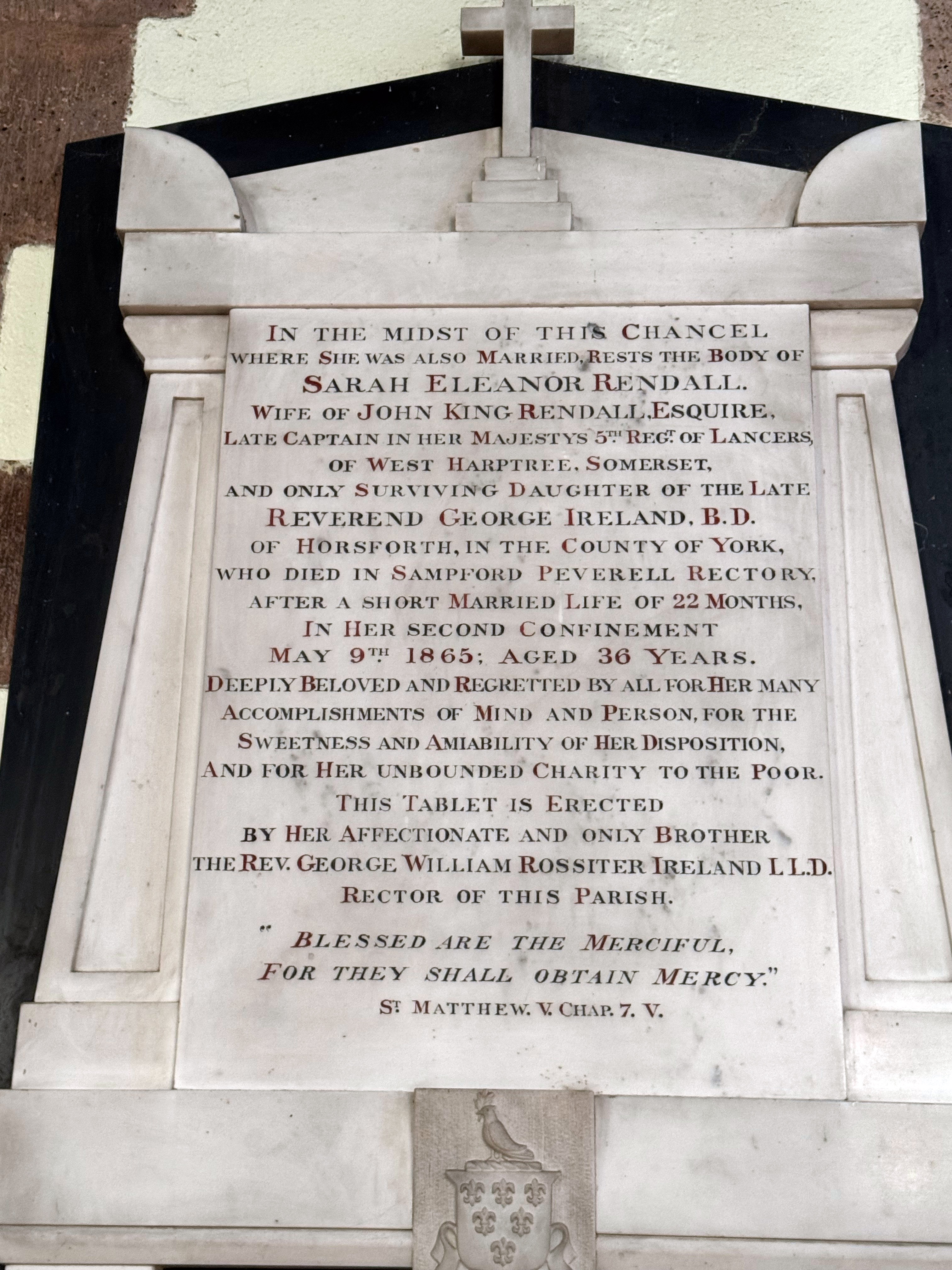
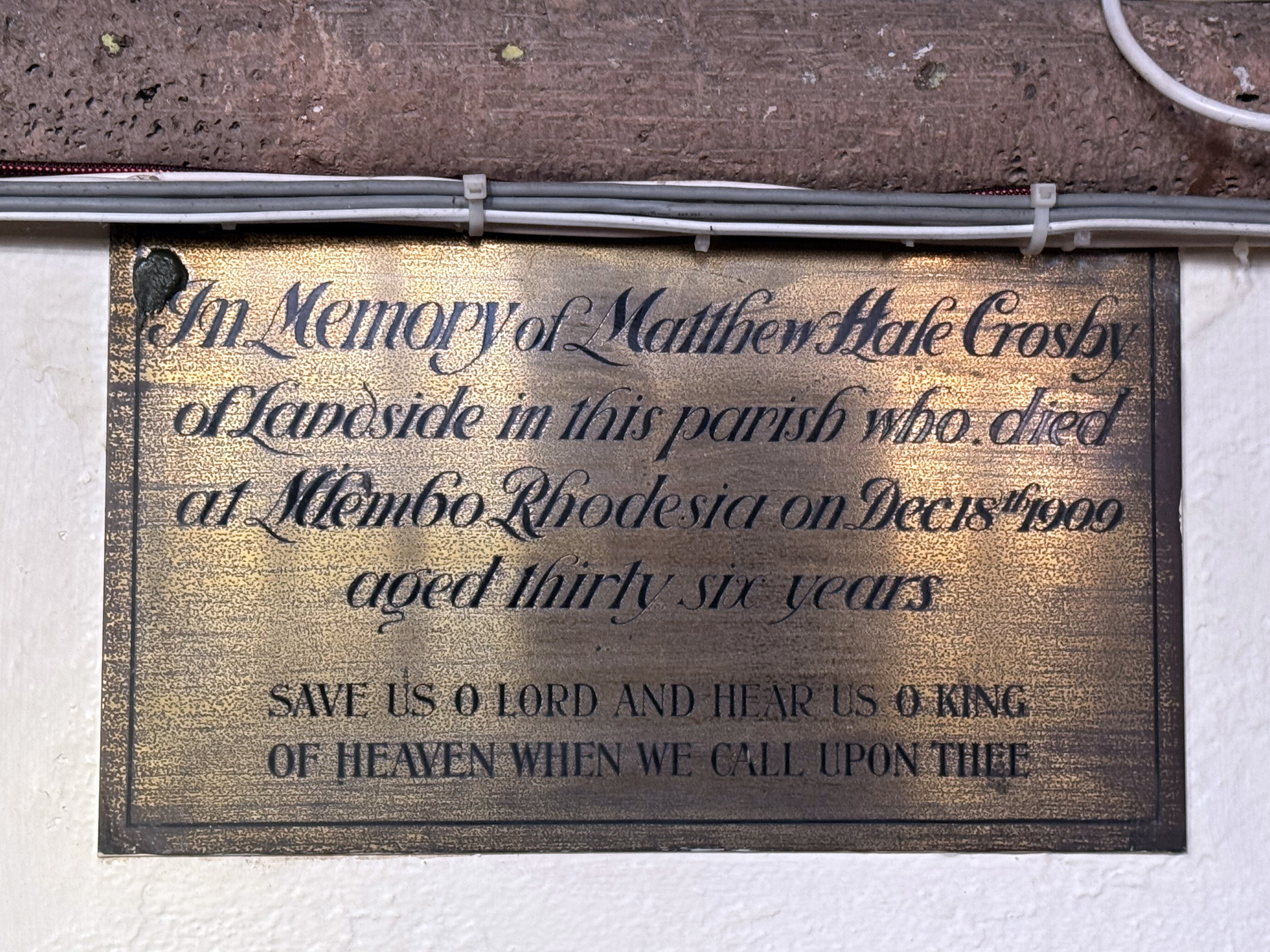
As always there are other fascinating names commemorated which throw light on our imperial and military past. There is a memorial to Captain John King Rendall of Her Majesty’s 5th Regiment of Lancers and an equally impressive memorial to his wife Sarah Eleanor Rendall. She had been the daughter of Reverend George Ireland, although the plaque was put up by her brother the Reverend George William Rossiter Ireland, who was indeed the rector of this particular church and who actually was responsible for much of its refurbishment. The memorial rather sadly says that Sarah died aged just thirty-six after a short married life of twenty-two months “In her second confinement,” illustrating the dangers of childbirth even in the relatively recent Victorian era. There is also an intriguing plaque to Matthew Hale Crossby of Landside in this parish, who it says died in Membo, Rhodesia on December 18th 1909, also coincidentally aged thirty-six years. Alas, I can find no cause for his death nor what he might have been doing in Rhodesia in its very early stages as a British colony.
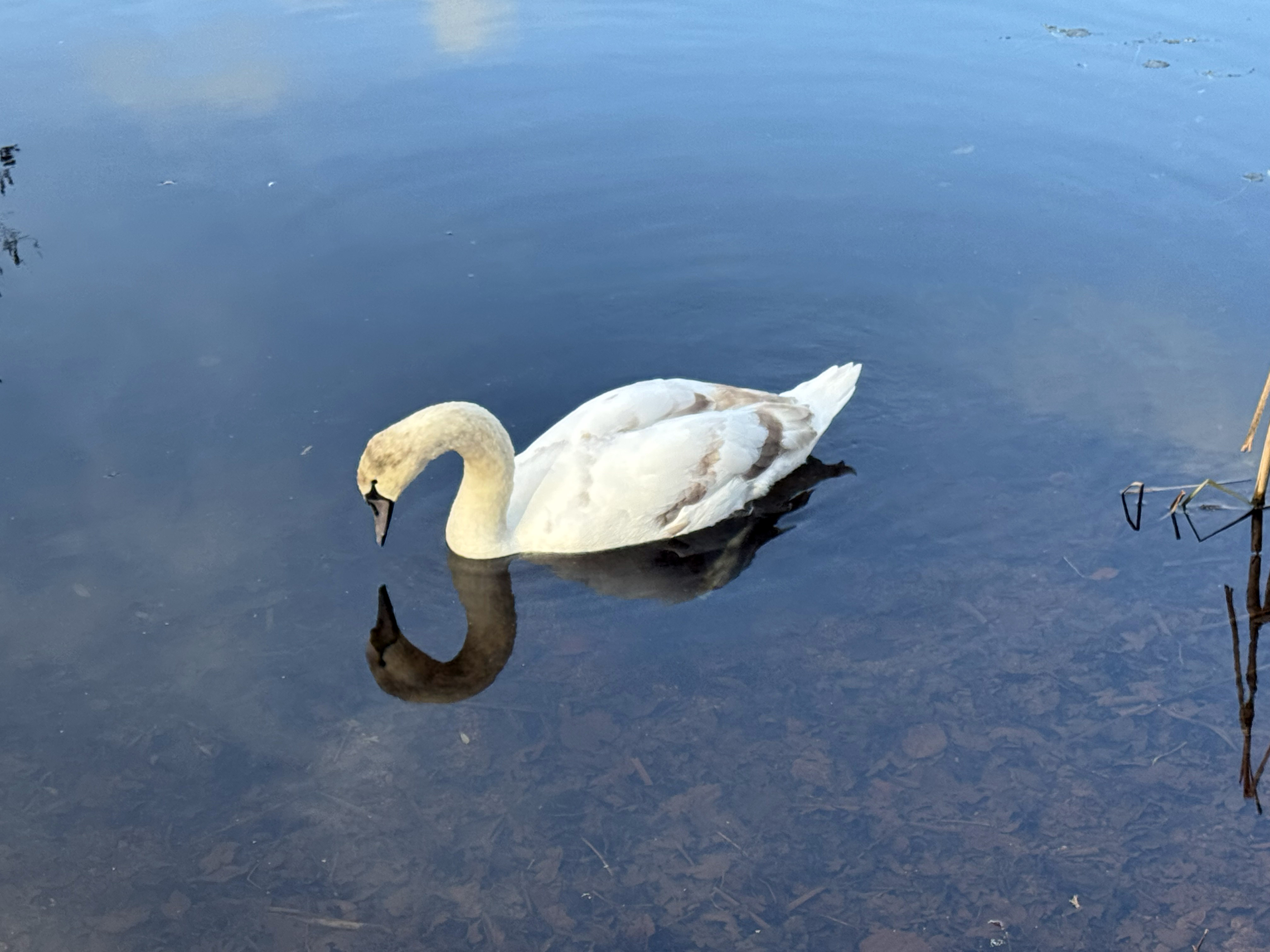
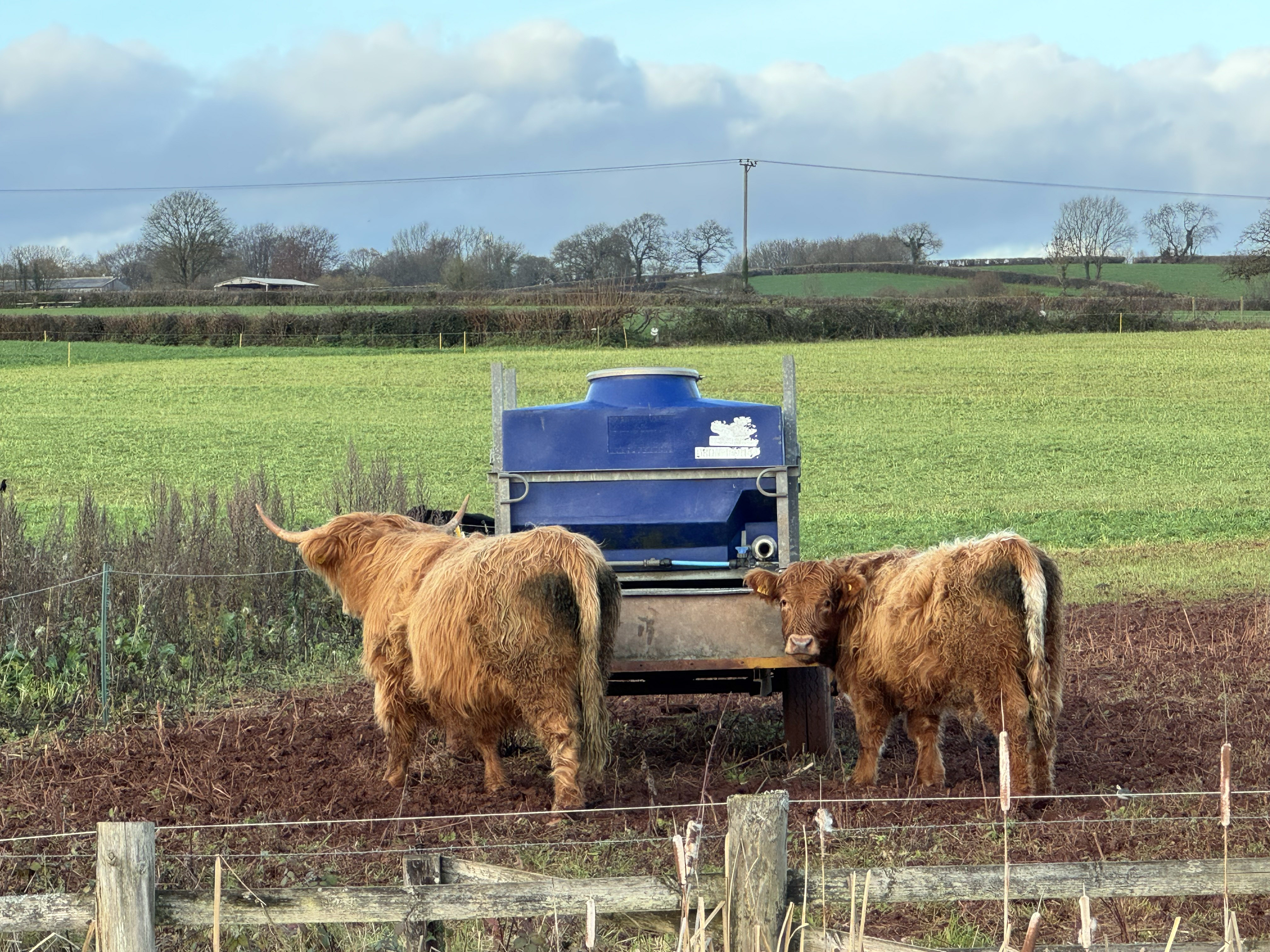
After some lunch we did explore Sampford Peverell and picked up some fresh rosemary that someone was kindly giving away. It was nice to find a village with functioning public conveniences — these have virtually disappeared from our urban centres as councils have given up caring about the people who live in their cities. Sampford Peverell has a pub called The Globe that seemed to be thriving as we passed it. Oh, and they had a lovely little phone box library to keep its residents’ libraries ticking over nicely. Rupert and I then dropped back down onto the canal for the return journey to Greenway Bridge. A swan bade us farewell in the perfectly still water, Highland cows interrupted their dinners to say adieu, and the waterway sprang into life with young canoeists paddling up and down under tutelage — all in the fading winter sun. It had been an idyllic day, made more so by being sandwiched between two days of heavy rain. The still waters and winter light of Sunday mirrored centuries of history — from the builders of the canal to the ghostly tales that unsettled Sampford Peverell, to the noble patrons and soldiers commemorated in its church, to the sacrifices of ordinary men and women whose names endure on the memorials. This walk offers yet another perceptive of a rural Devon community.
|