

The account of King Edmund’s near‑death at Cheddar Gorge survives in the Life of St Dunstan, written not long after the events themselves. It forms part of a moral biography rather than a chronicle, yet its geographical precision and the king’s known residence at Cheddar make it credible. Edmund, son of Edward the Elder and half‑brother of Æthelstan, had inherited a turbulent court. His mother, the dowager queen, favoured Dunstan, a young cleric of exceptional ability whose reforming zeal and ascetic habits irritated the king’s companions. When Dunstan reproved Edmund for his conduct, the king dismissed him from Winchester and forbade his return.
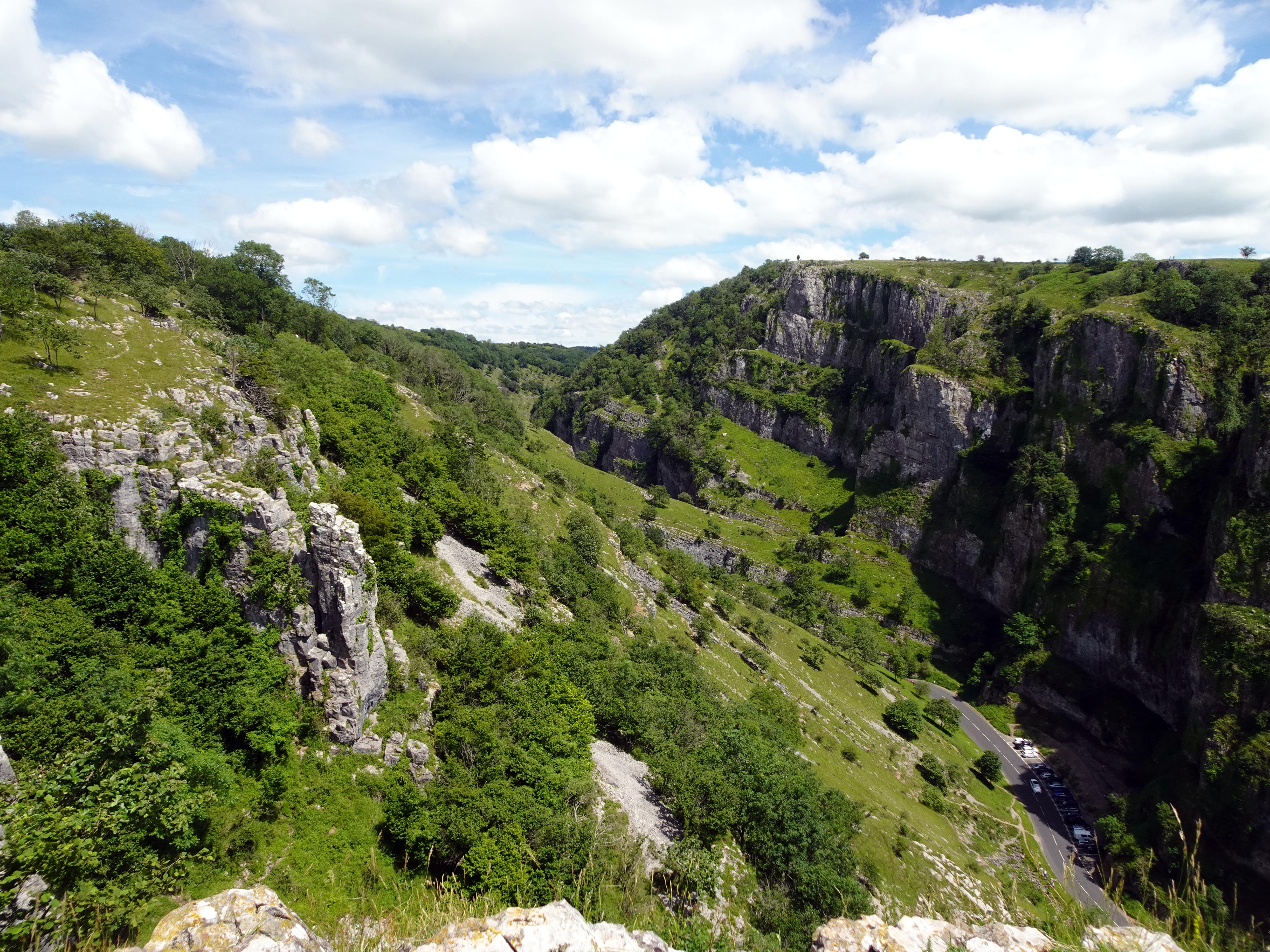
Shortly afterwards Edmund rode out from his lodge near the Mendip Hills to hunt deer. The royal household at Cheddar was well placed for such pursuits, lying close to the gorge itself—a deep limestone cleft whose sides fall away with sudden and alarming steepness. The Life of St Dunstan describes how, during the chase, Edmund’s horse was startled by the cry of the hounds and bolted towards the edge. The king tried to restrain it, but the animal, maddened by the noise, galloped headlong towards the precipice. The ground beneath the hooves gave way, and for a moment it seemed certain that both horse and rider would plunge into the abyss.
At that instant Edmund recalled Dunstan’s rebuke and vowed that, if spared, he would make amends. The horse stopped short at the brink, and the king was saved. The hagiographer attributes this to divine intervention, a direct response to the king’s repentance. Whether or not the miracle occurred as described, the episode had lasting consequences. Edmund summoned Dunstan back from exile, restored him to favour, and appointed him abbot of Glastonbury. The reconciliation marked the beginning of Dunstan’s long career as royal adviser and reformer.
The Cheddar incident became one of the earliest examples of moral instruction attached to a specific English landscape. It linked the physical danger of the gorge with the spiritual peril of pride and disobedience. Later writers repeated the story as evidence of divine mercy shown to kings who recognised their faults. In Edmund’s case, the experience at Cheddar Gorge transformed a moment of recklessness into a turning point for monastic reform and royal conscience.

