

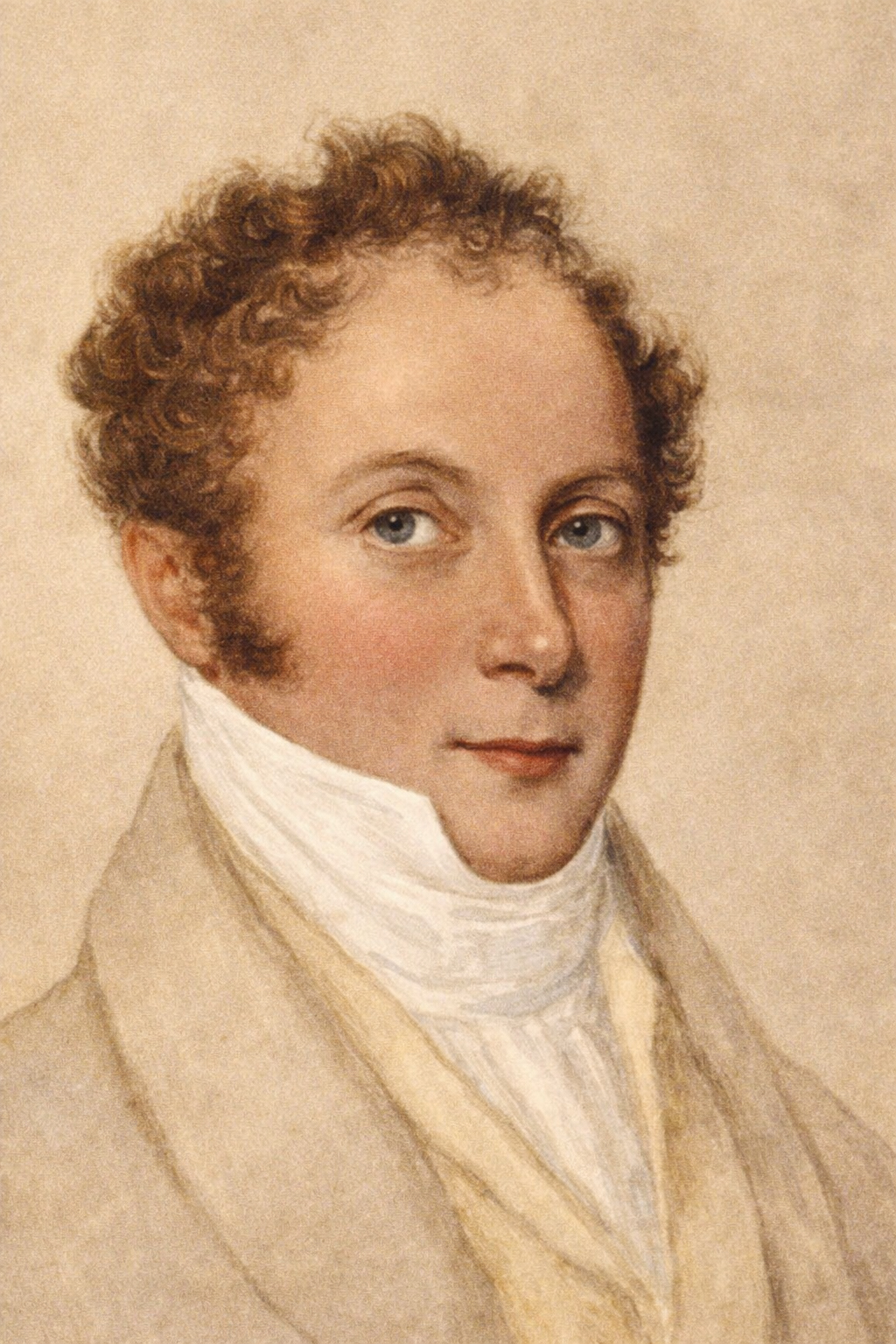
George Templer of Stover (1781–1843) (not to be confused with his uncle George Templer) was one of those early nineteenth‑century Devon figures whose energy left a permanent mark on the landscape. He inherited the Stover estate in 1813 and quickly became known for his enthusiasm rather than his caution. The practical running of the estate was left to his lawyer while he devoted himself to hunting, theatricals and the sociable life expected of a country gentleman. Stories of his recklessness circulated widely, including the day he jumped a toll gate rather than pay the fee.
His long relationship with Ann Wreyford, whom he eventually married in London in 1826, produced six children. The delay reflected the social anxieties of a family still climbing into the ranks of the landed gentry. Once married, he ensured the children were recognised as his own, naming them formally in his will. After Ann’s death in France he married Charlotte Kennaway, who later raised their two daughters alone after his death.
Templer’s most ambitious work lay on Dartmoor. He completed the Stover Canal begun by his father and then drove a granite railway from the Haytor quarries down to the canal head at Teigngrace. The line, opened in 1820, used granite blocks cut with guiding grooves instead of iron rails. Horses hauled the wagons down from the quarries, and from the canal the stone travelled to Teignmouth and out to sea. Haytor granite was used in London Bridge, the British Museum, the National Gallery and the old General Post Office, a reminder that Dartmoor stone once had a national reach.
The enterprise was bold but financially fragile. Cornish quarries with easier access to shipping undercut his prices, and the cost of cutting and moving granite from the moor was high. A recalled loan forced the sale of Stover to the Duke of Somerset in 1829, though he remained wealthy in land and property. The loss of the estate affected him deeply, and he expressed it in verse that circulated locally:
“Farewell to Stover’s woods and glades,
The home my fathers held before;
The horn is mute within its shades,
The hunter rides its lawns no more.
Yet blame not me, but him whose art
Entangled all I had to save;
The scurvy lawyer played his part,
And drove me from my father’s grave.”
“Stover, farewell! Still fancy's hand shall trace
Thy pleasures past in all their former grace;
And I will wear and cherish, though we part,
The dear remembrance ever at my heart.
Not as the hare whom hounds and horn pursue
In timid constancy I cling to you;
But, like the bolder chase, resolved, I fly,
That where I may not live I will not die.”
After a period in France he returned to build Sandford Orleigh near Newton Abbot, close to the estate he had lost. His later years were spent there, still remembered locally as a genial and popular figure, a skilled Master of Hounds and an accomplished rider. Sportsmen recalled his control of hounds, his beagles known as the “Let‑’em‑alones”, and the pet fox that would leap onto his horse after a mock chase. Others remembered his sociability and kindness to those in humbler circumstances.
George Templer died at Sandford Orleigh on 12 December 1843, the medical cause recorded as apoplexy and effusion of the lungs, later remembered in local tradition as following a hunting accident. He was buried at Teigngrace, where a mural monument commemorates him. The granite tramway, the remains of the quarries and the line of the canal still mark the ground he reshaped, the most tangible evidence of a man whose life combined enterprise, extravagance and a genuine affection for the countryside he rode across.

