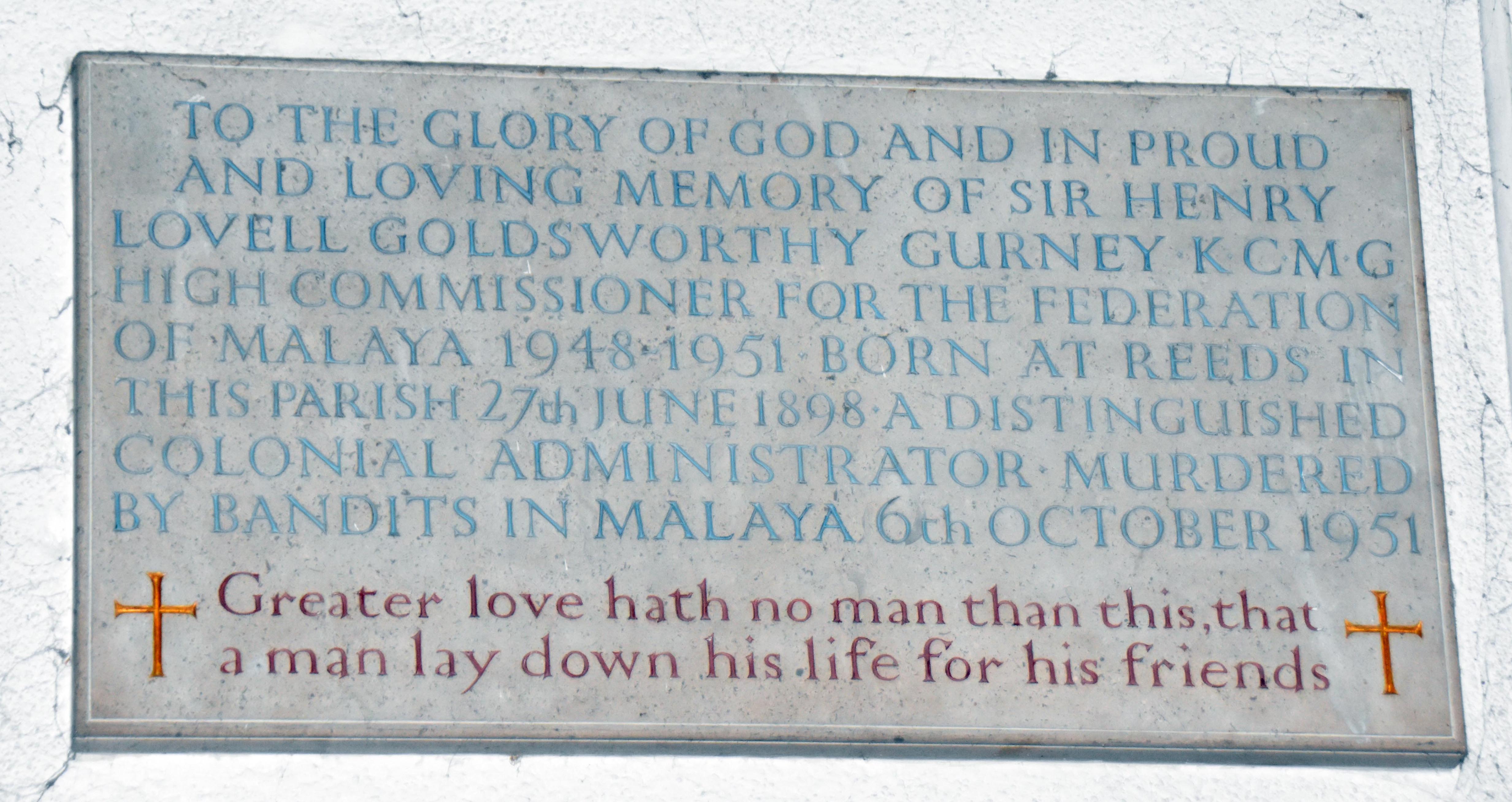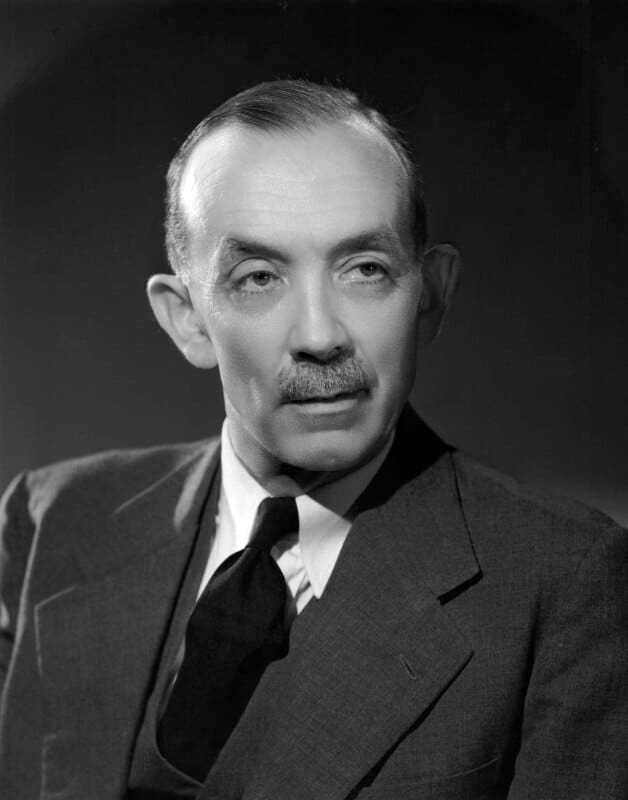
Sir Henry Lovell Goldsworthy Gurney (1898–1951) was one of the most prominent British colonial administrators of the mid‑twentieth century. His career spanned the inter‑war and post‑war periods, taking him from the Indian Civil Service to senior positions in Palestine, Jamaica and finally Malaya, where he served as High Commissioner during the early years of the Malayan Emergency. His death in an ambush in 1951 made him one of the highest‑ranking British officials killed during the post‑war insurgencies.
Gurney was born in Cornwall and educated at Winchester and Sandhurst. He served briefly in the First World War as a young officer before entering the Indian Civil Service in 1921. His early administrative work in India followed the standard pattern of district appointments, revenue responsibilities and judicial duties. These years provided the grounding in procedural administration and political negotiation that shaped his later career.
In 1935 he transferred to the Colonial Service and was appointed to the Secretariat in Jamaica. His work there involved constitutional matters, labour issues and the management of economic policy during a period of unrest and political change. His handling of disturbances in the late 1930s brought him to the attention of the Colonial Office, which increasingly relied on officers with experience of both civil administration and security coordination.
In 1944 Gurney was appointed Chief Secretary in Palestine, the senior administrative post under the High Commissioner. He held the position during the final and most violent phase of the British Mandate. His responsibilities included the coordination of civil departments, liaison with military authorities and the management of emergency regulations. The period saw escalating attacks by armed groups, and Gurney became a central figure in the administration’s attempts to maintain order while negotiating the political end of the Mandate. His work placed him at the centre of one of the most complex administrative environments of the post‑war empire.
After the British withdrawal from Palestine in 1948 he was appointed Governor of Jamaica, but his tenure there was brief. In 1949 he was selected as High Commissioner in Malaya, a post that combined civil authority with responsibility for counter‑insurgency policy during the Malayan Emergency. His role required coordination between the civil service, police, military forces and local leaders. Gurney’s approach emphasised administrative reform, improved intelligence, and the strengthening of local government structures. He supported measures to expand citizenship, reorganise the police and develop rural administration, seeing these as essential to undermining insurgent influence.
The Emergency placed heavy demands on the High Commissioner. Gurney travelled extensively, visiting districts, inspecting operations and meeting local officials. His work involved both policy development and direct oversight of security measures. The complexity of the situation required constant adjustment, and his reports to London show a detailed understanding of the political, economic and military dimensions of the conflict.
On 6 October 1951, while travelling by car through Fraser’s Hill, Gurney was killed in an ambush by members of the Malayan Communist Party. The attack was one of the most significant incidents of the Emergency and had wide repercussions. His death removed a central figure in the administration at a critical moment and led to a reassessment of security procedures for senior officials. It also brought renewed attention to the scale and seriousness of the insurgency.
Gurney’s career illustrates the trajectory of a senior colonial administrator in the mid‑twentieth century: early service in India, experience in the Caribbean, high‑level responsibility in Palestine, and final appointment in a major post‑war conflict zone. His work combined civil administration with security coordination, and his positions placed him at the centre of some of the most challenging episodes of the late empire. His death in Malaya marked the end of a career shaped by the demands of imperial governance during a period of rapid political change.