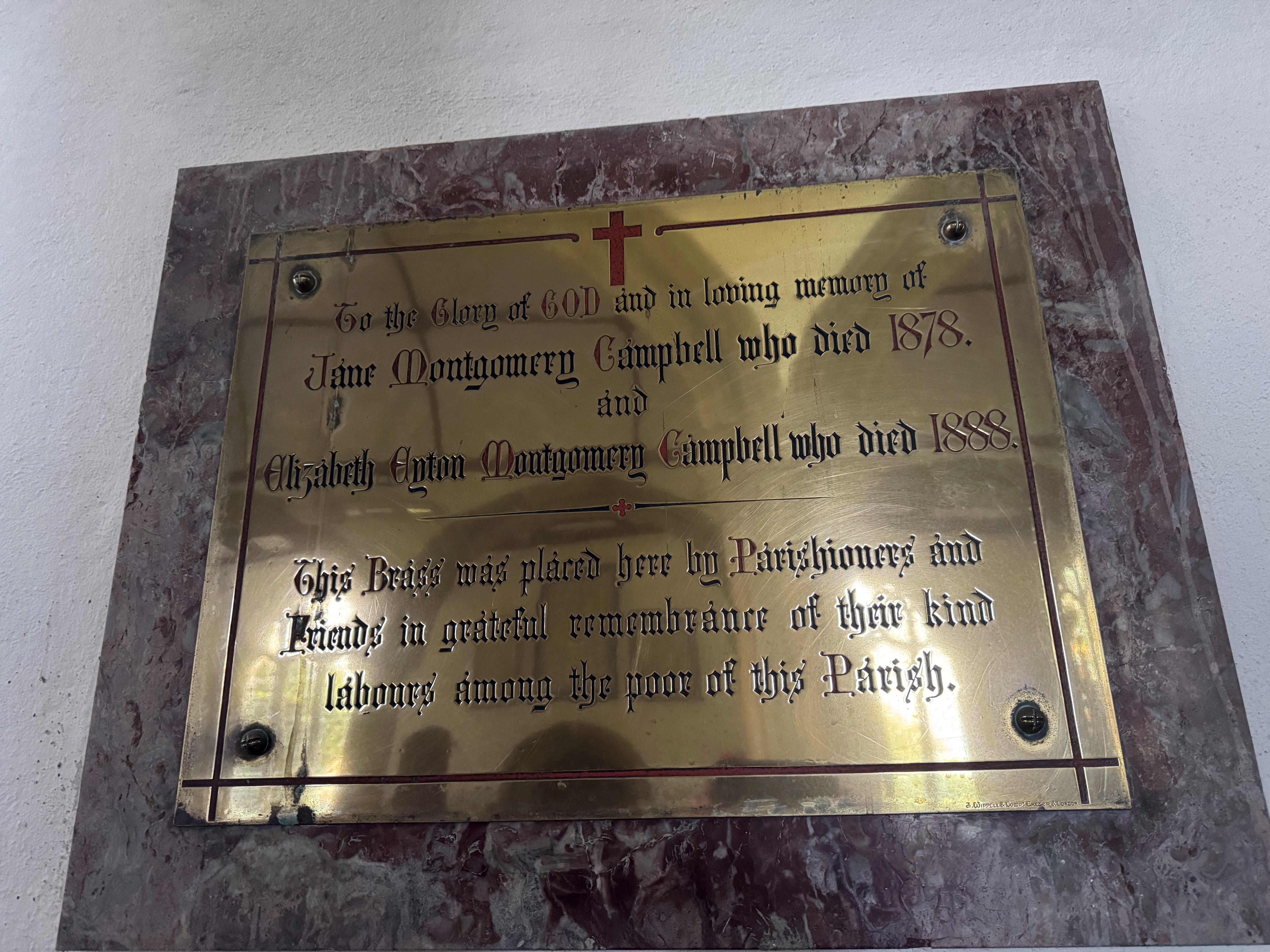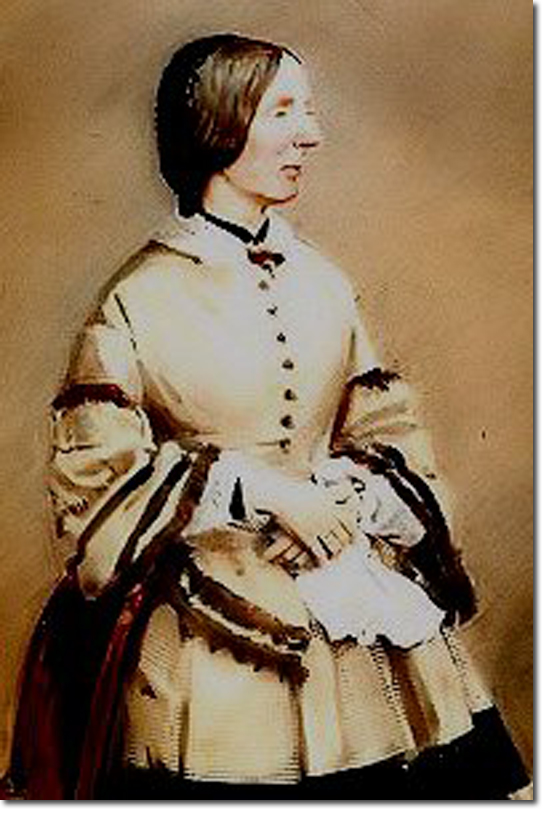
Jane Montgomery Campbell (1817–1878) is not a household name, but almost everyone in an English church has sung her work. She was the daughter of the Rev. A. Montgomery Campbell, perpetual curate of St James’s, Paddington, and later rector of Little Steeping in Lincolnshire. She taught singing in her father’s parish school and was competent enough in German to translate hymns directly from the original. At some point she moved to Bovey Tracey, not far from Haytor and Ilsington, and it was there that she died after a carriage accident on Dartmoor in 1878.
Her best‑known work is the English version of the German harvest hymn “Wir pflügen und wir streuen”, written by Matthias Claudius in the late eighteenth century. Claudius’s original had seventeen verses and appeared as a peasant song in a dramatic sketch, complete with its own setting and context. Campbell did not attempt to reproduce all of that. Instead she produced a compact English hymn that kept the main point – thanks to God for harvest and daily provision – and left the rest behind. She was not trying to be a literal translator; she was producing something that could be sung easily in an English parish school and church.
The result was “We plough the fields and scatter”, first published in 1861 in Charles Bere’s Garland of Songs and later in his Children’s Chorale Book. The tune used was “Wir Pflügen” by Johann Abraham Peter Schulz, so the melody remained German even as the words changed. Campbell’s text is short, direct and practical: ploughing, seed, weather, food, and the repeated refrain “All good gifts around us are sent from heaven above”. It is exactly the sort of hymn that can be taught to children and remembered for life, which is what happened.
Campbell did more than this one hymn. She produced other translations from German, including an early English version of “Stille Nacht” (“Silent Night”), and published a small Handbook for Singers containing the musical exercises she used in her teaching. But none of that has had the same reach as “We plough the fields and scatter”. That one hymn has become the standard English harvest hymn, used in parish churches, schools and civic services, and even turned up in the musical Godspell in a reworked form as “All Good Gifts”.
There is no great drama in Campbell’s life story beyond the Dartmoor accident that killed her. She did not found a movement or lead a revival. What she did do was take a long German poem, strip it down to its essentials, and produce a text that ordinary people could sing without effort. The fact that it is still in regular use more than 150 years later says enough about how well she judged her task. For a translator working quietly between Paddington and Bovey Tracey, that is a substantial legacy, even if her name rarely appears on the service sheet.