|
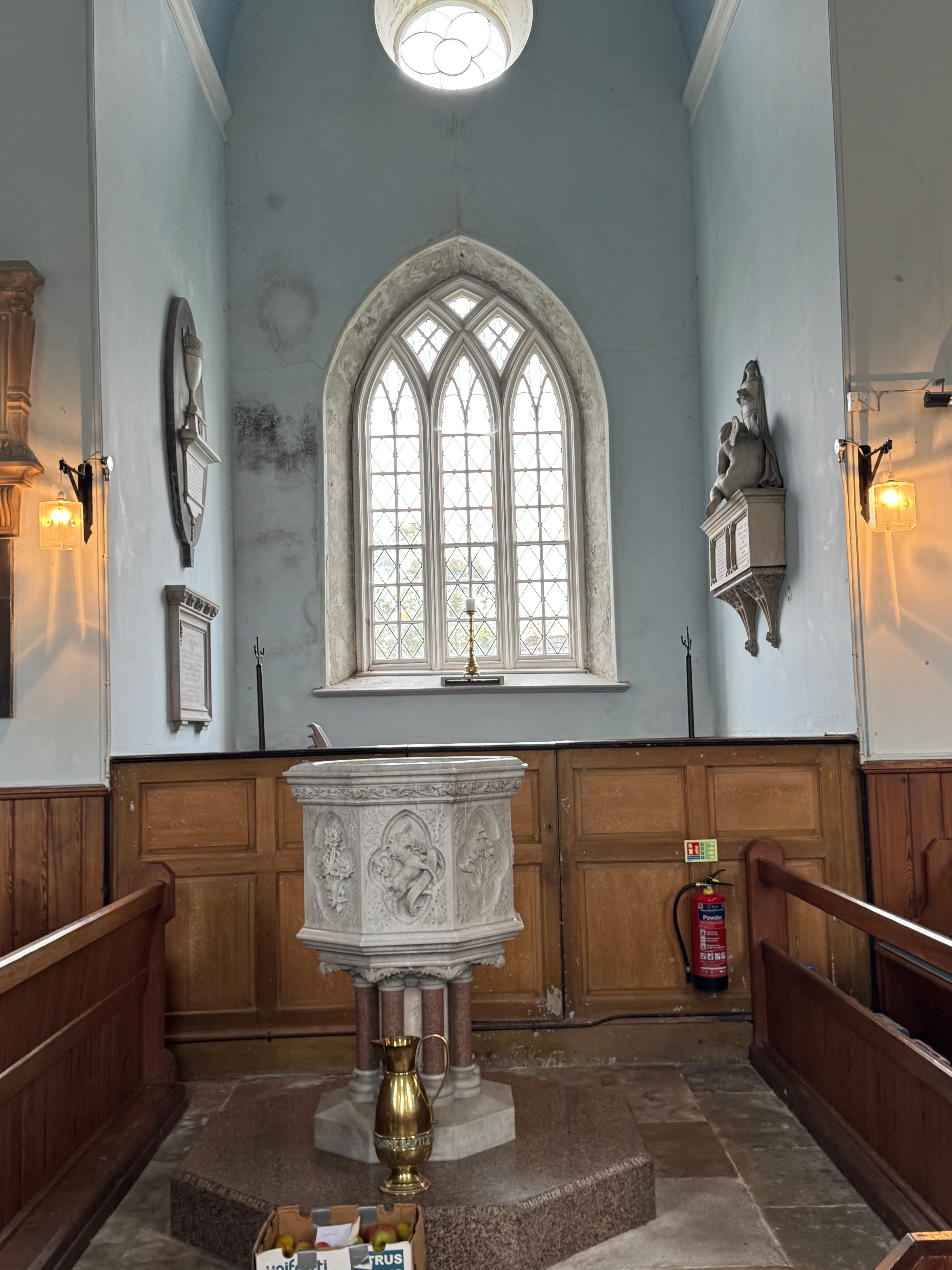
On Sunday, Rupert and I managed to get into the beautiful St Peter & St Paul's Church at Teigngrace. Sadly, it only holds one 30-minute service a month, and we had noticed during Saturday’s jaunt that Sunday the 12th was this month’s allocation. Rupert and I made sure we were there for 9:30 so that we could sneak in. Unfortunately, we didn’t have long, as the vicar was packing up ready to move on to conduct another service elsewhere—but some lightning photography allowed us to catch a glimpse of this very unusual church.
 |
|
|
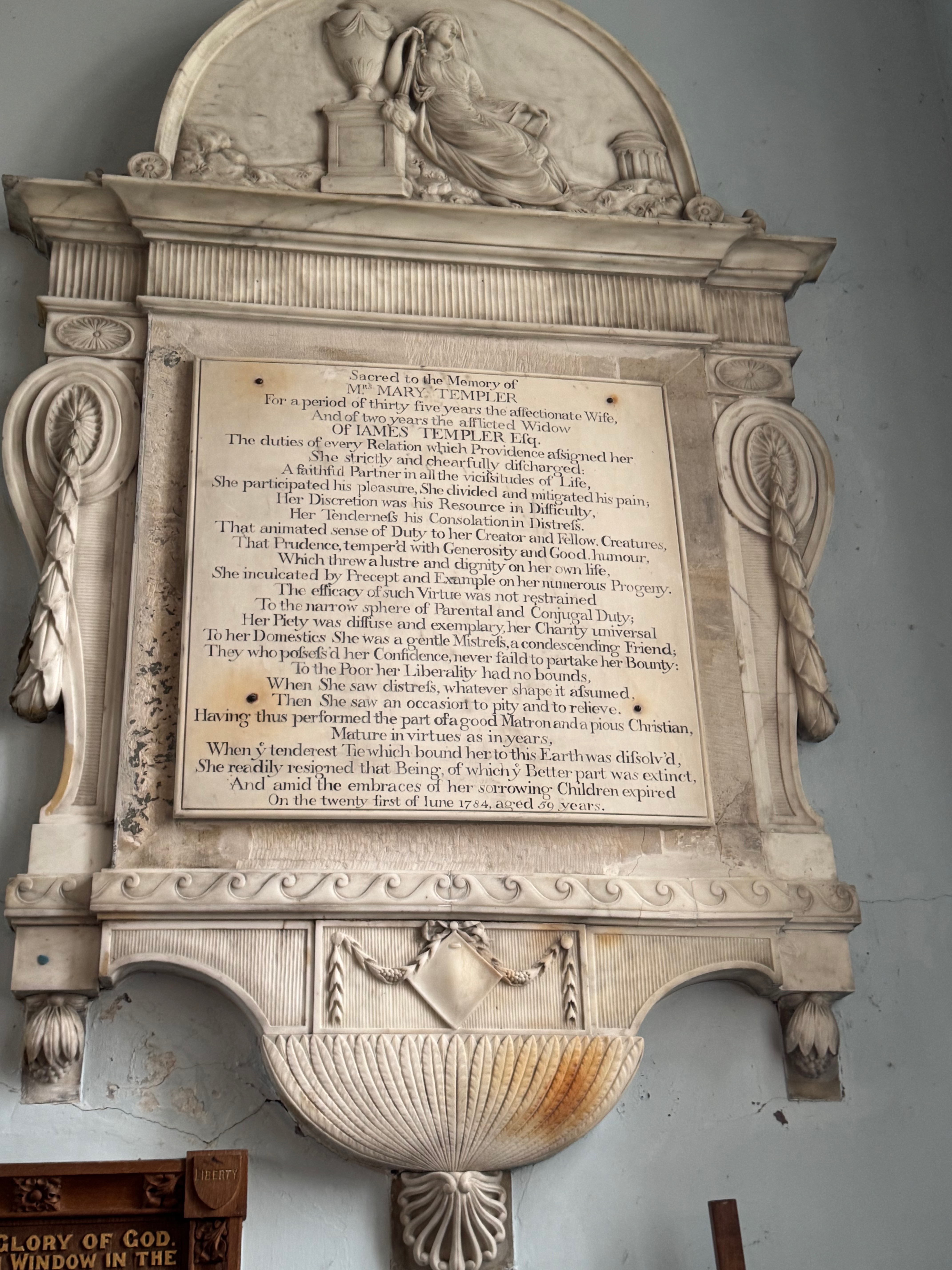
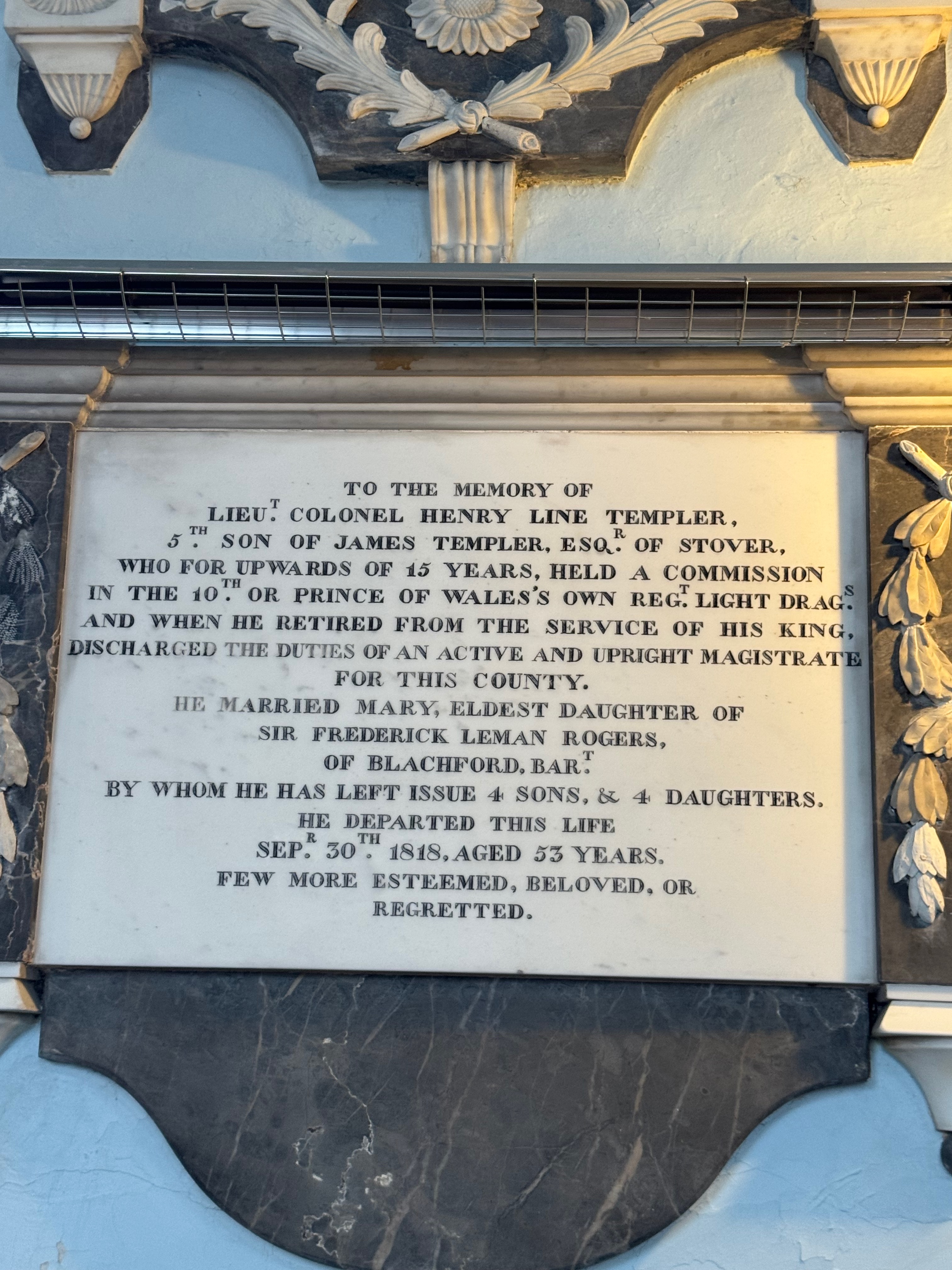
When James Templer bought Stover House after making his fortune on government contracts in Plymouth Dock as the Navy expanded massively in the 18th century, he and his heir paid for the old, dilapidated church to be completely reconstructed, redecorated, and modernised. Unusually, this was done in a late 18th-century Georgian style, painted pale blue and adorned with unusual paintings, making it look more like the interior of a country house than that of a place of worship. The dedications to various members of the Templer family are particularly well done, with some gorgeous carvings and ornate decorations. The Templers also built themselves an enclosed pew box—with heating, no less! It would have been quite the family affair, as James’s second son, John Templer, was to take over the role of Rector of Teigngrace. Helpfully for him, the job was controlled by the owner of the Stover Estate—his older brother, James Templer II, who inherited the house on his father’s death in 1782. John remained Rector of Teigngrace for the next 45 years and was able to tap his brother on the shoulder for all sorts of upgrades, artwork, and decoration—hence this beautiful Georgian church, although sadly only open to the public thirty minutes a week.
 |
|
|
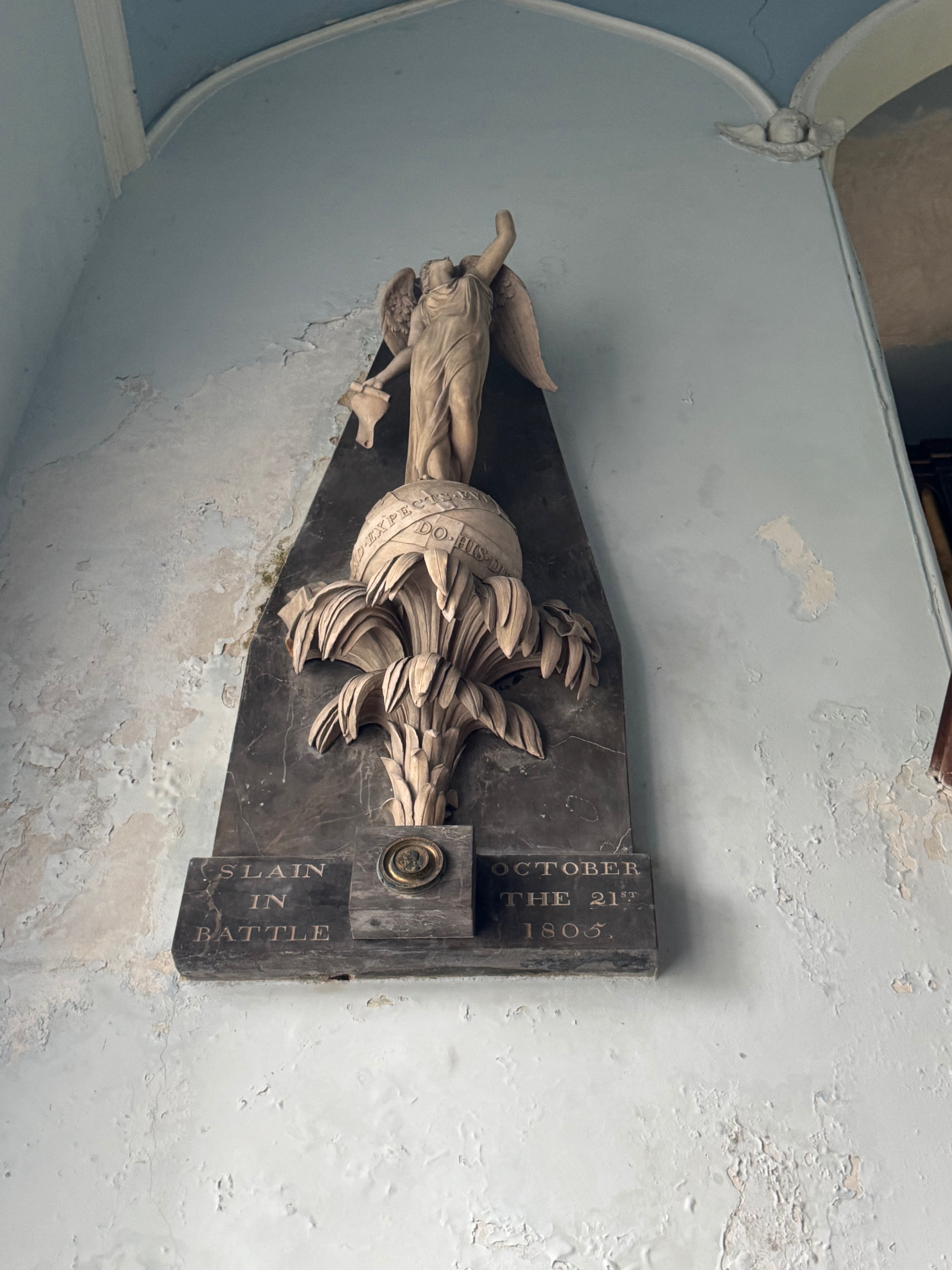
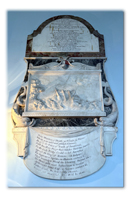
Of the dedications, there is one for Nelson, who died at the Battle of Trafalgar in 1805. There is also another nautical one which shows a shipwreck in relief, commemorating the death of Charles Templer (the youngest son of James Templer I and brother of James Templer II), who was killed when a ship he was on bound for Bengal was wrecked off the coast of Dorset, near the Isle of Purbeck, in 1786. He was only 15 years old at the time. He was probably going out to join his brother George Templer, who worked in the Bengal Civil Service. It should be said that this family seems to have suffered a great deal through shipwrecks. Another Charles Templer died aged 20 in the Skilton Castle in 1806, and yet another Templer—Captain William Templer of the Royal Navy—died off Jamaica in a storm in 1805. The sea took a lot of Templers, it would seem!
By the way, the descendants of this family produced Field Marshal Sir Gerald Templer, who went on to become the Commander of British forces in Malaya. He was able to turn around the insurgency and defeat the Communist insurrection there, providing a model for counter-insurgency warfare that has been studied, copied, and adapted many times since.
 |
|
|
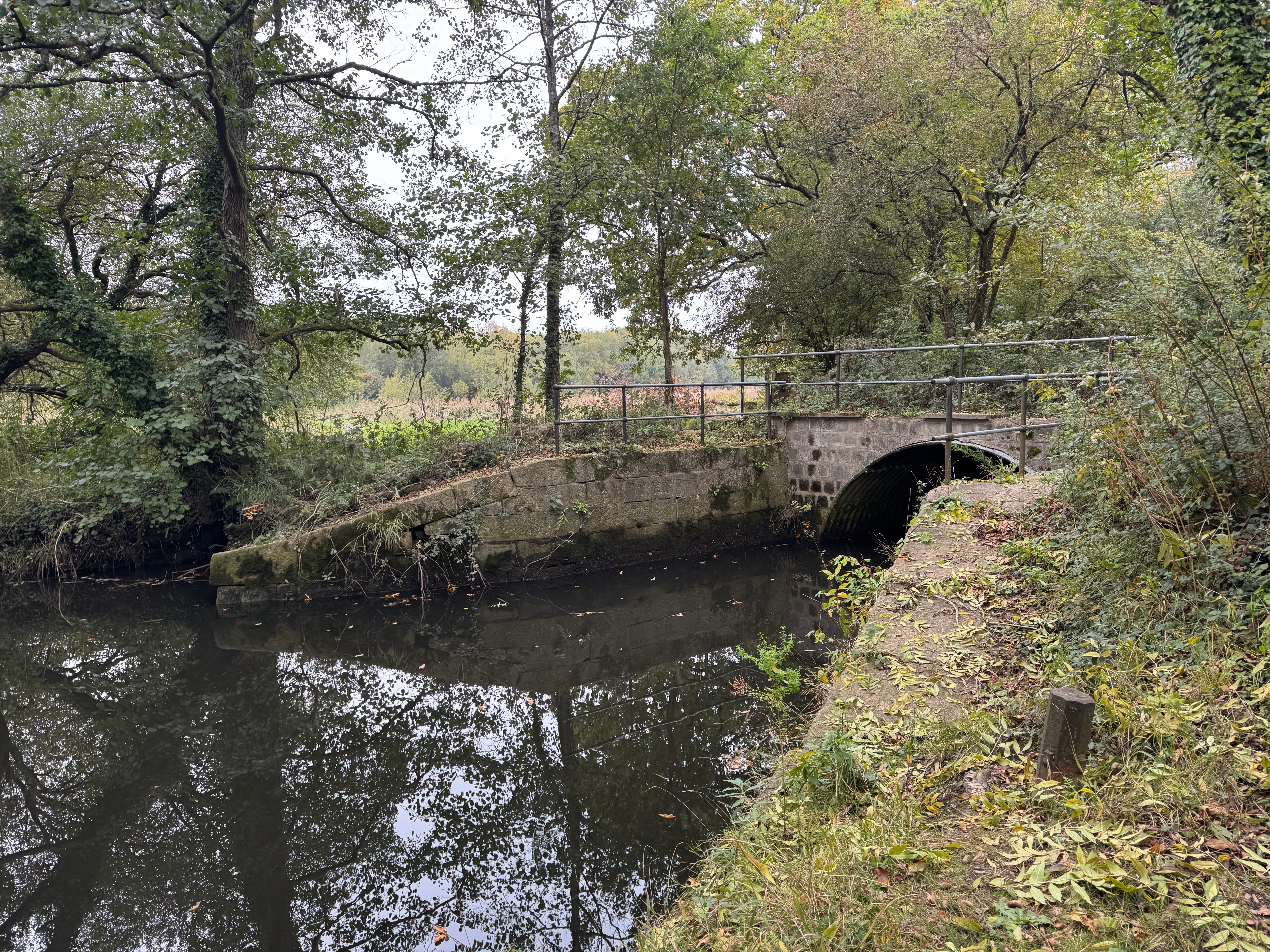
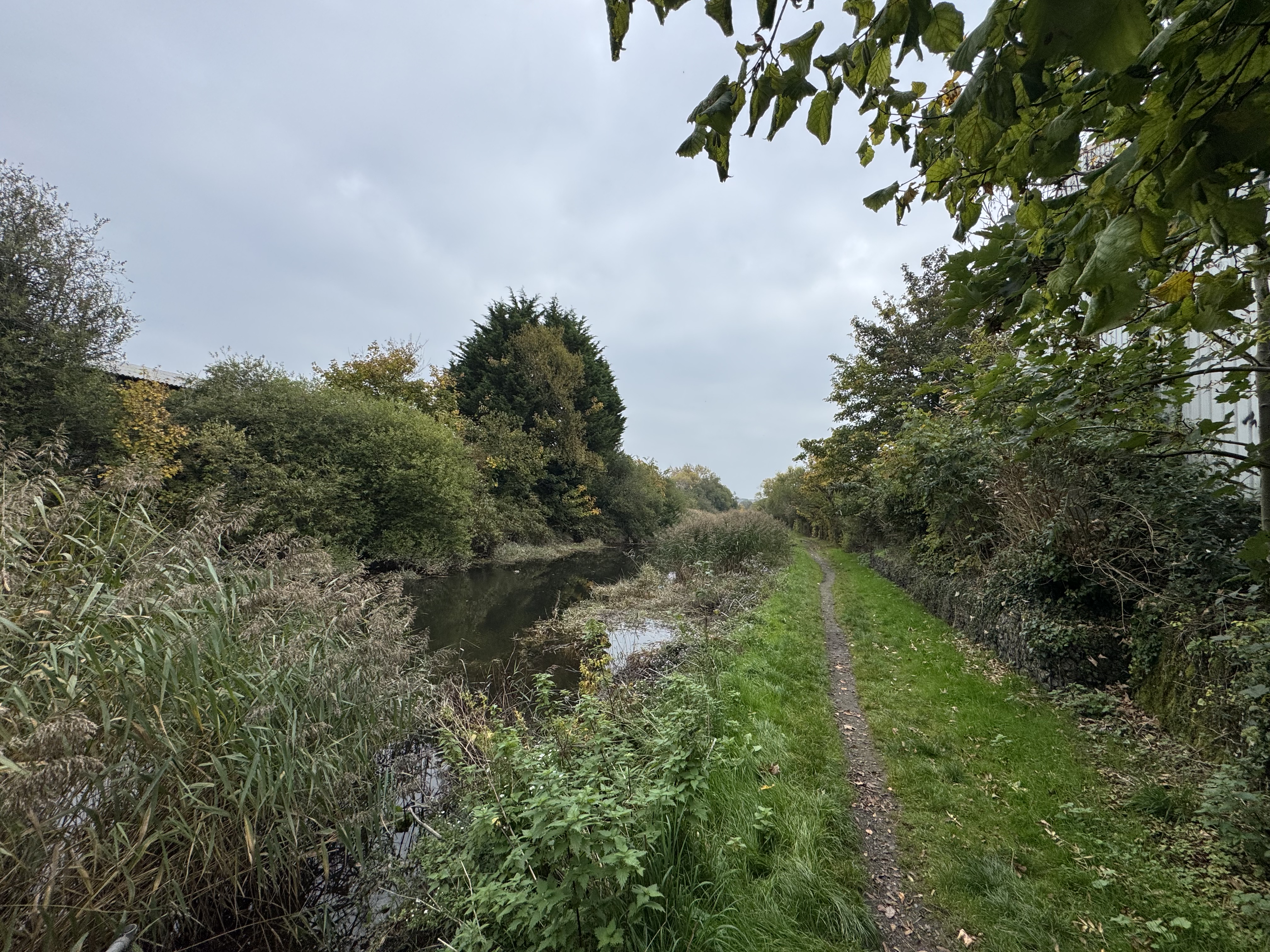
It is also worth pointing out that the Templers represented the nouveau riche of the 18th century—having made their money in trade. They were not landed aristocracy; indeed, James’s ancestors had been soap boilers and blacksmiths. It is interesting that those who did make their fortune would seek legitimacy and status through buying a country estate—although this family is interesting in that even then they hardly became farmers. They were instrumental in developing China clay and quarrying in the area and were responsible for building the granite tramway and canal that transformed the economic prosperity of the whole valley. The clay from here would be shipped to Stoke-on-Trent to create pottery, and the granite would be shipped to London. It is worth pondering that the clay loaded onto barges just above Teigngrace would travel down to Newton Abbot, where it would be placed on a ship and then taken to Liverpool, where it would be put back on a barge and taken to Stoke-on-Trent to be made into beautiful crockery. That whole journey would be by water, and invariably the crockery would then leave for its markets by water too. We forget how important canals and ships were to our industrial and commercial lives—but also, as the Templer family can attest, the sea could be a very dangerous place indeed.
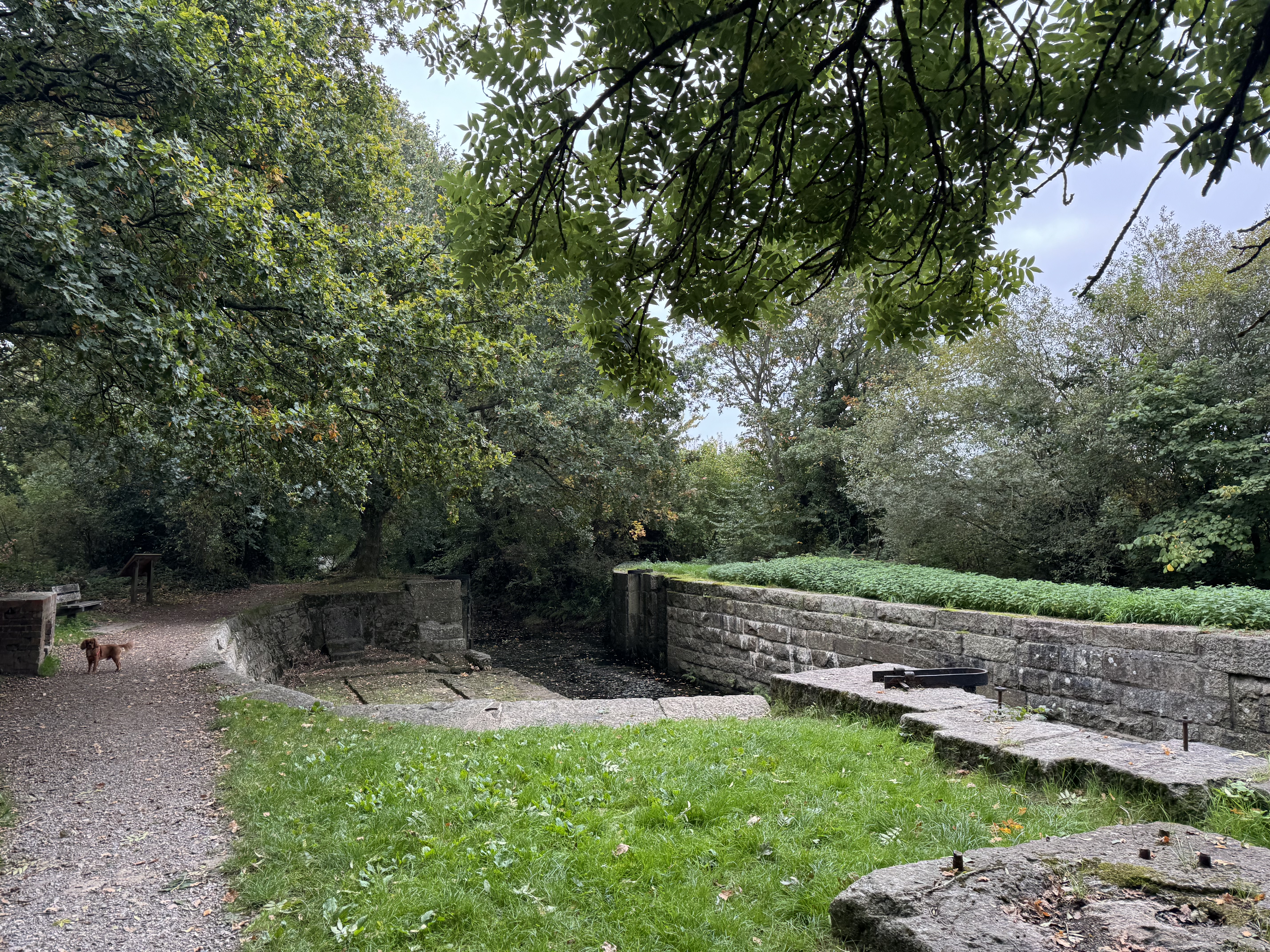
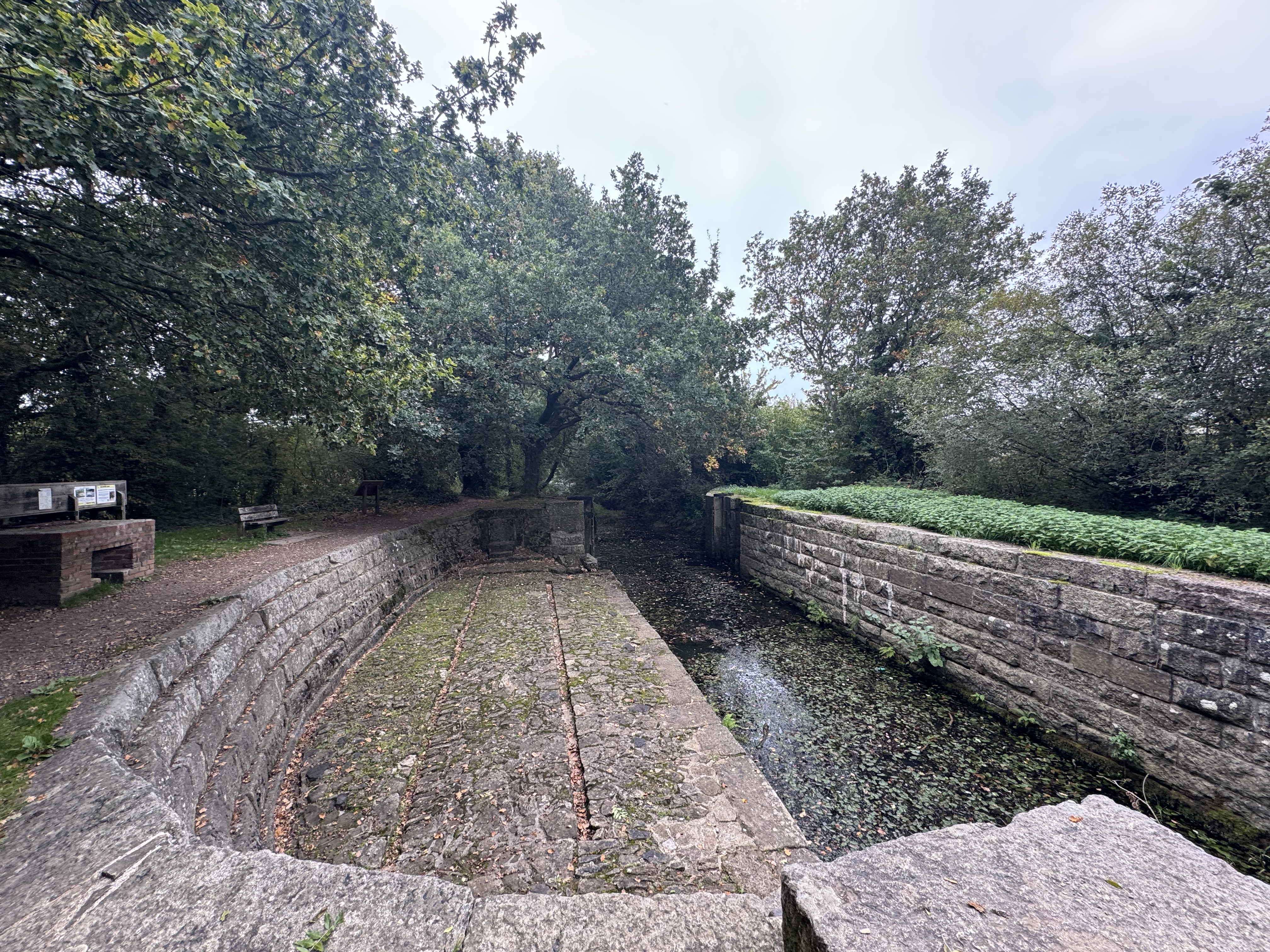
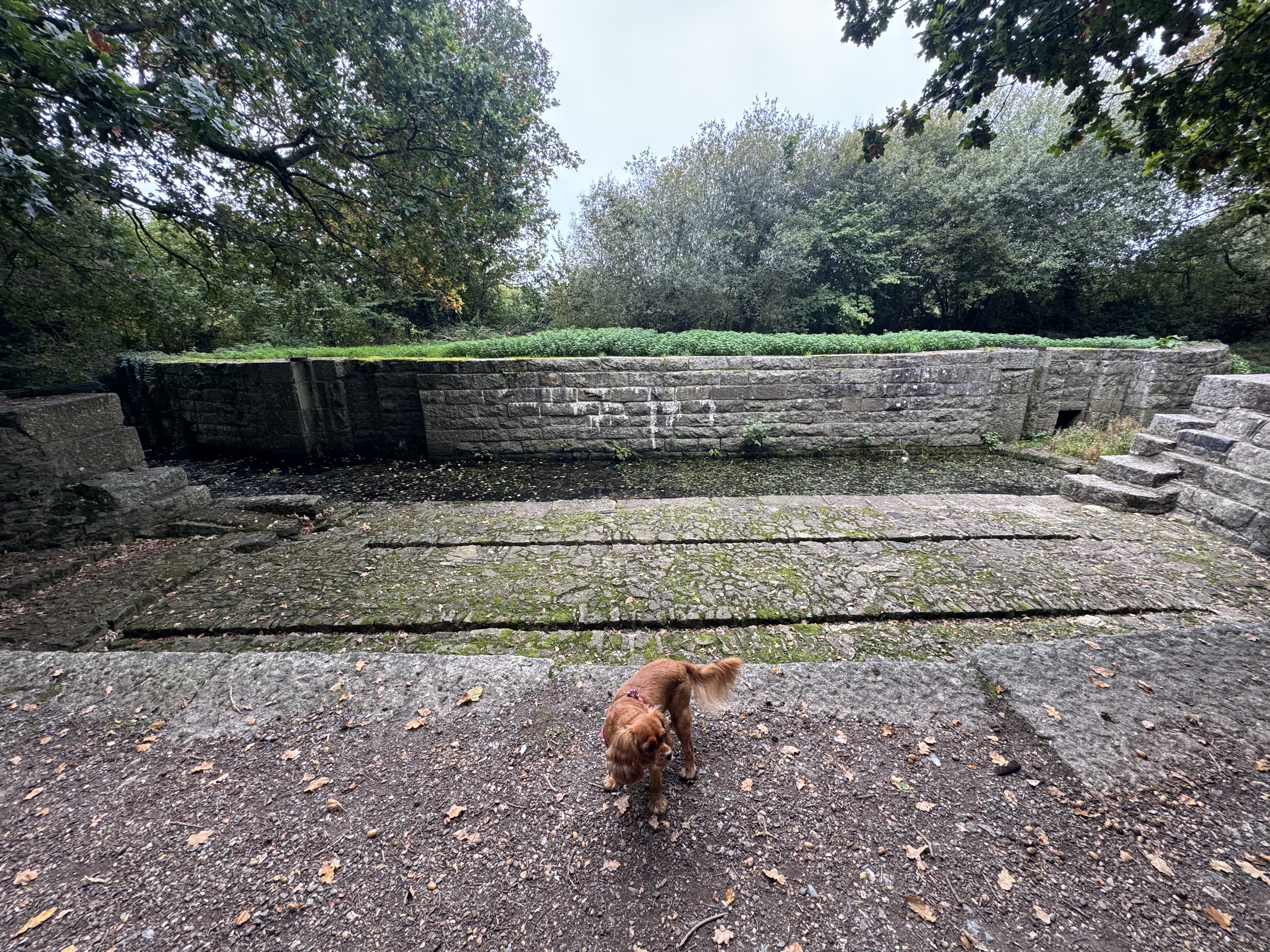
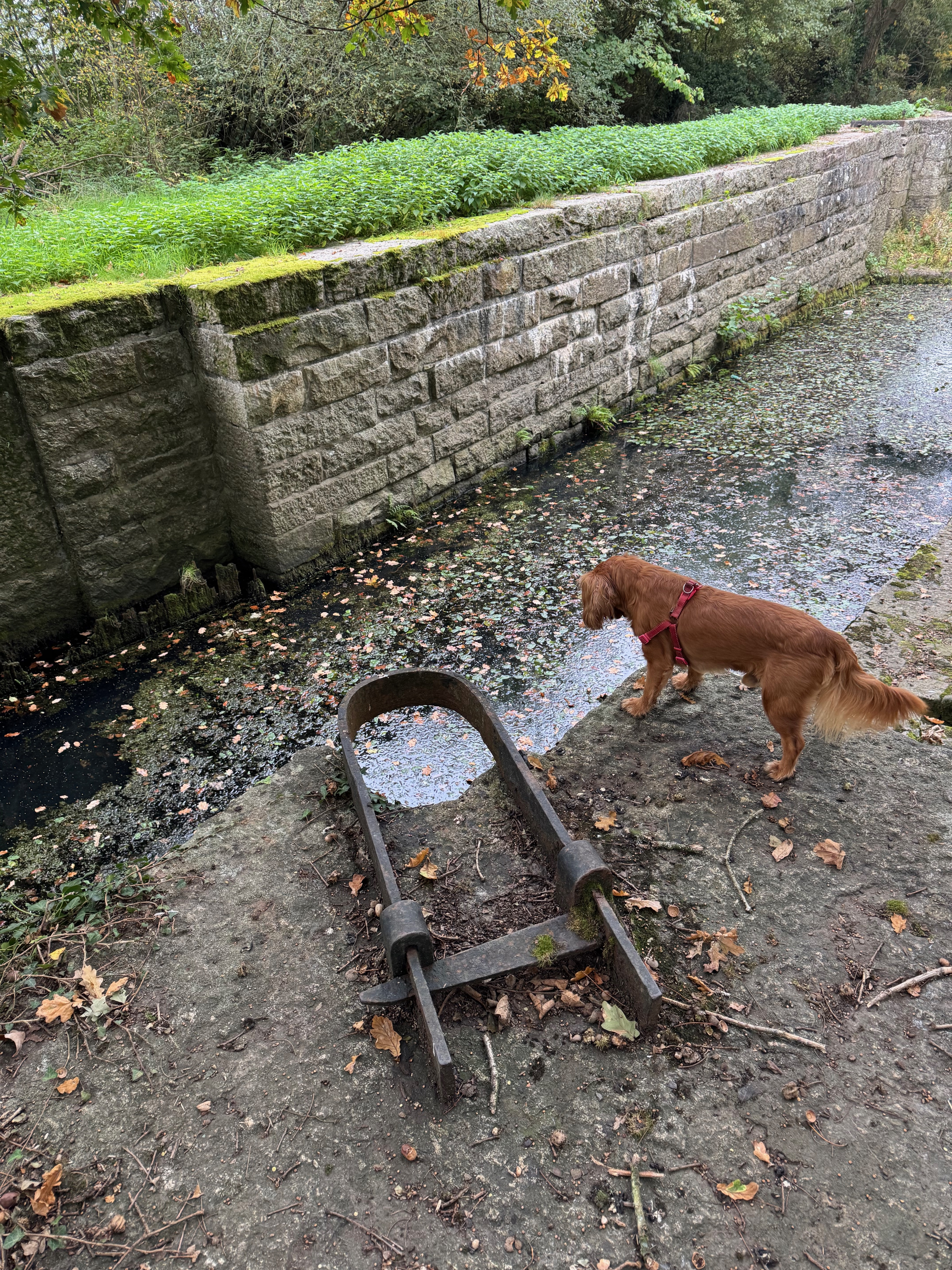
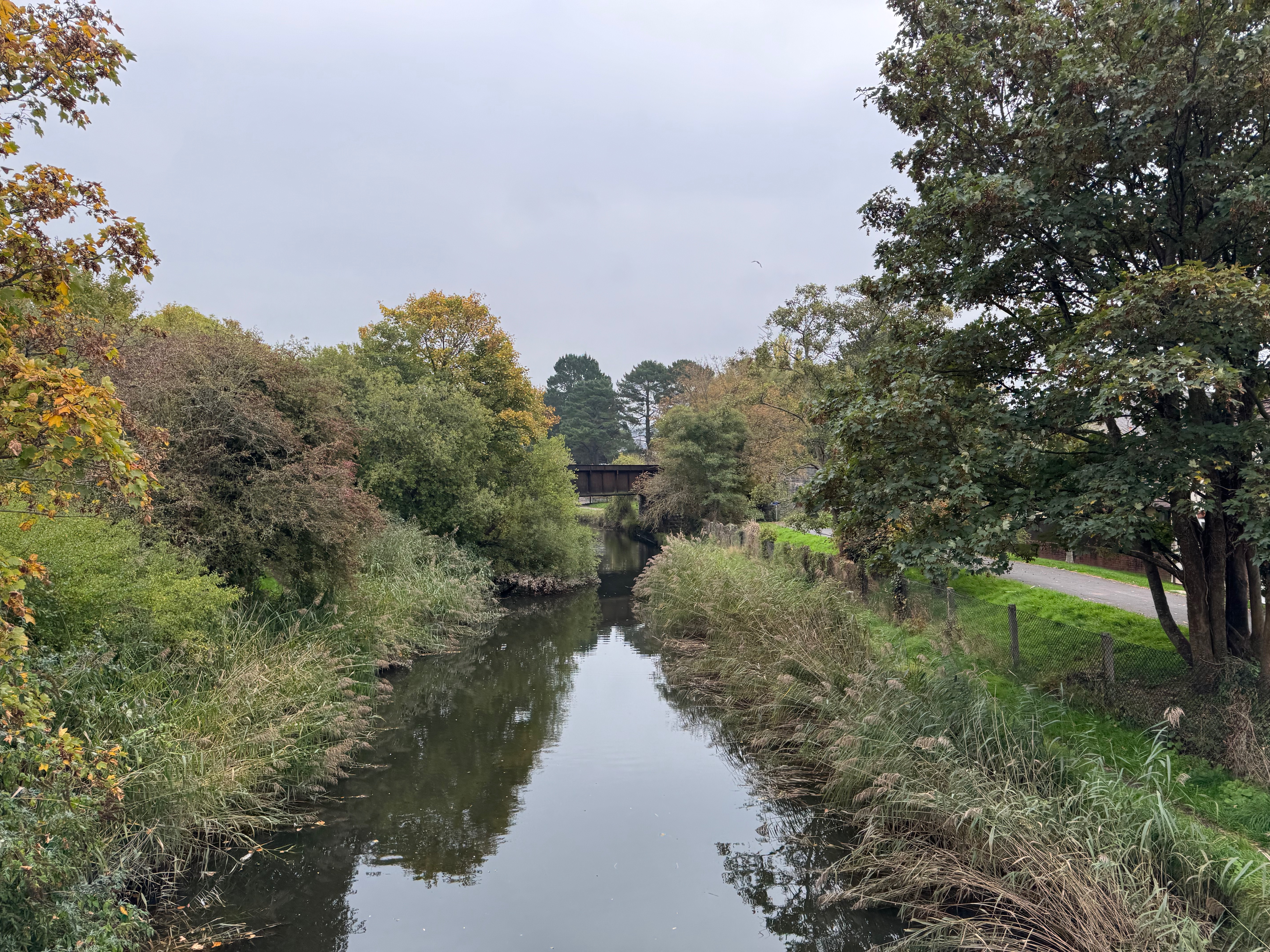
We did actually follow the canal all the way down to Newton Abbot. Interestingly, there is a barge dry dock which has been reclaimed and can be seen very clearly. It is where barges could be repaired and resealed. There is even a boiler structure in a brick house that has been reconstructed to show how they would have warped the wood and planks for use in the repairs.
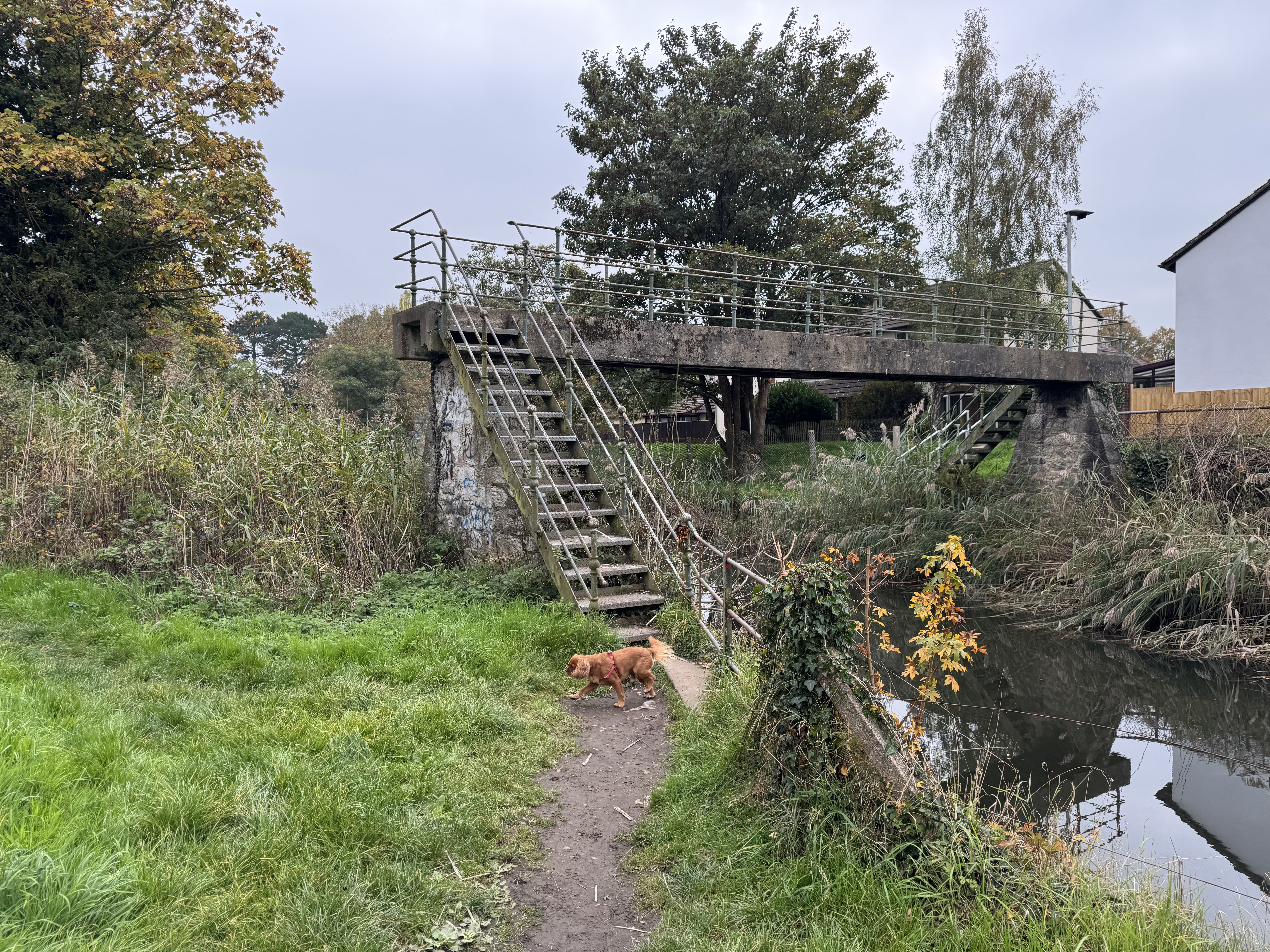
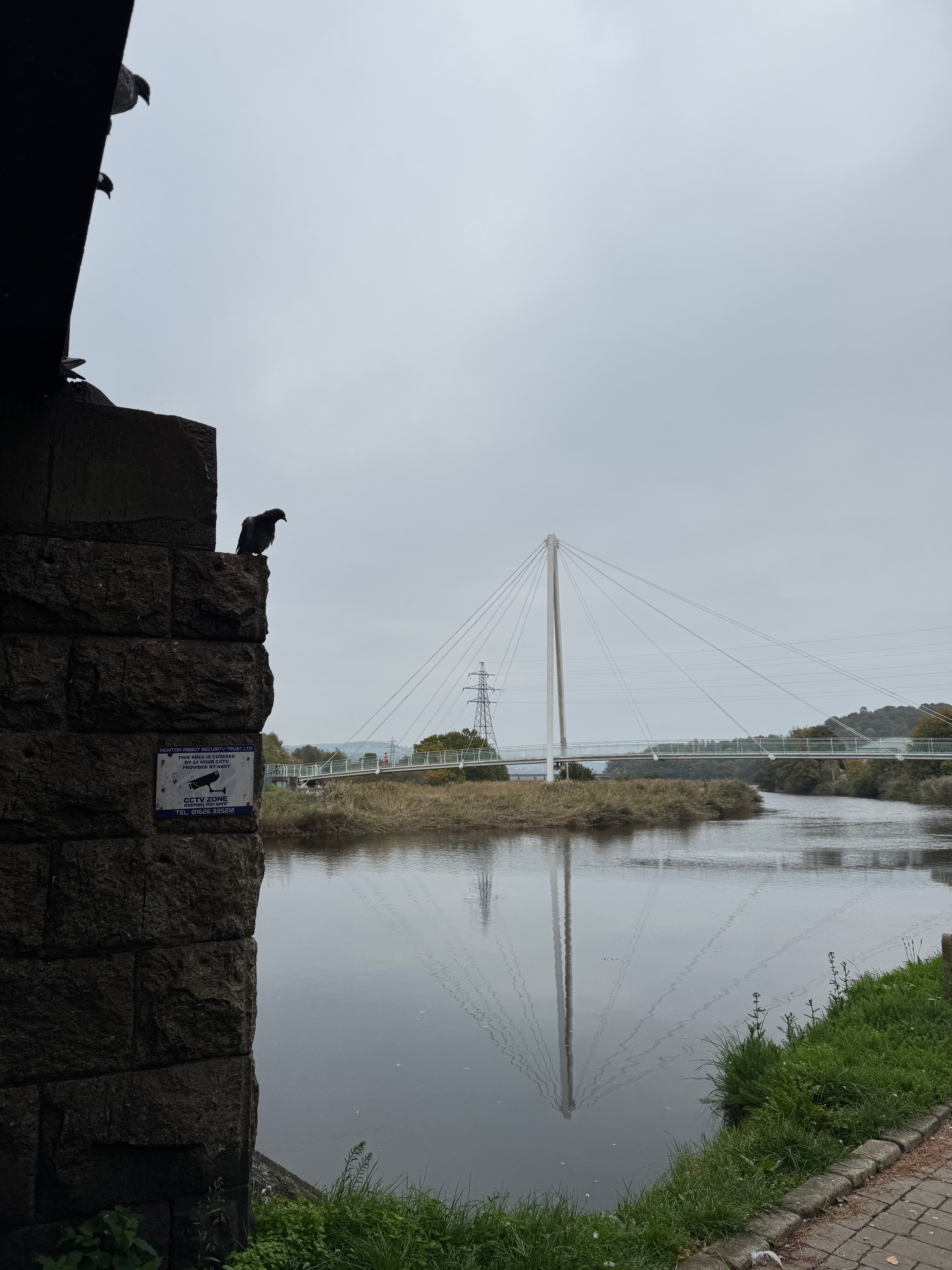
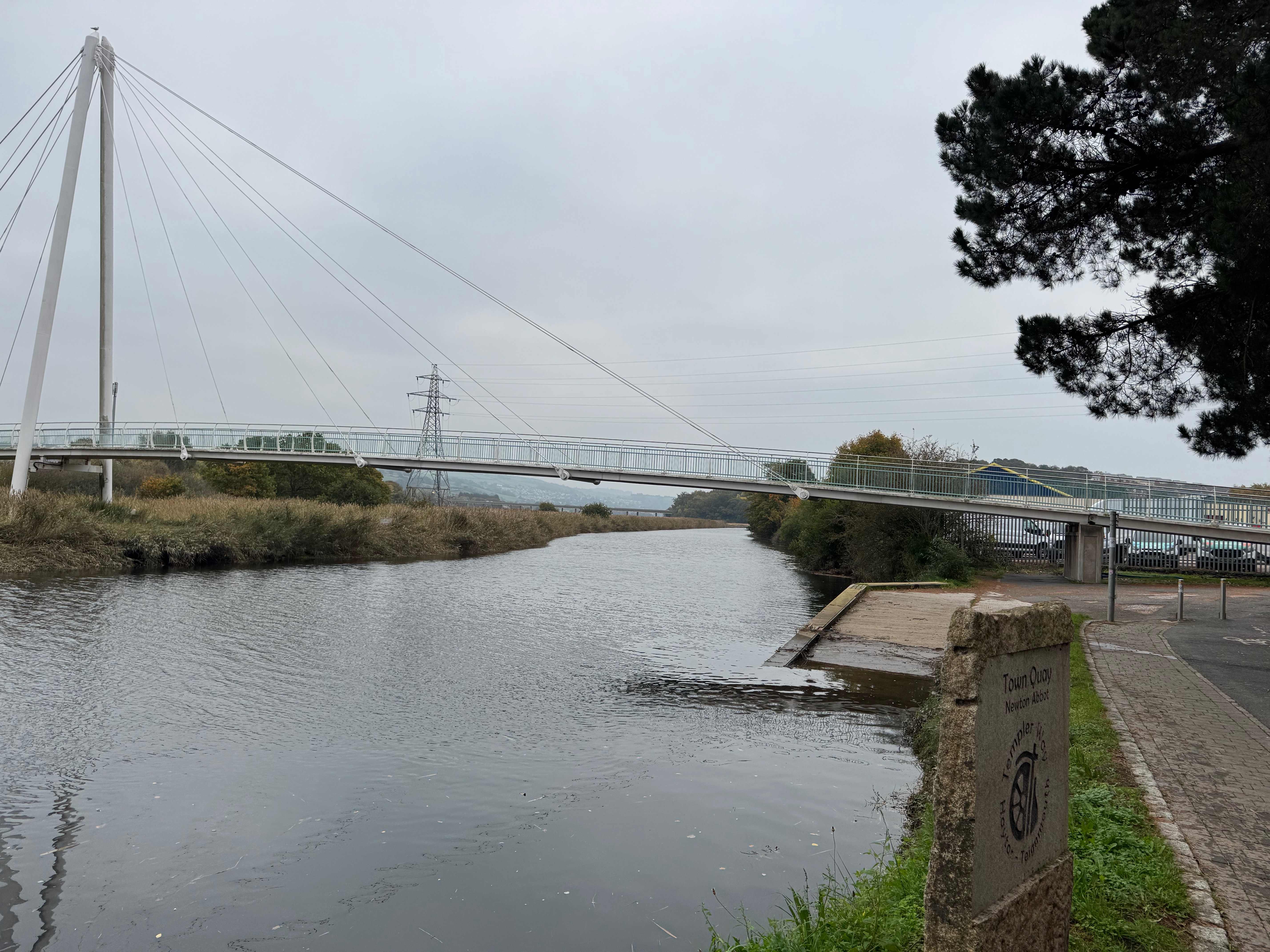
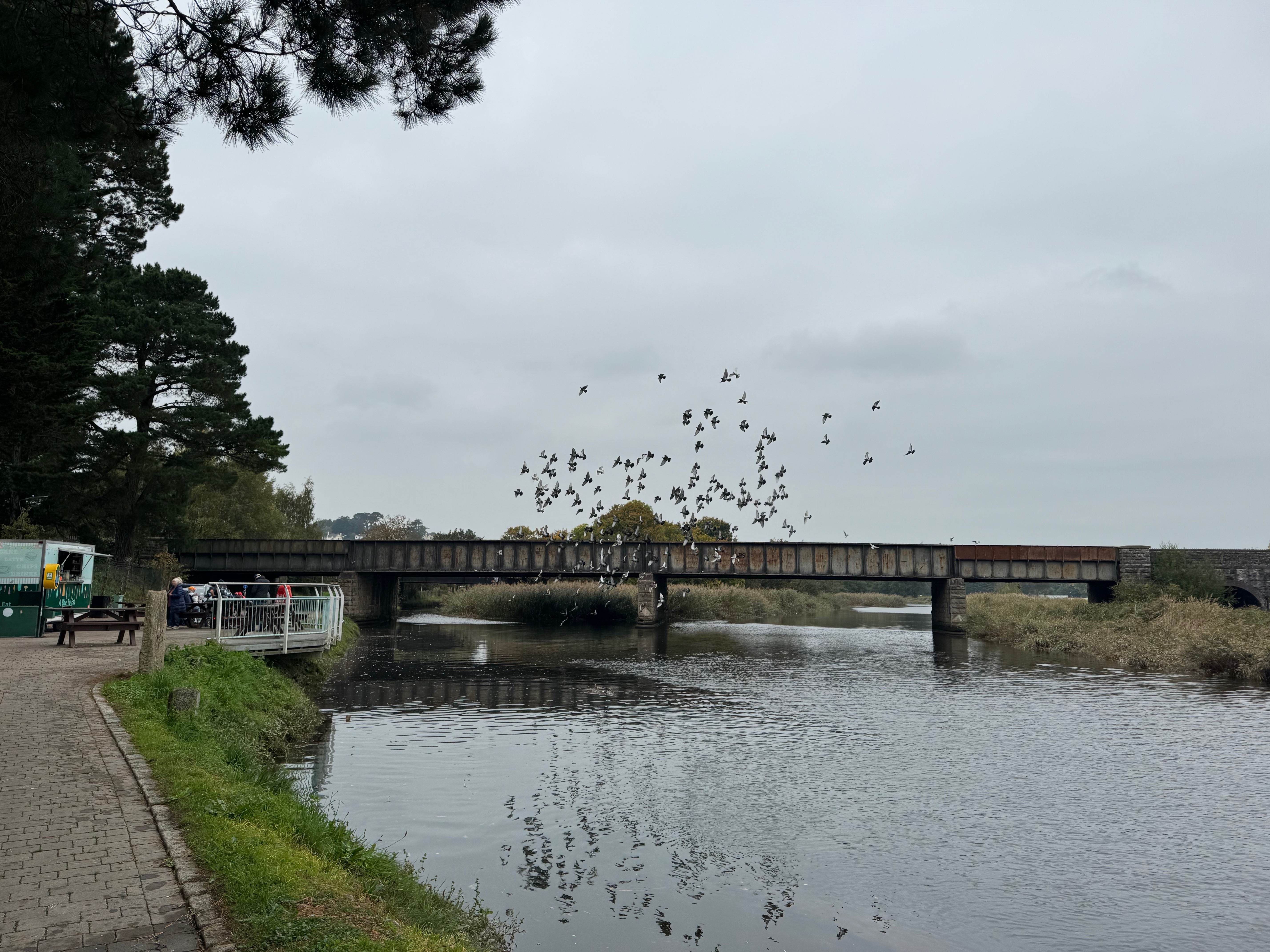
In Newton Abbot, you can see the quay where the barges would have unloaded onto ships ready to whisk away their products to Liverpool or London. We had intended to follow the Templer Way down towards Teigngrace and had seen that we had missed high tide. Unfortunately, the water hadn’t dropped by quite as much as we hoped, and so rather than walk through ankle-deep water, we decided to conduct a plan B and walk back via Kingsteignton and back up the River Teign to Teigngrace.
We were delighted to be gifted lots of apples and courgettes from generous local producers who had too much on their hands. This walk was full of commercial and religious history, but it is such a shame that so beautiful a church is so restricted in access.
|