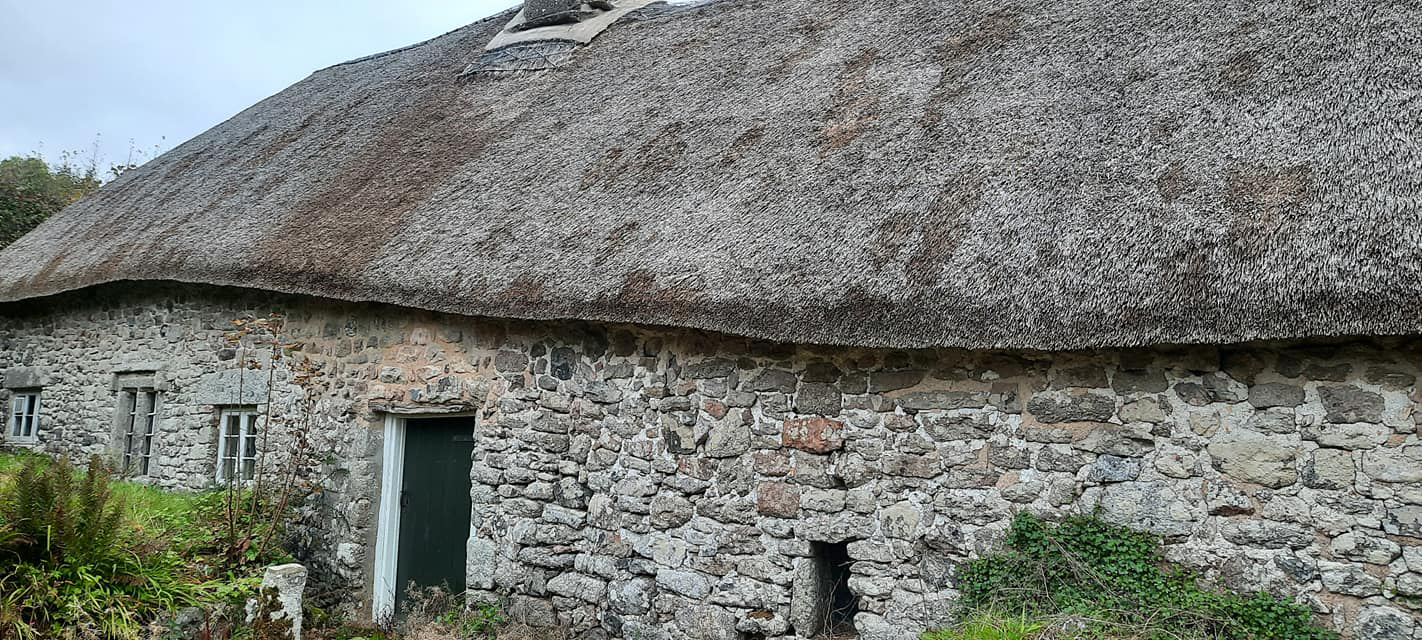
Uppacott is one of those places that looks unassuming until you realise just how rare it is. At first sight it’s simply an old farm tucked into the hillside above Poundsgate, but it turns out to be one of the best‑preserved medieval longhouses anywhere on Dartmoor. Most farms on the moor have been altered, rebuilt or modernised over the centuries, but Uppacott still shows, almost intact, how people lived and worked here in the Middle Ages.
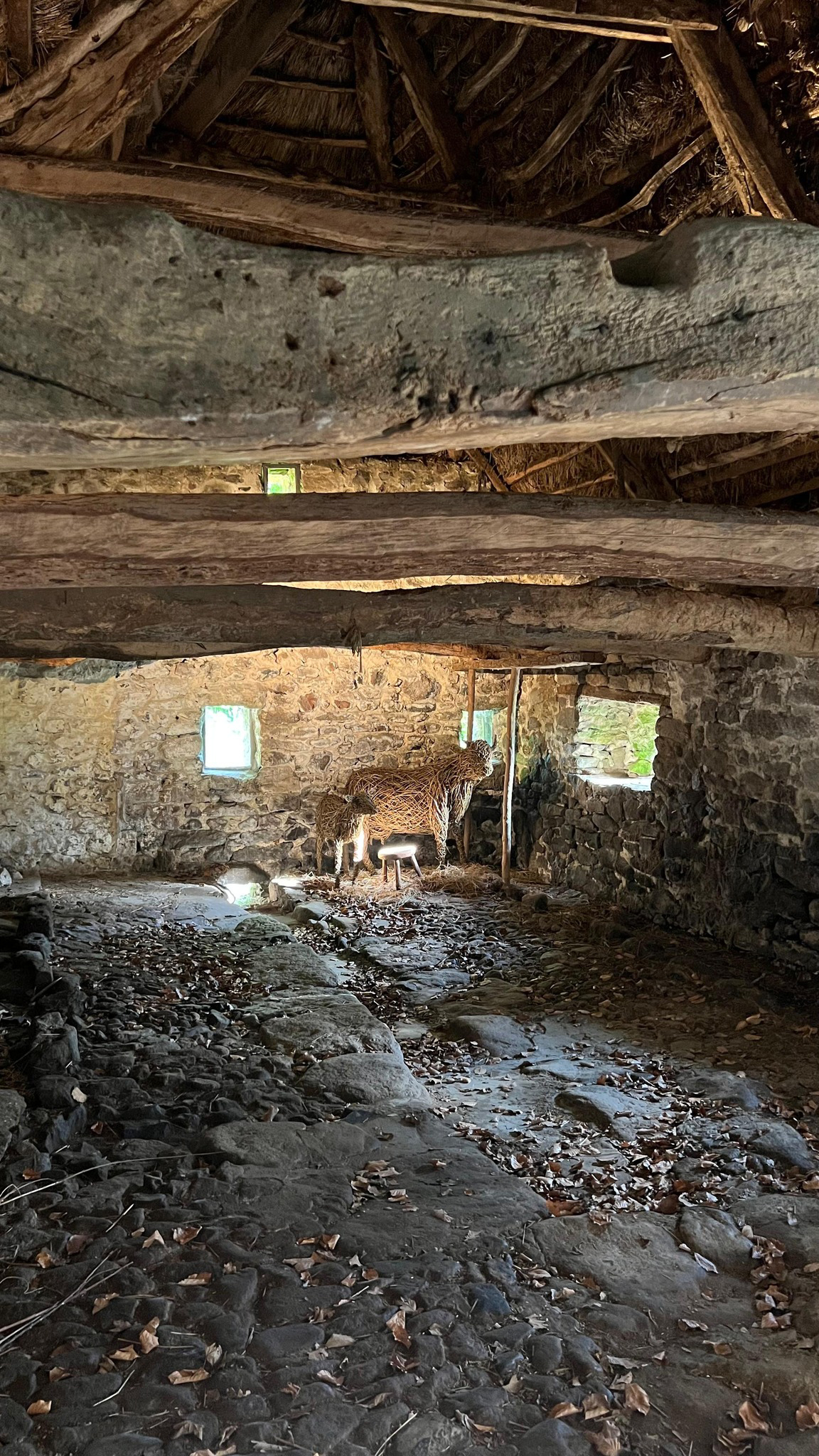
The longhouse design was a practical response to Dartmoor’s climate. Winters were cold, the weather unpredictable, and livestock were a family’s most valuable possessions. So instead of keeping animals in a separate barn, farmers built a single structure where people lived at the upper end and cattle were kept at the lower end. Uppacott sits on a slope for exactly this reason: the animals were housed downhill so that waste could drain away naturally, while the family lived in the higher, drier part of the building. It wasn’t glamorous, but it was warm, efficient and perfectly suited to life on the moor.
Standing outside the building today, it’s easy to imagine how it once worked. The granite walls are thick and solid, the layout simple and purposeful. You can picture the cross‑passage running through the middle, the open hearth smoke drifting upwards, and the muffled sounds of cattle shifting in the shippon below. This was a working home, built for survival rather than comfort, and it tells us far more about everyday medieval life than any castle or manor house ever could.
What makes Uppacott so special is how much of that original structure survives. Many longhouses were heavily altered in later centuries — shippons converted into parlours, new chimneys added, windows enlarged — but Uppacott escaped most of that. Its basic medieval form is still clear, which is why it has been given Grade I listed status. It’s not just old; it’s nationally important as a rare example of how ordinary farming families lived on Dartmoor for hundreds of years.
The setting adds to the sense of continuity. The surrounding fields follow ancient boundaries, the hedgebanks are centuries old, and the lanes leading to the farm still feel like they belong to another era. You can easily imagine generations of farmers walking the same paths, tending the same slopes, and relying on the same watercourses that run past the buildings today.
Uppacott also helps balance the wider story of this part of Dartmoor. On the same walk you can encounter Victorian philanthropy at Leusdon Church, imperial connections through the Struben and Torrens families, and the scenic ambition of Dr Blackall’s Drive. Uppacott, by contrast, represents the quieter, older Dartmoor — the world of subsistence farming, close‑knit communities and buildings shaped by necessity rather than wealth.
It survives because it was built to last. The granite, the simple plan, the practical layout — all of it has weathered Dartmoor’s storms for centuries. Visiting today, you get a rare and vivid sense of how people once lived on the moor: not as romantic figures from folklore, but as hardworking families making the best of the landscape around them.