|
Our last walk of the year saw us take in Dr Blackall’s Drive with its stunning views up and down the Dart Valley, one of the best‑preserved medieval farms at Uppacott, a memorial hall built to honour returning soldiers from the First World War, the beautifully situated Victorian church in Leusdon (which also commemorates an important South Australian Premier and far too many sons of the local populace), Spitchwick Manor where Dr Blackall himself lived, and finally a pub reputed to have served both Conan Doyle and the Devil no less. Just another varied walk around a tiny corner of Devon.
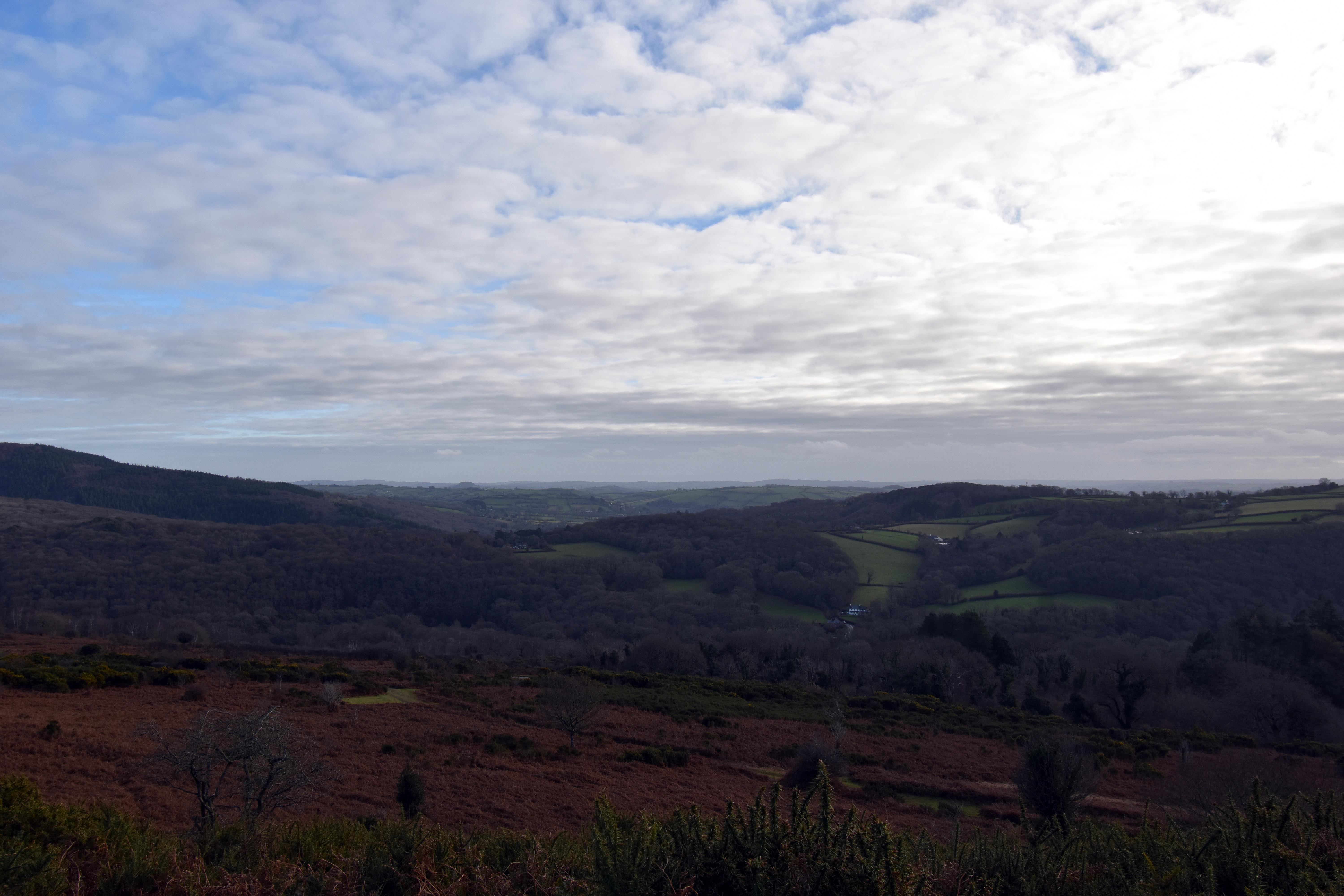
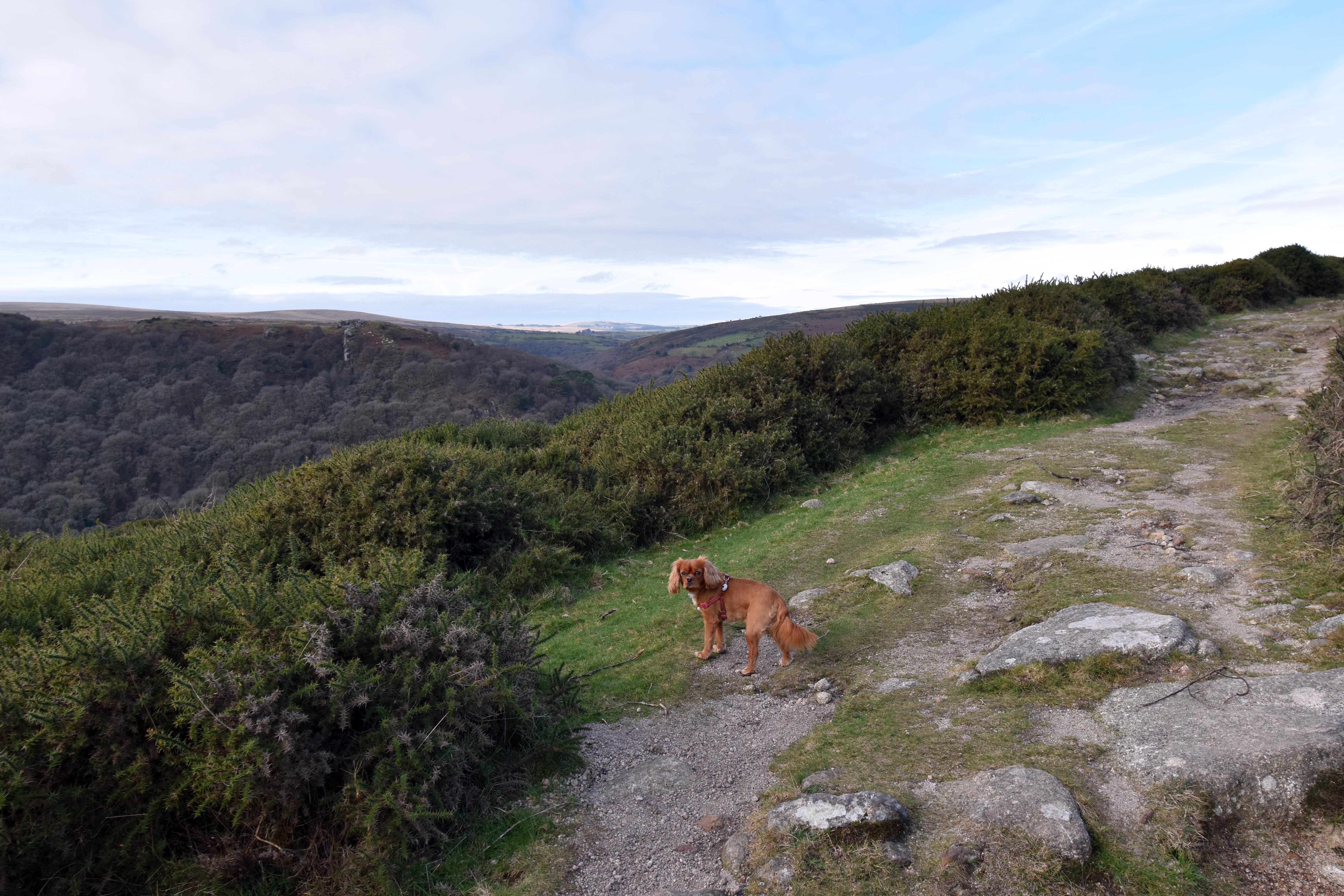
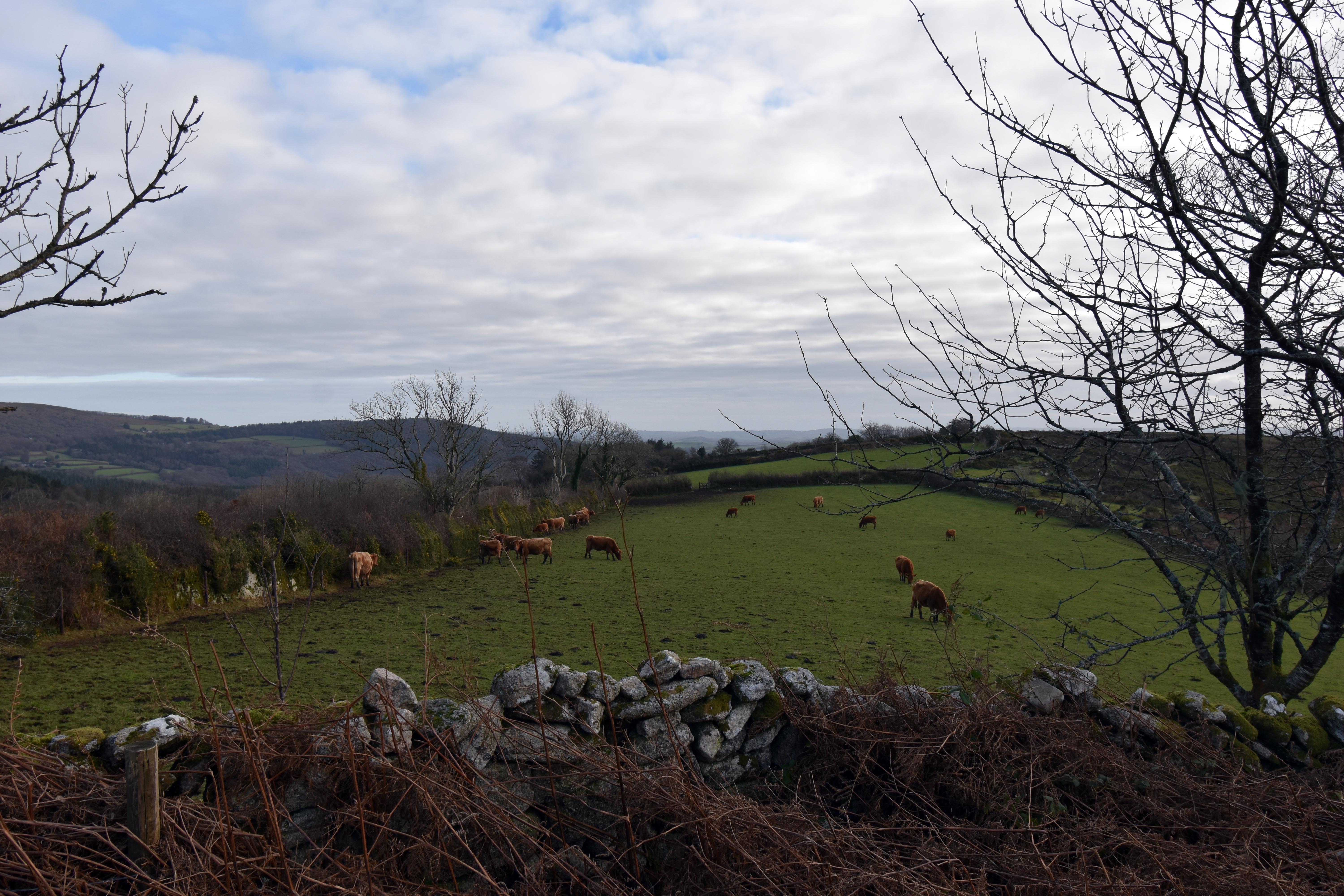
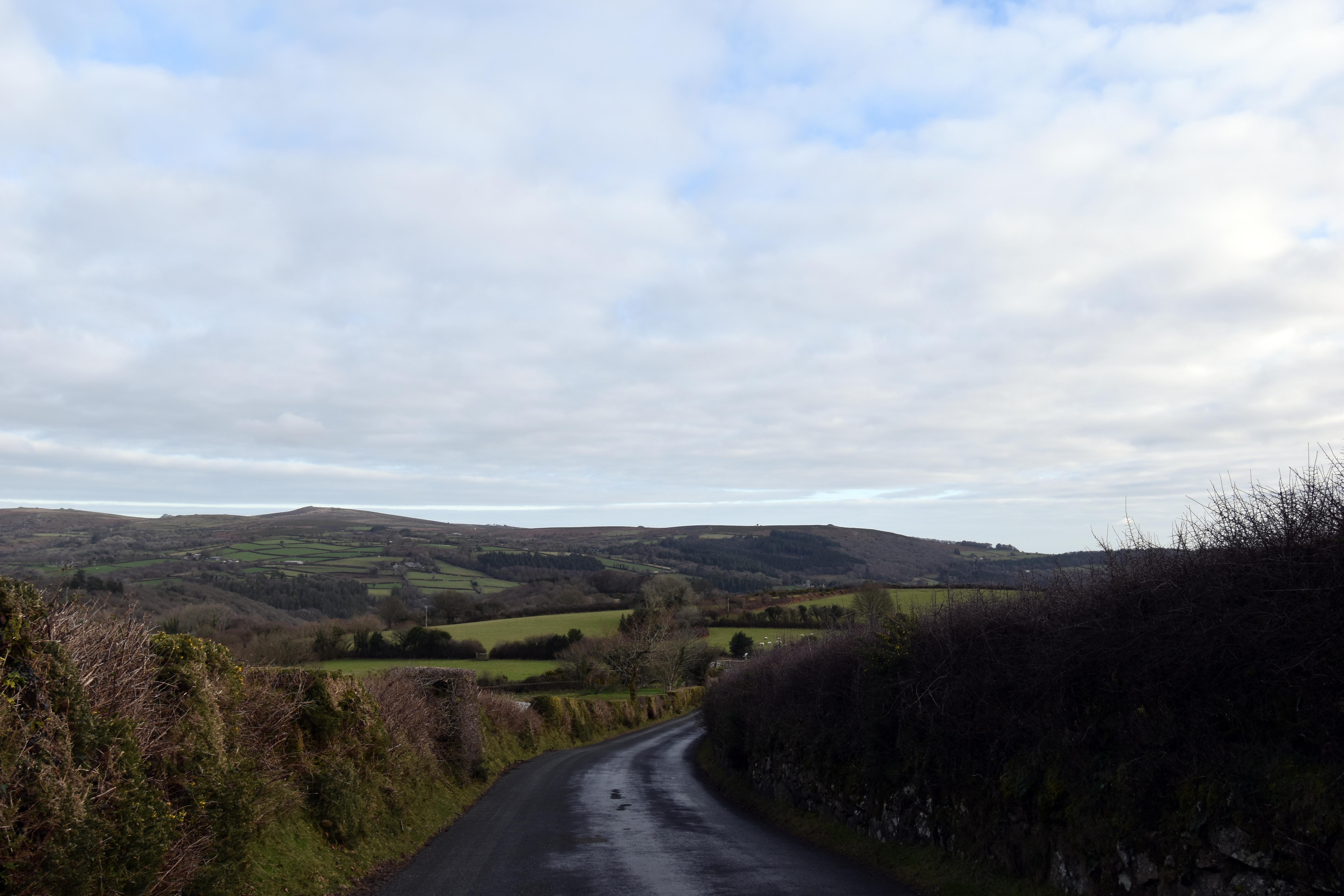
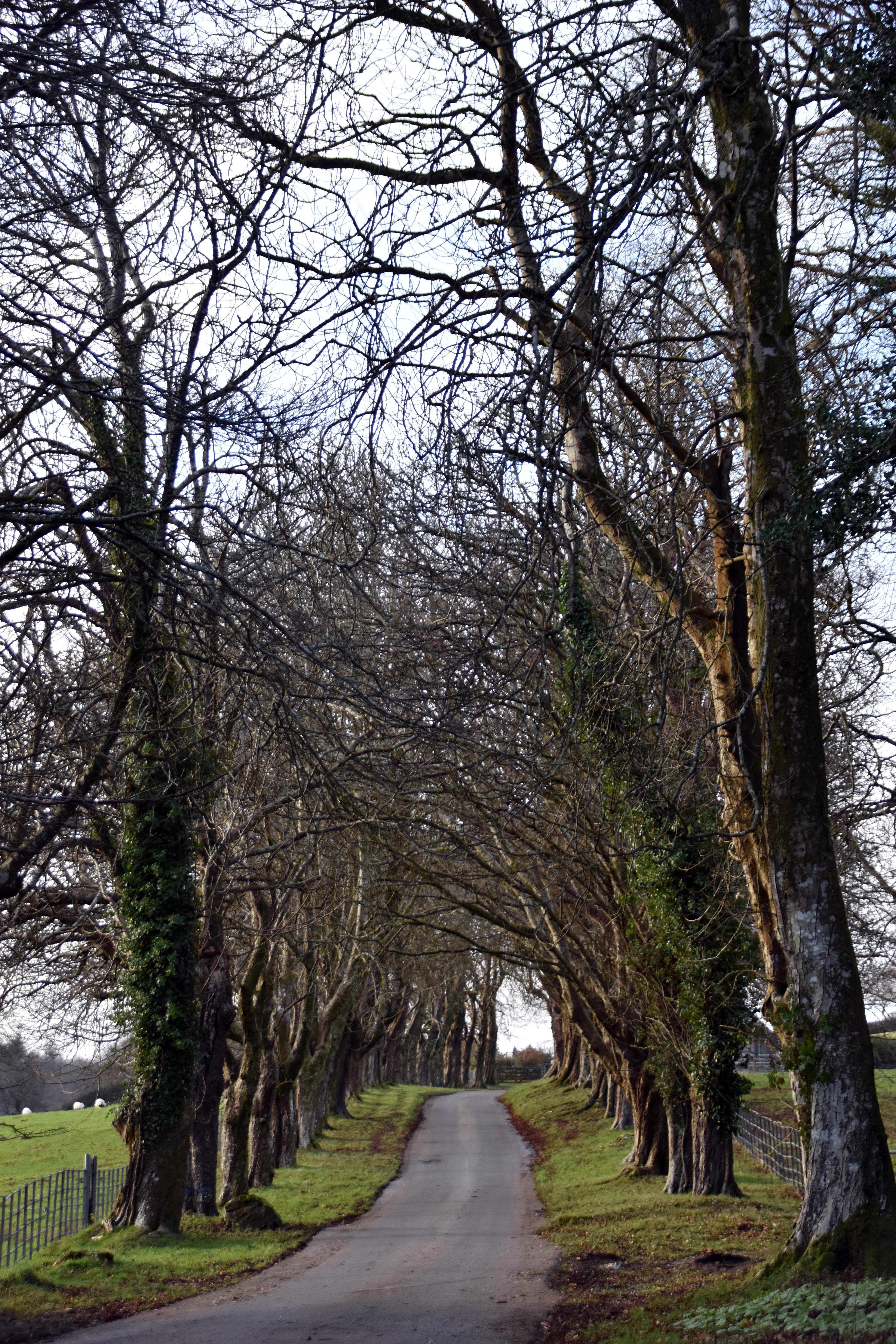
We parked just below Aish Tor before the main road enters Poundsgate. From here we headed upwards to intercept the charming Dr Blackall’s Drive, as it is marked on the OS map. And who was Dr Blackall? He was a successful Exeter doctor who, on inheriting money from his father, purchased Spitchwick Manor in 1867. In the 1880s his wife became too ill to walk, and the terrain was too rough for a horse and carriage, so he arranged for a scenic drive to be constructed that would allow her to enjoy the views of the Dart Valley from the comfort of a carriage. Hence its unusual width compared to most Dartmoor paths. It is regarded as one of the earliest purpose‑built scenic routes in the country.
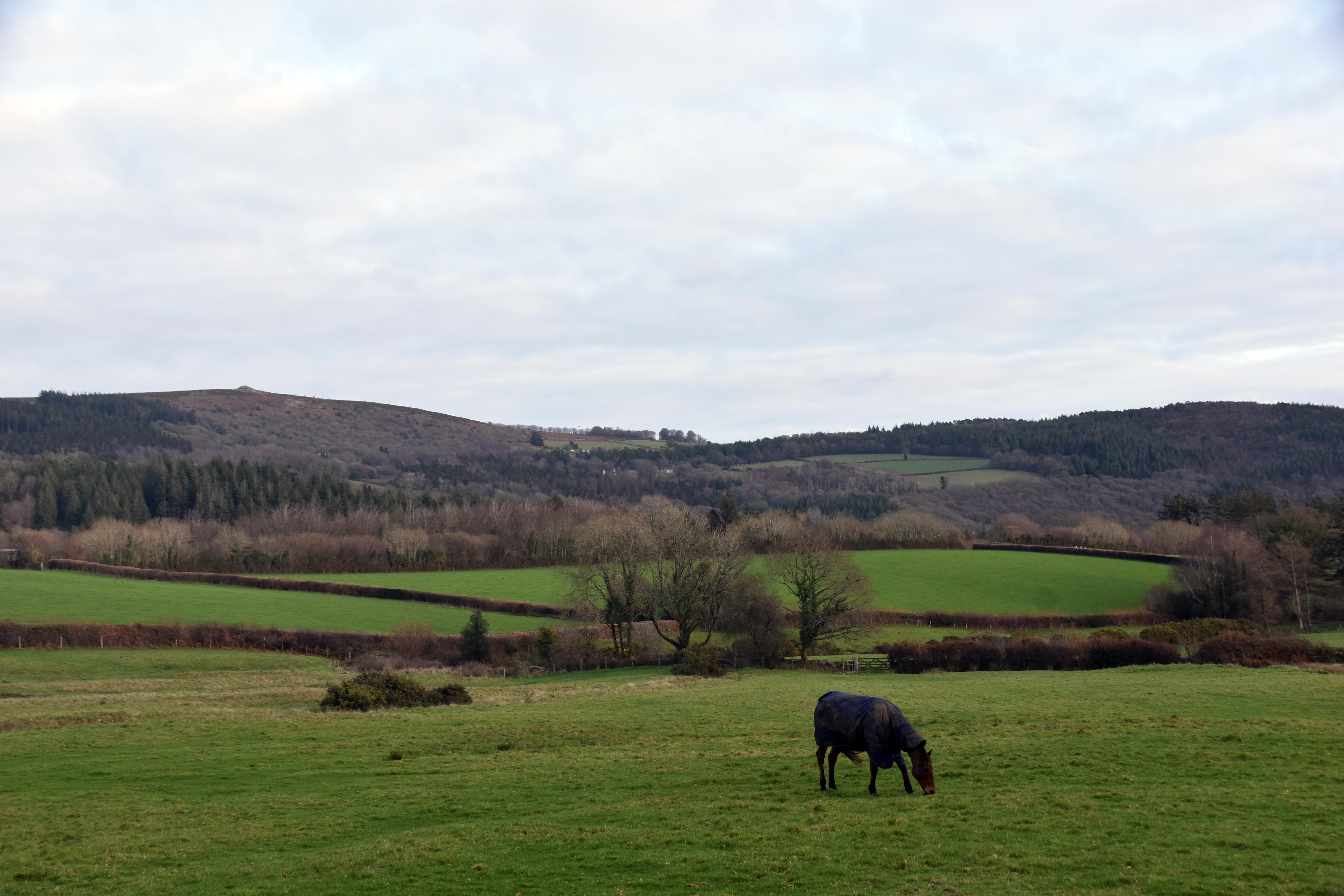
Of course, it is the River Dart that gives Dartmoor its name (although “Dart” actually means “oak” in Celtic). From the east bank you can see all the way up to North Hessary Tor towering over Princetown many miles away. Being winter, and after so much rainfall, the Dart was in full flow even from our height. The West Dart rises behind Rough Tor, interestingly not far from the head of the East Dart, which begins further north at Cut Hill but takes a completely different route before meeting its sibling at the aptly named Dartmeet. The watershed drains much of central Dartmoor, so it’s hard to imagine a more appropriate river to lend its name to the moor.
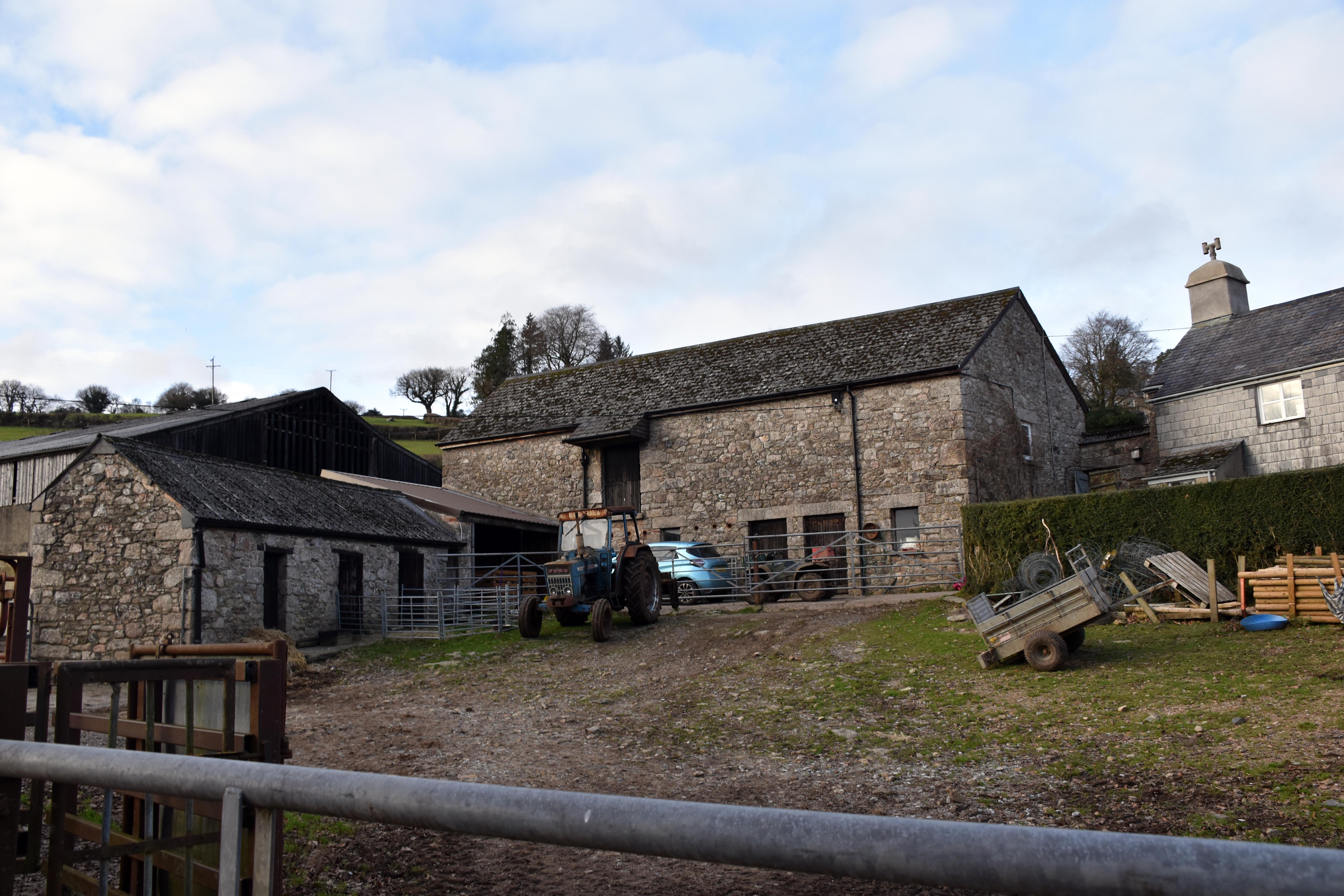
We had hoped to cut into the farm at Higher Tor to pick up the public right of way to the medieval‑era Uppacott Farm. It looks a viable path, and what is the point of a partial public right of way if it doesn’t connect to anywhere? Alas, a sign denied us access, so we had to walk around Bel Tor and then follow the busy, fast road back to Poundsgate — with zero footpaths and plenty of water on the road after all the recent rain. Fortunately, the traffic was light and we soon reached the fascinating Uppacott Farm.
 |
|
|
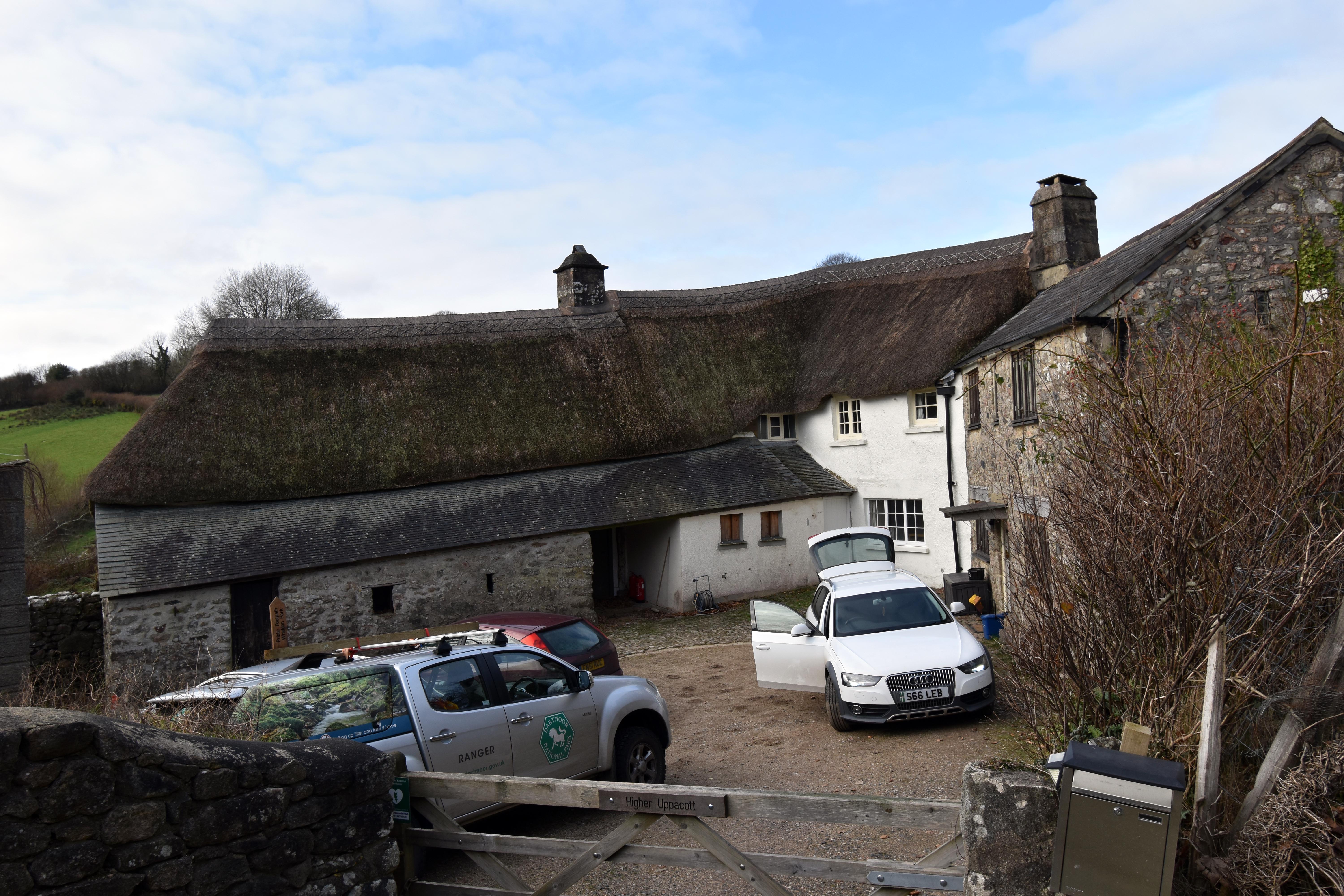
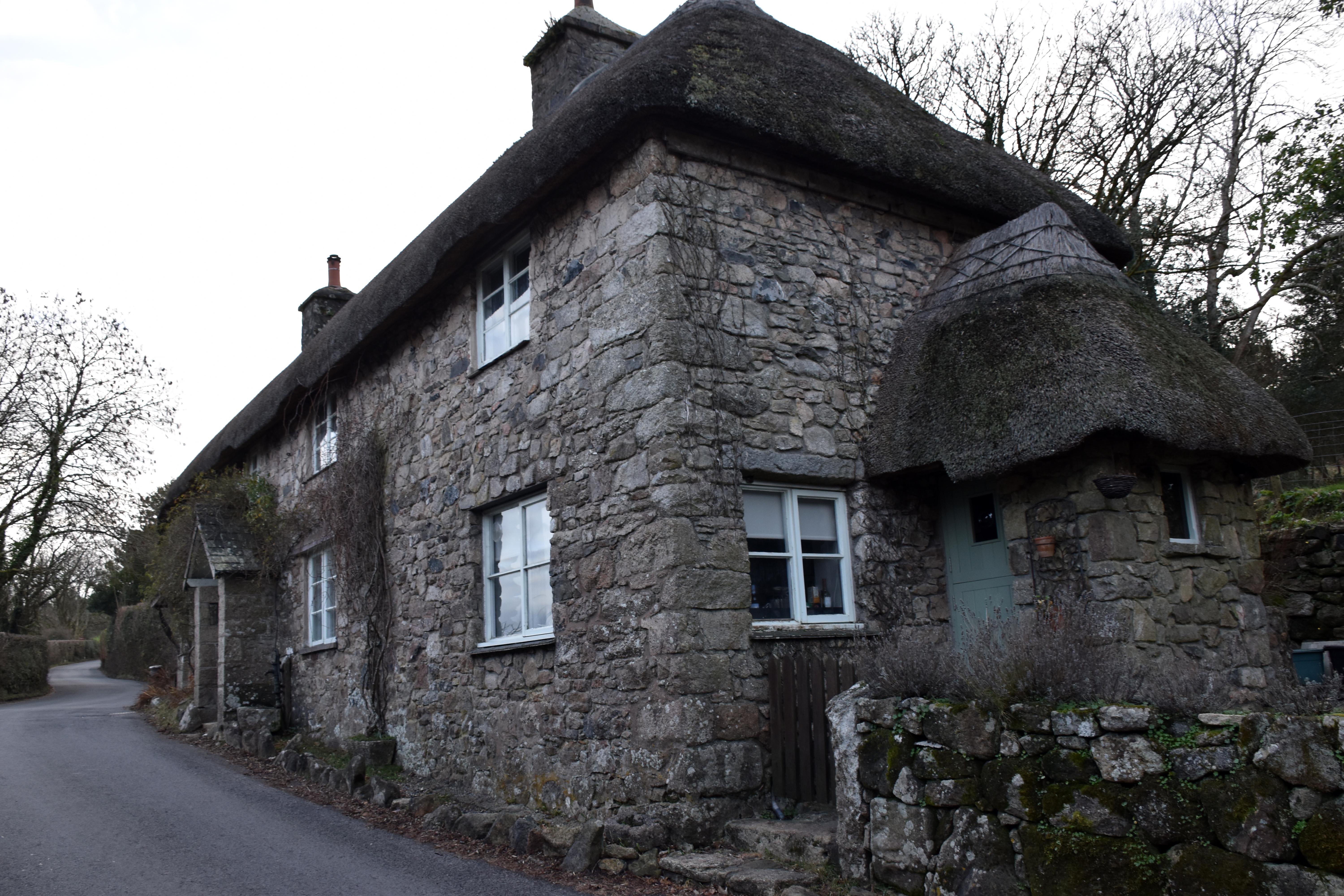
Uppacott is a Grade I listed building and one of the few surviving medieval longhouses that show how farmers lived literally alongside their animals in winter, with the cattle shelter attached to the farmhouse. Built on a slope, the animals were kept at the lower end so their waste could be washed downhill and away from the humans, with rainwater channelled to help clear it. Practical, but it must have been a bit smelly living cheek by jowl with what were almost certainly the farmer’s most valuable assets.
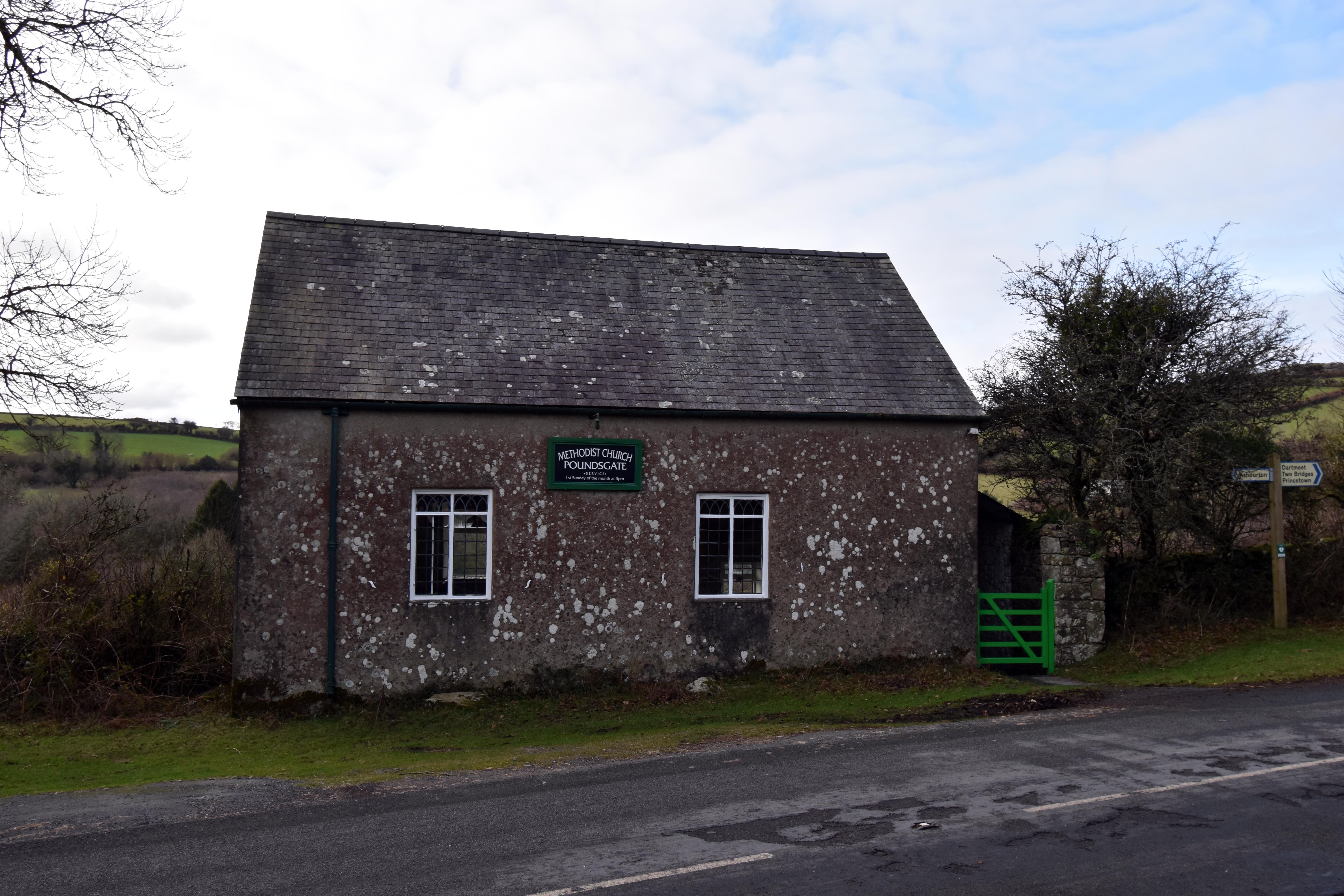
We carried on towards Poundsgate, but only as far as the lovely little Methodist Chapel that is still in operation. Methodist churches have fared even worse than Anglican ones since the post‑war period, and it is far more common to see them converted into unusual housing. This particular chapel meets on the first Sunday of each month, which is better than nothing. It wasn’t open, so we contented ourselves with peering through the window.
 |
|
|
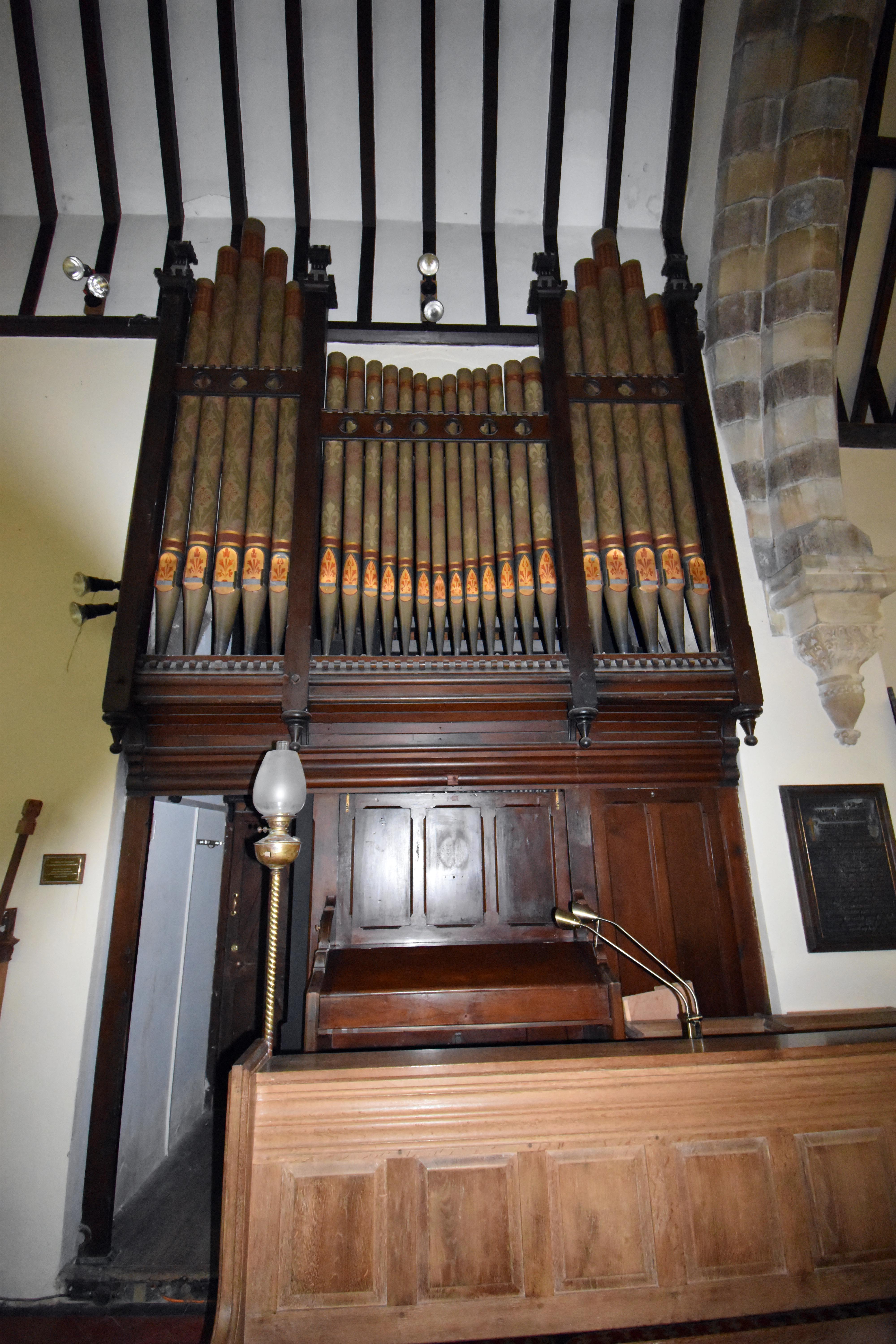
Once upon a time Methodism provided a serious rival to Anglicanism, with its less hierarchical structures and simplicity of worship appealing to large swathes of the rural population, especially in the South West (and Wales). Whether you attended Church or Chapel once told people a great deal about your character, class, and identity. Generally, the great and the good, the local manors, and the aspiring professional classes gravitated towards the Church of England; the working and lower‑middle classes more often headed to the Methodist chapel. There were exceptions, but in general Anglican churches have more dedications and memorials to important people. Methodists were keen not to dwell on earthly exploits, so commemorations are far fewer. Decorations were simpler too: no stained glass or carved woodwork, just a cross, a table, perhaps a line of scripture, and a functional organ — music being central to their worship. It was a reminder of the crucial Church‑versus‑Chapel divide that once shaped almost every town and village in Devon and Cornwall.
 |
|
|
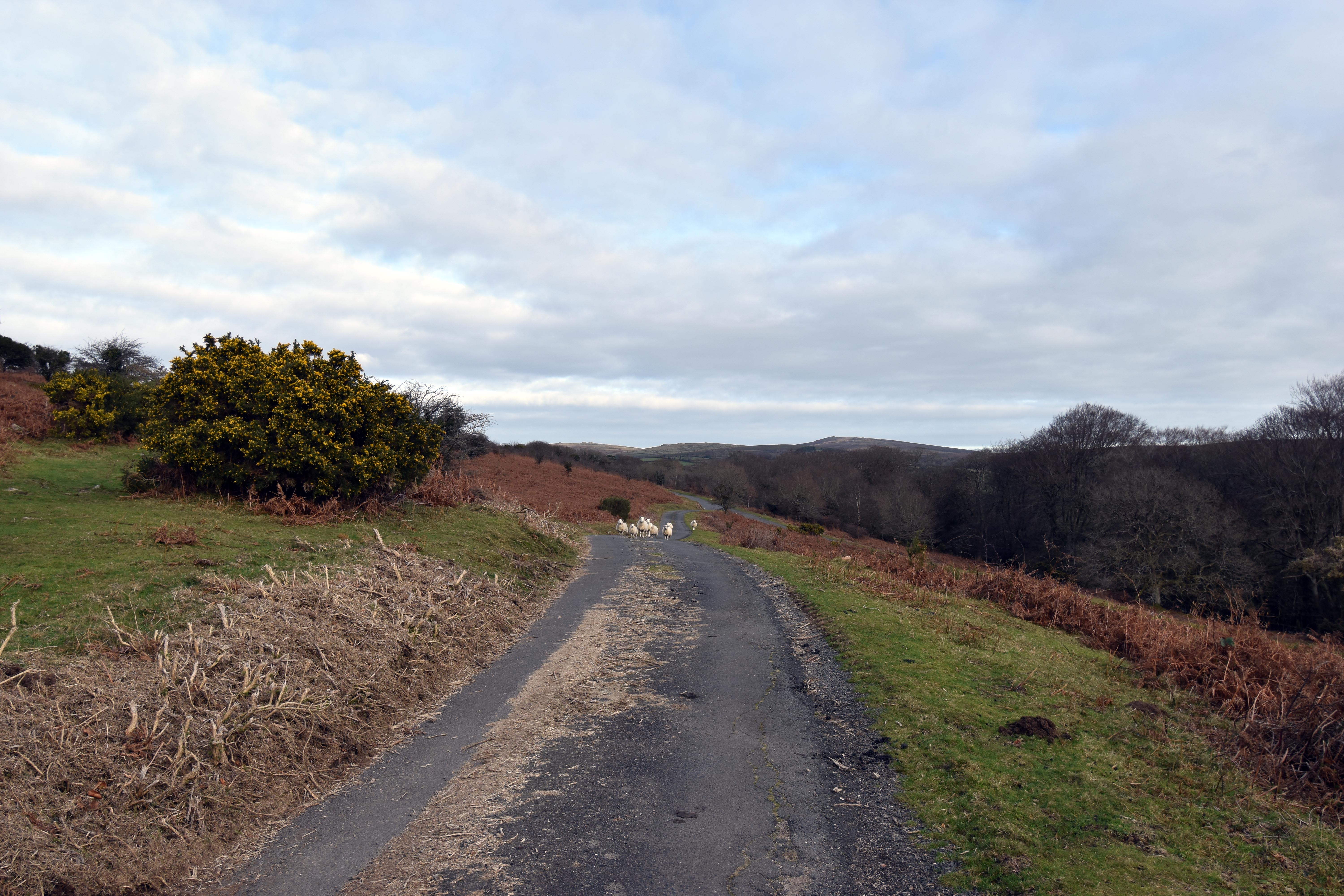
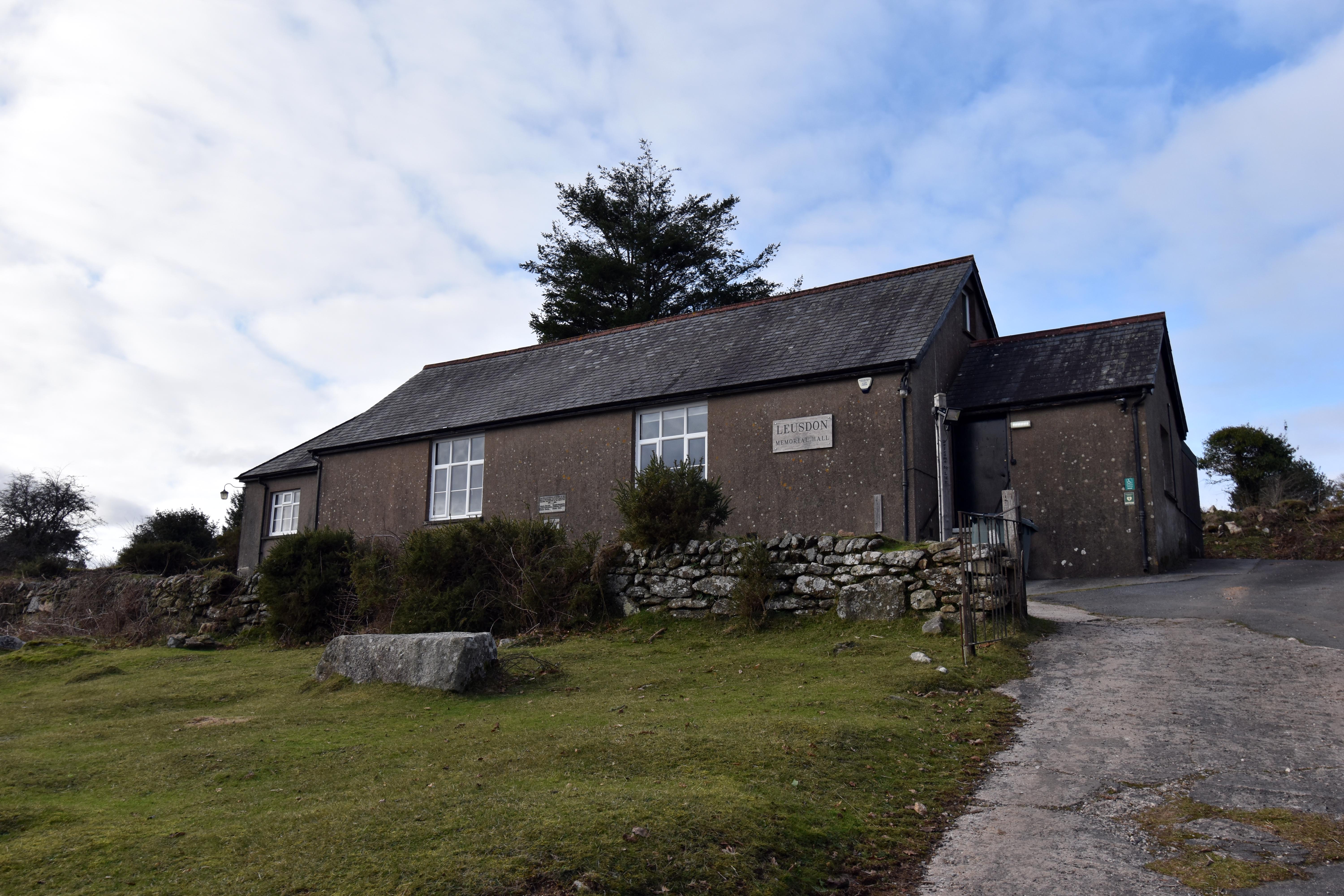
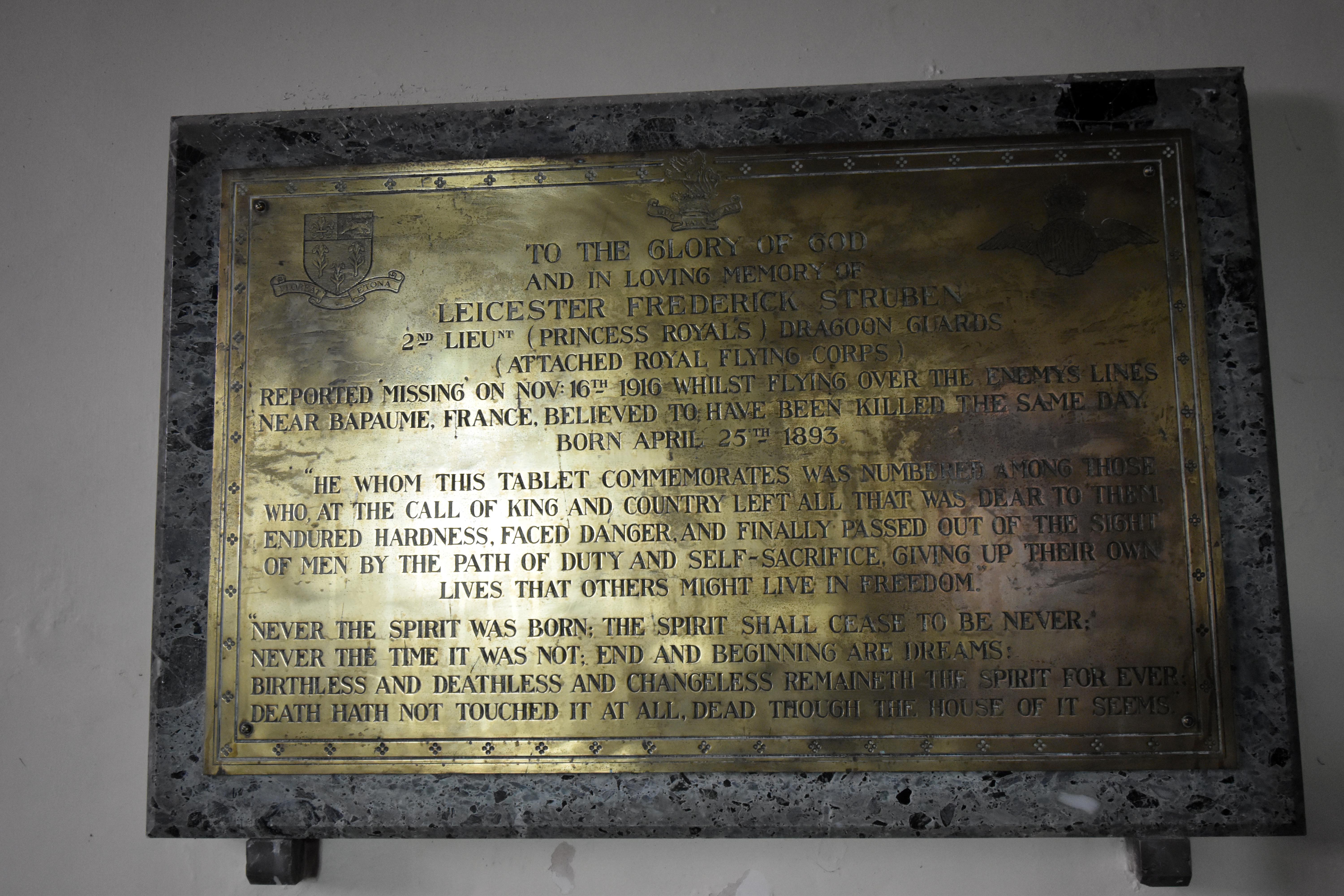
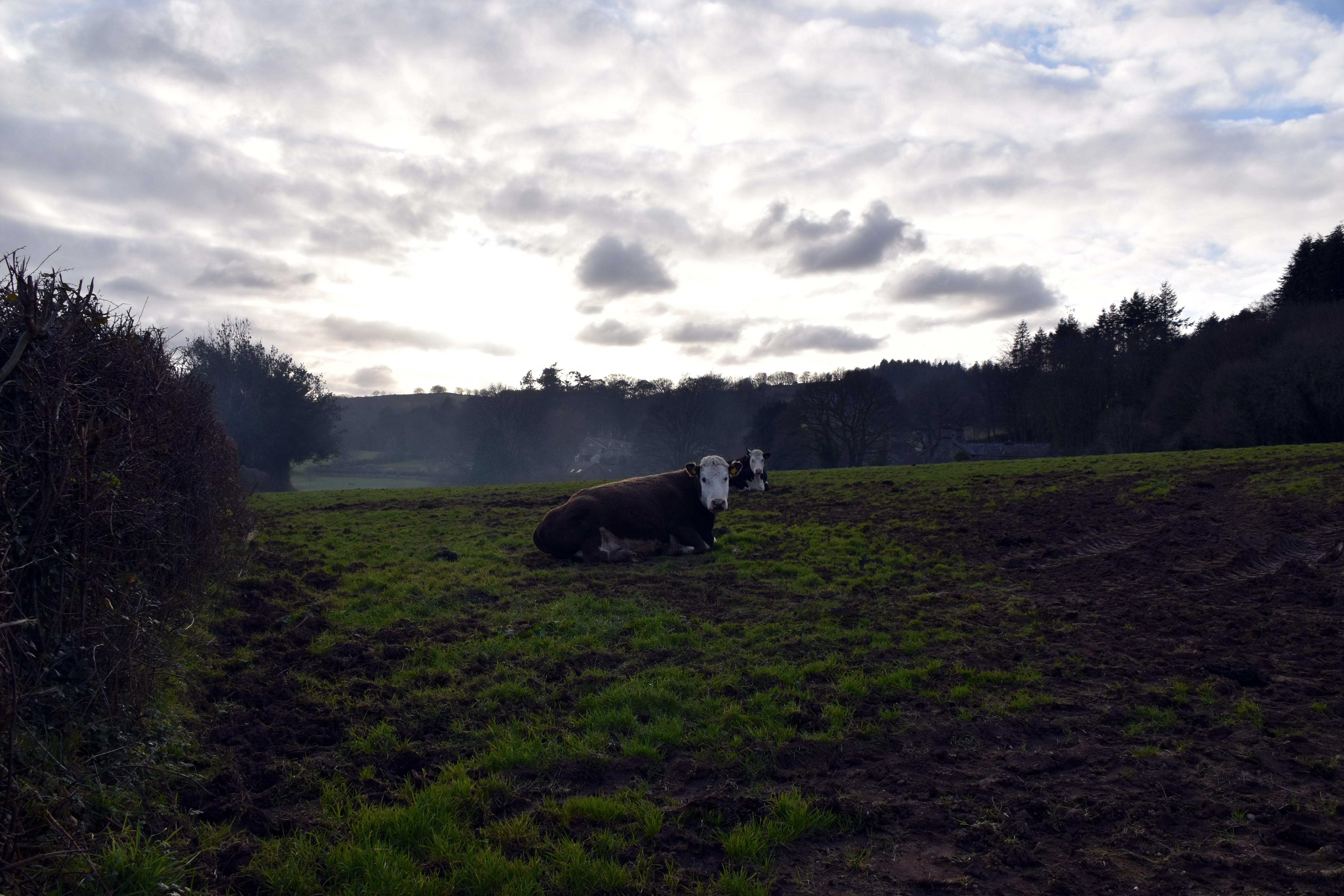
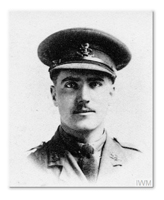
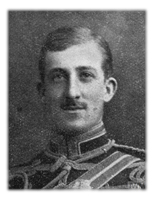
From the chapel we walked along a far quieter road — so quiet that a herd of sheep seemed rather put out to see us — until we reached the Leusdon Memorial Hall. Built in 1923 in the immediate aftermath of the war, it was funded by the family of Leicester Struben, a young soldier killed in 1916. The Struben name itself tells an interesting imperial story. Leicester was the son of Frederick Struben, a South African gold miner who, with his brother, was the first to strike gold in Johannesburg in 1884. On the back of this fortune he bought Spitchwick Manor and became part of the local establishment.
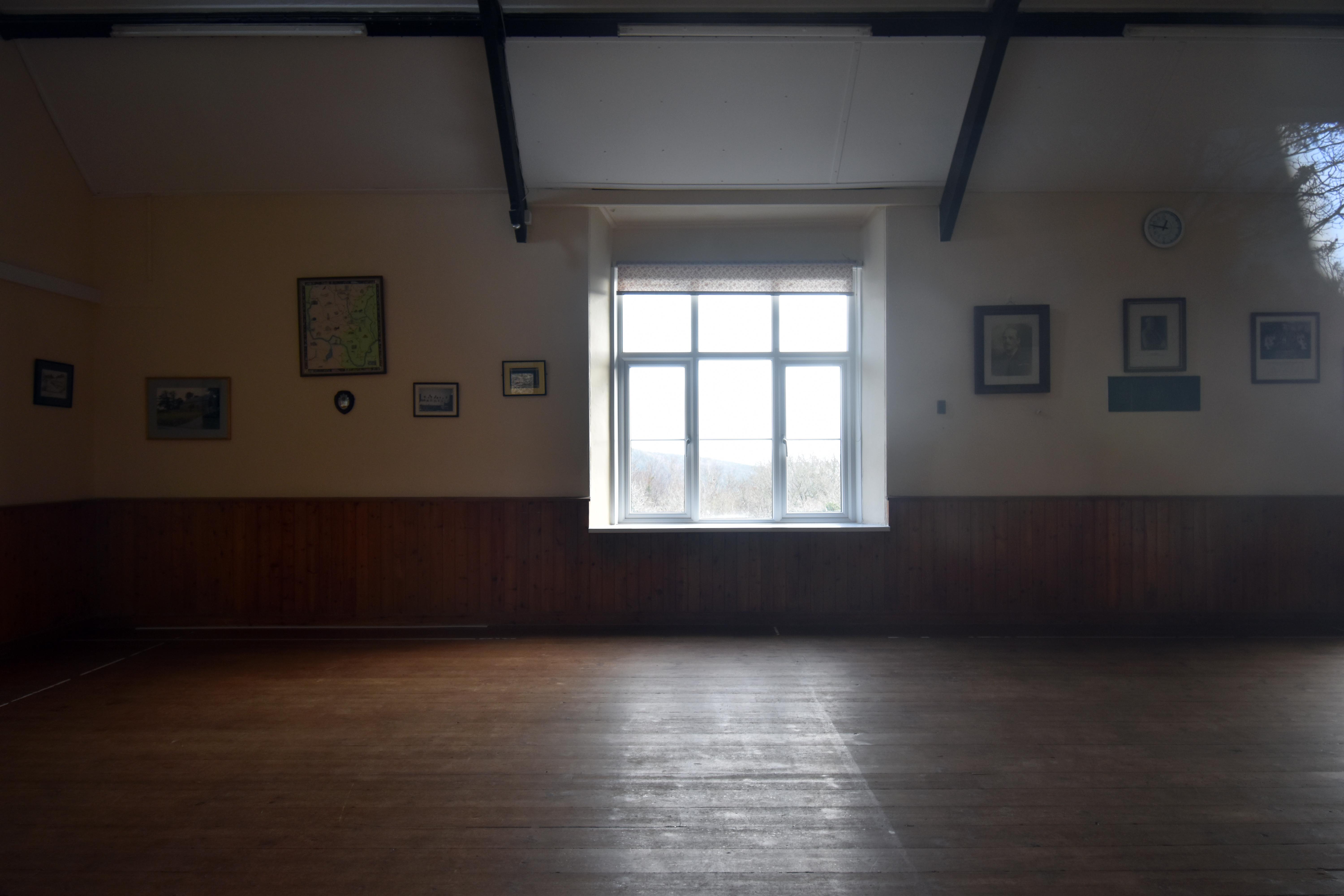
Leicester volunteered early in 1914, serving in the Cheshire Regiment and then the 7th Royal Dragoon Guards before being seconded to the nascent Royal Flying Corps. He was observing enemy troop movements above Bapaume when his plane was shot down behind enemy lines. His family, living at Spitchwick Manor, donated the land and money for the hall in his memory. There is also a significant dedication to him in nearby Leusdon Church. We couldn’t get inside, but through the windows we could see many military photographs lining the walls. The views from the hall are magnificent. The building itself is a functional 1920s hall, but its practicality and original purpose mean it continues to play an invaluable role in the community.
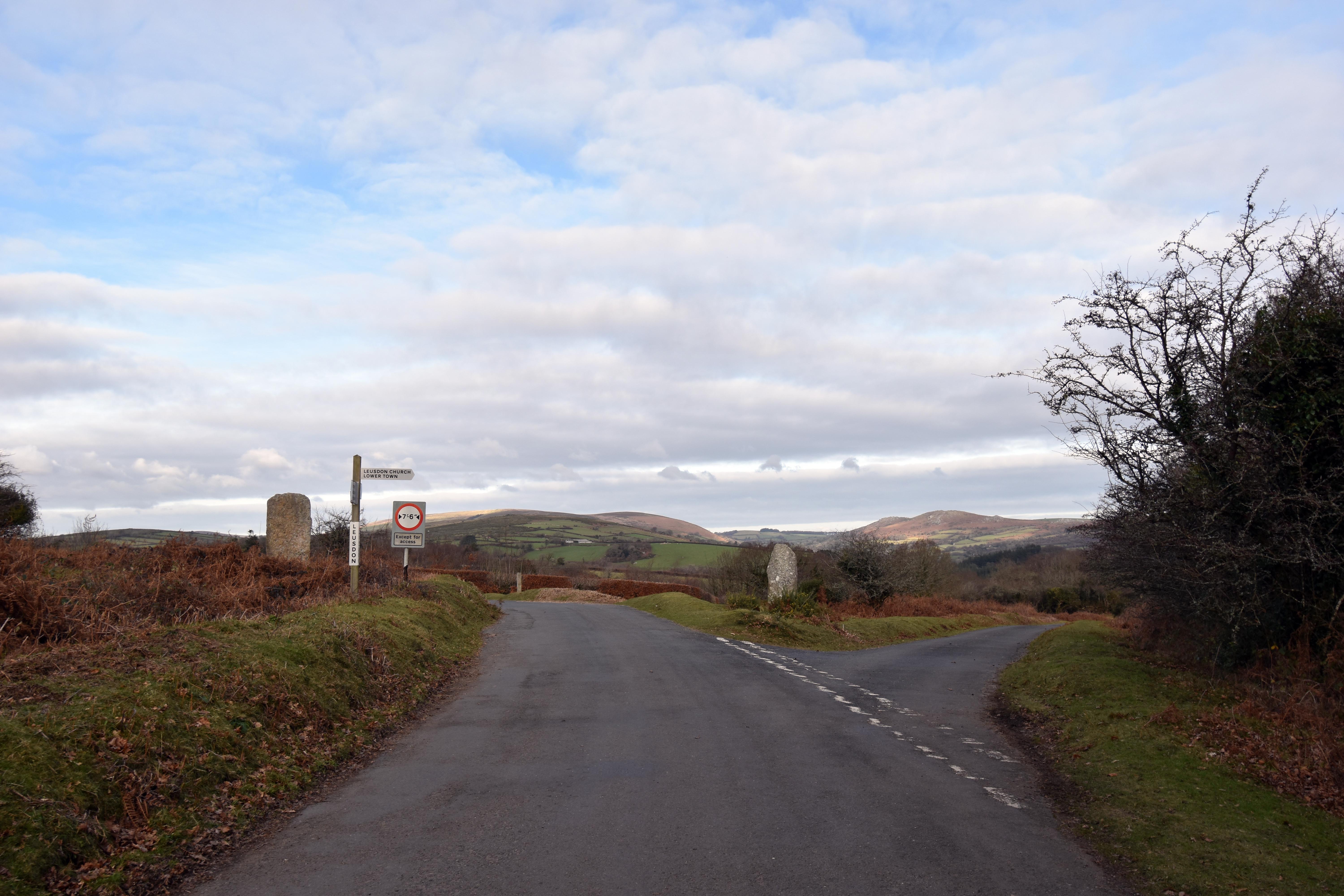
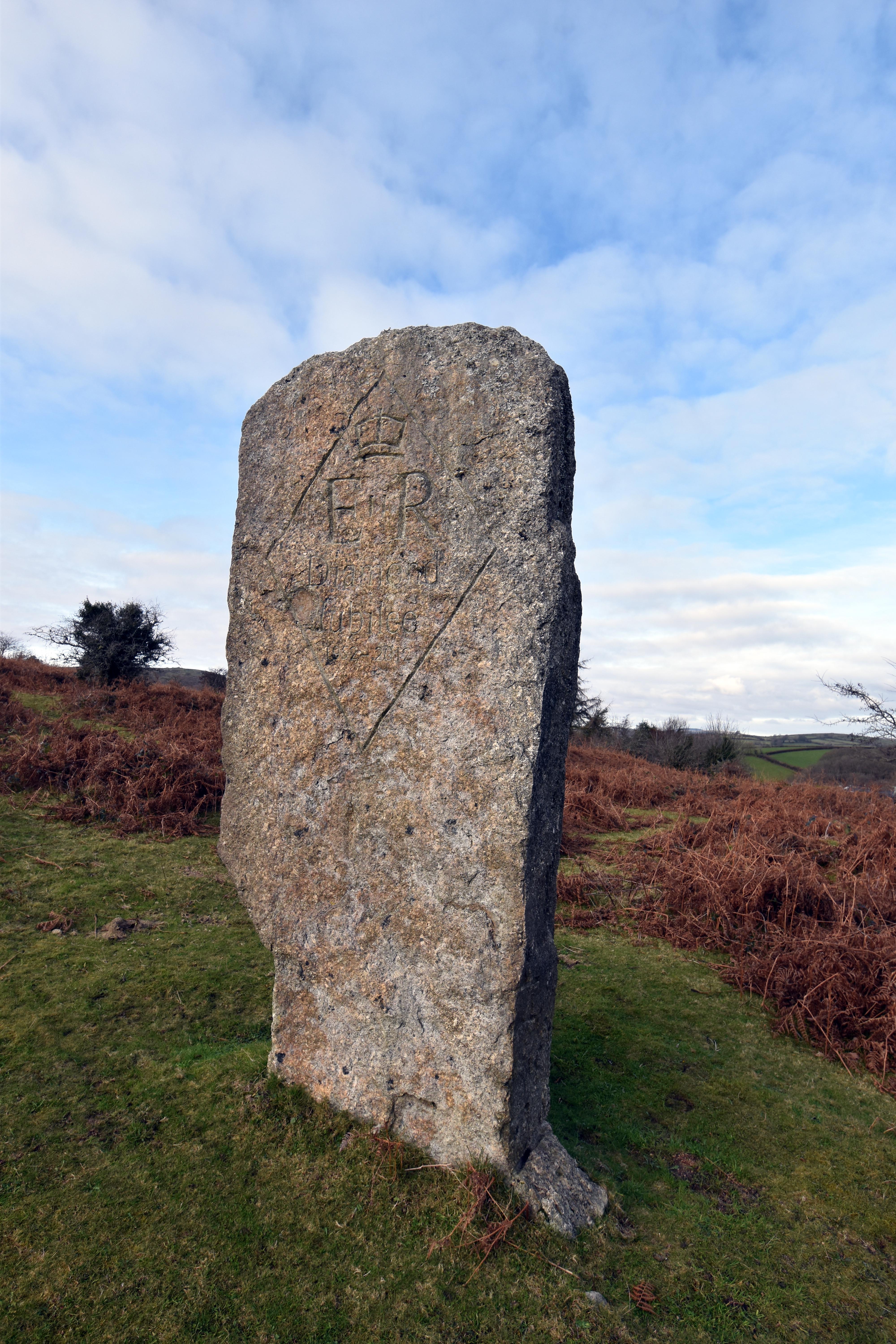
Just past the hall stand not one but two Queen Elizabeth Jubilee menhirs welcoming you into Leusdon. One commemorates the 2012 Diamond Jubilee; the other, I think, the 1977 Silver Jubilee, though it is already very weathered. We could at least make out an “S”.
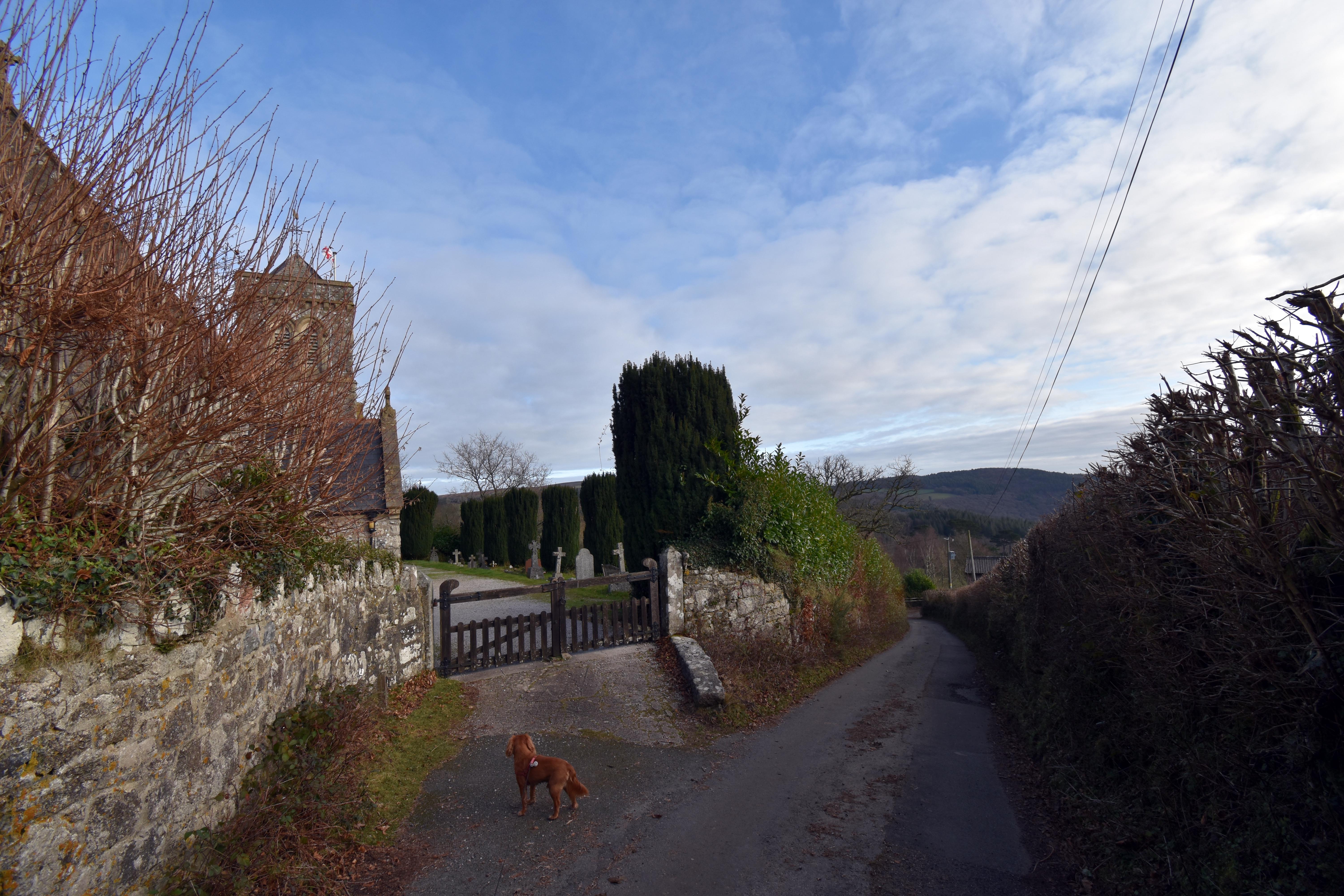
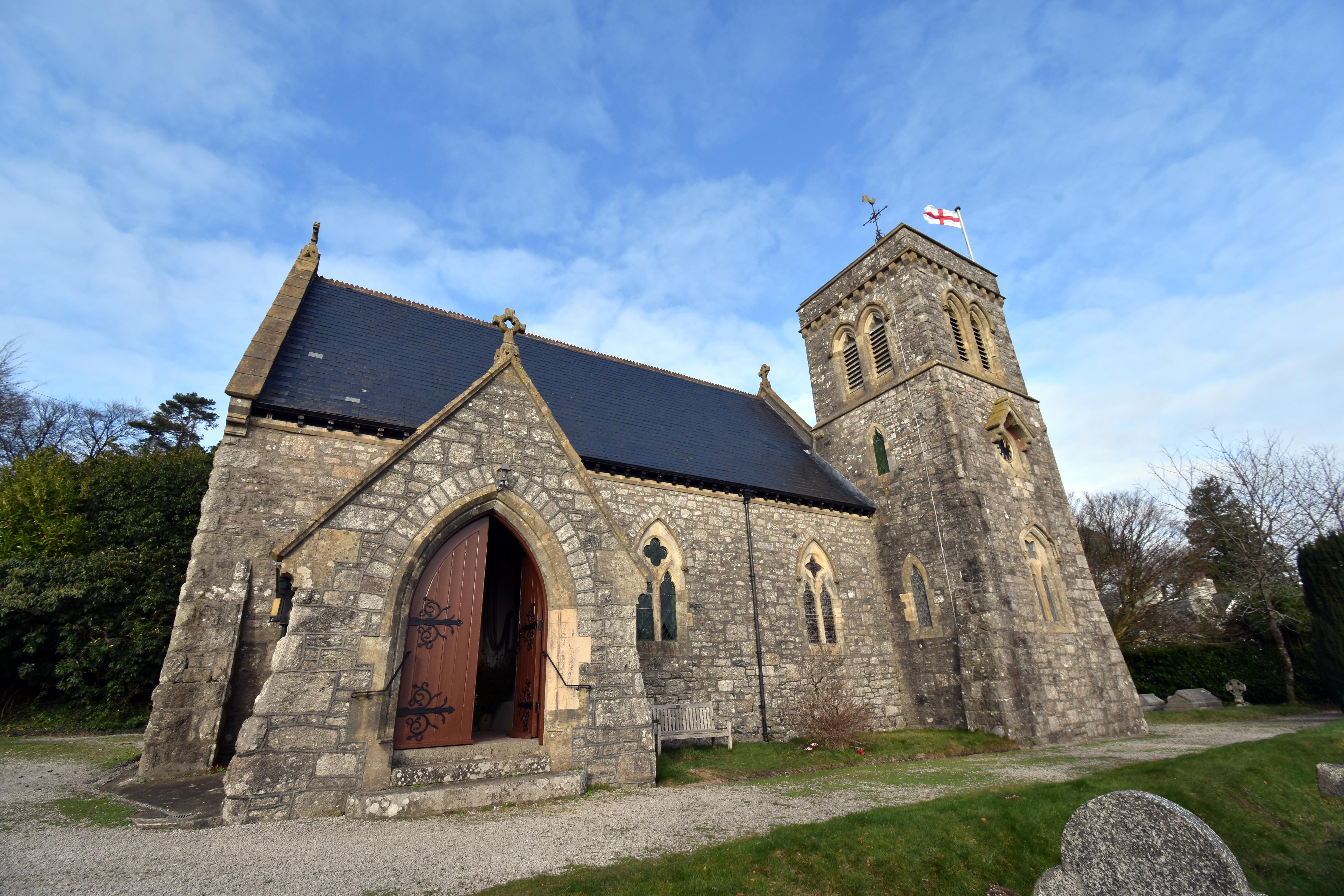
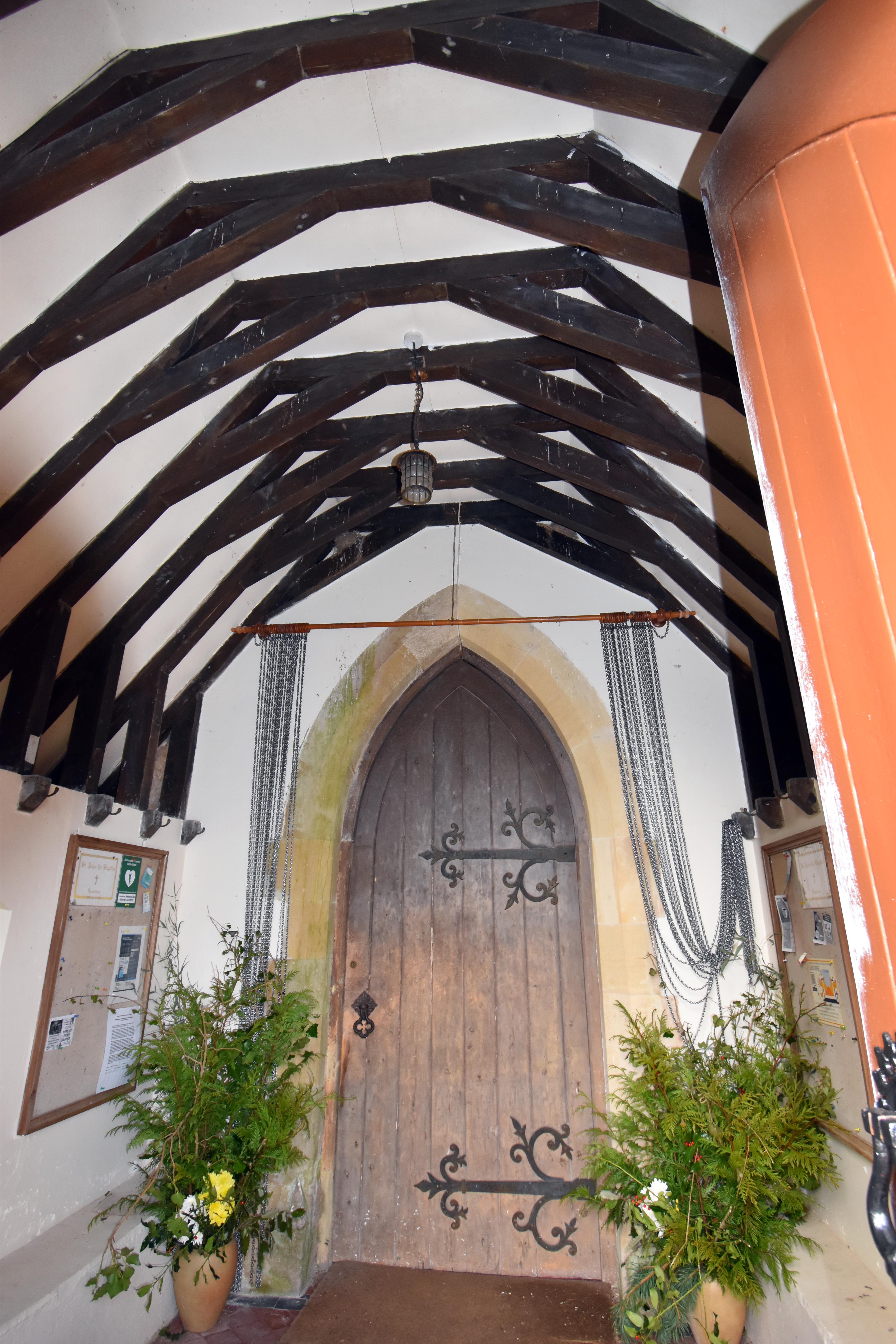
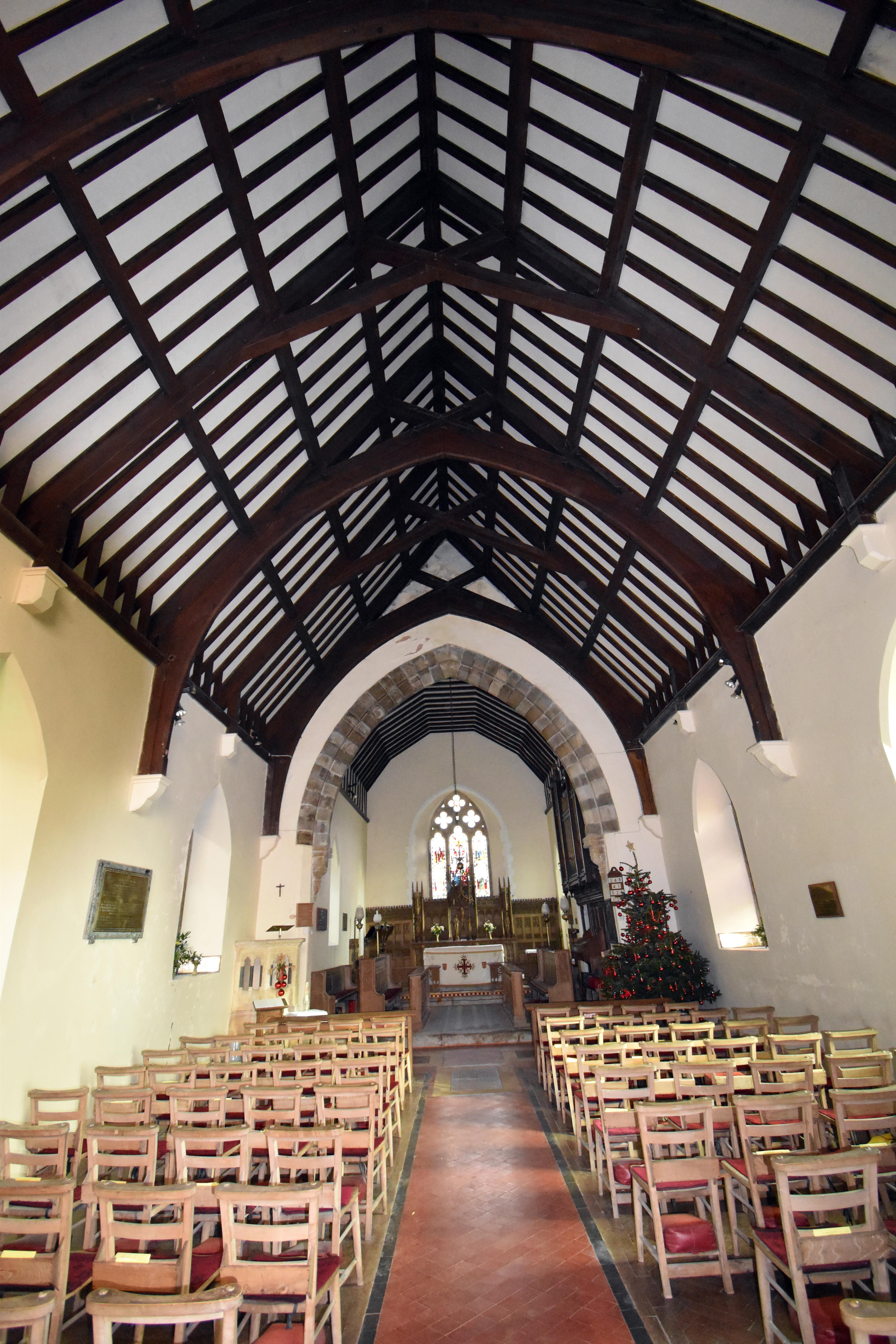
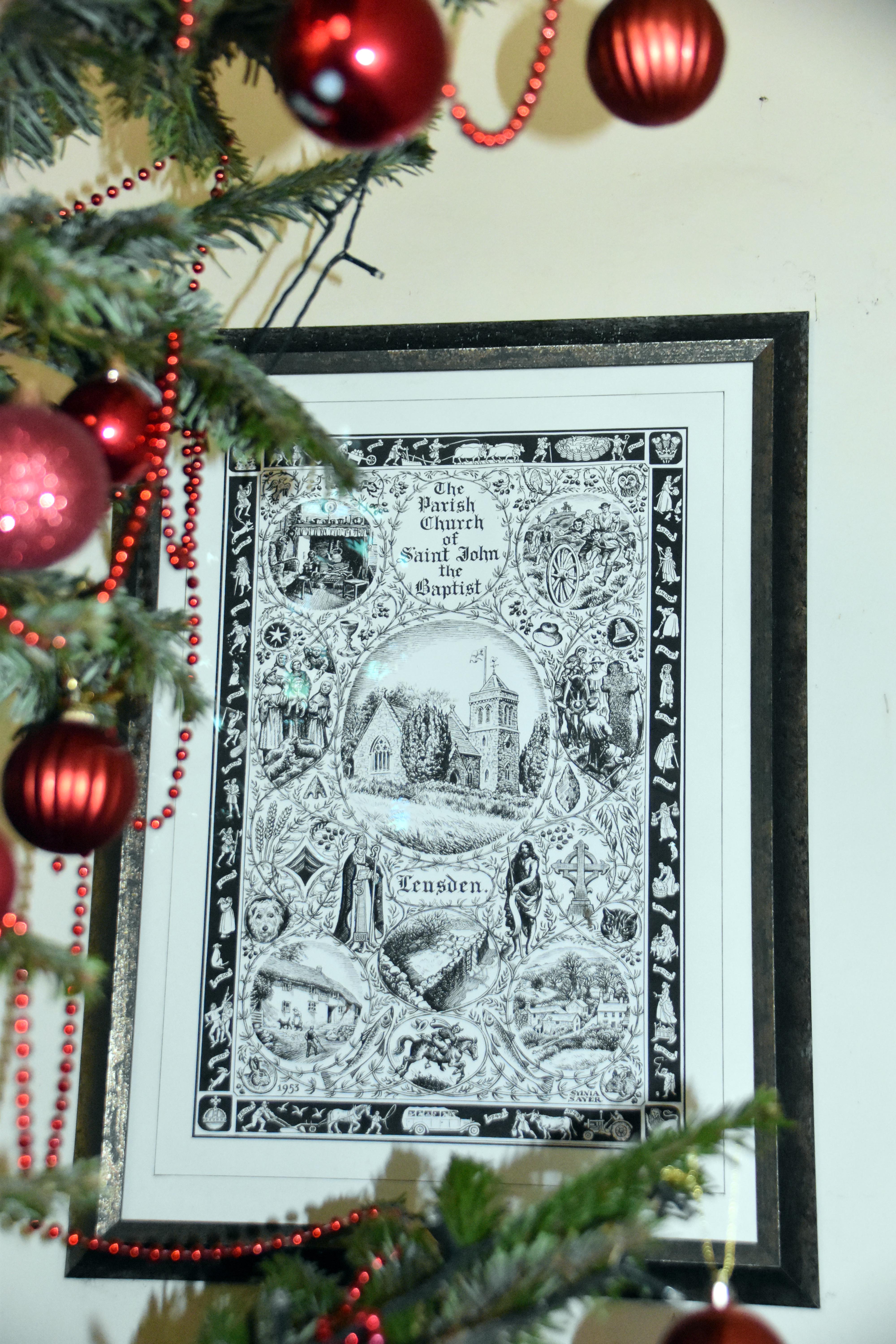
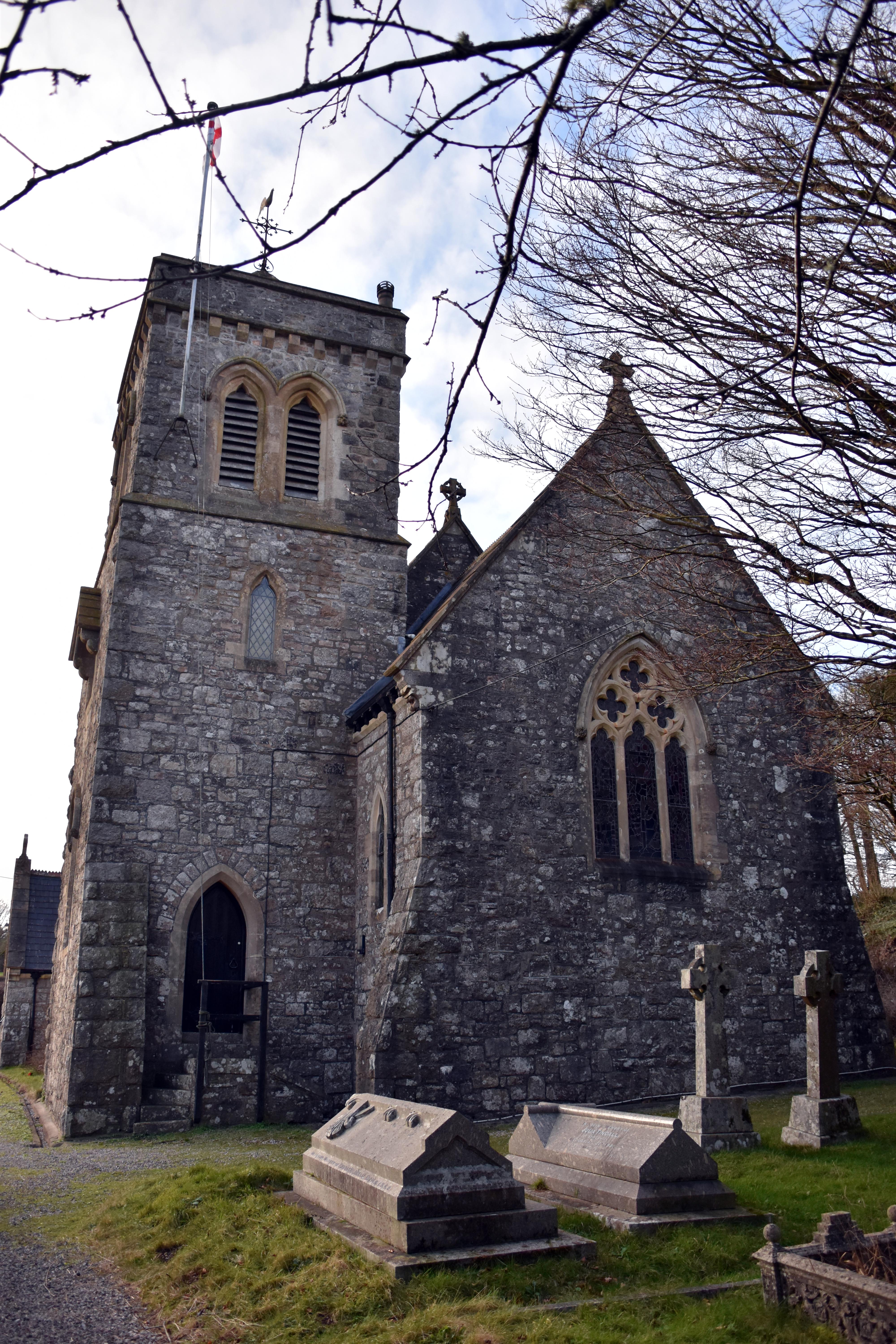
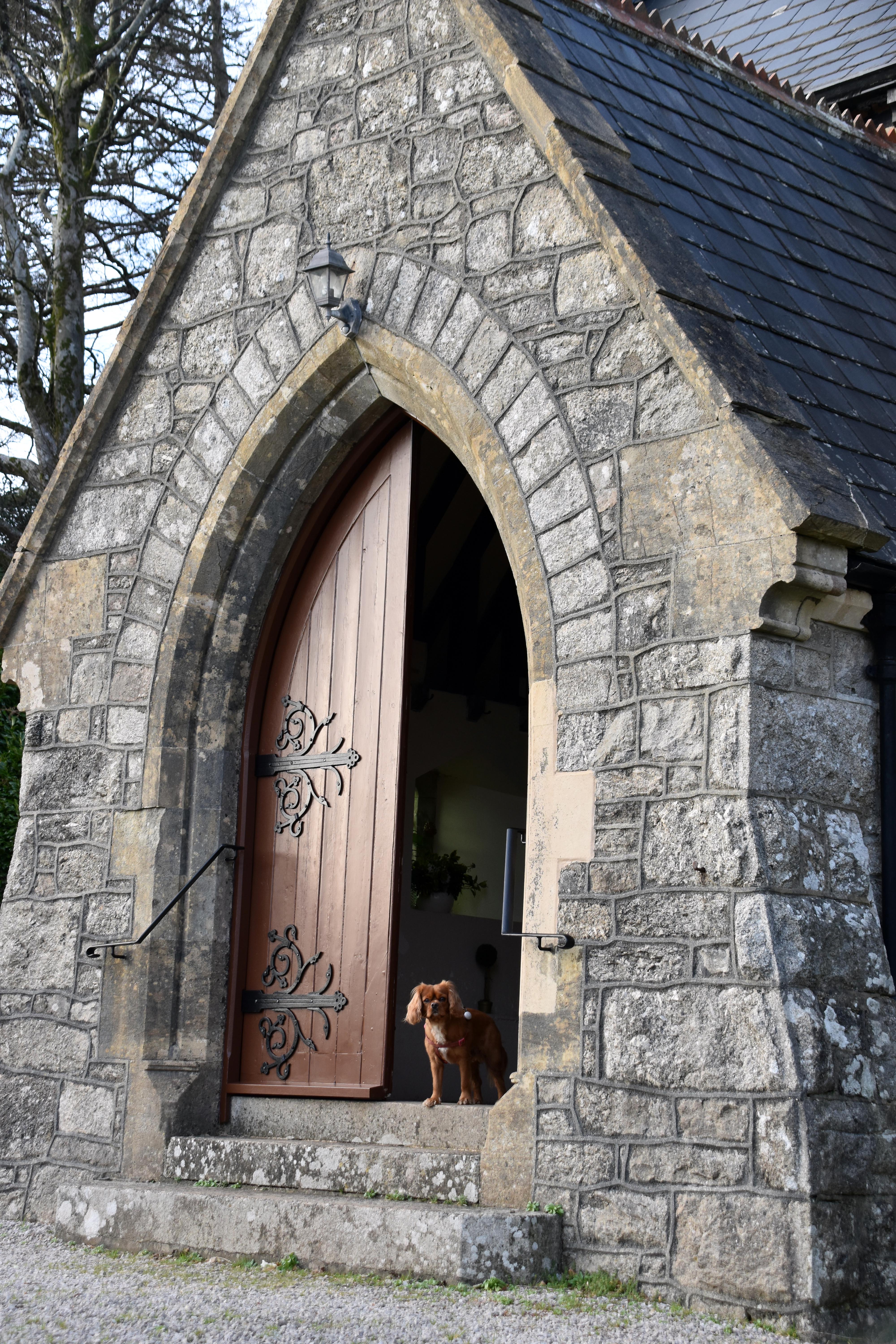
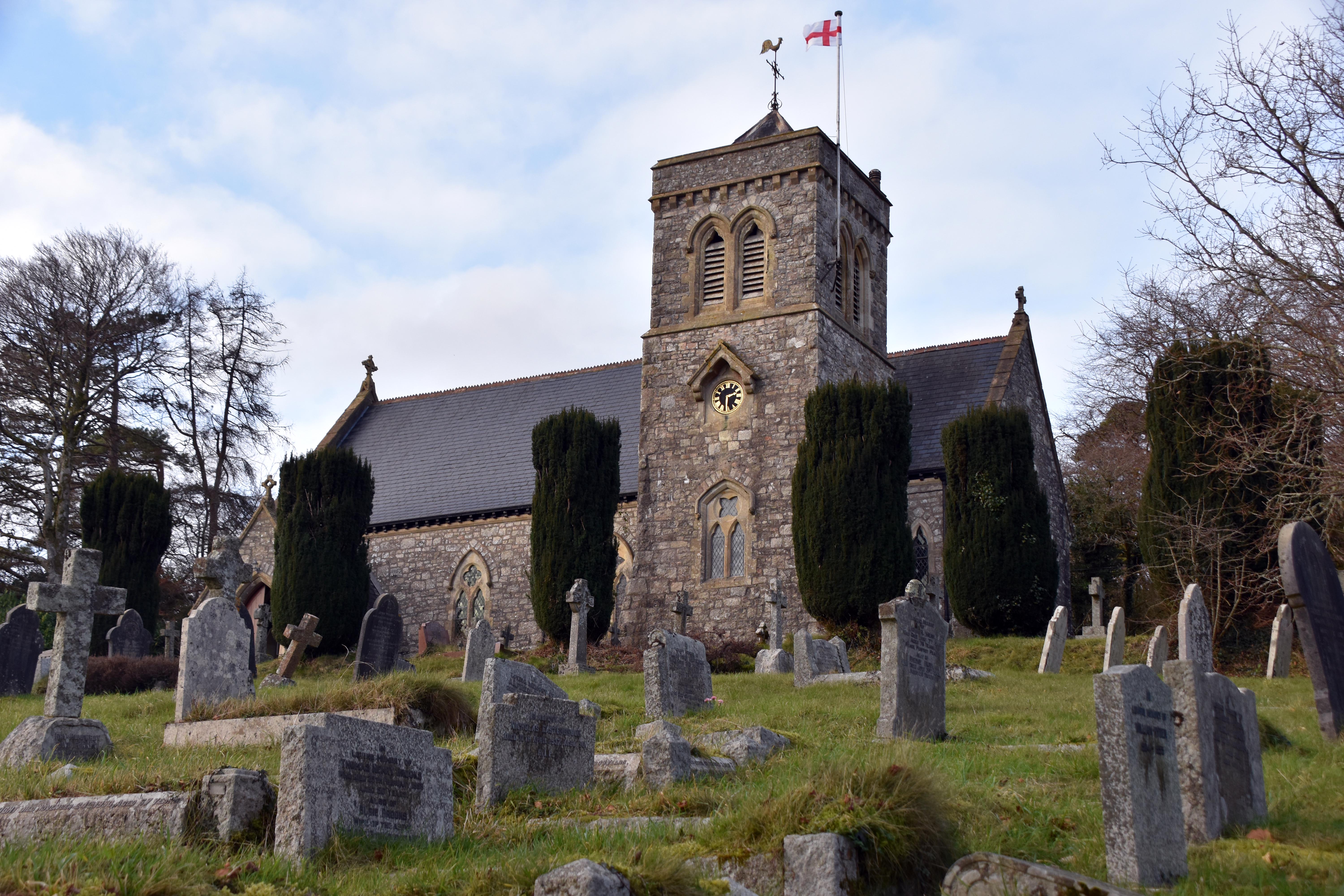
After these we turned right and headed down to what must surely be one of the most beautifully located churches in the country. The views down the Dart Valley from the porch are simply breathtaking. In Dartmoor terms this is a relative newcomer. It lies only about a kilometre from the far older St Peter’s in Buckland‑in‑the‑Moor, which we visited last week, but being on the opposite bank of the River Webburn it may as well be miles apart.
 |
|
|
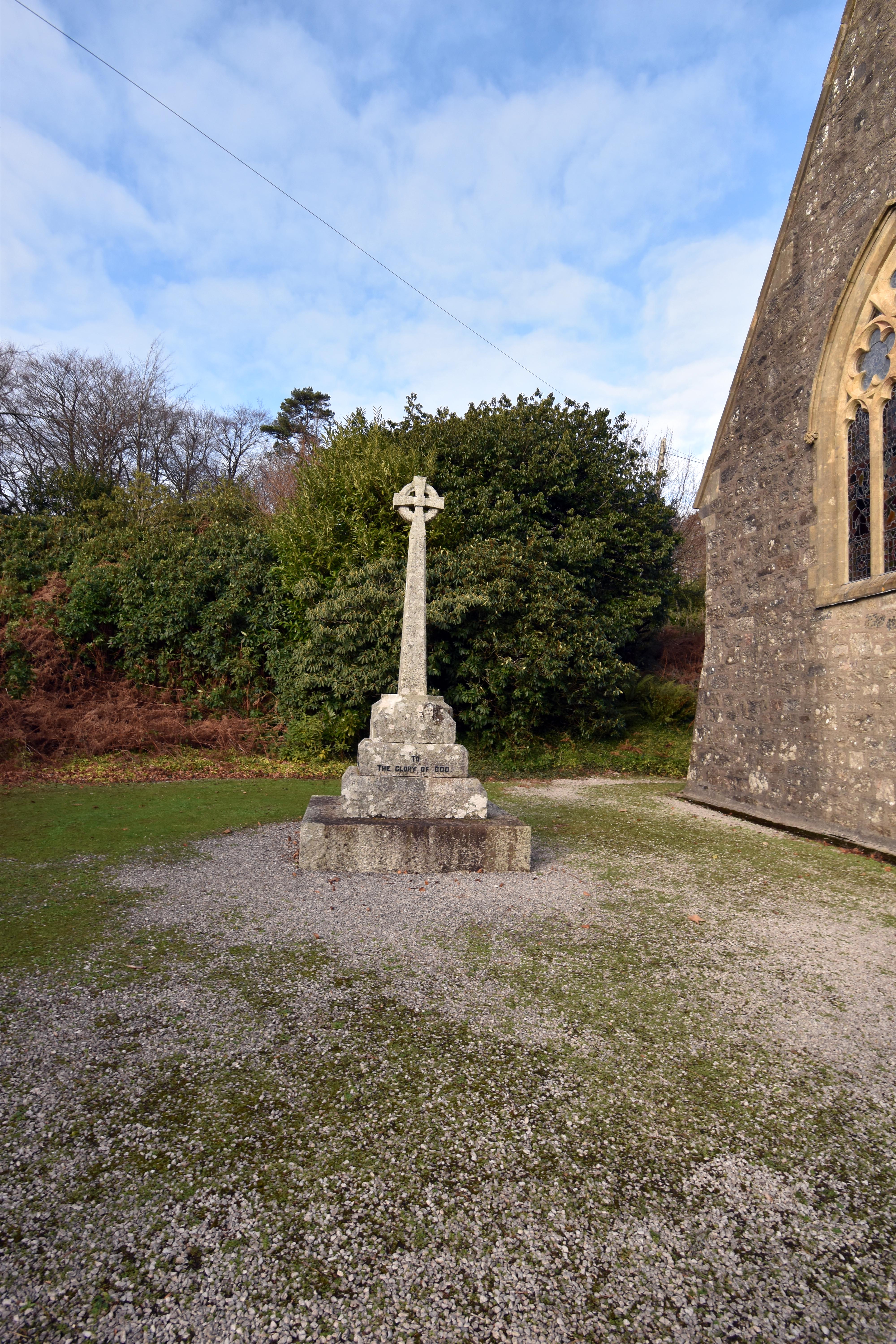
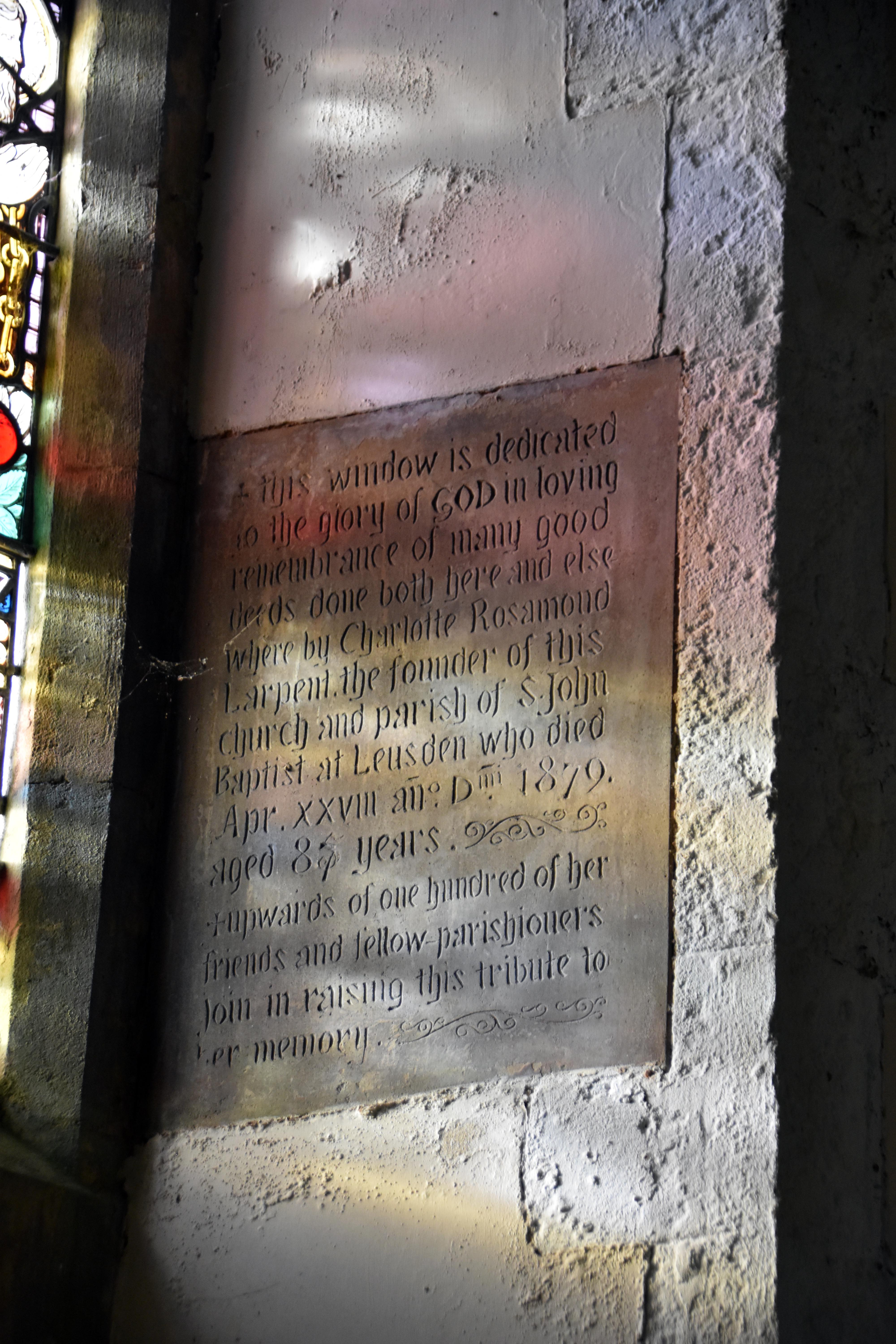
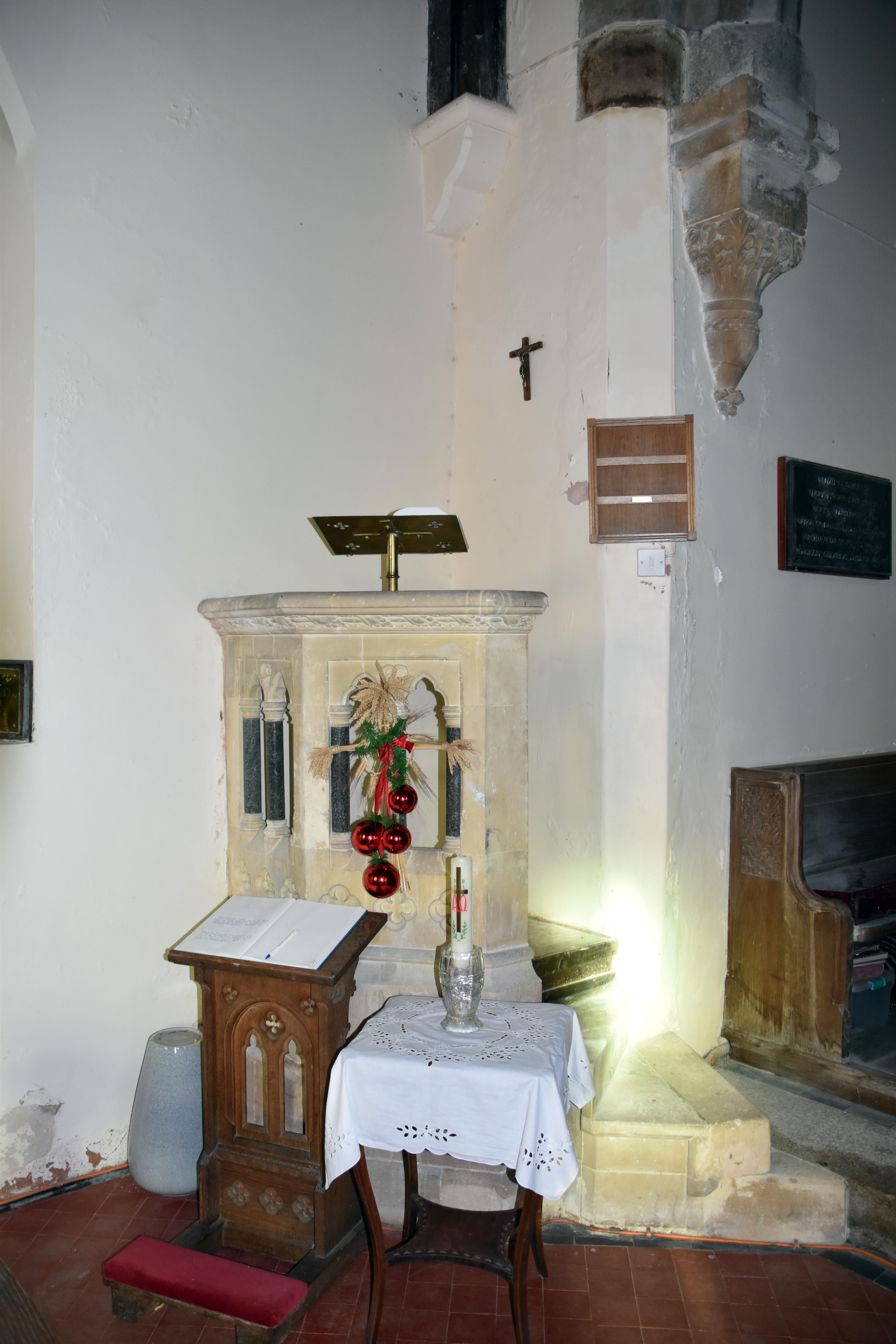
St John the Baptist Church was built in 1863 largely through the efforts of Charlotte Rosamund Larpent, to whom a large Celtic Cross is dedicated by the roadside. She was originally from Kent. Her brother, Lieutenant Colonel Robert Arnold, was killed in Kabul while leading the Bengal Cavalry; he had been a veteran of Waterloo and the Peninsular Campaign. Her husband, Francis Seymour Larpent, had worked closely with Wellington during the Napoleonic Wars as Judge‑Advocate and helped modernise the courts‑martial system. He died in 1845, leaving her a wealthy widow.
In the era of Victorian philanthropy, the poor state of rural education drew her attention to Leusdon. Though living in Torquay, she paid to build a school for the local children, funded the teacher’s salary, and had Leusdon House built as a teacher’s residence — a house she increasingly used herself. As she spent more time in this isolated Dartmoor village, she realised that the parish church in Widecombe was an onerous journey in good weather and almost impossible in winter. She therefore funded the construction of St John’s and its vicarage entirely at her own expense. No wonder the locals felt so positively towards her that they commissioned the Celtic Cross and dedicated stained glass windows in her honour.
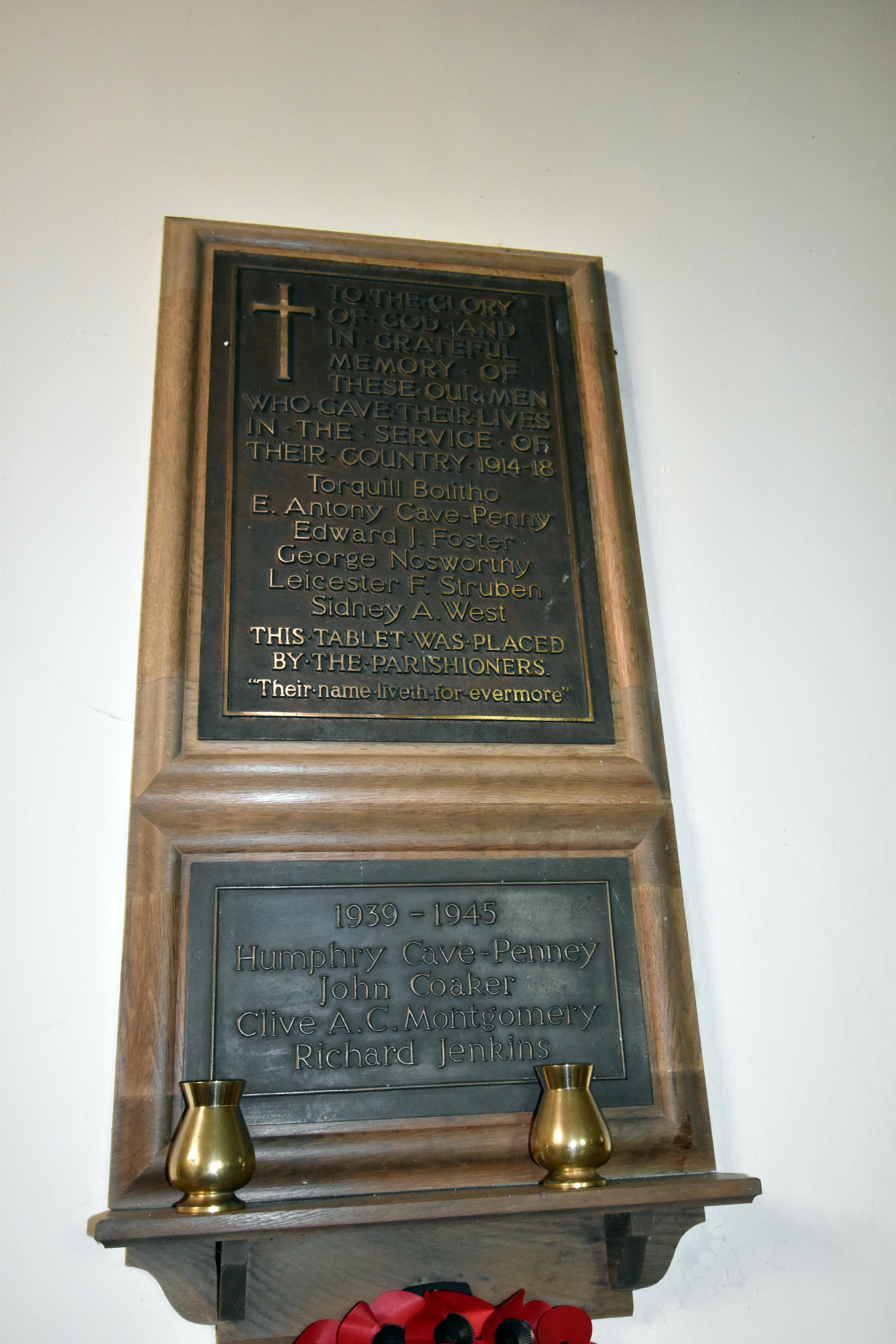
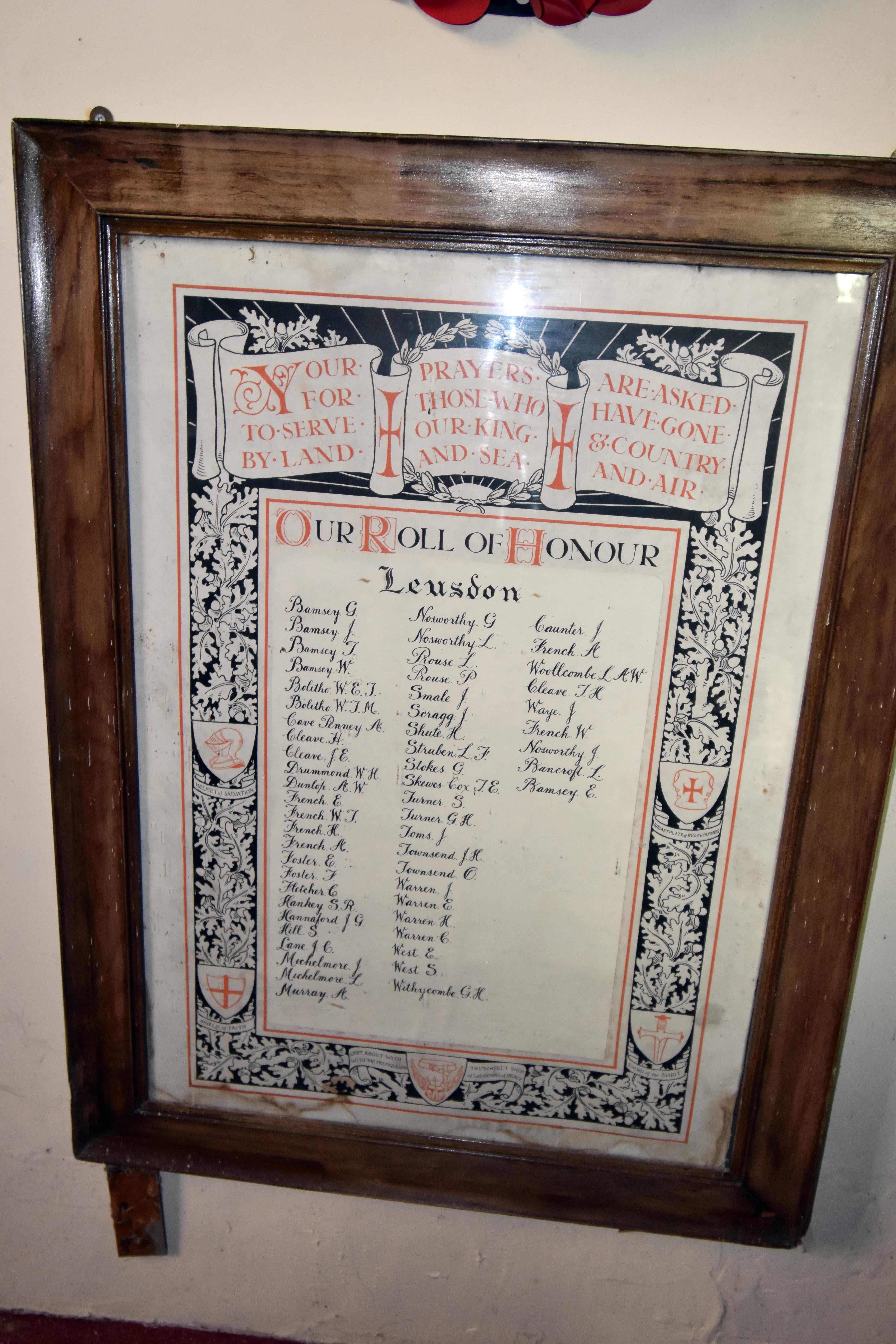
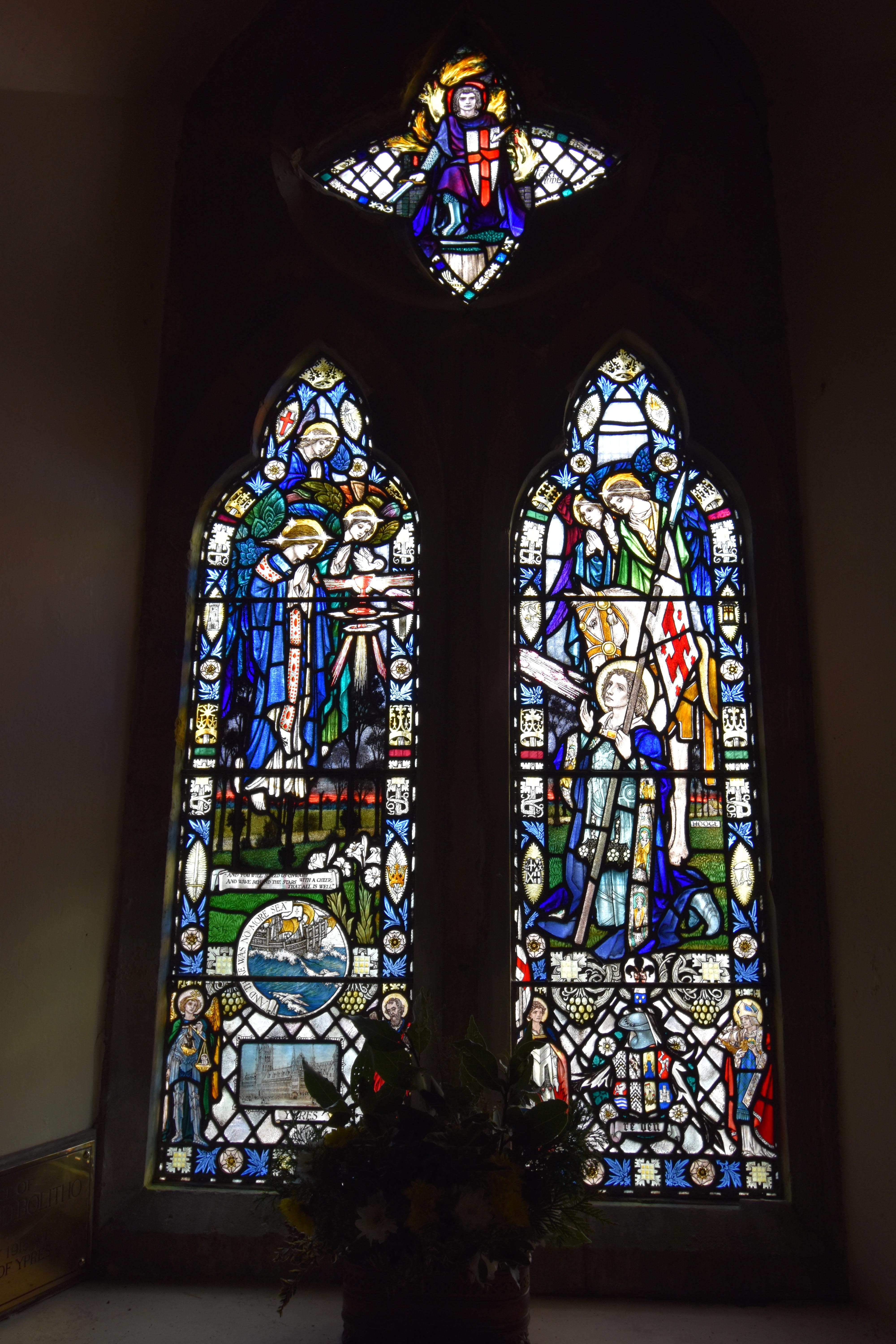
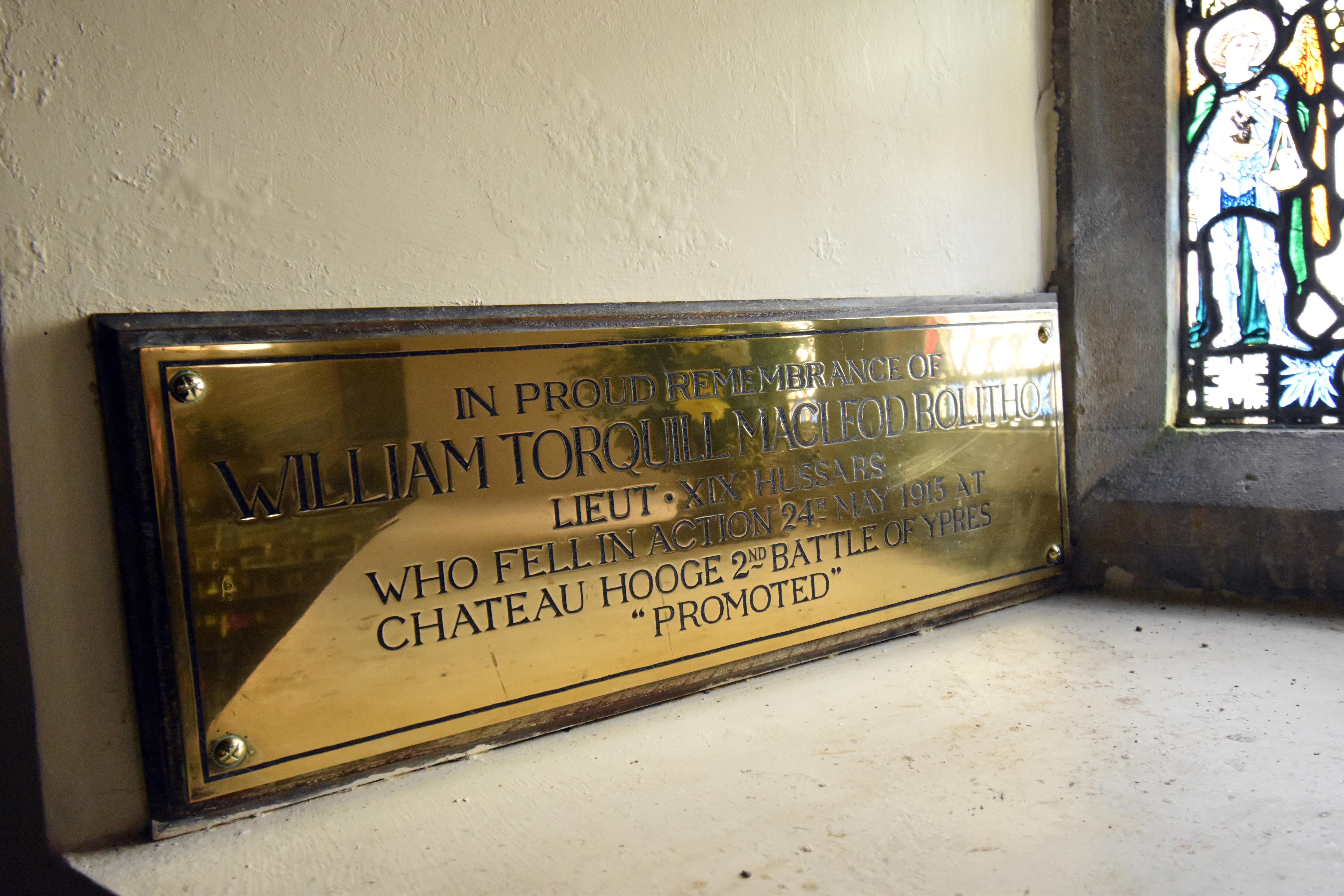
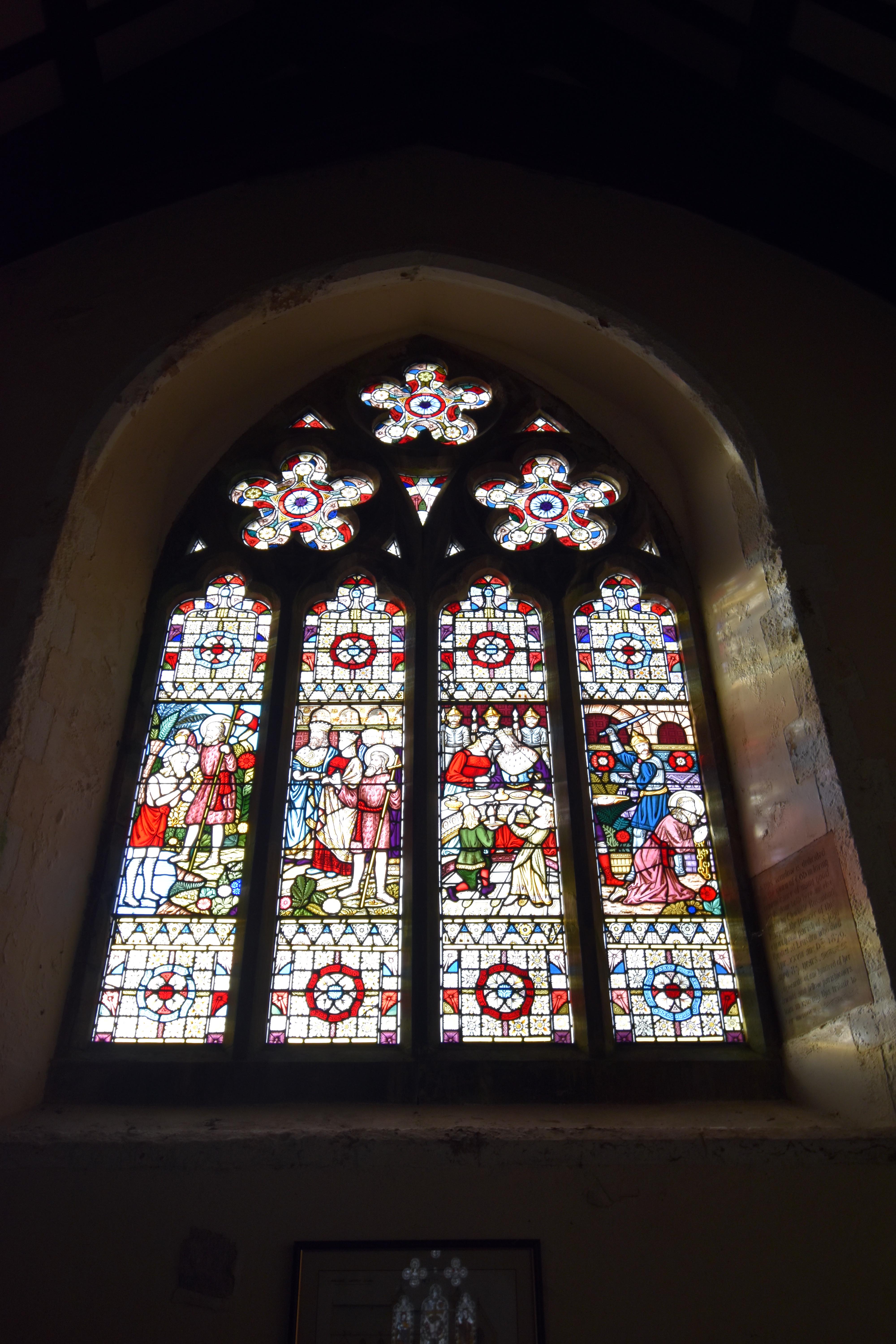
As always in rural churches, the war memorials quickly draw the eye. It is nice in this case that they list all those who served, as well as those who died. I have already mentioned the dedication to Leicester Struben, but on the opposite wall is a very elaborate stained glass window dedicated to William Torquil Macleod Bolitho, a lieutenant in the 19th Hussars. The Bolithos were descended from Cornish tanners who diversified into tin smelting and banking during the Industrial Revolution — indeed they became so successful that they eventually merged with Barclays Bank.
 |
|
|
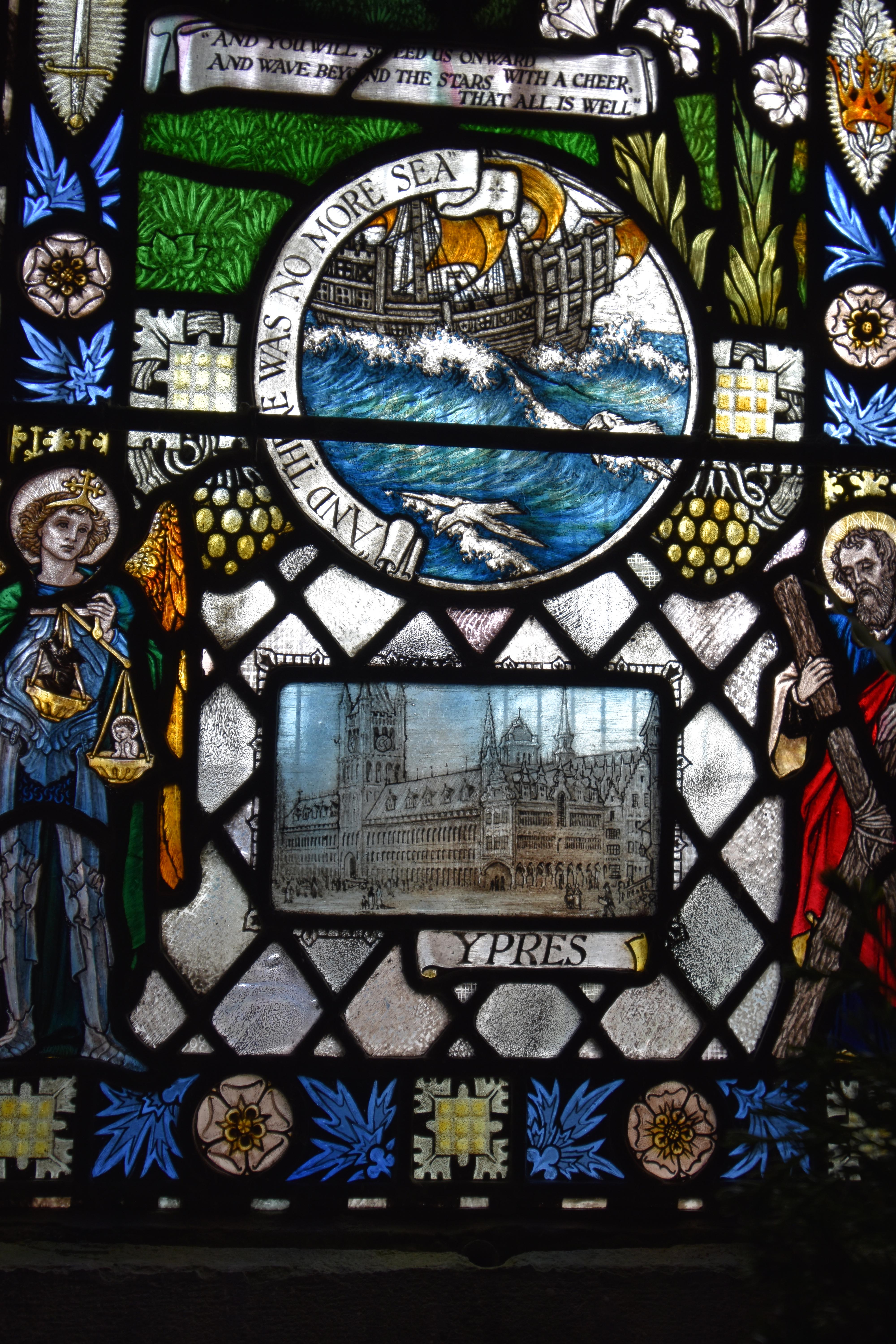
William had originally joined the Royal Navy but suffered such severe seasickness that he transferred to the cavalry — a decision that may well have cost him his life. This sad fact is commemorated on the window itself with the words: “And there was no more sea.” He was killed in the fighting around the Second Battle of Ypres, commemorated by an image of the Cloth Hall, famously destroyed in the fighting. He is portrayed as Sir Galahad, flanked by the martial saints St Michael and St George, and the patron saints of England and Scotland (his mother was Scottish).
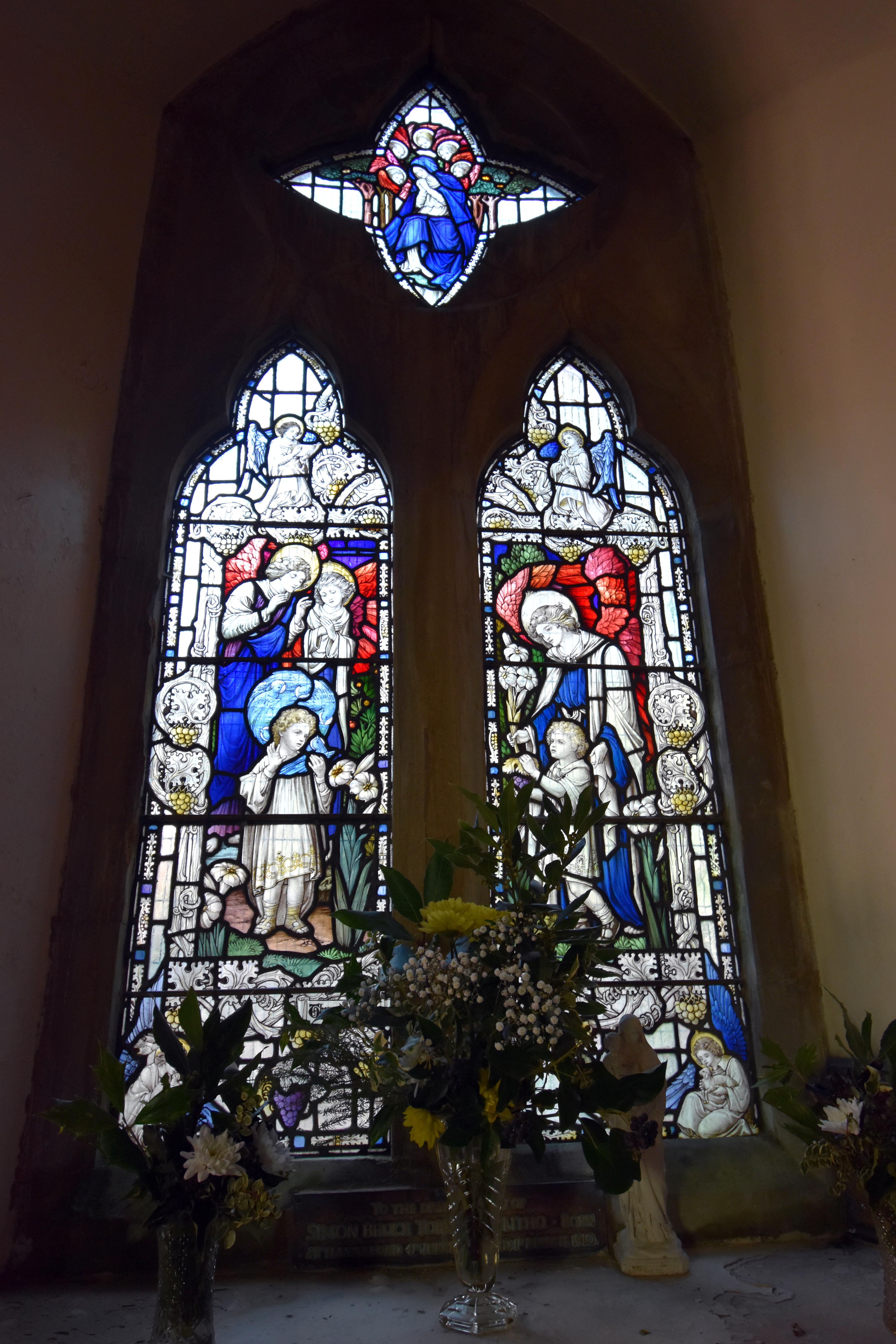
Opposite is an equally poignant window dedicated to William’s younger brother, Simon Bruce Tormod Bolitho, who died aged just five. Known as the Blue Bird window, it shows two characters from the Belgian play The Blue Bird. The blue bird symbolised happiness, and the boy is shown holding one while others fly around him. There are tender images of children and the touching motif “There Are No Dead”. I should add that two other Bolithos died in the Second World War: Sergeant Richard Bolitho, killed on the Dambuster raid, and Captain Michael Lempriere Bolitho — of the same Jersey Lempriere family we encountered in Woodbury — who was killed crashing his ship HMS Walney through a boom during Operation Torch in 1942.
 |
|
|
Not all soldiers die on the battlefield. There is a memorial to Sandford Raymond Alers Hankey, who rose to become Colonel of the Third Dragoon Guards. He had moved to South Africa with his brother to farm wattle but became caught up in the Boer War, serving with the South Irish Horse. In 1908 he returned to England and joined the Third Dragoon Guards. He served with distinction during the First World War, was mentioned in dispatches, and awarded the DSO. He later became Remount Officer for the British Army, sourcing fresh horses from France. He retired to Leusdon Lodge and died in 1952.
 |
|
|
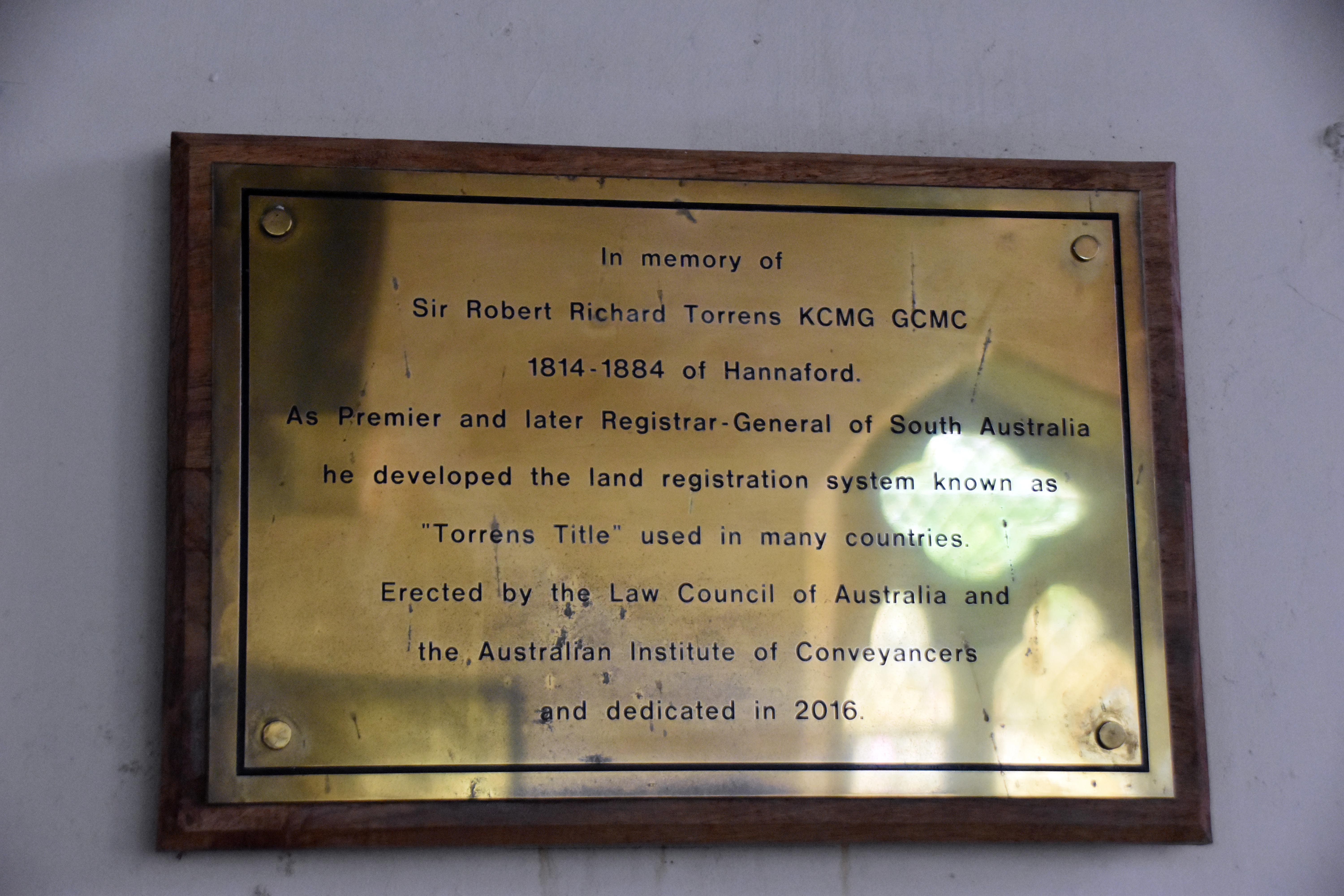
But the memorial that really surprised me was the one to a Premier of South Australia — from the years before the provinces were joined into a federation in 1901. The plaque is to Sir Robert Richard Torrens, who is buried in the churchyard with his wife. He was an early advocate for establishing South Australia as a distinct colony and emigrated there in 1840 to take up roles as Treasurer, Registrar‑General, and eventually Premier. His real innovation was the creation of the “Torrens Title”, establishing definitive land ownership through state‑guaranteed registration rather than the transfer of deeds used in British common law. The system proved so successful that it was adopted by the other Australian states and later by countries as varied as Russia, Thailand, and Turkey.
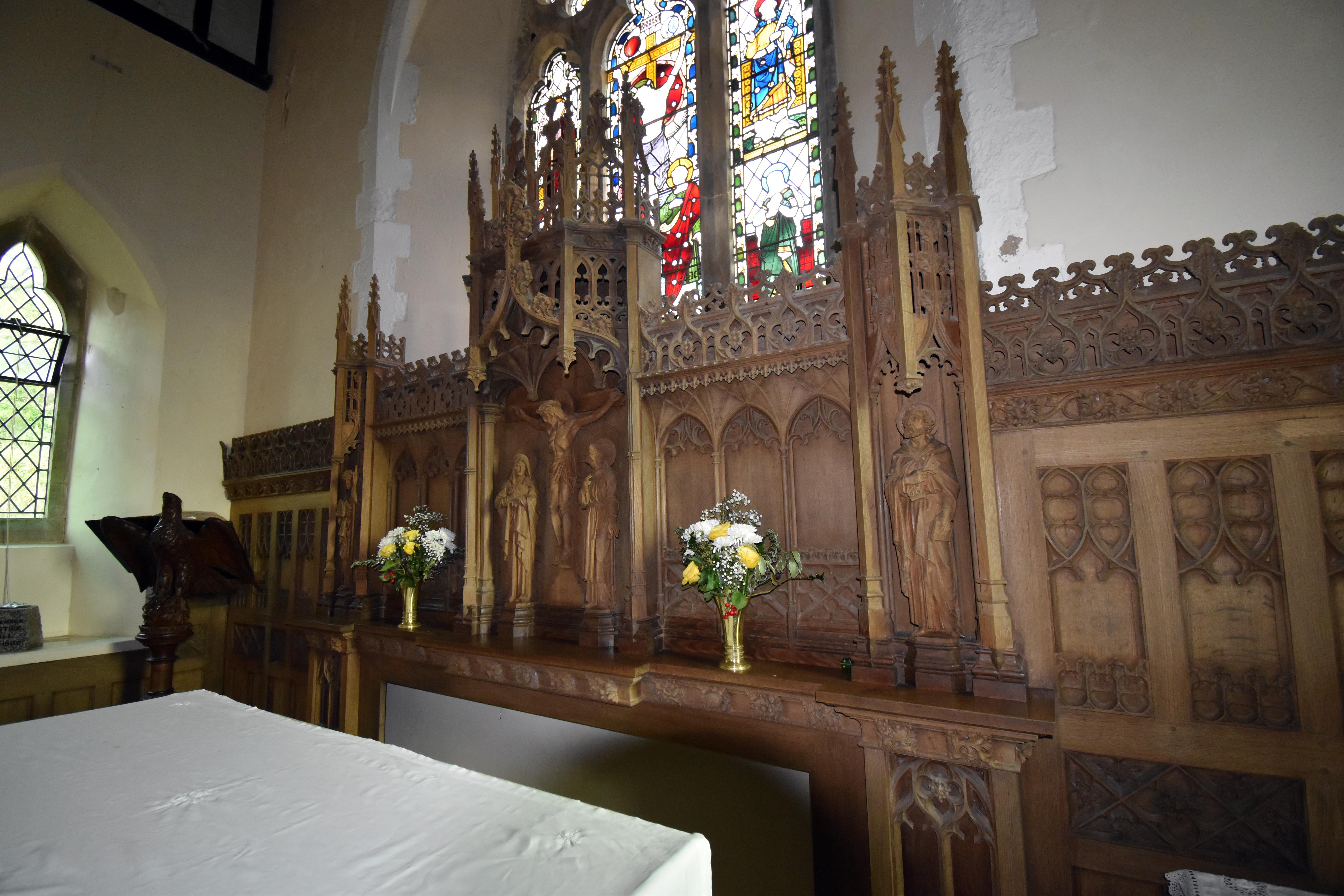
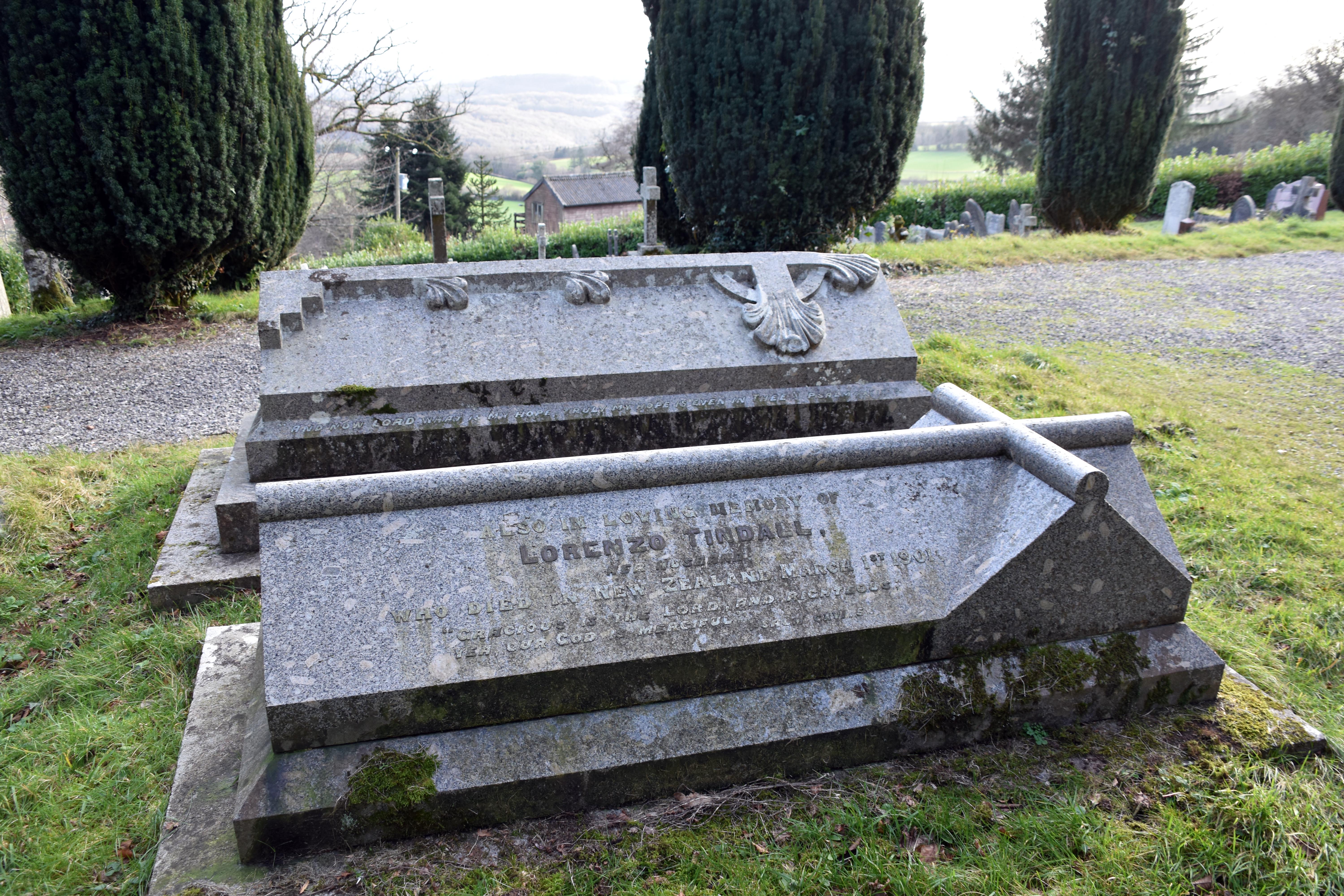
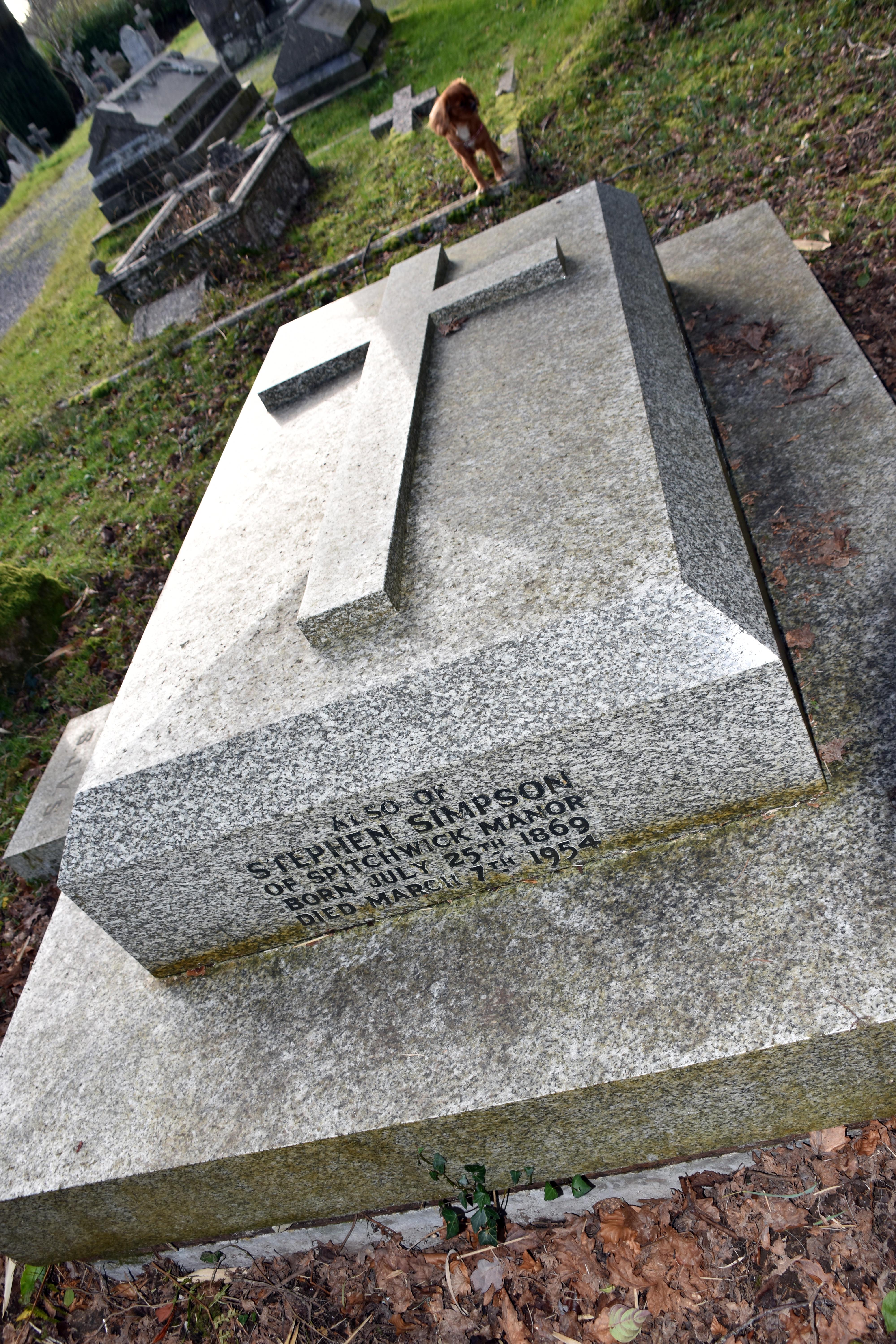
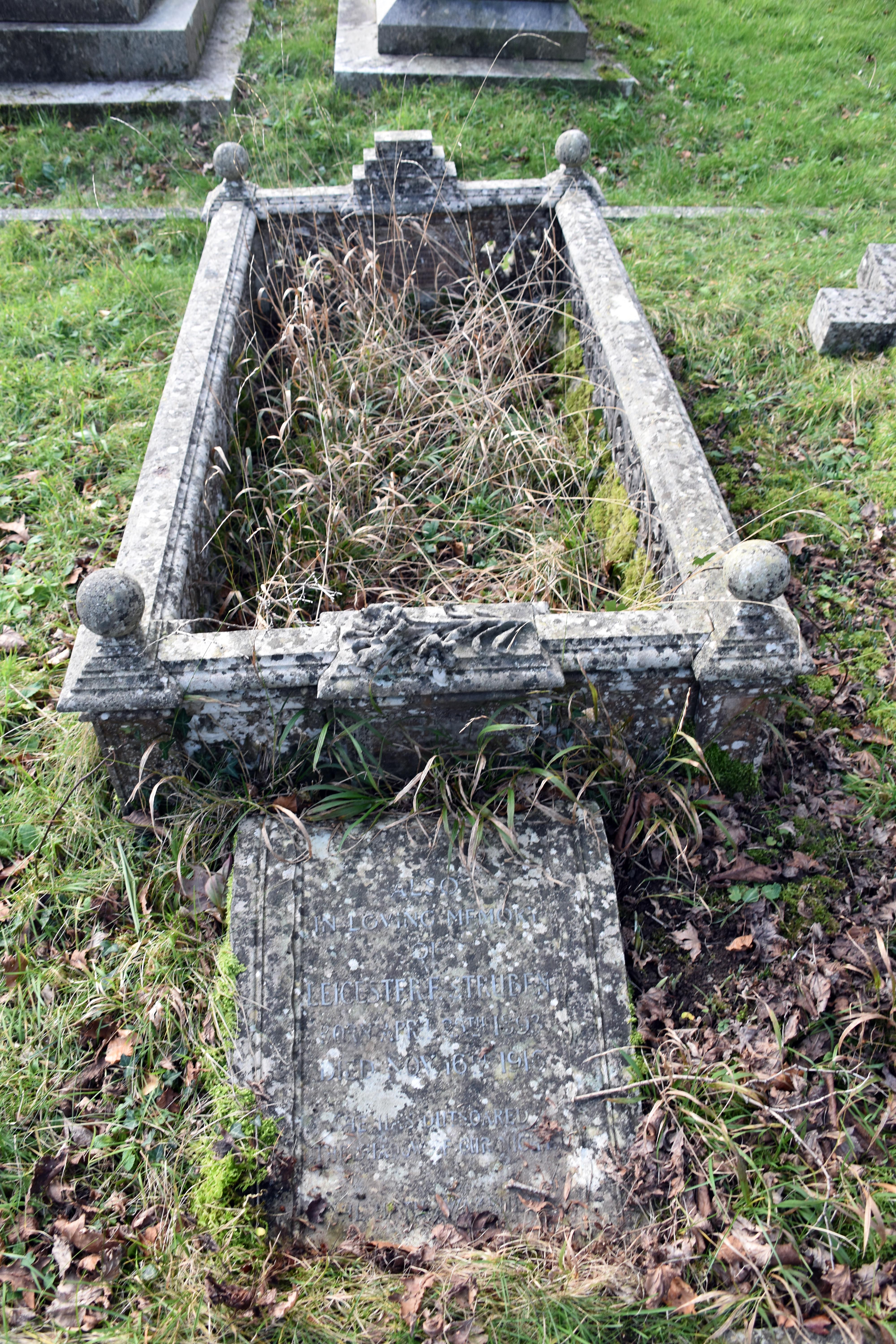
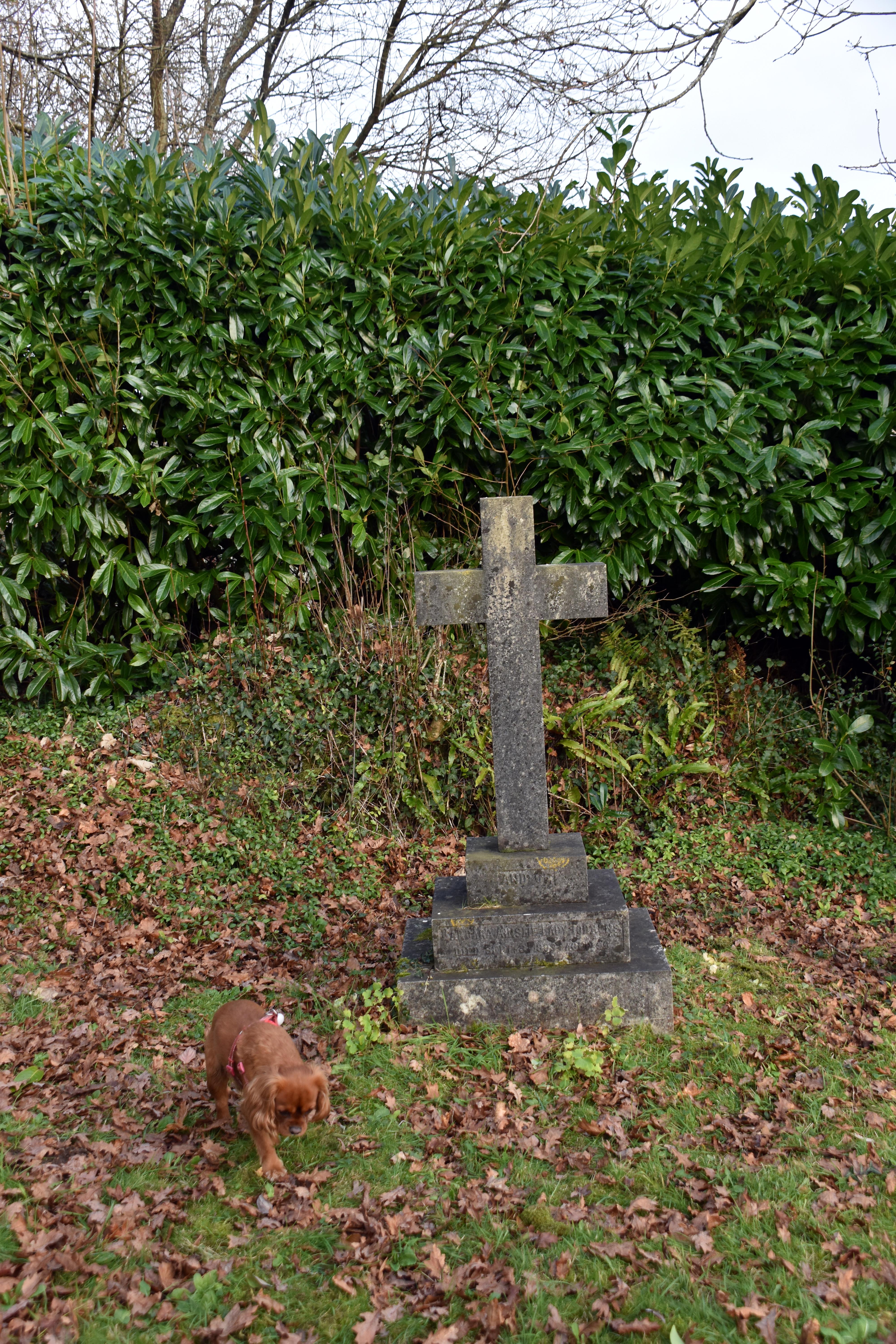
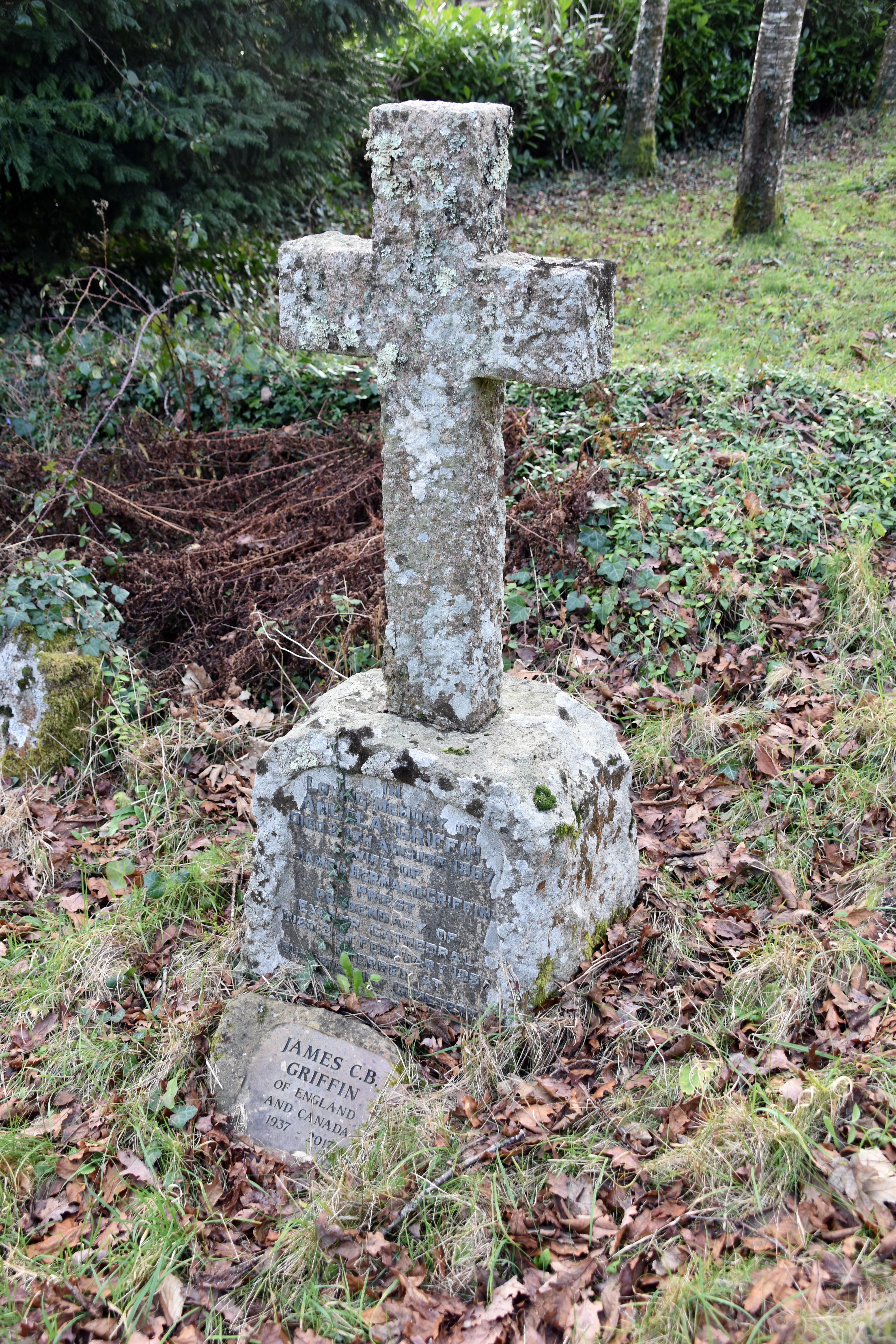
We had time to explore the graveyard, finding Torrens’ grave near that of Lorenzo Tindall, who intriguingly died in New Zealand in 1901. We also found graves of the Simpson family, who bought Spitchwick Manor from the Strubens in 1934 and, as far as I can tell, still own the estate. Their grave lies close to another Struben grave, again commemorating Leicester and his younger brother John, who died aged just six. In fact I was to learn later that the intricate Henry Read reredo in the church was dedicated to young John Struben in 1910.
One grave that particularly caught my attention was that of John Stone, late of H.M. 8th Regiment of Foot — meaning he served before the Cardwell Army Reforms of the 1870s. He died on Christmas Eve 1899. His regiment had served in the Indian Mutiny, the Second Afghan War, and the Second Burmese War, among many other colonial postings. I would love to know whether he served in any of these.
 |
|
|
We then headed down the hill to the optimistically named Lowertown — essentially a farm with a few cottages. From here you can glance across to St Peter’s in Buckland‑in‑the‑Moor and see just how close it is, and yet so far thanks to the intervening geography. You can also see Buckland Beacon, where we visited last weekend. At Lowertown we followed a footpath that brought us past Spitchwick Manor and neighbouring Spitchwick Farm. Eventually the path led us to Poundsgate itself, where we had hoped to visit the Tavistock Inn, but it looked very closed indeed. I think there have been ownership issues recently, and we weren’t sure if it was trading.
 |
|
|
This is a shame, as the pub has a rich history. An inn has stood here since the 15th century. In 1638, during a period of Puritan superstition, it was claimed that the Devil himself stopped off here on his way to Widecombe Church. The church was destroyed in a storm, and locals were convinced the Devil had stopped here before and after the tower collapsed into the church. Destroying a church was obviously thirsty work even for the Devil. More reliably, Roundhead gunners were billeted here as they advanced into Royalist territory. And, as I mentioned a few weeks ago, Oliver Cromwell was said to have stayed in the pub in nearby Holne. Lastly, Sir Arthur Conan Doyle, then living in Plymouth, is said to have stayed here while researching The Hound of the Baskervilles. He also stayed in Princetown near Fox Tor Mires and had been told the legend of Richard Cabell in Buckfastleigh, which inspired much of his story.
Unfortunately, we were unable to get any food or drink to appreciate this historic pub as it should be, so we headed back to the car park. We had had a fabulously rich day out, both in terms of history and remarkable scenery.
|