William Dampier, born in East Coker in 1651, is one of the most accomplished mariners produced by seventeenth‑century England. He became the first Englishman to circumnavigate the world three times, a pioneering hydrographer, an early observer of natural history, and a writer whose work influenced Defoe, Swift and later Darwin. His navigational charts were used by Cook, and his detailed observations of winds, currents and coastlines were valued long after his death. Although his later achievements are well known, his early life in East Coker and his connection to the Helyar family of Coker Court are less frequently discussed, despite being well documented in the surviving estate papers.
Dampier’s family lived close to Coker Court, and the Helyars were the dominant local landowners throughout his youth. The Helyars’ interests extended far beyond Somerset. By the mid‑seventeenth century they owned substantial plantations in Jamaica, including the Bybrook estate in St Thomas parish. Surviving correspondence from William Whaley, the Helyars’ Jamaican agent, shows that Dampier was sent out to Jamaica under their authority. The letters make it clear that Dampier was employed on the plantation and that his conduct caused considerable frustration. One agent wrote that “he hath been nothing but a scandall and vexation to me, ever since he came,” while another reported, “as to William Dampier, I know not what is be cum of him.” These remarks are not literary embellishments; they come directly from the Helyar archive and provide rare insight into Dampier’s early character.
The Jamaican records also show the scale and nature of the Helyar operations. A deed of 15 August 1673 transferred to Colonel William Helyar fifty enslaved people, four coppers with ladles, nine horses and mares, and seven white servants formerly belonging to Cary Helyar. Whaley’s letters describe sickness on the estate, deaths among enslaved workers, shortages of skilled white servants, thefts, trials and even an uprising of “one hundred Negroes upp in Armes” who killed several white men and destroyed plantations in St Mary’s parish. Dampier was working within this environment: a plantation economy dependent on enslaved labour, subject to disease, instability and the constant need for management. His later reputation as an acute observer of human behaviour and unfamiliar societies may owe something to these early experiences, although he left Jamaica abruptly and without ceremony.
Dampier’s departure from the Helyar plantation marked the beginning of his maritime career. He joined the buccaneers and privateers operating in the Caribbean, entering the many conflicts against the Spanish and occasionally the French. It was in this capacity that he first circumnavigated the globe, gaining the navigational experience and practical knowledge that later made him valuable to the Royal Navy. His journals from these voyages contain detailed descriptions of coastlines, winds, tides, flora, fauna and indigenous peoples. They were not written for literary effect but as practical records, and their accuracy was recognised by naval officers and scientists alike.
His later expeditions included the voyage that left Alexander Selkirk marooned on Más a Tierra, the incident that inspired *Robinson Crusoe*. Dampier’s own conduct was often controversial, and his career included disputes, court cases and accusations of incompetence. Nevertheless, his contributions to navigation, hydrography and natural history were substantial. His observations of the Australian coast were among the earliest made by an Englishman, and his descriptions of the region’s plants and animals were used by later explorers.
Despite his global achievements, Dampier’s origins in East Coker and his early employment under the Helyars form an important part of his story. The village provided the starting point for a life that would take him across the Pacific, the Indian Ocean and the coasts of Asia and Australia. The Helyar connection places him within the wider context of seventeenth‑century English colonial activity, linking a Somerset parish to the plantation economy of Jamaica and the maritime conflicts of the Caribbean. The surviving documents show that Dampier’s early life was shaped not by romance or adventure but by the practical realities of estate management, colonial labour and the opportunities available to a young man of limited means.
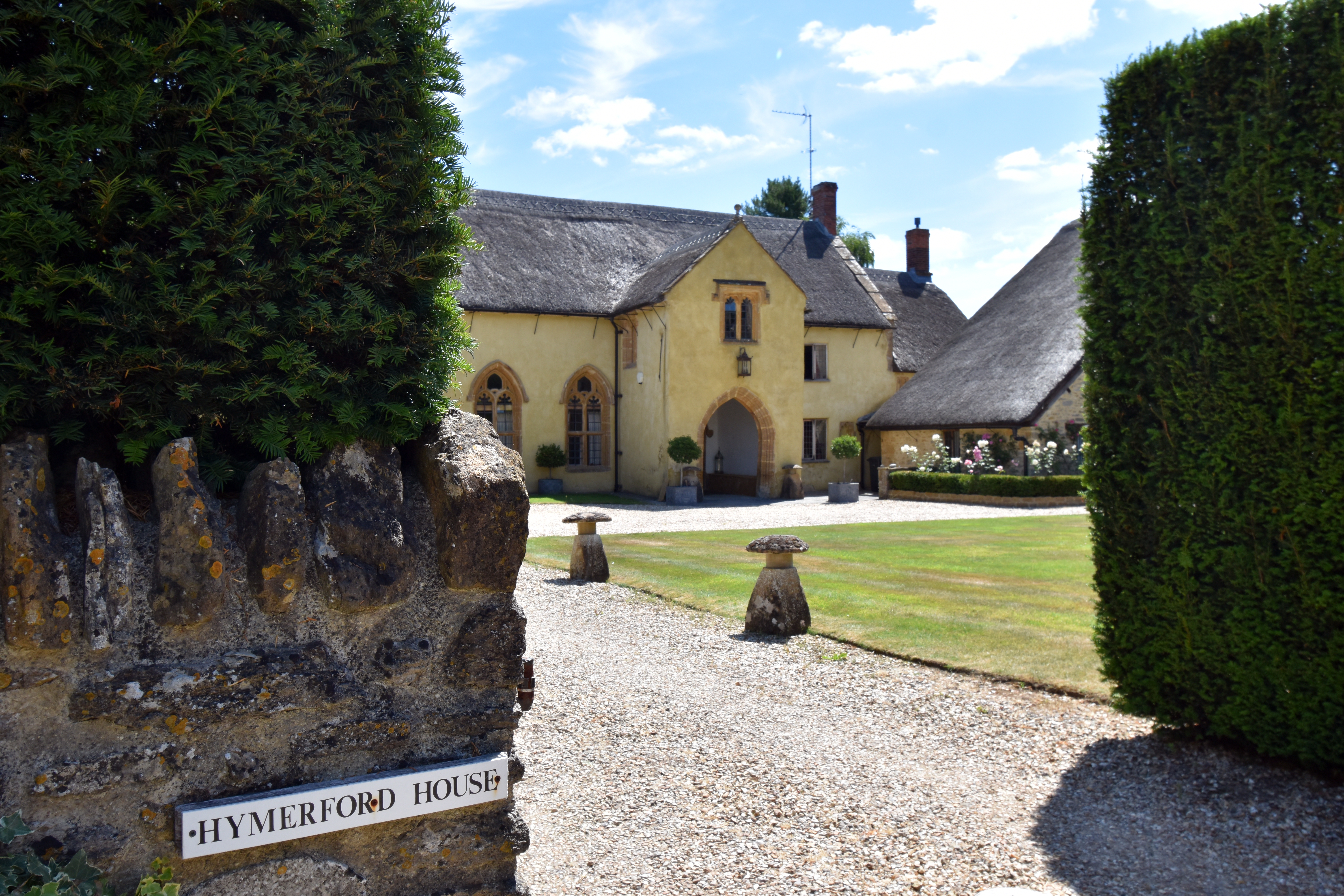
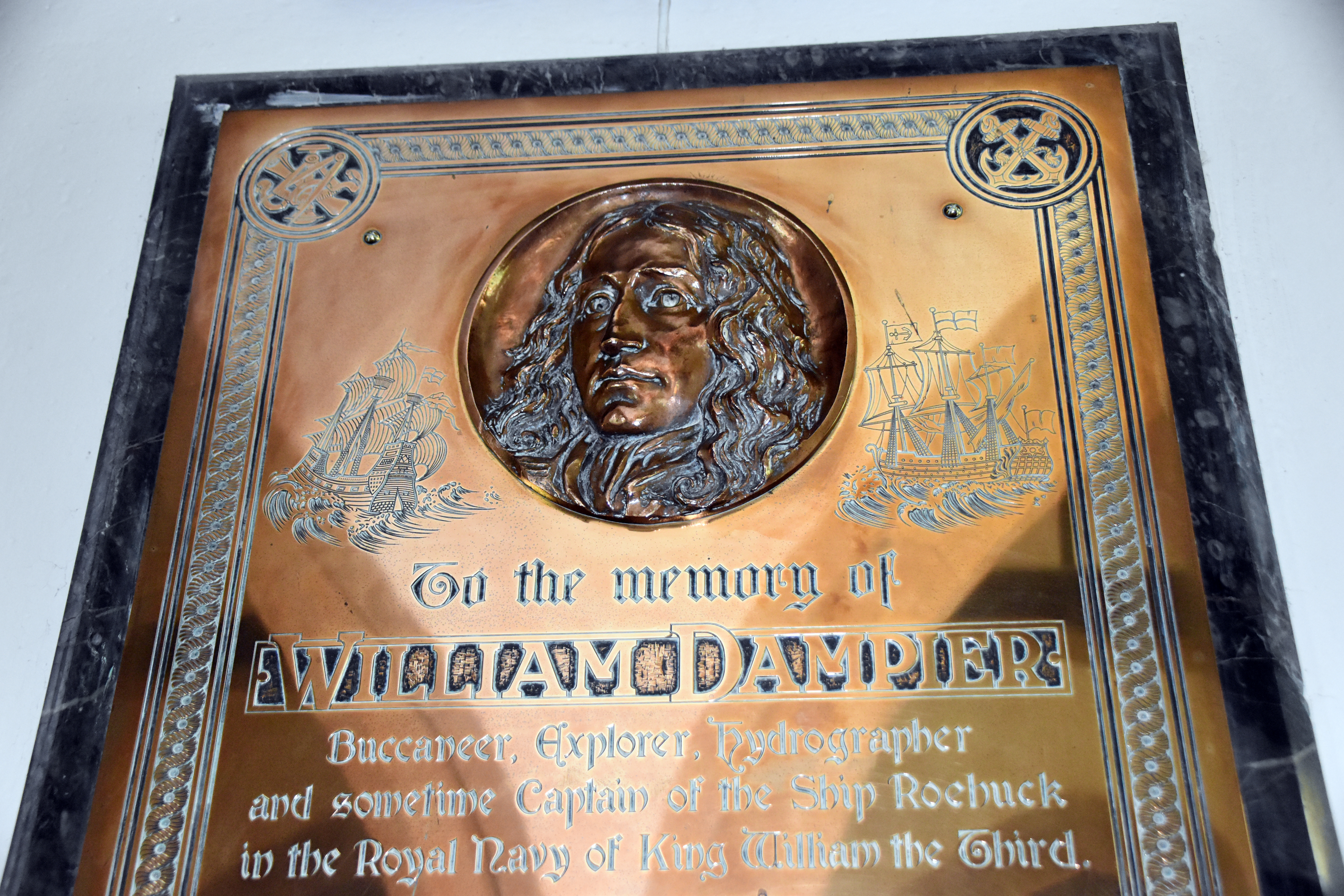
There is a plaque commemorating Dampier in St Michael’s Church, and his birthplace at Hymerford House still stands on the Main Street of East Coker. It remains remarkable that one of the most important explorers and observers of the early modern world began his life in this quiet Somerset parish and first entered the wider world through the agency of the Helyars of Coker Court.