|
|
|
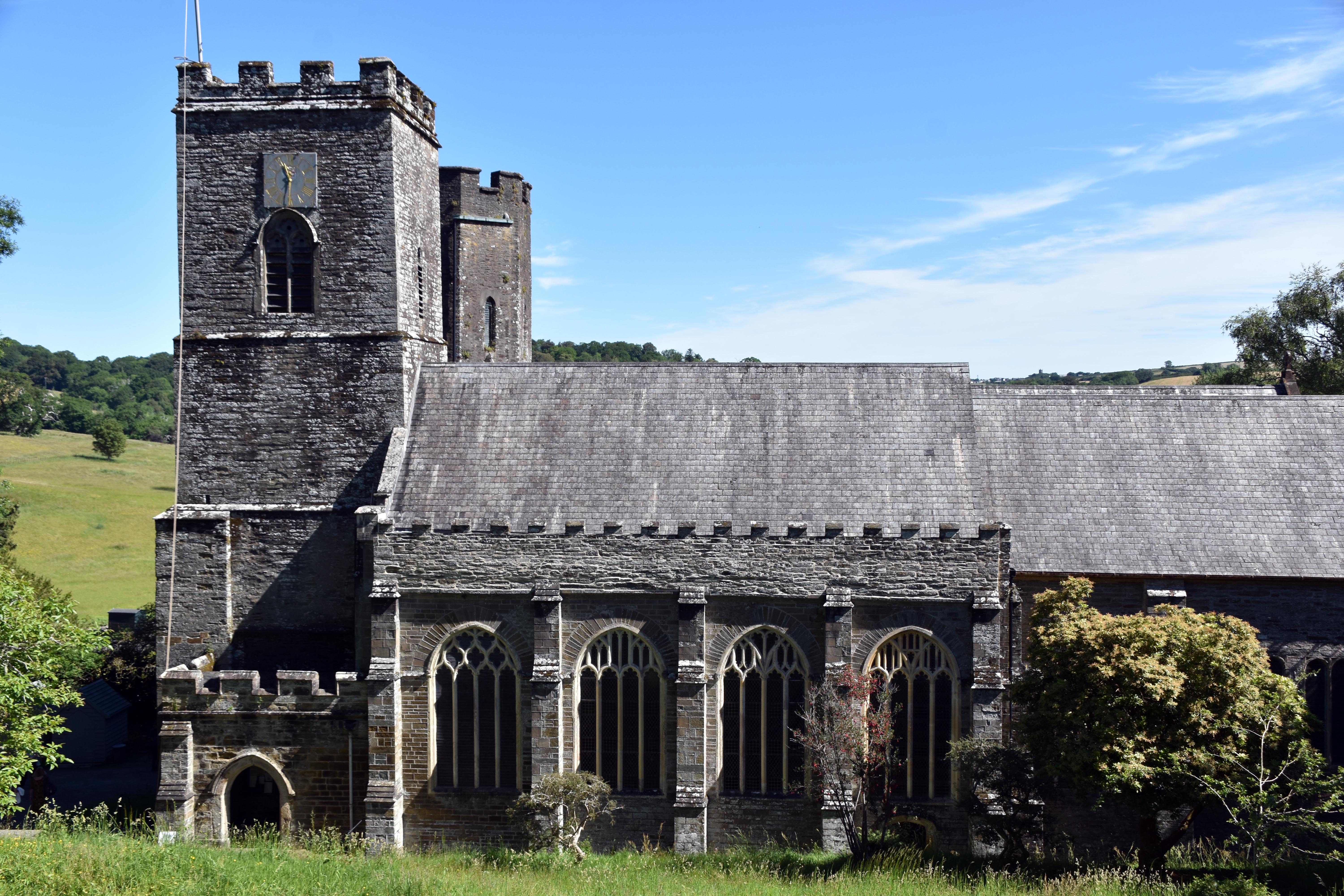
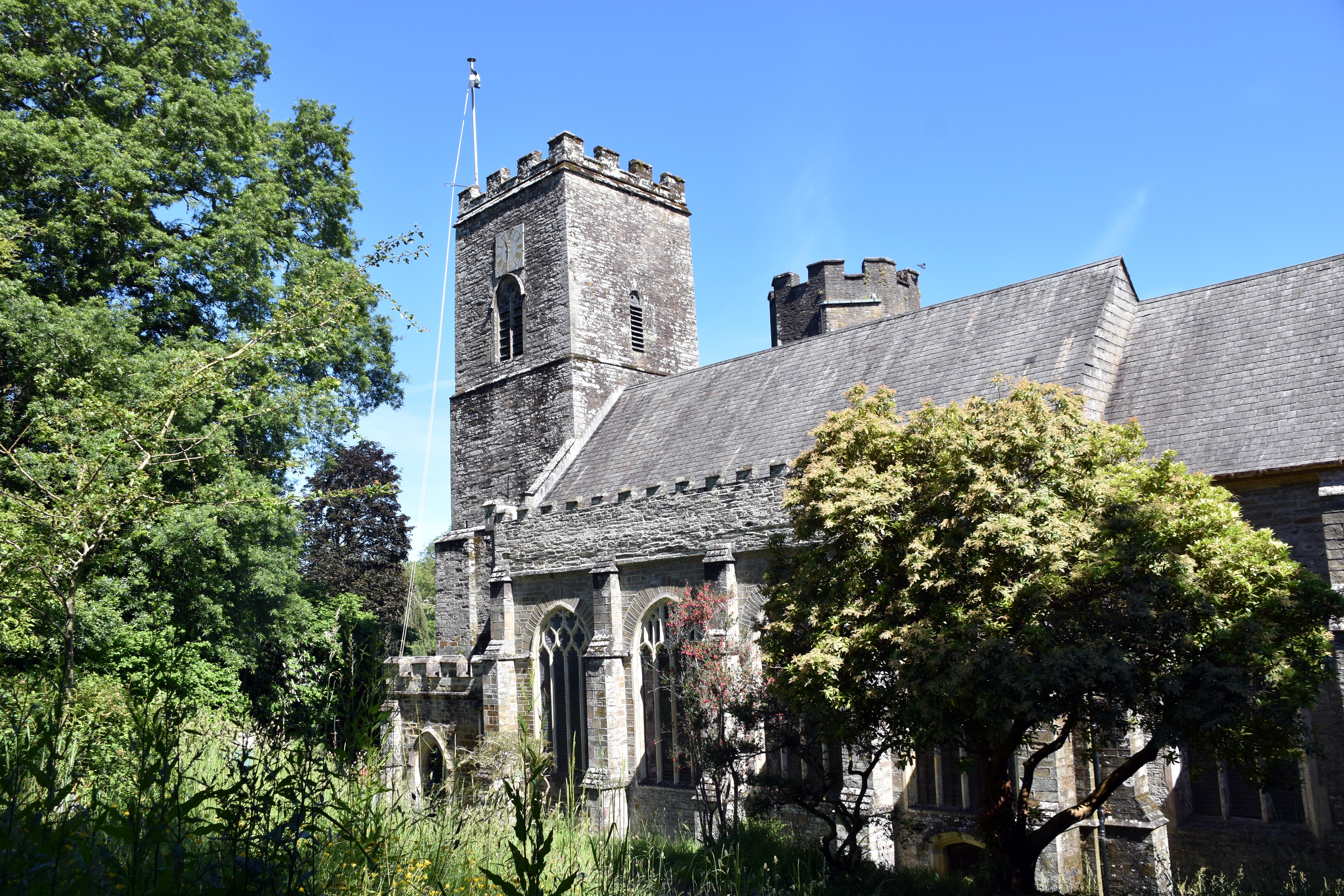
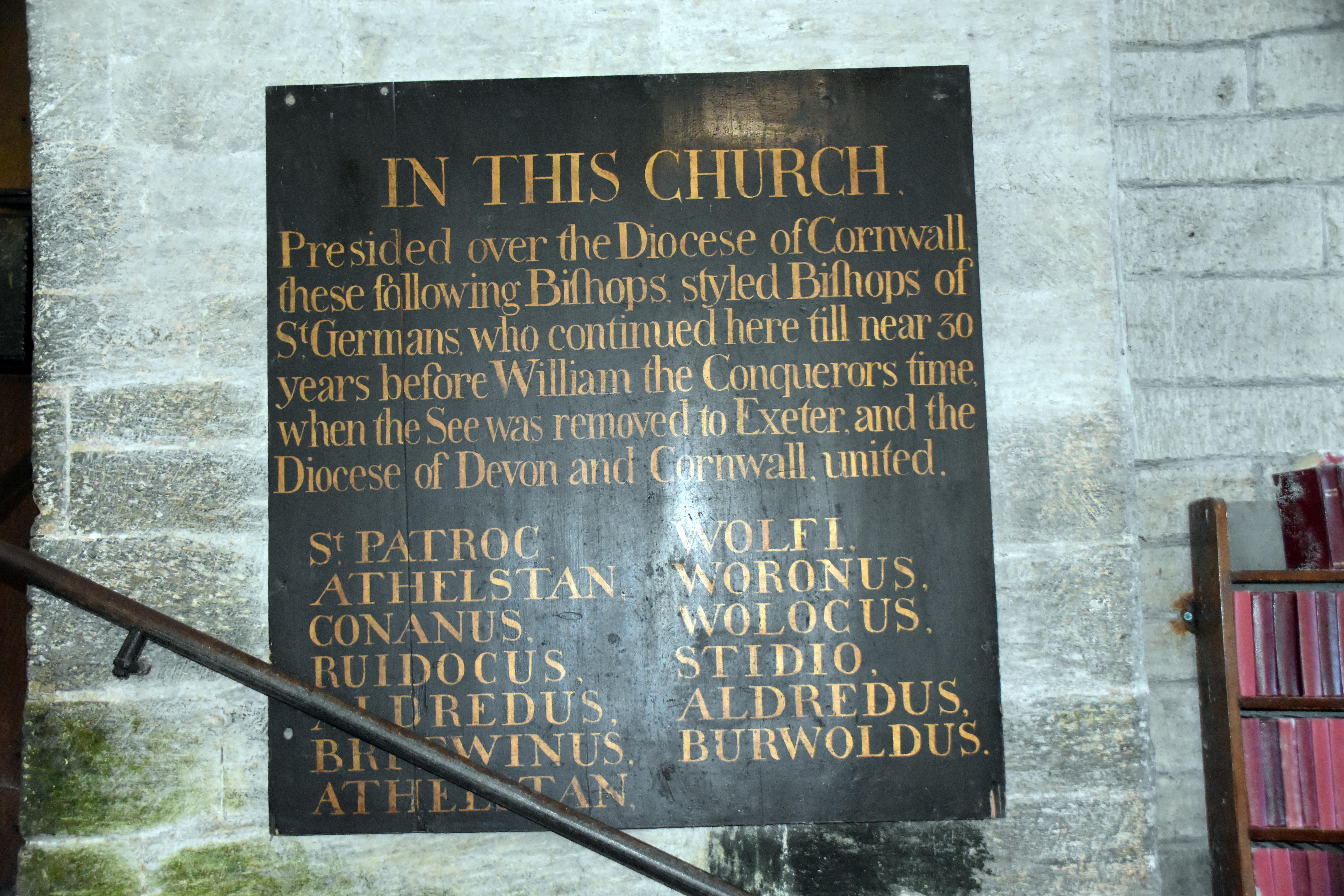
St German’s is tucked away in South East Corner. I visited it on a day on which I had signed up to attend a history day about St German’s Church and Priory. The event was held in the magnificent Norman church itself, which was almost certainly built on the site of an earlier building that housed the Saxon Bishopric of Cornwall before this was merged with the diocesan church at Crediton in 1042 ultimately creating the unified Bishopric of Exeter in 1050. St German’s is unusually large not because of this quasi-cathedral role it once held but because it was once attached to a large priory next door. The monks would have used the northern aisle of the church whilst the southern aisle was for lay people. Most priories were destroyed in the Reformation, but this priory was bought by John Champernowne in 1541 and then by the Eliot family in the 1560s, who still hold it to this day. They converted much of the priory into a manor house whilst the northern part of St German’s Church, which the monks had used exclusively to themselves, reverted to a rather large and impressive parish church.

|
|
|
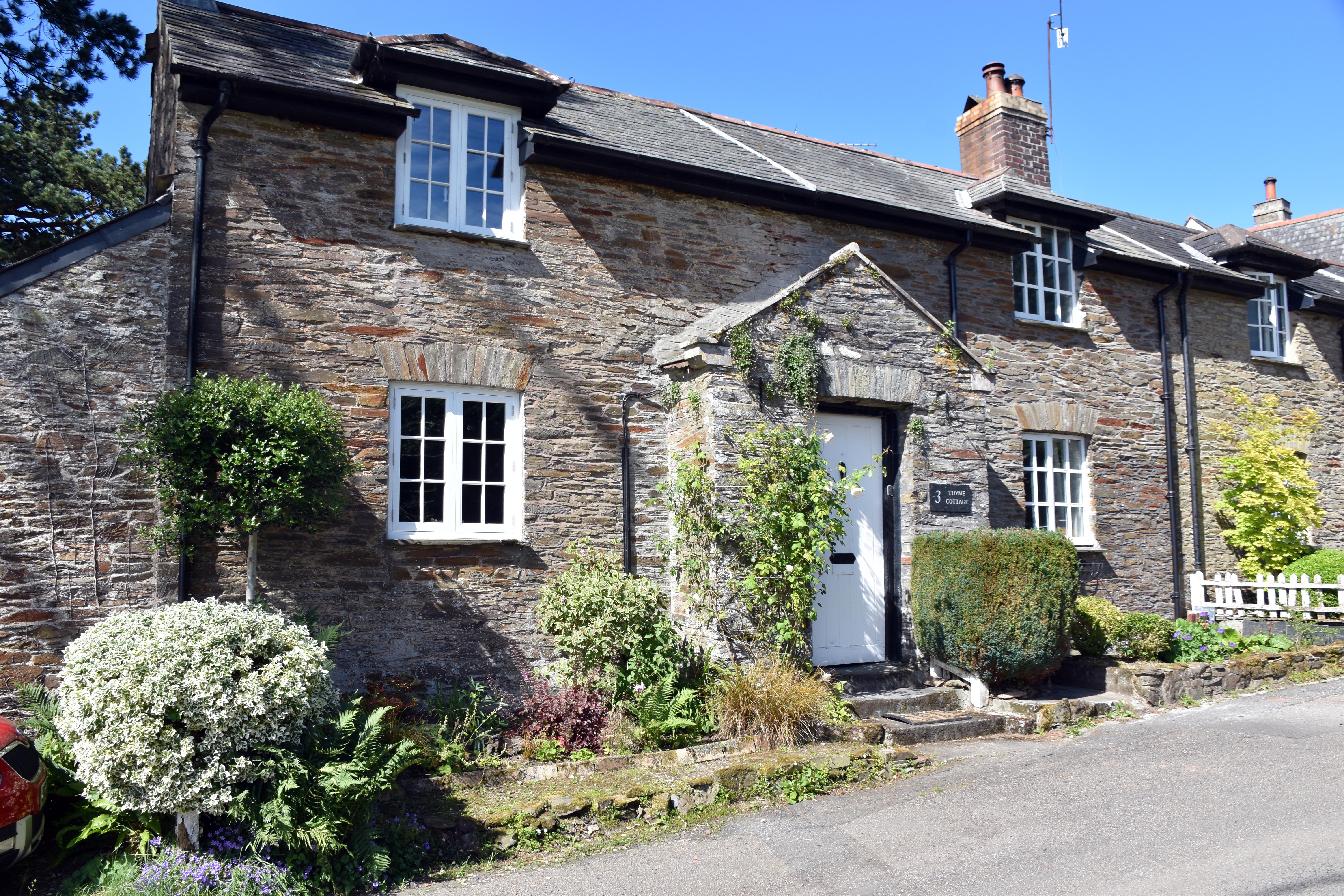
Of course, being a series of lectures, it was felt that my King Charles Cavalier, Rupert, might not be able to fully concentrate through all the talks. So unusually, and much to his chagrin, he remained home. I, however, arrived early so that I could explore the remarkably beautiful St German’s village. It is yet another hidden gem in Cornwall. Fortunately, most holidaymakers head further westwards, leaving these remarkable places for the discerning visitors who are so glad to have so much beauty to themselves and the locals. What makes this even more surprising is that St German’s is on the railway main line and very easy to get to. Alternatively, it is only a 20- to 30-minute drive from Plymouth. So please don’t tell anyone about places like these – let’s keep it between ourselves!
|
|
|
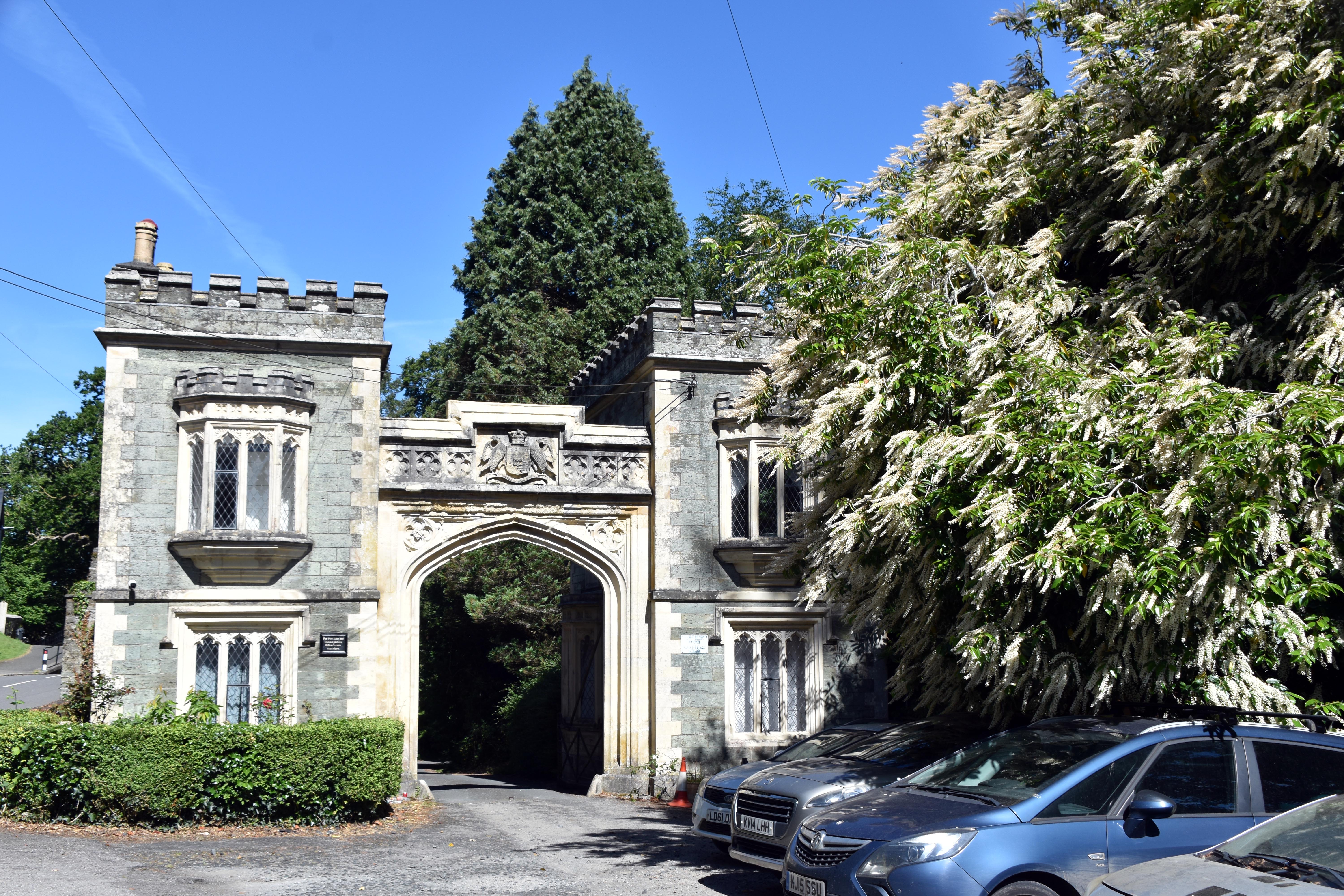
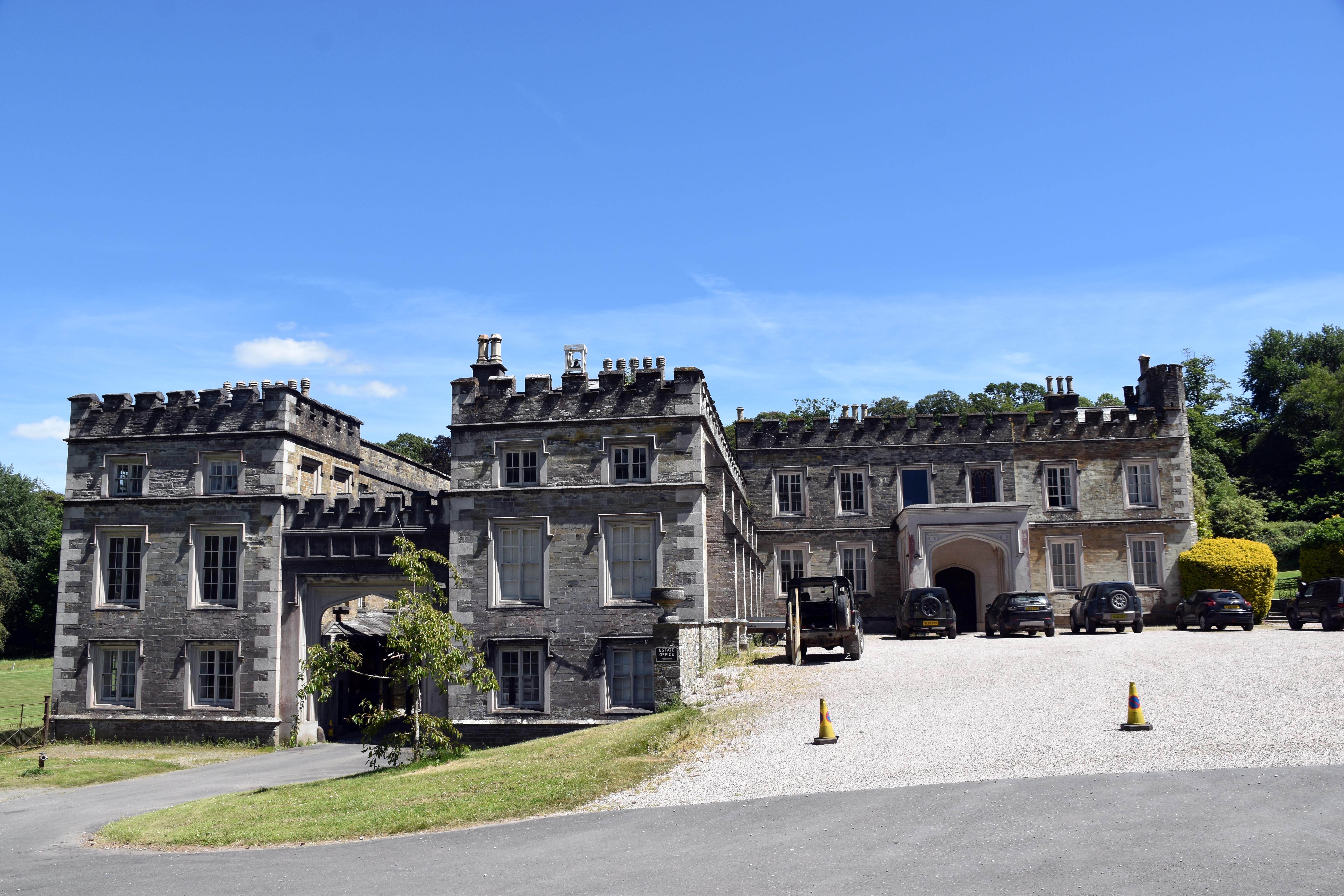
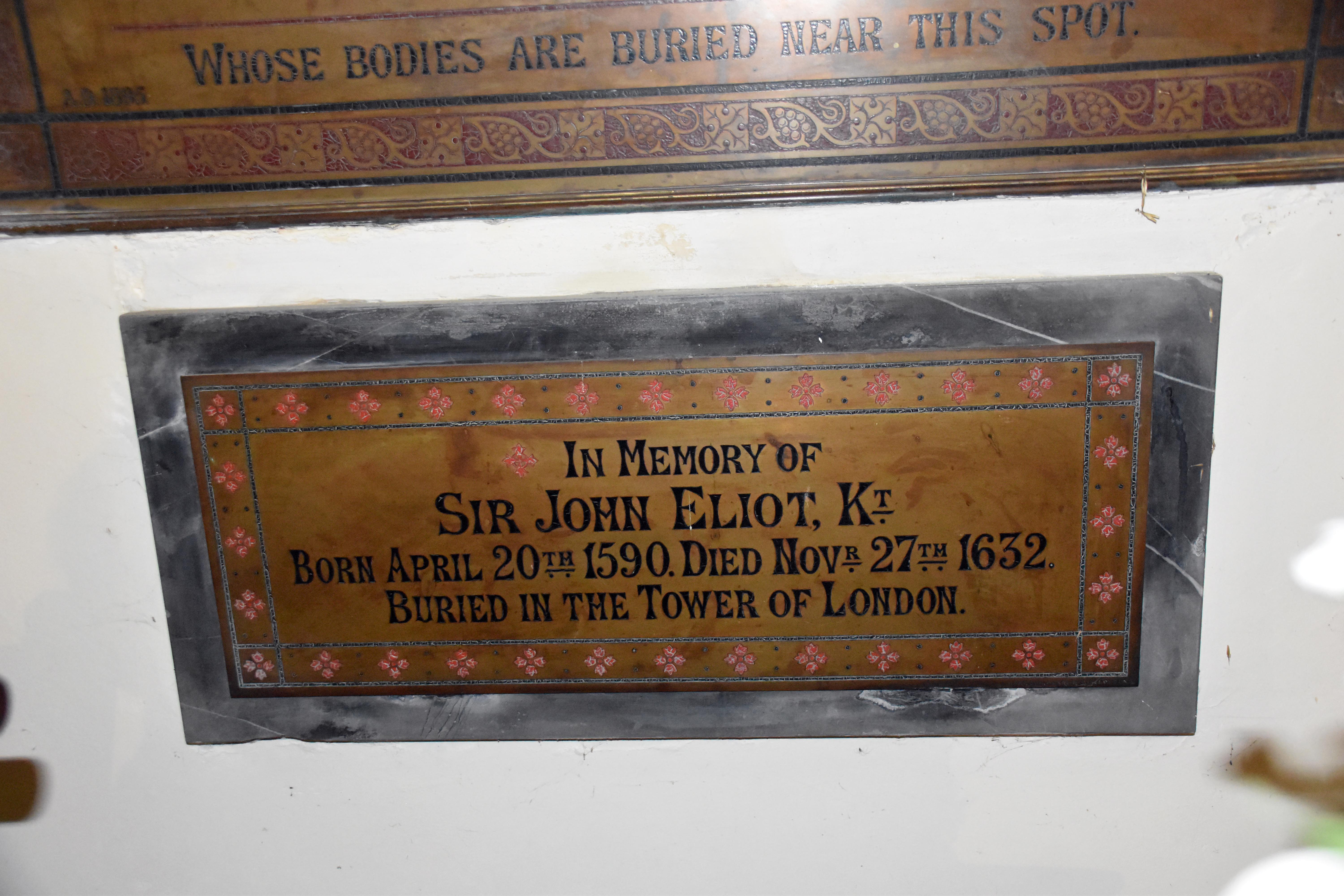
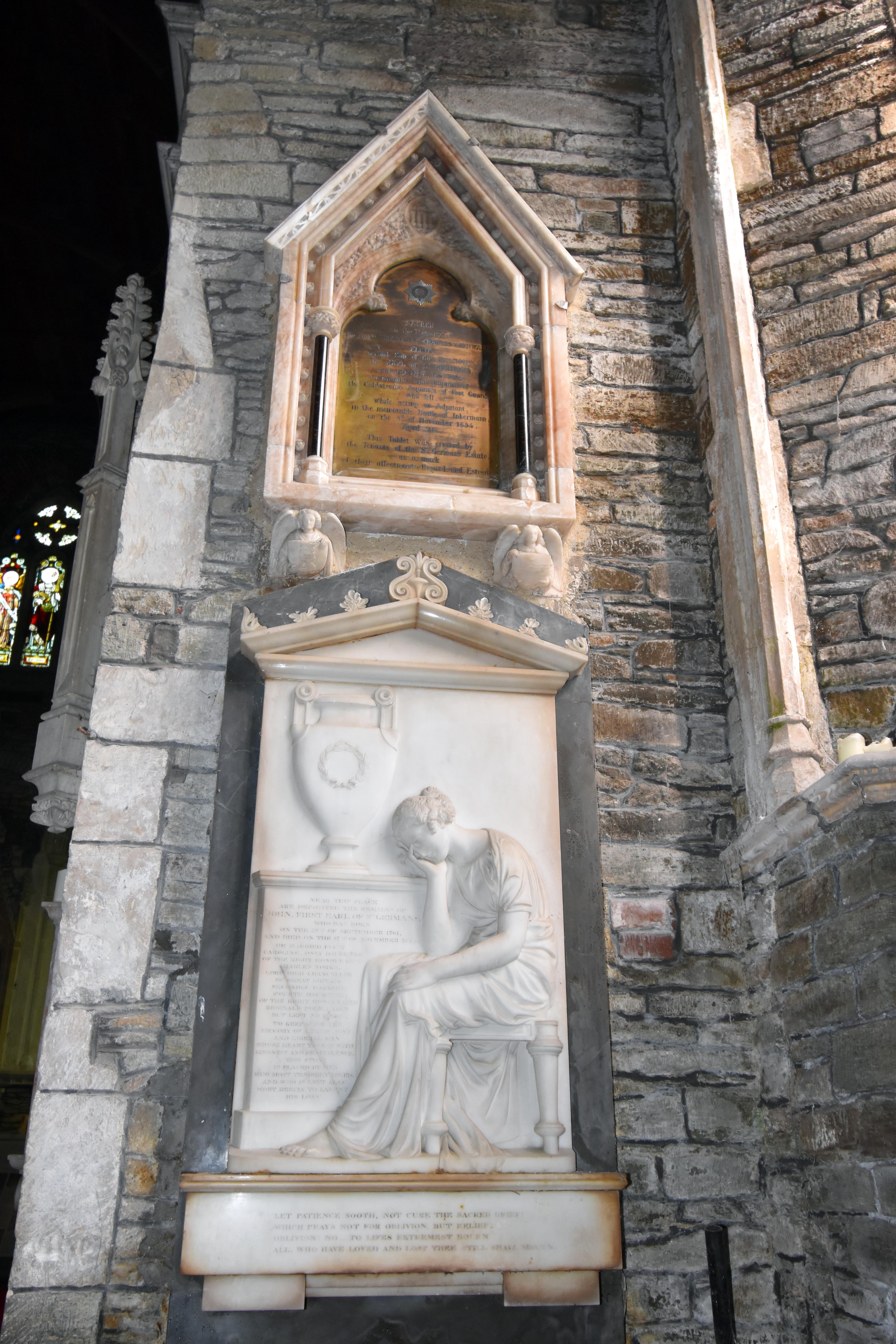
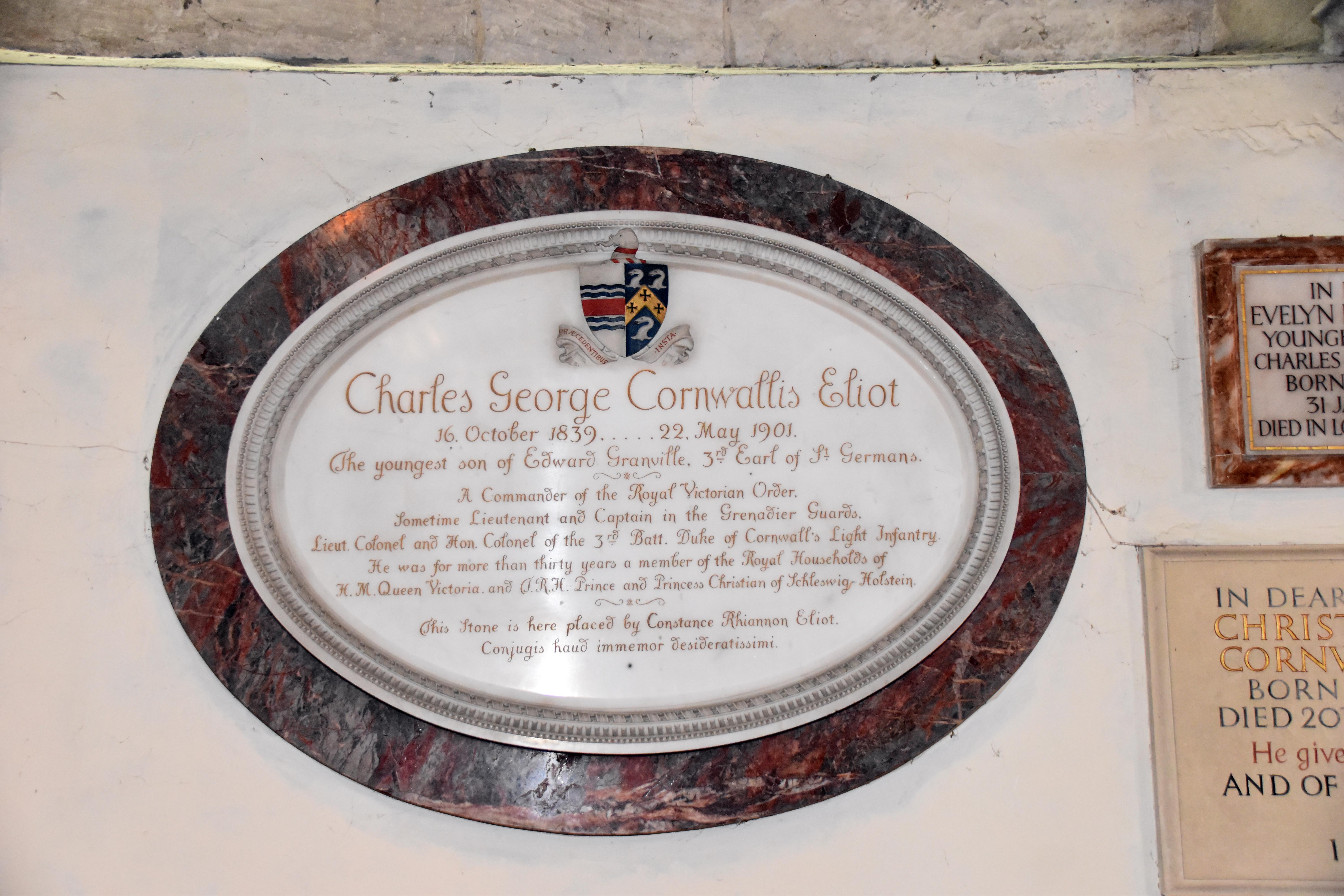
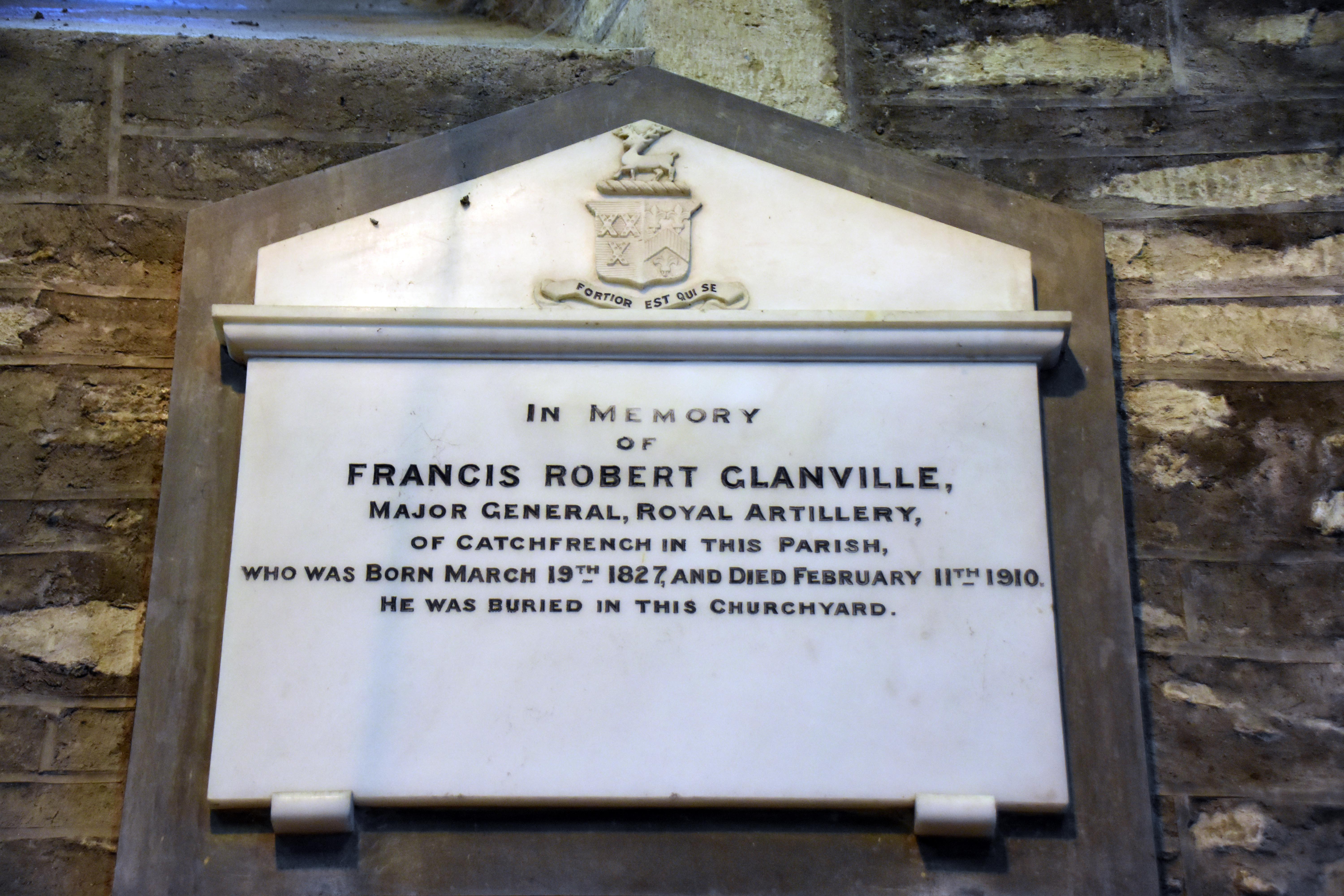
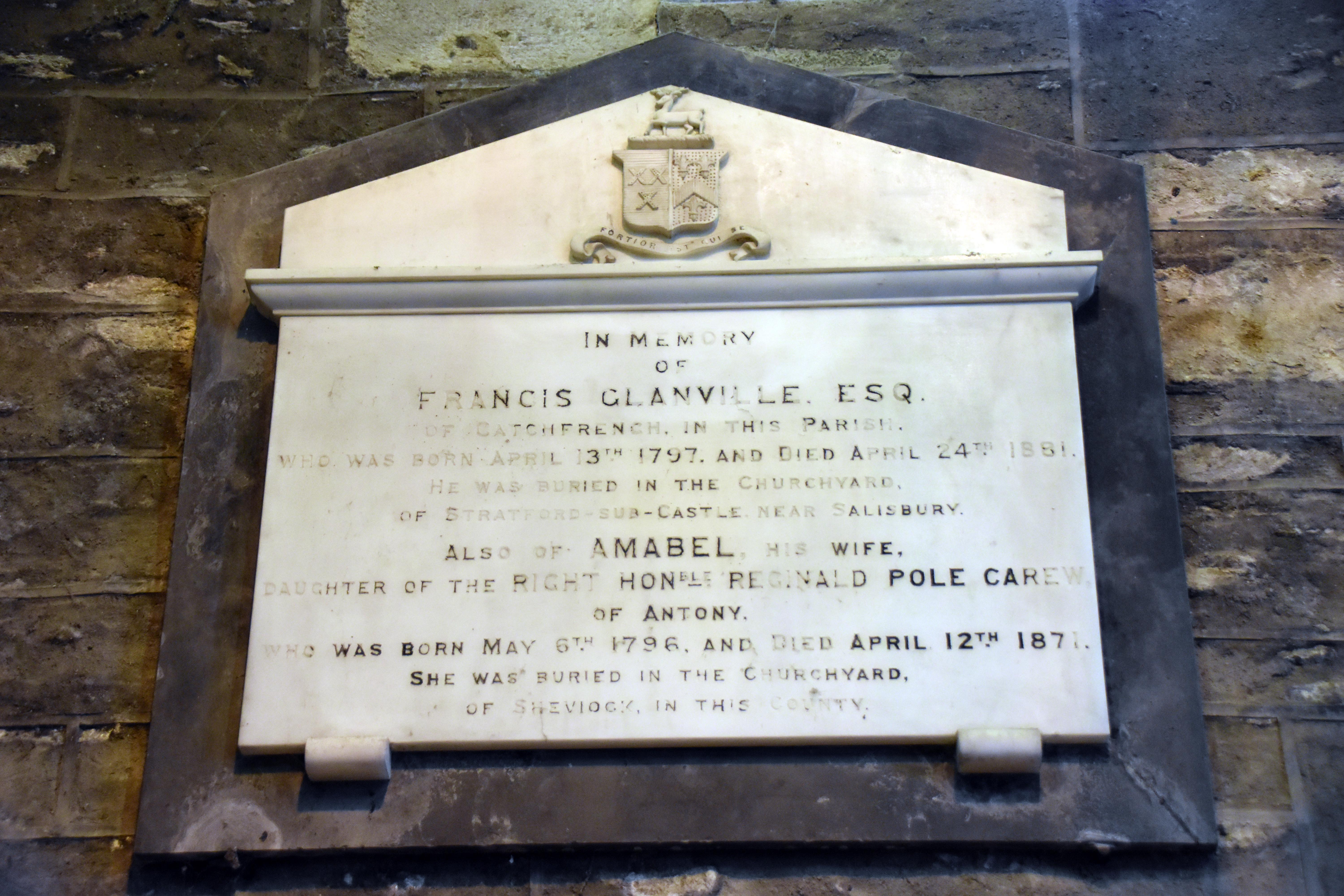
I parked outside the church next to the imposing entranceway to the Eliot Estate with its impressive Eliot coat of arms prominently displayed. Few families can have influenced their communities quite as much as the Eliots managed. St German’s became something of the archetypical ‘rotten borough’ when created a borough with two sitting MPs by Queen Elizabeth I. At times the electorate for both MPs comprised a grand total of seven voters – most of whom lived in one of the two manor houses owned by the Eliots. Even in 1832, when the ‘rotten borough’ was finally abolished, it still had only seven voters on the electoral roll. Another example of their influence was that when the Great Western Railway started construction of their rail line down into Cornwall, the Eliots did not wish the hoi polloi to look down on their house below as they travelled and insisted that a large embankment be created to give them some privacy. Once upon a time the River Tiddy ran right up to the old priory, allowing the monks to load and unload goods and use boats as a means of transportation. The Eliots, though, decided that it was far too close and diverted the river to give themselves a bigger garden. Previously, the cemetery lay on land that the Eliots claimed had been given to them as part of the original purchase and so requested that it be moved! Interestingly, parish churches are supposed to have 360-degree access so that the entire parish can attend church with little hindrance, but the Eliot grounds completely cut off the church from half the parish, and few people other than the Eliot family can even see the church clearly as it is otherwise on the valley floor where of course once it was attached to the priory. It has to be said that there is a rather unfriendly sign saying that there is no access to the Eliot grounds unless you purchase a ticket online to visit the gardens or their café. The church is full of dedications and memorials to generations of Eliots and other local families whom they seem invariably to have married into at various points, so that you see notable well-connected names such as the Glanvilles, Cornwallises and Carew-Poles. Unfortunately, most priory and church records seem to have disappeared at or after the Reformation. This may well have suited the owners of the estate next door lest the church claim that more land should have been retained for the parish. It is actually interesting that since the Reformation there have only been two families to have owned the previous ecclesiastical estate. Most have been broken up or sold on multiple occasions. Here you can catch a glimpse of the consequences of Henry VIII’s Reformation, where church lands passed into private ownership to the benefit of the then king – who actually did spend a lot of it in Cornwall but mainly on coastal defences. This is not to say that over the years the Eliot family have not invested significantly in local amenities like fresh water, a village hall and sponsored myriad local businesses. The name Eliot appears all over the village in one form or another. It should also be said that the Eliots have not always got on well with the powers that be. The most famous of these rebels was John Eliot (1590–1632), who was a serious critic of King Charles I and especially his imposition of Tunnage and Poundage taxes which were later to pave the way for the infamous ‘Ship Tax’, allowing the King to levy taxes without having to ask for Parliament’s permission. This was to be one of the prime igniters of the Civil War of the 1640s. John Eliot believed that as a result of this income, King Charles was going to dissolve the 1629 Parliament and rule without the House of Commons. In an attempt to prevent this or at least to register his displeasure, John Eliot, with like-minded MPs, forcibly restrained the Speaker of the House of Commons in his seat so that the session could not end and that a riposte could be delivered to the King's actions. When the Speaker refused to read it out, John Eliot read it himself. For his troubles he was arrested and imprisoned in the Tower of London. He refused to apologise to the king and sadly caught tuberculosis and was to die in the Tower of London. He is one of the few Eliots not buried in St German’s as the king refused to release his body. John Eliot was to become one of the first martyrs of the Parliamentary cause, which was something of an irony as a Cornishman, since Cornwall was to become a royal stronghold when war finally broke out in 1642.

|
|
|
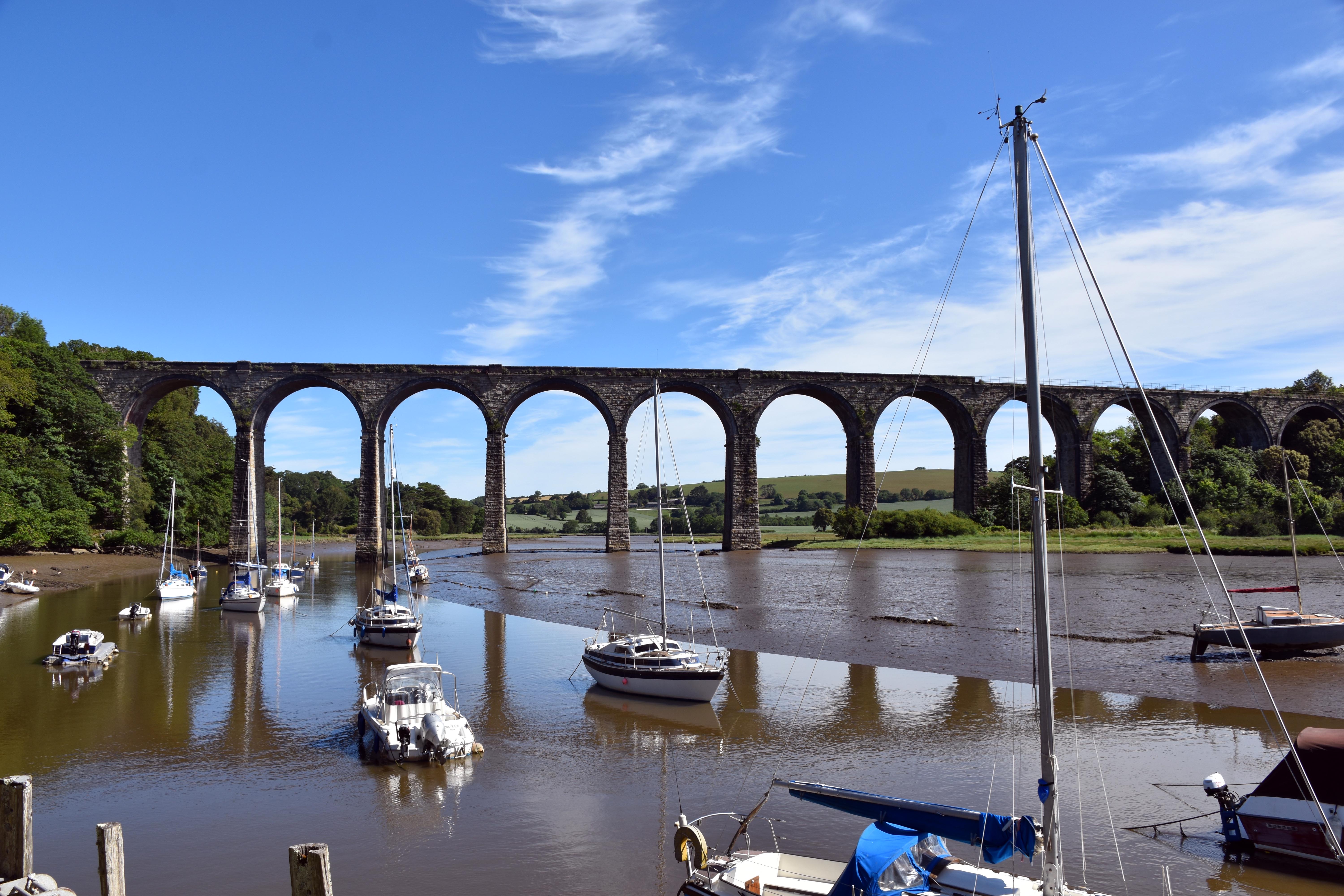
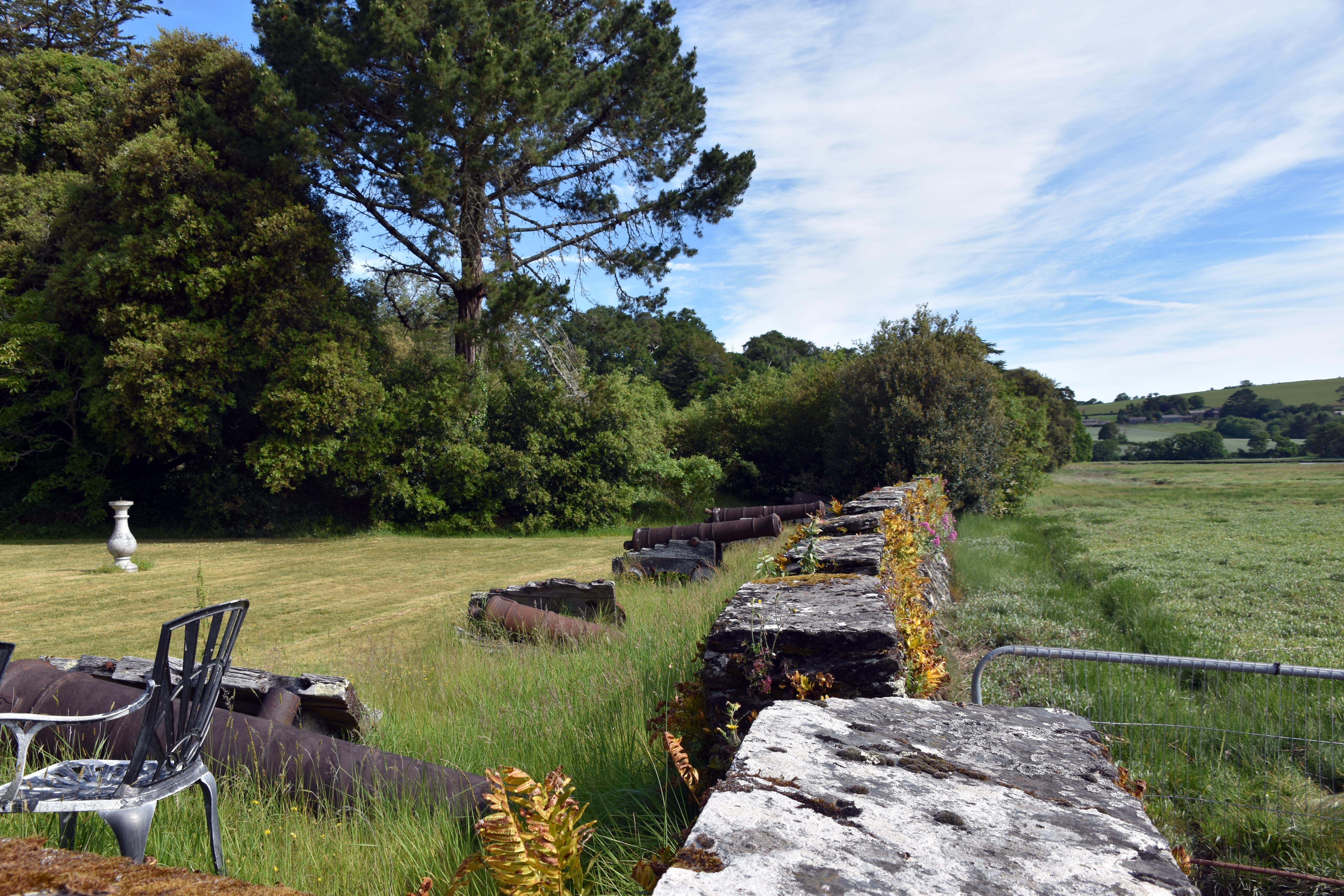
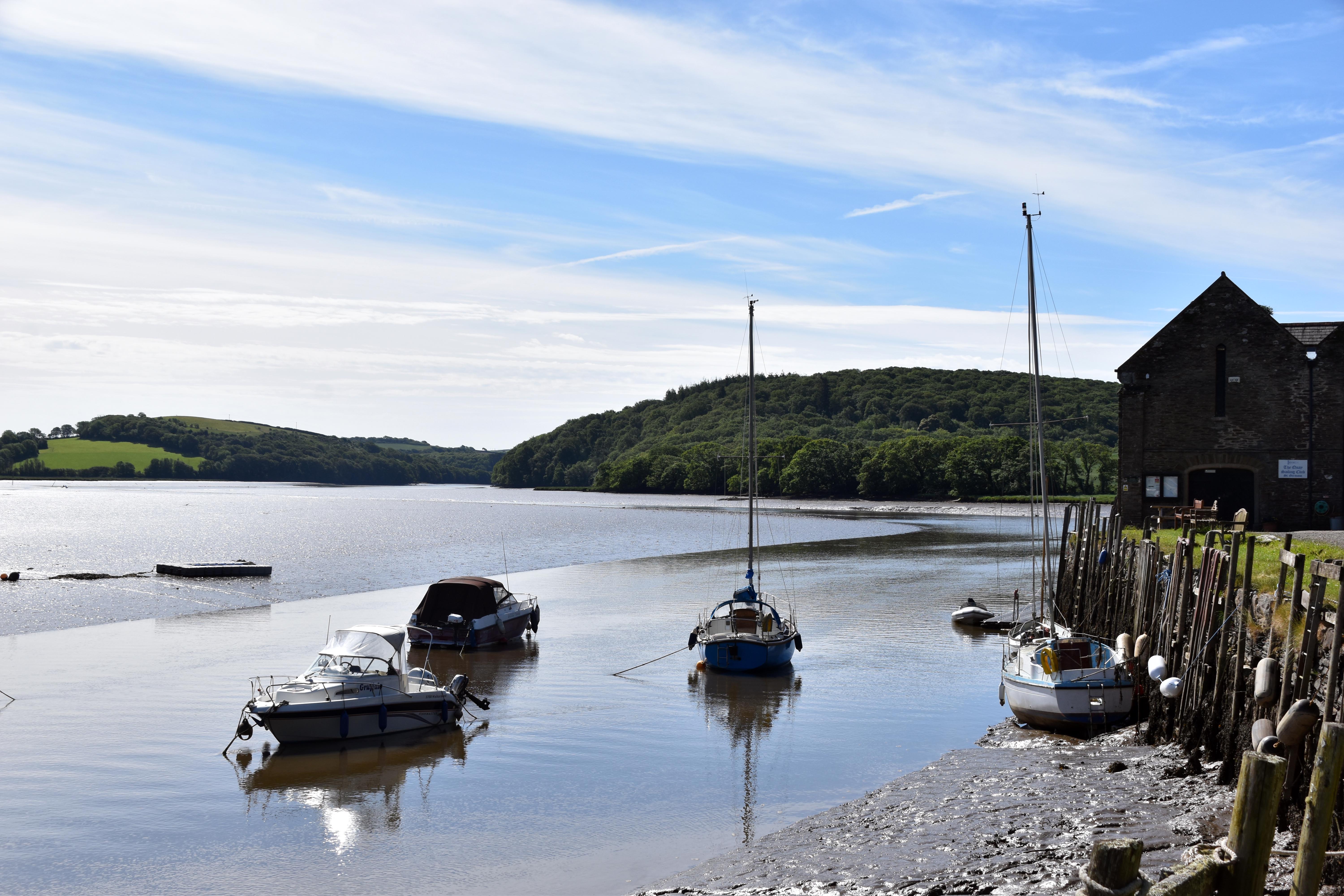
From the church I walked up the hill, seeing the old police station on my right. From here, I walked down Old Quay Lane with the Eliot Estate wall on the left-hand side. This took me down to the River Tiddy and almost immediately provided a superb view of the viaduct over the River Tiddy. But as I came to the river, I noticed a building on the left which had some intriguing artillery pieces looking out over the water. Unfortunately, a few of the gun cradles had rotted away, but the brass guns were all in fine fettle. I believe these are merely ornamental, but of course they do conjure up in your mind the kinds of defences that the Eliot family may have had to consider, especially during the Civil War years. The River here is an estuary that, when the tide is right, could allow substantial sailing vessels and indeed warships to sail up this far. The tide was out at this particular time, but it was coming in and the mudbanks were slowly turning into expanses of water.
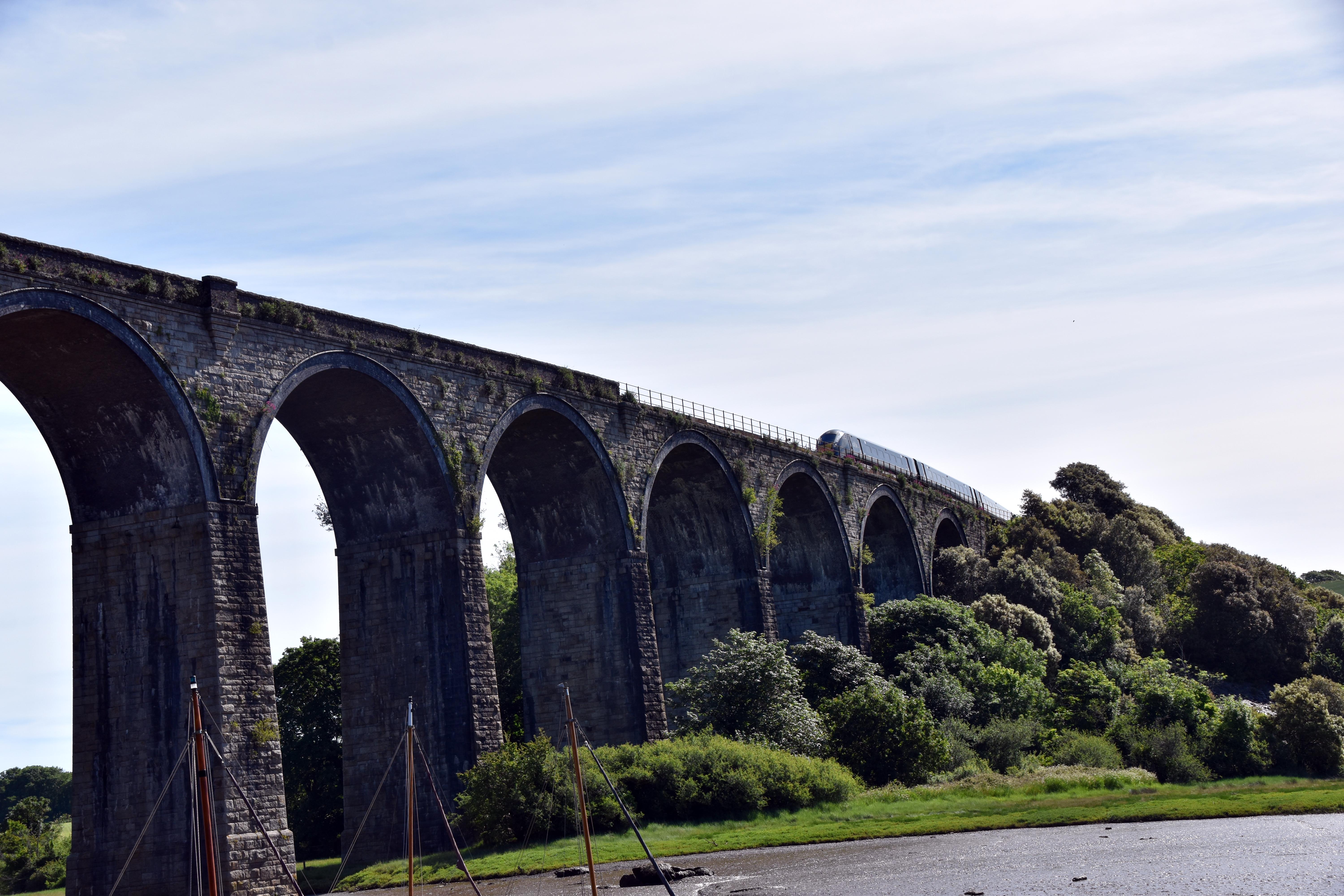
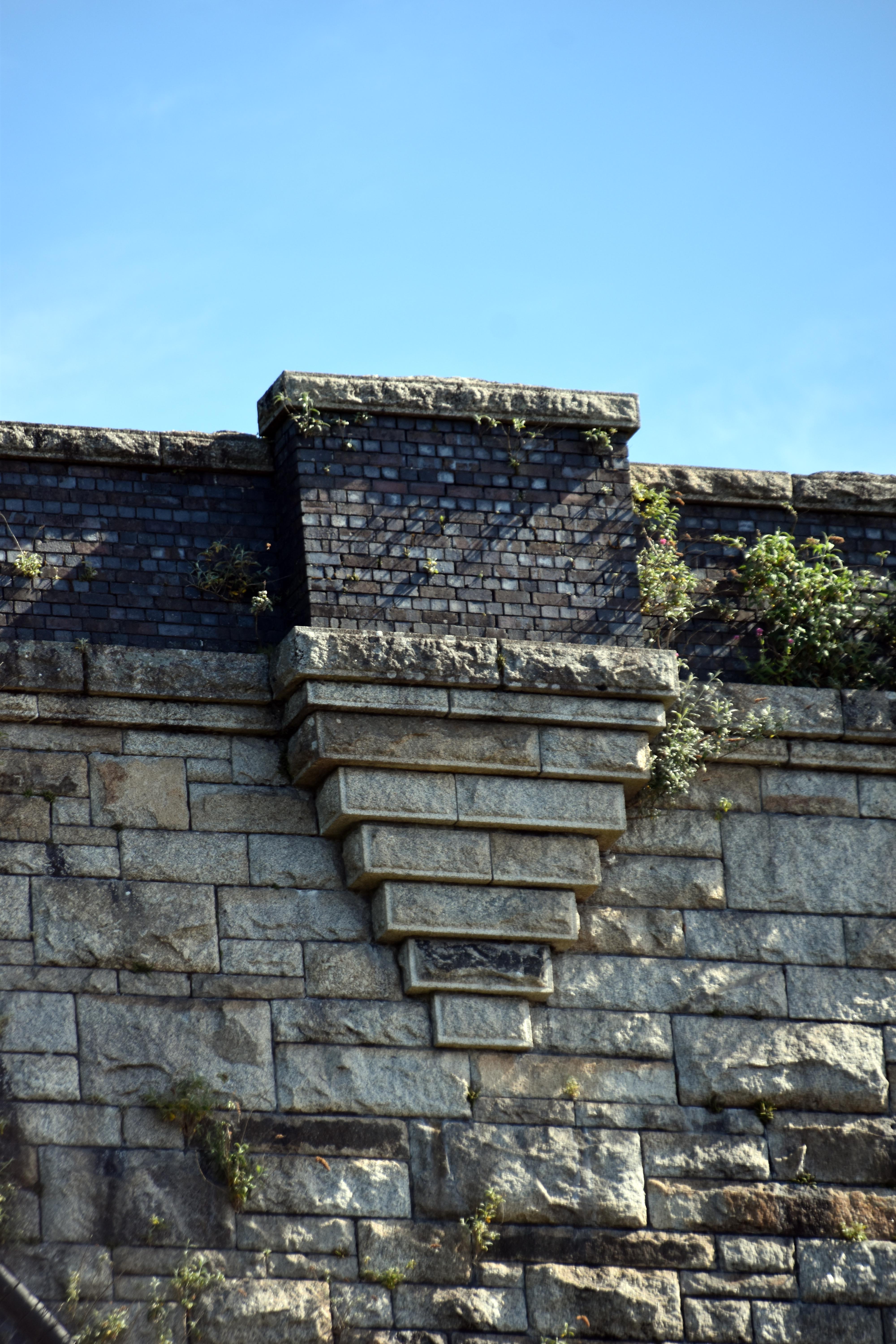
This particular viaduct is a magnificent Edwardian construction that replaced the original wooden one constructed by Isambard Kingdom Brunel himself (with some help admittedly). The arrival of the train in 1859 transformed the fortunes of St German’s, allowing it to grow and thrive. Soon it would have five pubs and a flourishing local economy. However, it was not all good news, as the quay and boat transportation were to become increasingly less commercially viable as the trains could provide faster and more reliable communications links to markets and goods. Now the old warehouses are owned by a local sailing club. You can still see old lime kilns which had been built on the waterway due to lime requiring heavy limestone and coal to be delivered by boat in order to create quicklime for local farmers to use. I am sure it was also utilised in the building of the viaduct too, given its ideal location. The views here are simply superb as swifts flew overhead, trains trundled by on the main line and boats populated the waterway, rising with the tide. At this point the Tiddy meets the water from Polbathic Lake and both waterways feed into the River Lynher to create a huge expanse of water as the rivers run towards the Tamar.

|
|
|
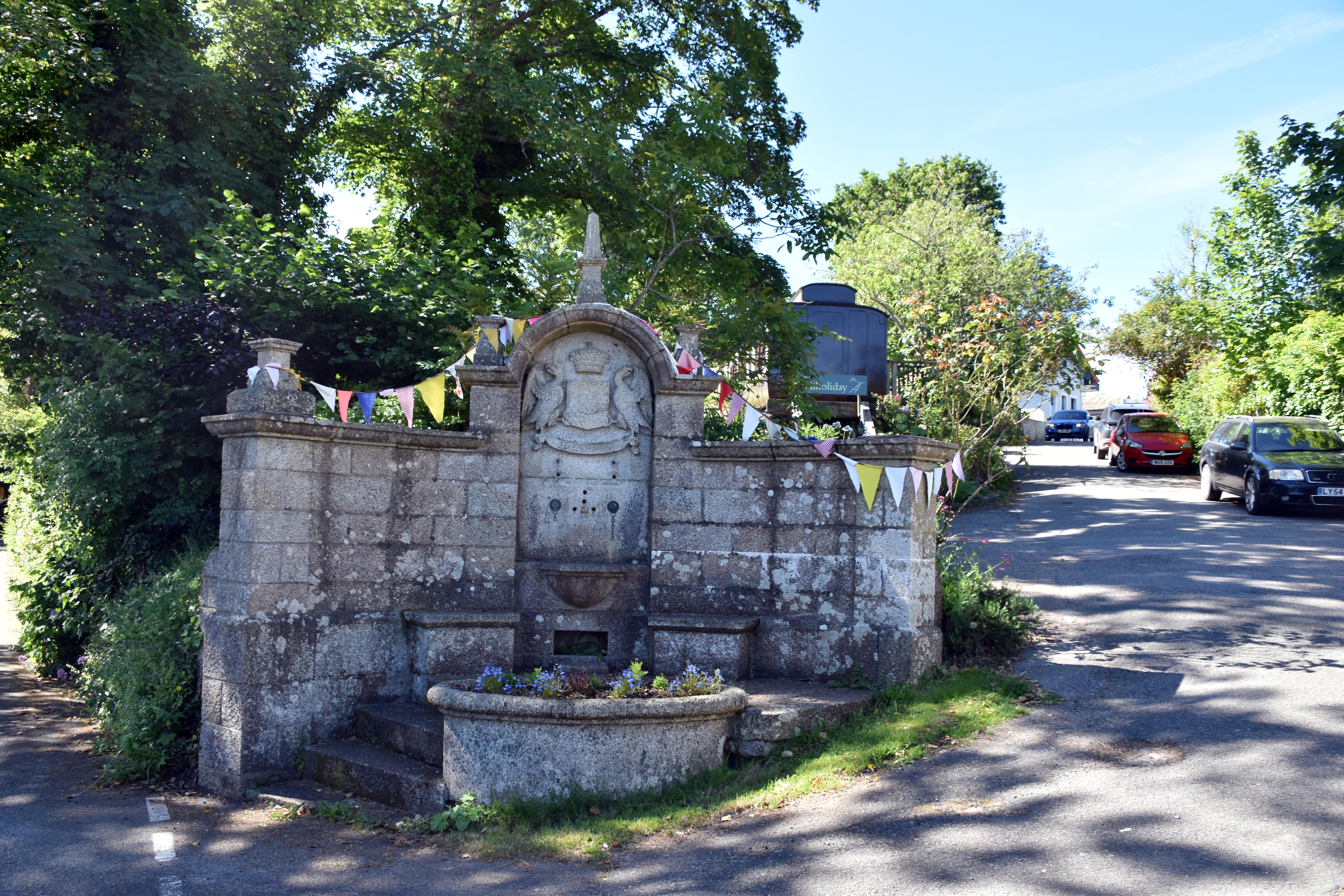
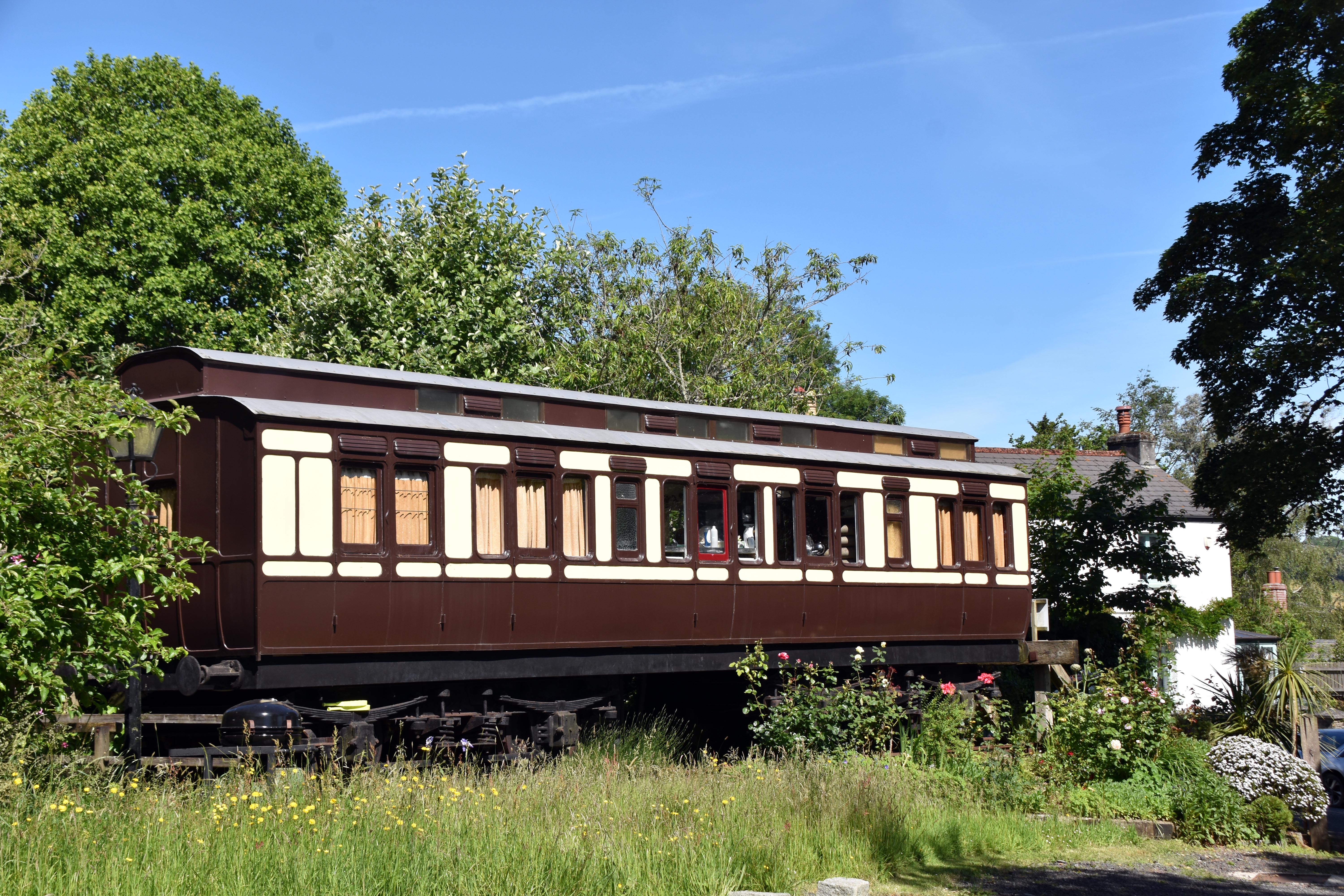
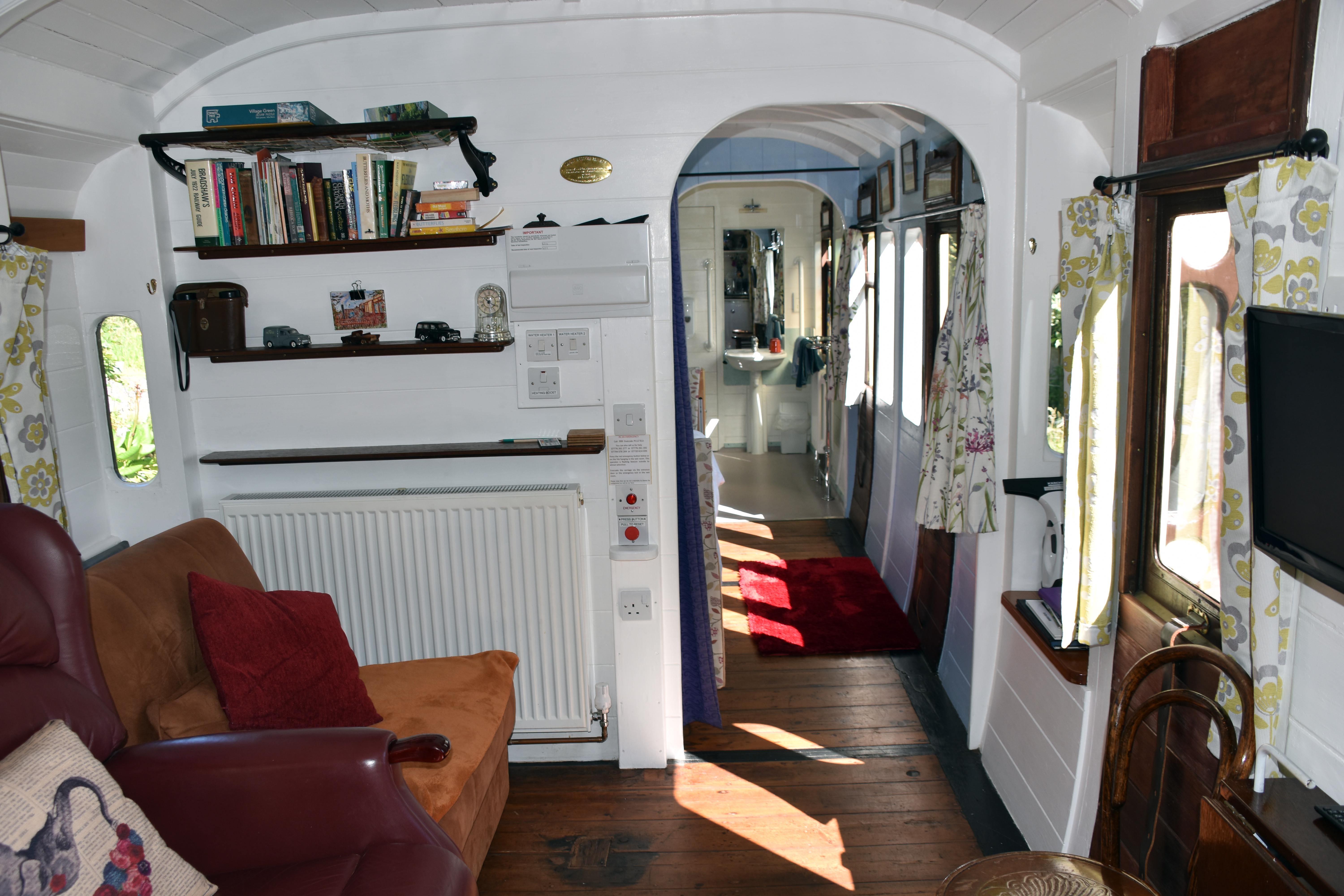
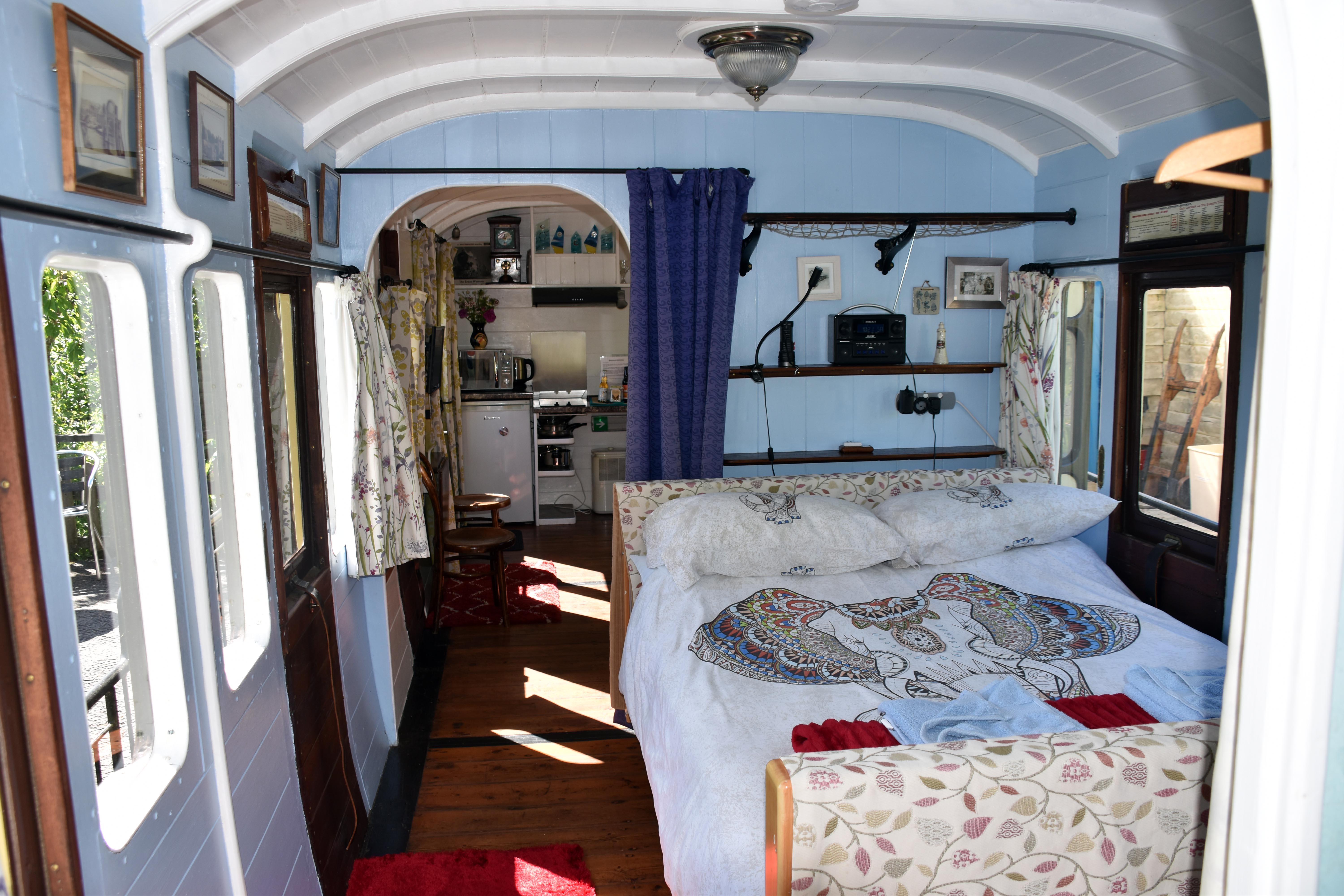
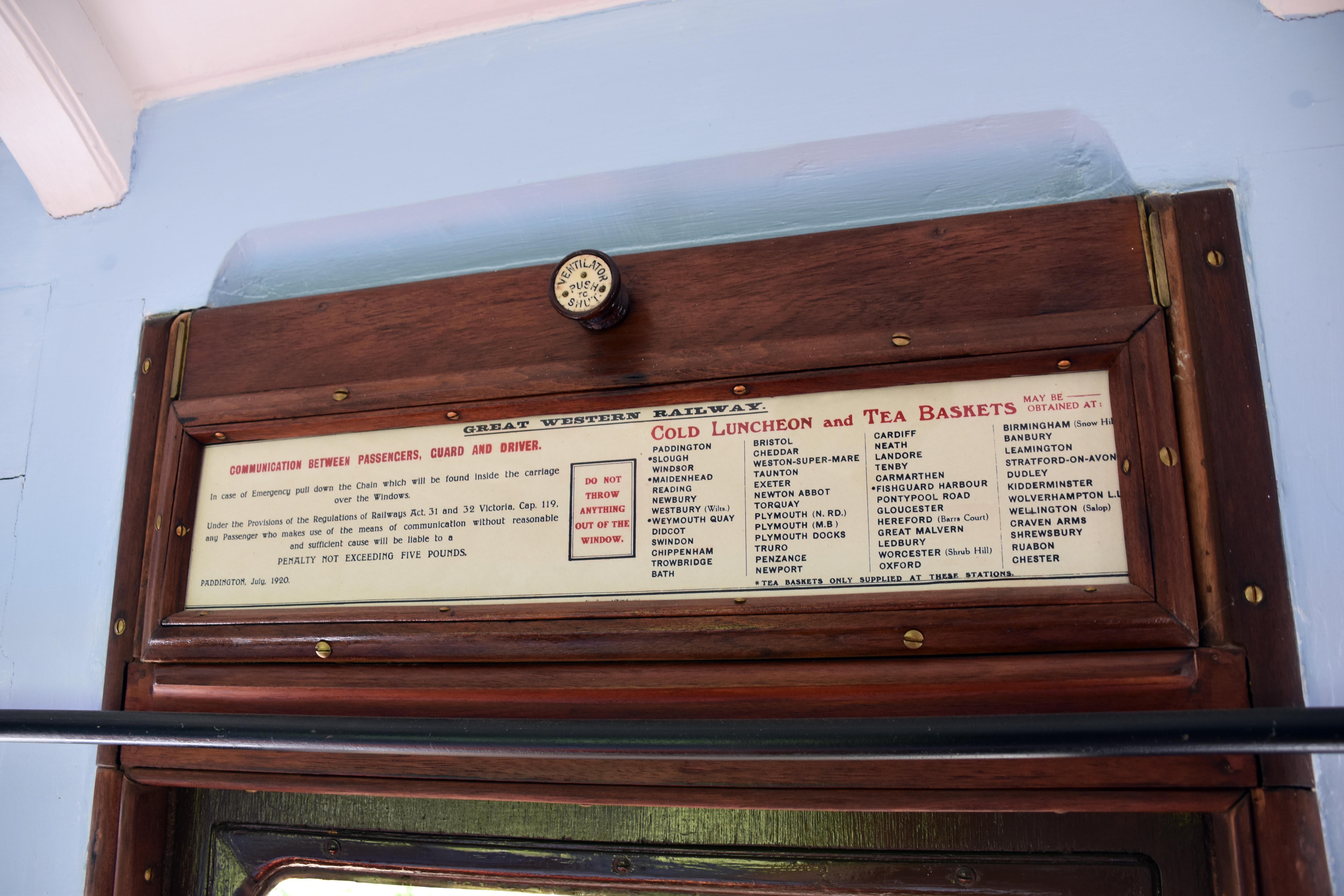
Walking up Quay Road I soon reached, and indeed surpassed, the height of the railway line. I passed under the railway line and at Nut Tree Hill, next to an old water fountain displaying the Eliot coat of arms, I noticed some lovely old Victorian carriages. Serendipitously the owner was out gardening and kindly showed how these had been converted into very interesting self-catering holiday accommodation. They really were very nicely done indeed and helped evoke the golden age of railway. She explained that you even got a discount if you arrived by train! I, though, had to hurry back to the church for the day of lectures.
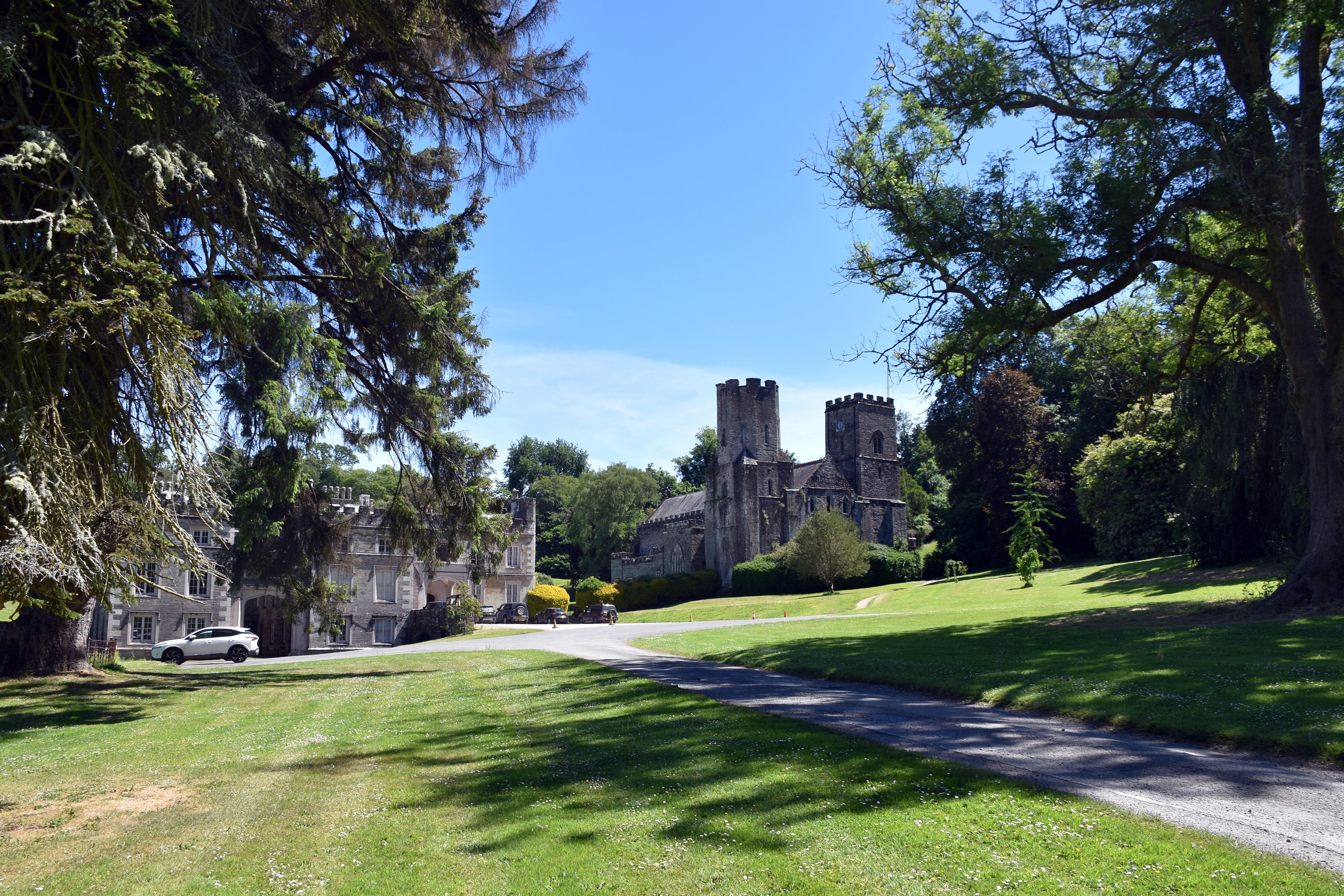
There were four main speakers: one on the saints of Cornwall, one on the architecture of the church before 1350, one on the architecture of the church after 1350 and one on remembering St German’s and how the view of the church there has changed through history. At lunchtime I daringly slipped into the Eliot Estate. I justified this by heading to the café there to get some lunch on a gloriously sunny day. The whole estate really did look splendid in the beautiful weather and the church with its two towers suddenly looked architecturally coherent when seen in the context of at least some of the old priory buildings’ location. There were a plethora of Land Rovers parked out front of the main house, hinting at its place within the rural economy. The café was located in the old stables, which once upon a time were a hive of activity with dozens of horses, carriages and wagons. Now it is a rather upmarket and vibrant eatery with some interesting bric-a-brac shops around it. I bought some obligatory Luscombe juice and rhubarb cake and enjoyed the atmosphere.
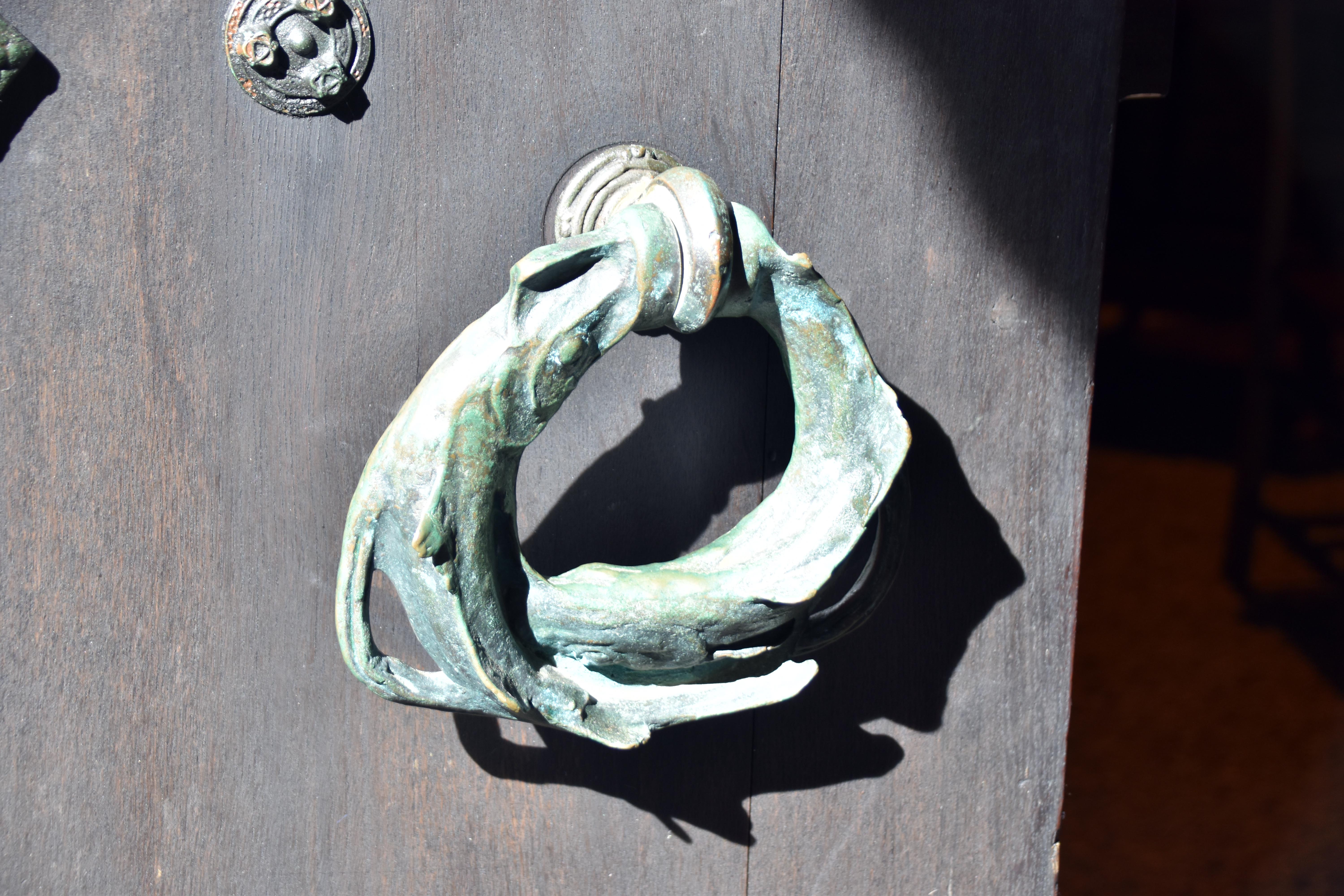
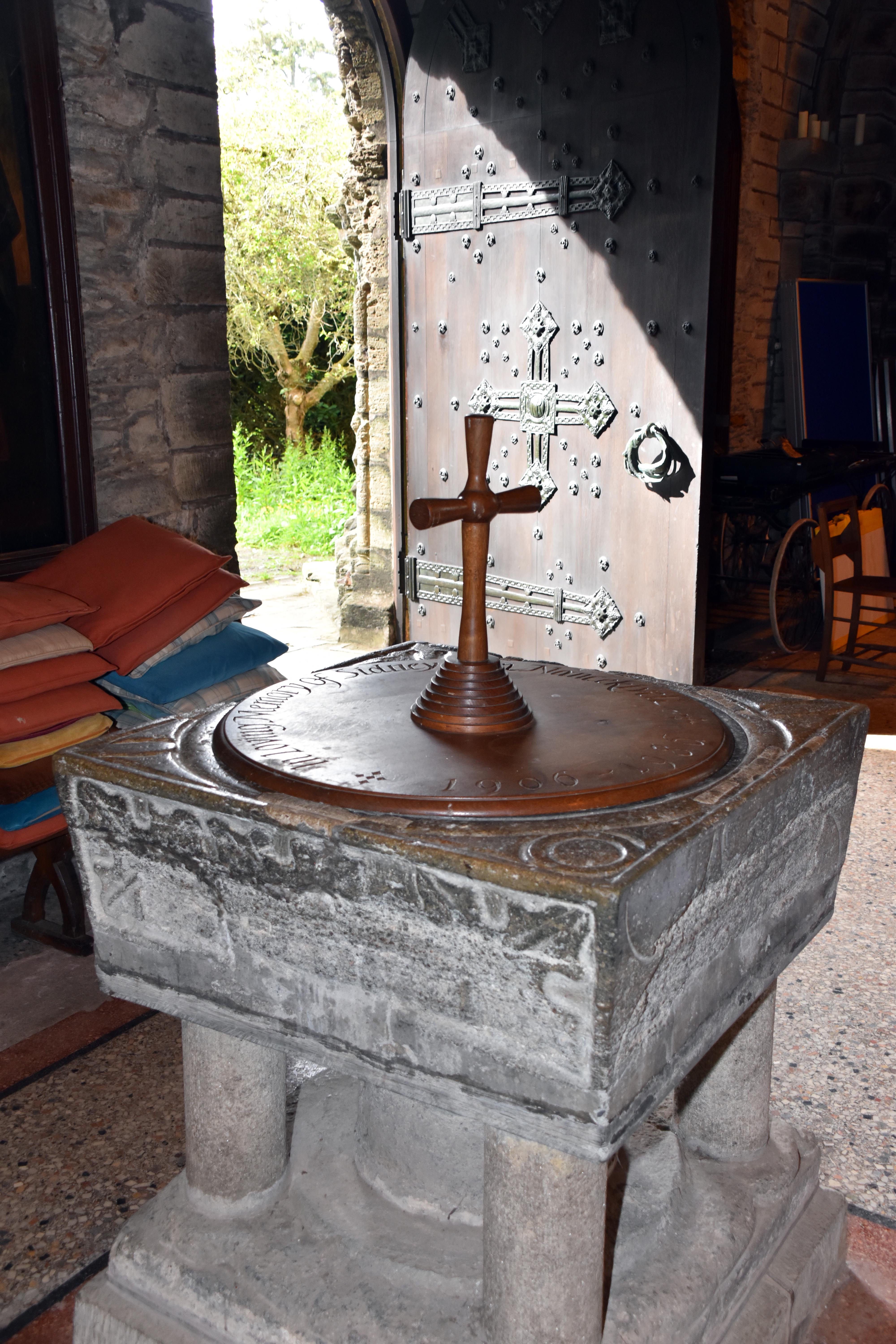
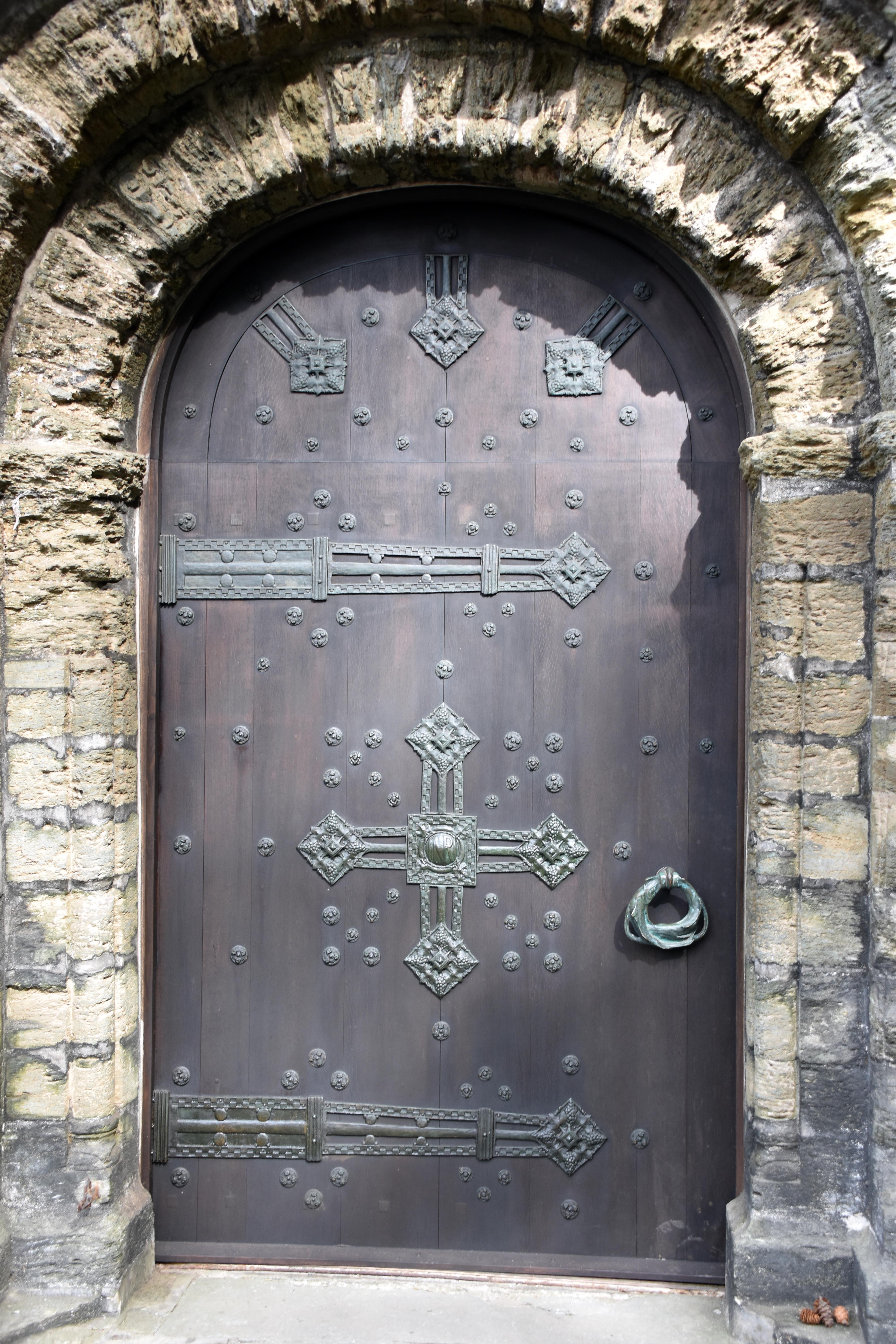
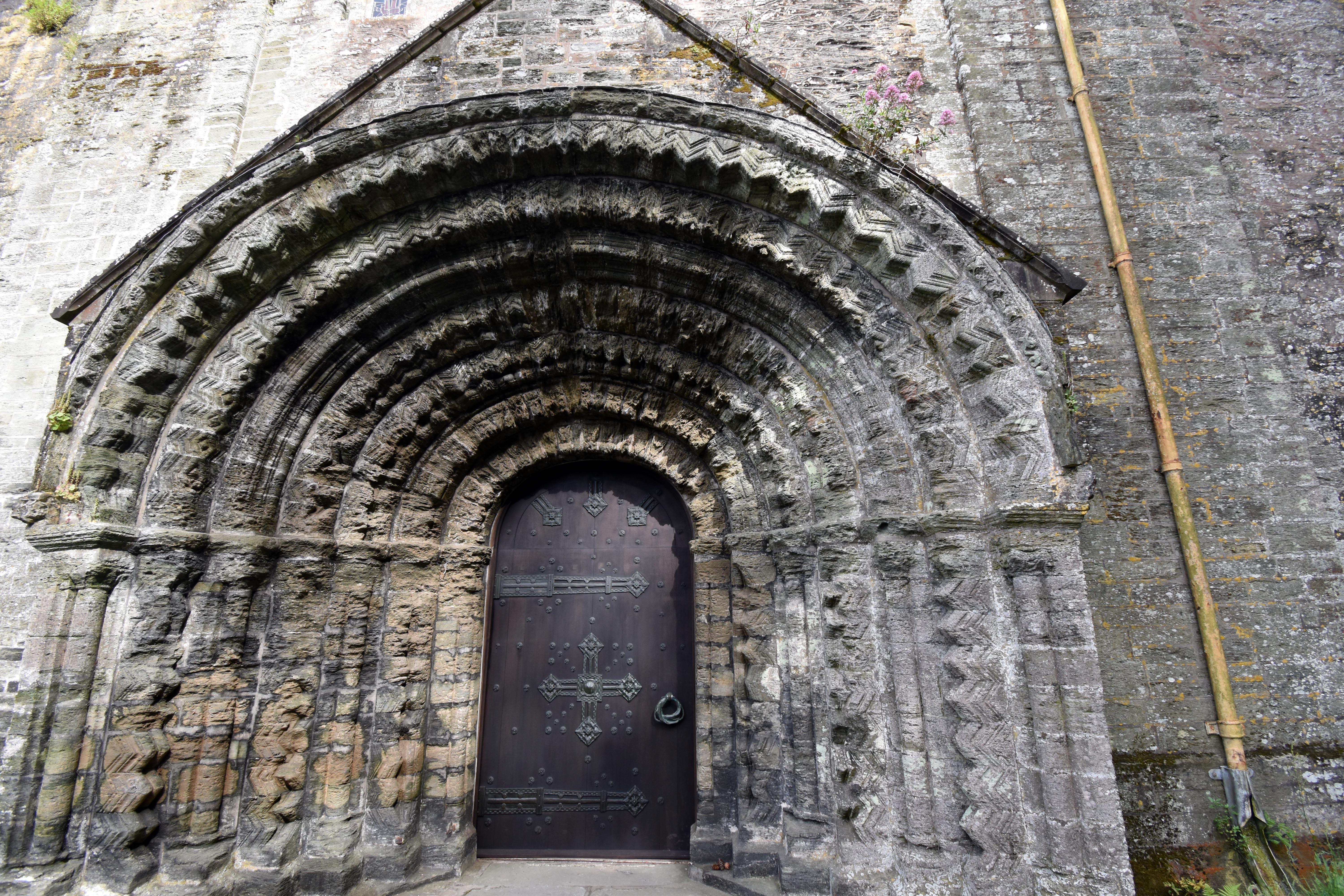
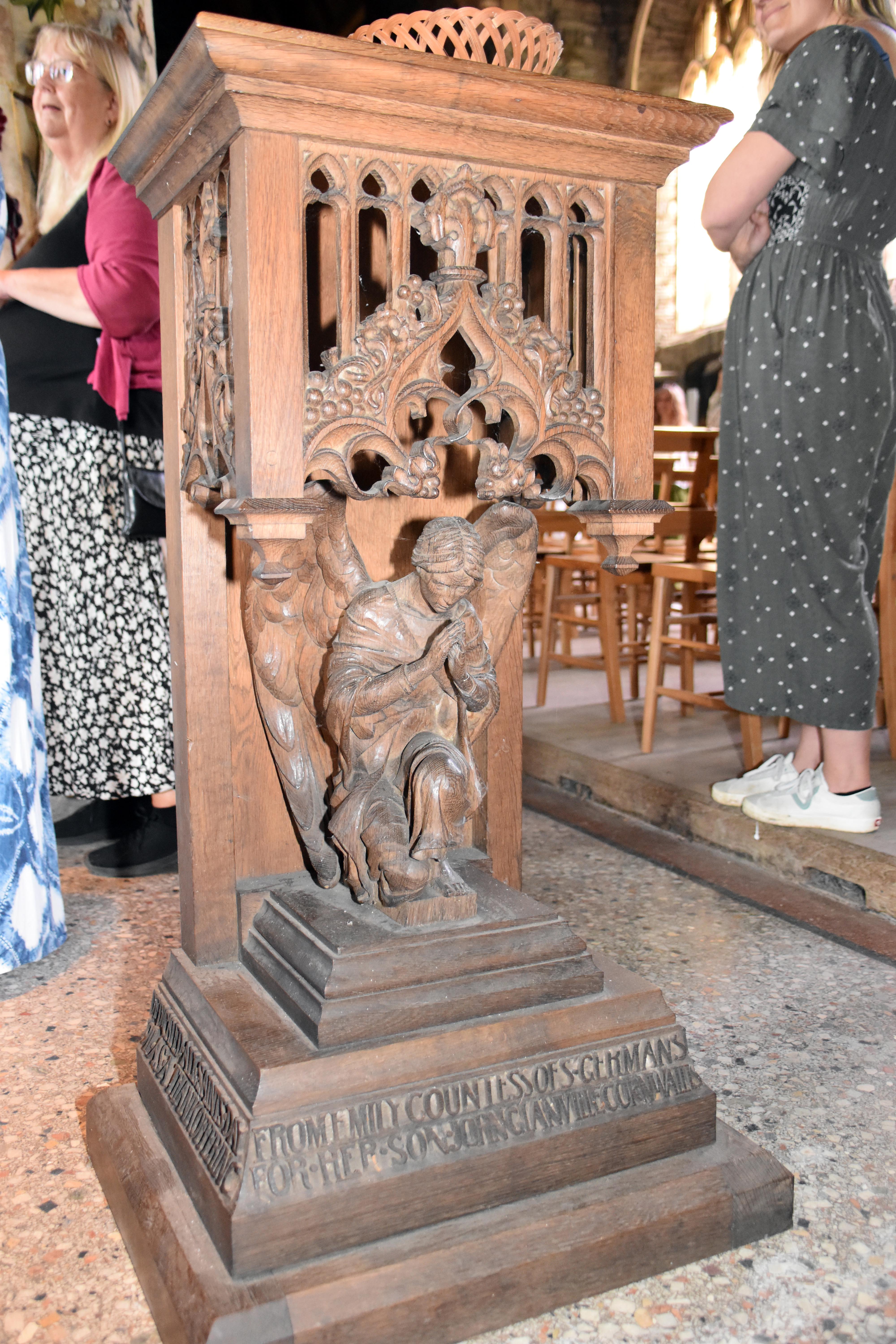
After the two afternoon lectures there was a tour of the church itself. The standout feature of the church is undoubtedly the western entrance and the magnificent Norman doorway. I had not realised that the wooden doorway is yet another creation of our incredibly prolific Pinwill sisters, in this case Violet Pinwill. She also did some of the work inside, including a lovely little memorial to John Glanville Cornwallis (Eliot), the ‘consolation son’ of Emily, Countess of St Germans, from 1911. Sadly, she had lost her elder son in 1909 when he committed suicide in the gun room of Port Eliot. Then in 1911, her husband died of a stroke. Tragically, another memorial in the church reveals that even this consolation son was to have an untimely ending. Despite surviving World War One with the Royal Scots Greys, he was to die in South Africa in 1922 from wounds sustained whilst undertaking a point-to-point race on his horse representing his regiment.
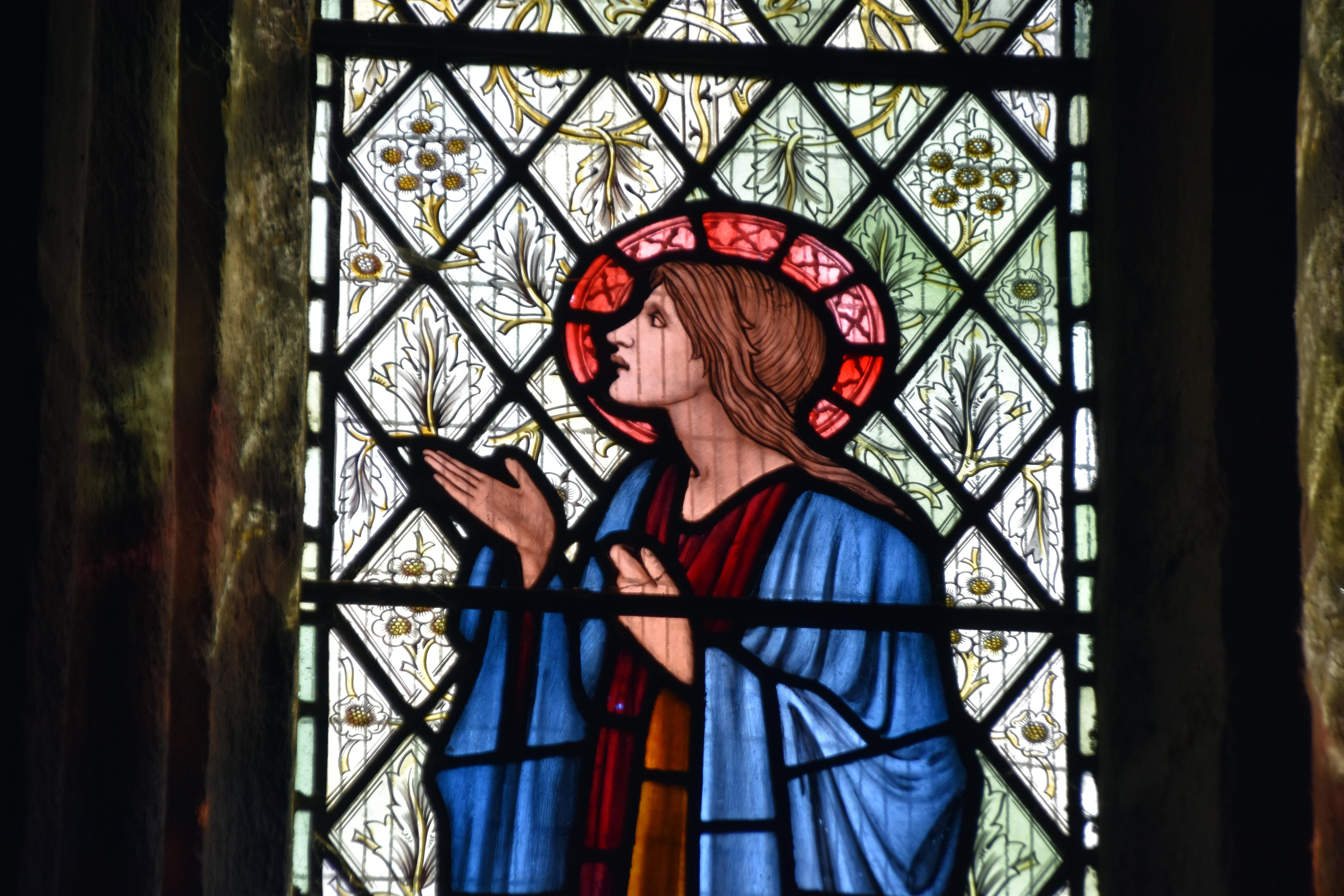
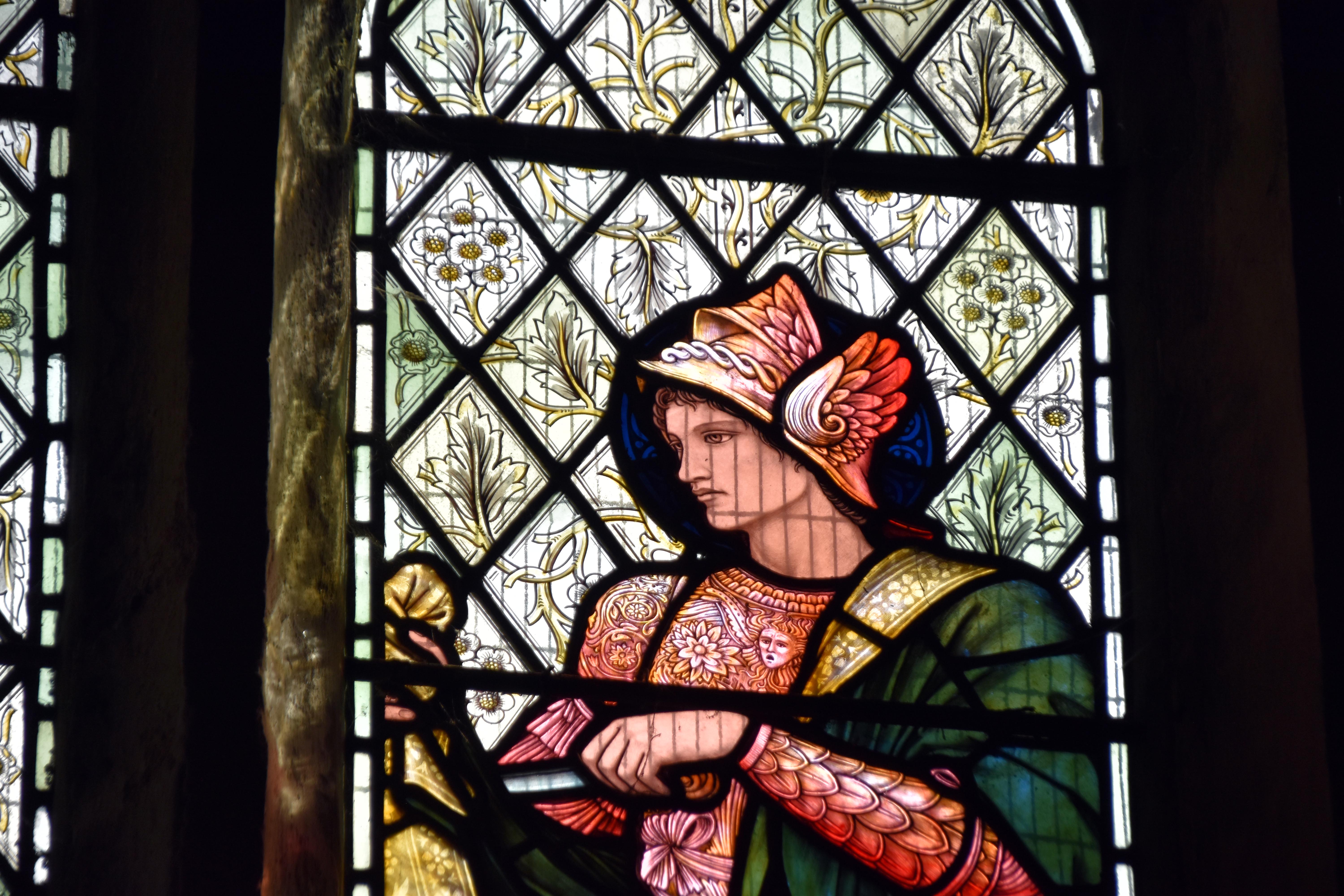
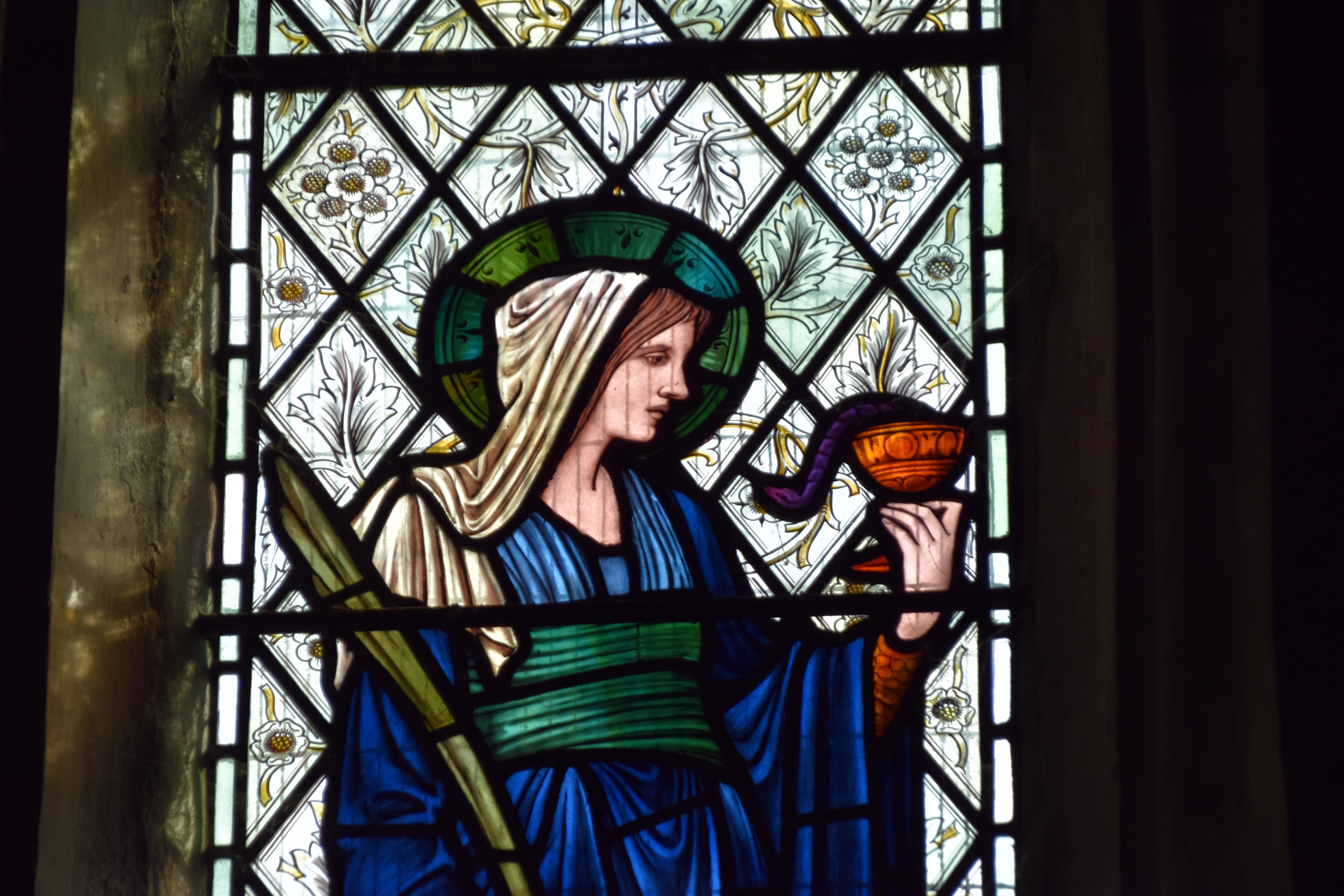
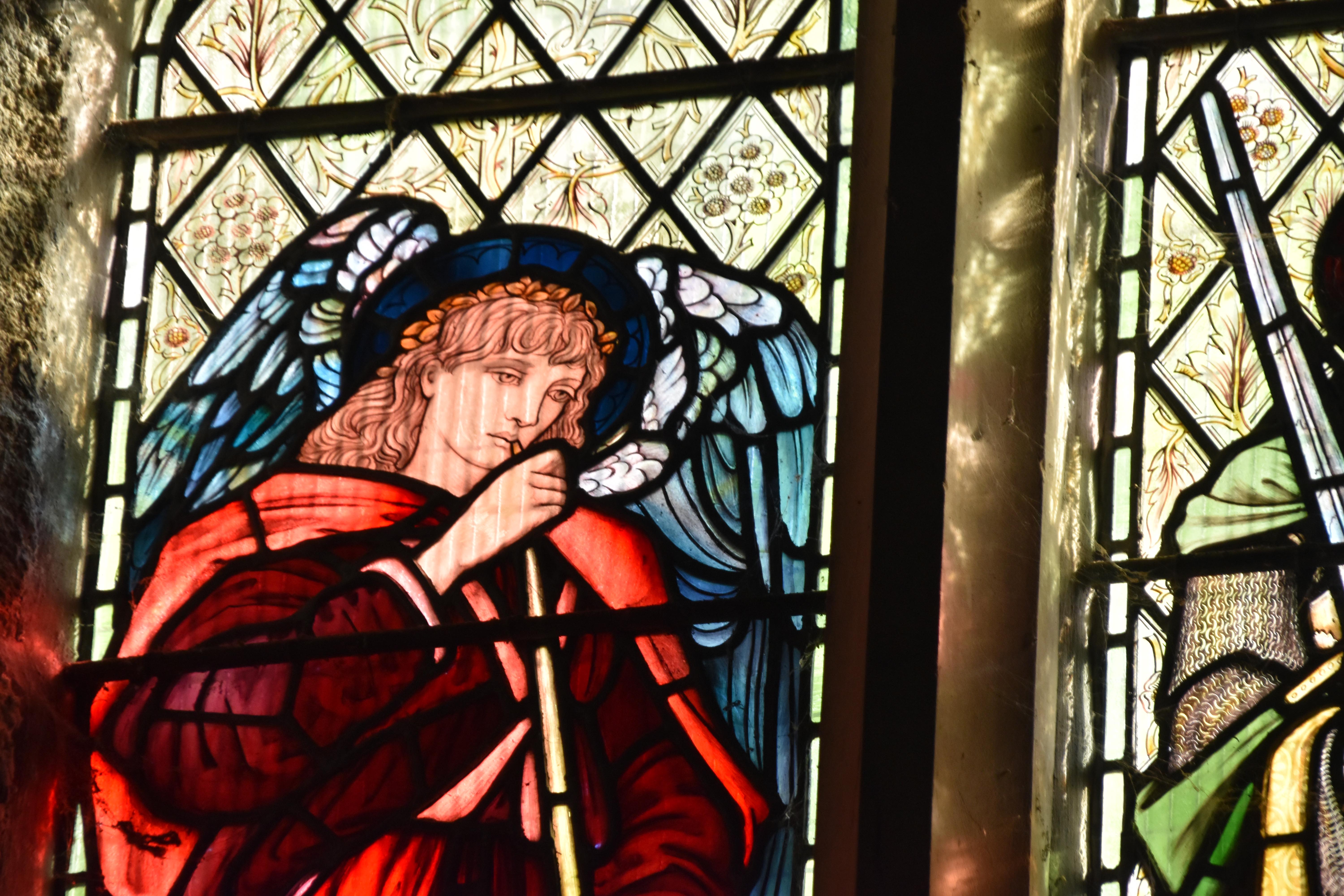
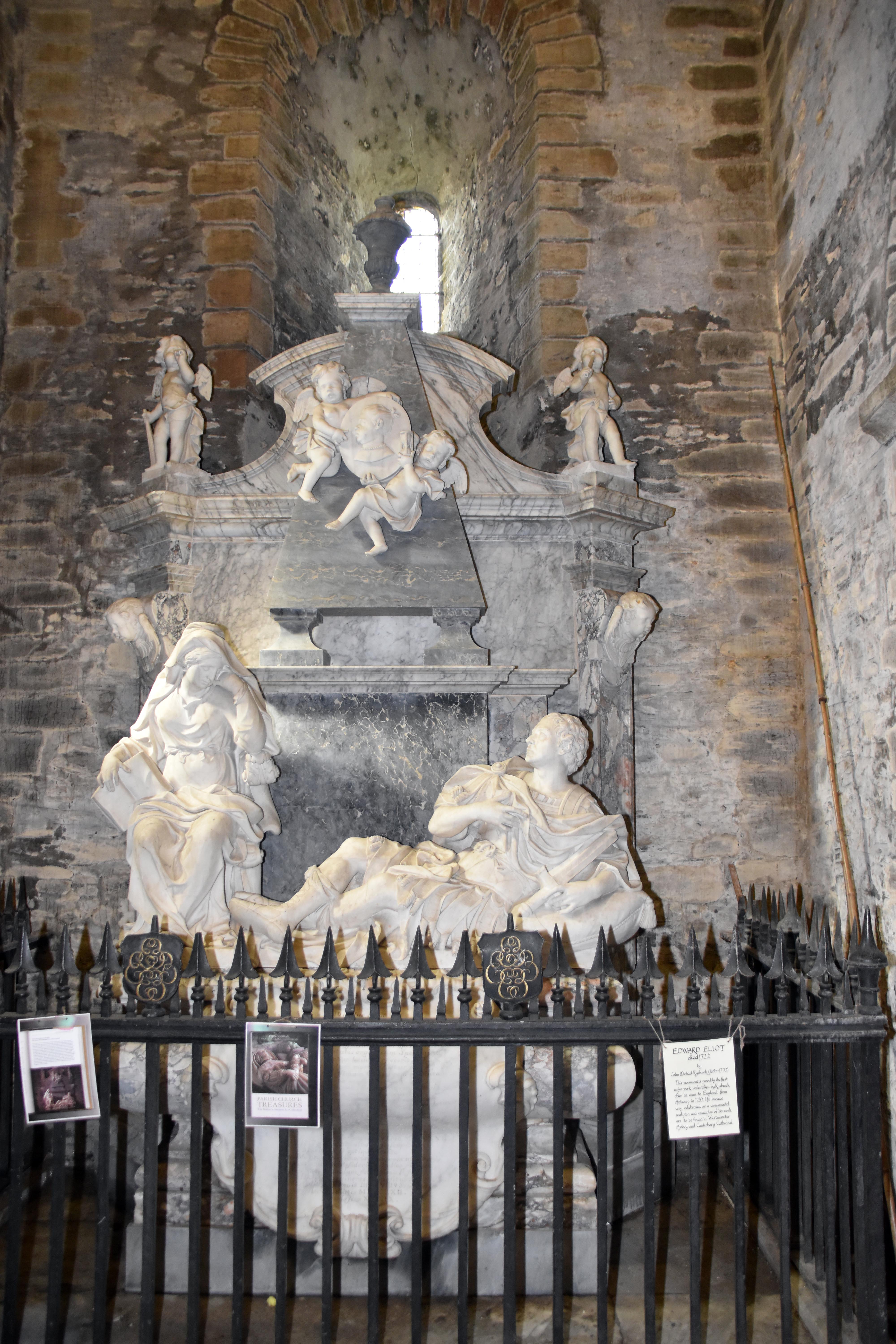
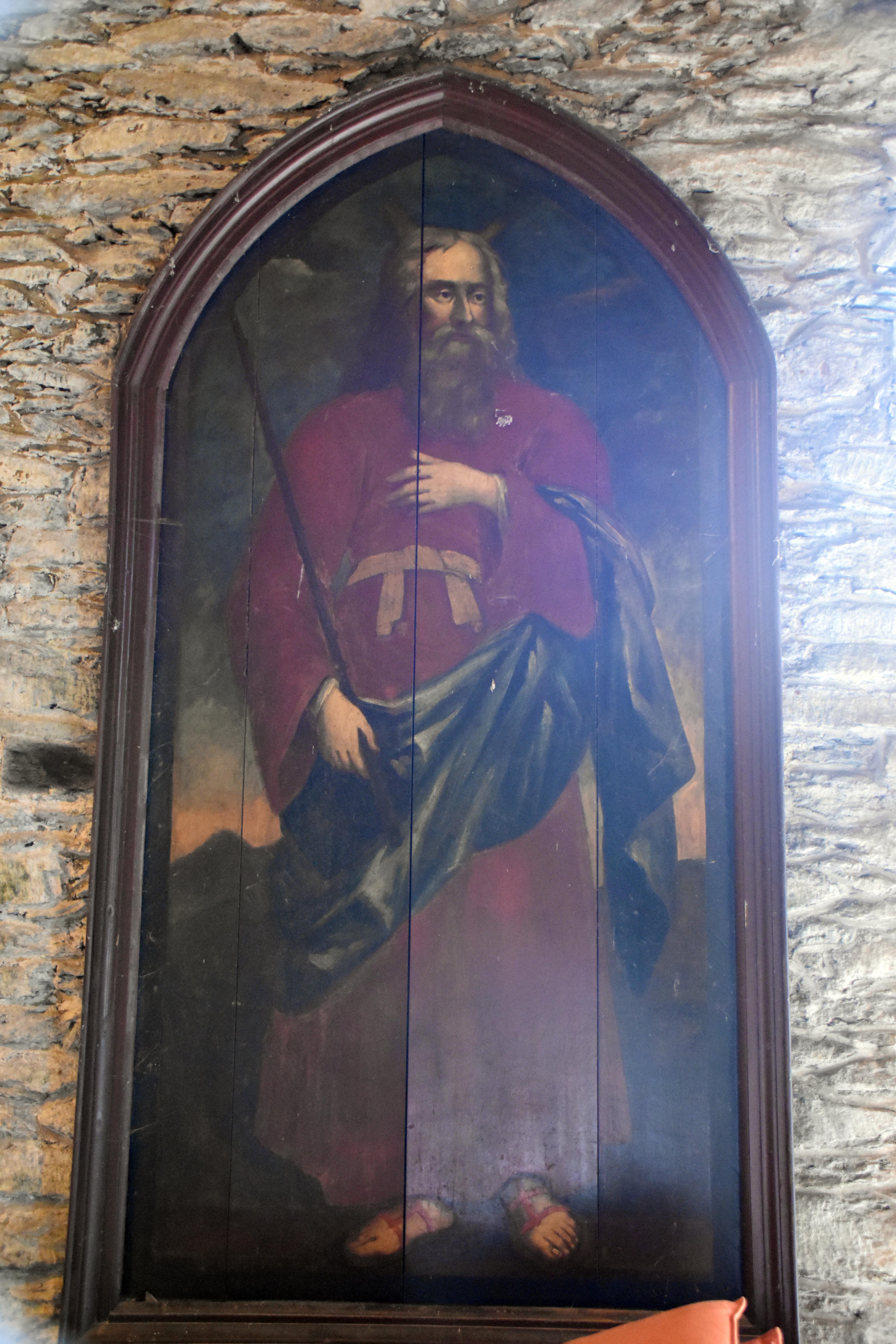
There were so many things to see in the church, including some striking pre-Reformation paintings looking decidedly oriental and one sporting Moses with horns that come from a mistranslation of the Bible at the time. As you pass one of those you see the striking monument to Edward Eliot by the famous sculptor John Michael Rysbrack. This was carved in 1722 and was one of Rysbrack’s first English commissions. He would go on to carve some of the finest monuments in Westminster Abbey and Canterbury Cathedral. But perhaps the most interesting of the recent additions to the church are the striking William Morris windows from the Arts and Crafts revival of the Victorian period. They are some of the finest examples of stained-glass window that you can see in Cornwall.
St German’s is one of those places that many people notice on the train but too few get off to explore this remarkable Cornish village with its awe inspiring viaduct, important ecclesiastical history and its home to one of the most influential post-Reformation families in the South West. It is a fascinating place at so many levels but breathtakingly beautiful with it.
|