|
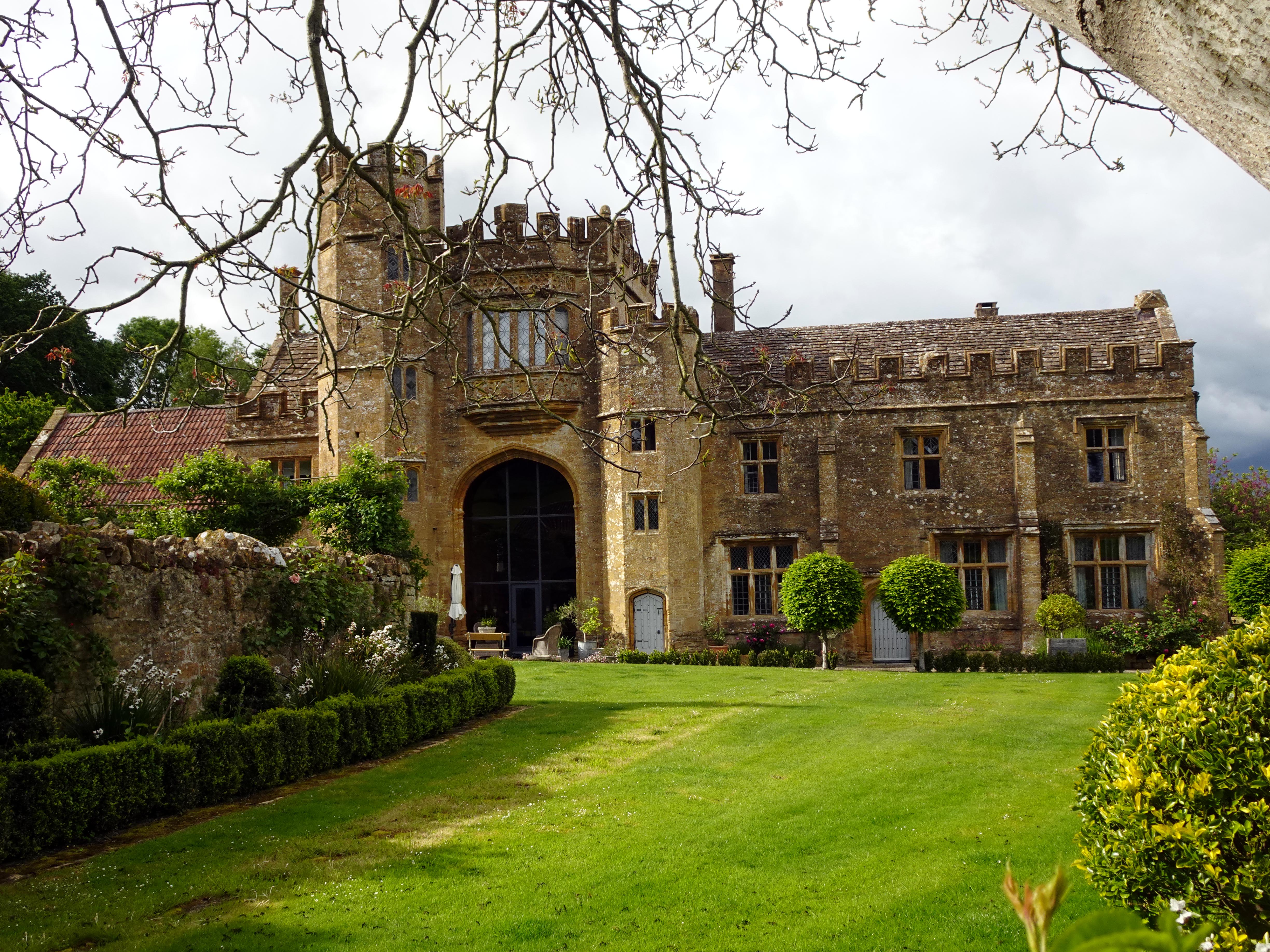
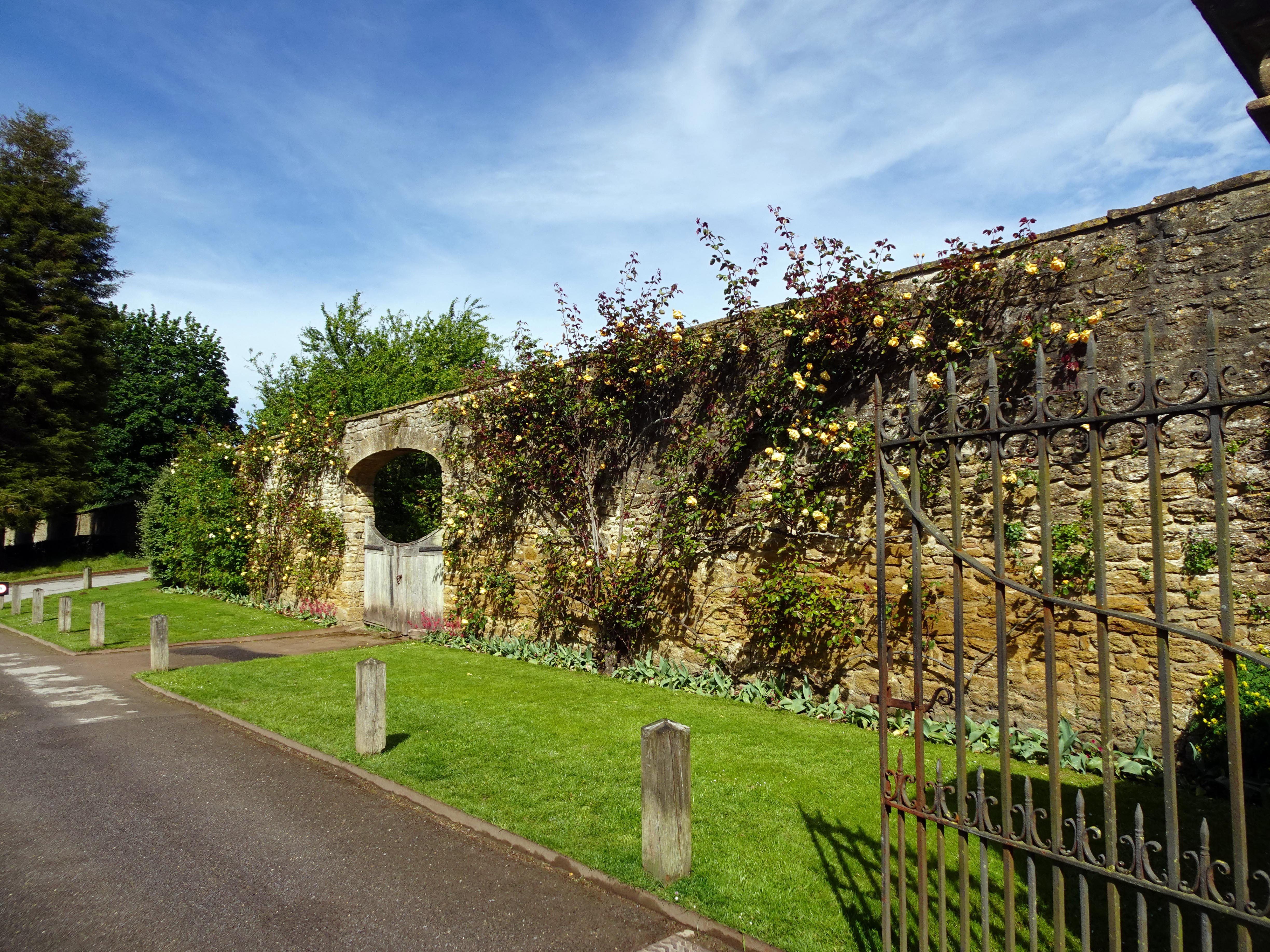
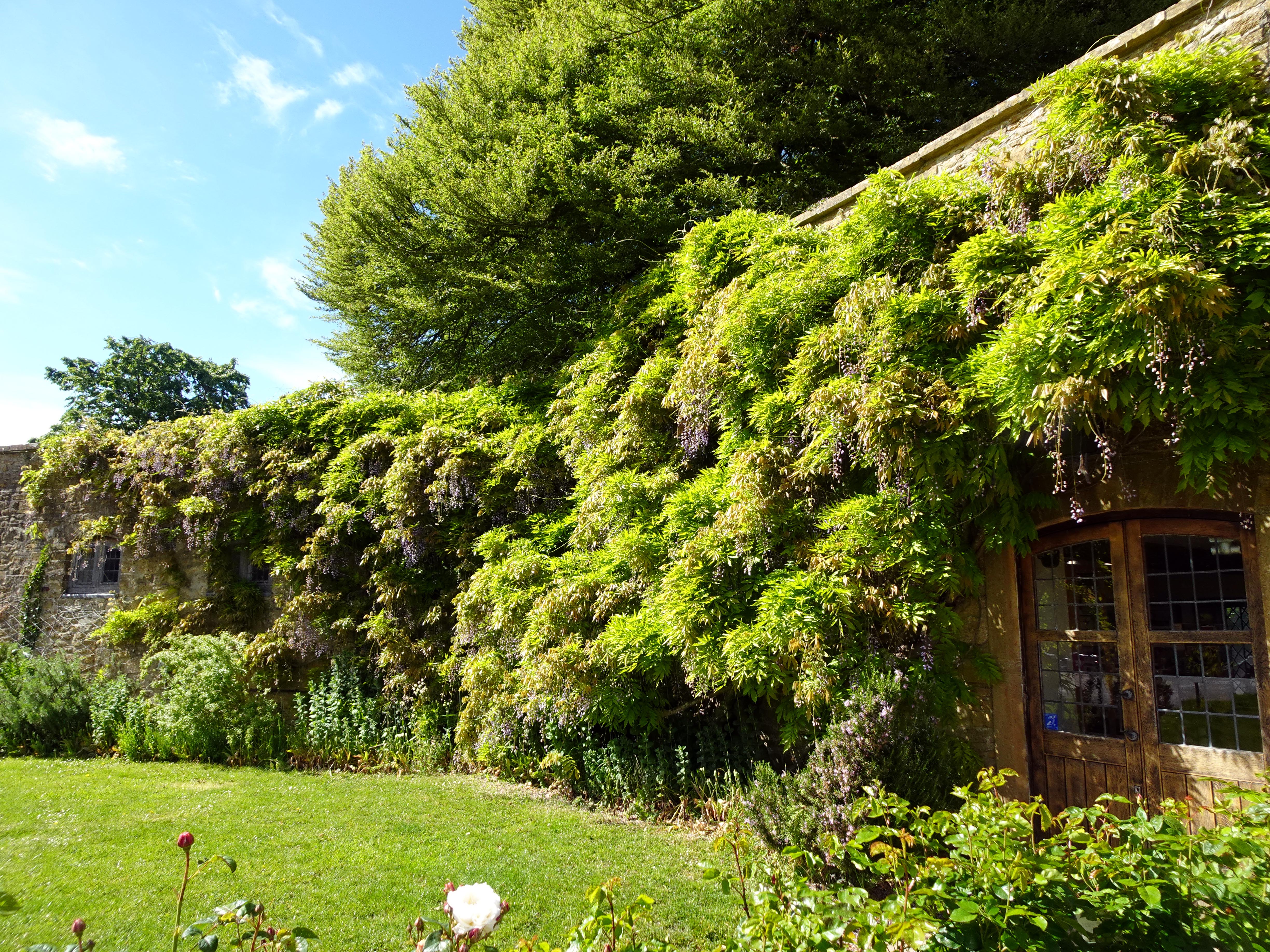
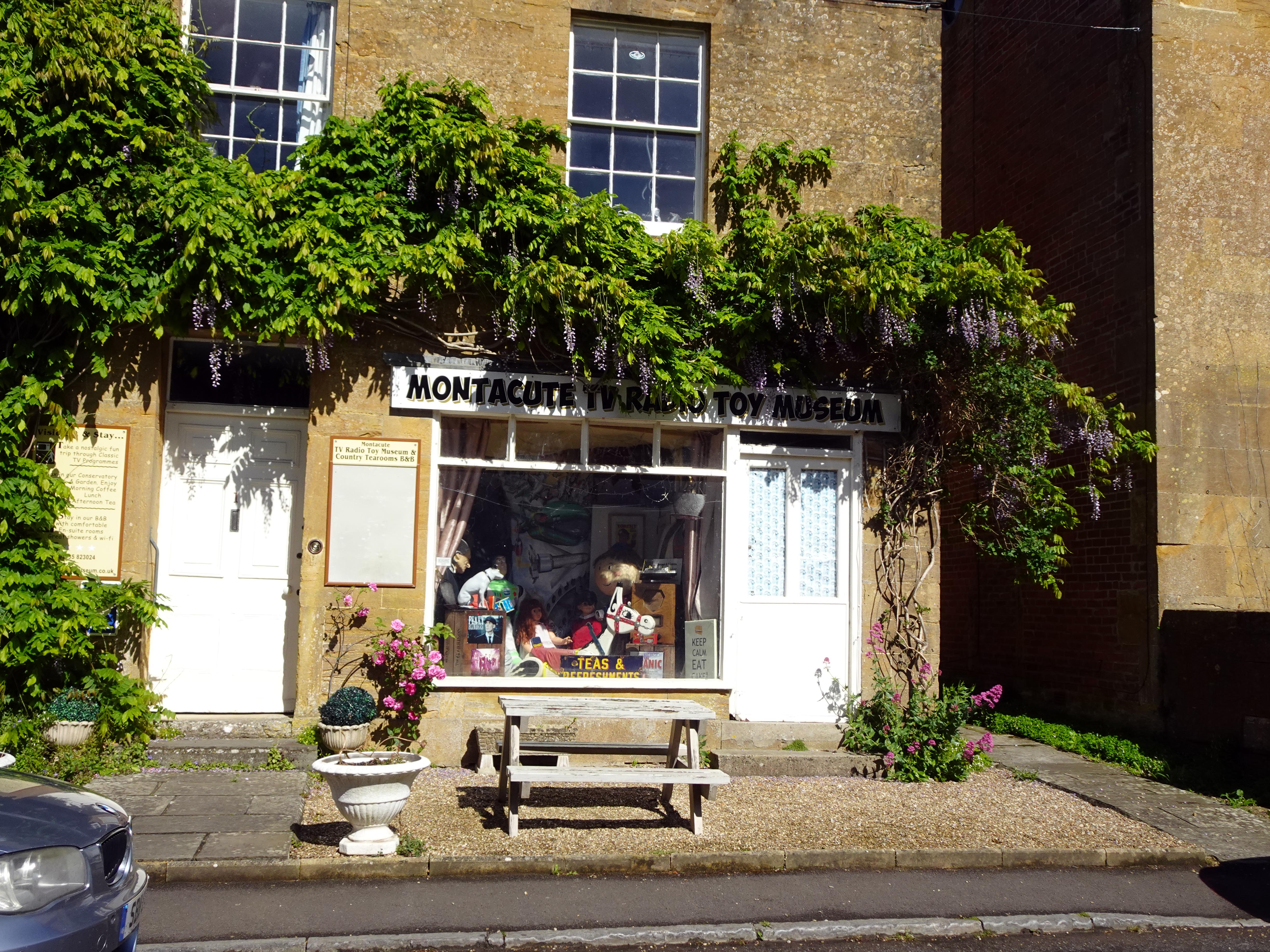
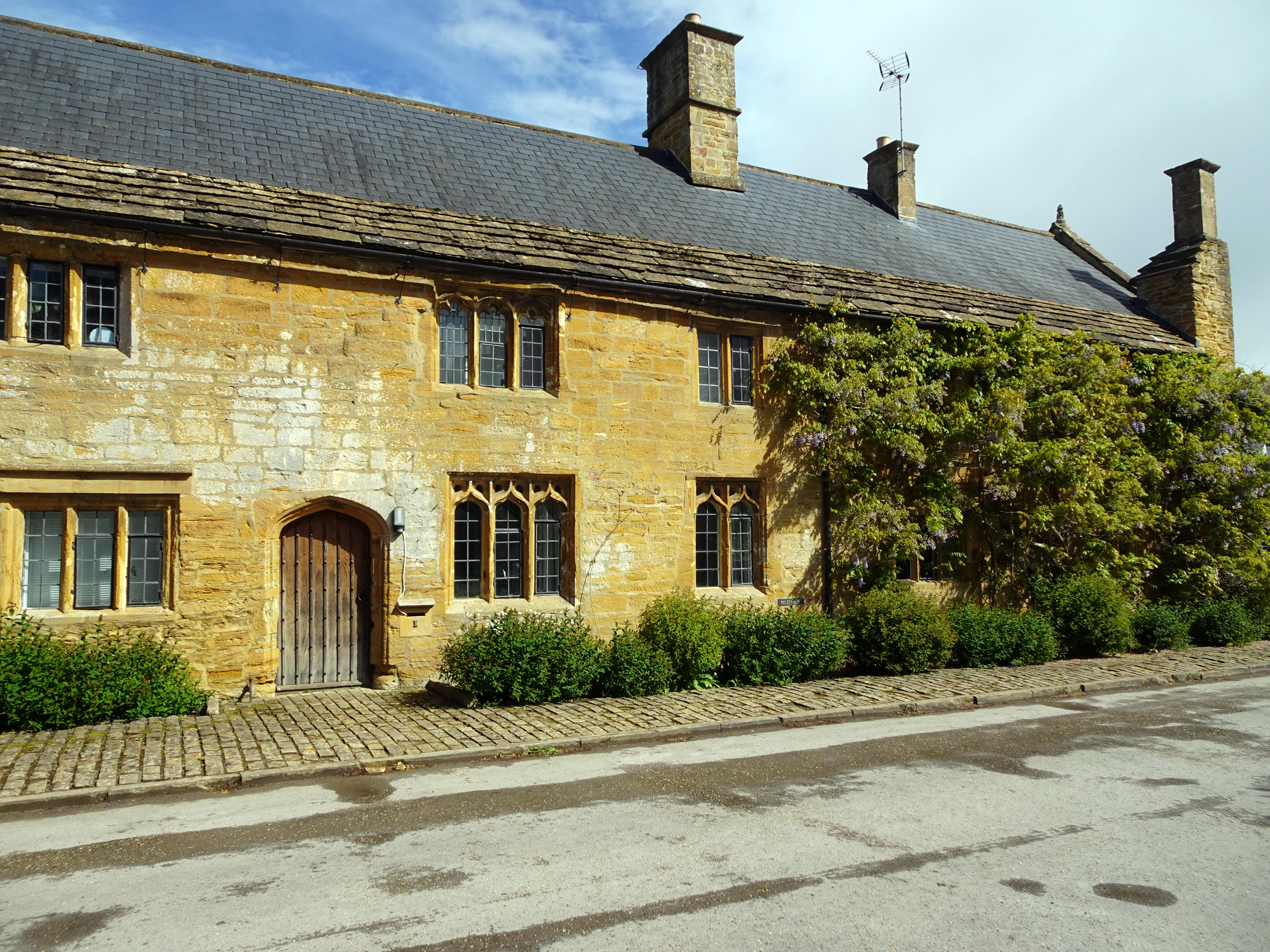
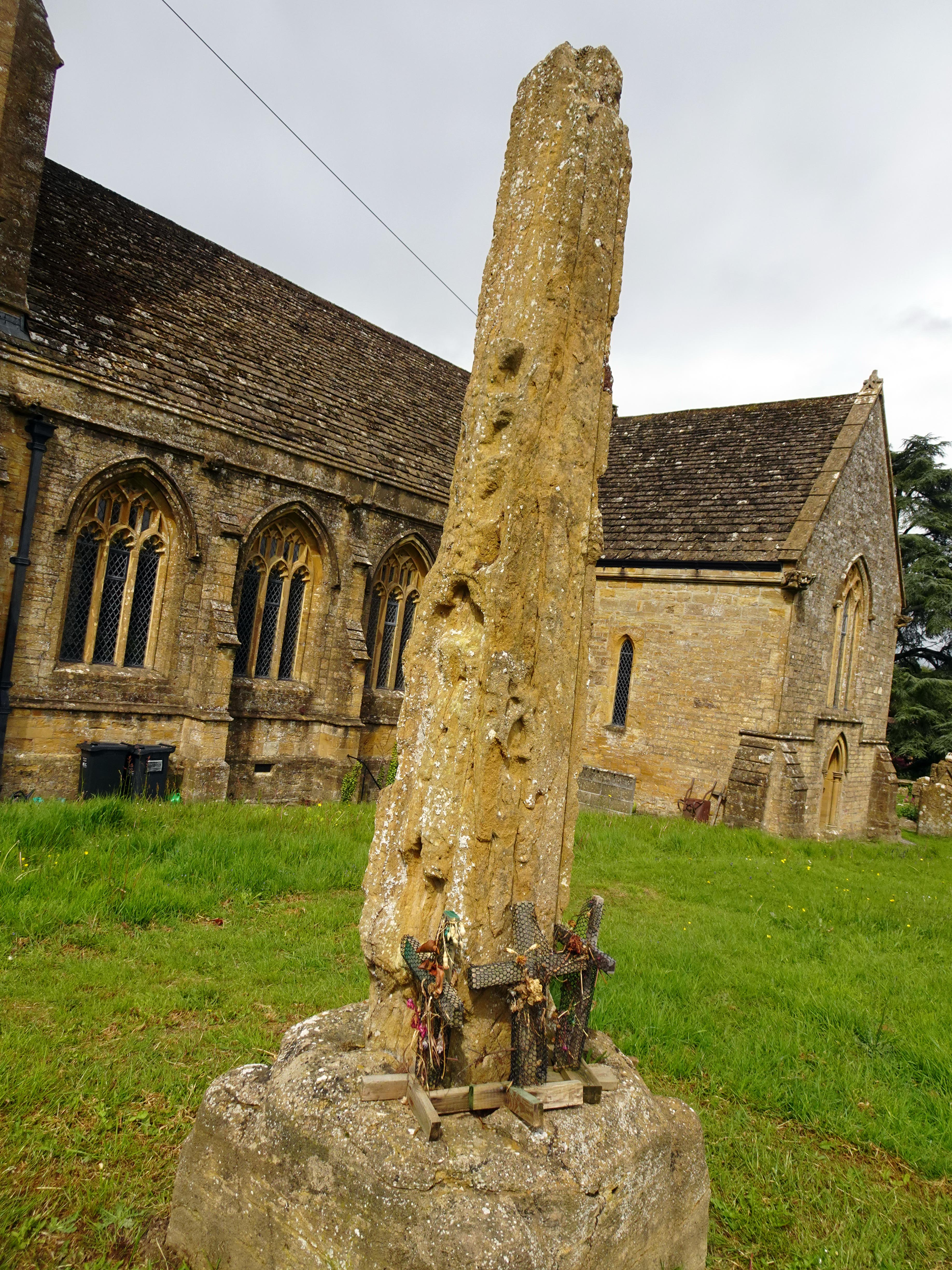
Rupert and I were travelling back from Bristol but decided to travel the pretty route along the old Roman road of the Fosse Way and then put in at the picturesque village of Montacute. All the buildings here are made of the beautiful honey‑coloured Hamstone which was quarried next door on Ham Hill. Hamstone has been used throughout much of Somerset and beyond. We were fortunate to catch it on a day with plenty of sun breaking through, bringing the honey‑coloured stone to life.
There is a large National Trust property here called Montacute House which used to be the family home of the Phelips family. It was built in a very English style known as a Prodigy House. They combine Renaissance style with medieval Gothic to form a distinctive late Tudor or early Stuart form of architecture. Prodigy refers to the favourites of Queen Elizabeth who used the growing wealth of an England in confidence to build suitably magnificent houses with the idea of them being impressive enough to host their monarch. The particular prodigy who built Montacute House was Sir Edward Phelips who was a lawyer and the Speaker of the House of Commons. He was to find fame as the prosecutor of the 1605 Gunpowder Plot prosecutions, famously ending in the gruesome executions of Guy Fawkes and the other conspirators.
|
|
|
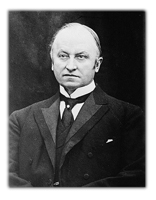
The house was also let out by the Phelips family to Lord Curzon from 1915 to 1925. He had been probably the most famous Viceroy of India, living up to the pomp and pageantry of the subcontinent in all its glory. In fact, he was the man responsible for the restoration of the Taj Mahal which was in bad disrepair at the time. Whilst living at Montacute he was the Foreign Secretary and gave his name to the dividing line between Poland and the Soviet Union, known as the Curzon Line, from 1919, as the two new nations warred with one another.

|
|
|
At Montacute House he was living with his lover Elinor Glyn – who was, shockingly, married. She was a glamorous socialite author descended from French aristocracy and popularised the early 20th‑century concept of the ‘It Girl’ through her writings when she wrote: “IT draws all others with magnetic force. With 'IT' you win all men if you are a woman – and all women if you are a man. 'IT' can be a quality of the mind as well as a physical attraction." Montacute House was old and cold when she lived there. It had been leased as something of a conservation project by Curzon. Her husband died in 1915 which should have cleared the way for the two lovers to marry. Unfortunately she was to read in the newspapers that her lover had become engaged to a wealthy American heiress by the name of Grace Duggan. Elinor was not impressed and burned her extensive collection of love letters and left the house, never to speak to Lord Curzon again.
Lord Curzon’s career, though, careened in the highest echelons and in 1923 he expected to be elevated from Foreign Secretary to Prime Minister in this very house in Montacute. Britain’s only Canadian‑born Prime Minister, Bonar Law, had been diagnosed with throat cancer not long after having won a majority without depending on Lloyd George’s National Liberals the previous year. Lord Curzon was of the old patrician class and expected to be summoned.
Indeed, with echoes of today’s political turmoil, Lord Curzon retired to Montacute which he was renovating over the Whitsun weekend of 1923. Famously he had not installed a telephone and so was totally unaware that Stanley Baldwin had remained in London and was manoeuvring to be the man to replace Bonar Law with much greater alacrity. Eventually a telegram did arrive in Montacute House summoning Lord Curzon to meet with the King’s private secretary, Lord Stamfordham, in London. Lord Curzon assumed it was to be made prime minister and beamed for photographers as he got off the train… only to find out that he was being informed that Stanley Baldwin was to be the prime minister. So Montacute House’s lack of a telephone may well have tipped the balance.

|
|
|
Montacute has one of the most beautiful Baptist churches I have seen – again thanks to its Hamstone, but also it is surprisingly ornate. Sadly we could not get inside, but what an impressive, if steep, entranceway to the church it has. This area has a long history of Anabaptists stretching back to the English Civil War, the Monmouth Rebellion, and William of Orange. They were big supporters of the Dutch invasion, which passed the 1689 Toleration Act, permitting legal non‑conformist worship throughout the country for the first time since the Commonwealth.
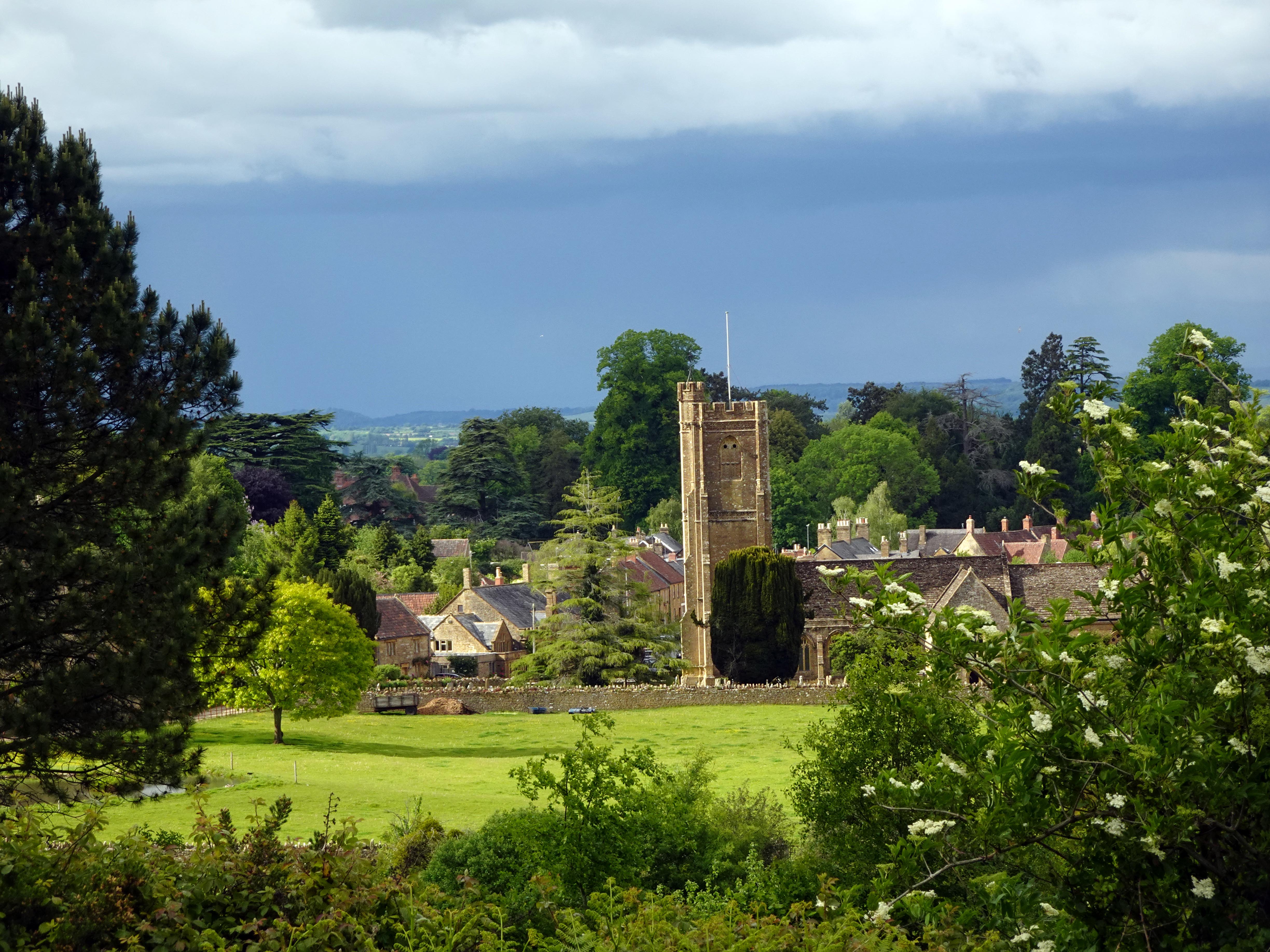
After sauntering through the village in the declining sun we then followed the ‘Ladies’ Walk’ up around the village with its stunning views back towards Montacute and over to St Michael’s Tower which is a folly built on top of a hill that was originally a Norman motte‑and‑bailey castle that overlooked Montacute and would have dominated much of the surrounding area. It could have been seen for miles and especially over the Fosse Way which is close to where the current A303 runs. The surrounding hills that we were walking through were used as a deer park for the Norman knights to hone their martial skills within. This was the main castle of Robert of Mortain – the 1st Earl of Cornwall and half‑brother to William the Conqueror.

|
|
|
Robert’s son William built a priory, the gatehouse of which can still be seen as you descend back into the village from the hills. It is a stunning private property now but is one of the all‑too‑few religious houses to remain to a certain extent from before the Reformation. Once 25 monks lived here with their Prior. The fishpond may well be the remains of the priory’s fishpond. Today it was full of carp; back then it would have been full of eel, pike, or bream.

|
|
|
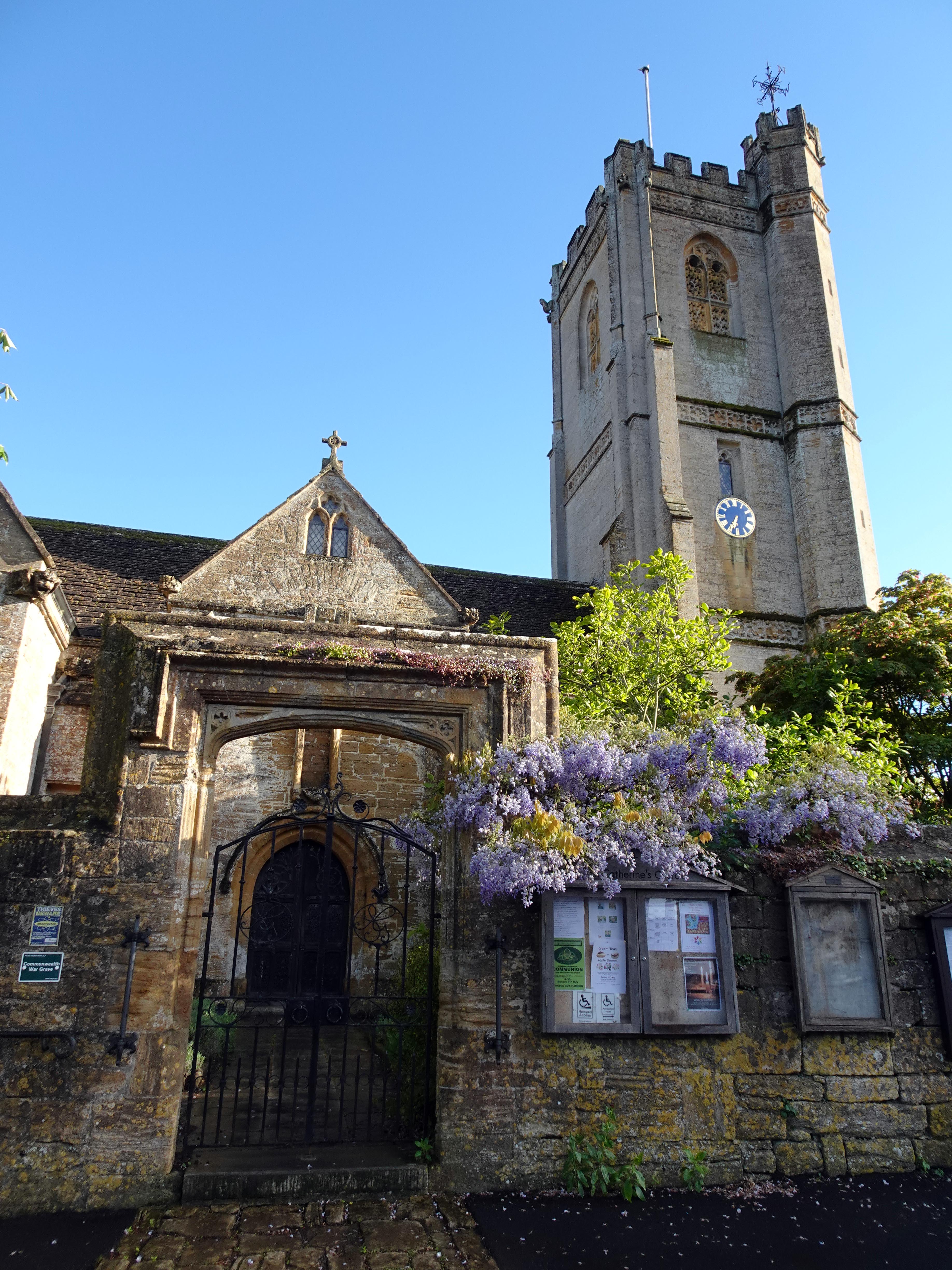
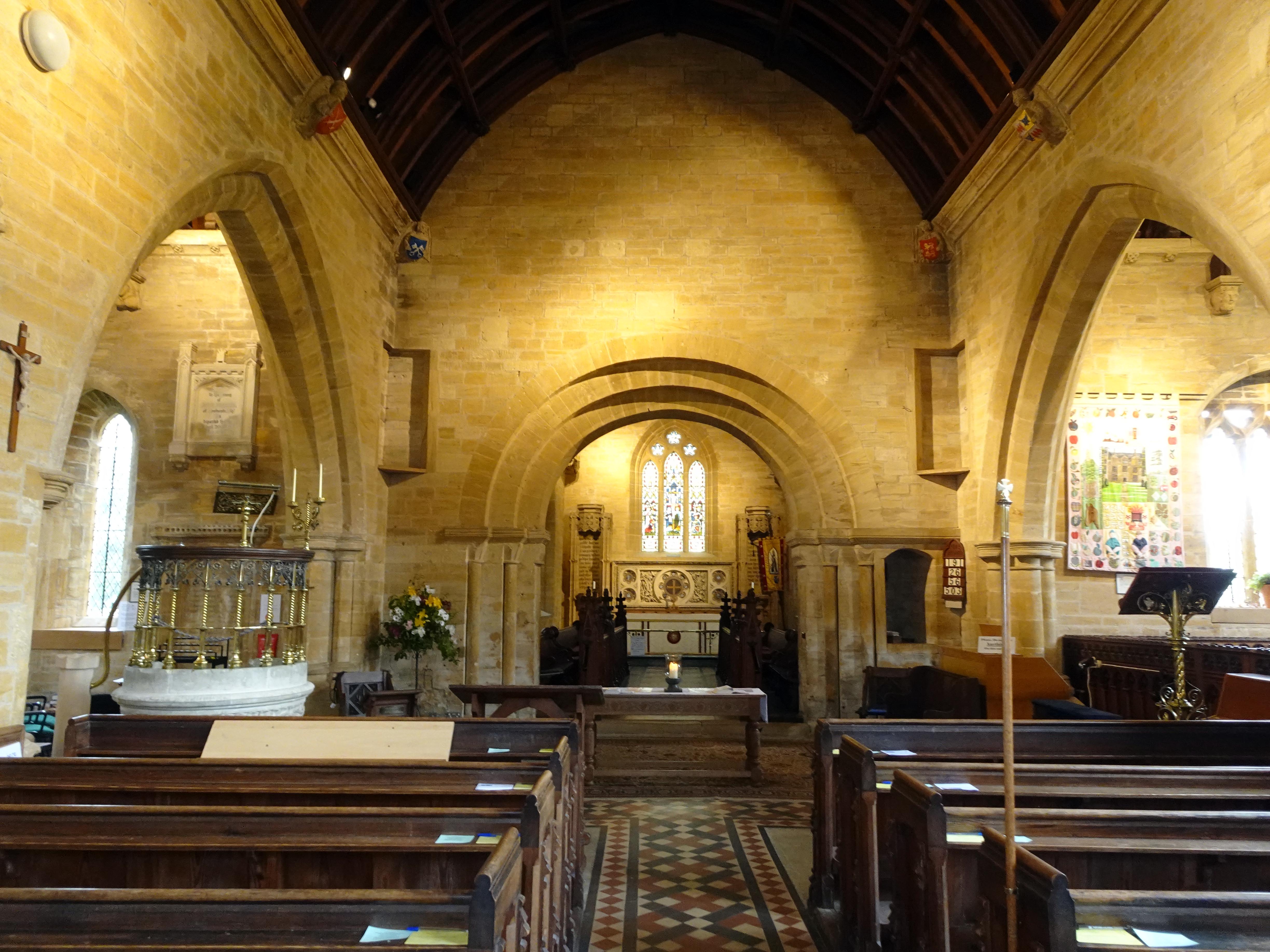
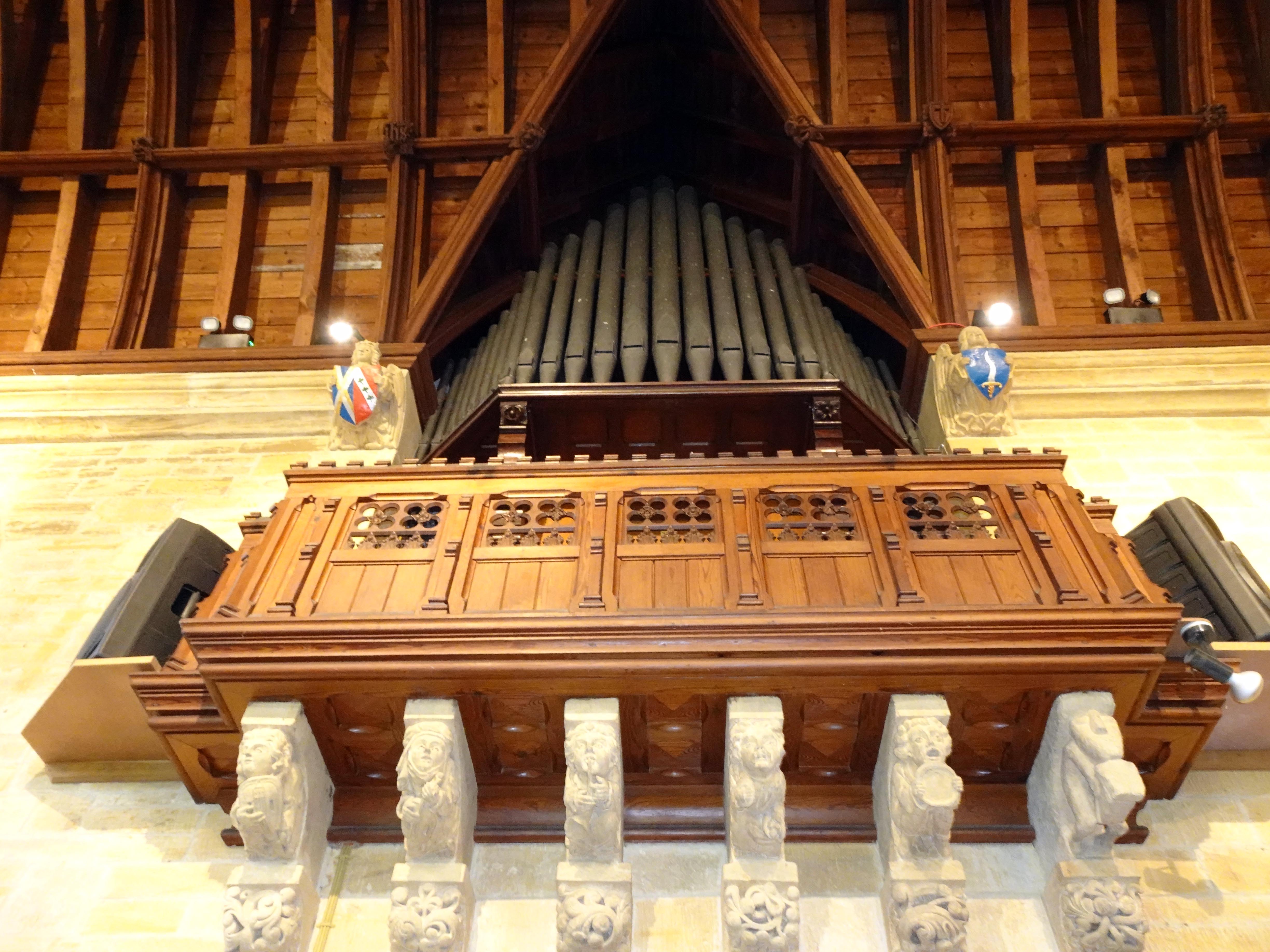
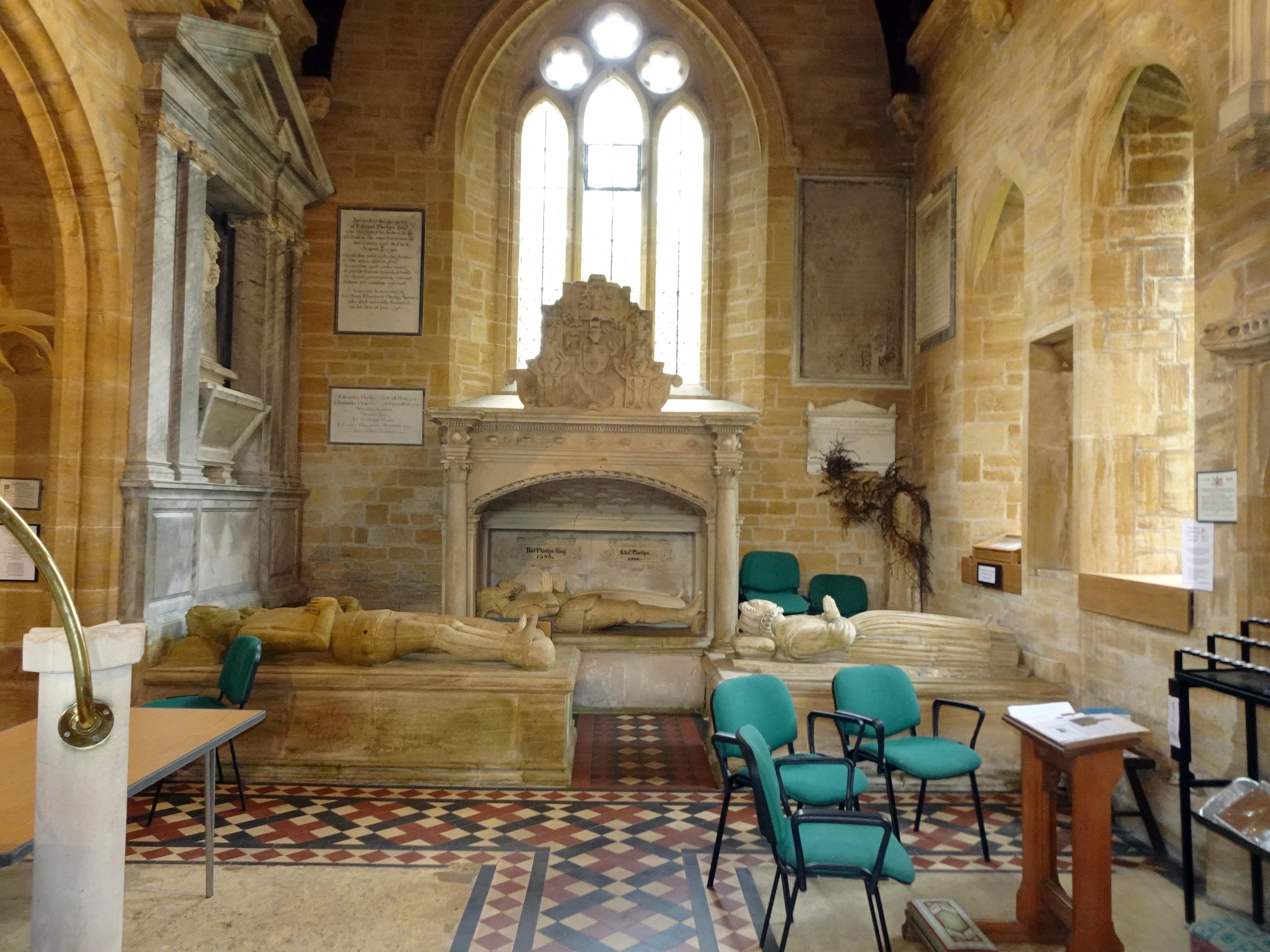
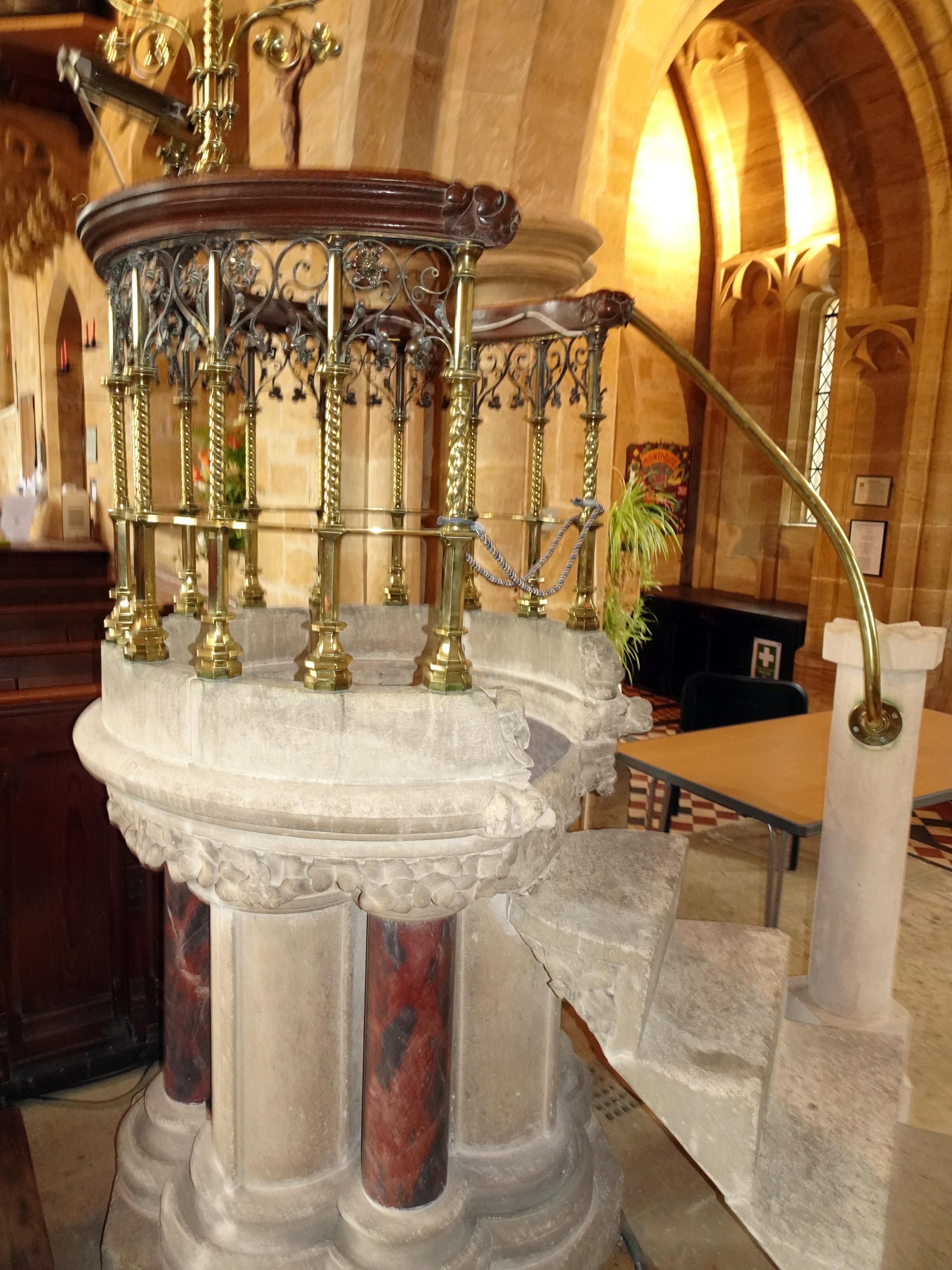
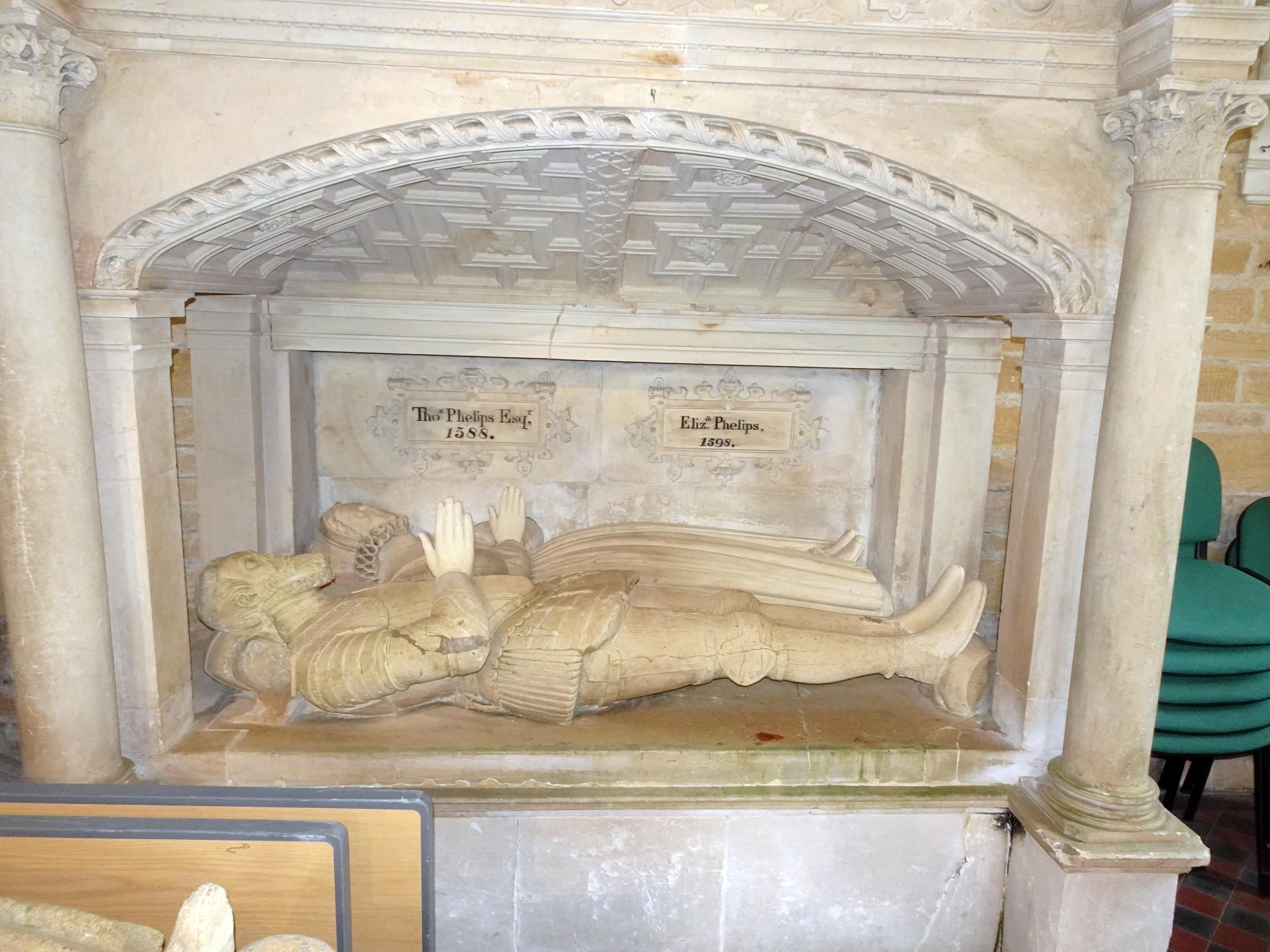
St Catherine’s Church dates back to the time of the priory, although the priory would have had their own private chapel. Named after Catherine of Alexandria (of Catherine‑wheel fame) the church incorporates Catherine‑wheel motifs within the arches and in the nave. The church has a stunning organ held up by some interesting‑looking corbels. The Phelips family are very well represented by some very impressive marble monuments dating from 1484 to 1598, giving you a wonderful span of almost the entire Tudor period in terms of fashion and the look of the lords and ladies of the manor.
|
|
|
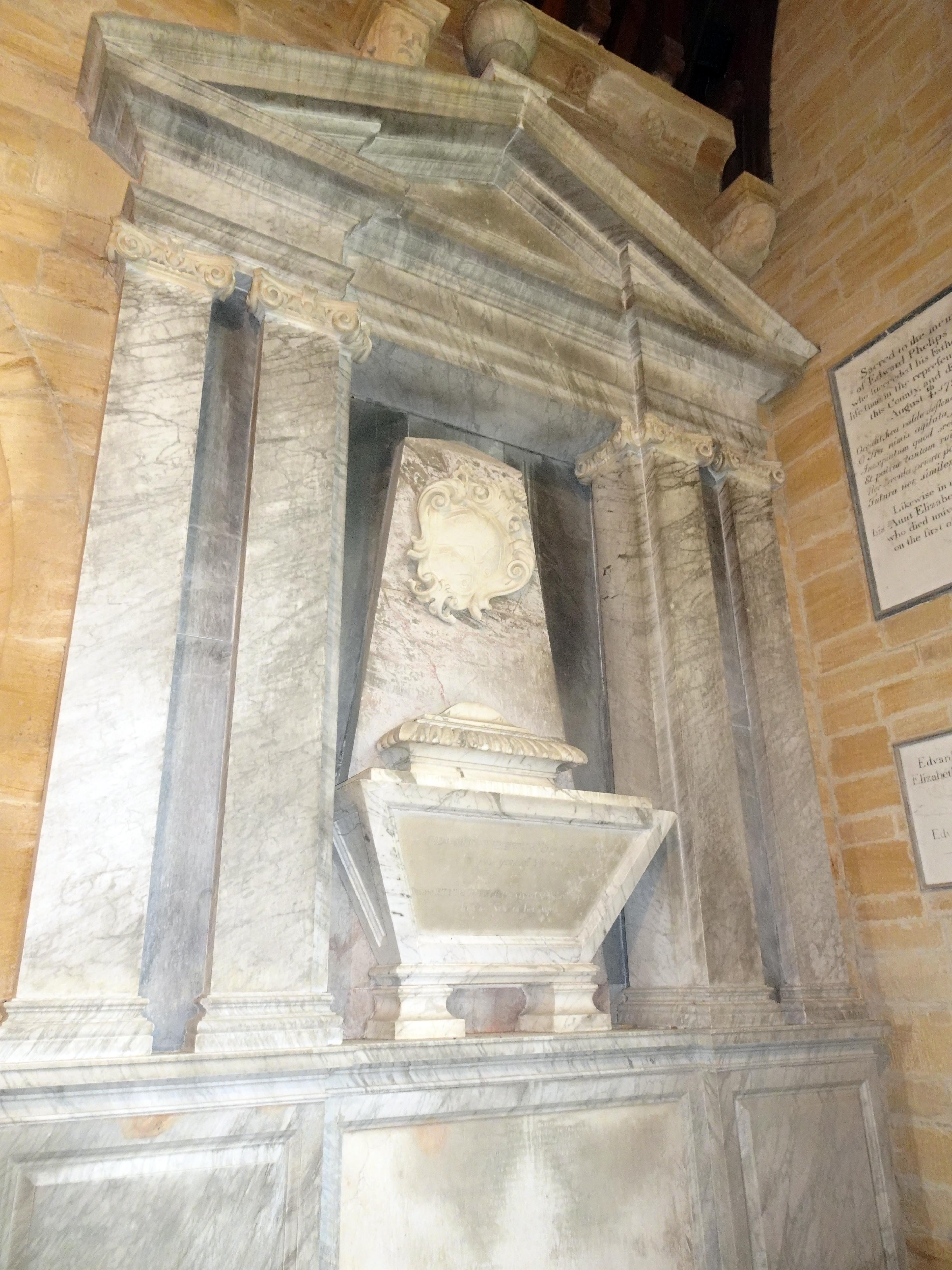
As ever there were some fascinating memorials on the wall. There was a very interesting one to Reverend William Langdon, his wife, and their four sons. She died at the young age of 42 in 1795 but the sons had very eclectic careers. The eldest was William Langdon, who it says died on the coast of China and is buried at Canton in 1789. The next son was Major Gilbert Langdon who it says was in the Royal Marines and fought at the Battle of Camperdown where the Royal Navy under Admiral Duncan scored a dramatic victory over the Dutch Navy of the French‑client Batavian Republic. But it also goes on to say that he participated in the attack on the French flotilla off Boulogne in 1801 under Admiral Nelson no less. The third son was Lieutenant Charles Langdon who was with the 21st Bengal Native Infantry, who served with Lord Lake in his campaigns in India, sadly dying in Agra (where the Taj Mahal is) in 1805. And finally the fourth son was Lieutenant John Tobias Langdon of the Royal Navy who it says was wrecked in HMS St George off the coast of Jutland in 1811 where only six men from a crew of 730 survived. She had been caught in hurricane‑force winds and not only did she founder, but HMS Defence, which attempted to come to her aid, was also driven ashore and shattered. In total some 1,400 sailors died in what is still to this day the worst maritime disaster off the Danish coast. But what is also intriguing is that at the bottom the table says that it was erected by Captain William Langdon R.N. M.L.C. of Montacute, Tasmania. He was the fifth son of the family who survived them all. He also was a mariner who served throughout the Napoleonic Wars from the age of 13. After the wars finished he bought his own ship and became a trader between Australia and England - in this capacity he actually became the first English owner of lands in the Falkland Islands when he stopped off their on two separate occasions en route from Australia and Britain. He took possession of 10 square miles on East Falkland Island and would play an important role in lobbying the British government to take formal control of the islands which they did in 1841. He also bought an estate in Van Diemen’s Land (modern‑day Tasmania) which he nostalgically called Montacute after his hometown. He took great delight in introducing all sorts of birds to the colony such as pheasants, partridges, and blackbirds. He encouraged fellow Westcountry men to emigrate to Australia and rose to become a member of the Legislative Council and, given his naval skill, was made honorary commander of the Tasmanian Navy. I believe the acronyms after his name refer to Royal Navy and Member of the Legislative Council. There is a separate memorial to him after he died in Hobart in 1879.

|
|
|
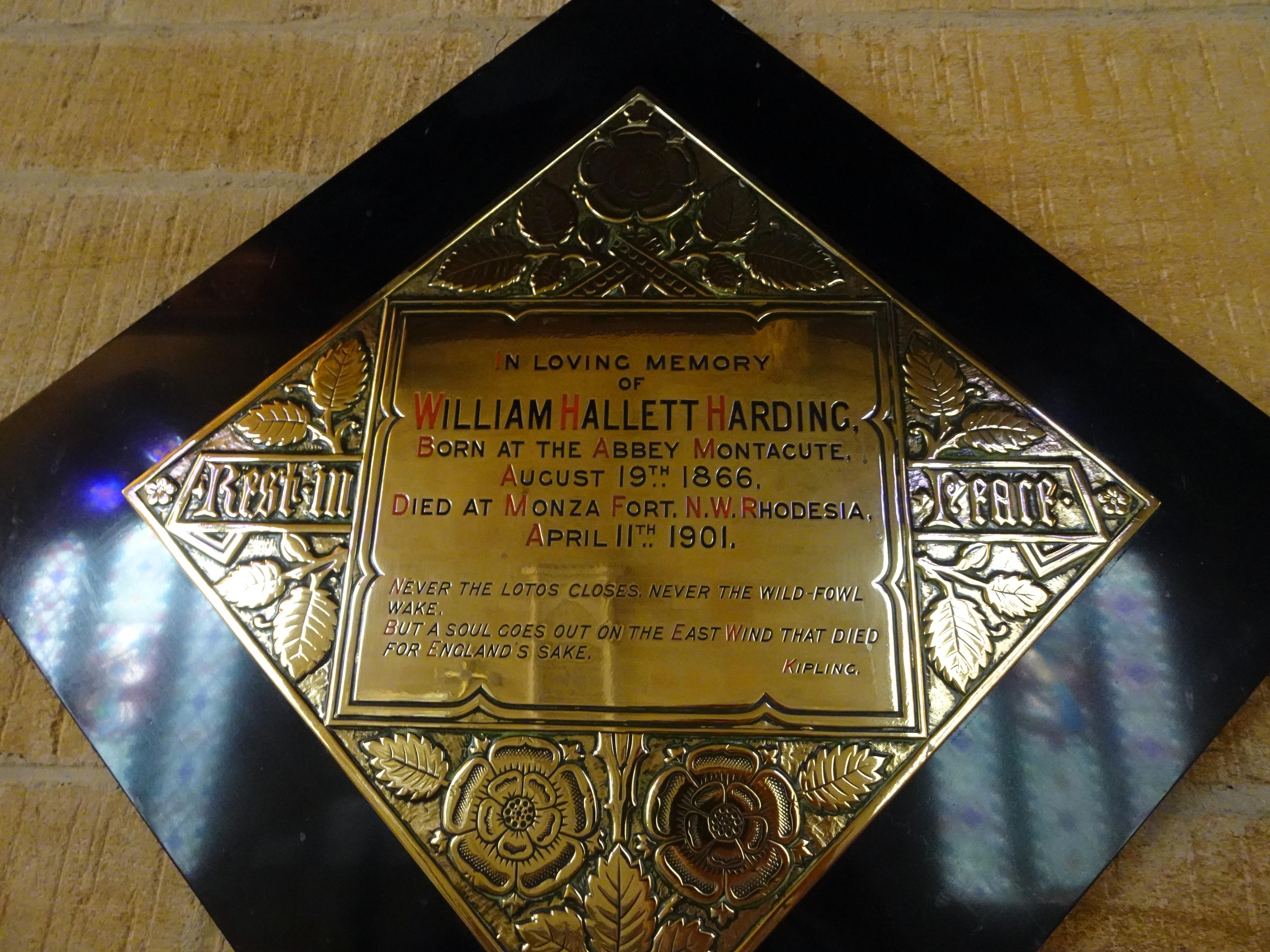
There was another intriguing imperial memorial in the church to William Hallet Harding who died at a British South African Police post in Monze Fort in North‑West Rhodesia in 1901 with a suitably imperial quote from Kipling: “Never the Lotos Closes, Never the Wild‑Fowl Wake. But a Soul goes out on the East Wind that died for England’s Sake.” He was serving under his brother Colin Harding and trying to help to map the area around Victoria Falls for the Royal Geographical Society and for the local administrators. He had sent one of his troopers to purchase some grain. Sadly Trooper Lucas fell ill with blackwater fever. William rode out to look after his trooper and to bring him back to Fort Monze. Unfortunately in the process he contracted the same disease. Trooper Lucas was to make a recovery but William Harding and one other trooper were not so lucky. Ironically Trooper Lucas had to lead the burial and firing party for those who had rescued him. William’s brother Colin later served in West Africa during the First World War, became an author, has his own memorial in the church and is buried in the graveyard outside. No doubt he was the person responsible for the beautiful bronze plaque to his younger brother.
|
|
|
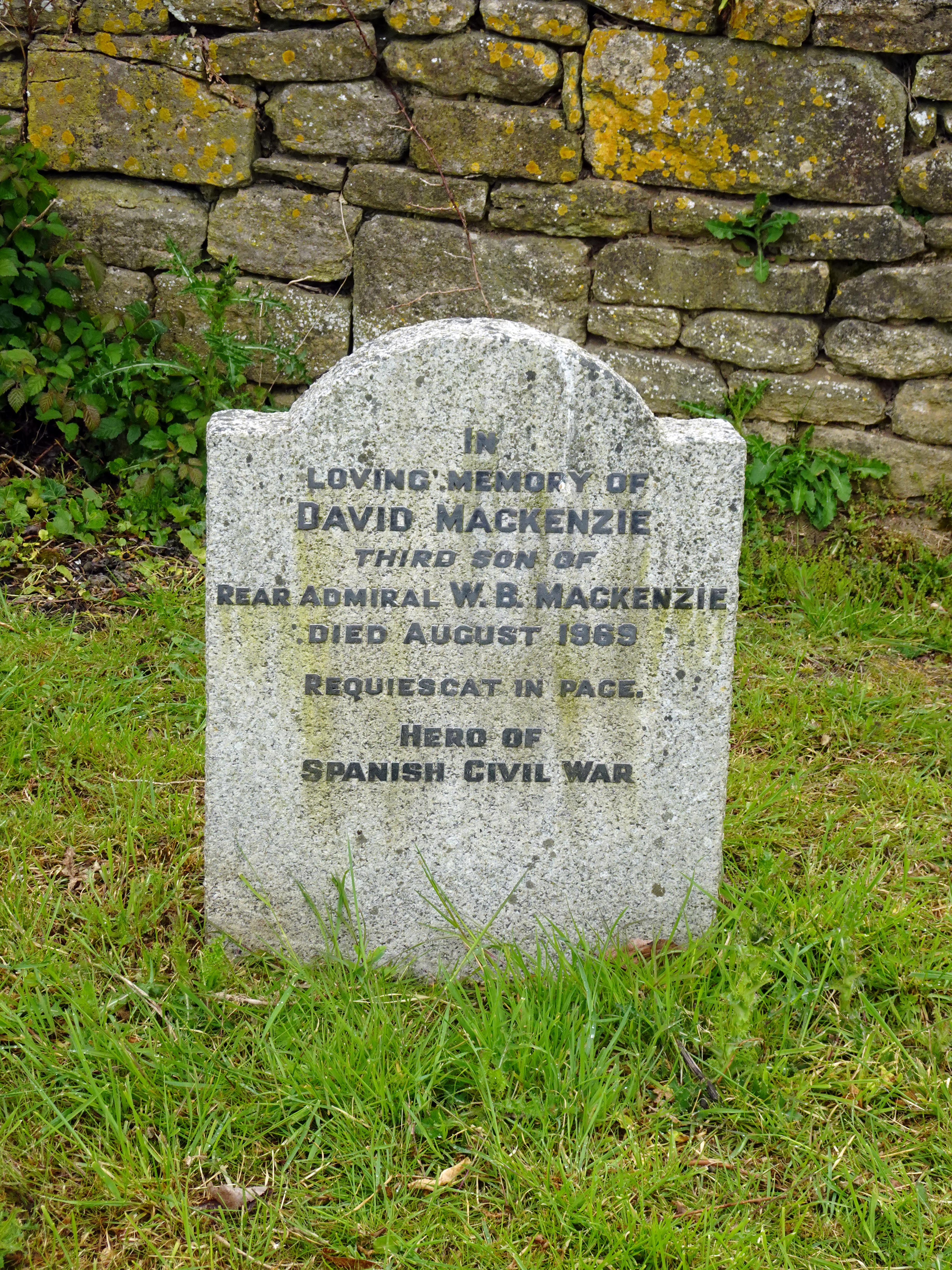
There was one other fascinating grave outside and that was to David Mackenzie which has the eye‑catching phrase “Hero of the Spanish Civil War”. It also points out that he was the third son of Rear Admiral W. B. Mackenzie which in itself is intriguing as his father disowned his son when he took up arms on behalf of the largely Communist‑inspired International Brigade. David was born in Cornwall and educated at Marlborough before studying history, law, and medicine – as you do. As a 20‑year‑old he volunteered to fight the Fascists in Spain. He joined the French Commune de Paris Battalion. He was in the thick of the fighting and took on a medic’s role as well as manning a machine gun as part of the English Machine Gun Element. He was actually reported dead in error at one point in the fighting around Madrid which must have come as a shock to his family. One wonders when he reconciled with his father, perhaps when the horrors of the Fascist ideology came fully to light in the aftermath of the Second World War. Nevertheless it obviously was important to him to have his father’s name on his gravestone.

|
|
|
I love how going to pretty much any English village you can instantly be transported all over the world. We did not just stop off in Somerset today, we also visited Australia, Central Africa, India, Spain, and sailed the high seas. History does not just go backwards in time, it spreads out geographically all over the world. And it all looked particularly beautiful in the late evening sun on the delightful Hamstone architecture of Montacute.
|