|
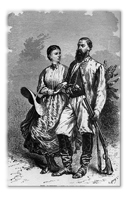
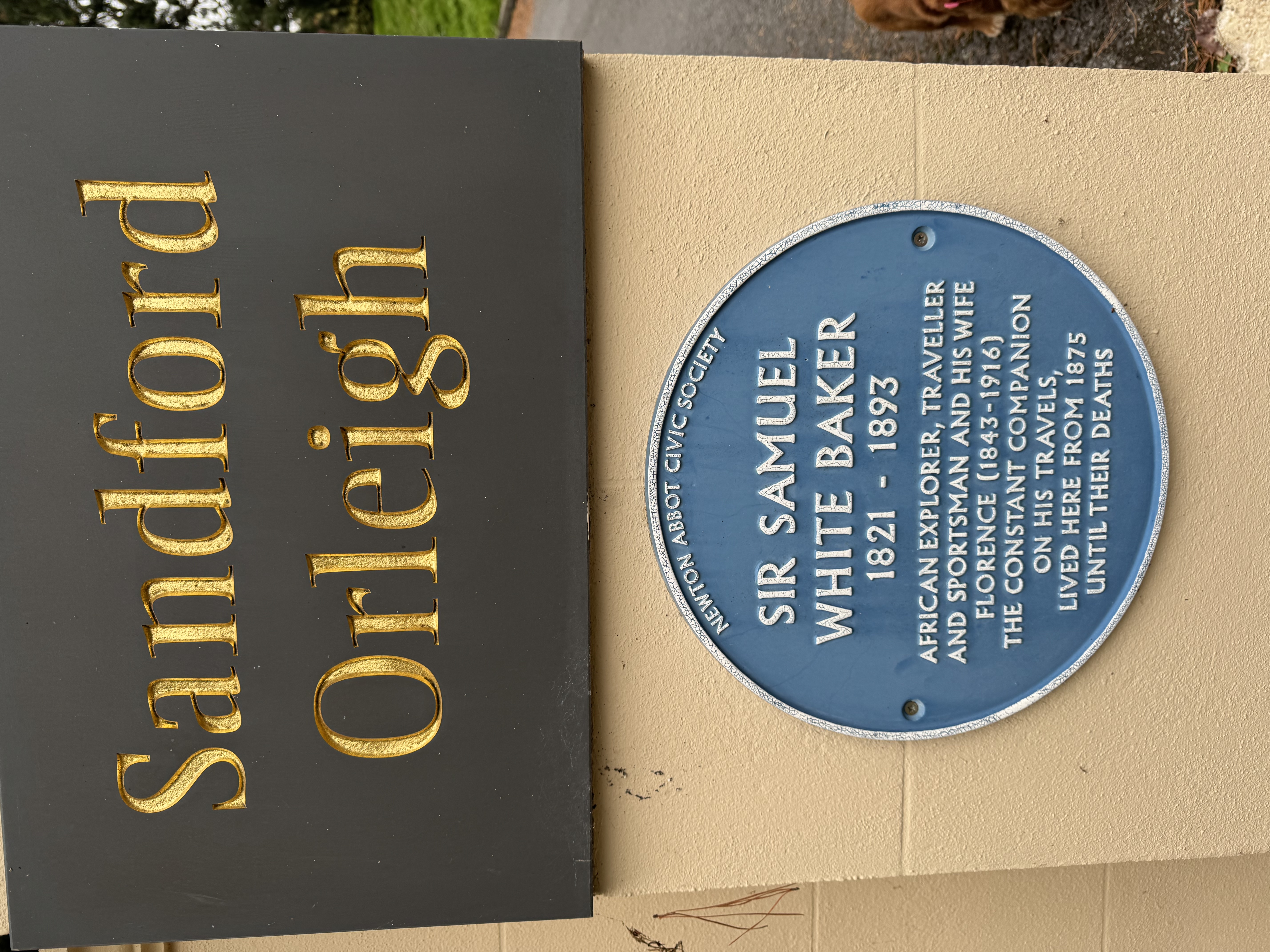
“She’s Not a Screamer!” What better description can a husband give about his wife —and in this case, it was certainly true. Today’s adventure began with a pilgrimage to the home of my favourite explorer couple—and they really did explore as a couple. Samuel Baker and his wife Florence lived in Newton Abbot at Sandford Orleigh Hall. That house welcomed the A-list of Victorian society, including Gordon of Khartoum before his ill-fated mission to Sudan, and the Prince of Wales.
Samuel Baker (and his wife Florence) had intercepted Speke and Grant during their expedition to discover the source of the Nile. The Bakers then launched their own fearless journey into the depths of darkest Africa. Florence, originally a Hungarian, had been captured by pirates and somehow ended up enslaved by the Ottomans. Samuel Baker was so taken by this beautiful young woman that he bought her freedom. In return for his kindness, Florence devoted herself to him and followed him across the globe, no matter the risks or dangers, for the rest of her life.
Scandalously for the era, she wore men’s trousers while exploring the African interior, complaining that her Victorian skirts were impractical for passing through elephant grass and heavy dews! If she heard footsteps approaching their tent, she didn’t scream (hence Samuel’s high praise of her as “not a screamer”)—she simply woke her husband and grabbed his pistol.
They spent two years exploring the upper reaches of the Nile, often falling foul of disease and starvation. Florence got stuck in quicksand, barely keeping her head above the surface (and didn’t scream about it); hippopotami overturned their boats; wild animals charged them; slave traders cheated them; local tribesmen attacked them with poisoned arrows; their own bearers mutinied and robbed them. They suffered from sunstroke, malaria, myriad tropical diseases, and malnutrition—all the while staying together through thick and thin. They eventually returned to their home in Newton Abbot.
I wonder why there’s no film about their exploits—their lives together are absolutely fascinating. Florence Baker is one of my favourite Victorian women. She deserves to be far better known than she is!
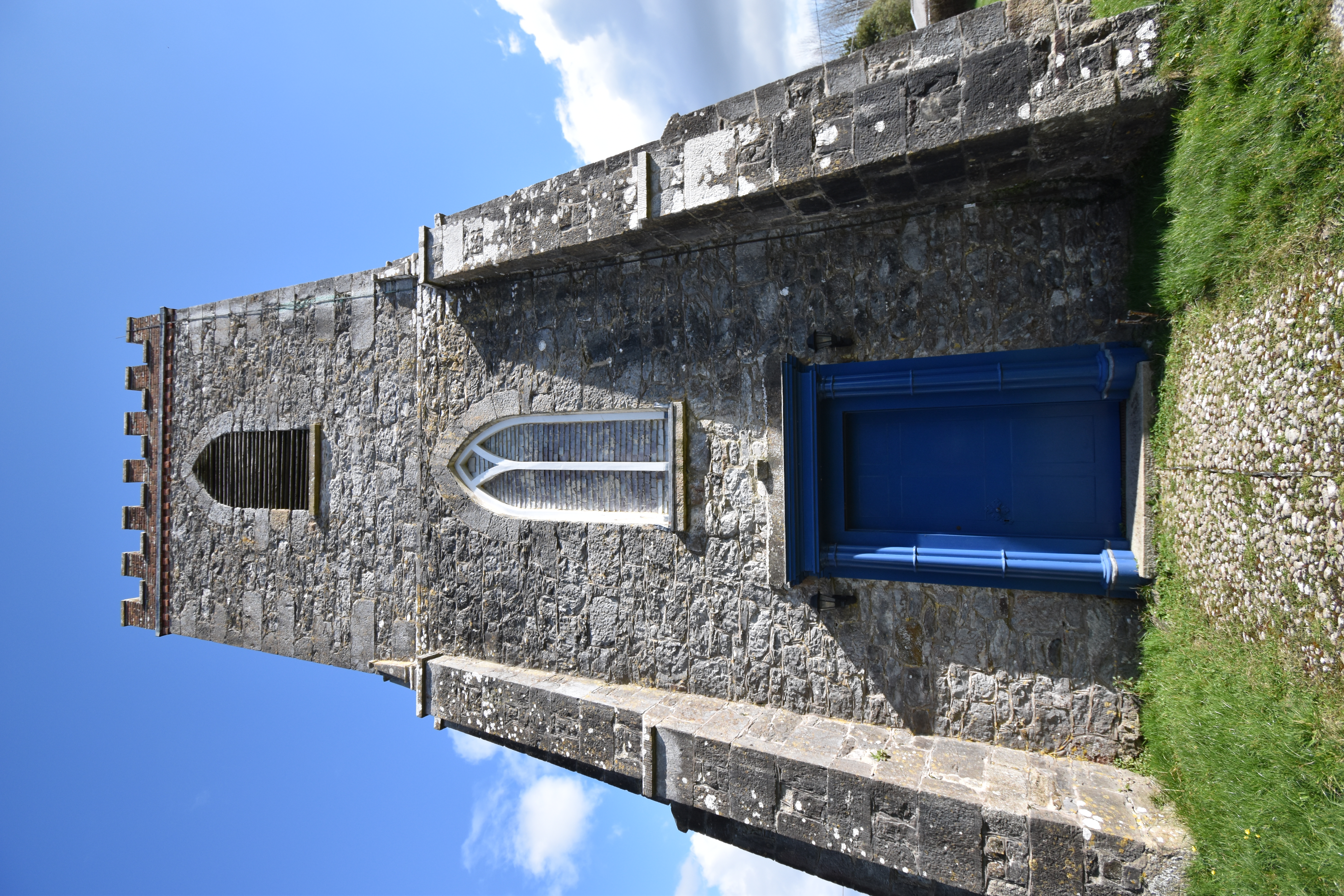
We then headed to Teigngrace to visit the unusual Georgian church there—also built by the Templers! Sadly, we couldn’t get inside, but even from the outside you can see how distinctive it is. It has unusual oval windows and lets in lots of light. The interior is built very much in an 18th-century style, with colours and decorations popular in the grand houses of the era. I should say we did get inside the next day: Teigngrace
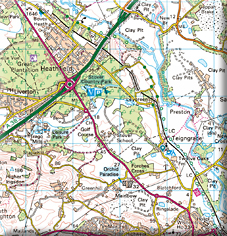
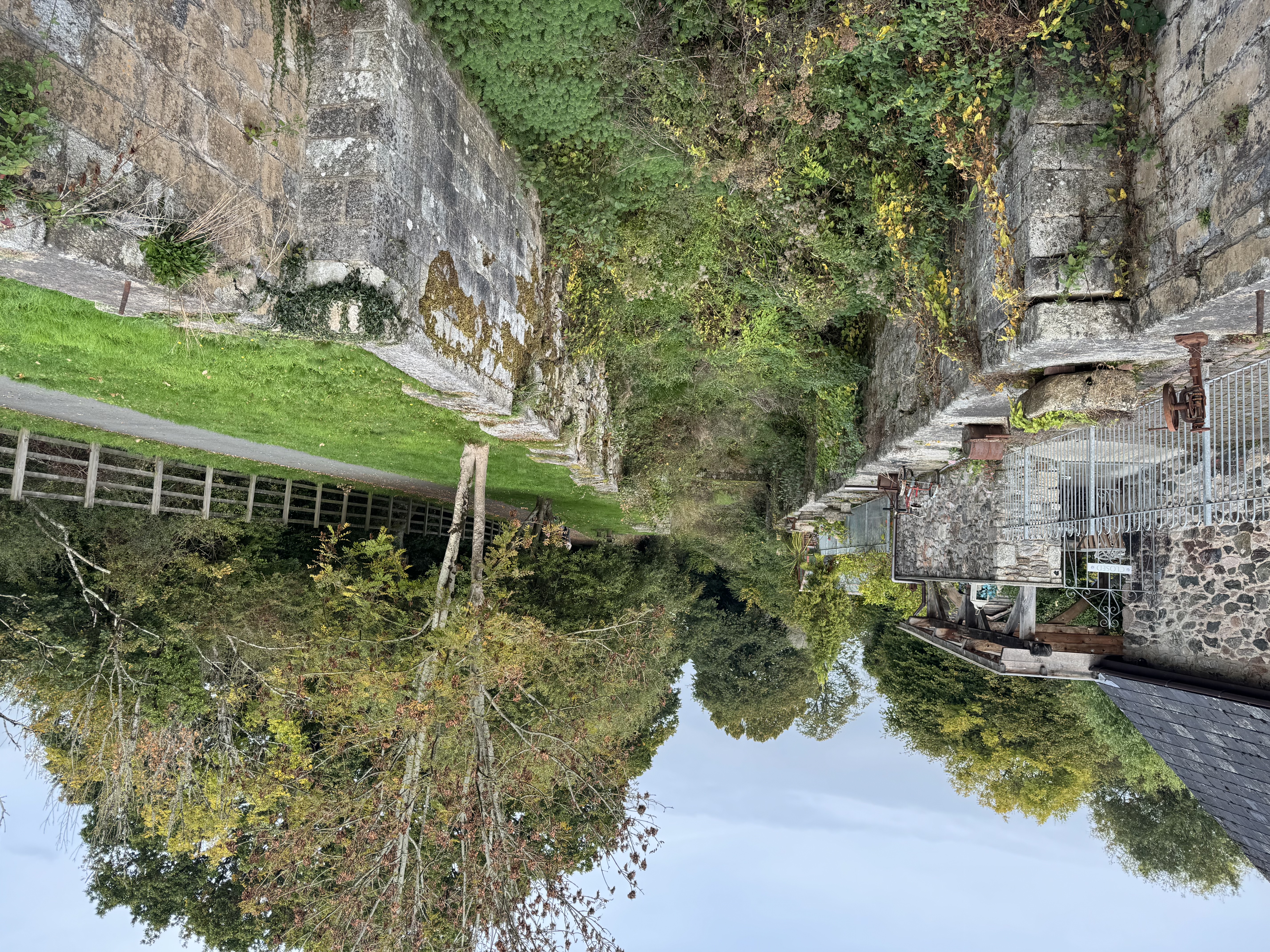
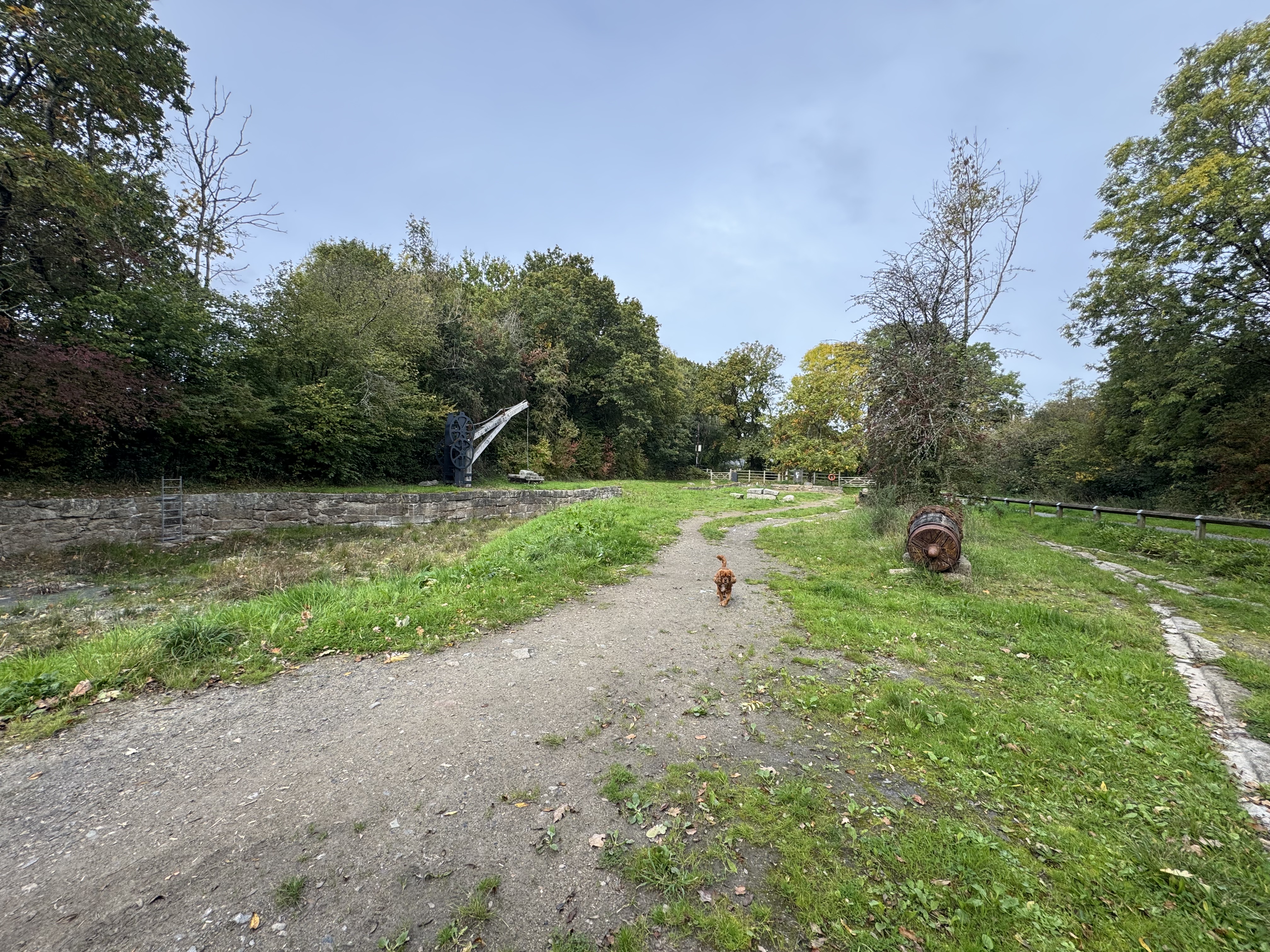
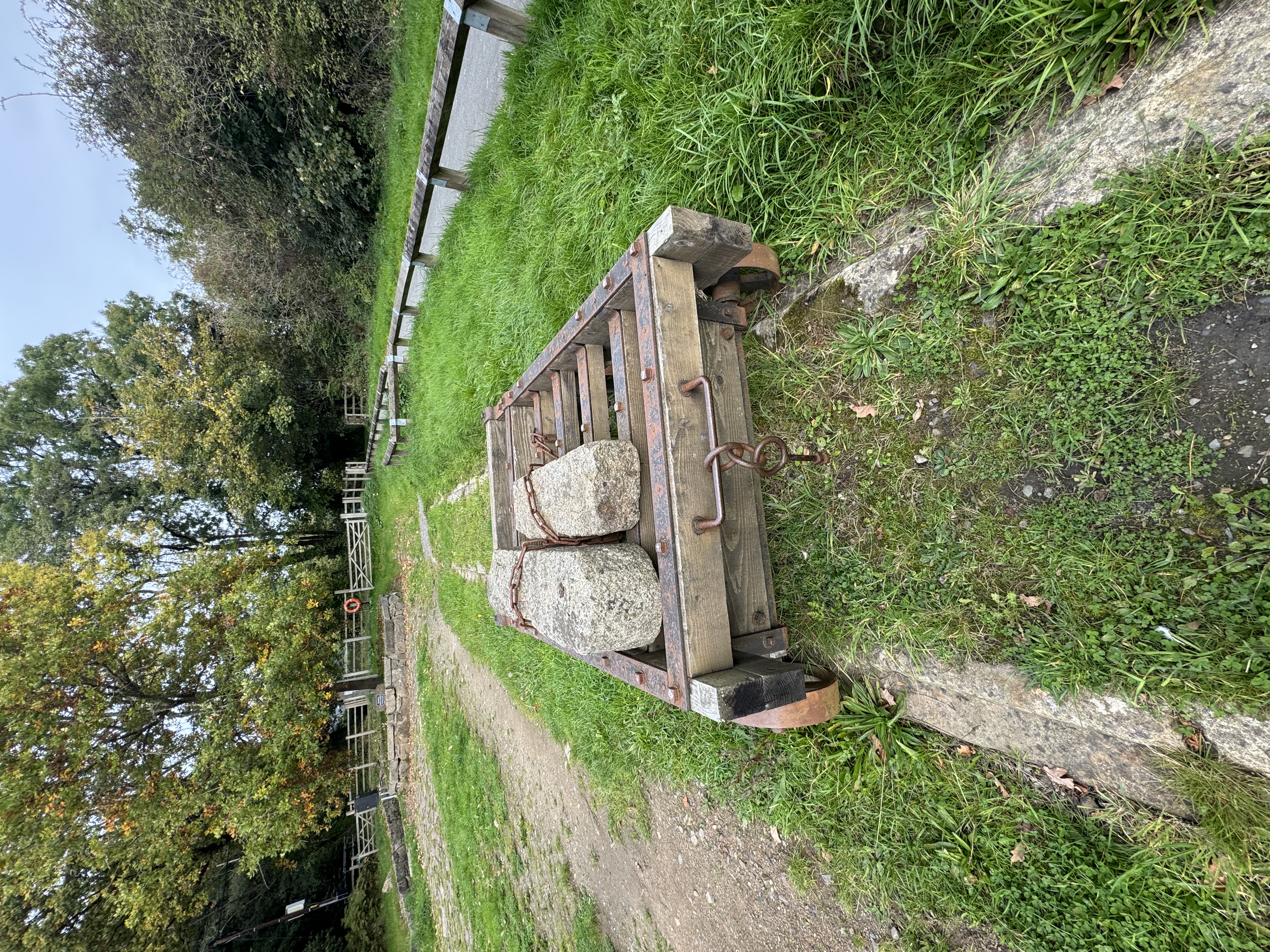
Next, we headed due east to the River Teign and began following it northwards, eventually joining the Templer Way and spotting remnants of the old canal and horse-drawn tramway. There’s plenty of evidence of china clay works, and clay is still extracted from the area. You can see old disused pipes that once transferred watered-down clay, and distinctive white deposits along the riverbanks.
We then followed the River Bovey upstream, and I was delighted to spot a kingfisher. They’re so distinctive—their bright blue practically screams at you as they dart along the river. Sadly, my camera wasn’t quick enough, so I simply enjoyed the view with my mark one eyeball!
A little further up the River Bovey lies a sadder tale at Jew’s Bridge, where the A38 crosses the river today. It was the site of a Jewish pedlar’s murder and robbery, in an era of two-tier justice that predates our own. Many believed Jews would not be afforded the same legal protections as Christians.
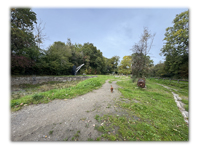
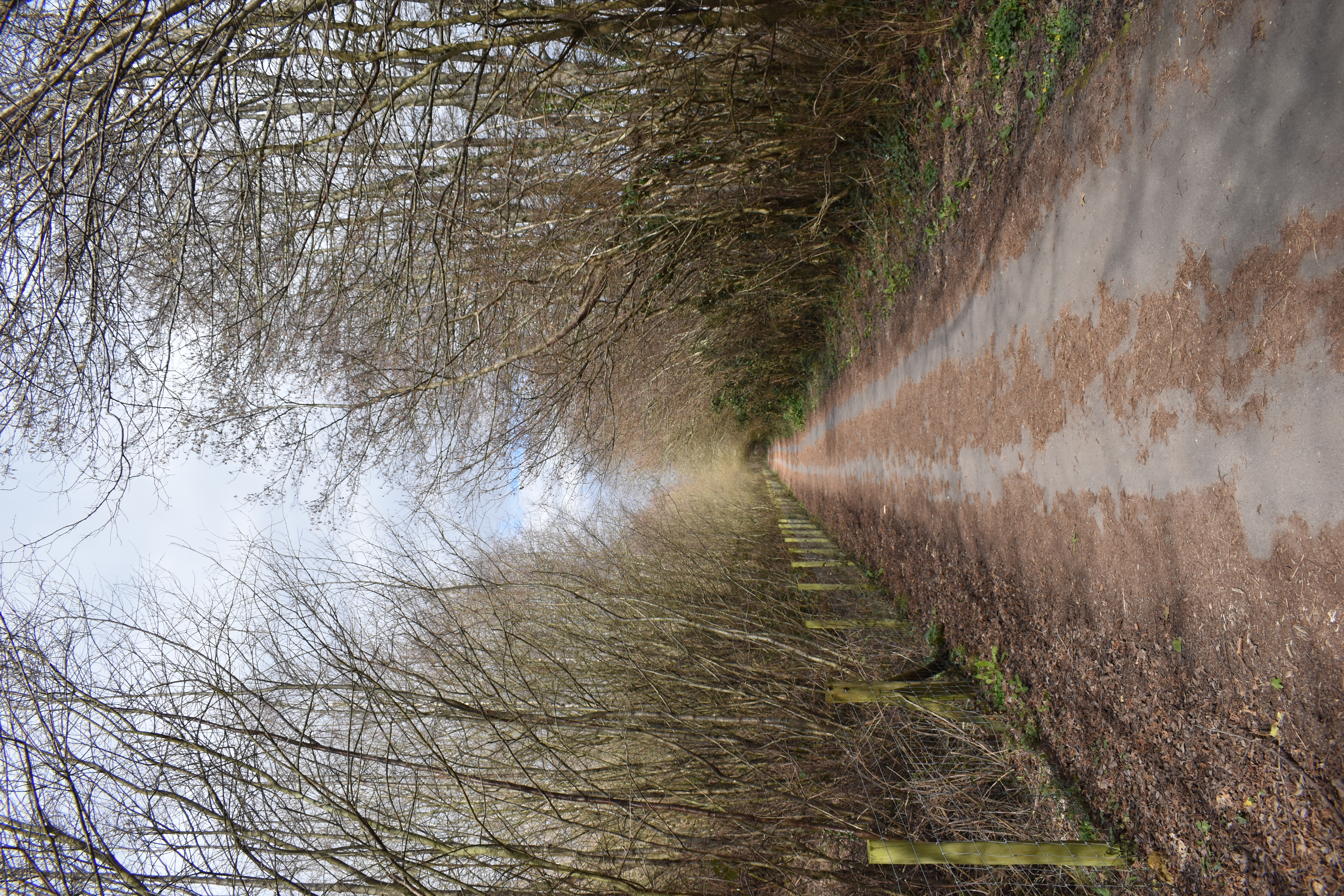
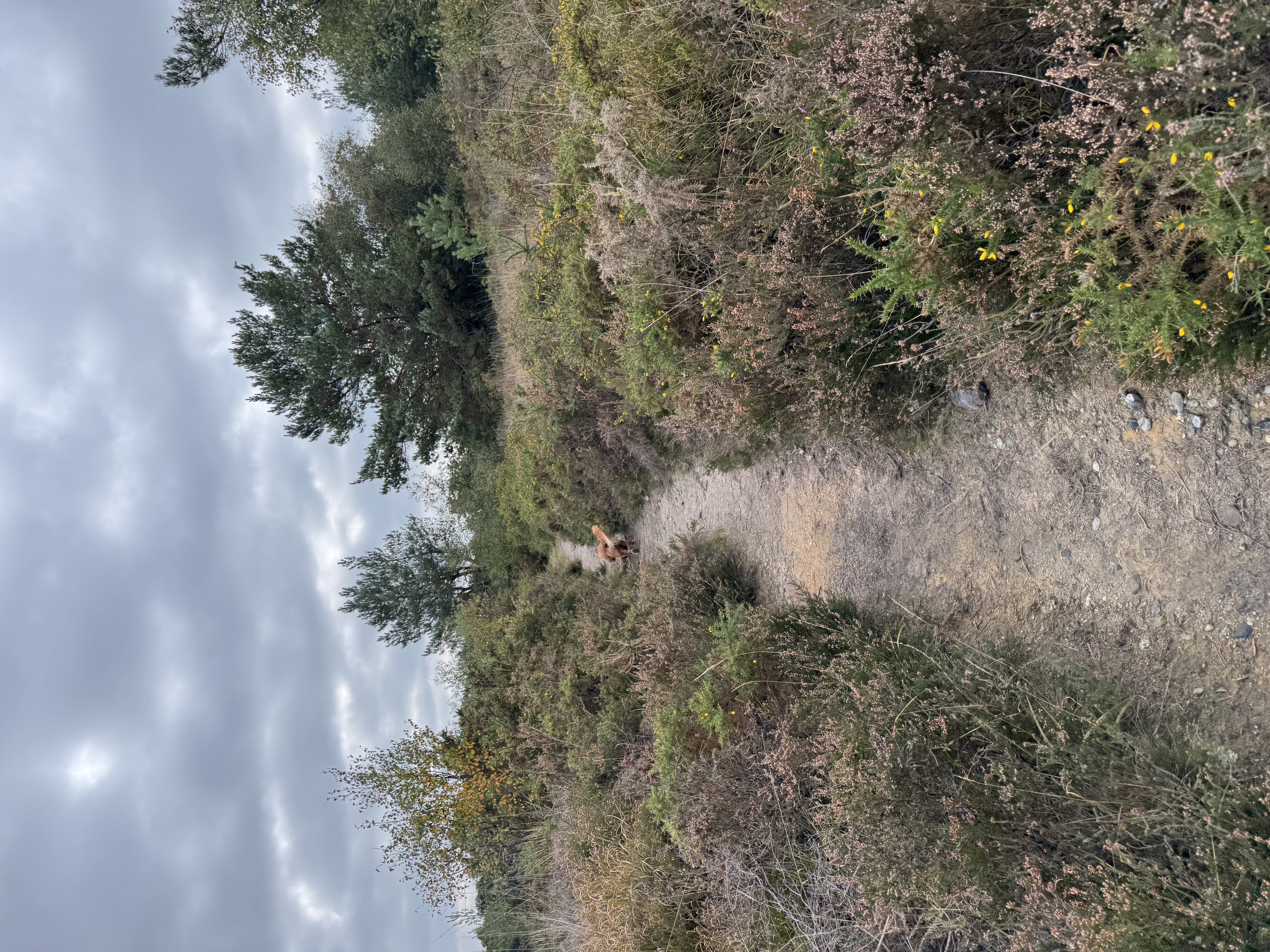
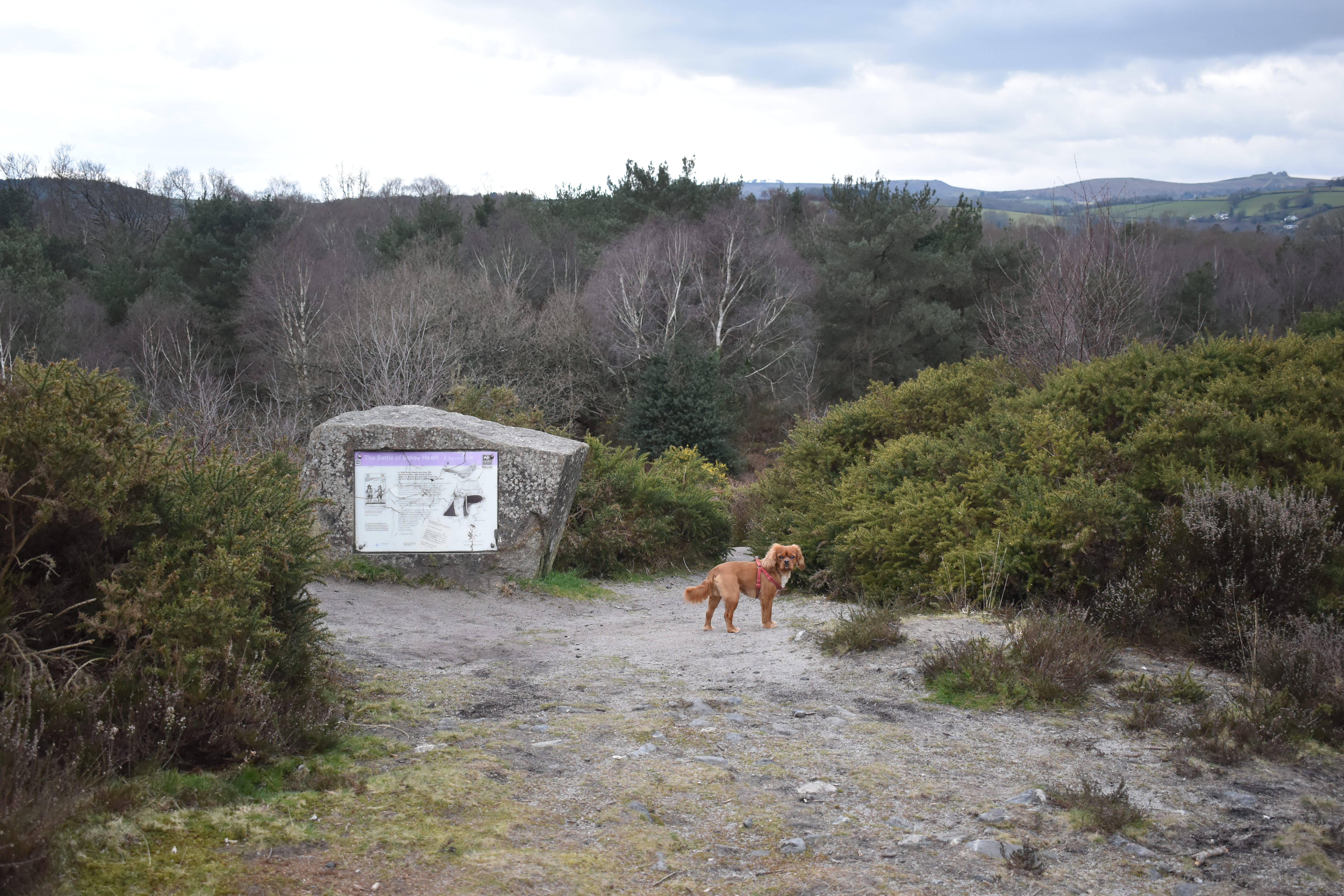
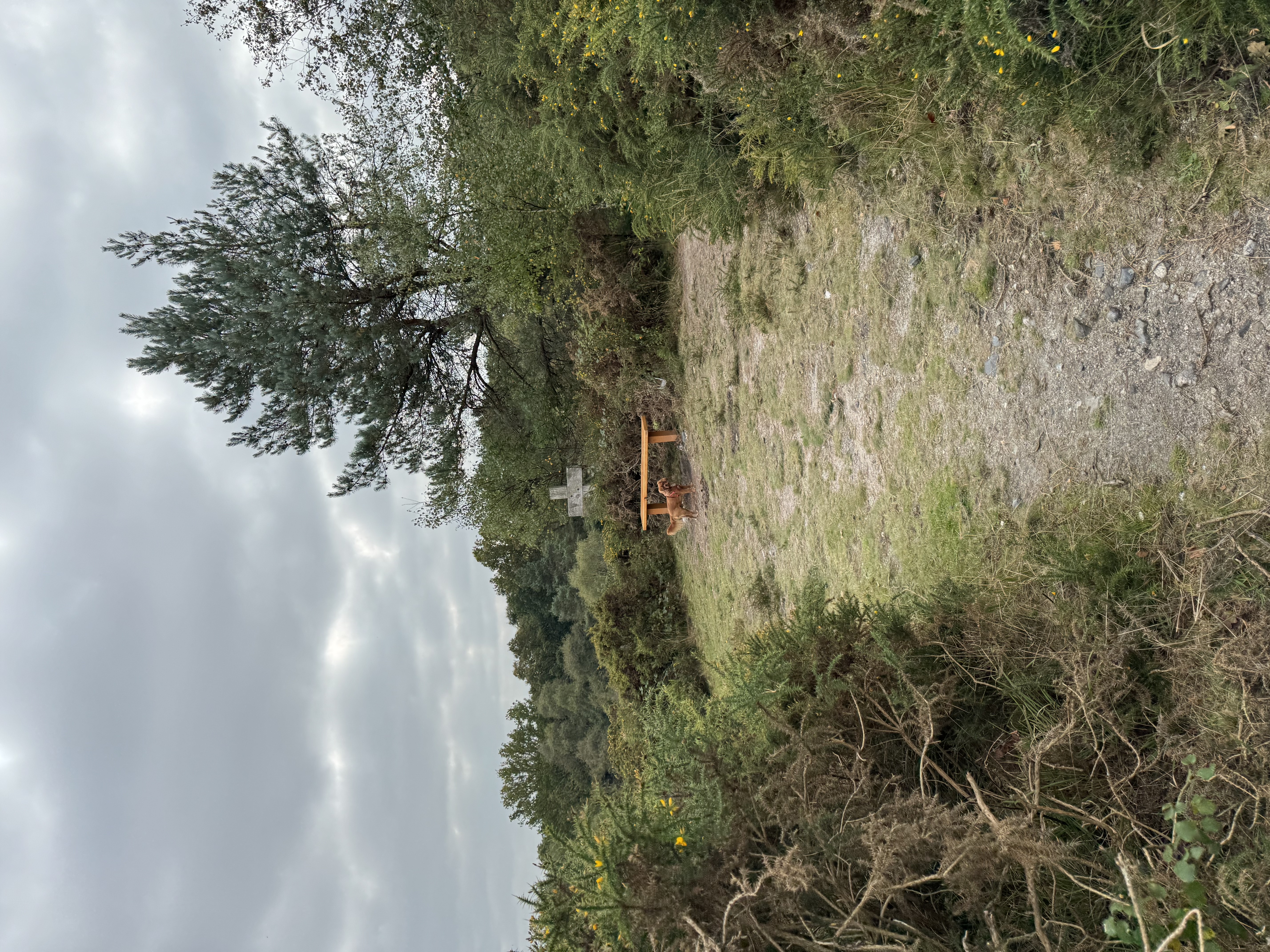
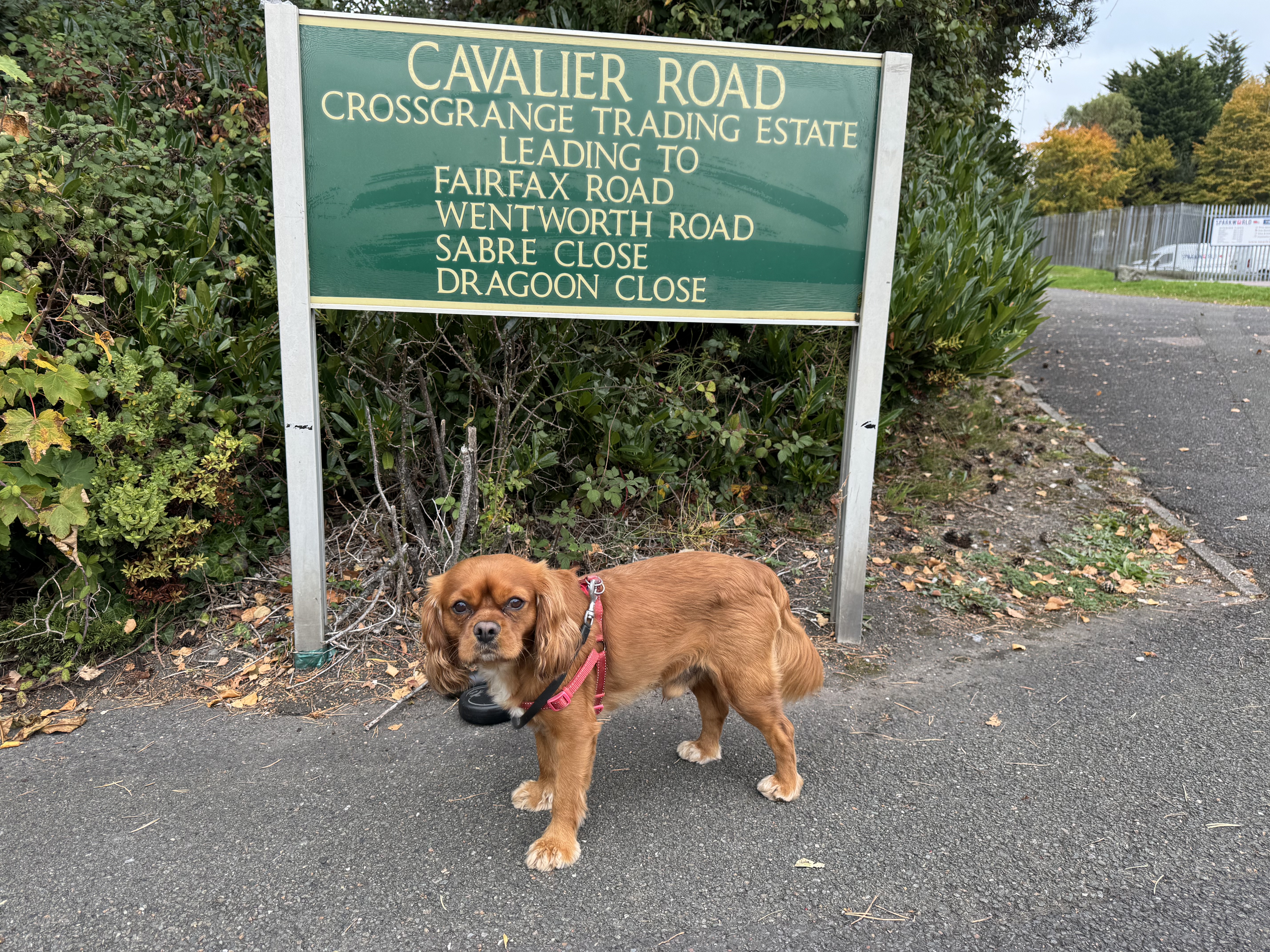
We crossed the A38 and headed for Bovey Tracey along a cycle path, then backtracked slightly to find the site of the 1646 Battle of Bovey Heath, where Oliver Cromwell himself led a charge against a Royalist army attempting to regroup after the King’s defeat at Naseby. Thomas Wentworth had been planning to capture Exeter before being surprised and routed here. Wentworth was a particularly hopeless Cavalier general who had conspired against more able Royalists like Rupert and Hopton. His ignominious defeat here led to his replacement by Hopton—though the war was going so badly for the King that even Hopton couldn’t avoid defeat at Torrington.
This was the same campaign that brought Fairfax and Cromwell to Plymouth to lift its siege and receive a rapturous welcome from the Plymothians, who had endured such an ordeal. I must say, finding the entrance to Bovey Heath isn’t easy—you have to walk through an unappealing industrial estate, albeit one with suitably named English Civil War street names!
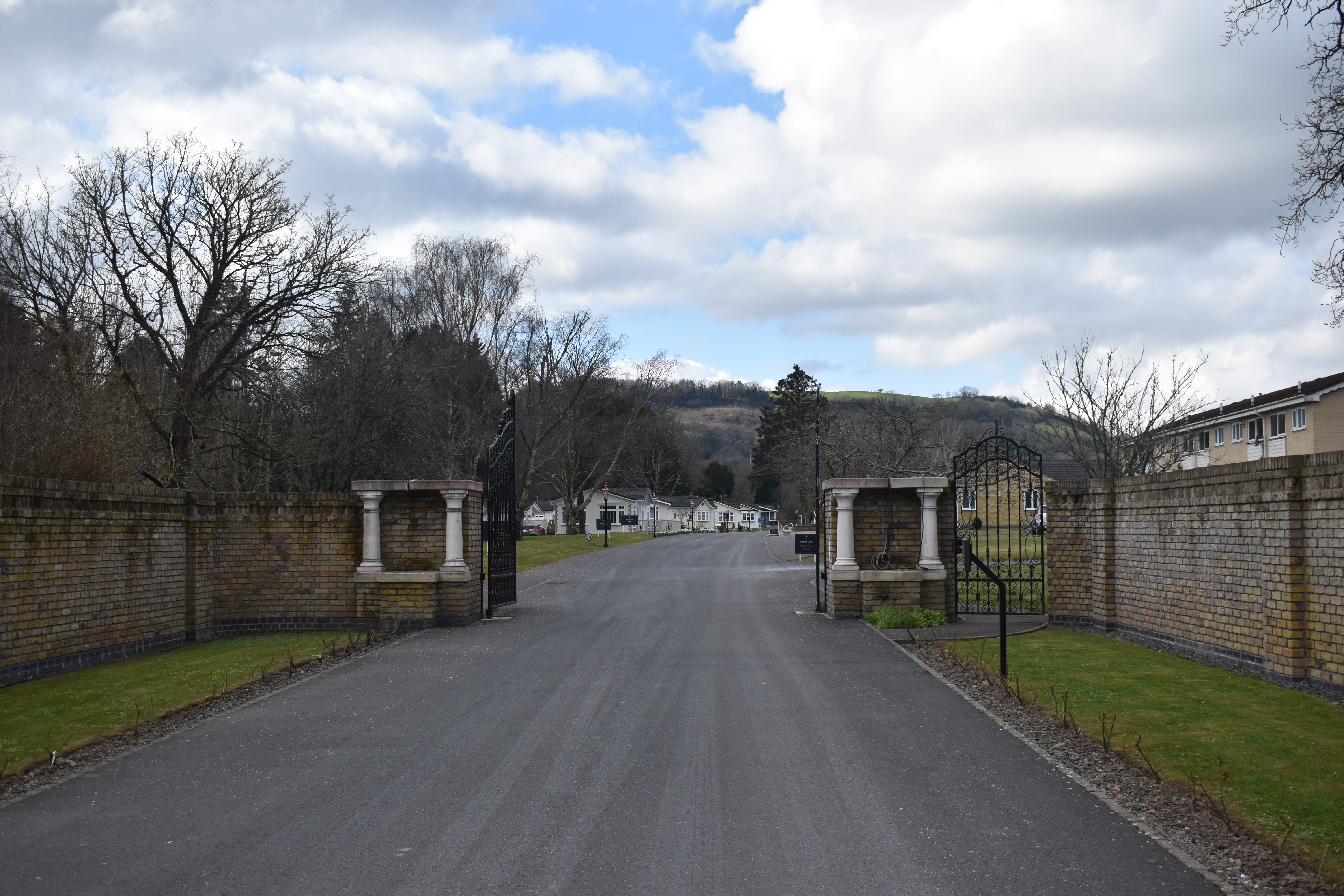
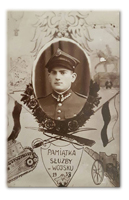
Once back across the A38, we took an interesting diversion to Ilford Park. In many ways, the building we visited is the last official remnant of Britain’s debt to Poland for their service to the Allied cause in World War Two. Ilford Park in Stover was one of 45 camps set up across the UK after the war, when it became clear that Stalin’s Soviet Union was hostile to the idea of Free Polish soldiers returning home without persecution or “re-education.”
Many of these Poles had already been prisoners of the Soviet Union after its 1939 invasion of Poland alongside Nazi Germany, under the cynical Nazi-Soviet Pact. Most Polish officers captured by the USSR were executed in the Katyn Massacre of 1940, while soldiers and NCOs were interned in gulags. Only with Hitler’s Operation Barbarossa did Stalin allow the Polish prisoners to be freed and form a new force under General Anders. These soldiers travelled through Persia to join the British Army, alongside other Polish troops who had escaped to France, Britain, or the Middle East—forming what became known as Anders’ Army. Their sacrifices, particularly at Monte Cassino and Arnhem, earned widespread admiration.
Sadly, the Soviet Union was determined to occupy and “move” swathes of Poland to its own benefit, at the cost of eastern Germany. I have a personal interest in the movements of these Poles after the war—one of them was my grandfather, Władysław Mazurek. He found work in Devonport Dockyard and sadly never returned home, dying before the Berlin Wall came down.
Ilford Park was originally built as an American military hospital in anticipation of horrific casualties during the invasion of Europe. It did operate and care for wounded soldiers, though not to the extent anticipated. In 1947, the government passed the Polish Resettlement Act, and the hospital was converted into a camp for Polish servicemen and their dependents, providing housing, training, and education. Nationwide, 150,000 Poles were covered by the Act, with many others settling in Commonwealth countries or the US.
 |
|
|
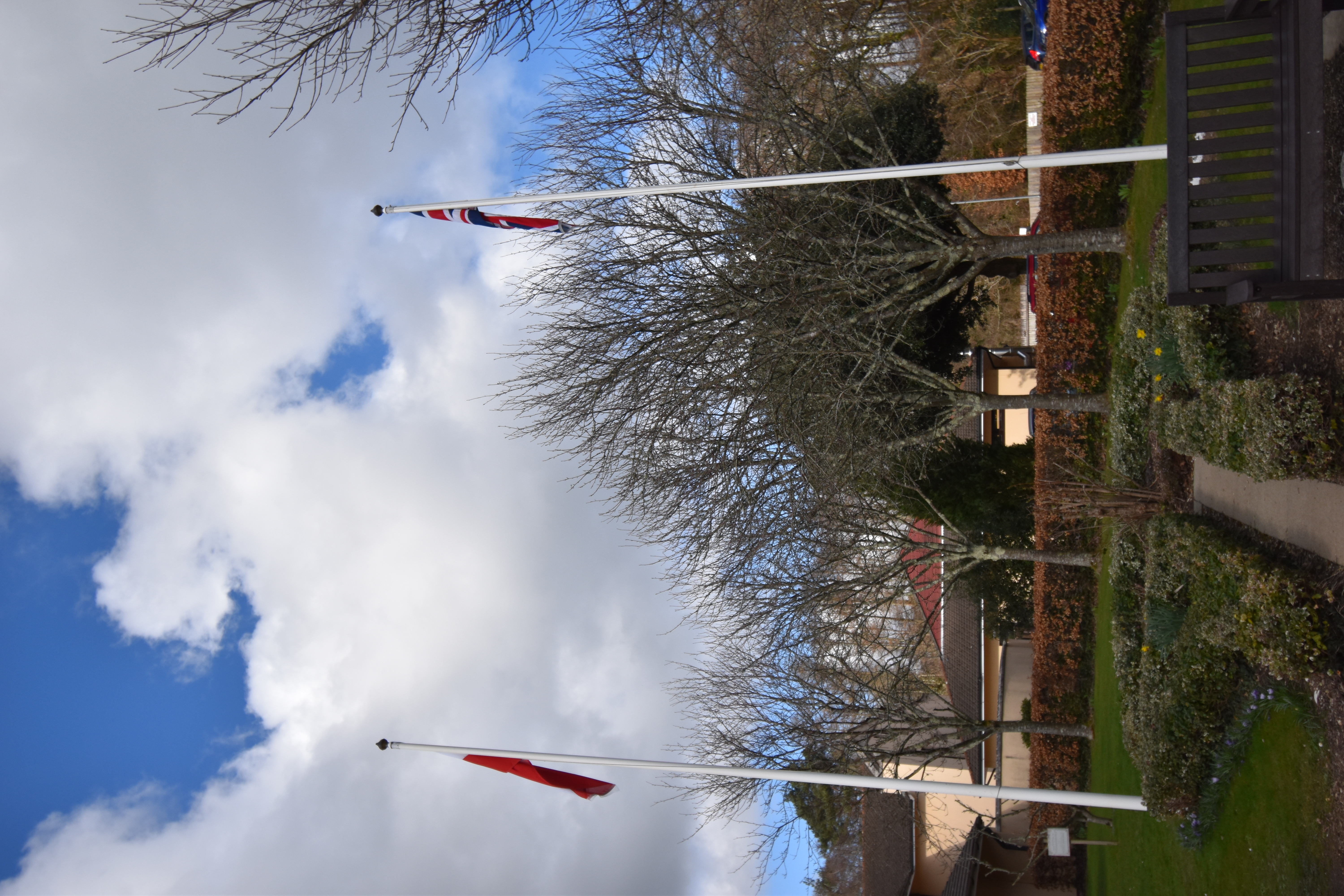
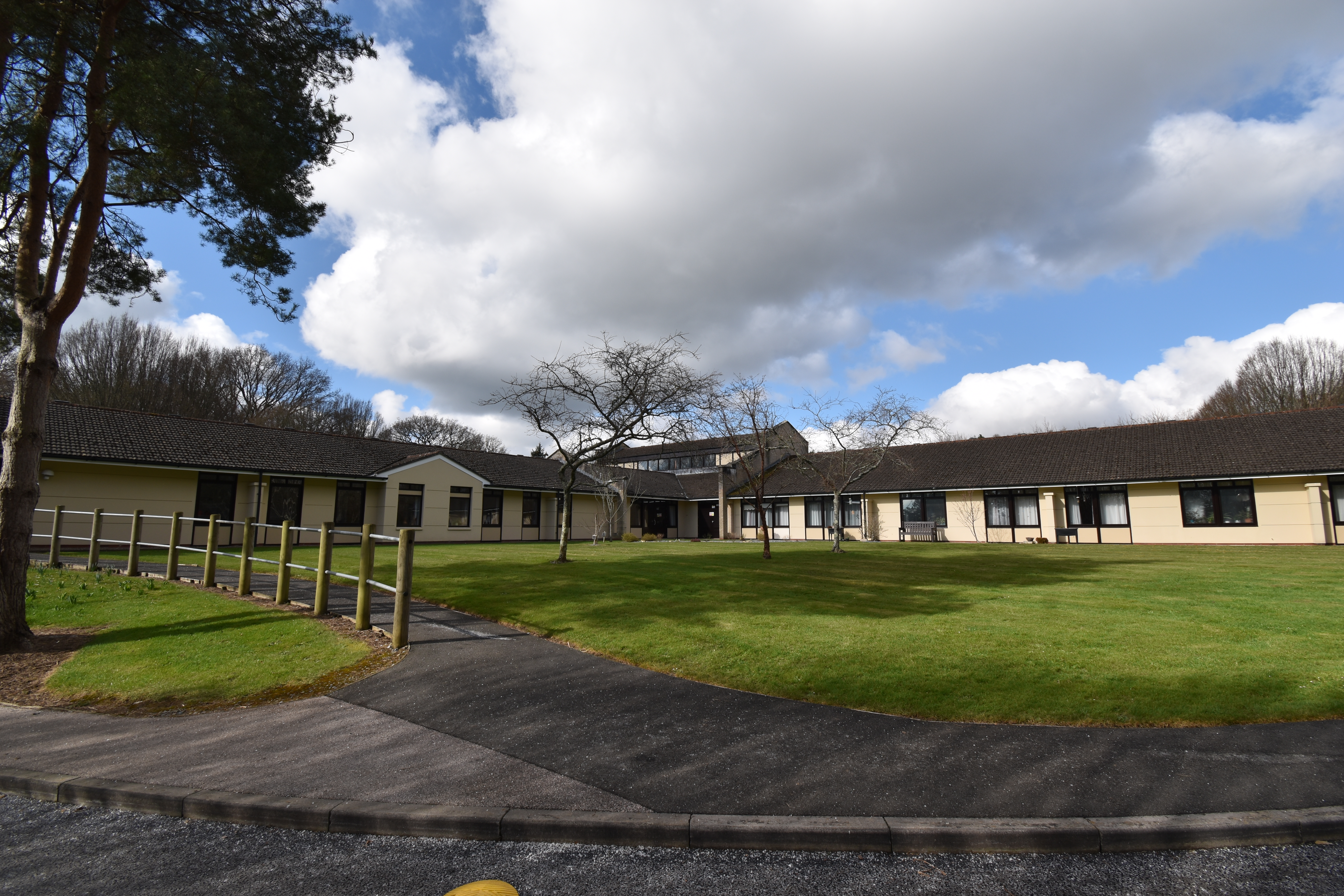
One by one, the camps closed as their occupants found work, married, and moved away. The very last to close was Ilford Park at Stover, which was converted into a nursing home as the Polish veterans aged. In 1992, a purpose-built nursing home was opened on the site to care for those eligible under the 1947 Act. It is still run and owned by the MOD. The buildings are modern, but nearby you can see remnants of the original camp—mostly concrete slabs where hospital huts once stood. A few huts remain, though they’re riddled with asbestos and securely fenced off. The old camp’s footprint was far larger than the current buildings, and holiday lodges are now springing up—oddly appropriate for a site that housed huts for so many decades.
We then walked through Stover Country Park and past Stover Private School, originally built by the Templer family. Their story is a remarkable rags-to-riches tale. James Templer, born an orphan in 1722, trained as a carpenter and made a fortune during the expansion of the Royal Navy in the 18th century, winning many contracts at the rapidly growing Devonport Dockyards. His son and grandson built much of the industrial infrastructure in the area, including the Stover Canal and the horse-drawn tramway that brought granite from Haytor to Newton Abbot. Much of their legacy remains visible, and the Templer Way path is named in their honour.
 |
|
|
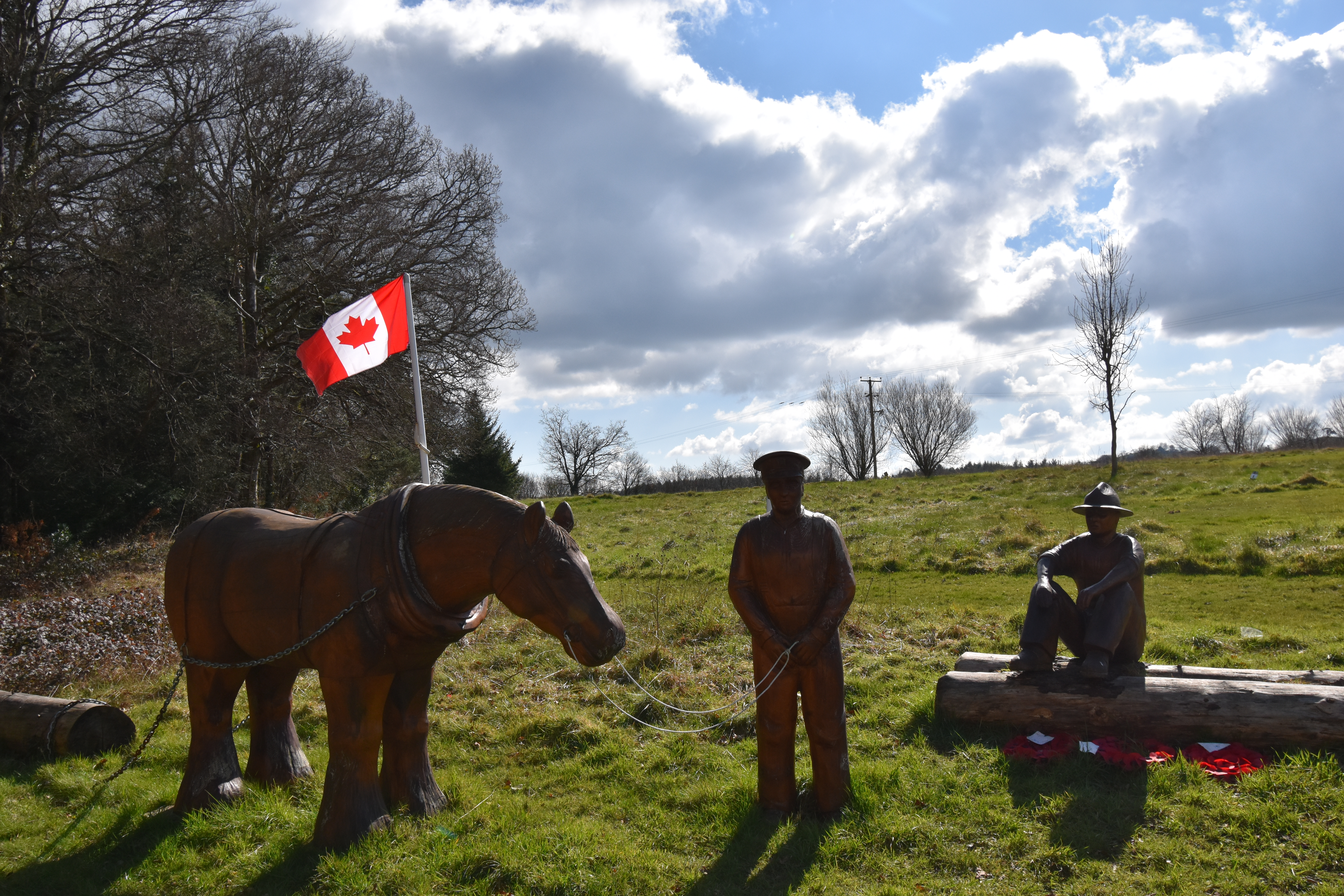
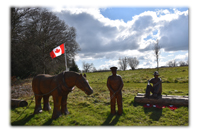
Just after Stover School, you’ll spot a Canadian flag fluttering in the wind. It commemorates the Canadian Forestry Corps, recruited from Canadian lumberjacks and timber workers during the First World War. Timber was in such demand that the British government arranged for these experts to fell trees in South Devon, freeing up shipping space for other goods from Canada and America. The timber was used for railway sleepers and tunnel supports, among other things. 250 Canadians felled 700 acres of timber from the Stover estate in just over a year. Many of the trees weren’t replanted until the Second World War, when Land Girls from the nearby Agricultural College at Seale Hayne (where I used to work for a while) took on the task.
This walk through South Devon was more than just a journey across landscapes—it was a passage through time. From the fearless exploits of Florence Baker to the industrial legacy of the Templers, from the quiet resilience of Polish veterans to the echo of Civil War skirmishes, each stop revealed layers of history woven into the terrain. The rivers, bridges, and paths we followed are not just scenic—they are storied. And as we walked, watched kingfishers, and traced the footsteps of explorers, soldiers, and settlers, we were reminded that the past is never far beneath our feet. It’s in the names, the stones, the flags, and the memories—waiting to be rediscovered with every step.
|