|
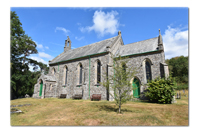
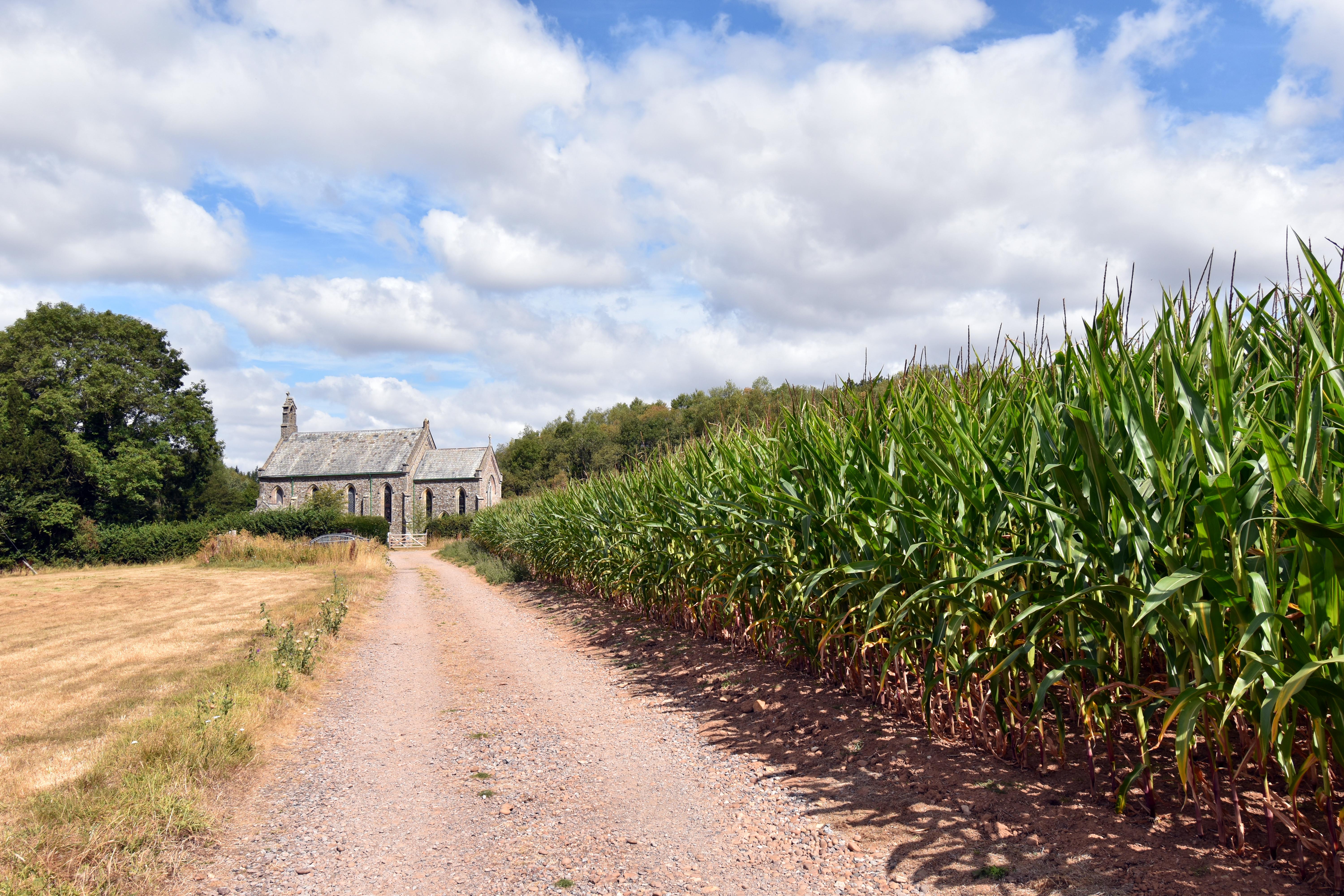
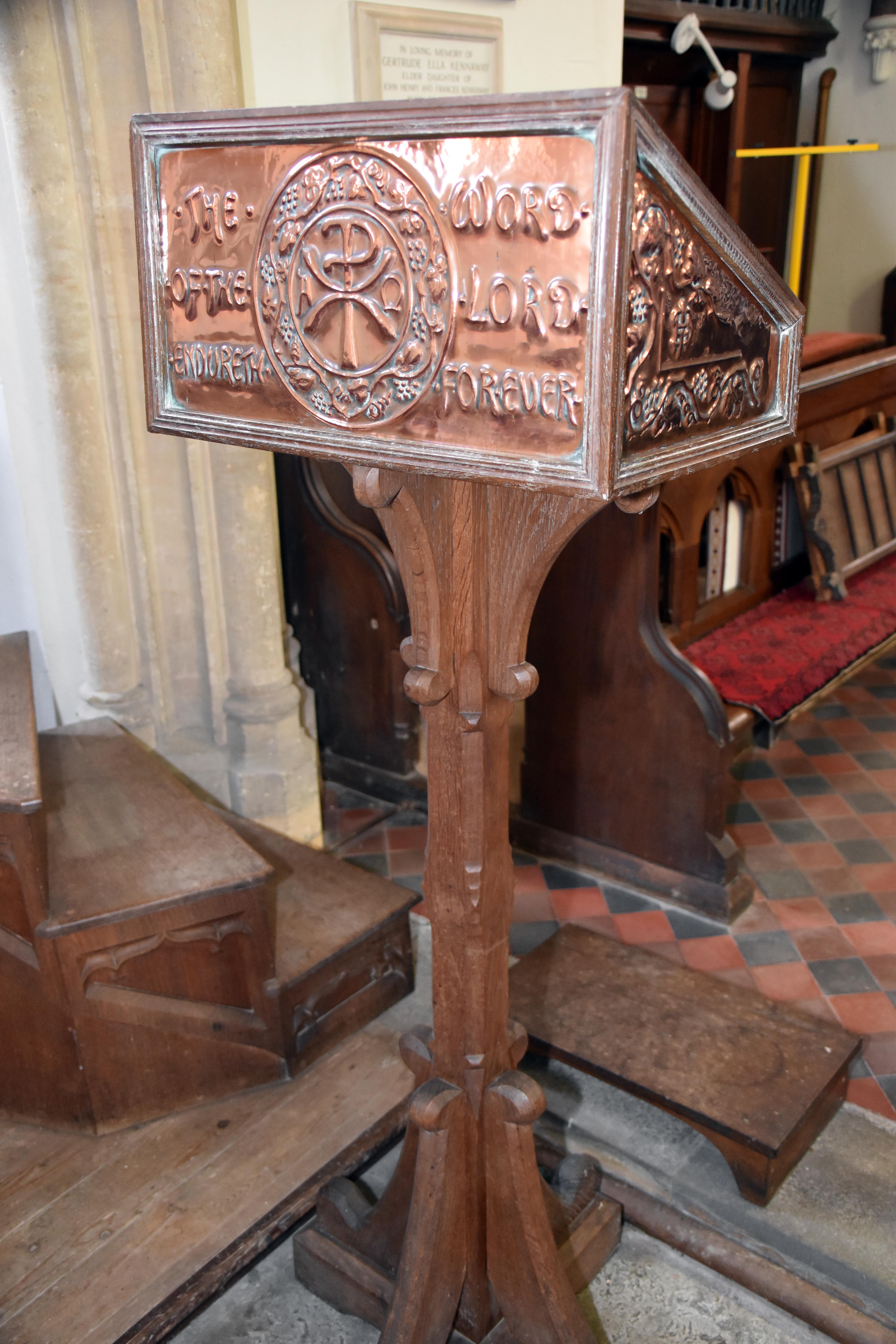
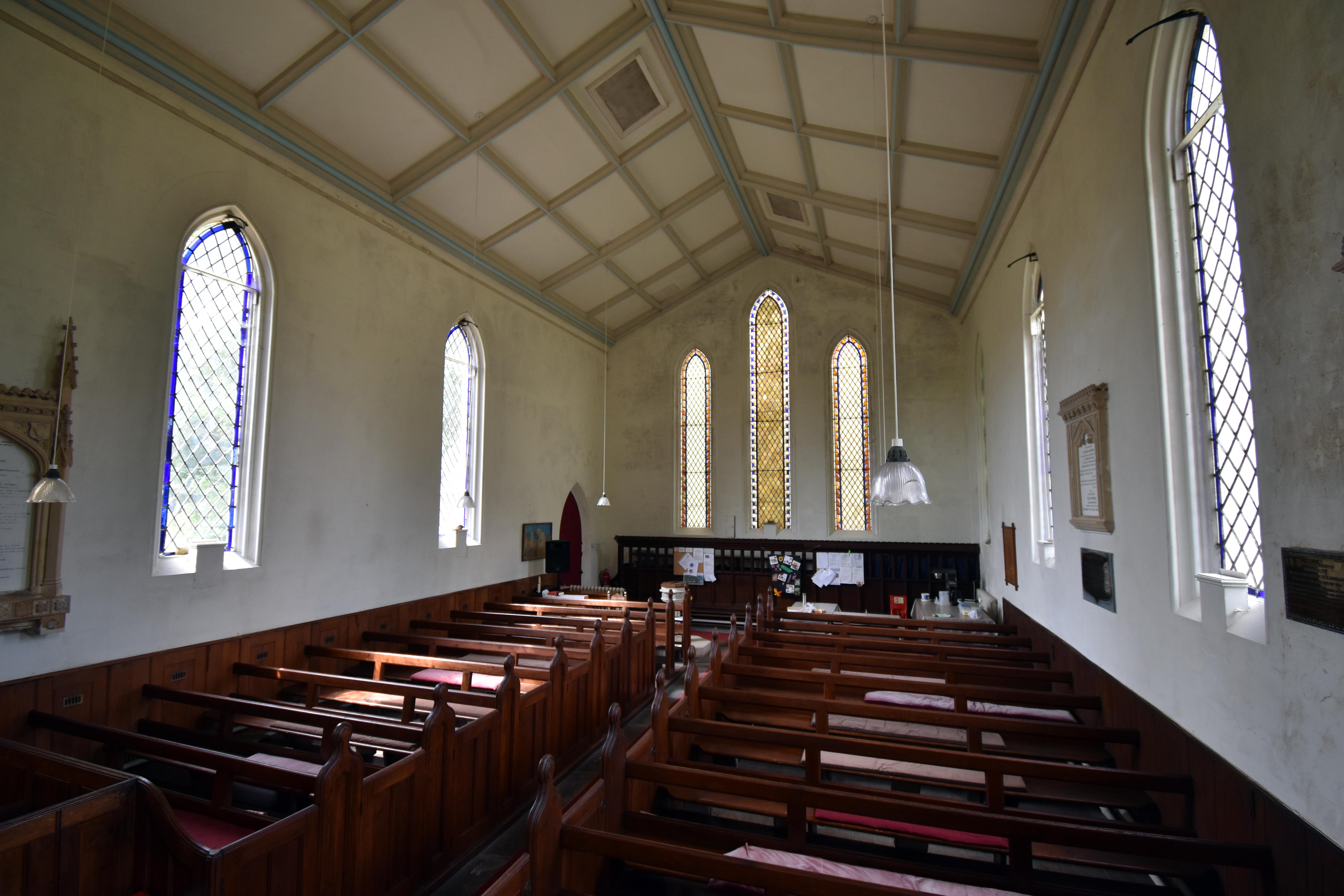
Serendipity played a hand as we arrived at the curiously located St Philip & St James church at Fairmile in East Devon. The curiousness is in the fact that it lies in a field seemingly in the middle of nowhere. Its location is to do with its connection to the Kennaway Family and the Escot estate just on the other side of the A30.
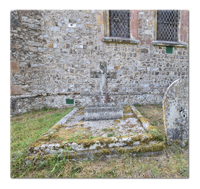
We drove up the dusty track with the maize field on our right and saw that there was a car parked outside the church. This is where our serendipity played out. This lady was opening up the church for a family reunion that was going to take place this morning for a very interesting individual buried in the graveyard, that of Sir Peveril William-Powlett, a very senior naval officer with a fascinating war record and someone who went on to become Governor of Southern Rhodesia in the 1950s. More on him later, but this reunion meant that this church was open for us to explore.
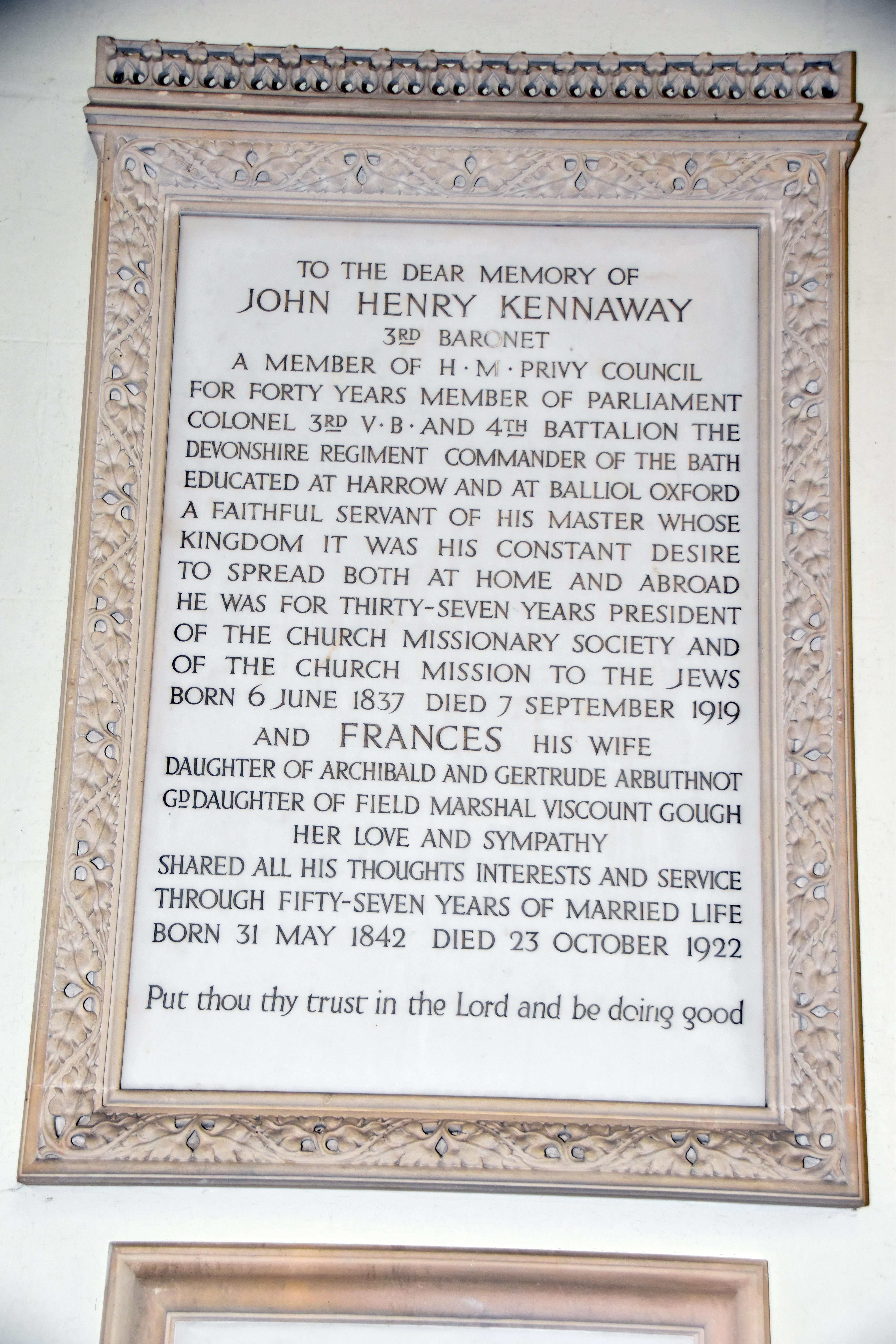
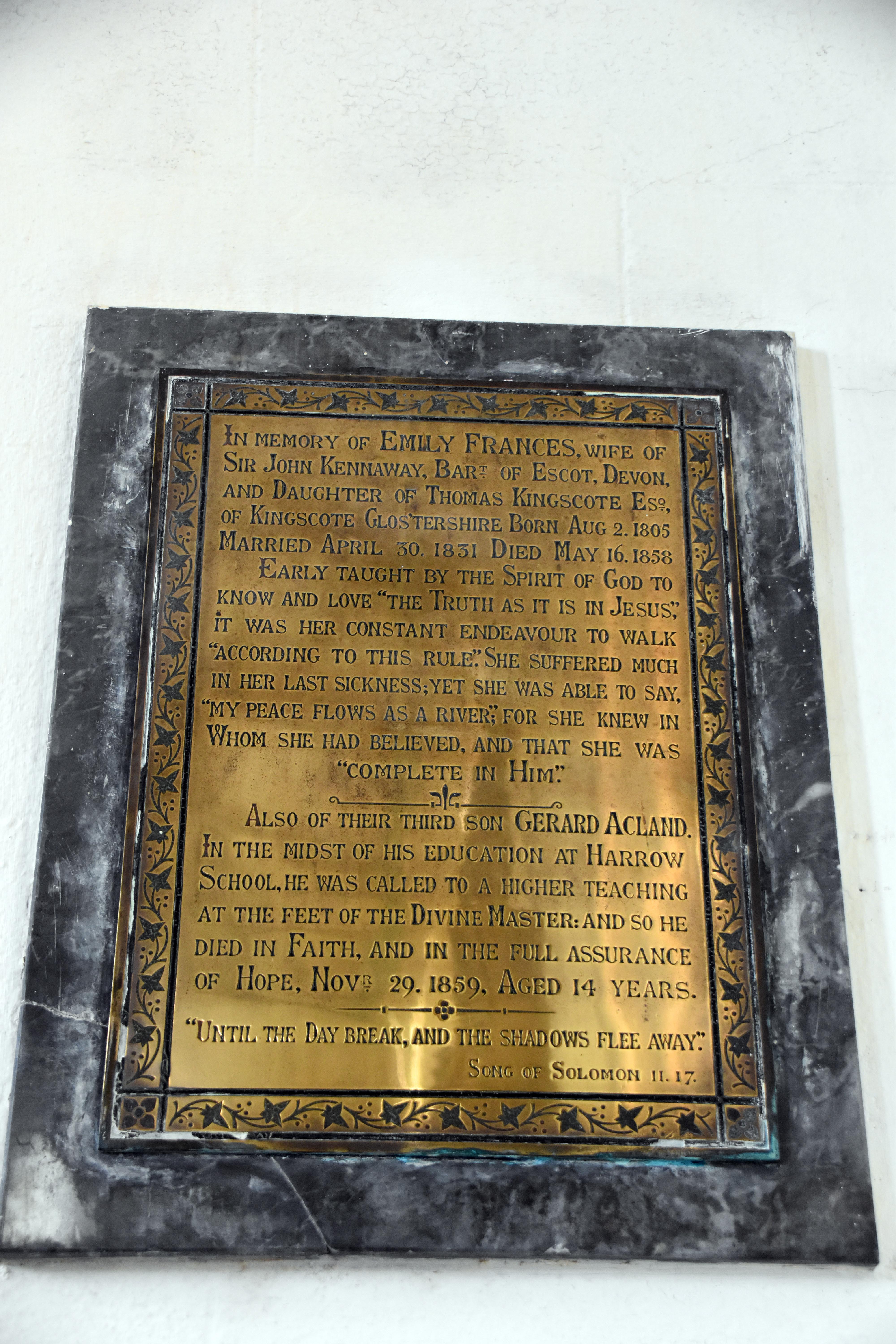
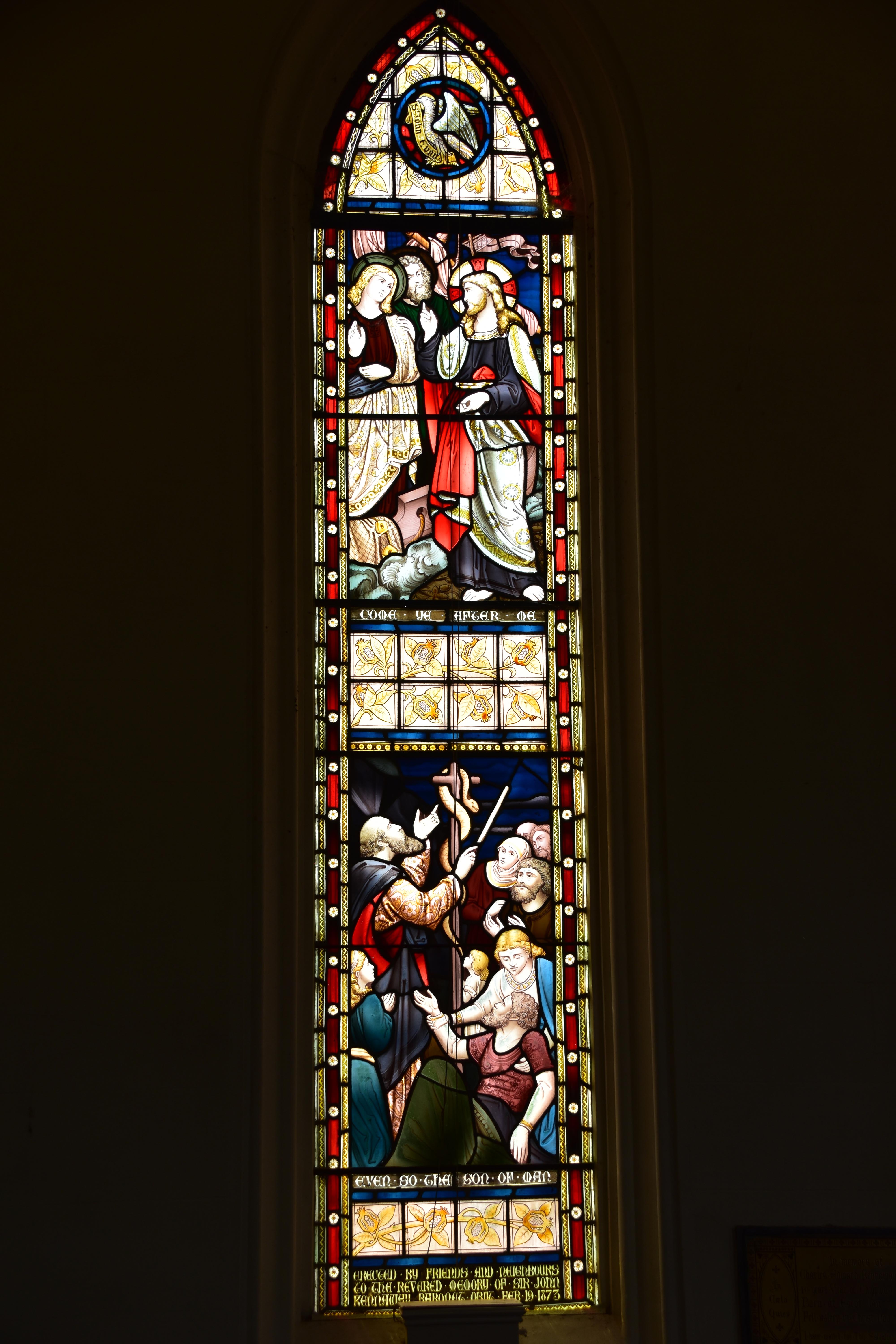
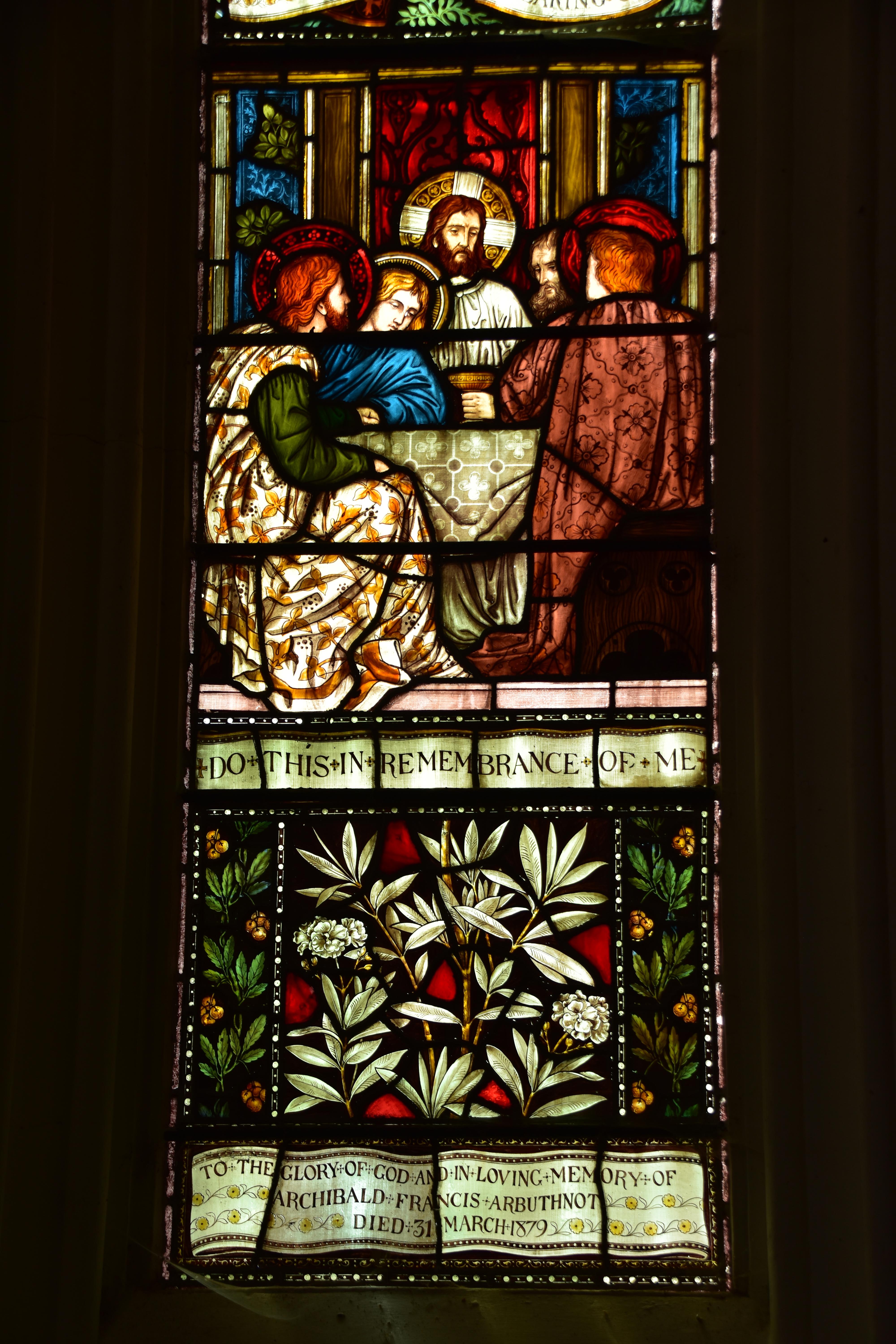
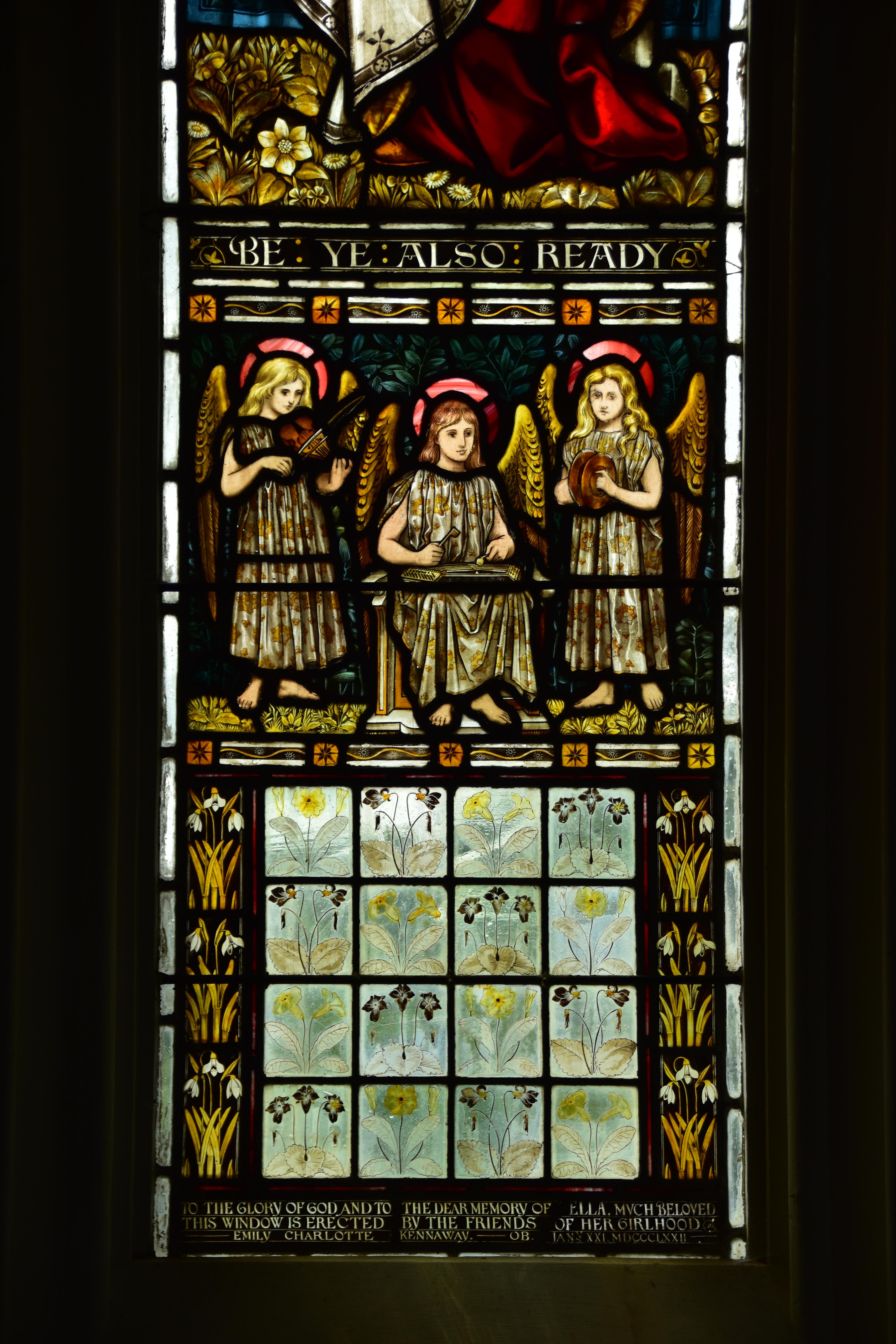
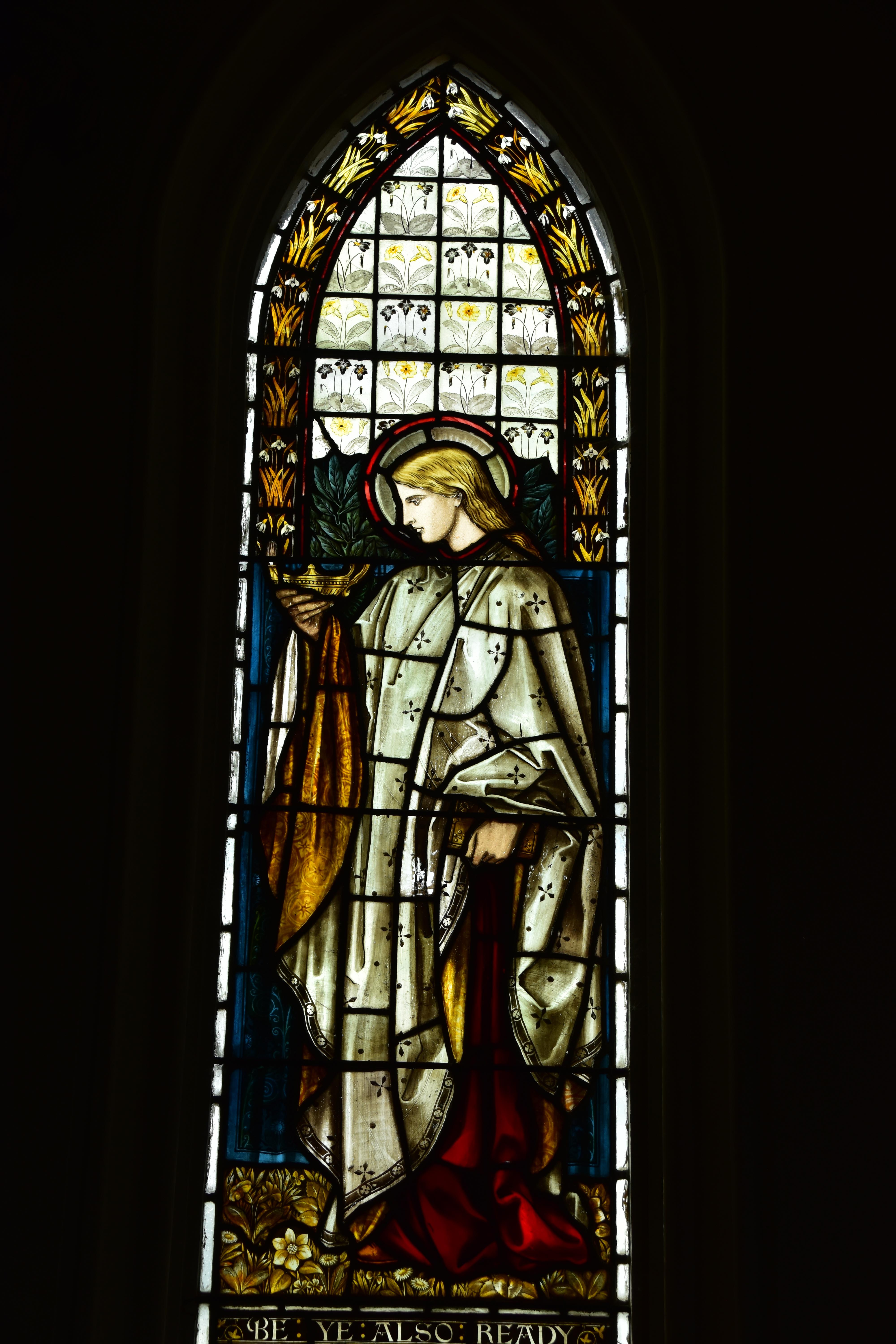
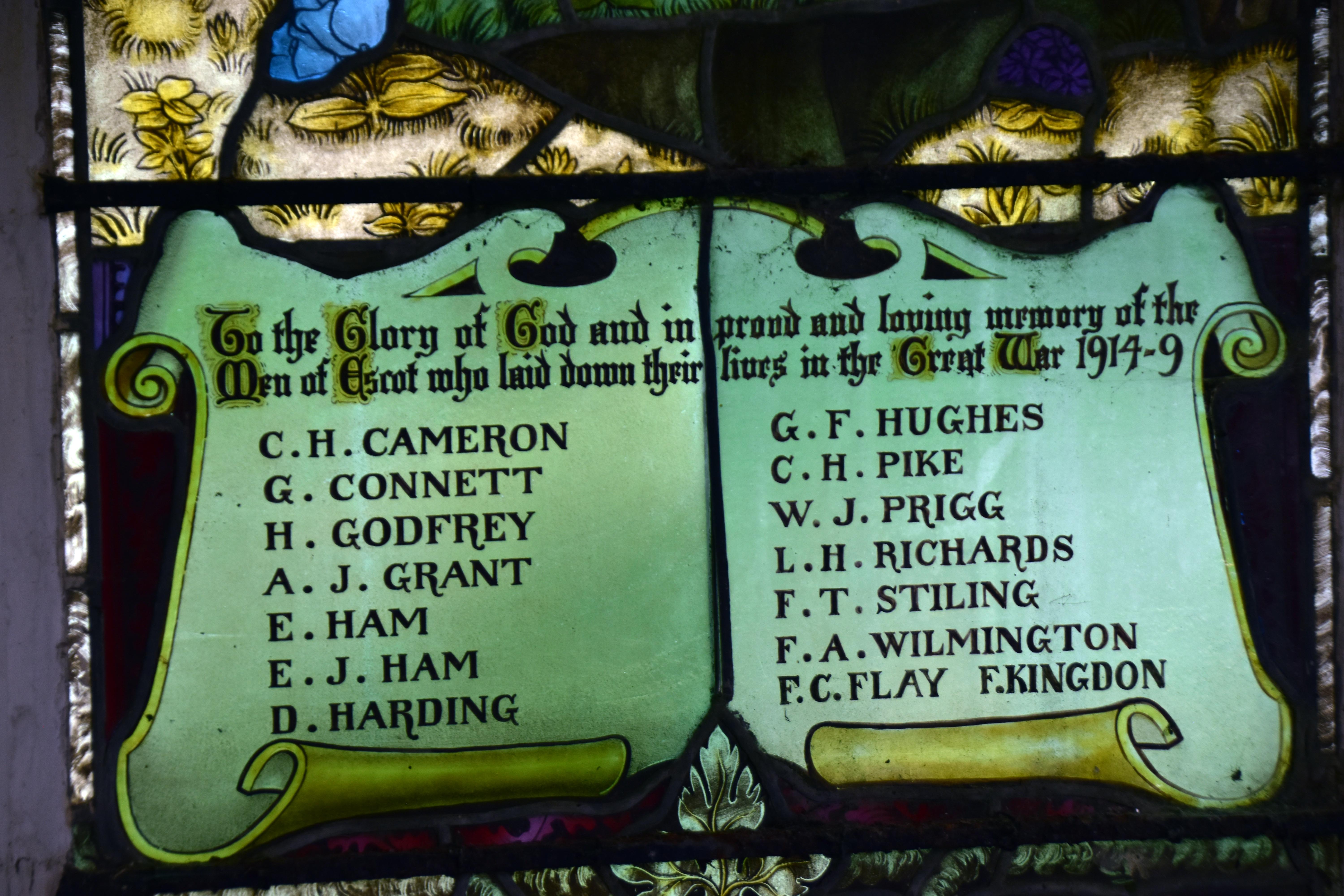
St Philip & St James was built between 1838 to 1840 thanks to Sir John Kennaway the 2nd Baronet and indeed the Kennaway name is prominent on the memorials, stained glass windows and on graves outside. From the memorials you could glean that the Kennaway story saw them escalate from Exeter merchants to East India Nabobs to Landed Aristocracy in a remarkably short period of time.
|
|
|
As you enter the beautiful Victorian church you see a substantial memorial on your right on the southern wall to Richard and Sir John Kennaway the 2nd and 4th sons of William Kennaway an Exeter Merchant. However it was the two brothers who would transform the finances of this family as two brothers entered East India Company service, Richard in a civil capacity and John on the military side. Their timing was perfect as the East India Company was about to tap the immense revenues of Bengal following the Diwani grant as it began its transformation from a trading company to an administrative one with full powers to tax and establish monopolies in Bengal. Sir John demonstrating a flair for languages was appointed Aide de Camp to the Governor General, Lord Cornwallis, in 1786. He was soon appointed as the first British Resident at the very important Court of the Nizam of Hyderabad. Indeed he would later be rewarded the Baronetcy of Hyderabad as a British title for his services at the court of the Nizam and ensuring that warm relations were maintained between the Company and this important Indian Princely State. He would later be on Cornwallis’ staff and participated in the 1792 campaign against the notorious Tipu Sultan. Indeed it appears that Sir John was the official who personally received the sons of Tipu Sultan as hostages to ensure that Tipu Sultan repaid an indemnity for having started a war against the East India Company. Sir John was later to return the sons on payment of the fine although this did not stop Tipu Sultan from continuing to be an ongoing threat to the British as he later allied with the French. Indeed it was widely believed at the time that one of Napoleon’s aims in invading Egypt in 1798 was to open a route towards India and potentially link up with Tipu Sultan. Eventually he was defeated at Seringapatam with a very young Arthur Wellesley, the future Duke of Wellington, present in the campaign also. Moving at the highest levels of the East India Company in the period that the Company was maximising its revenues and influence would allow the Kennaways to amass a fortune broadly comparable to families such as the Palks of Haldon House which I have previously written about not so far away and whose path we would cross again later in our walk this day.
|
|
|
Considering this is a Victorian church, it managed to cram in an incredible number of fascinating memorials many of which held an imperial connection. The Kennaway family was obviously not the only local family with strong Indian connections. The Douglas family of nearby Larkbeare House were a remarkable family in their own right. Reverend Philip William Douglas would become the first Vicar of St Philip & St James and his grave lies just outside the west wall of the church. He was the son of the Reverend Dr Philip Douglas who was a famous academic and vice-chancellor of the University of Cambridge. Our vicar Reverend Philip William Douglas had 10 children two of whom were to die in India. Their eldest son, Archibald Philip, joined the 7th Princess Royal’s Dragoon Guards as a Captain. Kussowlie (Kasaulie) on the road to Simla was set aside specifically for soldiers to be sent to convalesce with its higher altitude and fresher air making it far more comfortable than the oppressive heat down on the plains. So many Europeans succumbed to local diseases and poor young Archibald was no exception at just 31. He died in 1863. The brass plate in this church is curious as it depicts a picture of his tomb. In this era repatriating bodies was nigh on impossible and soldiers were buried very close to where they died. The Douglas family obviously paid for a substantial tomb and being so far and unlikely to visit it, they produced this brass etching of the tomb so that they could be reminded of his resting place even if unable to sit at the grave side.
Somewhat remarkably, their fifth child James Mainwaring Douglas (Mainwaring being his grandmother’s maiden name) was to die only about 50 miles away from his brother at Jutogh just outside the summer capital of Simla in 1881 at an even higher elevation than Kasauli. Again Europeans liked to escape to Simla in the oppressive summer but in this case it says that he died in February. Jutogh was a cantonment and artillery depot to provide a permanent battery on standby for Simla or to be dispatched elsewhere on the North West Frontier. 1881 was a very busy time for the British Army in India in the immediate aftermath of the Second Afghan War. It does not explain how poor James died but disease is still a likely culprit. He had been a Lieutenant Colonel in the Royal Artillery.
I mentioned that this was a remarkable family and one more son of the vicar was Robert Kennaway Douglas who travelled even further East than his brothers. Now note his middle name suggesting a very close relationship indeed between the Douglas family and the Kennaways of Escot who were effectively his father’s employer. Funnily enough Robert was born in 1838 two years before the father took up the role as the first vicar at St Philip & St James but with the planning of the church well underway. Perhaps Reverend Philip William Douglas was buttering up the second Baronet Sir John Kennaway to ensure that he was given the job as the first vicar. Anyway, Robert joined the consular service and was sent to China in 1858. If you recall from our walk at Exeter the week before we came across Sir John Bowring who was also operating in China and Hong Kong at this exact same time. It is very likely that their paths crossed. Robert was to remain in China until 1865. He obviously excelled in learning Chinese as he returned to London to become the Professor of Chinese at King’s College. He would later become vice President of the Royal Asiatic Society and the first keeper of the British Museum’s brand new Department of Oriental Printed Books and Manuscripts when it was created in 1892. He would be knighted for his services to Oriental Languages. Interestingly his son was named after his oldest brother Archibald Philip and he himself joined the British Army’s Royal Artillery and would ultimately rise to become the Deputy Director of General Ordnance in India.

|
|
|
As if these memorials to the Kennaway and Douglas family were not fascinating enough, my attention was fully grabbed by a memorial to Lieutenant George Shergold Smith of the Royal Navy who died as a 31 year old in Africa in 1877. The son of Captain Smith RN, Sir John Kennaway's agent at Escot House, George had served in the Ashanti War of 1873/4 where he had received a wound in his eye. He left the Navy with a view to becoming a priest himself. In the end he combined his two interests by joining the Church Missionary Society and volunteering to lead an expedition to the Great Lakes of Eastern Africa in Uganda in the immediate aftermath of the explorations of the Great Victorian explorers like Livingstone, Burton, Speke, the Bakers and Stanley. Basically the missionaries were pulling a steam ship overland from Zanzibar to allow it to operate on Lake Victoria and then to use it to proselytise and support missionary activity over a huge swathe of Eastern and Central Africa. Throughout the endeavour, Shergold Smith demonstrated considerable nautical skills and had undergone repeated dangers and attacks. In one case one of his companions had been struck in the shoulder with a poisoned dart whilst Shergold Smith himself could barely see as stones had shattered his glasses into his face. With blood streaming down his face he still sucked out the poison of his fellow missionary and undoubtedly saved his life. Shergold Smith had endeavoured to establish friendly relations with the Bugandan King Mutesa who Speke came into contact with on both of his expeditions to discover the source of the Nile. Whether it was at the express orders of Mutesa or, more likely, a subsidiary chief acting on his own initiative, Shergold Smith and his colleague Thomas O’Neill were to be brutally murdered on the island of Ukerewe on Lake Victoria in 1877. They were to become martyrs of Christianity in East Africa, followed not long after by the murder of Bishop James Hannington, the first bishop of East Equatorial Africa in 1885. Despite the harsh realities of these early Christian missionaries, the CMS would ultimately establish very strong foundations indeed in Uganda but on the back of the sacrifice of people like George Shergold Smith.
|
|
|
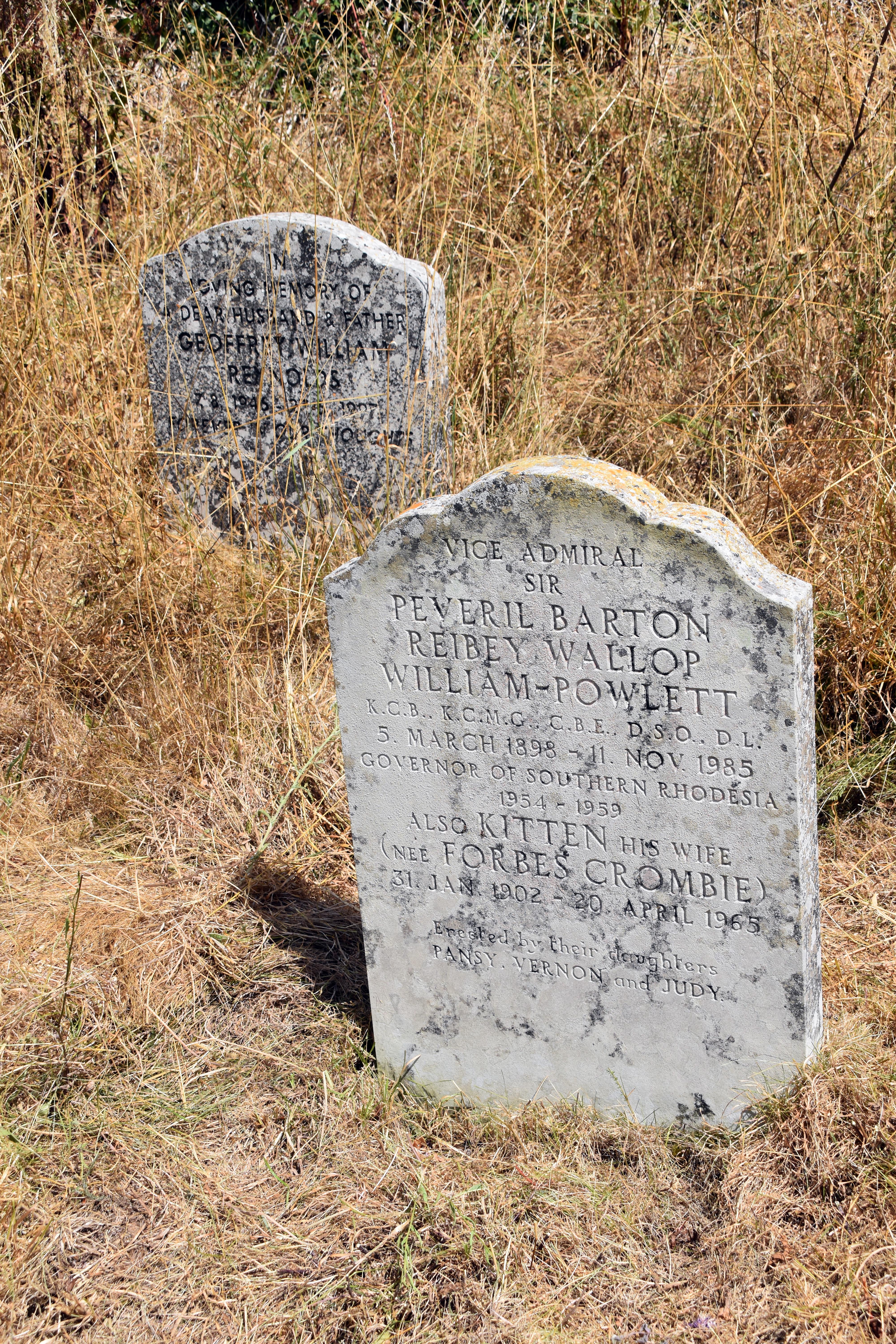
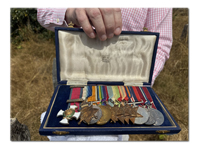
I did mention that this was a day of serendipitous turns and connections and there was none more interesting than meeting the family of Sir Peveril William-Powlett who is buried on the East side of the churchyard. It was their prearranged reunion that had given us access to this wonderful church in the first place. They were clearing the area around his grave which actually we had missed on our first circumnavigation of the church. It lays at the back and the grass may have been dry but it was still fairly tall. The words Rhodesia and the sheer number of acronyms would have jumped out at me had I seen them. I got chatting with a few members of the family in the church but at lunch time they asked if Rupert and I might take some photographs of their gathering. Pride of place was his only surviving daughter, Judith Jean who was also celebrating her 90th birthday. Now Sir Peveril had a fascinating military career going all the way back to the First World War serving on HMS Revenge as a Midshipman in the Battle of Jutland amongst a full four years of war service. But it is in the Second World War that his seniority gave him far greater responsibility and placed him in some critical actions of the war. His first Captaincy was of the Light Cruiser HMS Fiji. HMS Fiji participated in covering the evacuation of the ill-fated Battle for Crete where the German Paratroopers had seized control of the island, albeit taking frightful casualties themselves. Captain William-Powlett had been ordered to pick up survivors from HMS Greyhound which had already been sunk by enemy Stukas off the coast of Crete. HMS Fiji, alongside HMS Gloucester which accompanied her, would be targeted by relentless attacks from the Luftwaffe who dropped some 370 bombs towards the ship with countless strafing runs on top. In the attempted rescue, HMS Fiji was attacked so relentlessly that she had exhausted her anti-aircraft ammunition and had had to resort to using practice rounds in the hope that it still distracted the incoming German pilots and put them off their aim. Both ships were lost and further daylight evacuations from Crete were cancelled. An idea of the operation can be gleaned by watching Noel Coward’s ‘In Which We Serve’ which was based on this campaign and also had a number of scenes in my hometown of Plymouth. I was interested to learn that the family were leaving information in the church not about Sir Peveril but about Kit Tanner the Chaplain on board HMS Fiji who had spent the entire attack inspiring the crew and ensuring that all 60 men in the sickbay were evacuated before the ship went down. More than this though, he led the survivors in songs and hymns to keep up their morale and when being rescued by HMS Kandahar he repeatedly dived back into the water to retrieve yet more survivors ultimately helping 30 men on board. Sadly he was to die of exhaustion shortly after his remarkable exploits. Sir Peveril never forgot this chaplain’s bravery and neither has his family.
|
|
|
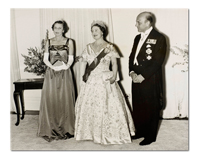
Losing his ship was not the end of Sir Peveril’s naval career by any means. Indeed he would be made Chief of Staff of the legendary Task Force H at Gibraltar which had done so much to help track down and sink the Bismarck and would undertake the equally remarkable operations to resupply Malta against relentless Axis submarine and aerial attacks. Sir Peveril was to make his own journey to Malta as the Captain of HMS Newcastle in Operation Vigorous which attempted to drive supplies from Egypt whilst a simultaneous attempt, Operation Harpoon, attempted to get there from the West. En route, HMS Newcastle was torpedoed from a German motor torpedo boat blowing an 18 foot hole in the side of the ship. Fortunately damage control not only saved the ship but she carried on with the convoy and indeed was to shoot down four enemy aircraft before the order for the entire convoy to return to Egypt was received in the face of too much enemy resistance. Sir Peveril would take over as Captain of the Home Fleet in the summer of 1944 which consisted of supporting the Allied advance in the aftermath of D-Day as well as continuing to help support the war against the U-boat threat. In retirement William-Powlett served as Governor of Southern Rhodesia from 1954 until 1959 at the time of Federation with Northern Rhodesia and Nyasaland. This was to be a diplomatically fraught time as the British attempted to rationalise their colonial holdings in the face of rising Nationalism and declining British power. Sir Peveril often disagreed with white settlers over the treatment of Black Africans whose eventual frustration would see them declare their famous Unilateral Declaration of Independence in 1965 although this was six years after Sir Peveril had left his post but was part of the same trajectory laid down during his period. It was during his tenure that the enormous Kariba dam project was begun, supposedly to demonstrate the strength of the newly enlarged Federation to conduct such monumental projects. In the end Northern Rhodesia and Nyasaland were suspicious of the motives of the white settler run Southern Rhodesia to dominate the Federation economically and politically. They petitioned for their own independence, the Federation was dissolved in 1963, and independence followed shortly afterwards. Southern Rhodesia white settlers were convinced that the British government would grant universal suffrage which would ensure the end of white dominance in the political chambers. Hence their call for UDI which was to last until 1979 before the very final British governor returned to Southern Rhodesia and independence was finally granted in 1980. Sir Peveril was part of this fascinating story and his daughter who I managed to talk to remembered very much her formative years in Salisbury in Rhodesia. It is lovely when you can talk and touch history in this way. And interesting that you can find not one connection to African history in this church but two; Lieutenant George Shergold Smith and Vice Admiral Sir Peveril William-Powlett. And intriguingly both had had Royal Naval careers.
|
|
|
Amazingly all this information was before we had even started our walk proper. This was just the first church of two and there were far more people commemorated than I have written about. But after lunch we started our walk through the Escot Estate which remarkably still is under Kennaway ownership on our way to Talaton and a very different church there. The walk almost immediately takes you under the busy A30 before you enter the tranquil lands of the Escot Estate which these days have diversified Into all sorts of business activities in order to keep the estate in one piece; conferences, wildlife park, weddings, concerts, filming location, festivals. It was a very vibrant location indeed.

|
|
|
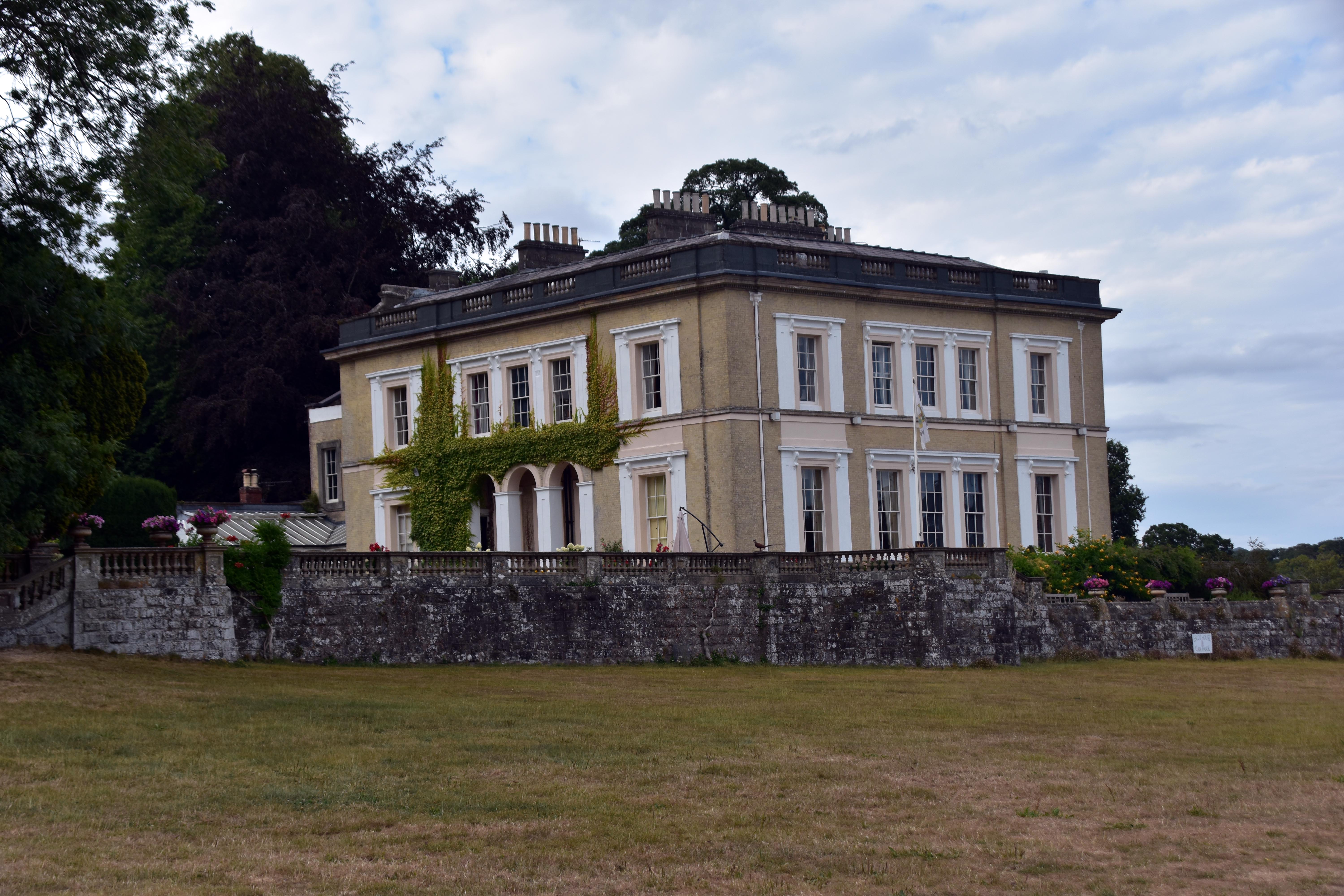
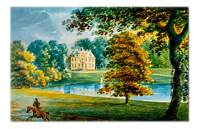
The house you see today is not the house that the 1st Baronet Sir John Kennaway had bought when he bought it with his fortune made in India in 1794. That house burned down in somewhat tragicomical circumstances in 1808 when a young lady house guest tried to dry her clothes rather too close to the fireplace. The resulting inferno gutted the building. As if this was not bad news enough. It appears that despite being director of the local Fire Insurance company, his own house was uninsured as he had not yet signed the necessary documents for his own policy. Apparently he is supposed to have told the unfortunate young lady who started the fire: "My dear, I forgive you, but I never wish to see you again”. You can see why even his Christian principles might have been stretched to the limit. He took up another residence in Fairmile but actually decamped largely to Sidmouth for the rest of his life in what is now known as Kennaway House where he could enjoy more social activities than he found in his country estate. It was left to his son, also called Sir John Kennaway – but the Second Baronet – to rebuild the family mansion as his memorial in the church explains. Indeed, it was the second baronet who also built the church itself as a way of demonstrating that the Kennaways were part of the social fabric of the nation despite the fact that this was only the second generation of Kennaway wealth most of which had hailed from India. But this new Escot House with its landscaped estate and a beautiful church on its doorstep would establish the Kennaways in respected society. These buildings are an example of transiting from nouveaux riches to being a part of the establishment.
Whilst walking through the lovely estate we could hear some interesting noises above our heads as we headed north towards Talaton. At first I wondered if it were an over-active squirrel but soon I realised that the sound coincided with some far-off gunshot noises. I put two and two together and realised that they had some clay shooting ranges close by and that some of the shot might be landing on us as we walked along the footpath. It was something of a sunken path so I wasn’t too perturbed but it was a little unnerving to hear the soft spray above our heads.

|
|
|
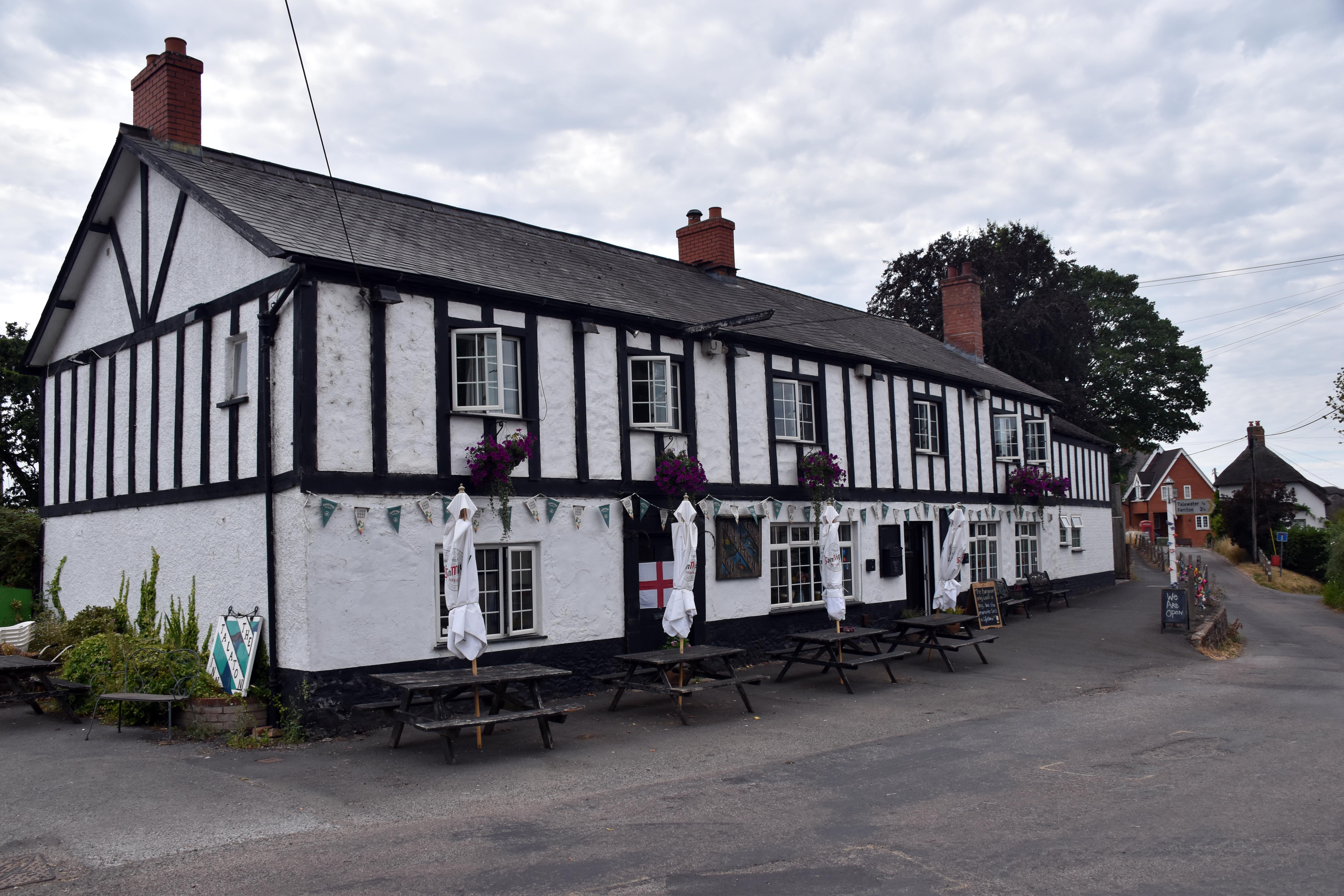
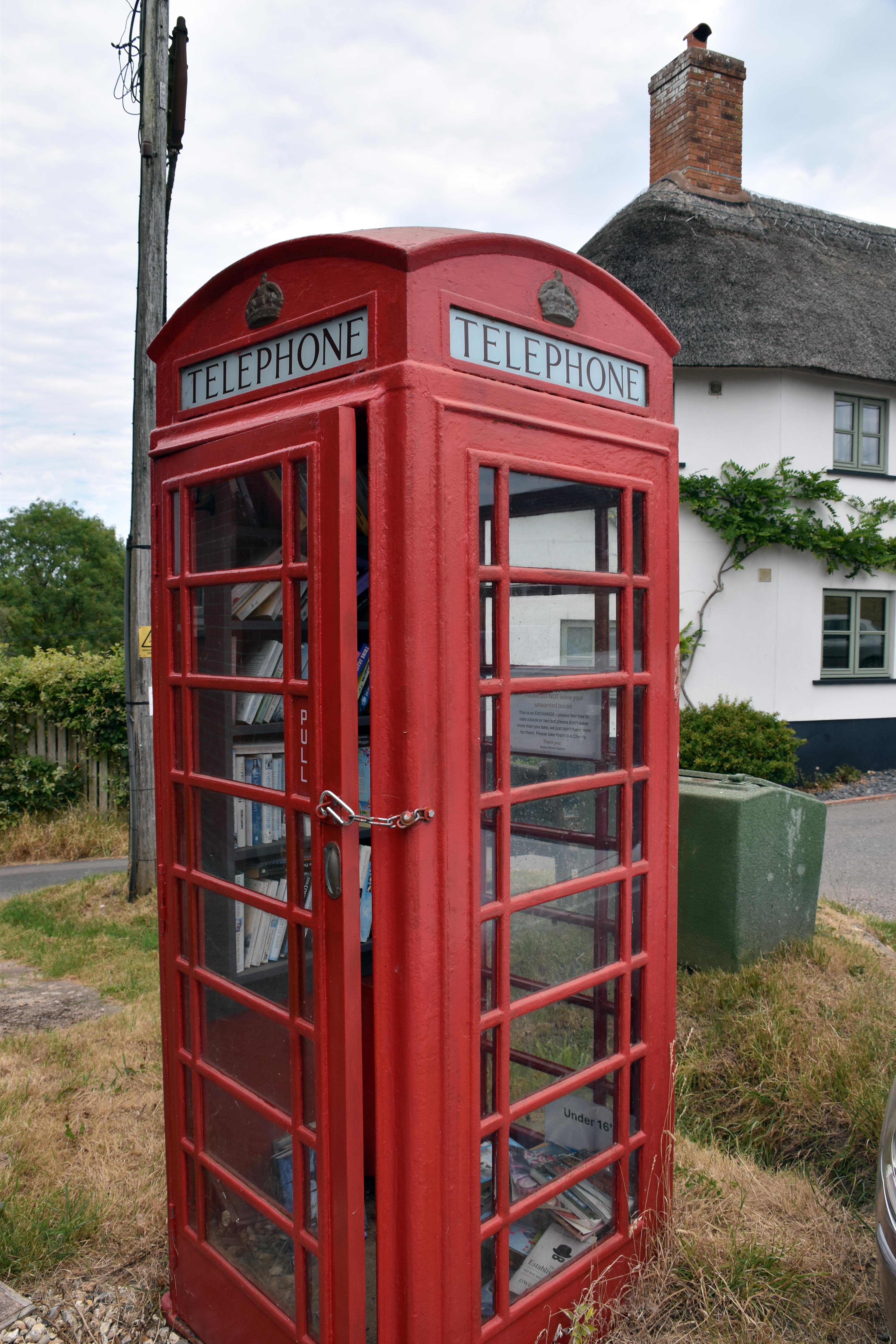
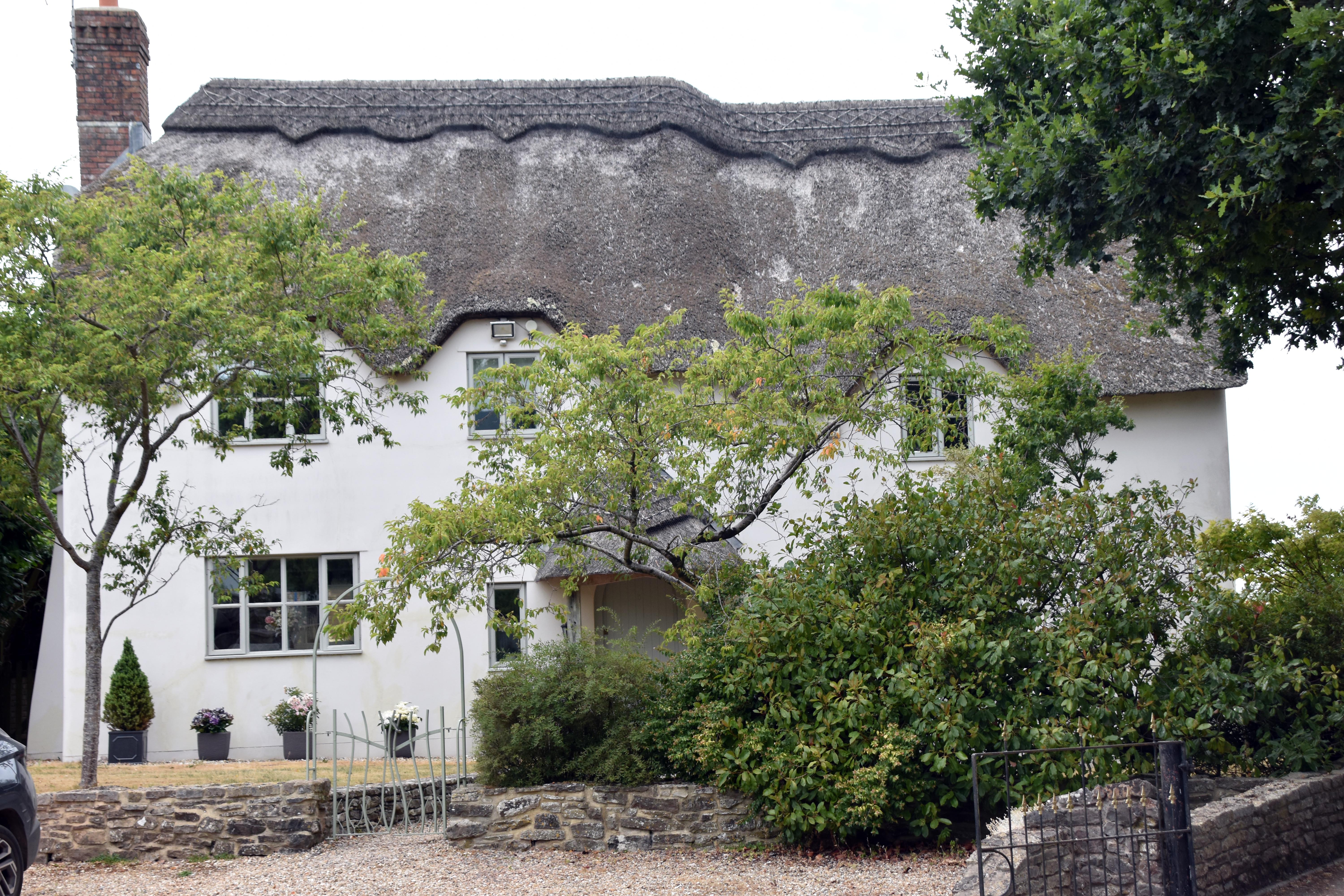
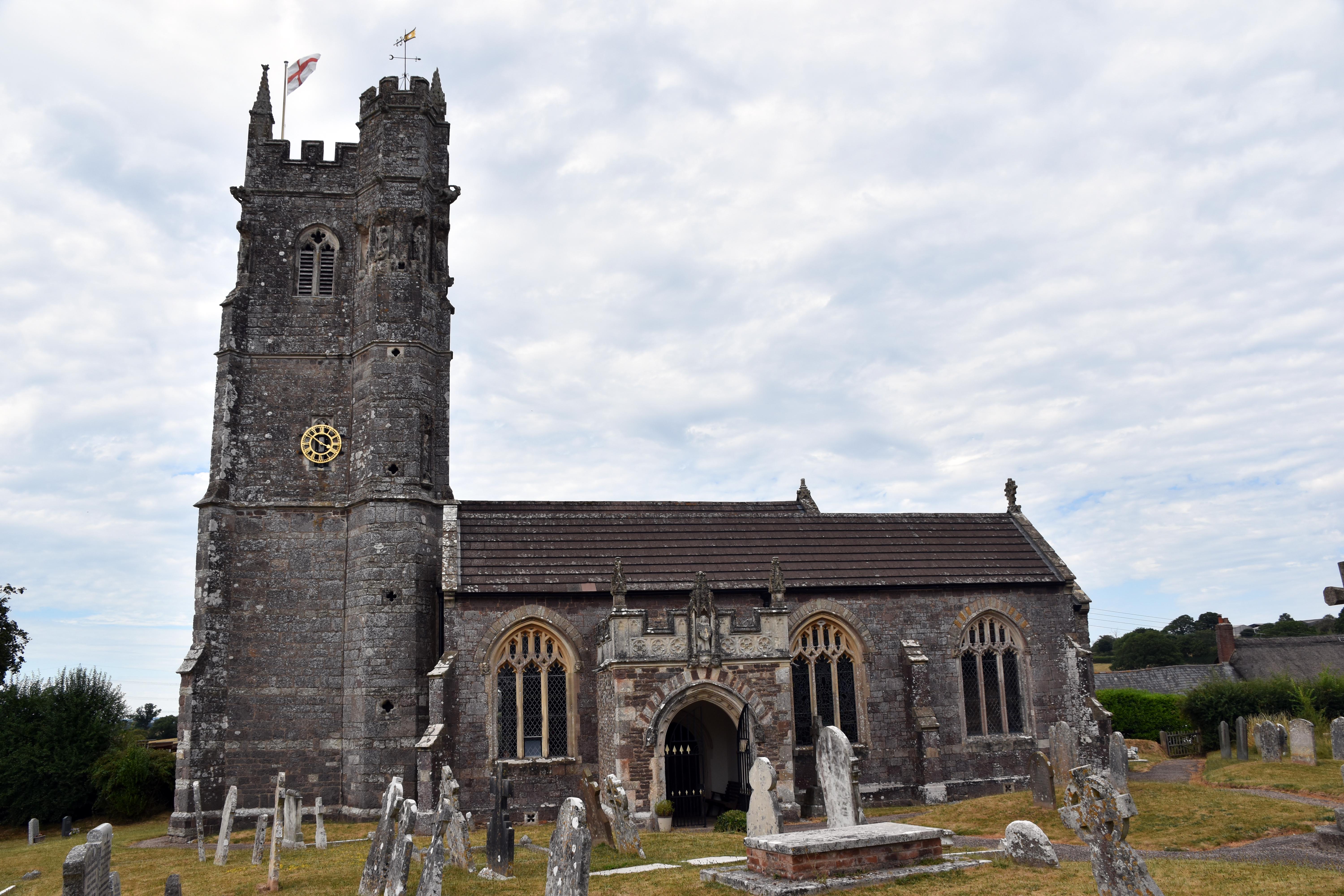
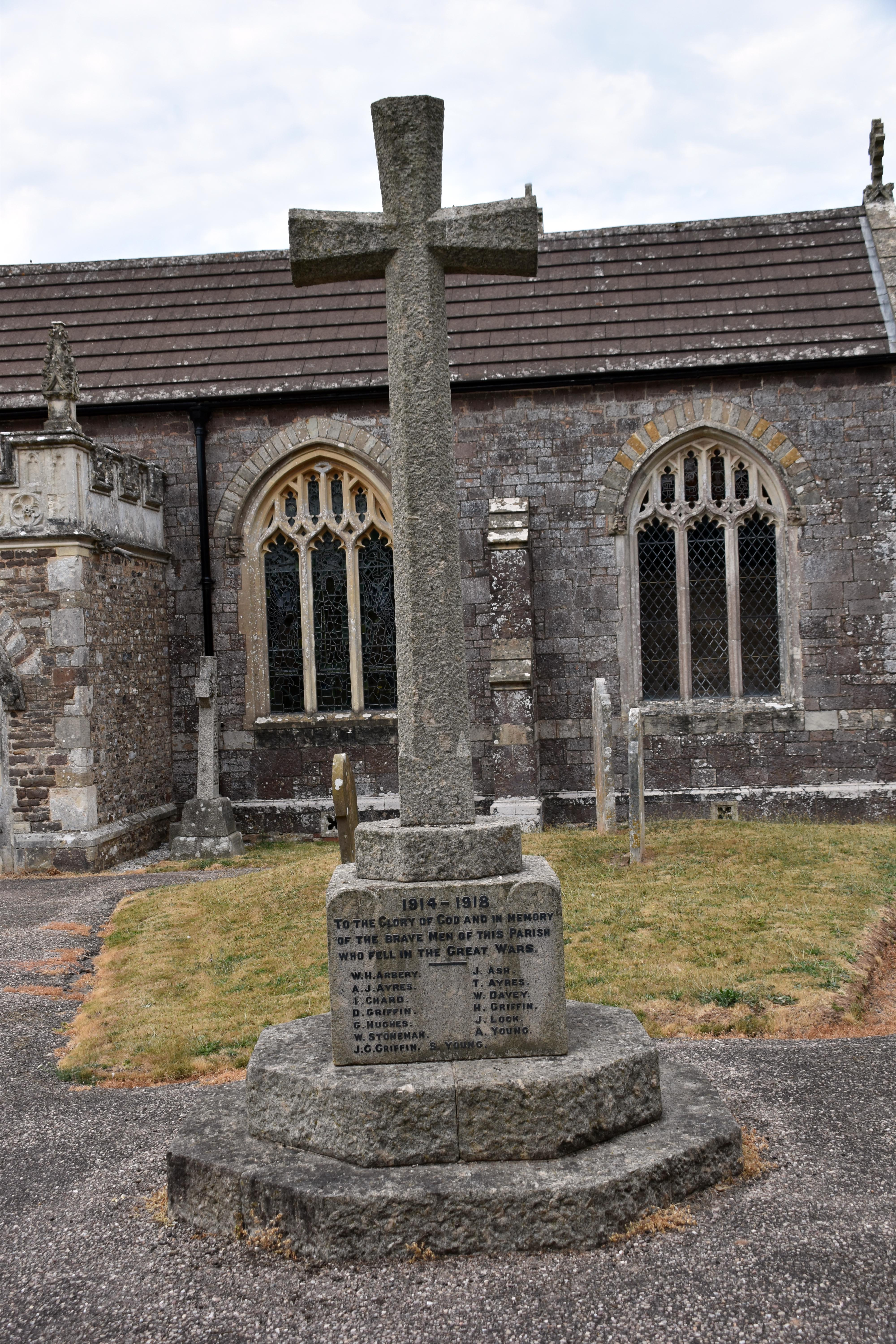
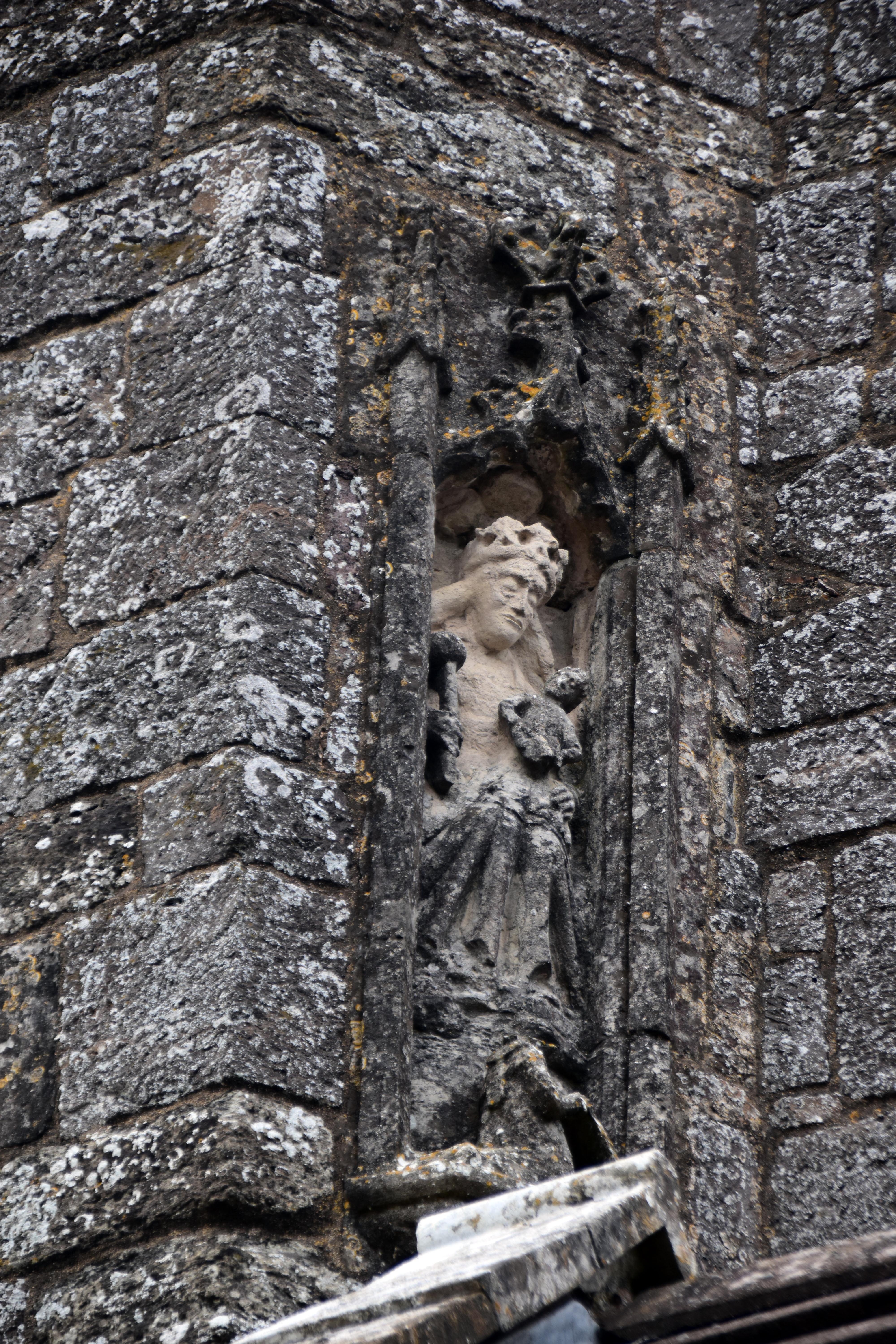
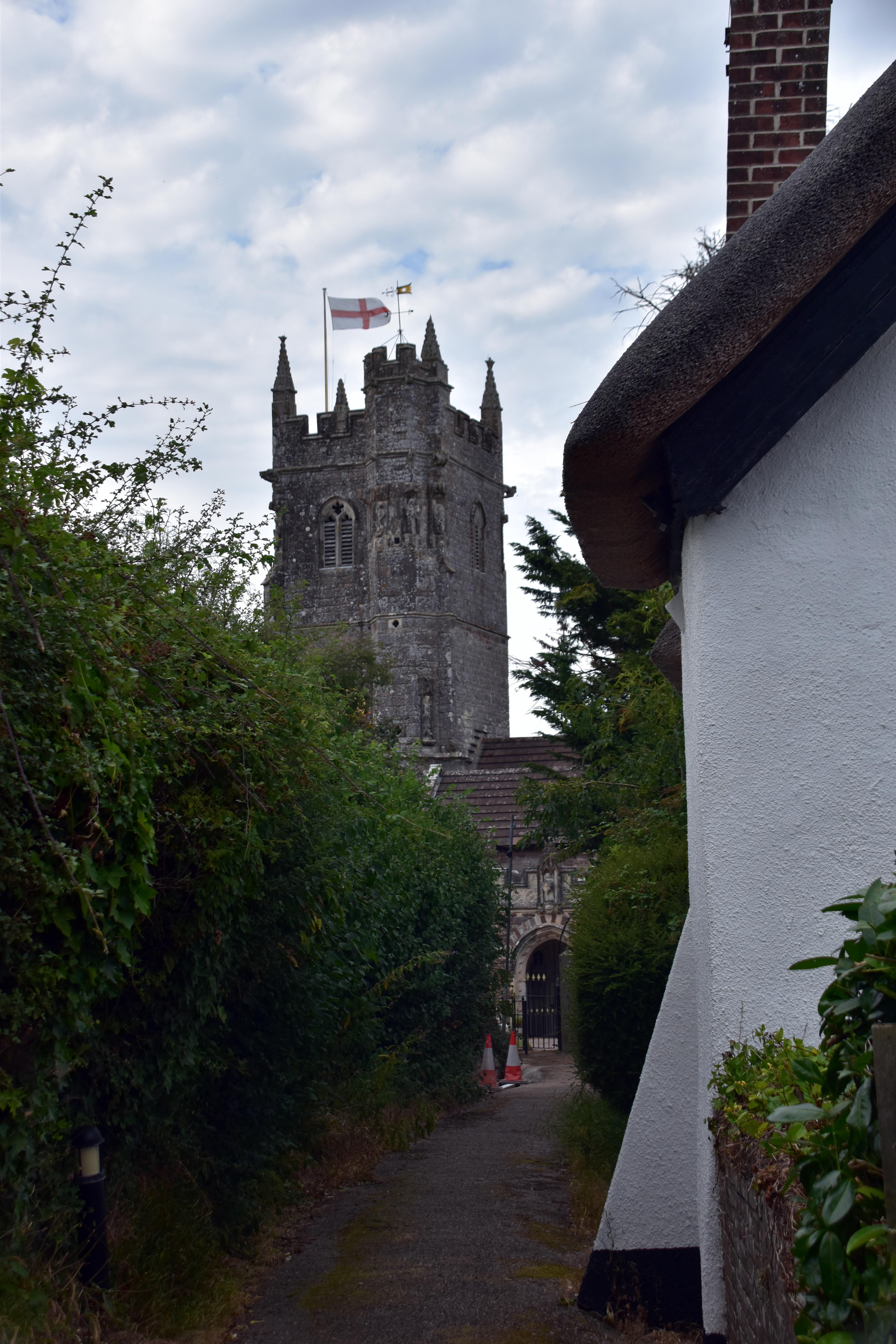
Undaunted we carried on to the delightful looking village of Talaton with some lovely Devon cottages and thatched housing along the route. Very picturesque. There was a red telephone box with an interesting local library housed in it and a pub on the corner. The entire village seemed to be dangling with or wearing some bright woollen shapes and decorations as if they could not turn off the tap of determined knitters to provide colour into village life. But once again it was the church that took our breath away. It is actually on the edge of the village and unusually tucked down a lane to get to it. It is also right next door to a field of cows and our entire visit to the church had a lovely soundtracking of lowing cows.

|
|
|
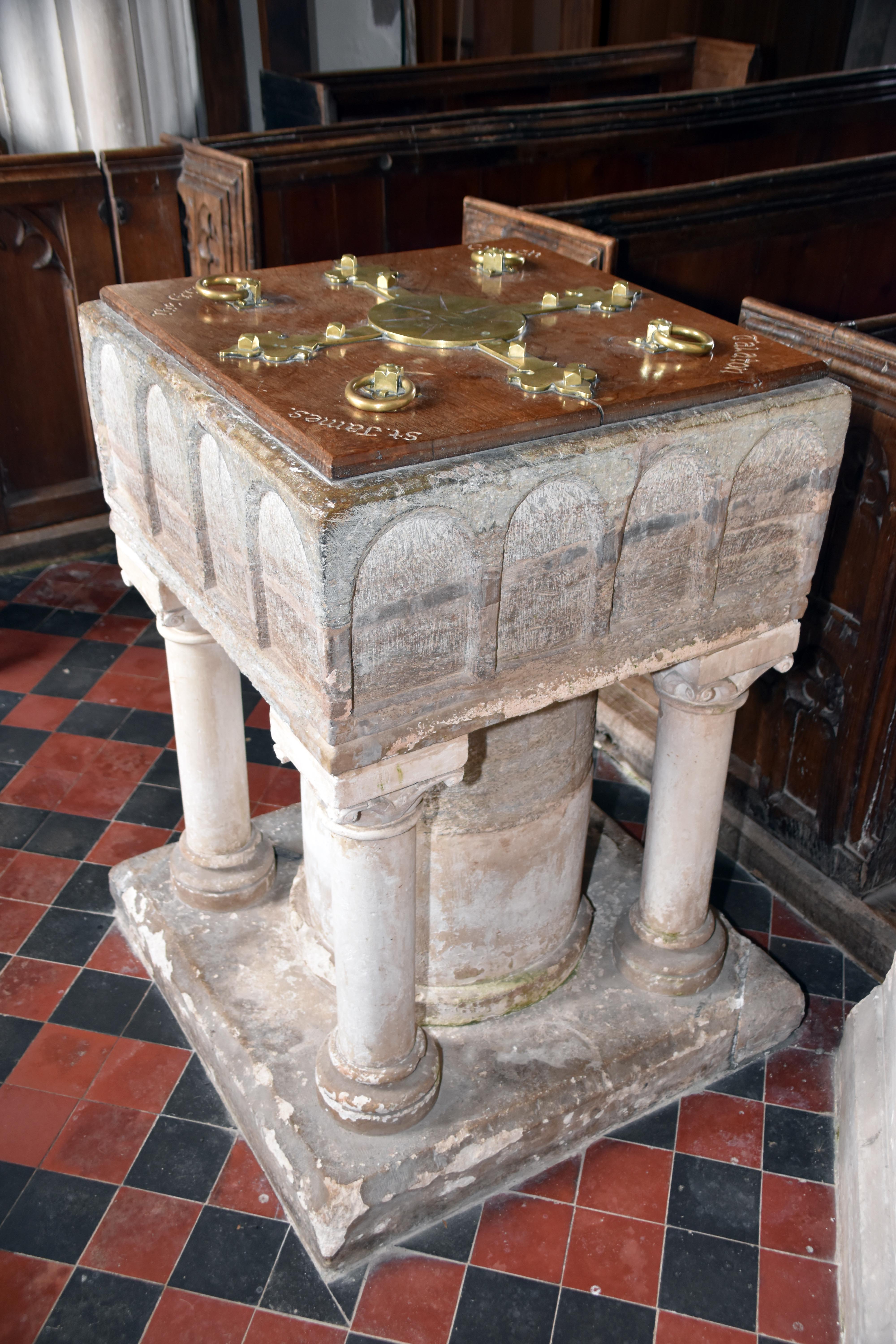
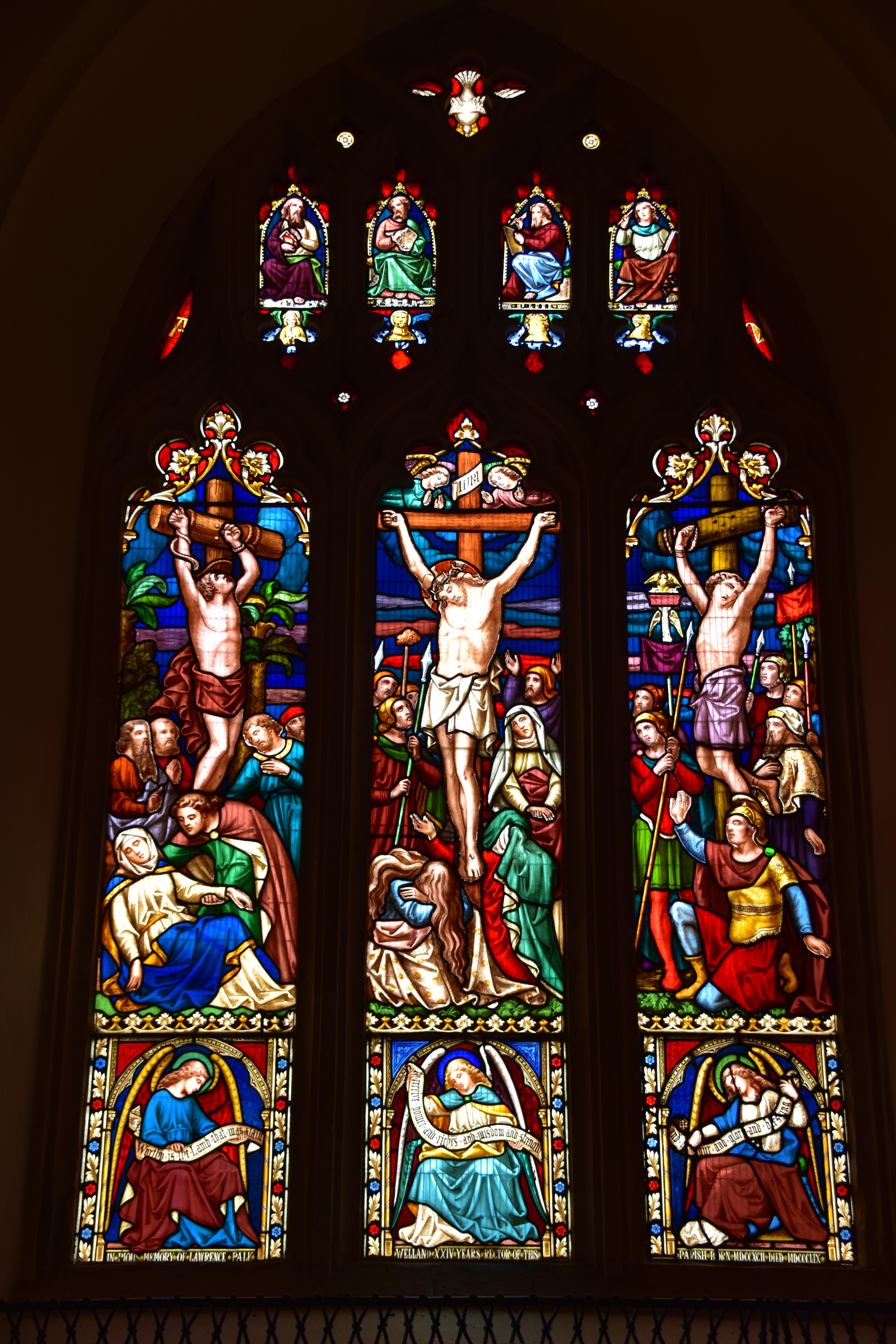
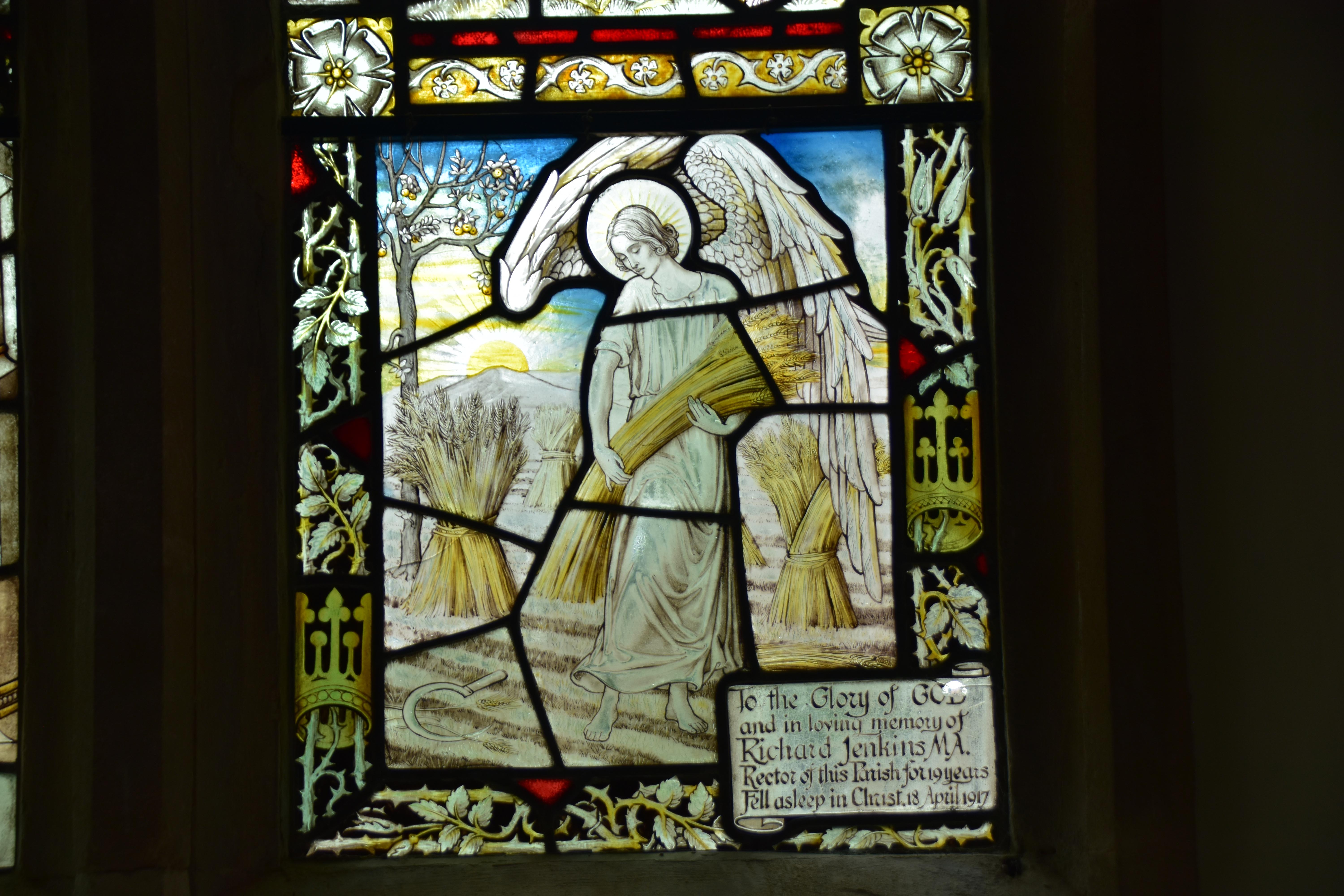
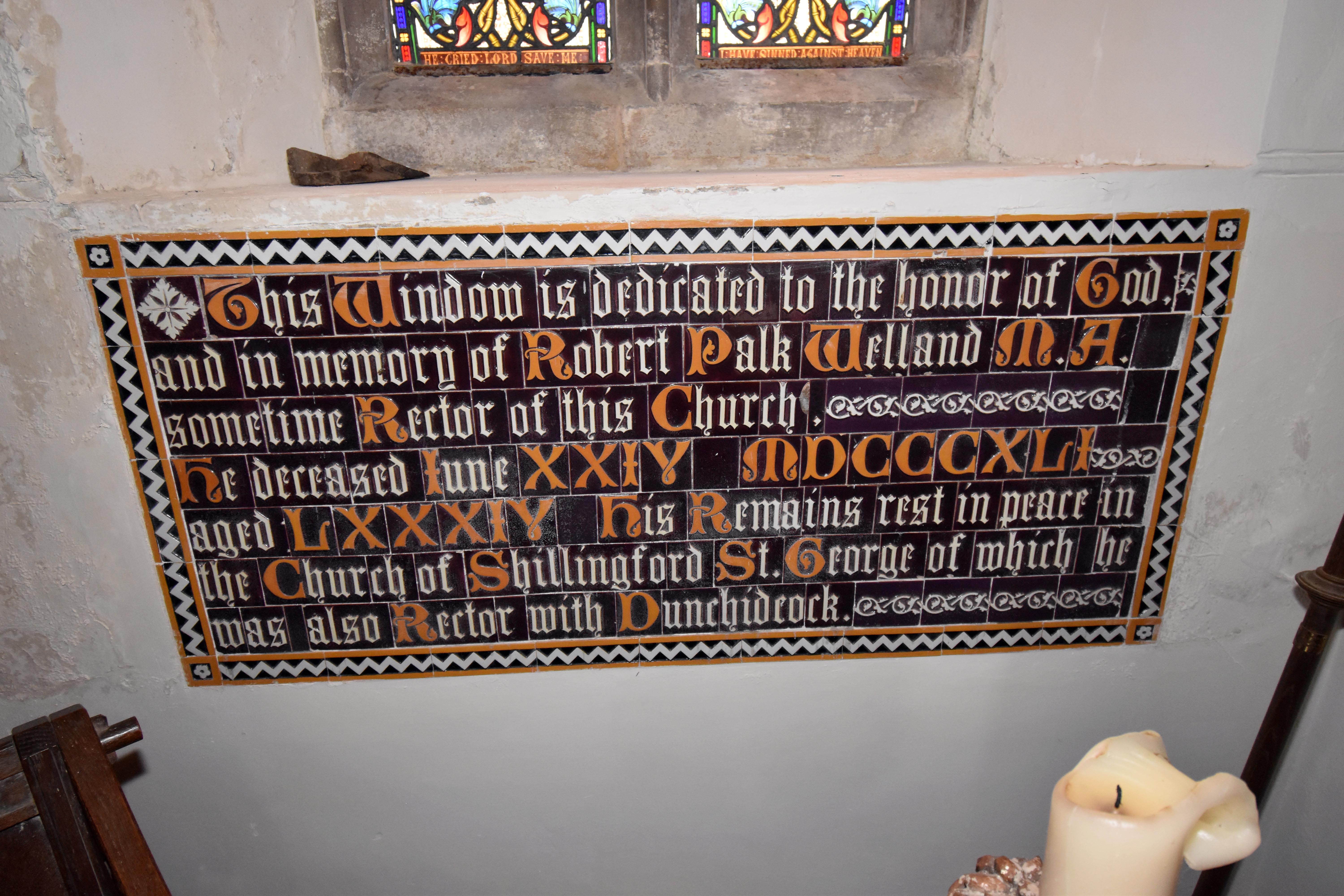
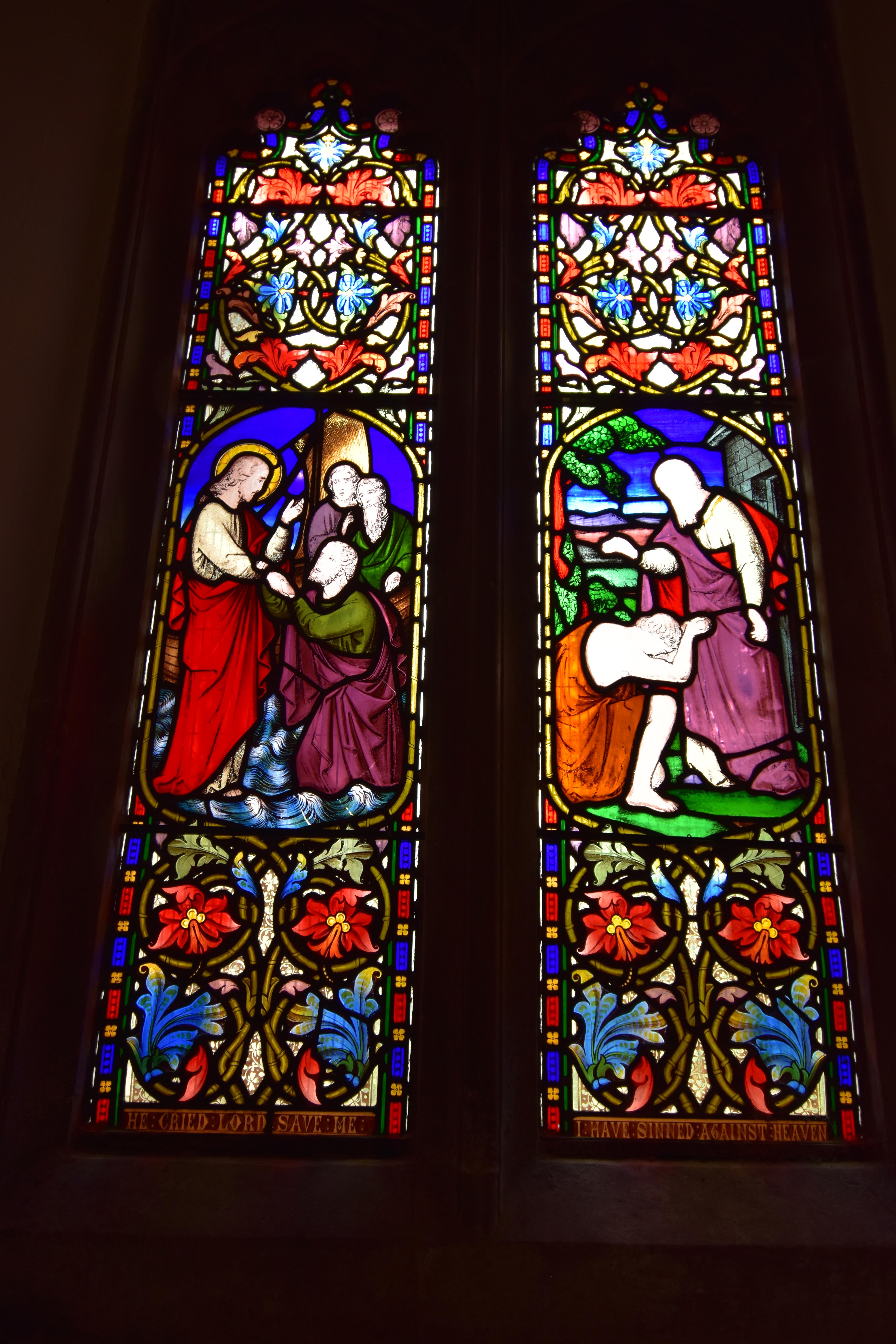
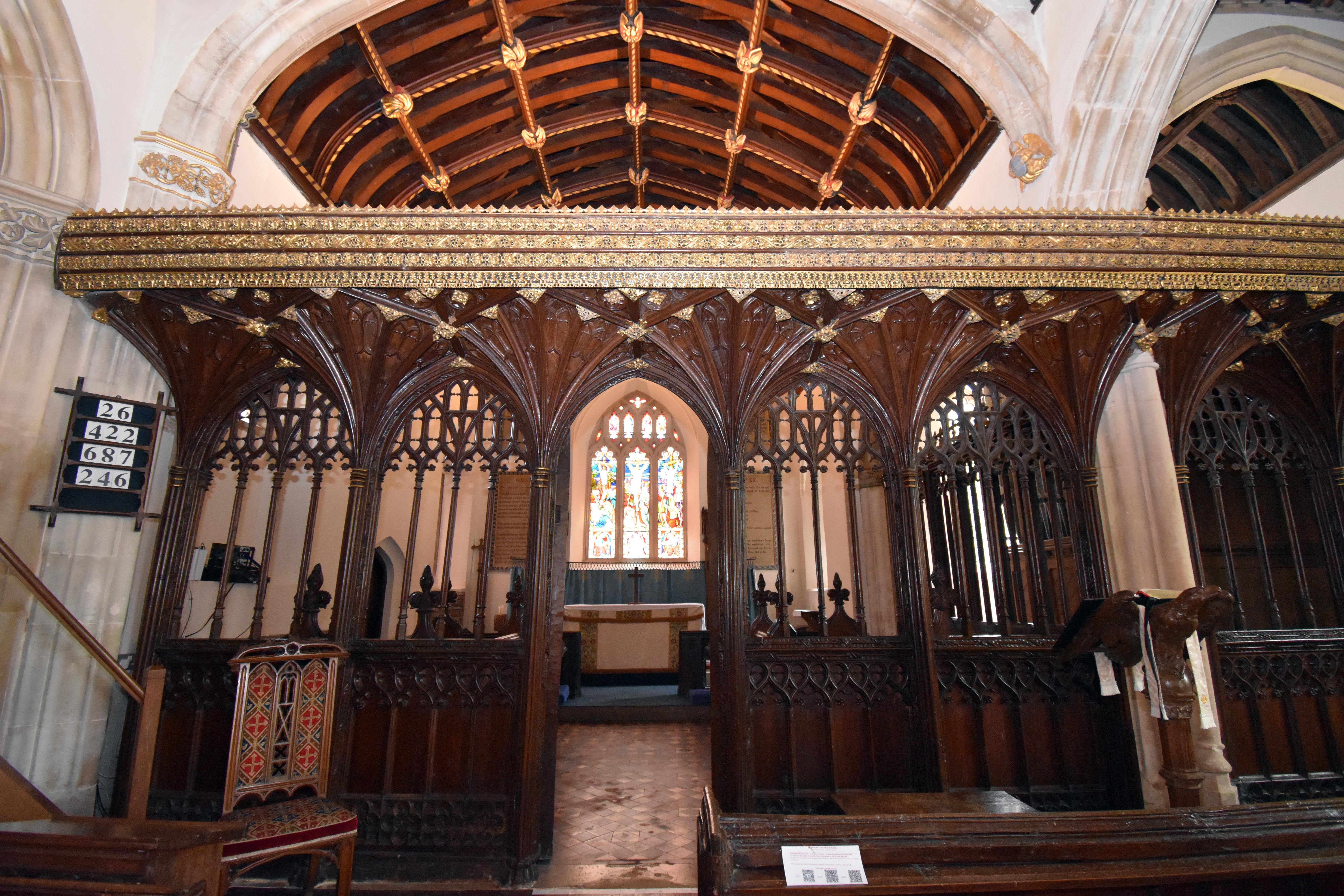
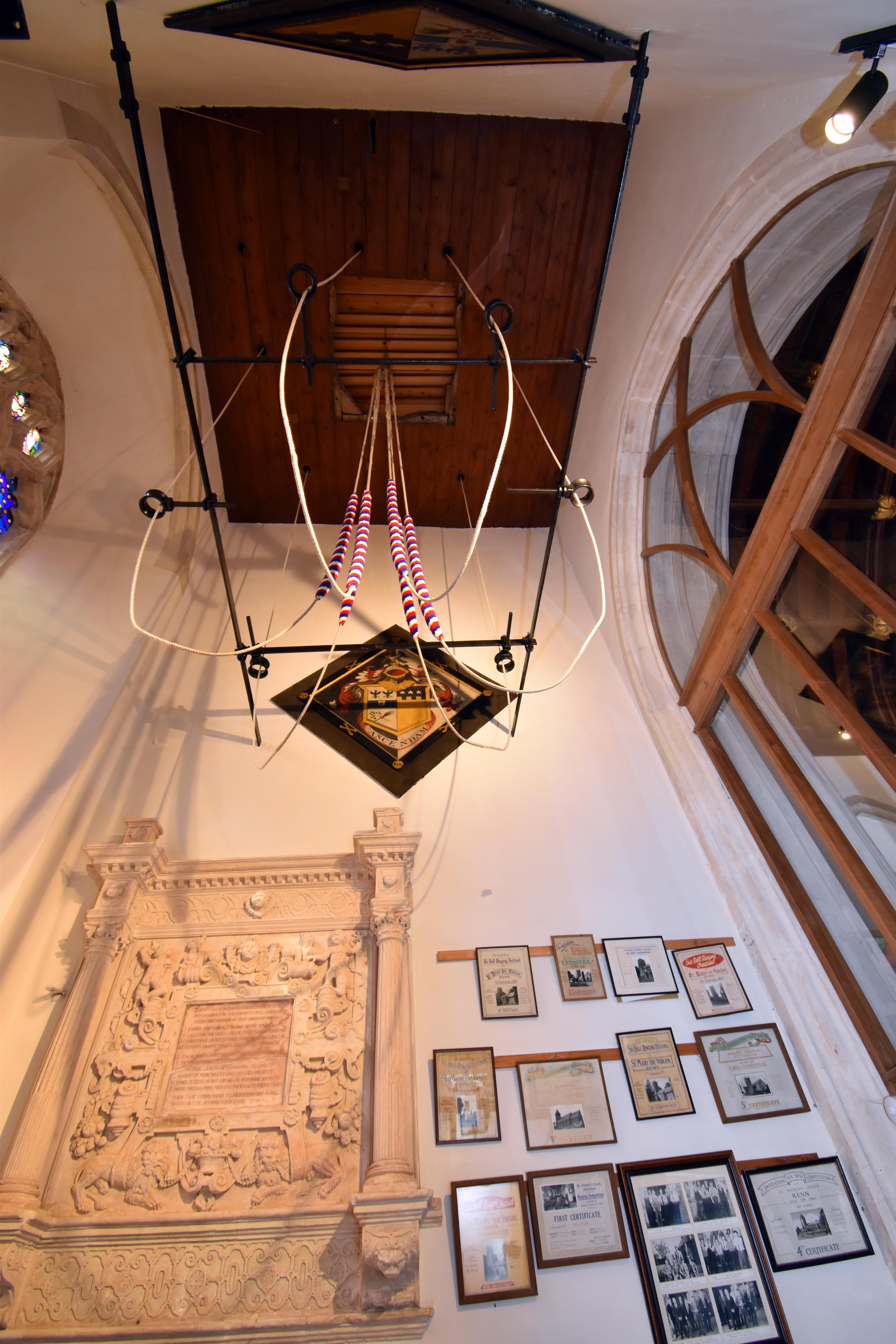
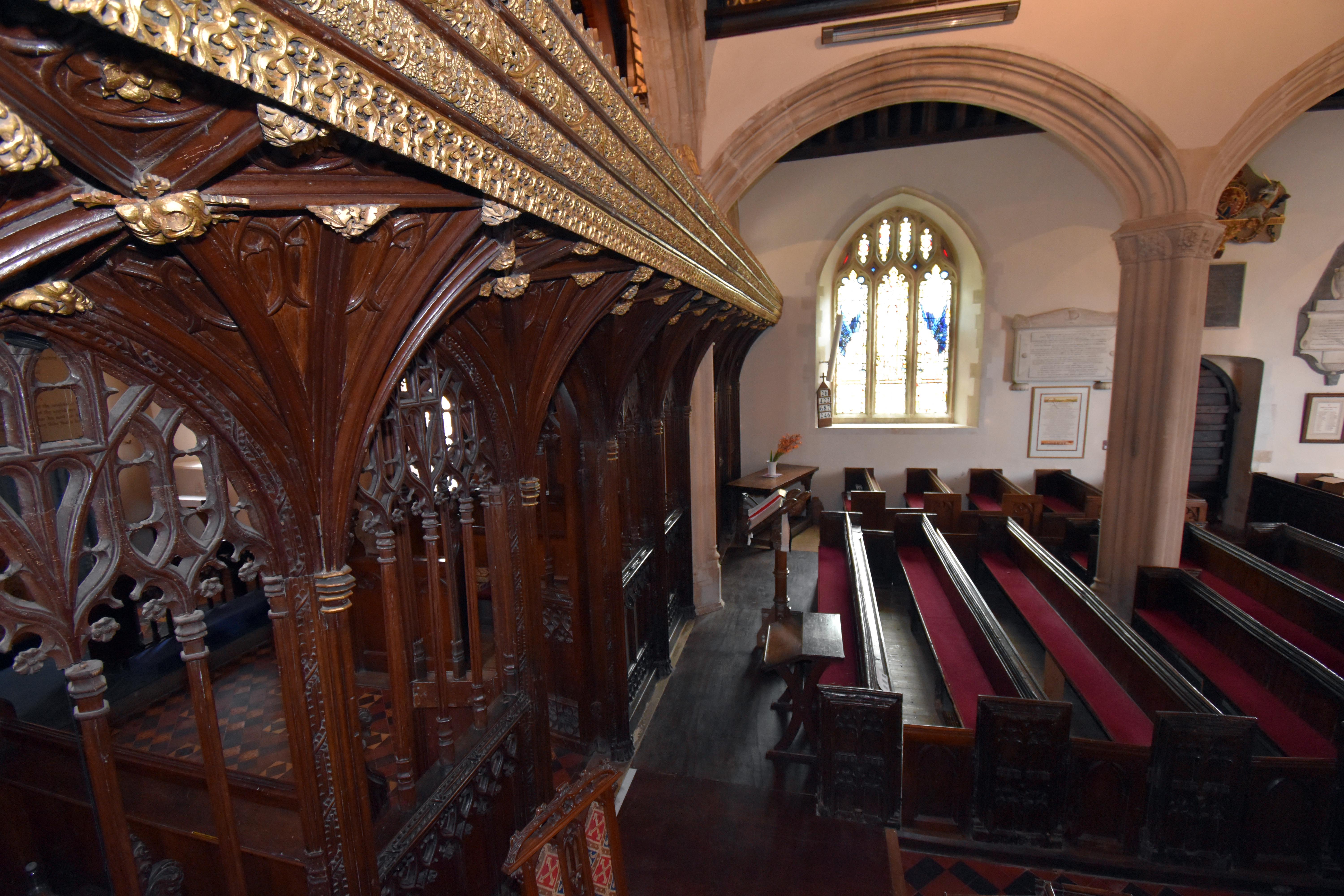
St James the Great provided a wonderful contrast with the Escot church. Whilst the latter was clean, Victorian harmony, St James was an equally interesting if profoundly differing medieval church with little symmetry, weathered statues outside, memorials all over the place and a beautifully gilded rood screen and one of the most impressive wagon roof decorations I have seen. The one area of commonality was the beautiful Victorian stained glass windows. It was on the eastern stained glass window that I noticed once again a connection to our friends the Palks of Haldon Hill. Indeed it appears that two members of that other family who had made their fortune with the East India Company were based at this church: Lawrence Palk Welland and Robert Palk Welland. You may remember that the name Lawrence was very important to the Palk family as General Stringer Lawrence was a close friend of Robert Palk as they had both served under Clive of India in the formative years of John Company. With no family of his own Stringer Lawrence retired with his good friend Robert to Haldon House where the Belvedere was built in his honour on the hill. Upon his death Stringer Lawrence left his entire estate to Robert Palk and in return the Palks promised to keep Lawrence’s name alive in all subsequent generations. Before the construction of St Philip & St James Escot House lay in Talaton Parish and we did find the Kennaway name popping up in a number of places. So it is possible that the Kennaways had influence with the Bishop of Exeter who held the Advowson of Talaton to have members of the family of a fellow Nabob to the positions. It is always fascinating when we can link all the various families and places that we visit. Again we are seeing the impact of Imperial history inserting new names and estates into our establishment as if they had always been there.
|
|
|
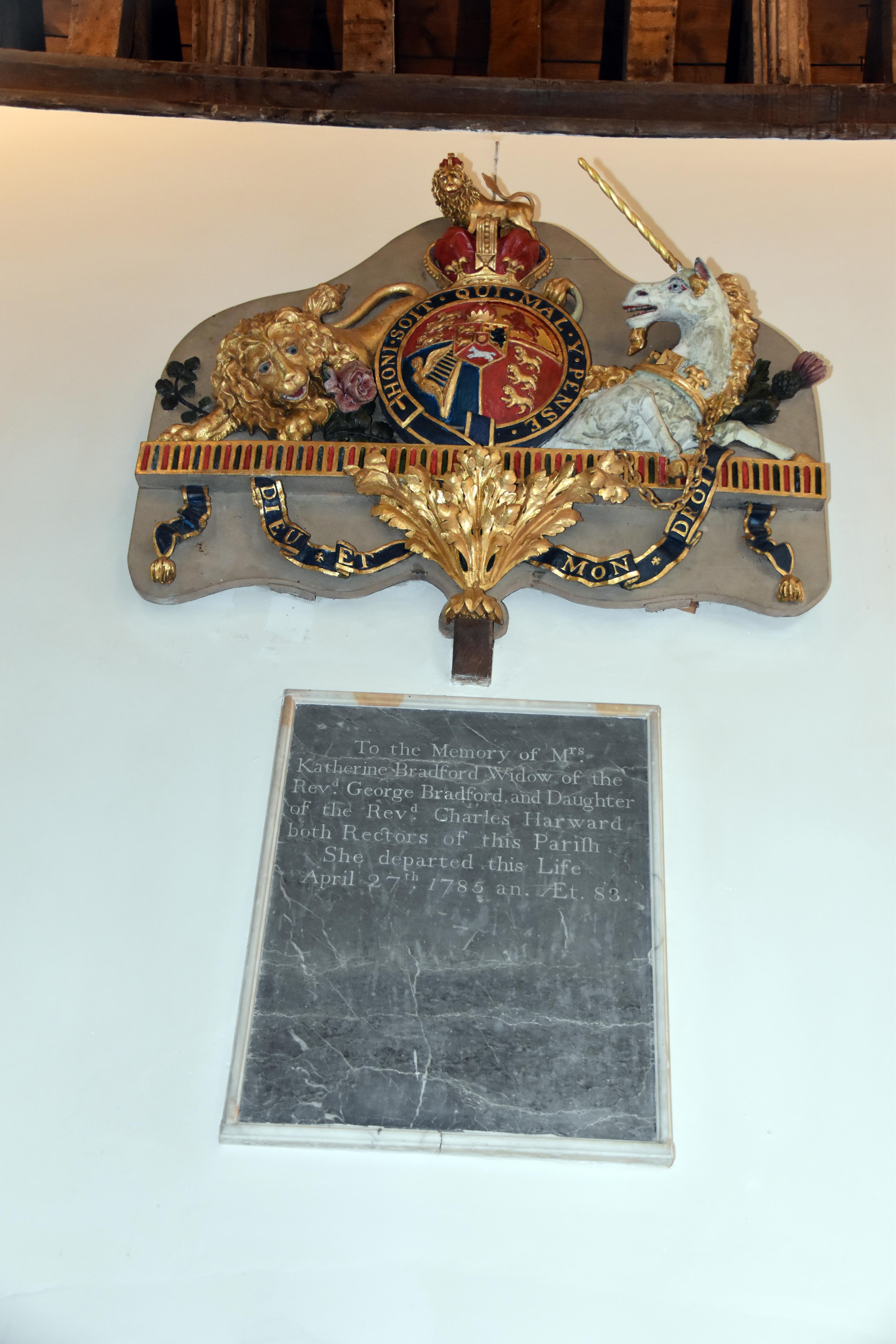
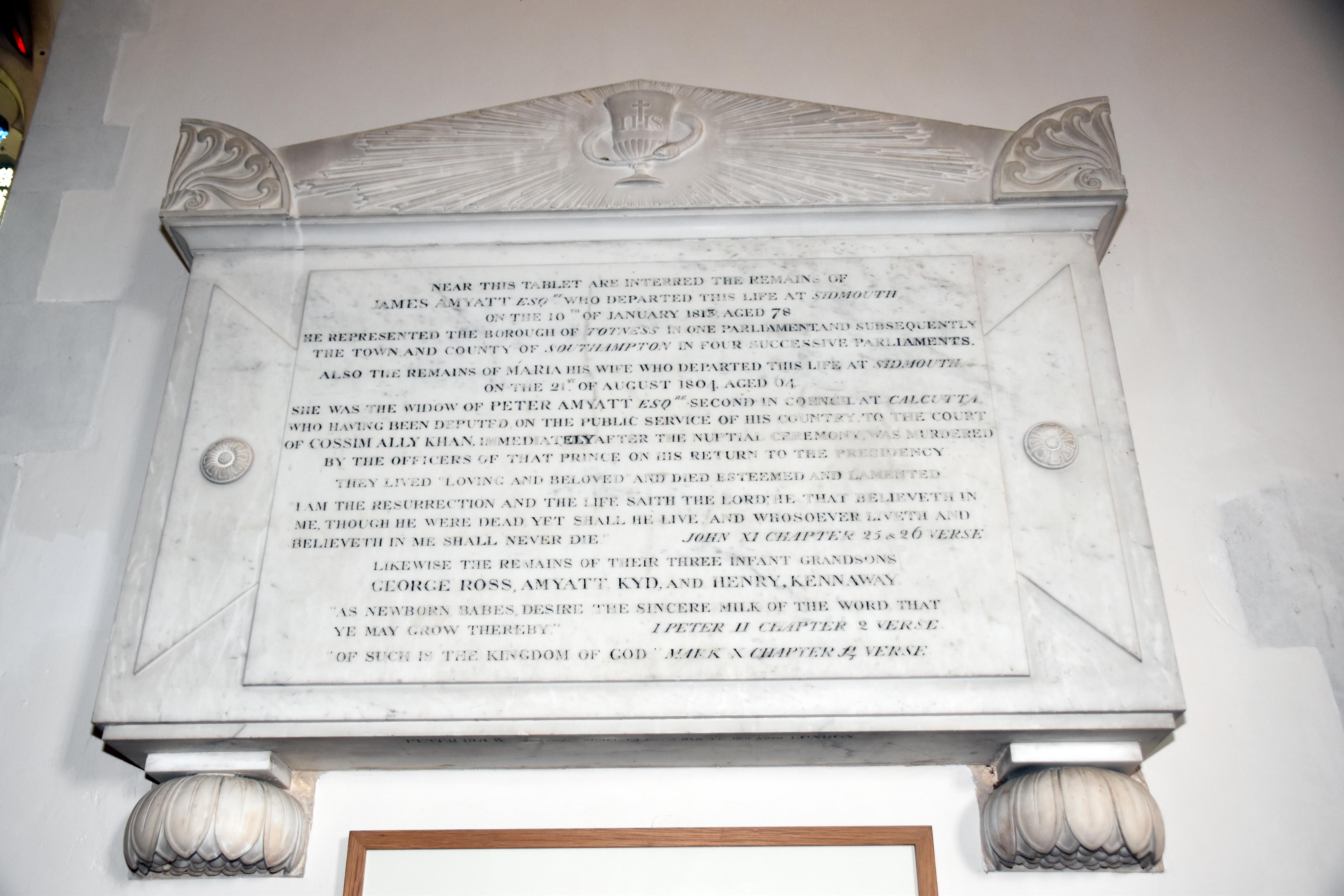
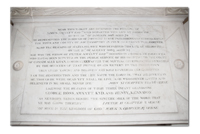
Now as if our Indian connections had not been impressive enough we saw yet another fascinating memorial to someone who had been murdered in India and with yet another connection to the Kennaway family although through Sir John’s wife’s family this time the Amyatts. Charlotte Amyatt had been the daughter of James Amyatt, a captain in the East India Company’s maritime service and later a merchant, and remembered in St James the Great church. On that same monument his wife had been the widow of his brother Peter Amyatt, who was also connected to the early East India Company with a seat on the important Council at Calcutta. The memorial explains that Peter Amyatt had “been deputed on the public service of his country to the Court of Cossim Ally Khan. Immediately after the nuptial ceremony was murdered by the officers of that prince on his return to the Presidency.” Coming just a few years after the notorious Black Hole of Calcutta incident of 1756, this event was known as the 1763 Patna Massacre, where up to 50 British East India Company prisoners were massacred and thrown into a well, including poor Peter Amyatt. This atrocity was used as a casus belli by the East India Company to invade Cossim Ally Khan’s territory and defeated him at the Battle of Buxar (1764), which in its way was as important a battle as that at Plassey in 1757. It was this victory that allowed the East India Company to acquire the right of Diwani (1765), which would transform the East India Company from a trading company into an administrative one and laid the foundations for the Nabobs to earn their fortunes and later on buy their estates back in England. In a strange way these two churches told the story of much of the East India Company’s rise on the other side of the world and to gain such wealth, power and influence as demonstrated by the Kennaways, Palks and Amyatts. It also demonstrates how interwoven these families were with one another. But as well as fortunes, India also created widows and broke the health or killed off many who dared to try and make their fortunes there. These tranquil Devon memorials in beautiful churches in delightful locations belie the forces behind these fortunes and the events that helped create Britain’s most important imperial possession.
|
|
|
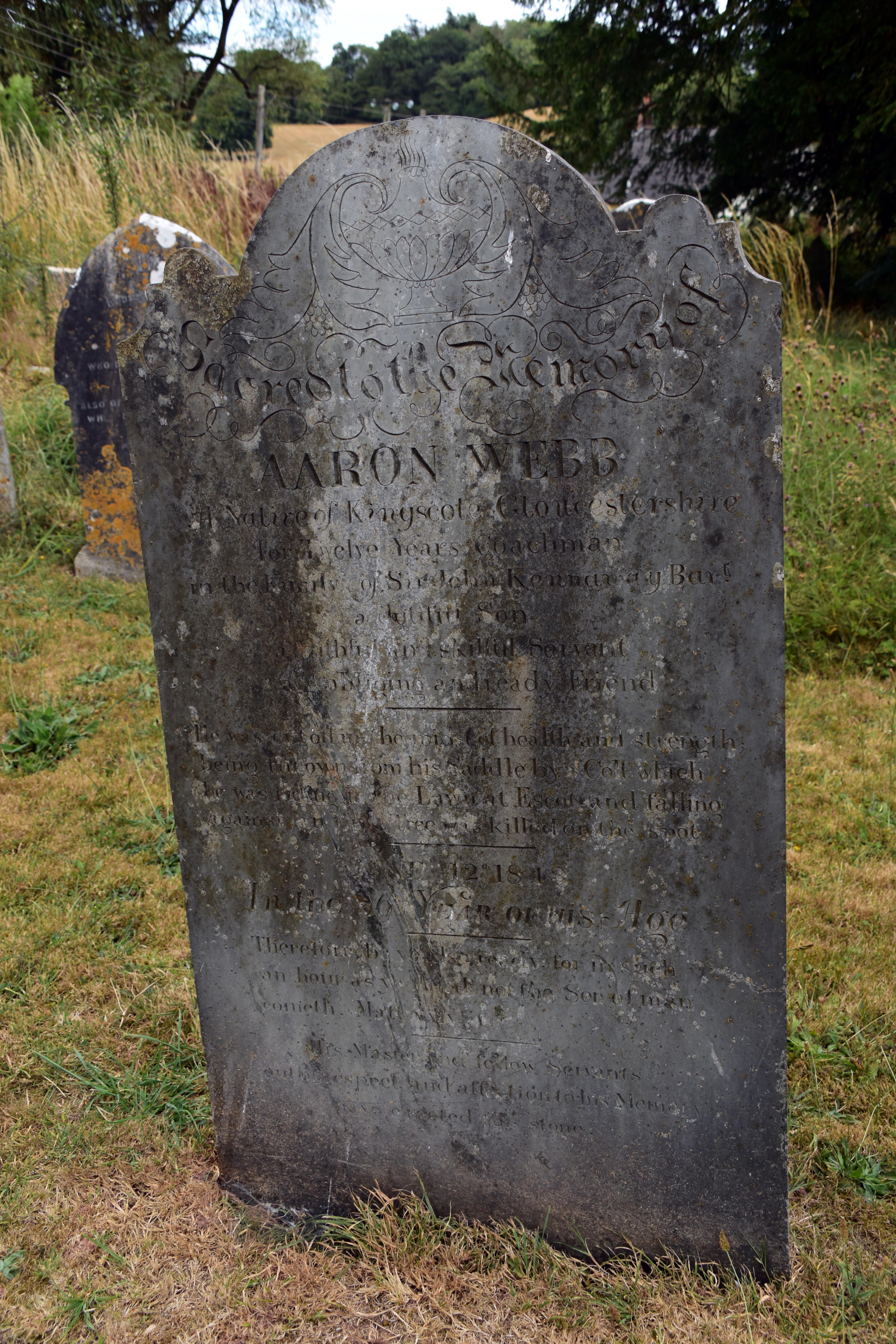
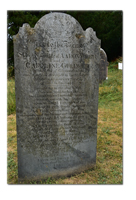
There was to be one more Kennaway treat in the cemetery and one that we were not expecting to find. A much sadder one but one that also shows that even the great and the good could find it in their hearts to remember their staffs with their travails. There are two graves which you need to read both of to piece the tragedies together. The first one reads: “Sacred to the memory of Susan Webb, wife of Aaron Webb and of Caroline Gullwell, both natives of Gloucestershire and sometime servants in the family of Sir John Kennaway Bart of Escot in this Parish. Brought up in the same school they were strikingly alike in disposition and natural character, cheerful, amiable and obliging when at last convinced of sin the sense of its guilt deeply oppressed them but faith triumphing over fear they embraced the saviour and found peace in believing. Both in early life became the prey of lingering consumption and testifying to the grace of Him who washed them white in his blood they departed in hope and side by side they sleep in Jesus. Susan Webb died April 1838 aged 32. Caroline Gullwell died August 1838 aged 24. Also of John and Thomas, both sons of Aaron and Susan Webb who died in infancy 1838”
The second to Aaron Webb reads: “A native of Kingscote, Gloucestershire and for twelve years coachman to the family of John Kennaway Bart. He was a dutiful son, a faithful and skilful servant and an obliging and ready friend. He was thrown from his saddle by a colt which he was riding on the lawn at Escot and falling against the oak tree he was killed on the spot. June 12th 1848 in the 36th year of his age. Therefore be ye also ready for in such an hour as ye think not the Son of Man cometh. Matthew 24 v44. His master and fellow servants out of respect and affection to his memory have created this stone”
Basically between 1838 and 1848 the Webb family underwent tragedy after tragedy. Susan Webb had lost their two infant children in 1838. She herself was to die of tuberculosis that same year alongside her childhood friend. As if that was not tragedy enough, her widower Aaron was killed on the lawn of Escot House when the horse he was riding threw him against an oak tree, killing him instantly. You do not often get such elaborate headstones paid for by their employer, in this case Sir John Kennaway, the 2nd Baronet. The timeline is interesting because the children and mother and friend were buried here in 1838 before the church at Escot had been built. Aaron dies a full decade later after the church is up and running and could well have been buried in the new church, but presumably it was thought more appropriate to lay him next to his wife and children here in Talaton. These are undoubtedly two sad graves, but it does show an element of humanity and respect that a master remembered them in such a dignified manner.
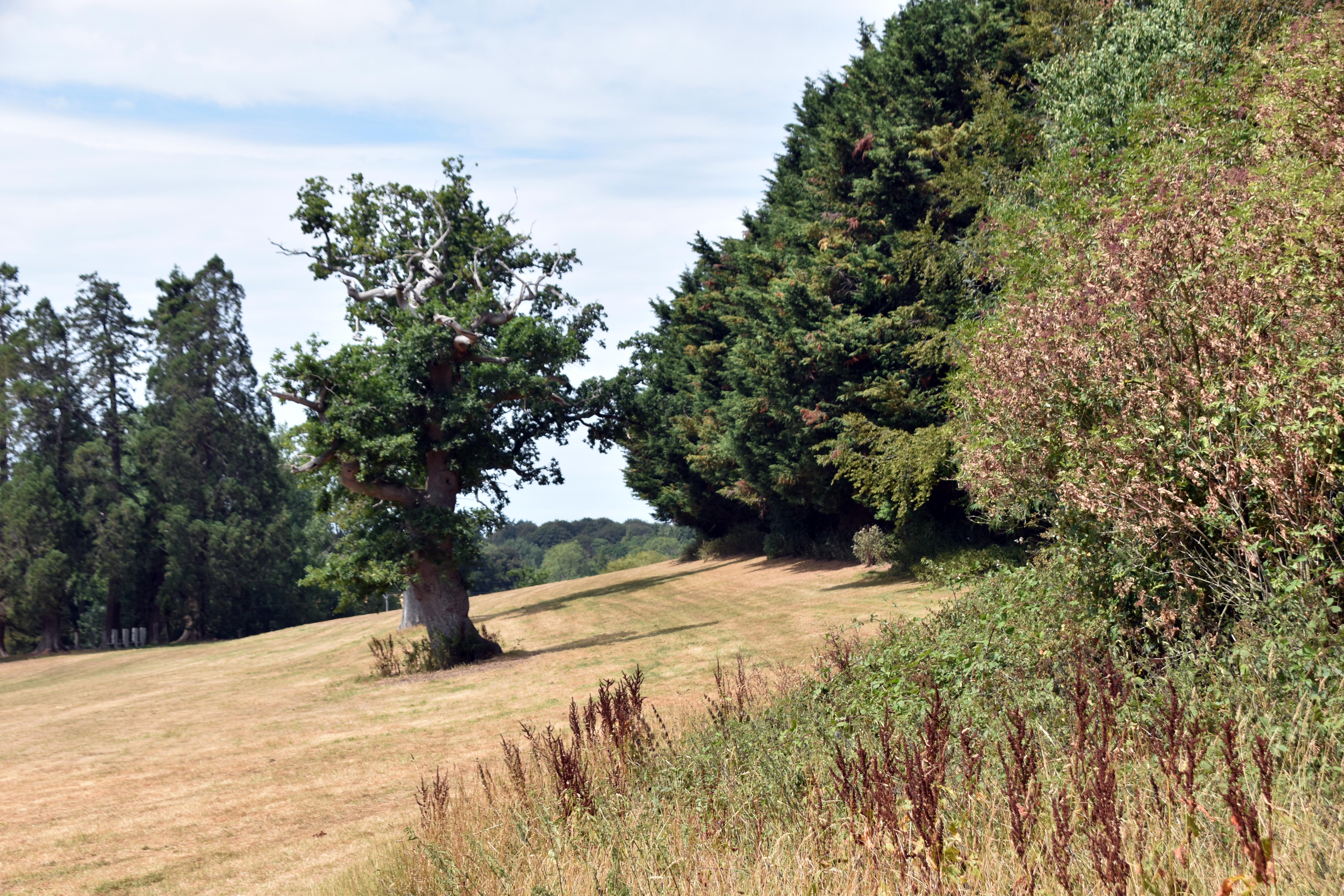
We were pretty much to retrace our steps and as we passed back through the estate wondered which of the oak trees that poor Aaron might have been thrown against. The tree very possibly still presides over where this sad event took place.
I said this was a day of serendipity where we just stumbled on story after story, found both churches open, came into contact with the fascinating family of a genuine war hero and important colonial governor. We discovered memorials to nabobs, soldiers, sailors and missionaries with fascinating stories behind them. None of this was planned other than a vague – oh that church in the middle of a field looks interesting – let’s see what we can find there. Curiosity unlocked a flood of information. Serendipity was the key.
|