|
Thanks to an article that I had written on Exeter’s Higher Cemetery I was kindly alerted to a tour of yet another municipal cemetery in this case just over the River Exe in Exwick. With churchyards full to bursting in the early 19th Century, with massive increases in urban population centres due to the Industrial Revolution and with serious outbreaks of diseases like Cholera, Typhoid Fever and Scarlet Fever there were serious calls for public health reform. One of these was from Edwin Chadwick’s who in 1843 wrote an important report entitled: “Supplementary Report on the Results of a Special Inquiry into the Practice of Interment in Towns” which proposed the closure of city churchyards and moving burials out of the urban areas altogether. In the 1850s the government passed a series of laws that would permit the creation of Burial Boards to create and oversee cemeteries like Exeter’s Higher Cemetery in 1866 and Exwick’s Cemetery in 1877. .
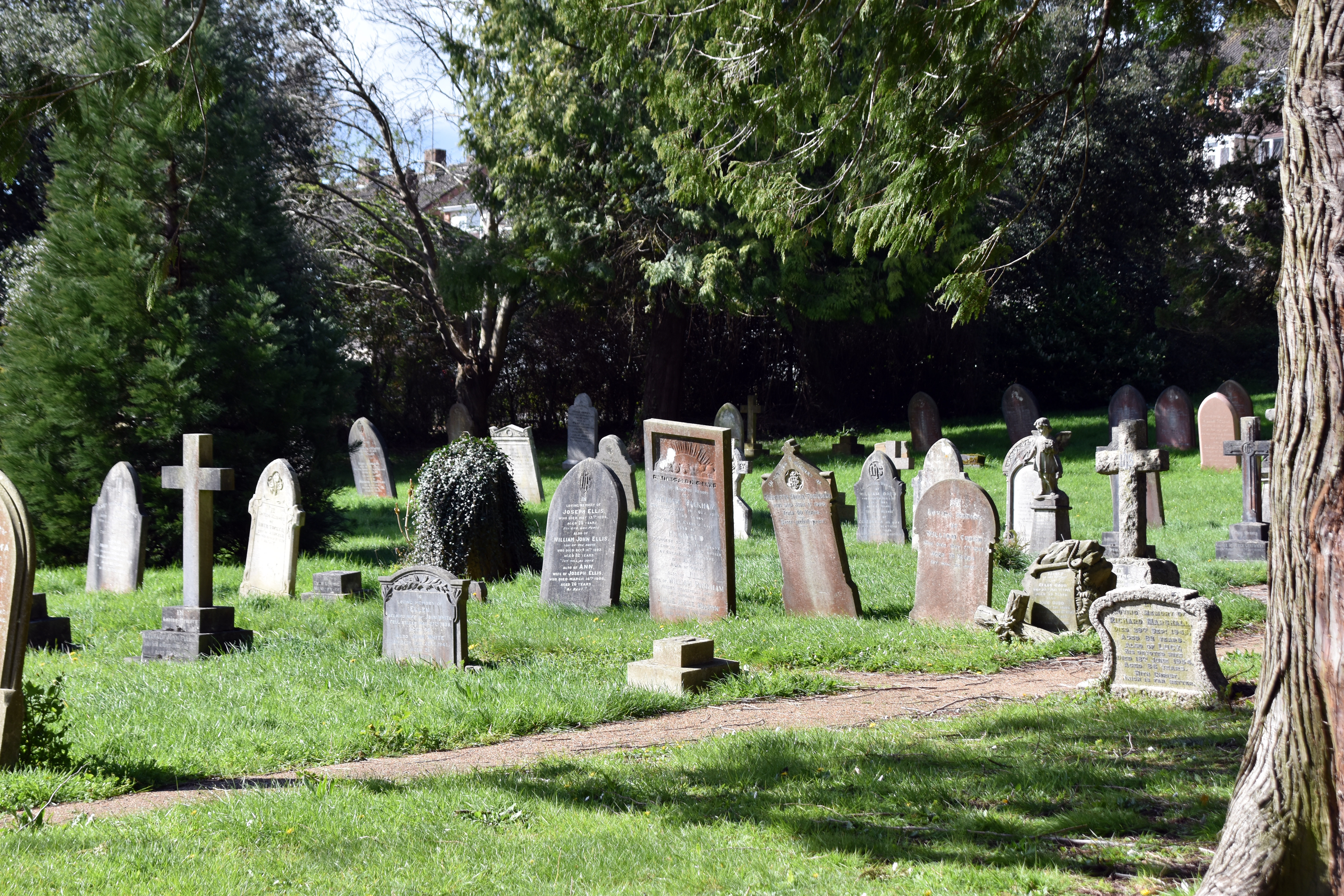
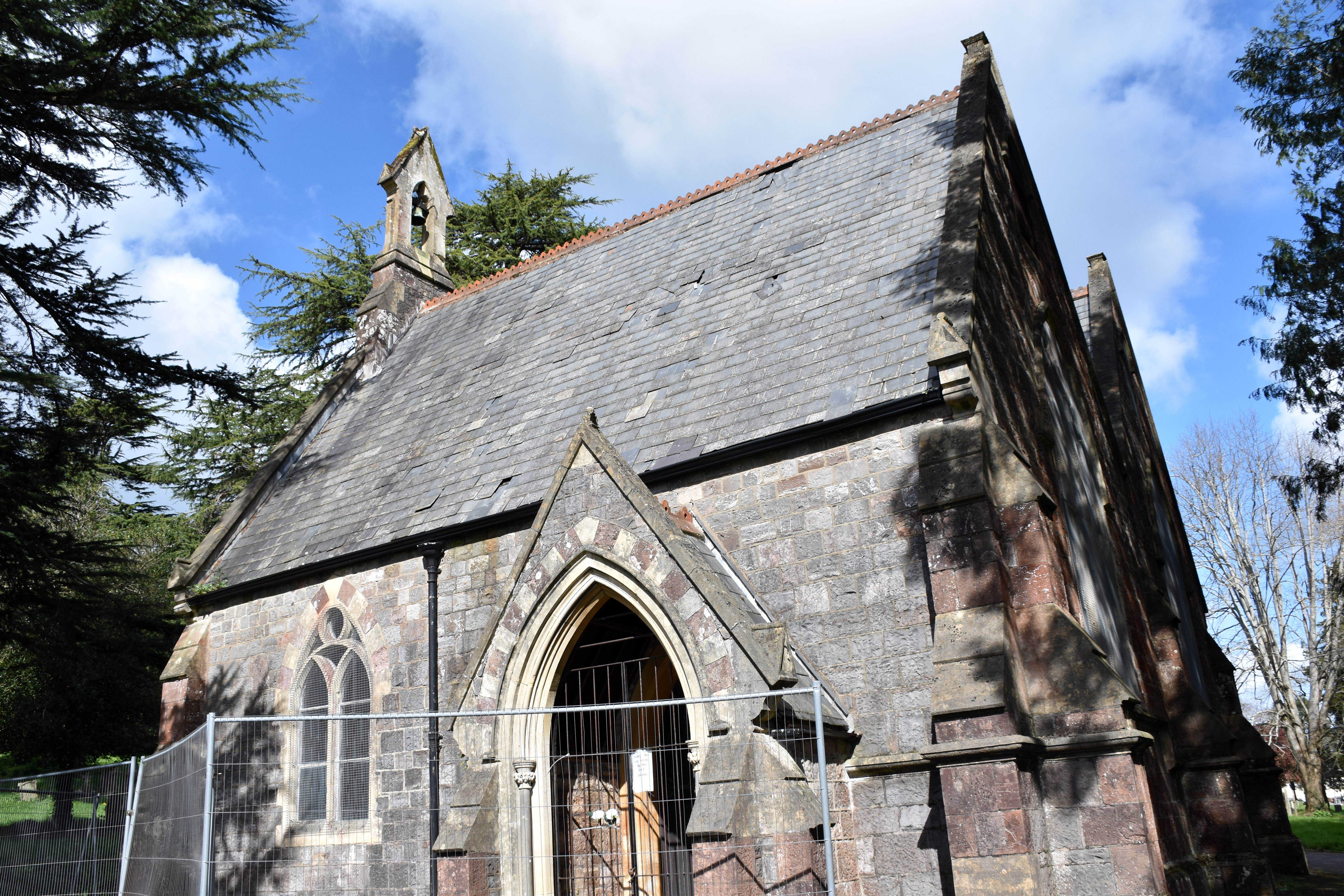
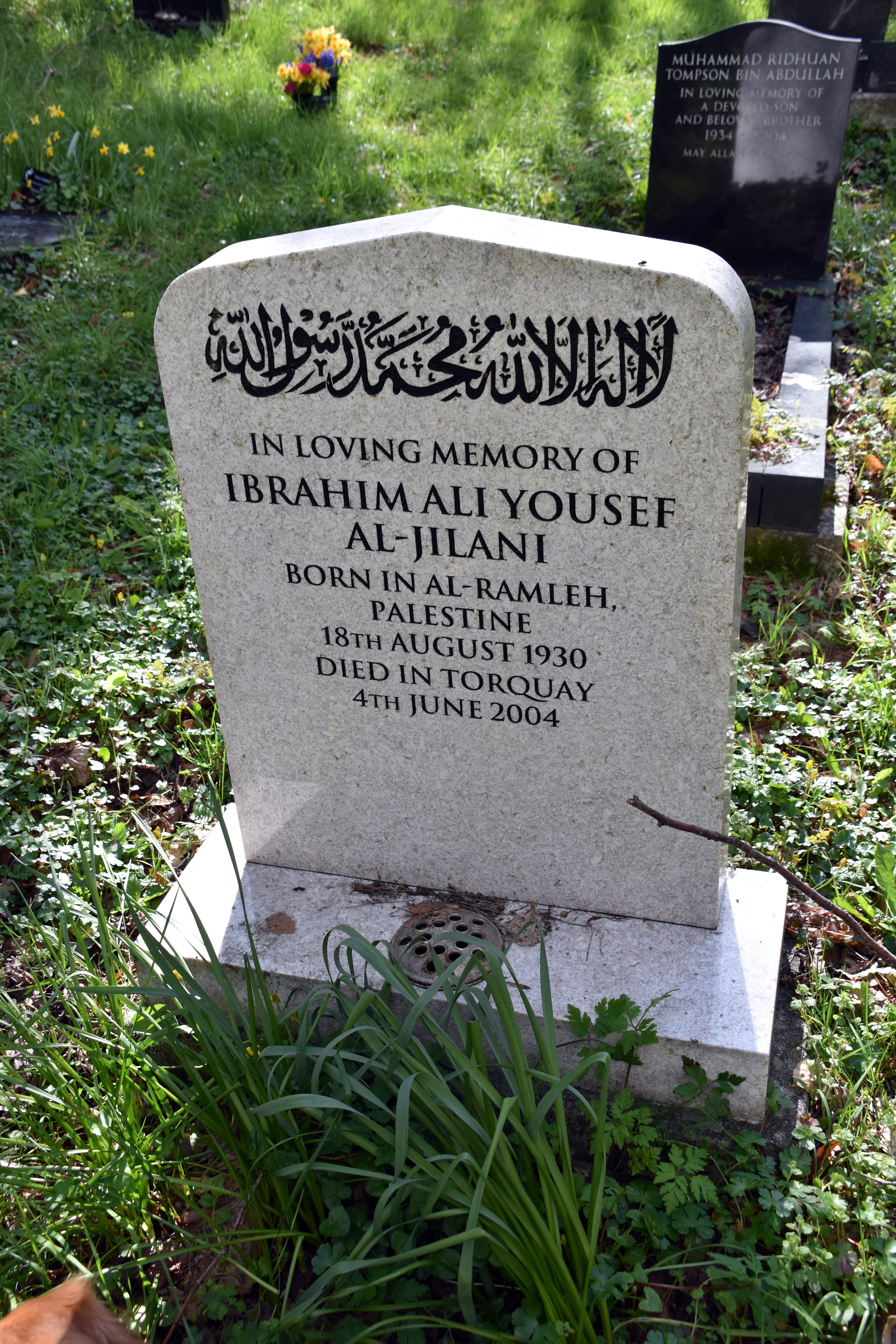
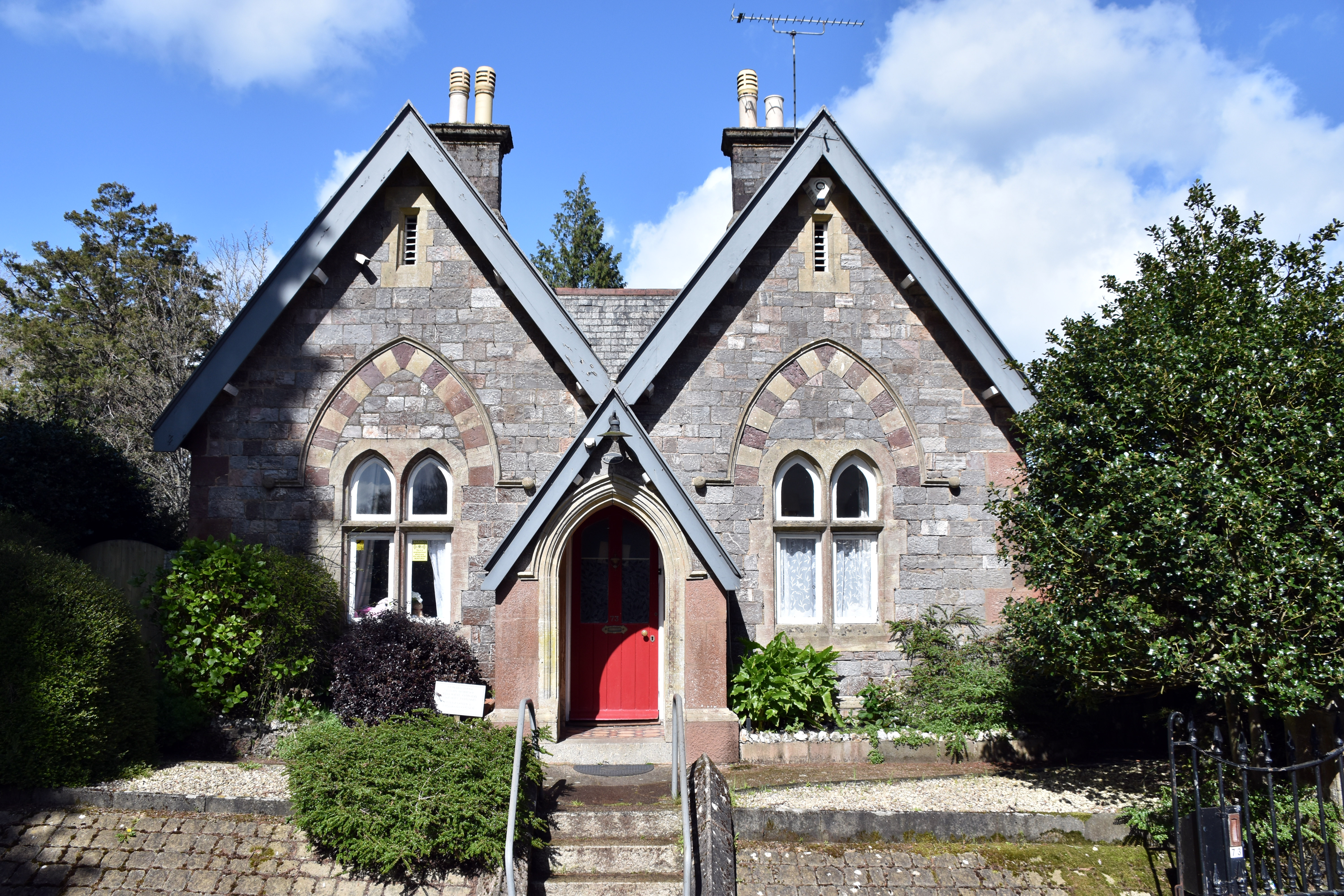
Provision had to be made for Anglican and non-Conformist burials and the chapel that greets you as you enter the cemetery clearly has two different chambers for the two traditions. Sadly, it is in a serious state of disrepair these days and no longer used, but you can still tell the slightly more ornate Anglican side from the more austere non-Conformist one. We were to see on our tour today that the cemetery has expanded its brief even further with Jewish and Muslim burials having their own section. It was interesting to see that the Muslim graves face at a different angle to the Christian and Jewish graves as they need to face towards Mecca (roughly South-East) whereas Judaeo-Christian graves generally face Eastwards with the head at the west. It is a subtle but noticeable difference. I was also interested to note that many of the Muslim graves noted their place of birth, reflecting the fact that many have died far from their place of origin. It is unusual for Christian graves to note their place of birth, although having said this, many from the upper classes would denote which Manor House they or sometimes their father came from. This was a deliberate connection to their ancestral homes and was often tied in to claims of aristocracy and reflected the importance of property, status and dynastic continuity.
|
|
|
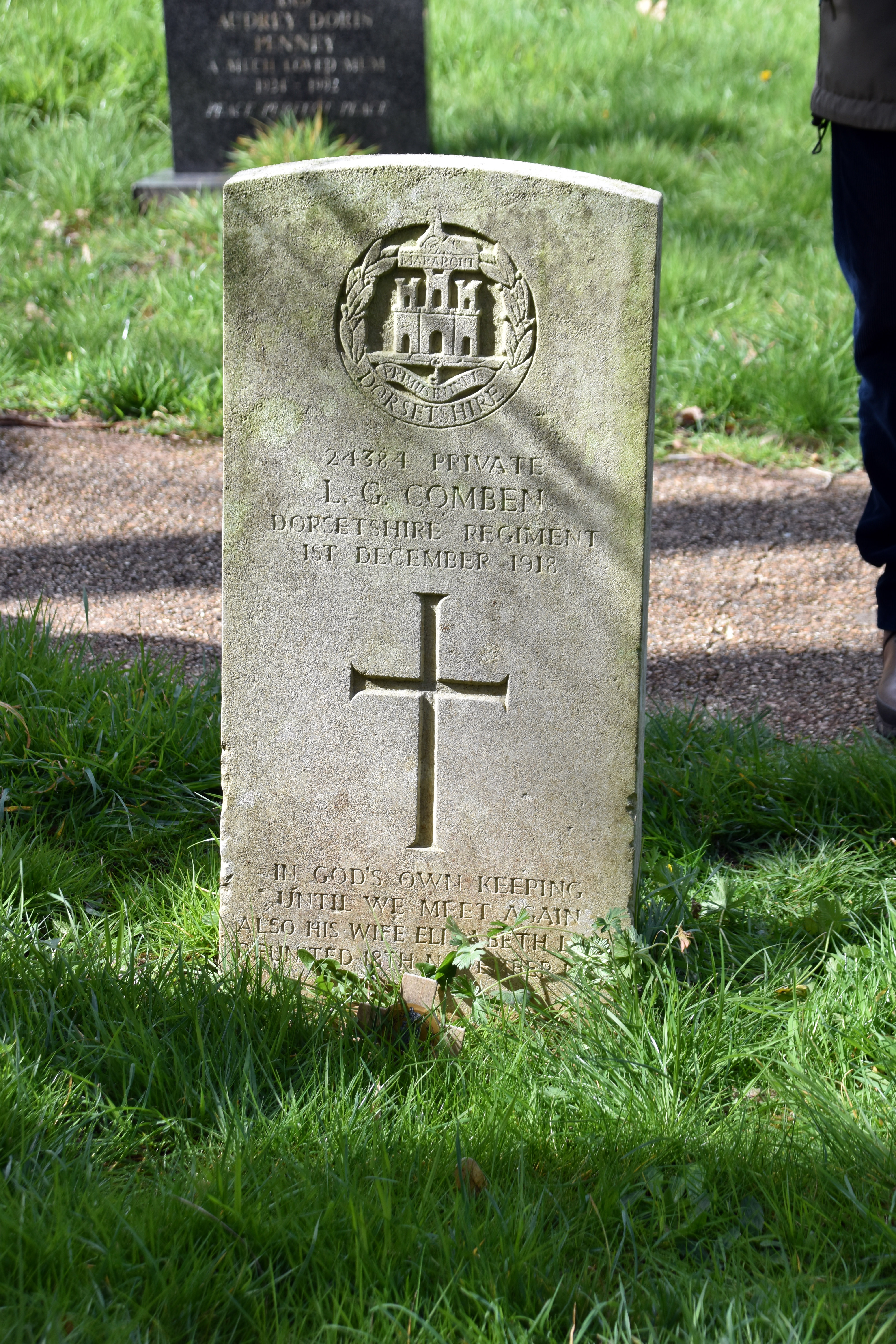
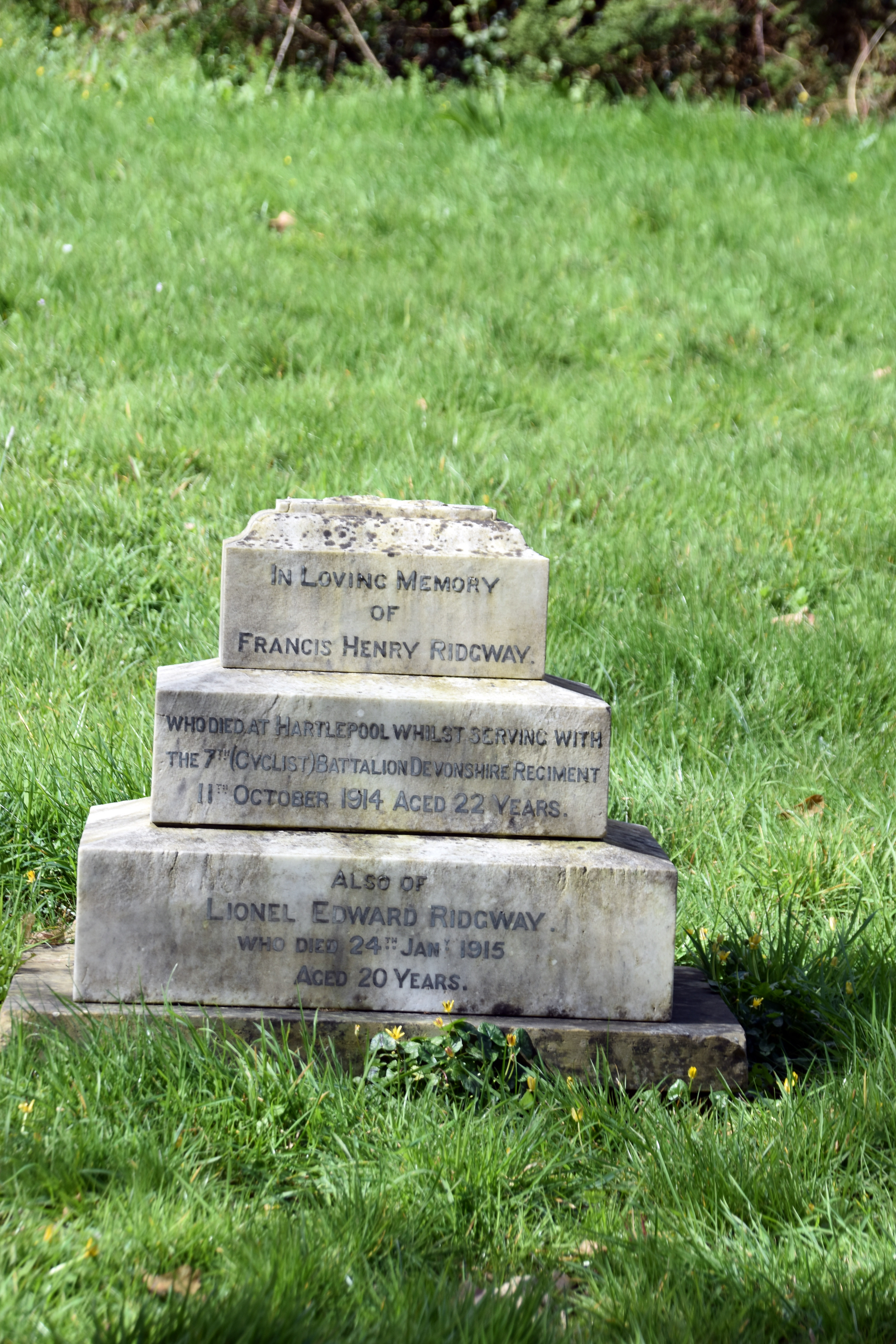
The guides were excellent in pointing out some of the more famous or noteworthy of those interred which can be very helpful in a cemetery holding perhaps 20,000 graves and memorials within it. There are 76 Commonwealth War Graves interestingly evenly balanced at 36 for World War One and 36 for World War Two showing how the growing population of this area meant that it did not see the drop off in numbers of people commemorated in most rural war memorials between the two world wars. Most of these would have been soldiers who died in training, through disease or whilst recuperating from wounds in local hospitals. We noted that more than a few of these were from dates after November 11th 1918 illustrating that many soldiers died of wounds sustained after the war had finished. The official cut off date to be included as a war grave was set at 31 August 1921. The Imperial War Graves Commission was not established until 1917 meaning that in the early stages of the war, the recording and burial processes of soldiers killed on active service were somewhat haphazard. Indeed it was this semi-chaotic system that favoured the well-to-do that helped motivated the establishment of the IWGC in the first place, but we spotted one of the early pre-IWGC graves of Francis Henry Ridgeway who the grave remarks was killed in Hartlepool whilst serving with the 7th (Cyclist) Battalion of the Devonshire Regiment on 11th October 1914 aged 22 years. Sadly the cross that would have been mounted on this grave has disappeared. And indeed these elaborate crosses and graves were to be spurned by the IWGC in favour of a much more practical headstone with a slight rounded top to help avoid rain accumulating on top. The 7th (Cyclist) Battalion of the Devonshire had been sent to defend the north coast of England from possible invasion. The Edwardians had great hope for these new-fangled bicycles and deploying them as a mobile force to counter an invasion seemed a good use of their relative speed. They would of course be constrained to the roads and few of these formations held on to their bicycles when moved to the impractical battlefields of the Western Front. Sadly we do not know how young Francis was killed, Hartlepool was indeed shelled by the German Navy but that was not until December. The fact that his death was registered in October suggests that perhaps he was killed in an accident or perhaps due to ill health. Very sadly his two other brothers were to die of ill health at the even younger ages of 20 and 16. His brother Lionel dying in January 1915 and Reginald Norman dying in September 1915. So this is a desperately sad tale of a family that lost all of their children within the space of a year.
Nearby is another sad wartime loss to ‘Our Only Darling Son Lance Bombardier Ronald F.G. Peek (Jim) Royal Artillery.’ It goes on to say that he was ex-Prisoner of War who died October 5th 1945 aged 26 years. The Royal Artillery is such a large organisation, I have been unable to find any more information on his service or where he was held as a Prisoner of War. But PoWs could have endured years of privation especially so for those captured out in the Far East. And young, fit soldiers could have their health shattered. It is clear that this soldier at least returned home before he passed away but it is clear that he is a casualty of war as much as anyone killed on the front line.
Speaking of the War in Asia, I noted a fairly recent grave from 2012 to Gerald Frederick Pollard whose grave proudly announces that he was Chair of the Exeter Burma Star Association and he died at the age of 89. There were many such veterans and veteran organisation as I grew up but sadly time has taken a savage toll and there is an ever-diminishing number of people who actually remember The Second World War. The Burma Star Association used to have annual parades to remember their fallen comrades in St Michael & All Angels' Church in Heavitree and they raised money to install a stained glass window in that church that can still be appreciated today. He served with the 14th Regiment of the ‘Glorious Glosters’ alongside the Chindits and Gurkhas in the Far East. One Battalion had started the war in Burma when the Japanese attacked and was involved in the retreat back to India in front of the Japanese juggernaut advance through the jungles and paddy fields. A second Battalion was raised to train under General Slim who transformed the morale and professionalism of the British Troops and eventually turned ‘Defeat into Victory’ in battles such as at Imphal in 1944. So there is gratification that some soldiers who participated in these epic battles survived to die as old men with their loved ones surrounding them. Strangely it is often easier to find the stories behind those who died in war rather than those who survived thanks to the databases of the Commonwealth War Graves Commission who diligently record all those who died in service. Sadly, there is no such resource for those who survived.

|
|
|
Another soldier who died peacefully after a life well lived was that of Lester Horatio Sibthorpe who died in 1920 at the age of 85. Now he also has a connection to Asia but in his case it was to the Indian Army as he had been a Major General with the 9th Bombay Native Infantry. He served and was awarded medals for both the Indian Mutiny and in the 2nd Afghanistan War from 1878 to 1880. It is probably he retired before 1885 due to the title of 9th BNI as the Native part of the name was dropped from all Indian formations that year. There is an account of him leading a charge up a ridge in 1858 to dislodge Mutineers holding up The Central India Field Force which was a force commanded by Sir Hugh Rose aimed particularly at recapturing Jhansi. It says that he and another Lieutenant led a charge against well dug in defenders where they lost 4 soldiers but ‘had the satisfaction of killing every man in the place!’ By the time of the 2nd Afghanistan War he was the Lieutenant Colonel in charge of the 9th BNI and participated in the Relief of Kandahar, which was a remarkable feat of the British Army under General Roberts. It was in the aftermath of defeat at the Battle of Maiwand and the remaining British garrison of Kandahar was surrounded and in danger of being wiped out. General Roberts stripped all of his troops down to the basic necessities of kit and march 20 miles a day in the peak of an Afghan Summer to cover the 300 miles to attack the besiegers of Kandahar. It was hailed as a brilliant campaign and did much to salvage British prestige after what had hitherto been a lacklustre campaign. Sibthorpe was later promoted to Major General before retiring. I was gratified to discover that he wrote a book for the Indian Army in 1876 entitled: “Catechism on the New System of Drill for Attack Formations for the Native Army, in English and Hindustani”. So he was a proficient Hindustani speaker on top of all his other achievements. Many Indian Army officers retired to Devon after their military service. There was a large network of them in East Devon in particular as this grave demonstrates.
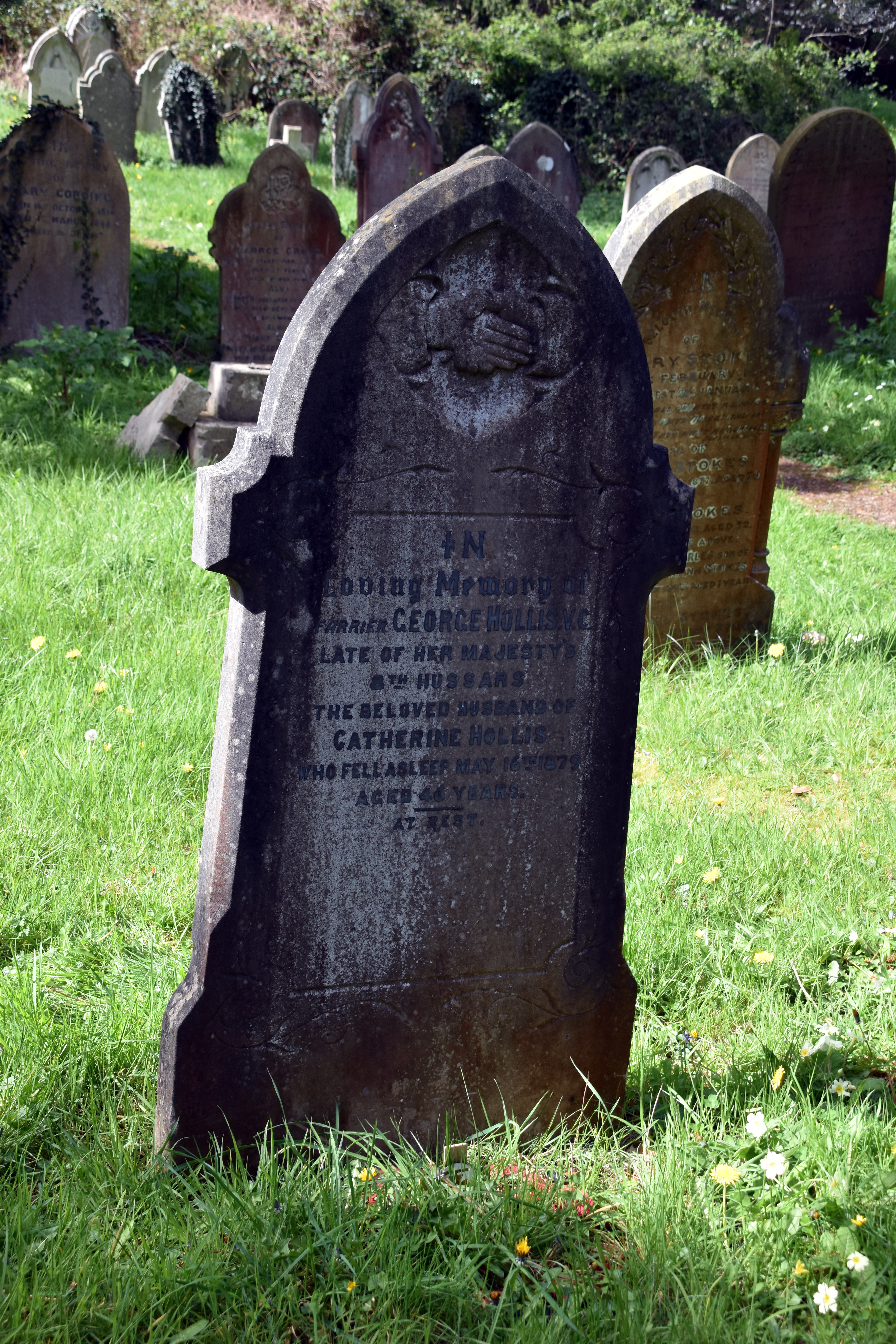
There is another Indian Mutiny man commemorated in the cemetery and he is much better known as he was a Victoria Cross recipient. His name is George Hollis and he served with the 8th Hussars. Intriguingly he was part of the same Central India Field Force under Sir Hugh Rose serving in exactly the same campaign. One wonders if their paths crossed although as a 24 year old Farrier in the regular British Army this would have been unlikely. At Gwalior (where Sibthorpe also fought), Hollis participated in a charge against the enemy and captured two of their guns whilst under heavy fire from surrounding forts and brought them back to the British lines. Amazingly, our guide informed us that in 1994 his Victoria Cross was discovered by a horse kicking up something shiny in the Curragh training grounds in Ireland. The Curragh was effectively the home of the British Army in Ireland. George Hollis probably dropped it whilst training at a time when all decorations were required to be worn at all times.

|
|
|
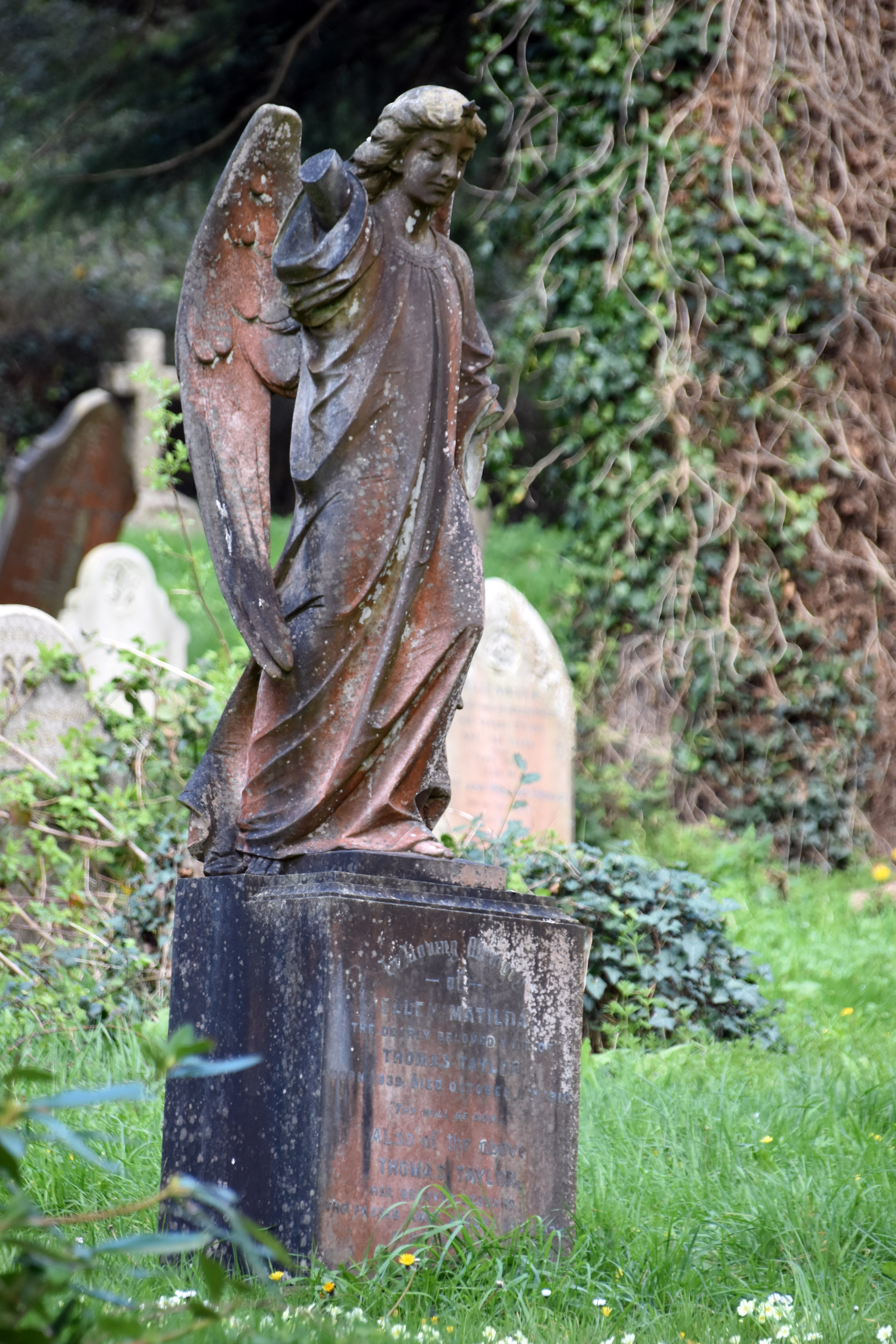
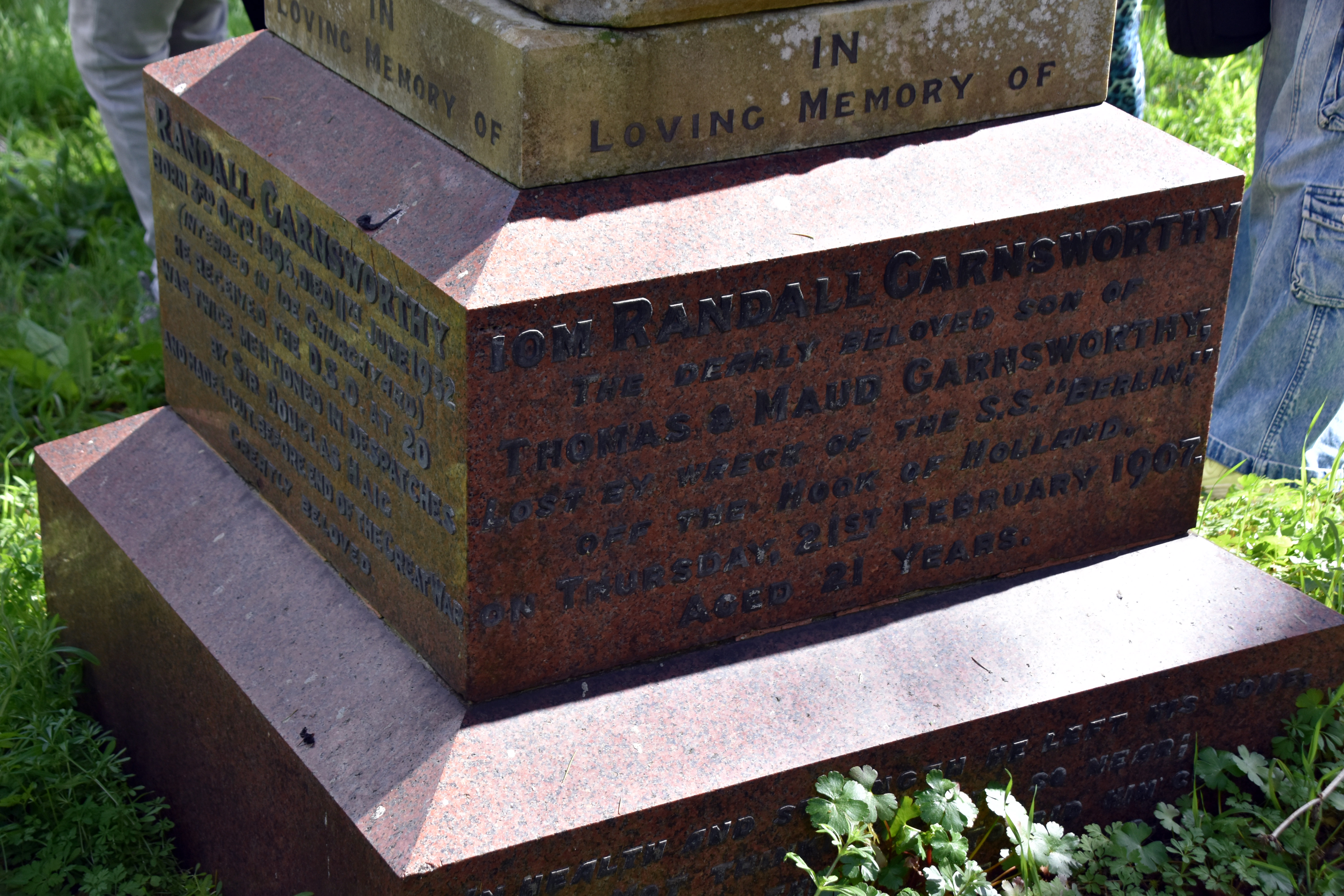
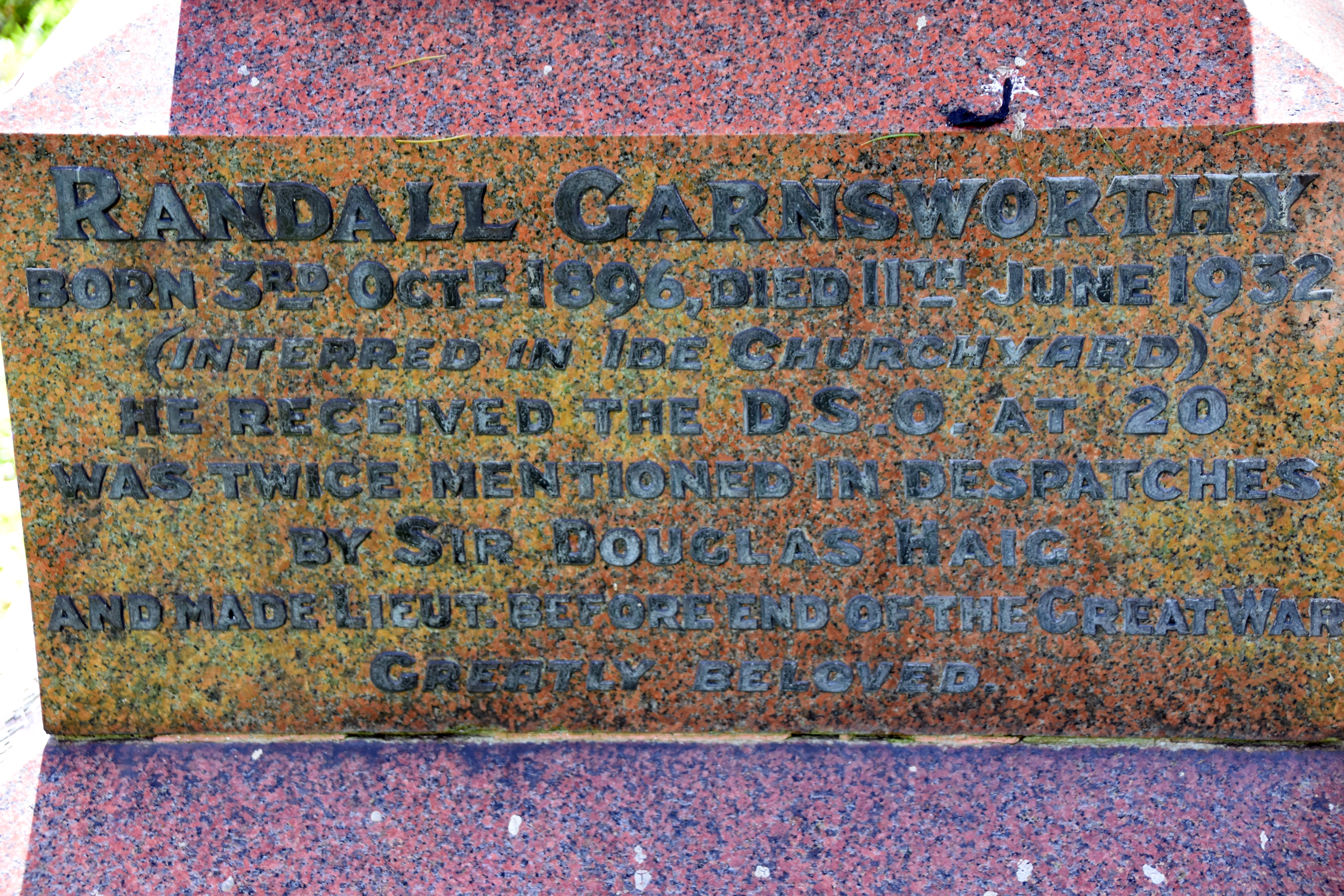
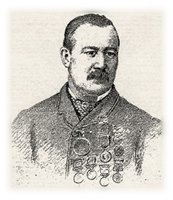
There was one very ornate grave that had not one, not two but three fascinating stories attached to it… all members of the Garnsworthy family. Thomas William Garnsworthy appeared to have been accidentally drowned while yachting off Dawlish in 1922. It goes on to say that his body was never found. He had been in a sailing competition on board the Primrose alongside Samuel Pym of Exmouth a Trinity House Pilot. Both experienced sailors of many years standing, they appear to have been caught in a squall. Samuel’s body was washed up on Oddicombe Beach but Thomas’ was never discovered. On the reverse of this ornate grave there is a dedication to his son Iom Randall Garnsworthy who was lost on the wreck of SS Berlin off the Hook of Holland on the 21st February 1907 aged just 21. Despite its name, this was a British owned steamship owned and run by the Great Eastern Railway and operated as a ferry between Harwich and the Hook of Holland. In the winter of 1907 a series of waves struck the ship as it was attempting to enter the port. The force of the waves impaled the ship on the granite breakwater. Despite attempts to rescue the ship which was within sight of safety, the back of the ship had broken in two within an hour. The bow sank but part of the stern remained on the breakwater. A small group of 15 managed to spend a terrifying day waiting to be washed away but a pilot boat was able to rescue 11 of them the following day. In total though 128 of the 144 people on board were killed in the accident including the son of Thomas William Garnsworthy. The third person commemorated on this same grave is Randall Garnsworthy. The inscription proudly announces that he received a D.S.O. at the age of 20 and was twice mentioned in Despatches by Sir Douglas Haig and promoted to Lieutenant before the end of the Great War. Sadly he was not to live much longer and died just shy of his 36th birthday in 1932. He actually joined the Devonshires as an 18 year old private in 1915 and served two years with them including at the Battle of the Somme. He was promoted to an NCO and then chosen to train as an officer. He got a commission in 1917 and was attached to the Liverpool Rifles with whom he fought at the Battle of the Menin Ridge where single handedly he captured 50 Germans in their concrete dug-outs. It was for this achievement that he was ordered his Distinguished Service Order. What is remarkable about this is that actually nobody is buried underneath it. Thomas and Iom were both lost at sea with their bodies not recovered and Randall is actually buried in the nearby churchyard at Ide. So this is an elaborate memorial rather than a grave.
|
|
|
Not all heroes buried in Exwick cemetery served in the military. One such Frank Shooter who received multiple honours from the Royal Humane Society for saving people’s lives in and around the Head Weir in Exeter where he was appointed the bathing superintendent. And he also saved countless lives by teaching locals how to swim. Swimming was becoming a popular activity and its health benefits were beginning to be appreciated. He did have one intriguing party trick that somewhat undermines the health benefits of swimming whereby he would dive into the River Exe and emerge from the water smoking a cigar! He and his family were to organise and participate in swimming events all over the South West. Fittingly the area he had supervised for 37 years could be seen from where he was laid to rest.
Sadly there was another grave nearby which showed the tragic toll taken by infant mortality in this case of the Sclater family who were well known market gardeners along the Exe valley. There are 5 children aged between 4 months and 19 months of age who all died within a 21 year span of time between 1899 and 1920. I was intrigued to see one of the children was Harold Baden Powell Sclater who died apparently in 1900 during the Boer War. There is a very good chance that he had been named in honour of the famous Robert Baden-Powell who first came to public prominence for his role in the Defence of Mafeking from a siege by the Boers which ended in May 1900. The Relief of Mafeking had a massive effect on public consciousness with widespread celebrations and indeed these got so out of hand that a new verb entered the English language for a while ‘to Maffick’ to celebrate uproariously! It is very likely that baby Harold was named after the hero of Mafeking during this period of imperial fervour.
|
|
|
And of course the Empire might see families separated for years on end and if death intervened there was no way that bodies would be repatriated. They would be buried where they had passed away. There was evidence of this with a memorial to Arthur Dunrich who died in 1916 at the age of 40 in Hong Kong. Arthur Ellis William Dunrich had been an Accountant for a Hong Kong Gas Company and had lived and worked in Hong Kong for over a decade at least. Sadly I do not know how he passed away at such a young age but tropical diseases were still a force to be reckoned with. Arthur’s name was added to his father’s grave in Exwick perhaps by one of his two surviving siblings?
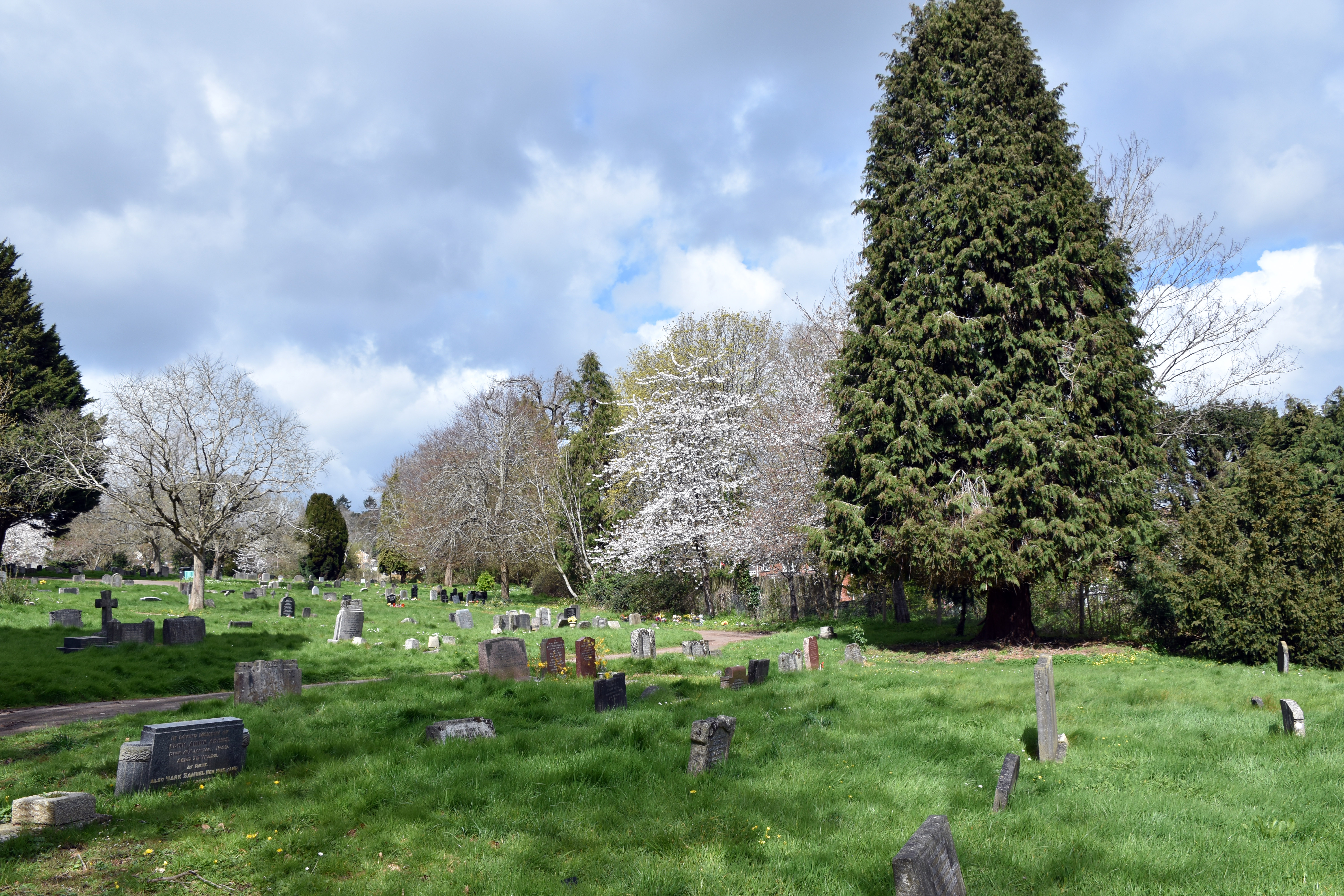
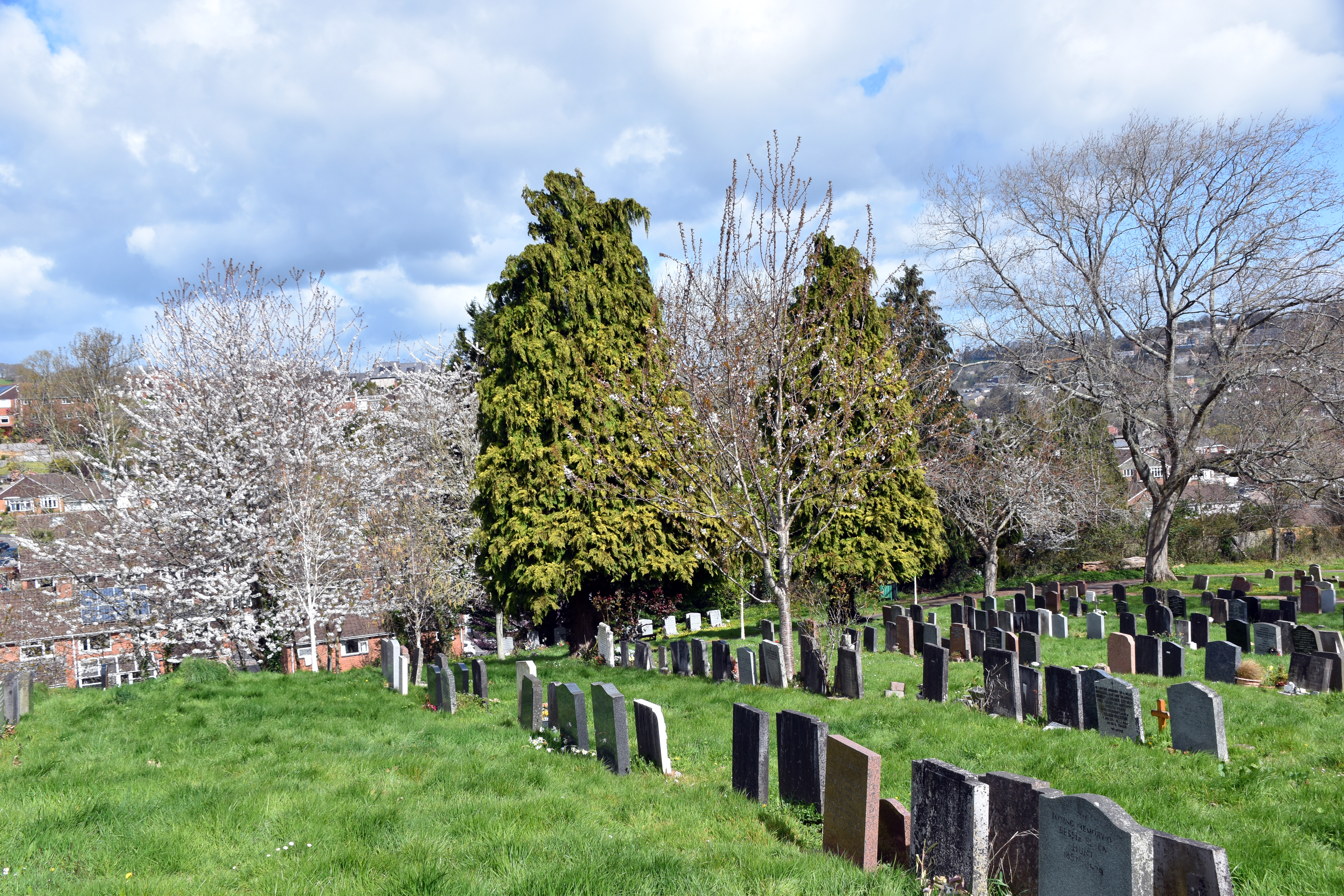
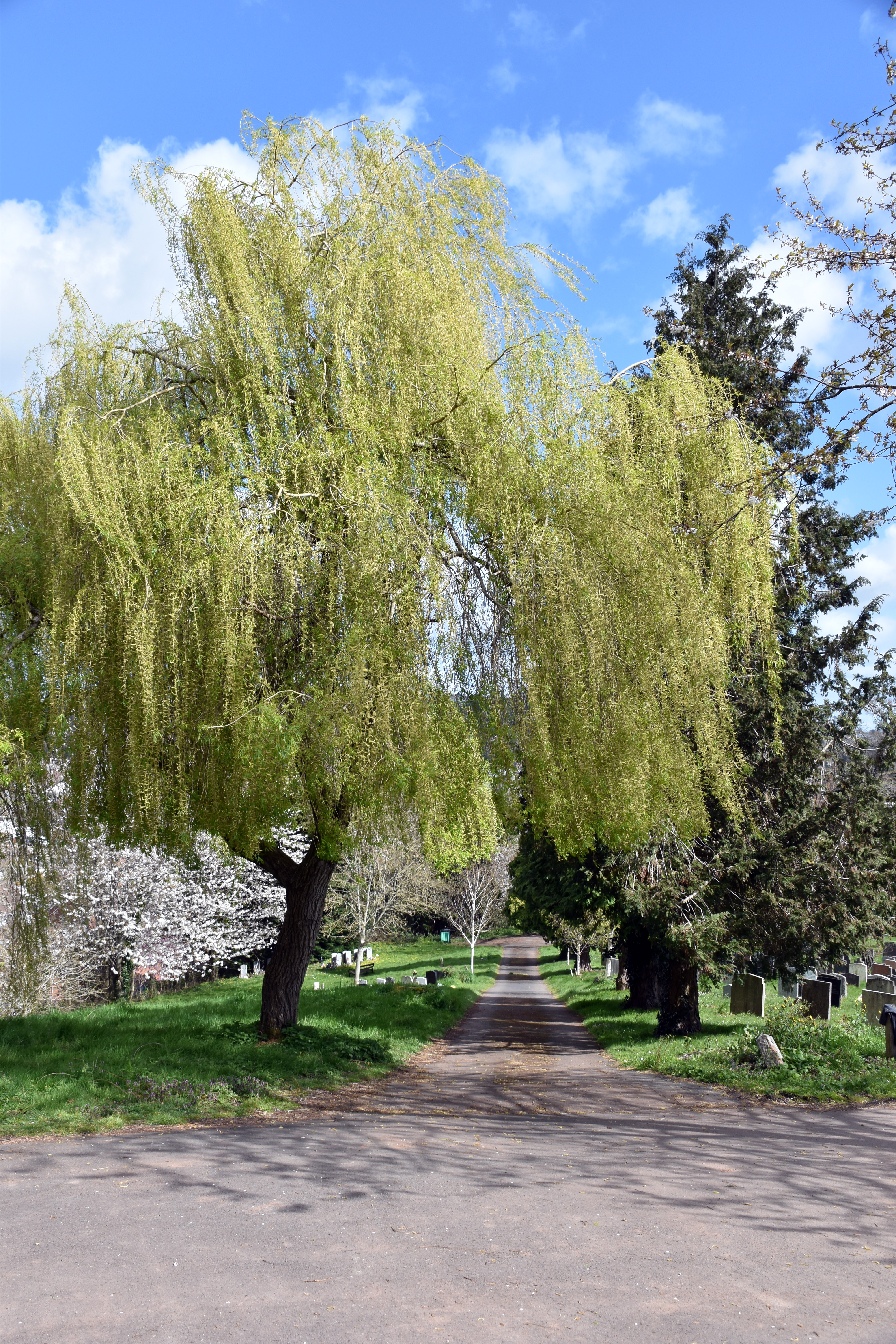
Every cemetery has so many stories to tell, and we barely scratched the surface. This was our first visit to this particular cemetery. I love how these graves can drop hints at extraordinary lives. I am sure there are many more extraordinary people buried there but whose graves we failed to find or whose inscriptions failed to reveal some of the wonder of their lives. But not only does Exwick Cemetery hold the bodies of some really interesting people, but it also demonstrates an important evolution in how urban areas dealt with a growing population and the disposal of their bodies. But on top of everything else Exwick Cemetery is a little oasis of calm and from its steep banks you can catch some glorious views out over the River Exe and towards Exeter City Centre. It is certainly a beautiful venue to be buried within but it is also a beautiful place for people to visit for the living. I highly recommend a wander through this Victorian Cemetery that is still in use some 150 years later.
|