 |
|
|
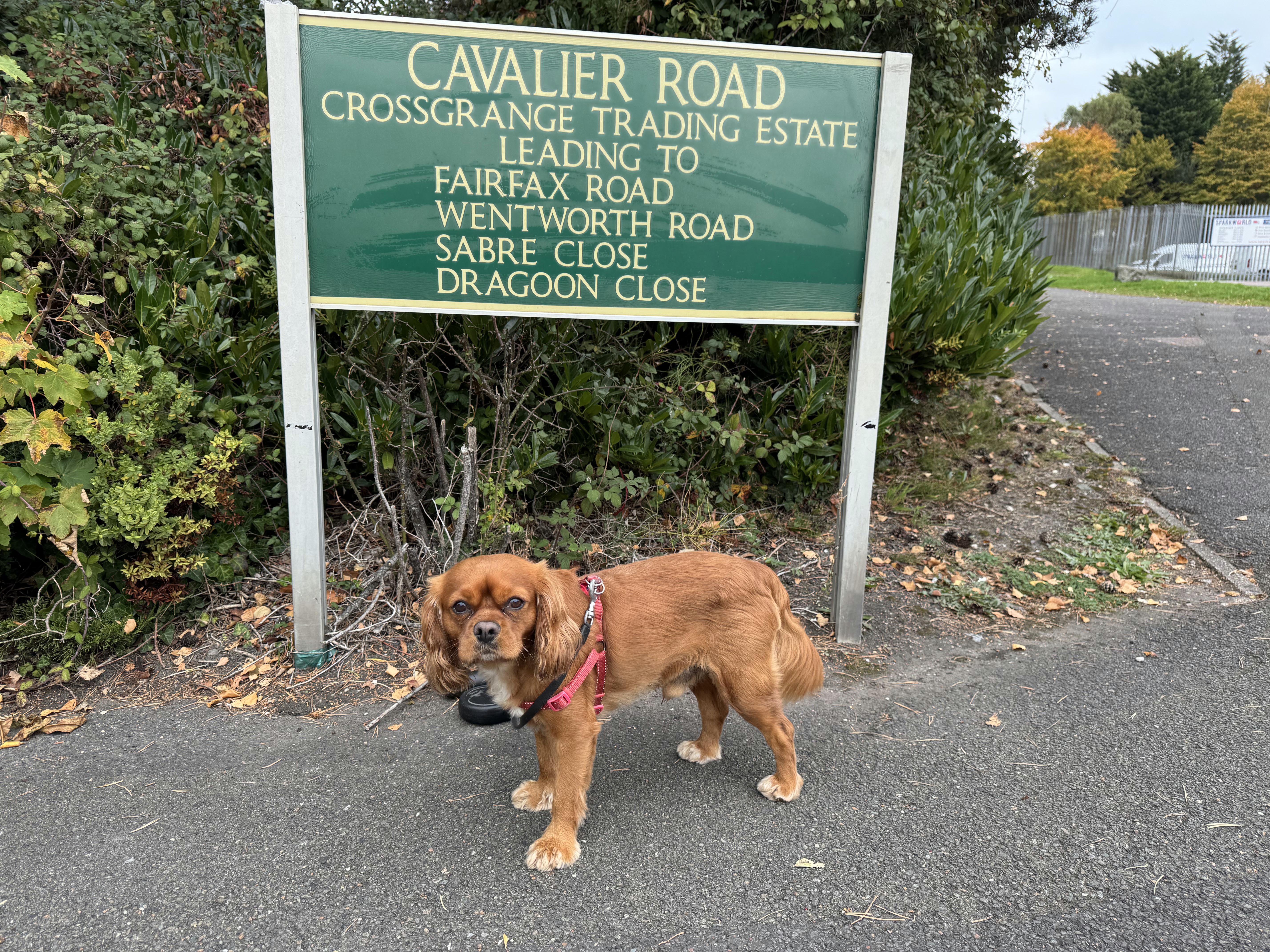
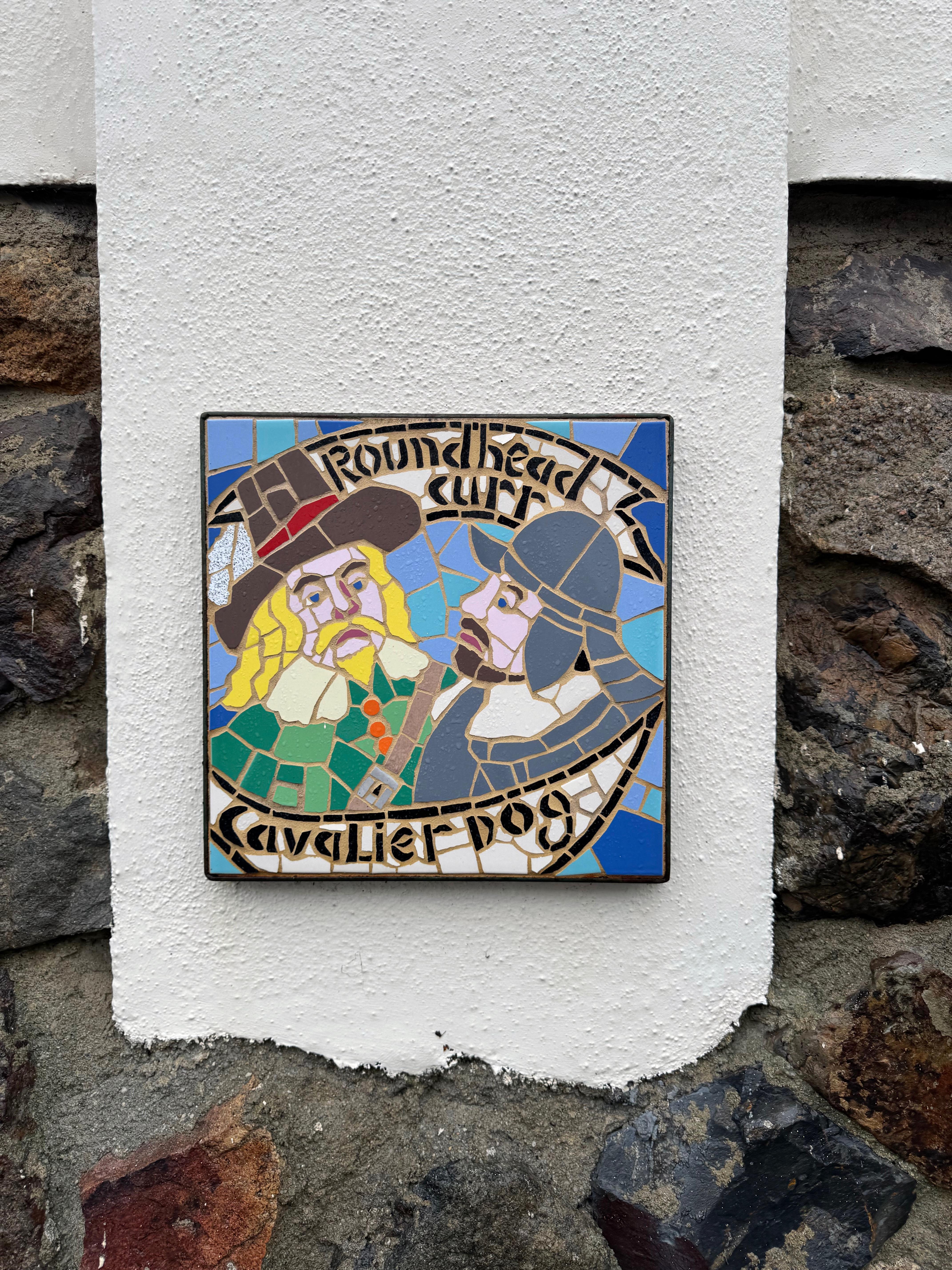
This weekend marked the 380th anniversary of what was possibly the last significant battle in the South West at Bovey Heath, so what better way for Rupert and myself to mark this anniversary than to try and walk the battlefield and visit the market town that it was fought over. Sadly and almost incomprehensibly, the only access to the site of the main battlefield is through an industrial estate from the south. This makes linking the battlefield with a walk through the pleasant town of Bovey Tracey more than a little ‘urban’ and, counterintuitively, you have to walk away from your destination for quite some distance before you can find a nice pleasant route once more through which to walk. Hey, industrial estates are now part of our environment whether we like it or not, and at least this one has bought into the battlefield connection by naming its roads after the various generals and troops who fought here in January 1646. But why doesn’t someone put a link in and out of this site up in the north-east corner to facilitate those interested in their history, heritage and, dare I say it, interested tourists. I cannot comprehend some access decisions for some of the most important and interesting places in our history.
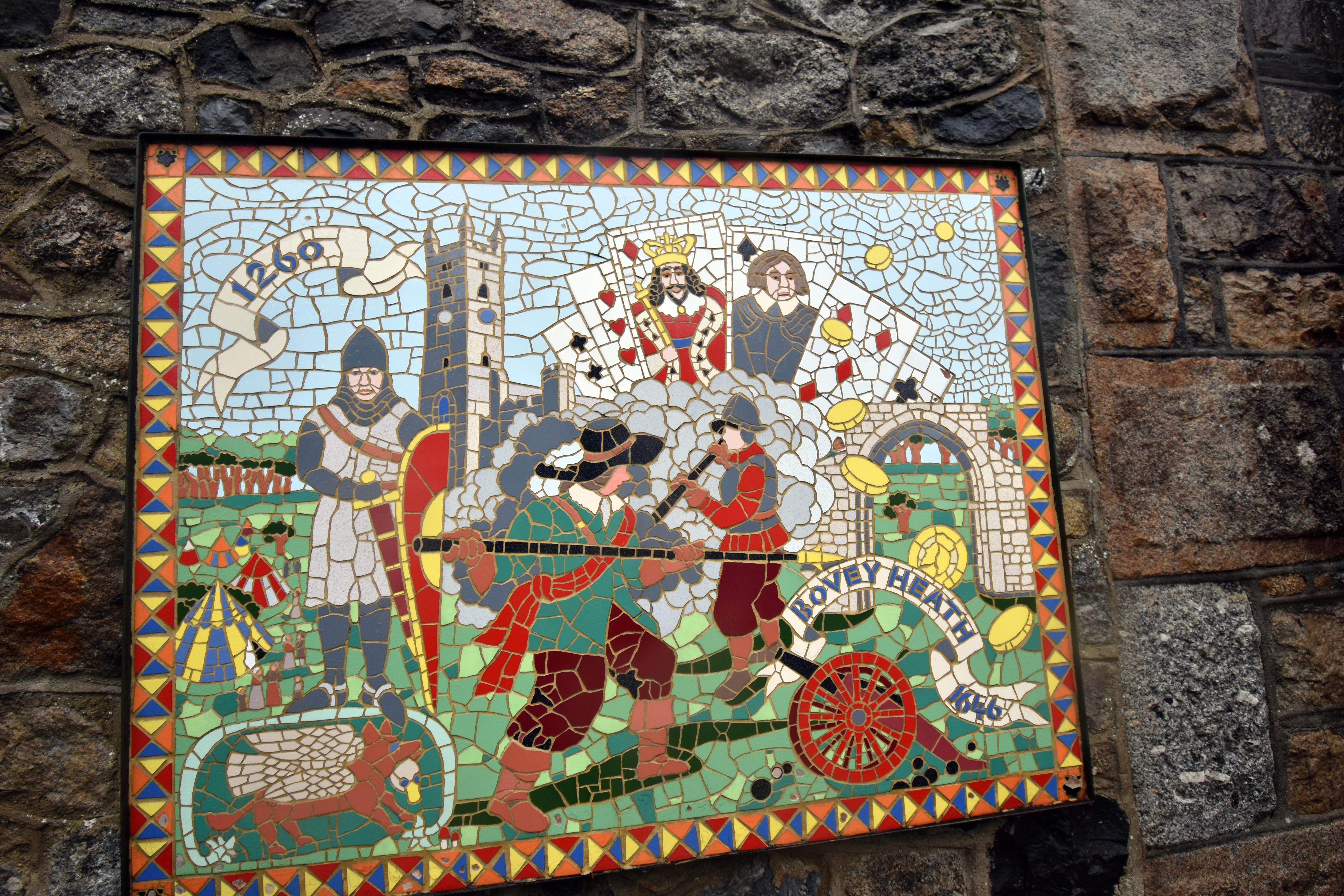
Anyway, the Battle of Bovey Heath saw the last gasp of the Royalist cause extinguished. Lord Goring had been forced to retreat into the Westcountry after his defeat at Langport and Fairfax was hot on his heels with his New Model Army. The Roundheads had relieved Bridgwater, Bath, Sherborne and Bristol, forcing Goring all the way back to the River Exe. I’ve already mentioned in another walk around Powderham that Fairfax had launched a river crossing attack in order to try and breach these Exe defences. With Exeter besieged, Crediton fallen, desertions and Cornish reinforcements being slow to arrive, Goring resigned (it must be remembered that Goring was something of Prince Rupert’s nemesis within the Royalist command structure – something which my Rupert was all too keenly aware of). The new commander of the Army in the West was to be Thomas Wentworth, who had replaced the mercurial Lord Wilmot, who was arrested shortly before the Battle of Lostwithiel having been accused of colluding with the Earl of Essex. Lord Wentworth was not exactly a popular choice and was regarded as being lazy and not much of a soldier. The Battle of Bovey Heath would cement this reputation. The main issue was that Lord Wentworth had not posted sufficient guards around the camp of his soldiers on Bovey Heath nor on the approaches to Bovey Tracey. No less a man than Oliver Cromwell himself launched a surprise attack at the head of a cavalry detachment after dusk on a dark winter’s evening. The story goes that his men found the Royalist commanders playing cards in lodgings in Bovey Tracey whilst their men were trying to remain warm in their exposed campsite on the heath to the south of the town (remember this was in the depths of winter). The officers playing cards only managed to save themselves by throwing the stakes out of the windows and doors. This precipitated a mad scramble by the Parliamentarians for the money as the Royalists hot-tailed it out of town. The officers may have skedaddled but the Royalist troops on the heath were to feel the full wrath of Cromwell’s cavalrymen. The unprepared Royalists would lose four colonels, three lieutenant colonels, five majors, eleven captains and 140 men in addition to cattle, supplies and weaponry. It could actually have been a lot worse as the dark night allowed many of the Royalists to slip away unseen. But still it was an unmitigated disaster that effectively destroyed any chance of relieving Exeter. Wentworth had to retreat to Cornwall where he was replaced by the more reliable Lord Hopton, although even he would find the task of salvaging the Royalist cause too tall an order to achieve. Most South Devon Royalist garrisons were abandoned and Fairfax and Cromwell were able to liberate Dartmouth and my home town of Plymouth in short order. It wasn’t long until the Royalists surrendered in what had hitherto been their key stronghold in the South West and with that King Charles realised the game was up and surrendered himself to the Scottish Army outside Newark, signalling the end of the First Civil War.
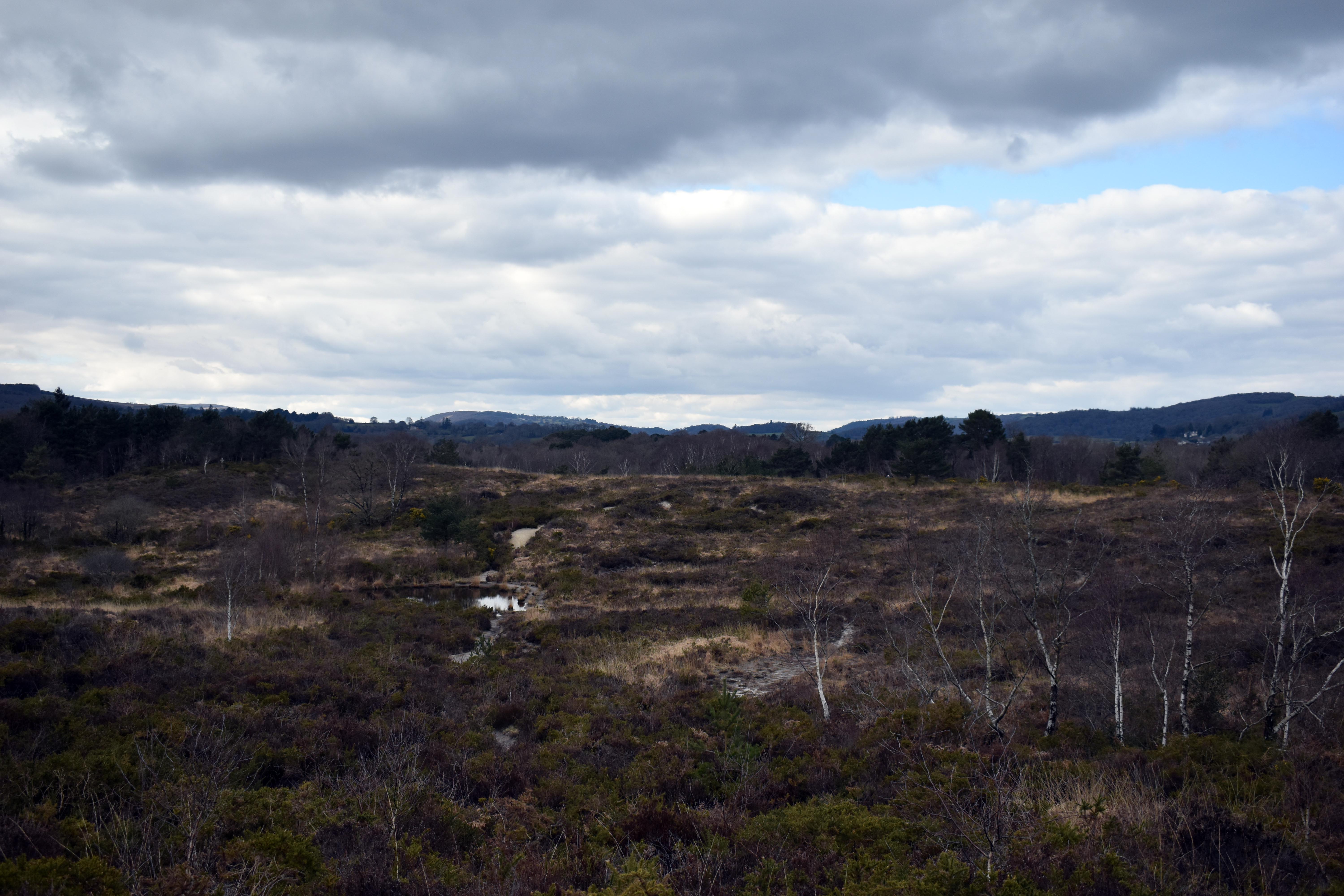
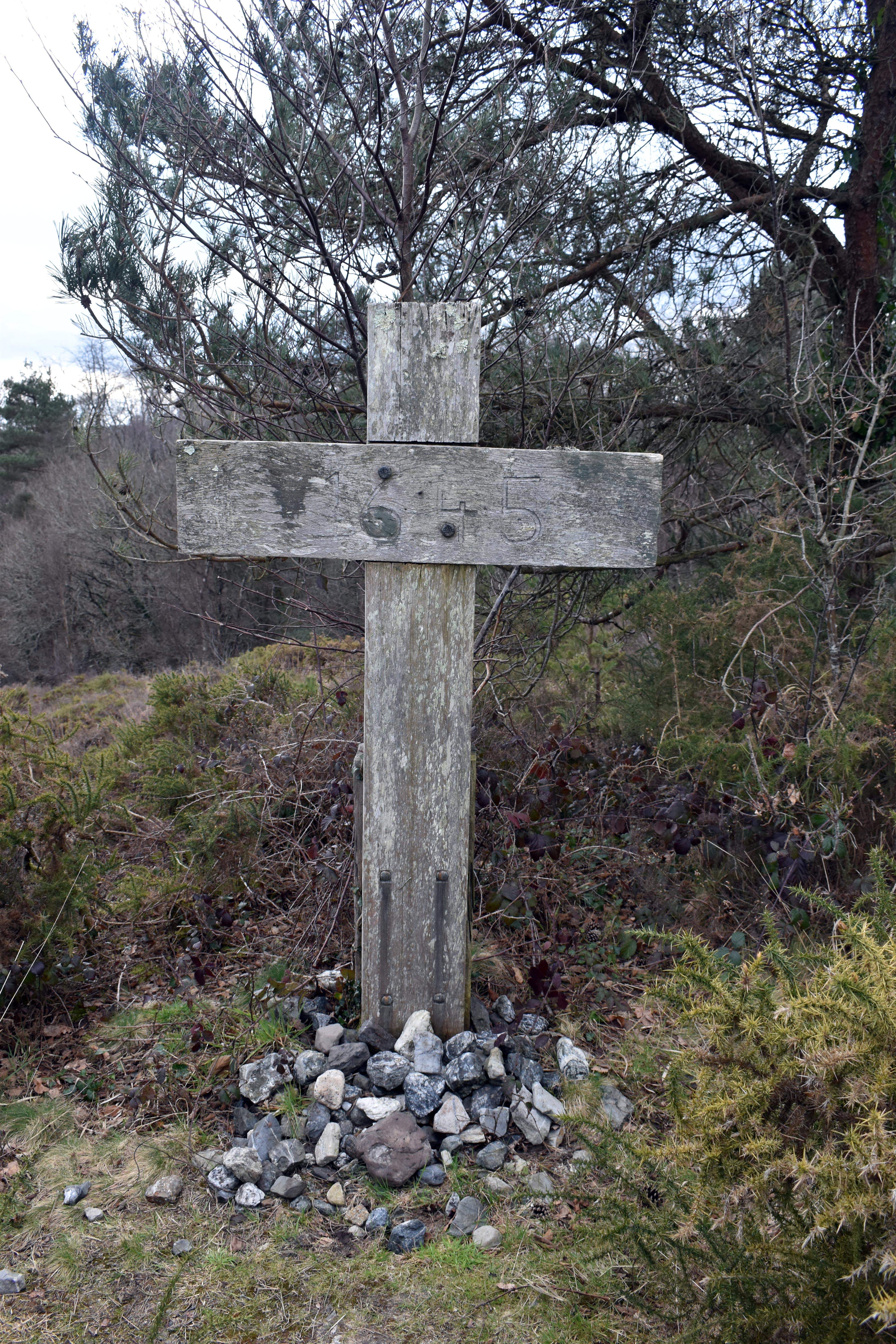
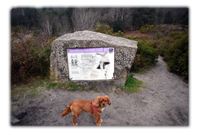
Bovey Heath has largely been reclaimed by gorse but the map shows earthworks that were almost certainly field emplacements built by the Royalist defenders in advance of their being attacked by Cromwell. It is hard to see a coherent defensive line but various gun emplacements and breastworks were definitely laid out here. Despite being hidden away, it is an accessible English Civil War battlefield that is worth exploring. There is an information marker at the centre of the camp and in 1977 the Civil War Society placed a cross to commemorate the battlefield, although somewhat strangely they put the wrong date on it! They put 1645 when it definitely took place in January 1646.
 |
|
|
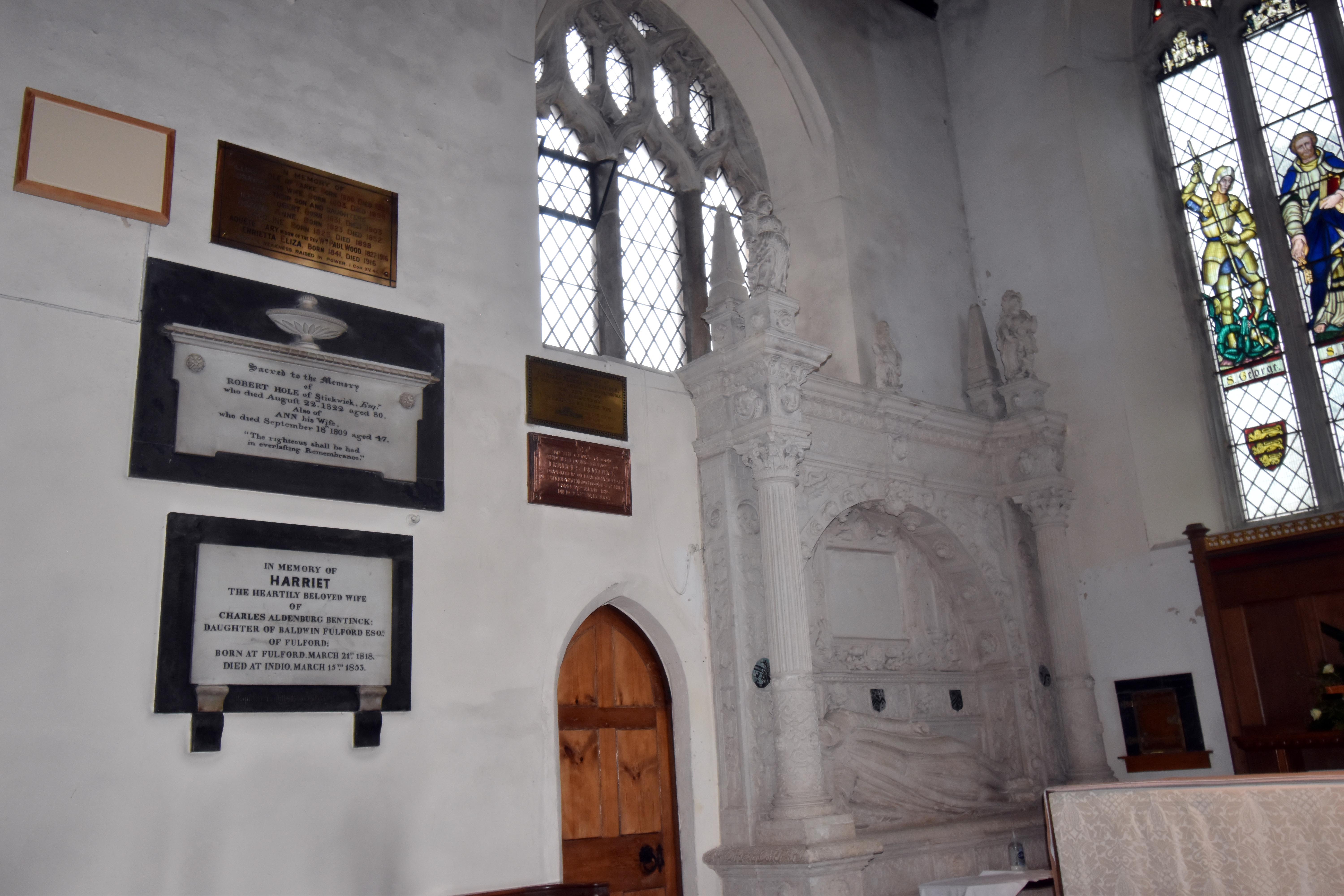
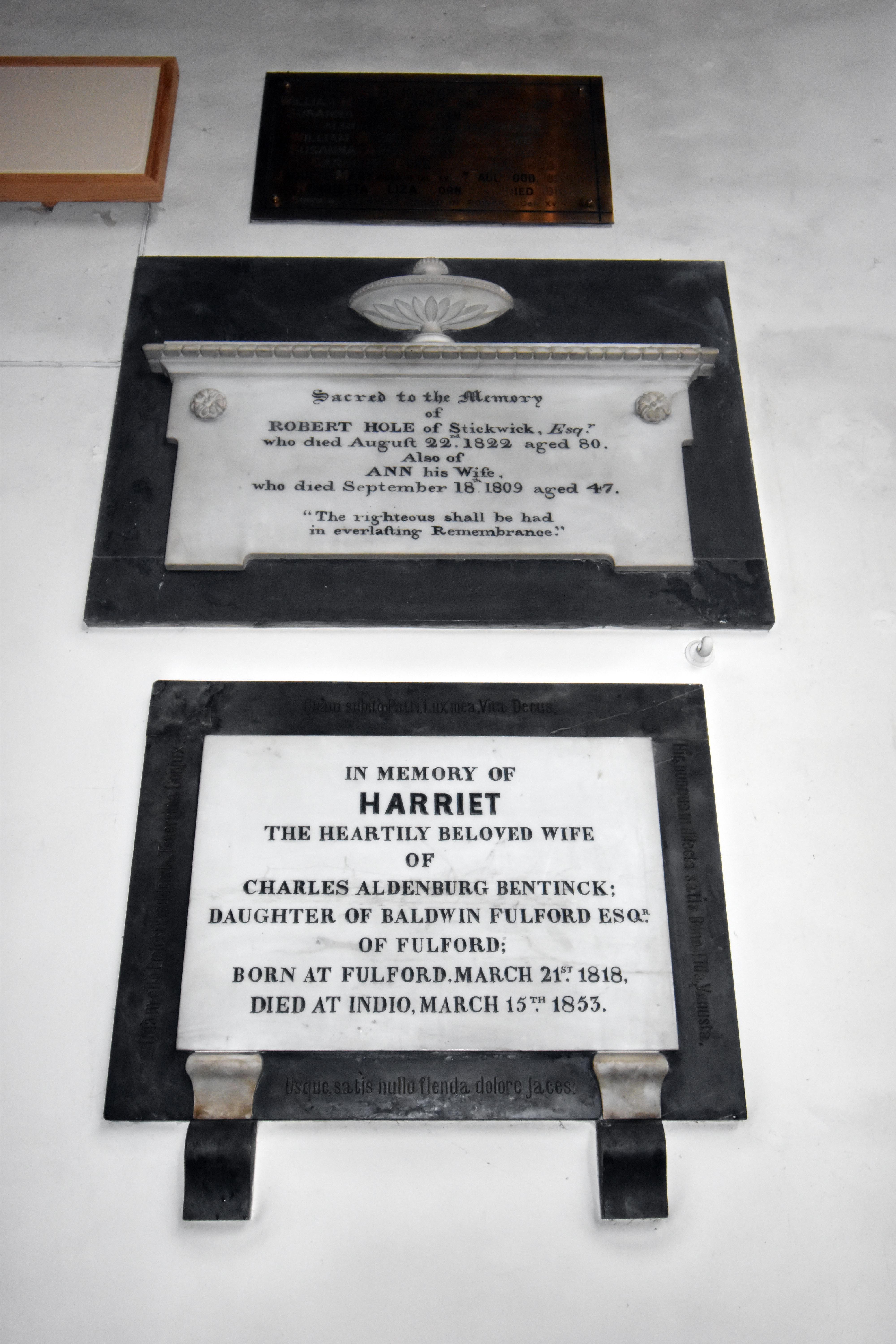
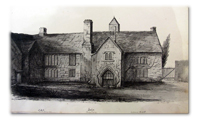
Now to escape from the battlefield and head to the town, we headed south-west through the industrial estate to get to a road that would link us to the Templer Way which you would then follow back north-westwards. I would not recommend following the Newton Road route despite it appearing closer as that is a fast A-road with no pavement. Besides, the Templer Way is far nicer, although only follow it up to the roundabout near to the House of Marbles (which has a lovely museum of toys and glassworks if you have the time to explore it). We, however, continued north with what used to be the Indio House Estate on our right. This was once owned by the Bentinck family who were originally Dutch aristocrats who had accompanied William of Orange when he landed in Devon in 1688 to seize the Crown with his wife Mary. Hans Willem Bentinck would be created the far more English-sounding title the Duke of Portland. To say that he was close to William of Orange is something of an understatement. When the young Prince William got smallpox, his doctors told him to sleep with a healthy young page to absorb the disease during the night. Hans Willem Bentinck was that page and he would go on to nurse his Prince and form a very close relationship. It also helped that he had married into the influential English Villiers family and had been important in arranging William’s marriage to the daughter of King James, Mary. He was a key adviser and diplomat for King William and commanded cavalry at the Battle of the Boyne in 1690. However, many English aristocrats were jealous of the influence of these Dutch advisers and felt that they were losing out to these Dutch interlopers. Over time though the Bentincks became the English aristocracy. Hans’ second marriage would be into the Temple family (whose most famous descendant would be Lord Palmerston). His eldest daughter from his first marriage had married the 2nd Earl of Essex. Another of his daughters married into the Byrons and yet another married the Duke of Kingston-Upon-Hull. The children from his second marriage were hardly less illustrious, including marrying the Duke of Kent. The Bentincks are a prime example of how a foreign family close to the seat of power could ingratiate themselves into the establishment and become a part of it. We will see that they are commemorated generously in the Parish Church of St Peter, St Paul & St Thomas of Canterbury in Bovey Tracey itself. The Bentincks lived at Indio until 1939.
 |
|
|
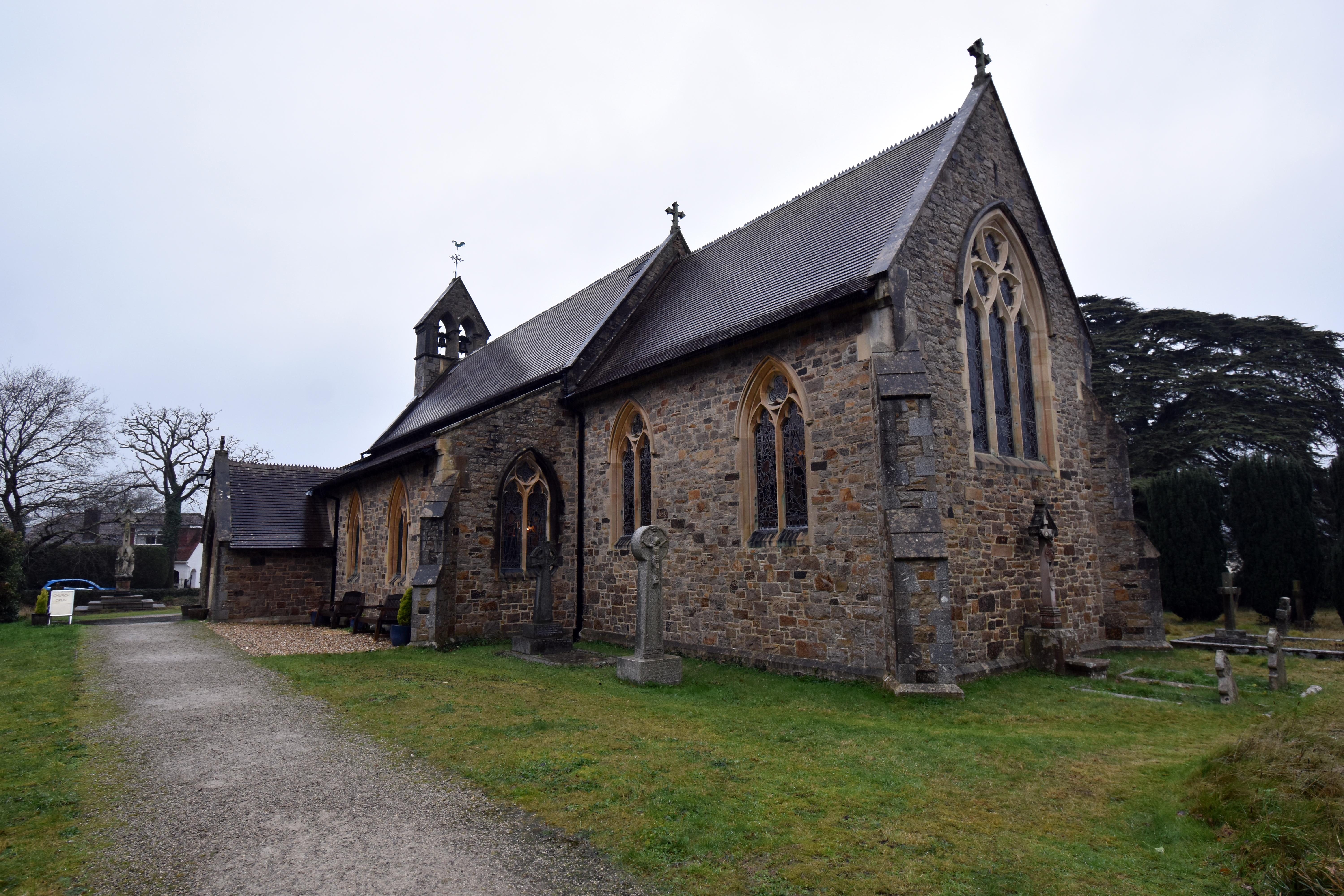
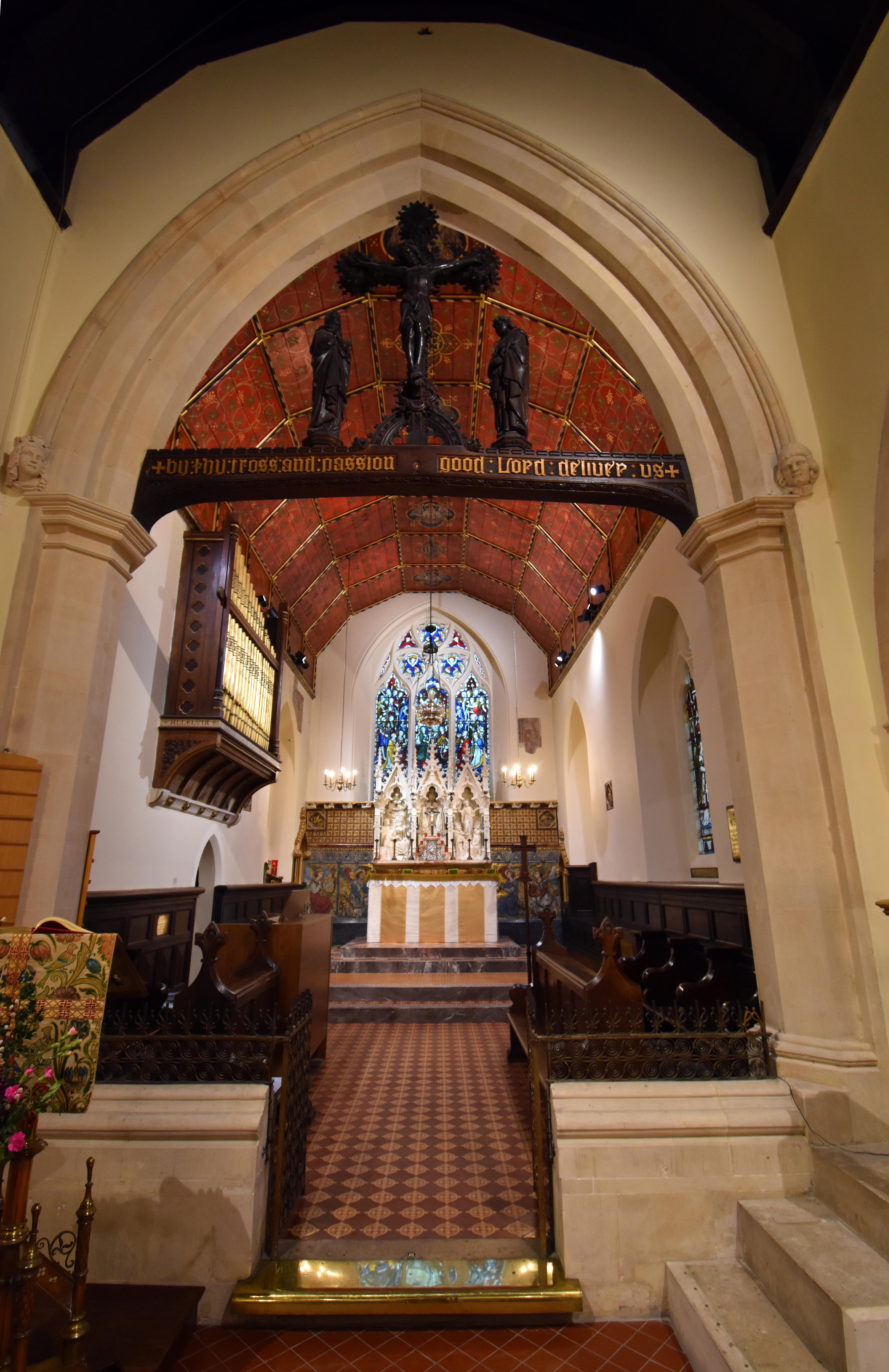
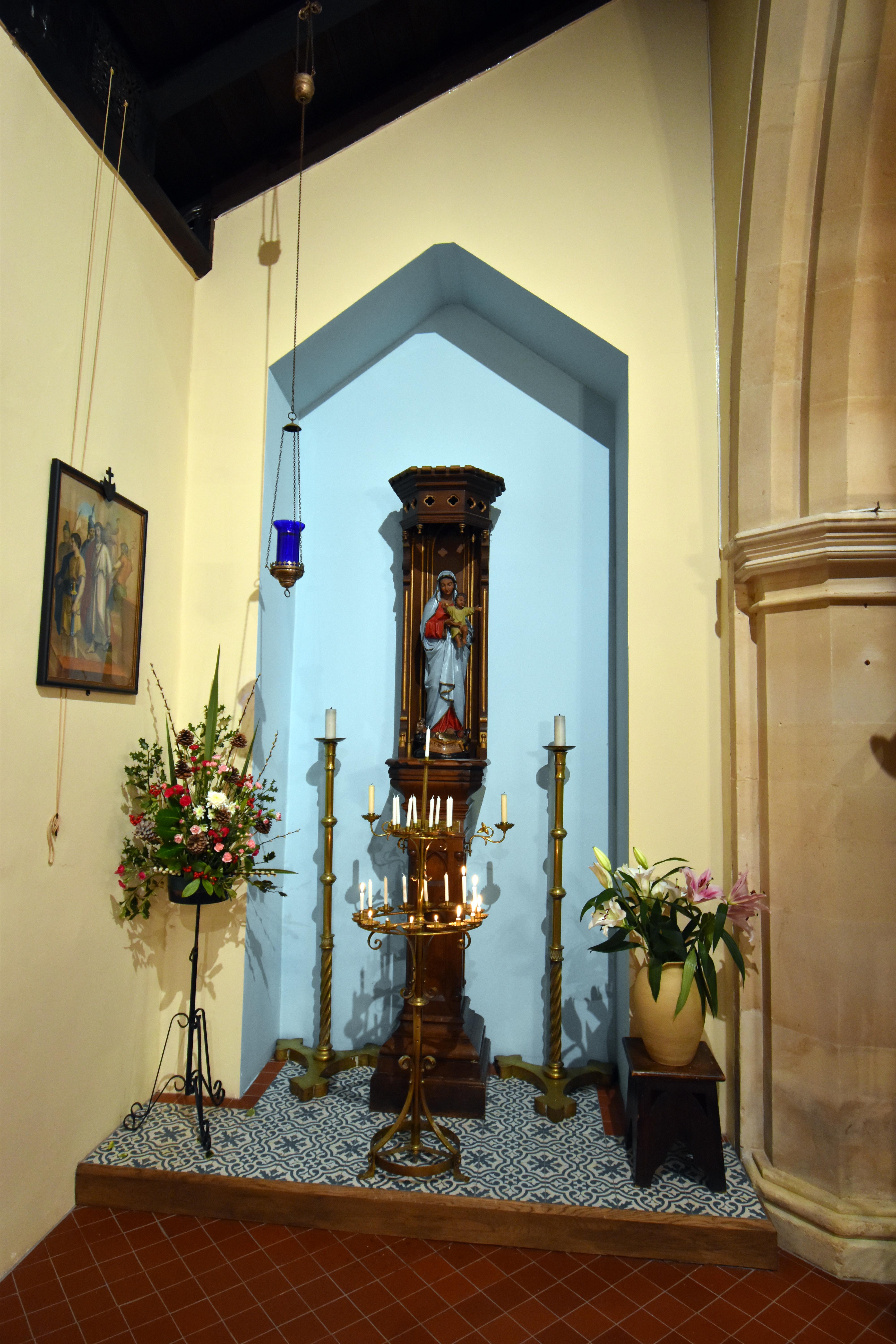
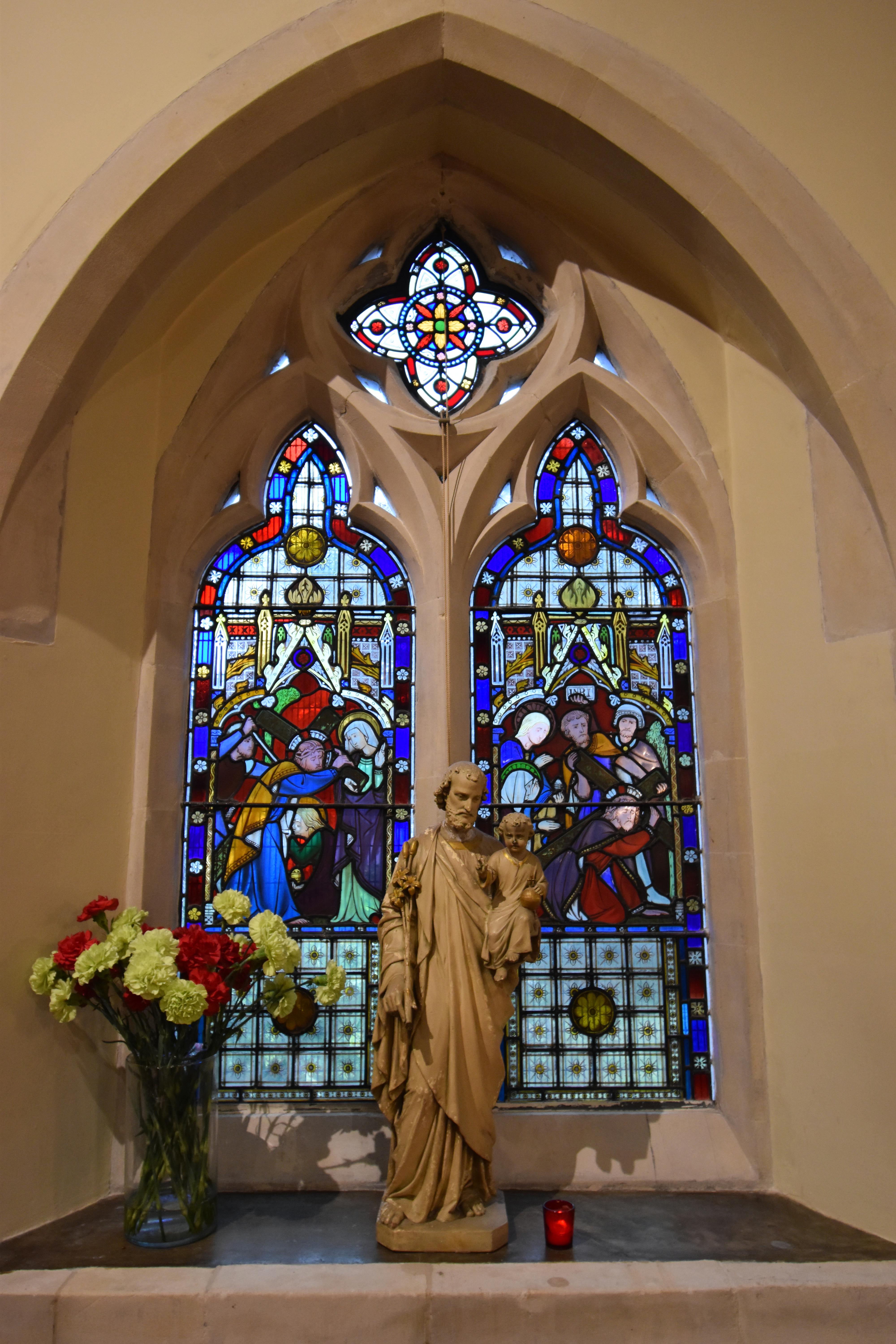
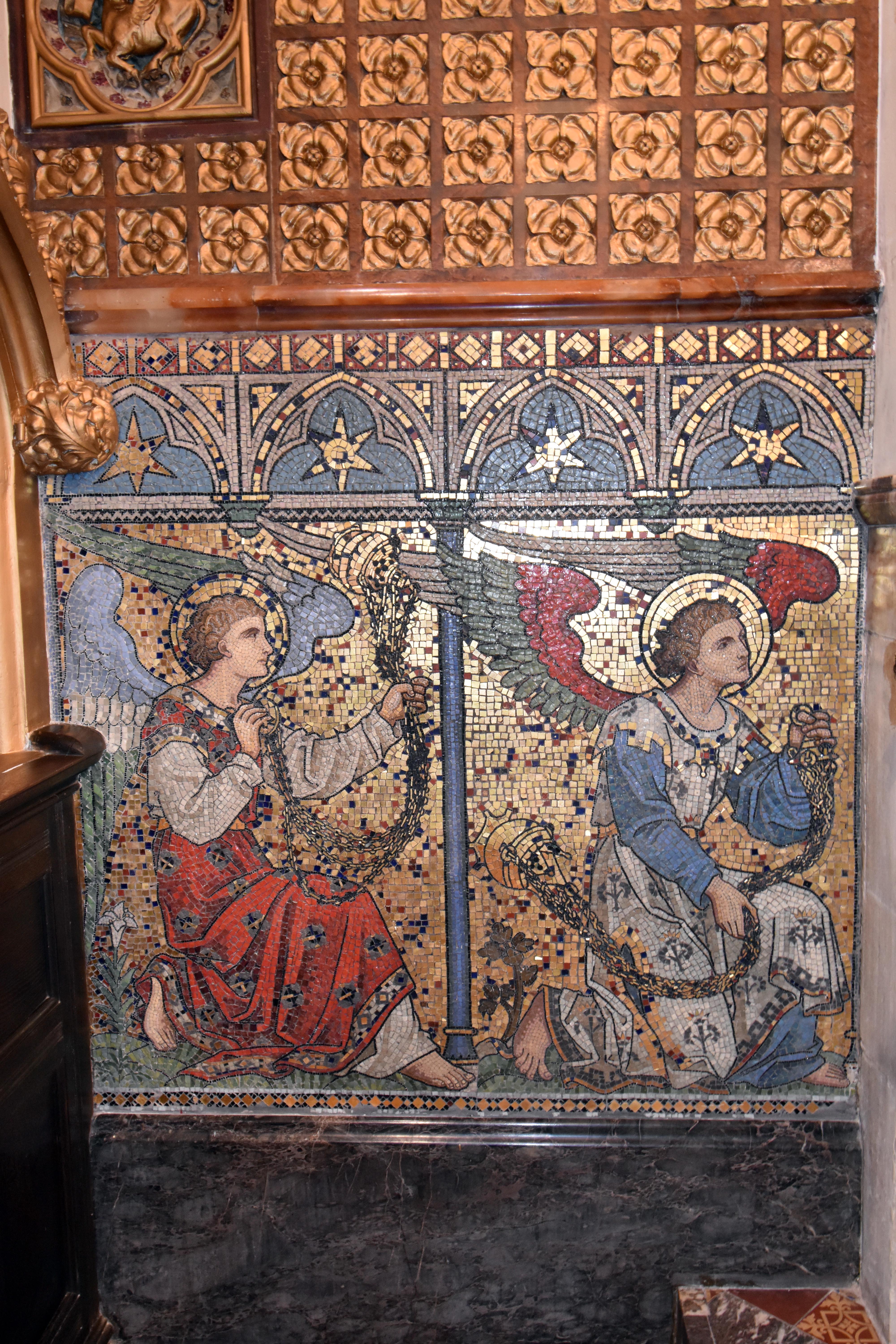
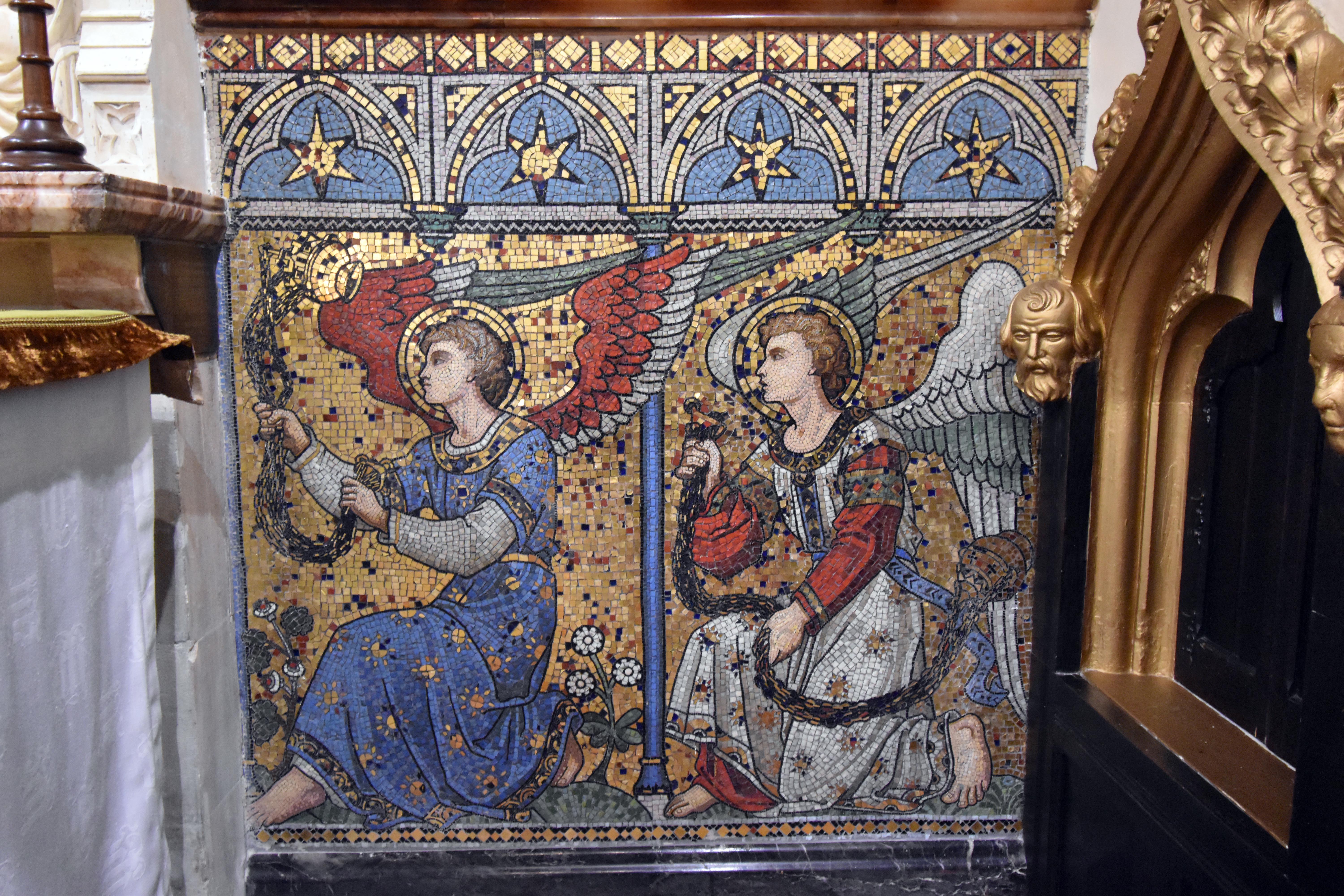
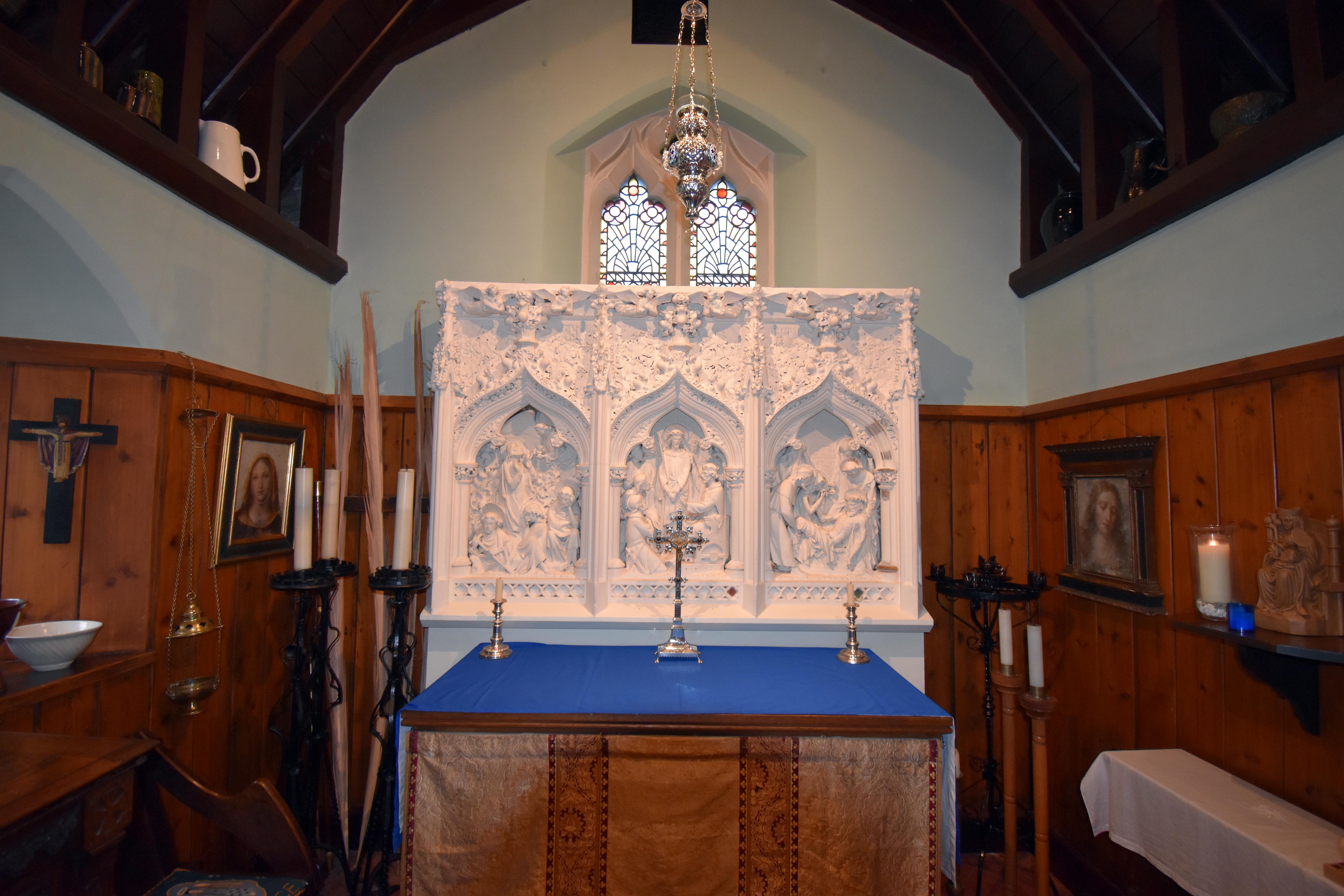
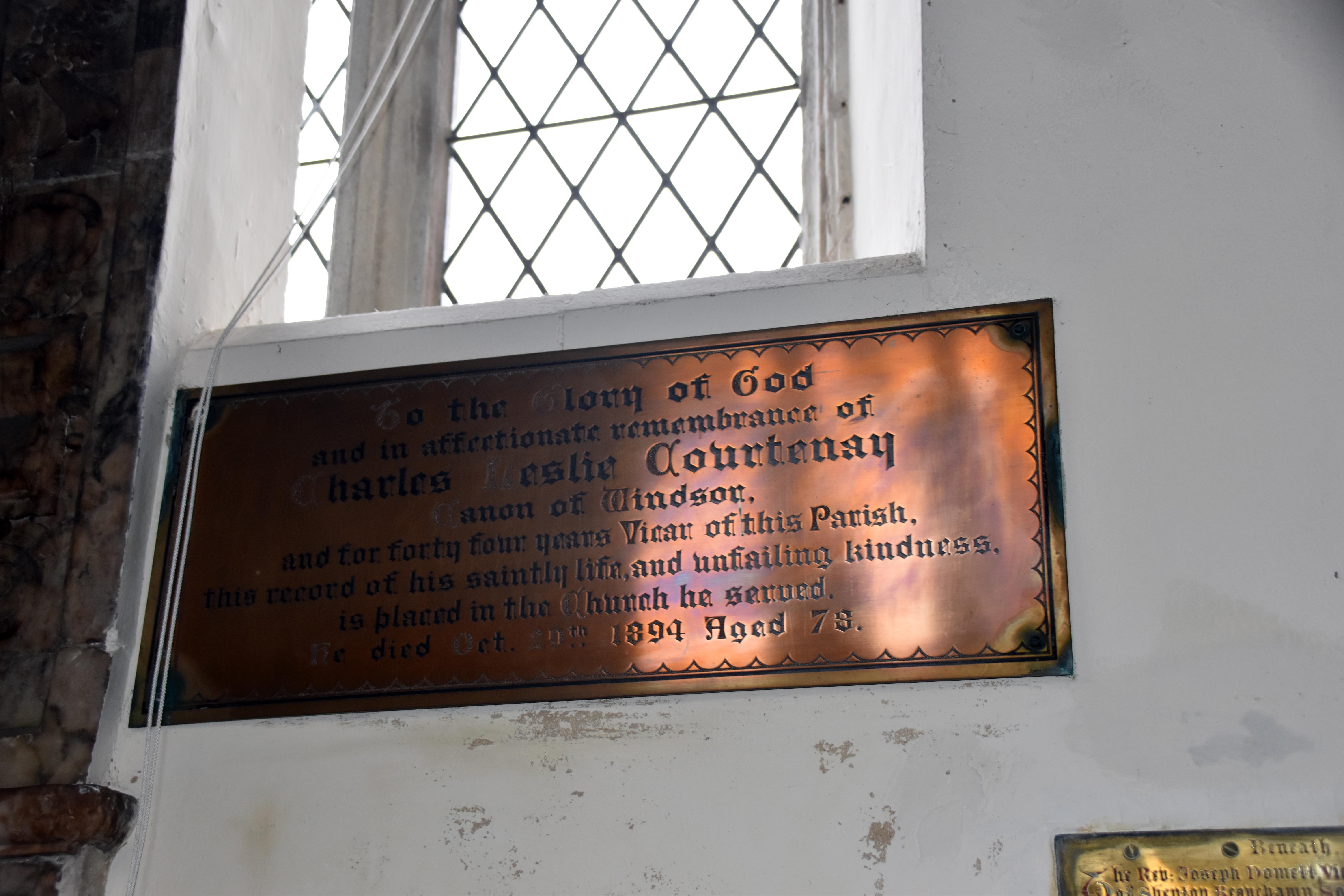
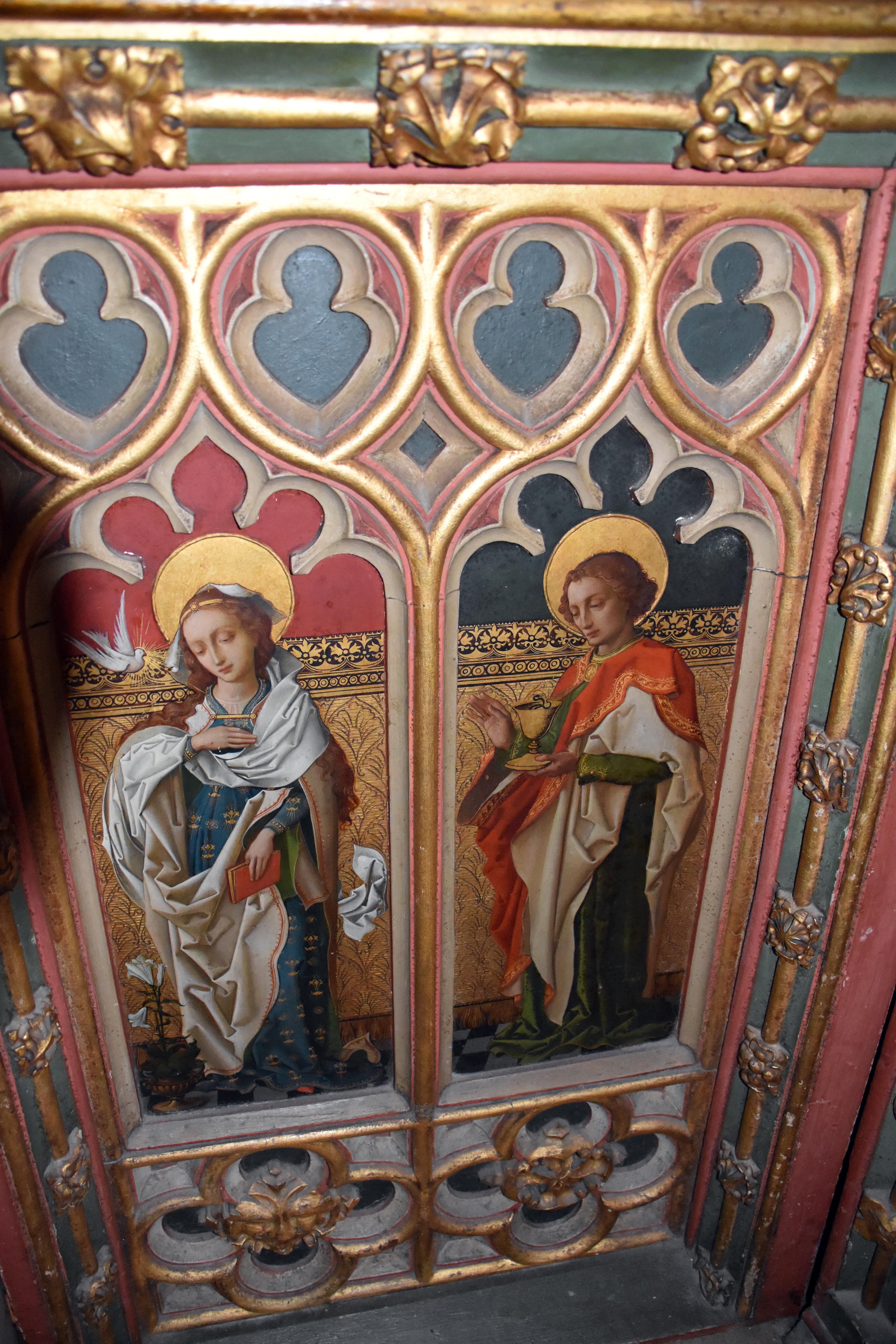
Just opposite Indio and further up though is the beautiful Victorian church of St John the Evangelist. We were very fortunate to catch this church just after their Sunday service and so had a lovely talk with members of the congregation and the all-important volunteers who keep these beautiful treasures in working order. Now this church is an Anglo-Catholic church and feels very different from most Anglican churches. It was explained to us that it was originally set up as a Chapel of Ease by the vicar of the main 13th-century Parish Church of St Peter, St Paul & St Thomas of Canterbury, a certain Canon Courtenay – who was part of the very influential Powderham Courtenay family (and who also played key roles in supporting the churches at Powderham and Kenton). This Victorian clergyman became incredibly influential despite his Anglo-Catholic views (this at a time that Anglican vicars were being imprisoned for being too Catholic in their sermons and practices). His get-out-of-jail-free card appears to have been the fact that he was the chaplain-in-ordinary to Queen Victoria who adored his company. It probably helped that he married one of Queen Victoria's Maids of Honour too. She apparently was involved in his getting this appointment in Bovey Tracey. Usually she was very unforgiving of Catholic practices but seemed to turn a blind eye to her own chaplain! Canon Courtenay was appointed vicar of the Parish Church in 1849 but soon clashed with the more traditional Protestant views of the established families in the area like the Holes, Traceys and Crokers. Using his own money and family connections, Canon Courtenay started to design a new church which would be called St John the Evangelist in the 1850s. This wasn’t just due to ecclesiastical differences with the main parish church but also as he realised that with Bovey Tracey increasing in size and becoming more urban in its outlook thanks to an increase in the pottery industry, it would need an increase in church capacity and in a location easier for them to get to. However, it was very much built in the Anglo-Catholic tradition with beautiful stained glass windows throughout, gorgeous reredos, a stunning ceiling and originally painted walls, some of the remains of which have been uncovered. It may appear counterintuitive to think this but the Anglo-Catholics were actually some of the foremost to get involved in poor and deprived neighbourhoods and Canon Courtenay set up local community support projects like the Devon House of Mercy and a home for abused women. He also built the town’s National School and set up a Mission House in Fore Street to care for the sick of the parish in the years before any NHS took on that role. He also established evening schools and founded a library (which we actually saw being renovated as we walked past it this day).
 |
|
|
Now why was some of that beautiful artwork cruelly whitewashed and covered over by subsequent generations? Well, it all goes back to the tensions within the Church of England between the various varieties of Anglican and once Canon Courtenay had passed away, local Anglican officials were only too keen to hide the worst excesses of Catholicism as they saw it. But after talking with the volunteers there it was explained that there are plans in place to try and repaint the church, bit by bit, and gradually turn it back to what it once looked like in all its Anglo-Catholic glory. Personally I love the fact that the Anglican Church has different traditions and appreciate all of them for their various interpretations of Christianity and the way they commemorate and decorate their places of worship. It was also explained that the church was fortunate to have a high-profile Anglo-Catholic benefactor with a Courtenay connection who established a Trust to help this church remain as a place of worship, and this is from the 2nd Viscount Halifax and his wife Lady Agnes Courtenay. It helped that they built a country house called St Mary’s right next door to the church and were related to Canon Courtenay. By the way, their son, who was born in Powderham Castle no less, was even more famous as Lord Halifax, the famous Conservative politician who was also Viceroy of India as Baron Irwin. In 1940 he was the rival of Churchill to replace Chamberlain after the disastrous 1940 France Campaign and Dunkirk operation. Churchill referred to him as the Holy Fox due to his widely known Anglo-Catholic beliefs – all stemming from this church and his Courtenay roots.
 |
|
|
Now to say that this is a beautiful church is an understatement. It is the height of Victorian Anglo-Catholic architecture. Usually the Victorians, with their newfound wealth combining with their deep religiosity, were updating and converting existing churches and trying to restore them to something of their earlier pre-Puritan looks. With St John the Evangelist you have an incredibly wealthy family letting rip on a blank canvas. This church was built and decorated to Canon Courtenay’s specifications and underwent a significant revamp in 1874. I have yet to visit another church in the South West which wears its Anglo-Catholic roots quite so obviously – although even this had been toned down a little in the post-Courtenay period. Now I will be the first to return to see it in its former glory once the walls are repainted as they originally were. We often visit beautiful medieval churches, but this is a stunningly beautiful Victorian church.
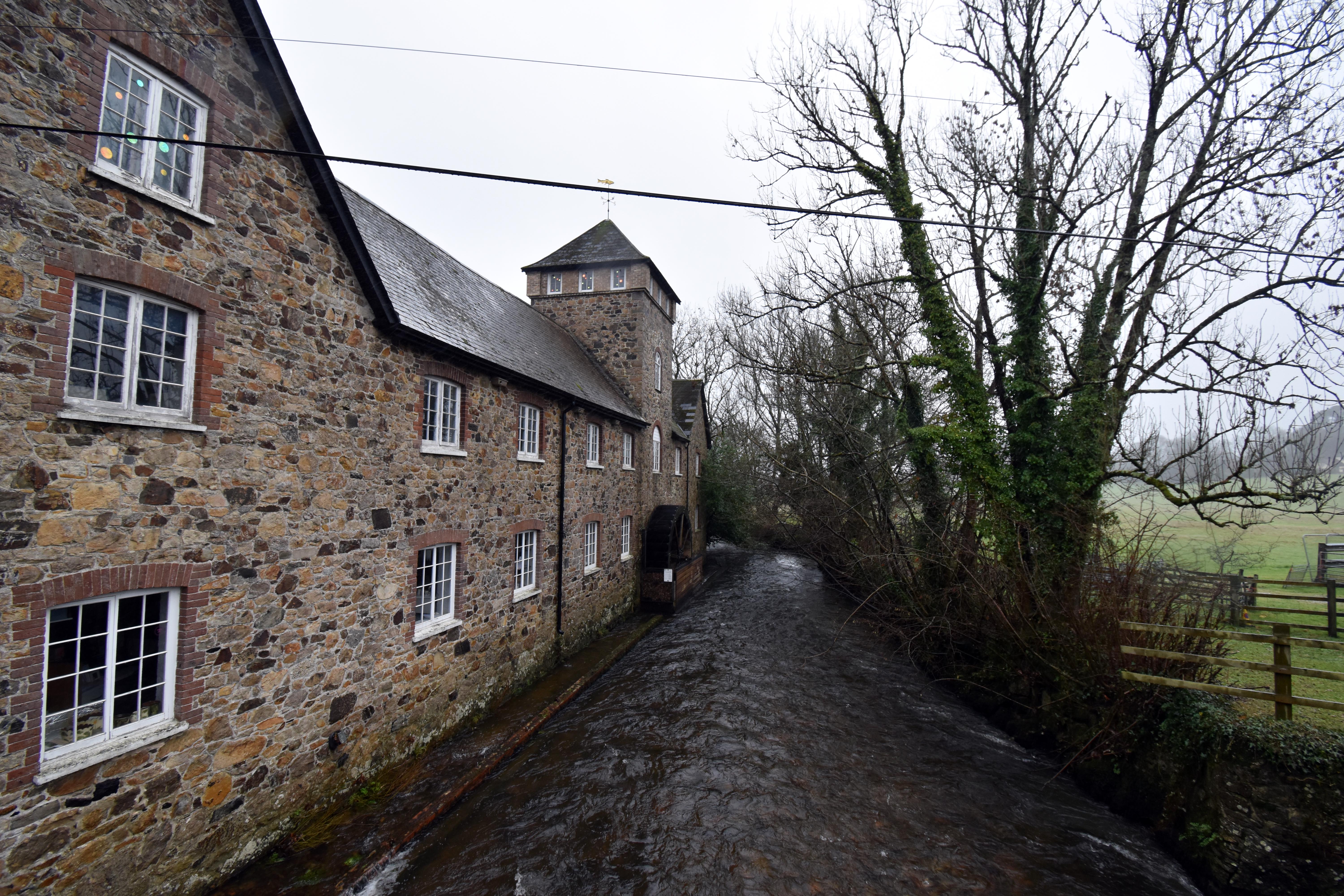
From this church we headed due north to Bovey Tracey main centre. The Tourist Information was closed as we passed it but I am pleased to report that they had opened some of the nicest public toilets I’ve seen in a very long time. Nice to see a town actually providing facilities of use to visitors and locals alike. You then cross over the River Bovey and pass what looks like a mill – but it has never been a mill. It was actually a stables and the water wheel was used to collect water for the horses.
Bovey Tracey apparently takes its name from the River Bovey and the de Tracey family of Norman knights. The story goes that the Parish Church of St Peter, St Paul & St Thomas of Canterbury was built as a form of penance by William de Tracey (or an embarrassed kinsman). William de Tracey was one of the four knights who killed Thomas Becket in 1170 – hence the name of the church – after the canonised St Thomas. He would be exiled by the Pope to fight with the Templars in the Crusades. It is believed that he ended his days as a hermit in the Holy Lands and was buried in the Templar Round Church which lies on the site of the Temple of Solomon and now under the Al Aqsa Mosque: a strange but fascinating link from Devon to Jerusalem if the story is true of course?
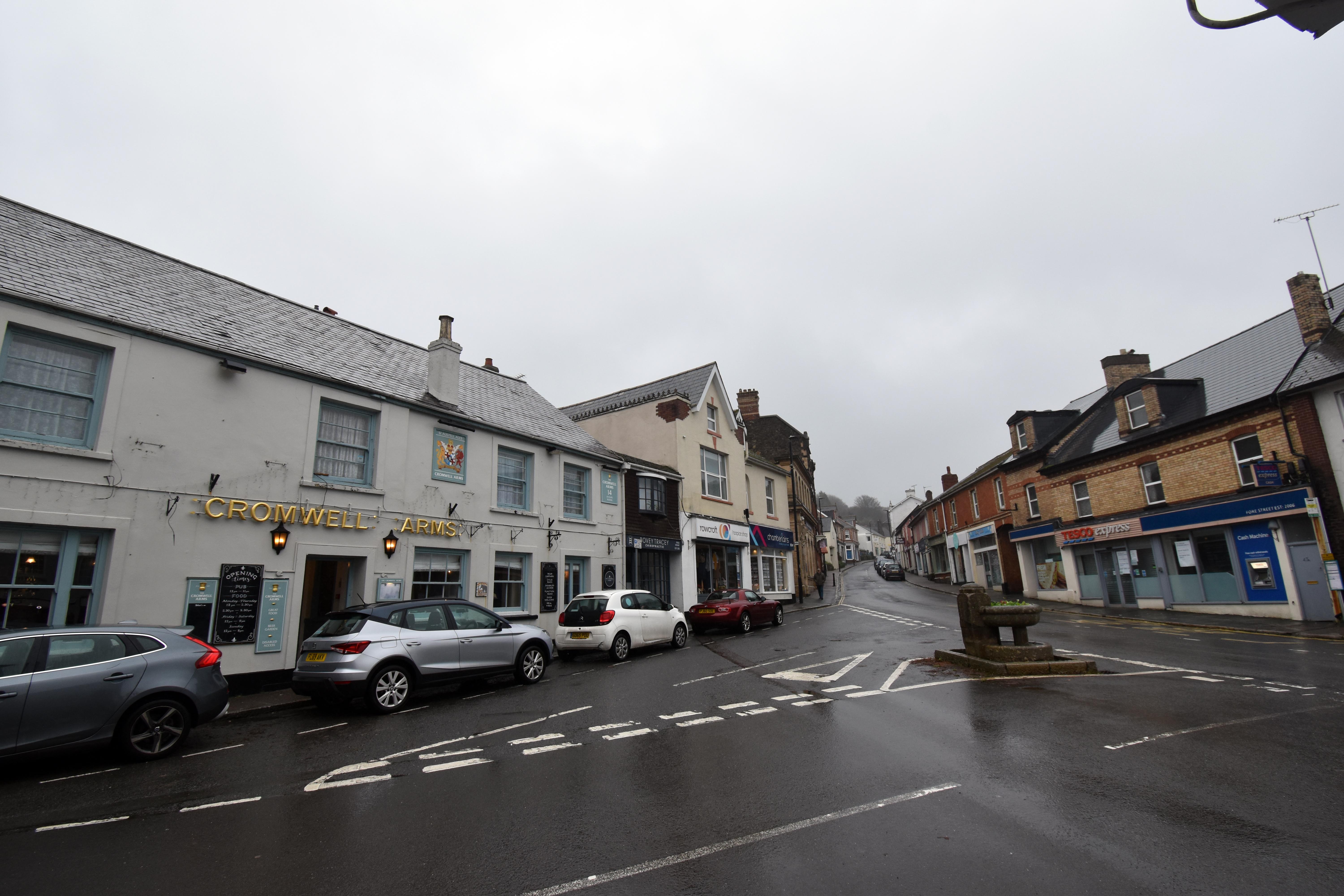
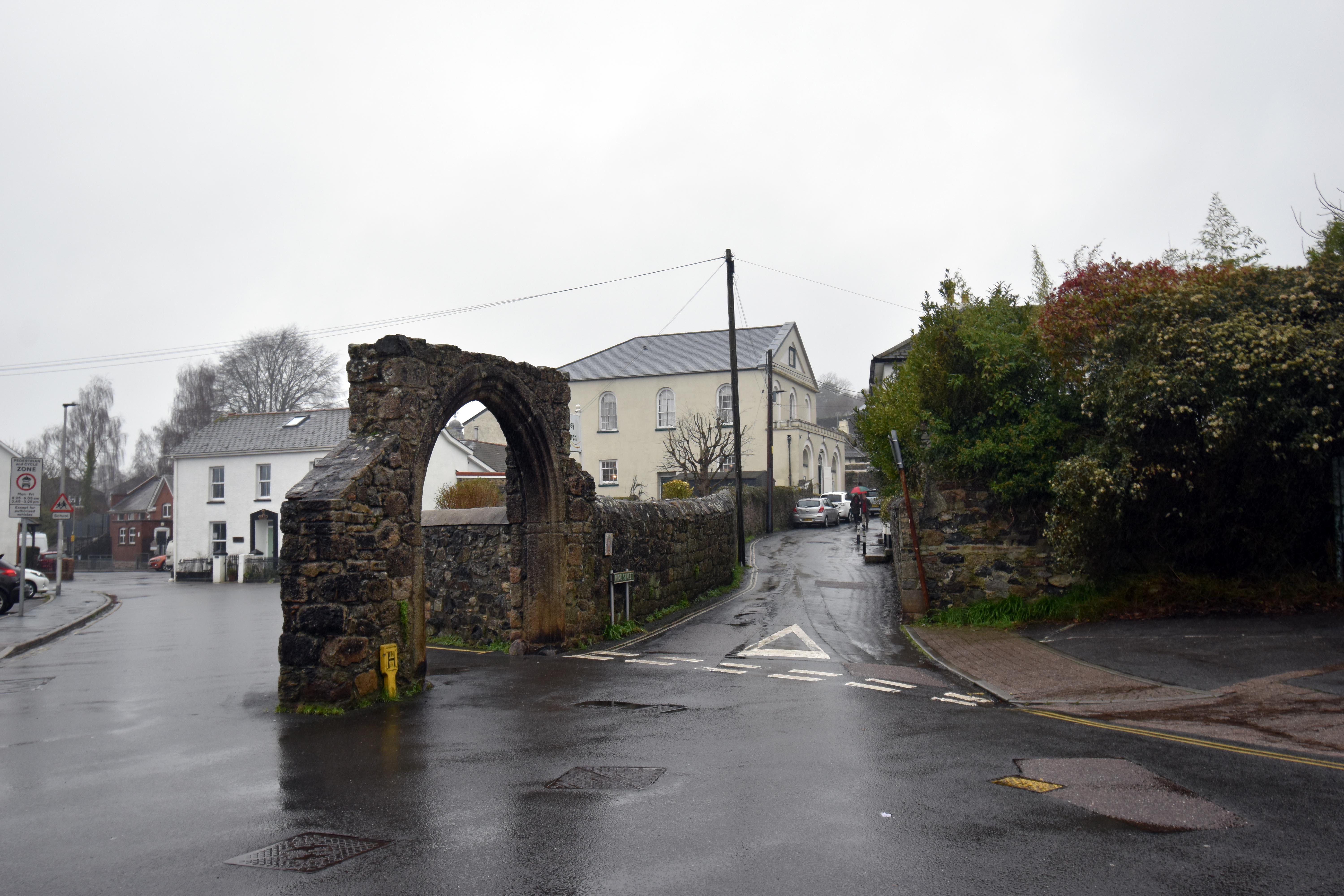
Further up into the town close to the Cromwell’s Arms is what is called Cromwell’s Arch just next to the Baptist Church and rather unceremoniously lying in a car park. Obviously the Cromwell name has attached itself firmly to Bovey Tracey thanks to the Battle of Bovey Heath but this is definitely a case of a misattributed name. It far predates Cromwell as a medieval granite construction. It could well have been an arch in a medieval monastery or priory which of course were all swept away by a certain Thomas Cromwell! Perhaps – and it is only a theory of mine – the Cromwell this arch remembers is that of Thomas not of Oliver?
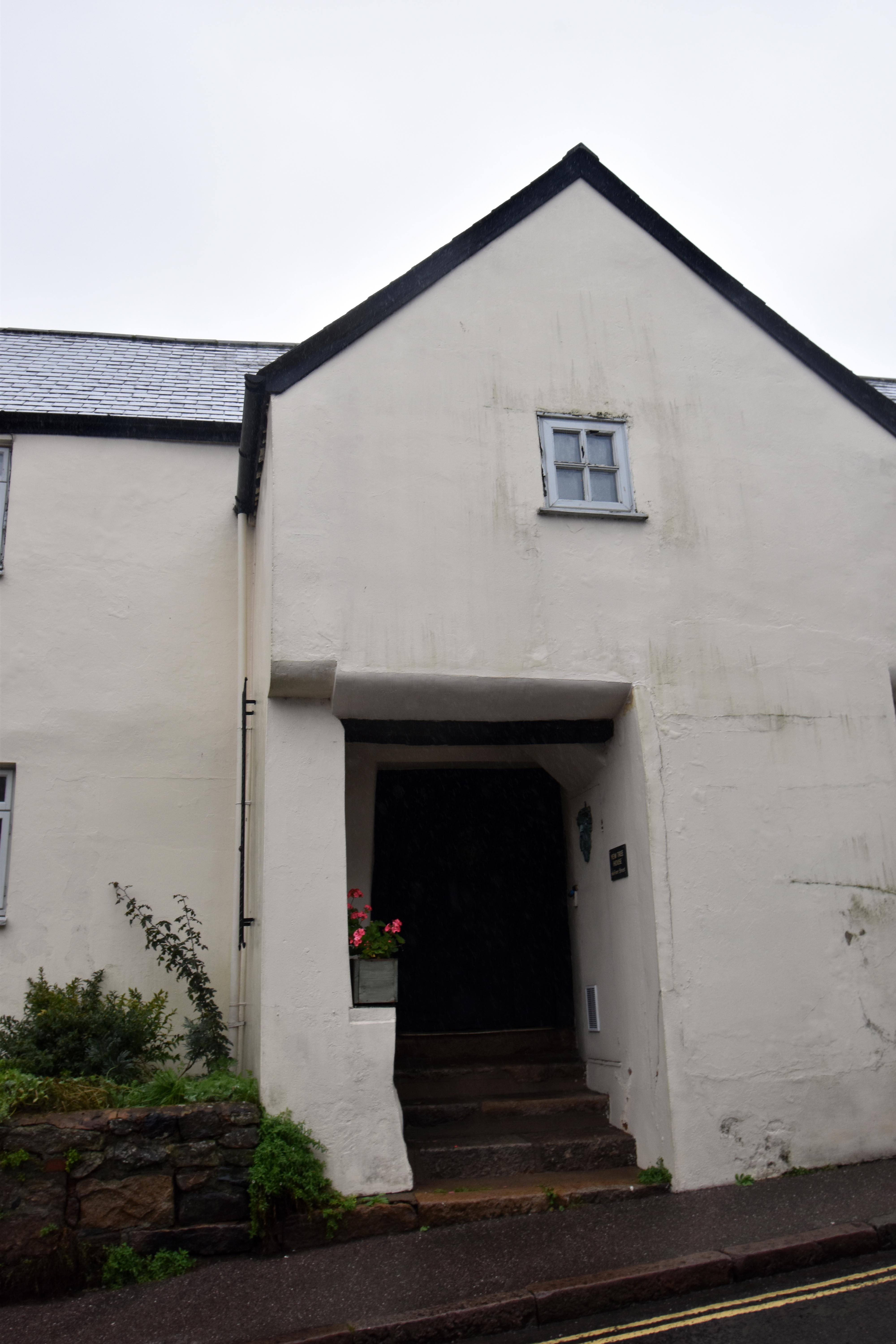
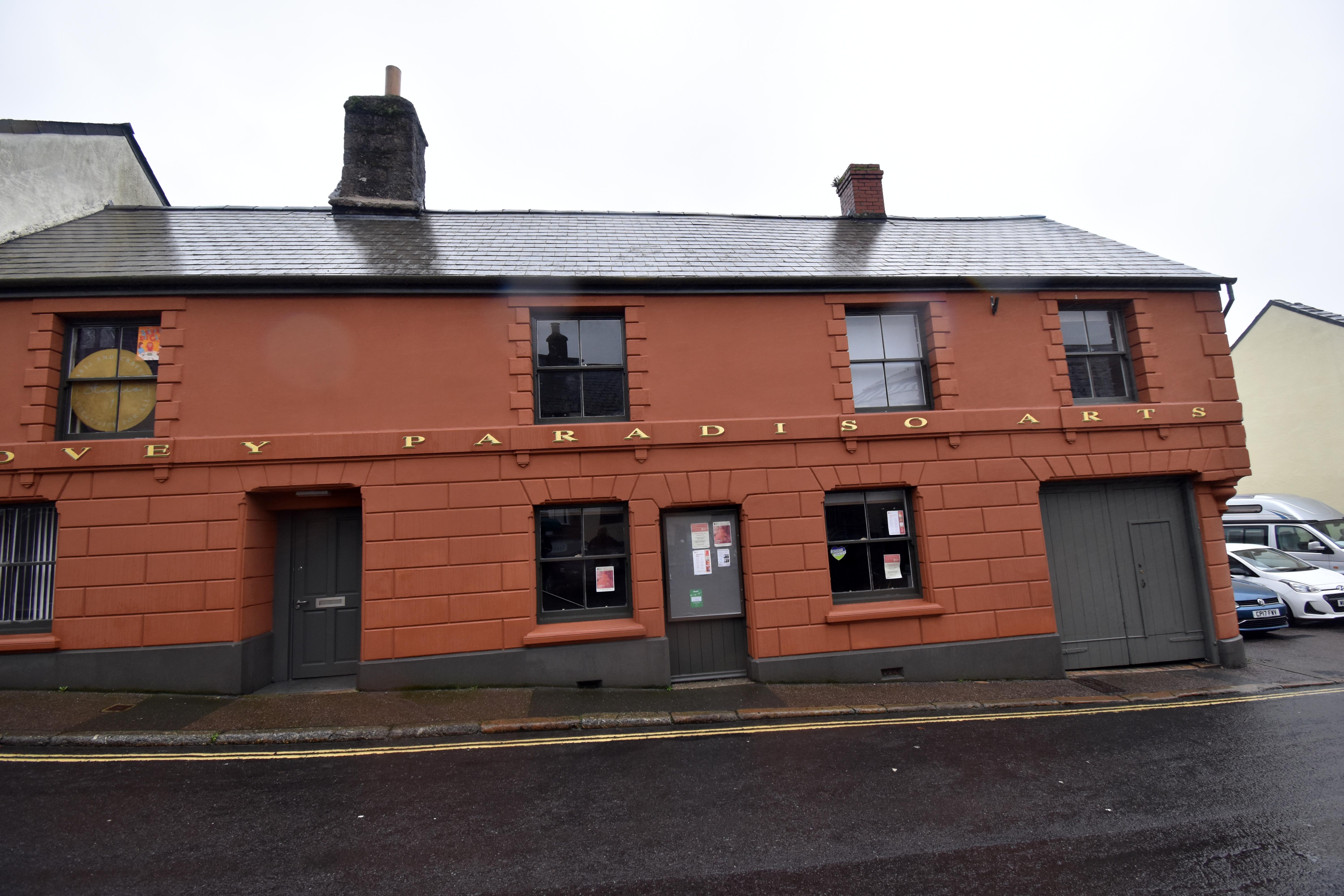
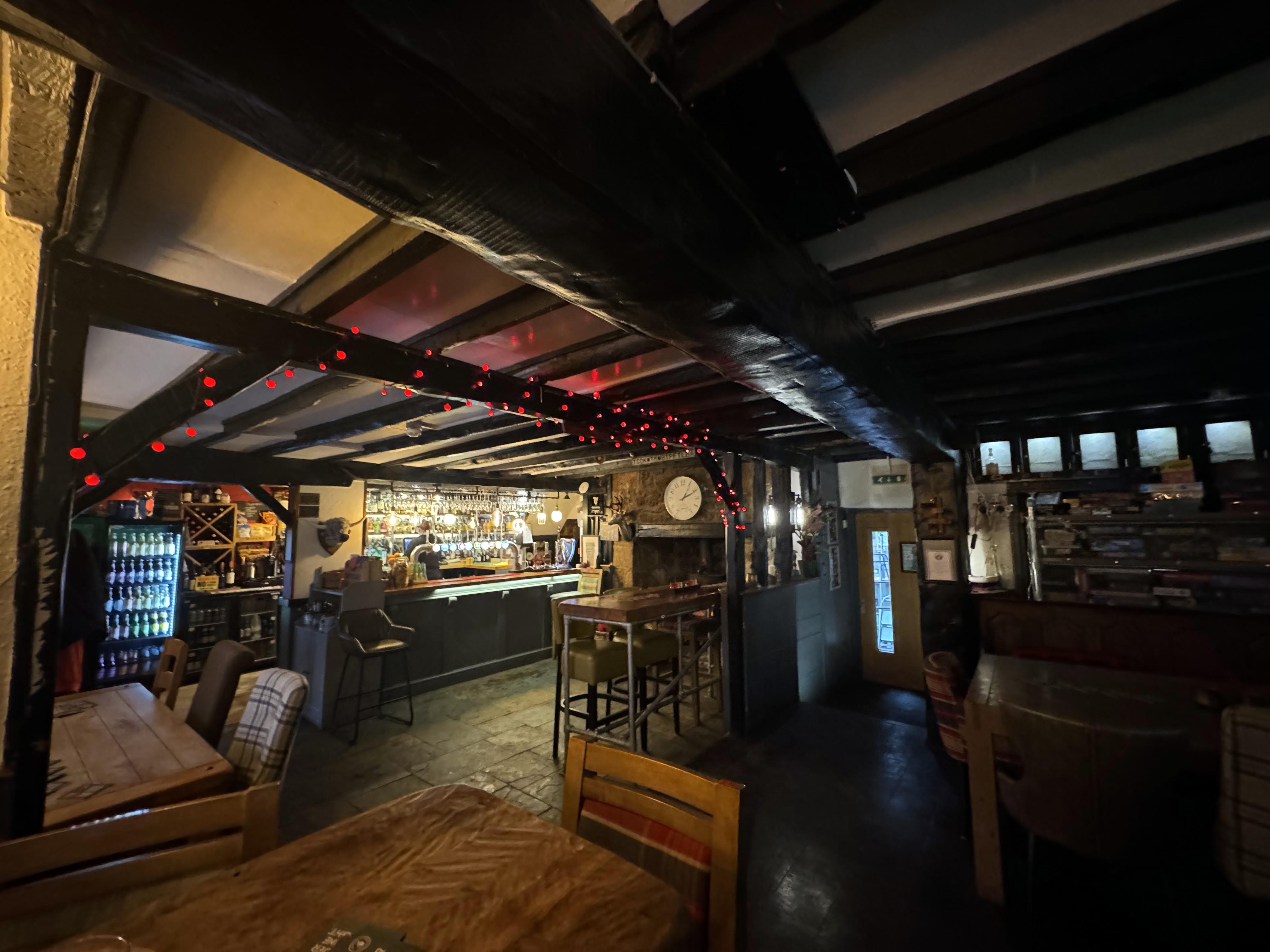
There are some charming buildings as you continue to walk up Fore Street including Courtenay House which was originally the Grammar School before being converted into that Devon House of Mercy mentioned above by Canon Courtenay. You also have the Bovey Paradiso which is a 16th-century house that was known as the King of Prussia pub for many years before becoming this lovely art centre. You can see the rural influence of many of the buildings with the horse entrances to allow the animals to get to their stables and for carts to be loaded with goods or materials. As you get to the War Memorial by the old Town Hall, just behind is the Bell Inn which is one of the candidates for where the Royalist officers were playing cards when Oliver Cromwell’s troops arrived in town. We went in for a drink and a more dog-friendly pub you could not hope to find. Treats everywhere, a lovely winter fire going and there were even dog beds for the dogs to enjoy.
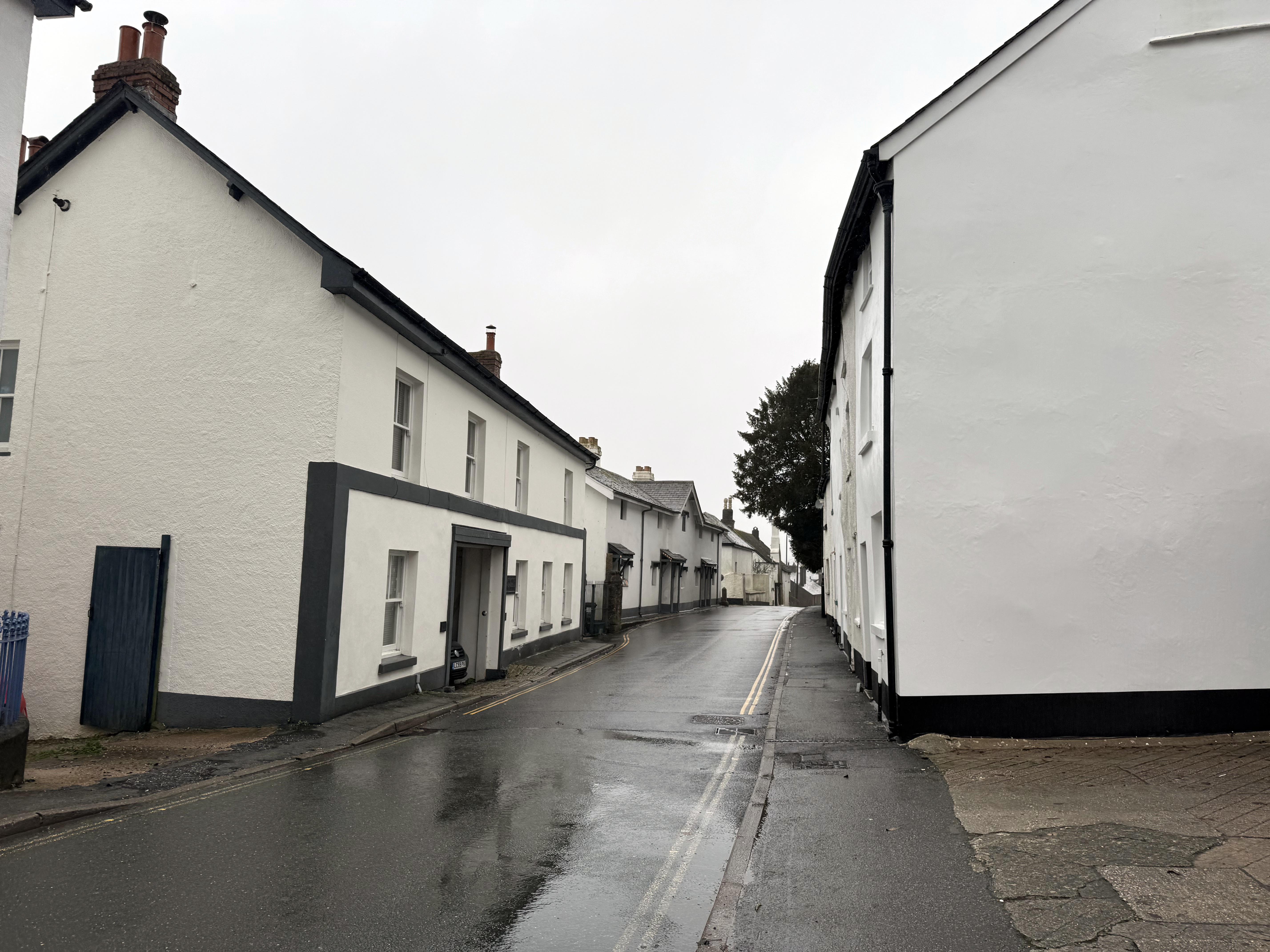
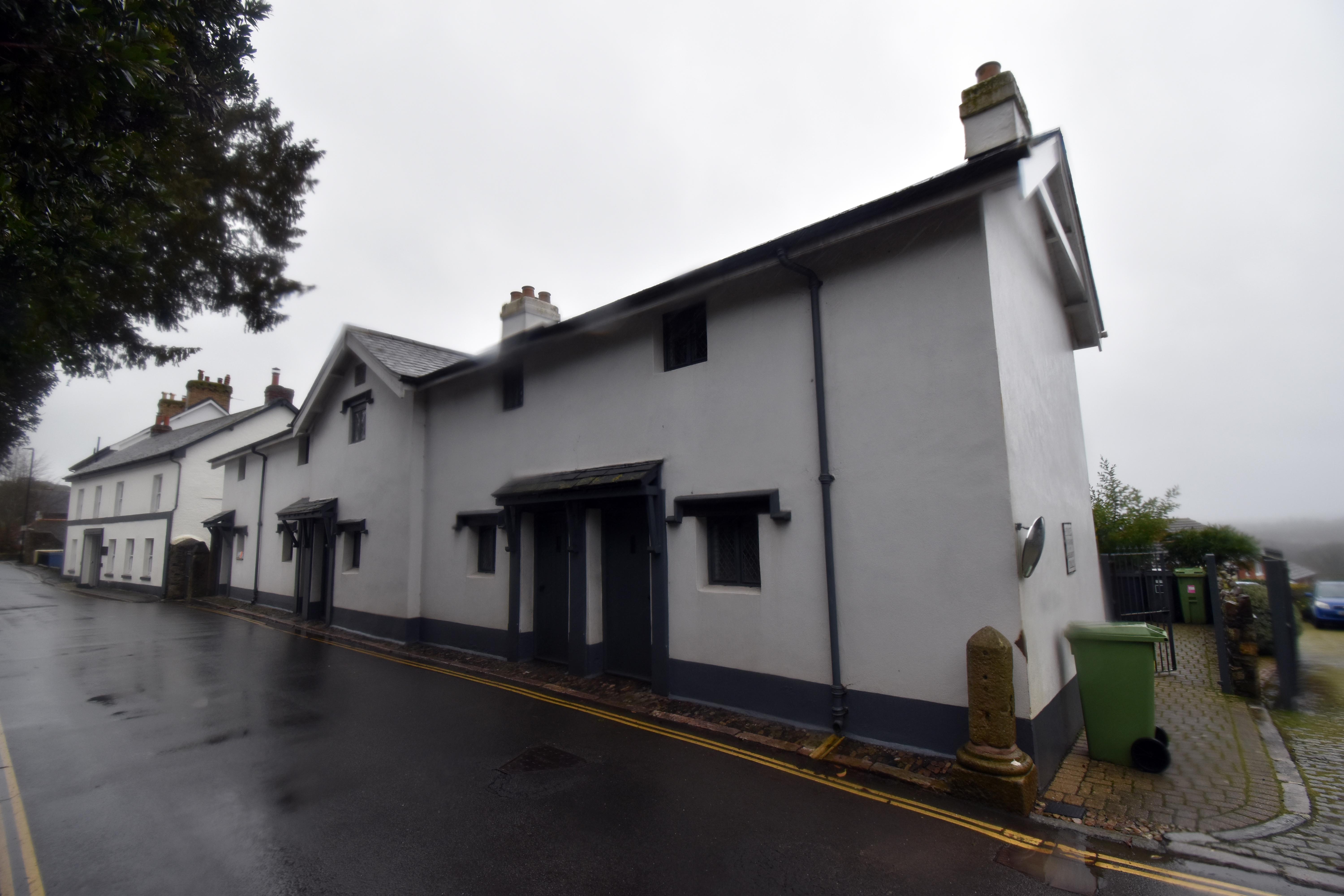
From here we walked east along the appropriately named East Street. We passed The Manor House on our right which may well have been the location of William de Tracey’s original dwelling – although substantially changed over the intervening years. We also passed the almshouses which once again illustrate the social job once undertaken by the church and appropriately built in memory of members of the de Tracey family all these centuries later. Just like the Bentincks, the de Traceys were once foreign invaders who now are part of our island story.
 |
|
|
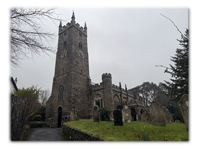
By now we could see the main Parish Church of St Peter, St Paul & St Thomas of Canterbury, and just outside it stands St Mary’s Well, a modest structure that hints at a far older layer of devotion beneath the medieval and Victorian church. Although its stone housing is later, the spring itself is almost certainly ancient, part of the long tradition in which natural water sources were absorbed into Christian practice and associated with purity, healing and preparation for worship. Wells dedicated to St Mary are common across the West Country, usually marking sites where earlier sacred springs were reinterpreted rather than erased, and Bovey Tracey’s example sits neatly beside the lychgate as if greeting the visitor before they step onto consecrated ground. Easy to overlook, it nonetheless anchors the church in a landscape where faith, settlement and natural features were once inseparable.
 |
|
|
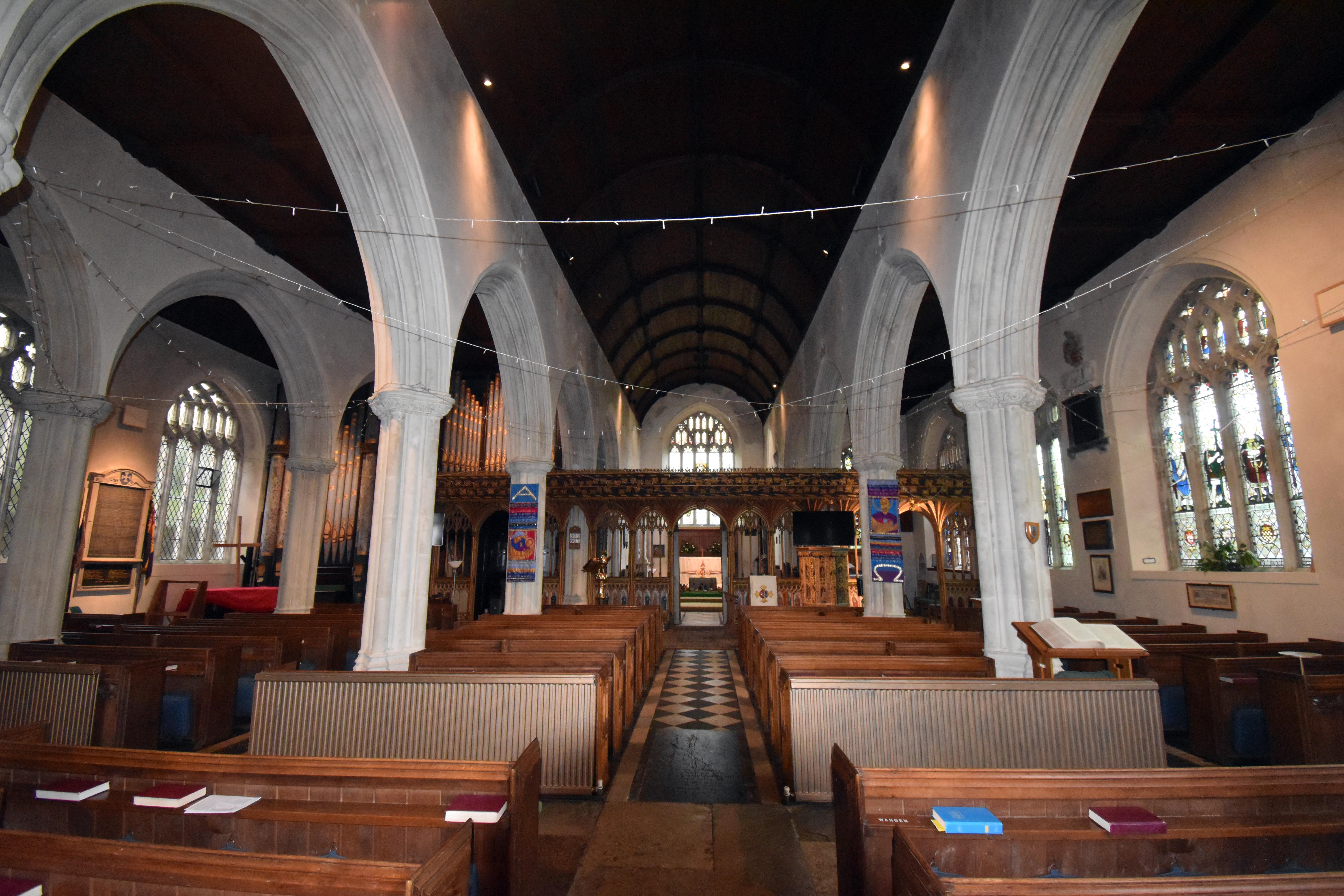
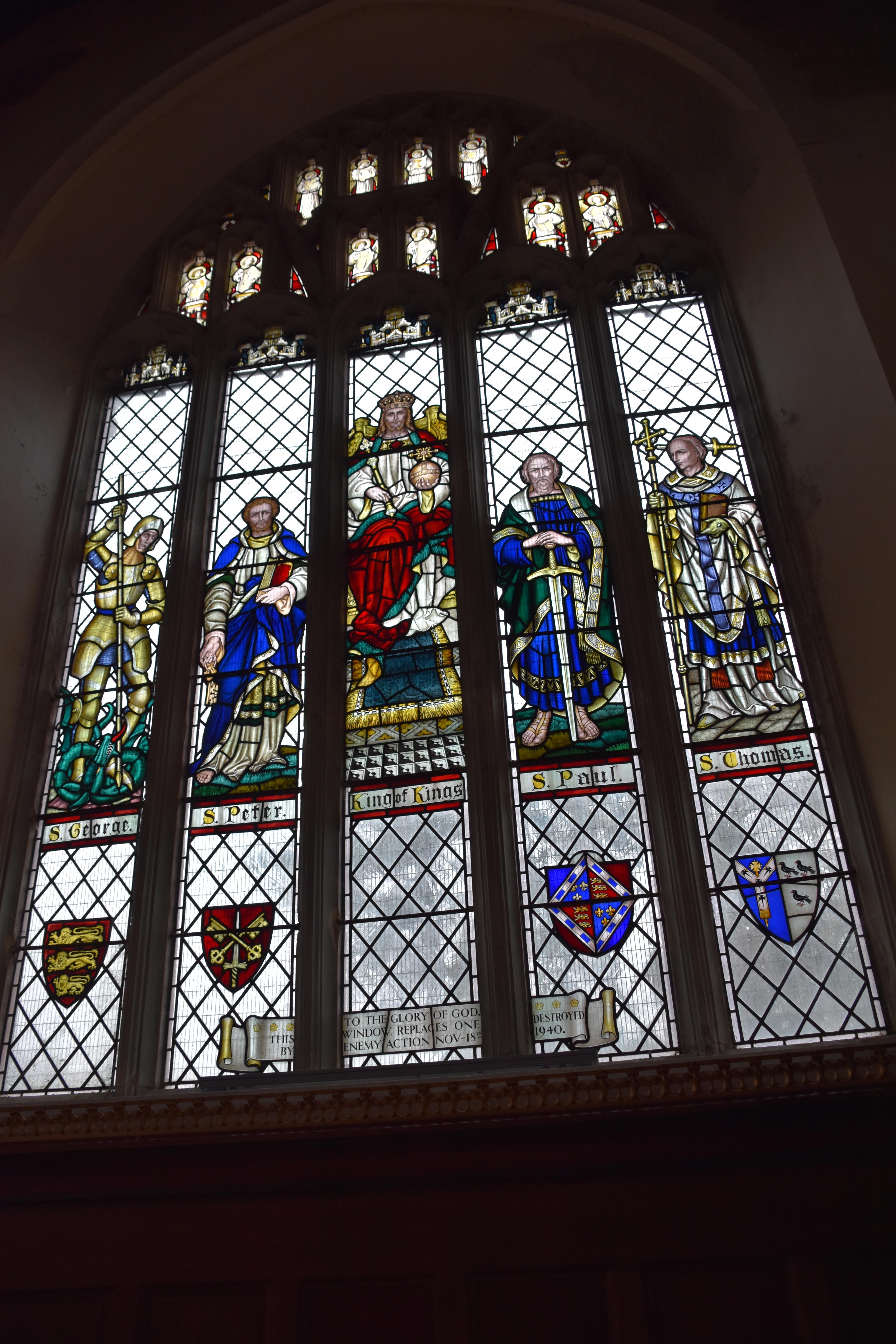
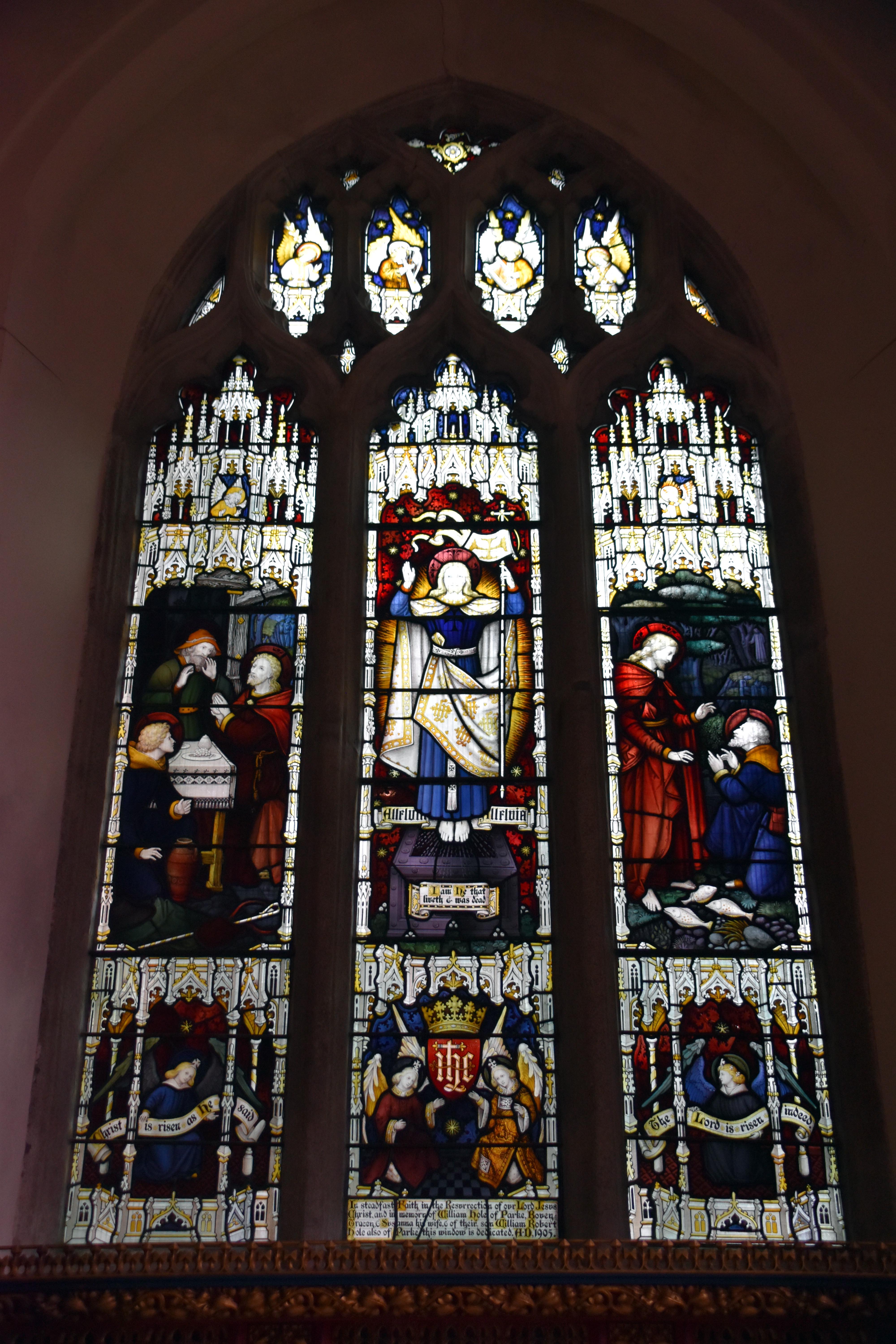
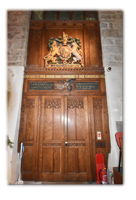
Being centuries old, the Church of St Peter, St Paul & St Thomas of Canterbury is packed full of beautiful art, memorials and history. It also wears the scars of the Civil War even now. The west screen at the back of the church has a fascinating Royal Coat of Arms which was donated by a Reverend Forbes in the Restoration Period. James Forbes had been one of those loyal Anglican priests who had been ejected from his post during the Commonwealth Period. On the return of Charles II in 1660 a delighted Reverend Forbes had this screen with its pointed criticisms of the Parliamentary rule inscribed for all to see: “Wm Laud arch: B: cant: (Archbishop of Canterbury) beheaded by the bloody Parliament 1642: every high priest taken from among men is ordained for man in things pertaining to God.” And “Jos Hall B: of Exon imprisoned by that wicked Parliament 1642. If a man desire the office of a Bishop he desireth a good work.” This isn’t Forbes’ only contribution to the church: at the east end of the nave is a beautiful brass eagle that probably dates from the 15th century. It has an unusual feature; if you insert a penny in the eagle's beak it will pass through the sculpture and fall out by the bird's tail. This was used for the annual Peter's Pence ceremony. Peter's Pence was a tax levied for maintaining the Holy See in Rome. It was collected at every English church until it was outlawed by Henry VIII in 1534. Most of these disappeared in the Civil War (rather than the Reformation when many people assume the damage was done to our churches’ interiors). It was Puritans in the 17th century who ransacked churches for Catholic baubles. This one was supposedly saved by Reverend Forbes by throwing it in a nearby pond and then recovered many years later.
 |
|
|
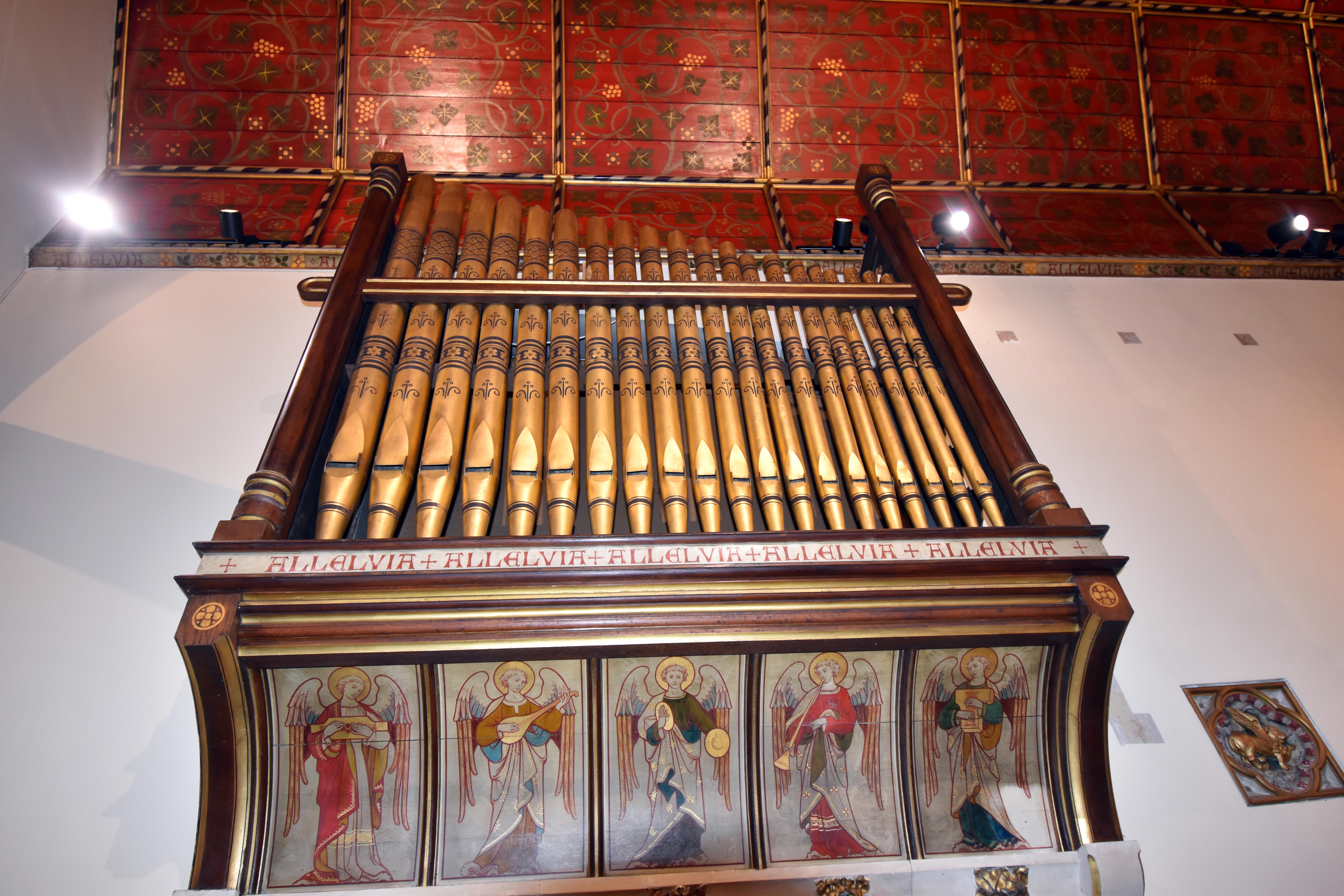
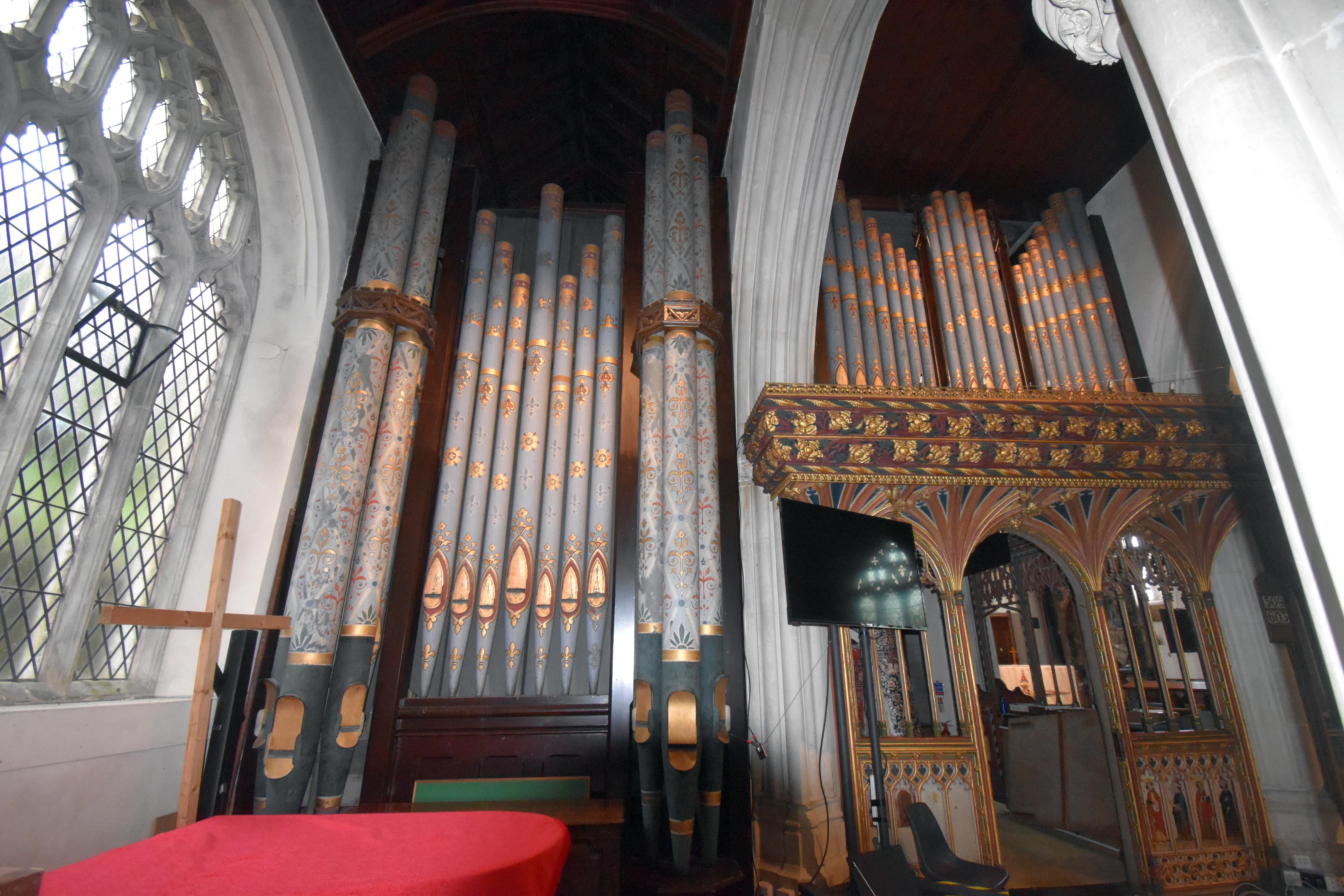
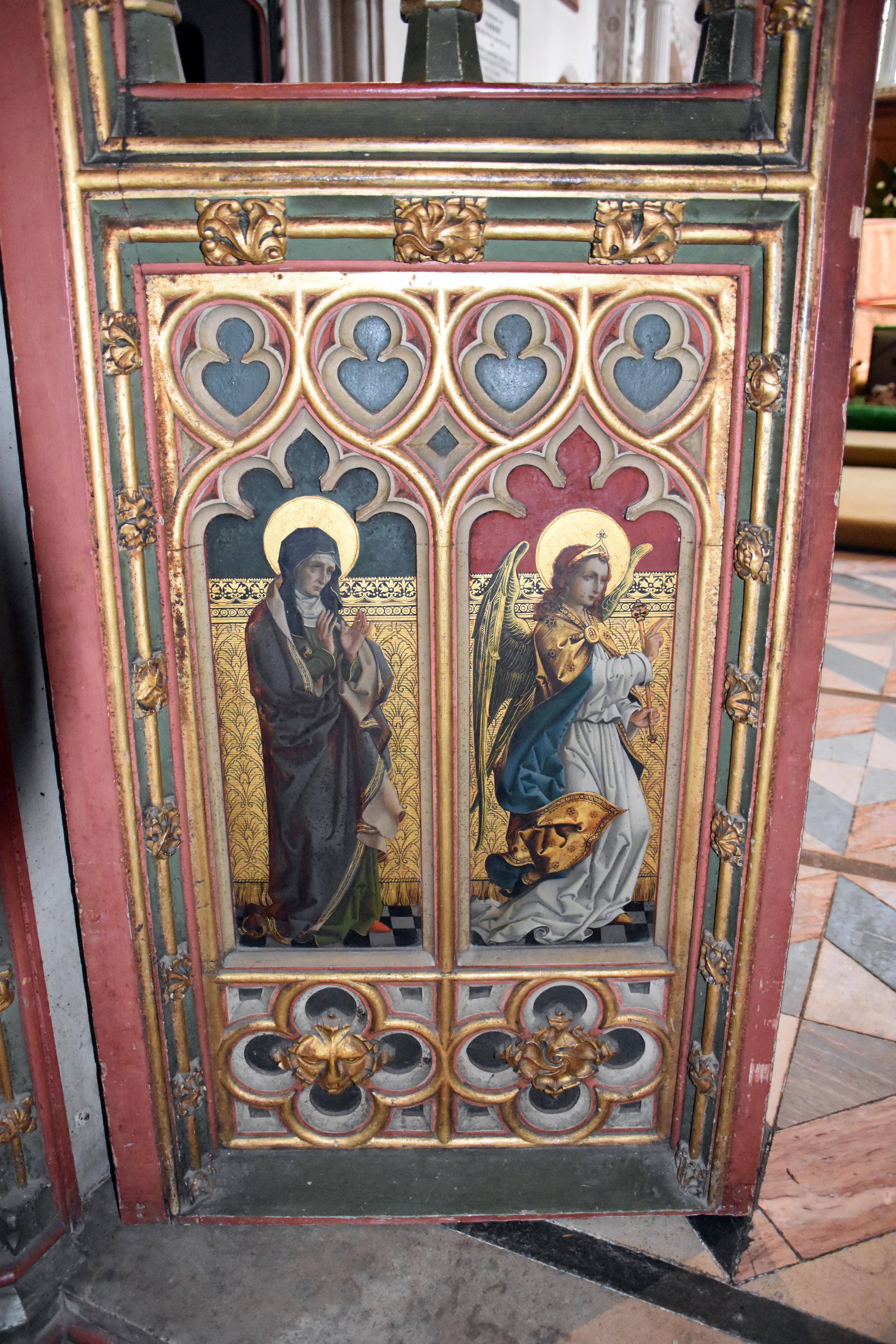
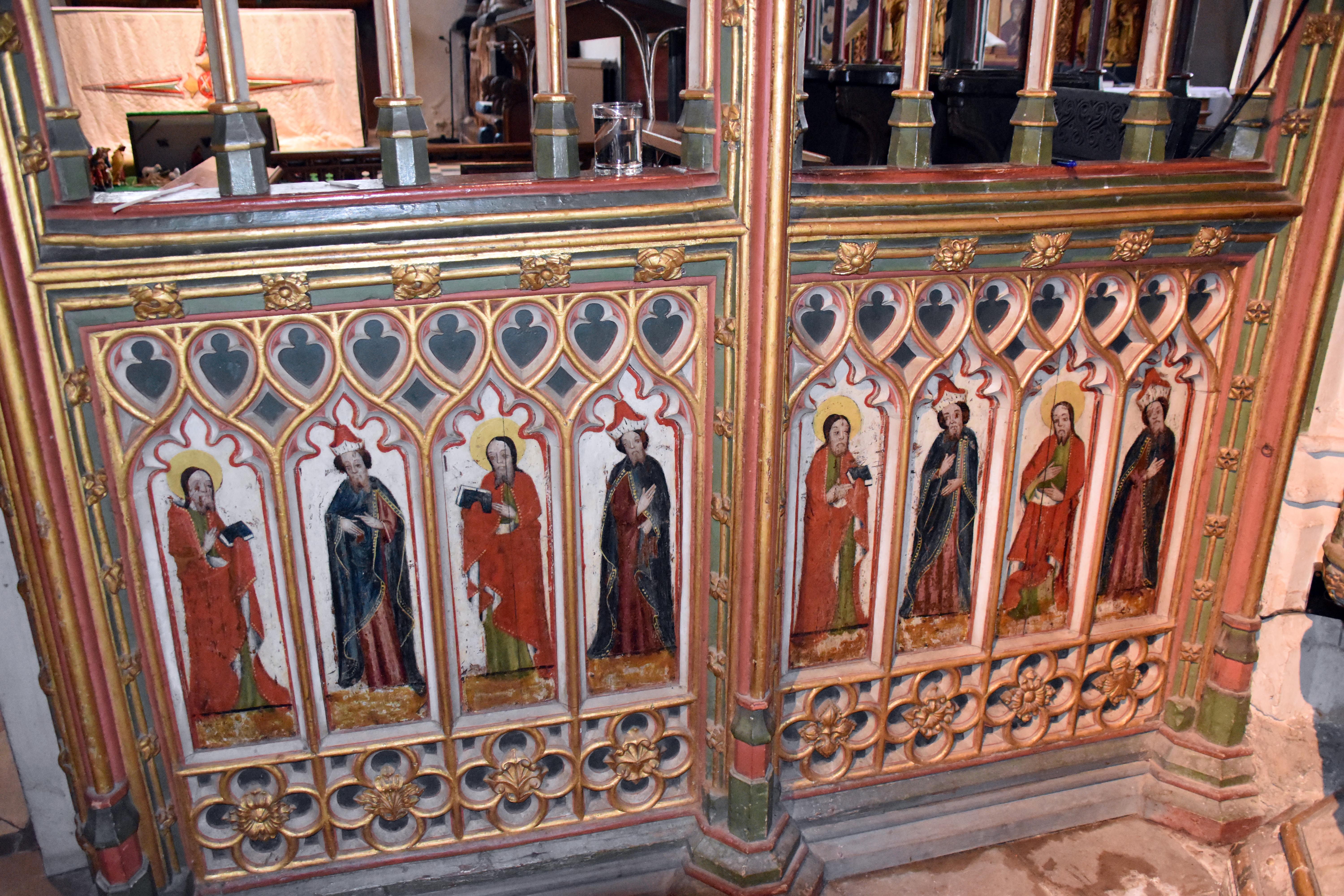
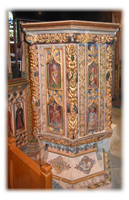
I should say that Margaret Beaufort was involved in this church like many others in mid-Devon. The mother of King Henry VII, she donated the font and the beautifully carved rood screen and the beautifully ornate carved pulpit. Again it is lovely to see a rood screen in all its decorated glory – some of the paintings are particularly finely done. Oh, and there is a stunningly beautiful Victorian organ – one of the most beautiful church organs I’ve seen.
There are two fascinating effigies in the sanctuary – both husbands of the same woman – a certain Alice Bray! The one on the north is dedicated to her first husband Nicholas Eveleigh who had been Steward of the Devon Stannaries at the heyday of mining. He had been killed in a tragic accident at Chagford when the Stannary Court House collapsed whilst being used, killing 10 people including Nicholas himself. The one on the southern wall is dedicated to her second husband Elizaeus Hele, a lawyer of the Inner Temple. This is the same Hele who created Plympton Grammar School in my home town of Plymouth and which still carries his name as Hele School to this day. Interestingly she placed herself on this last monument alongside their children.
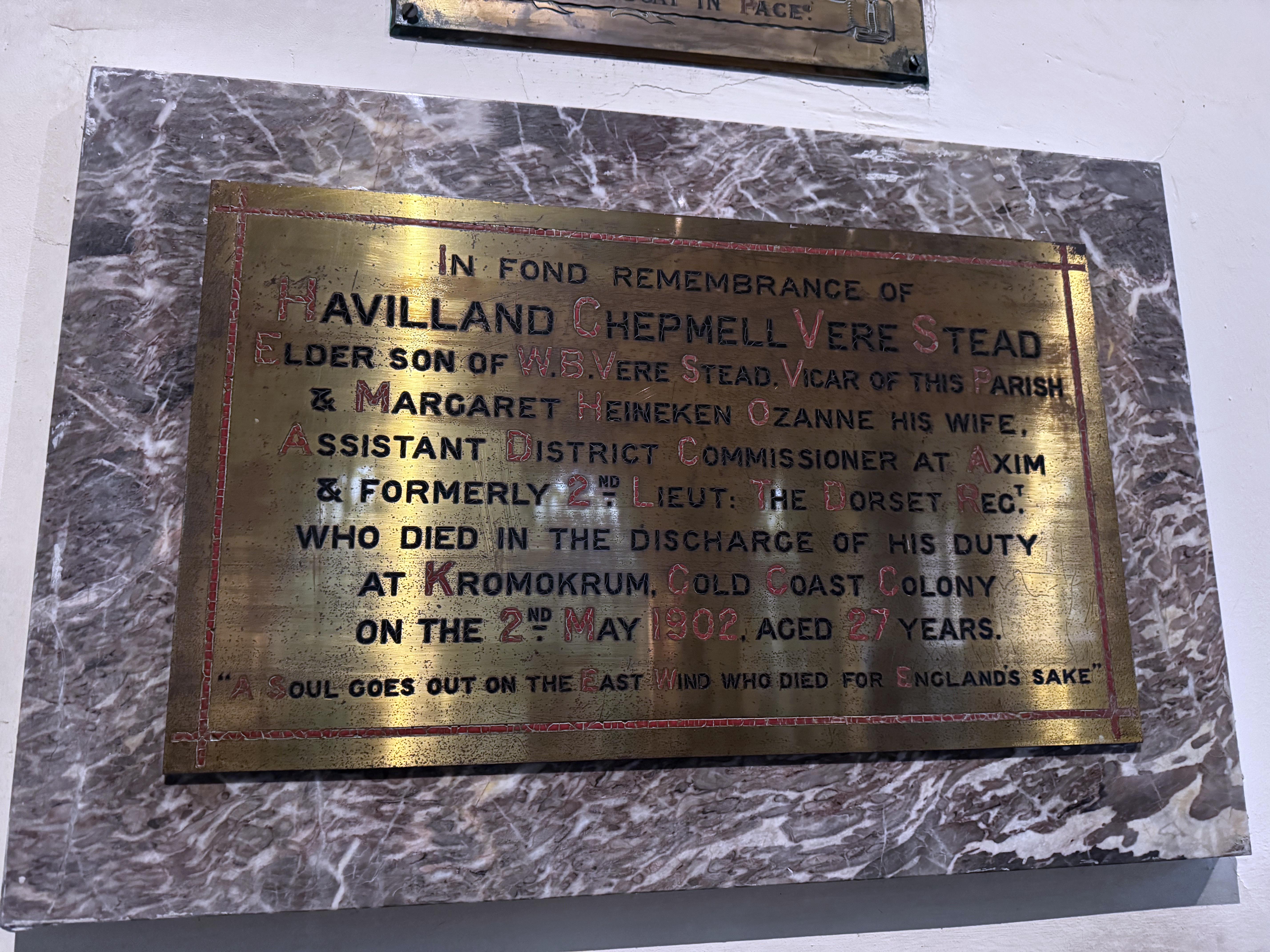
Now I always like finding imperial connections in my travels and today we found one dedicated to Havilland Chepmell Vere Stead (what a great Victorian name) – elder son of the vicar of this parish W. B. Vere Stead and his intriguingly named mother Margaret Heineken Ozanne. It explains that he was an Assistant District Commissioner in Axim (modern-day Ghana) and had been a Lieutenant in the Dorset Regiment too. It explains that he died at the age of 27 discharging his duty at Kromokrum in the Gold Coast Colony in 1902. His death proves why West Africa was known as the White Man’s Graveyard. He had already been invalided home once already but returned to West Africa after he felt his health was restored. Sadly within a year fever had taken the young man.
 |
|
|
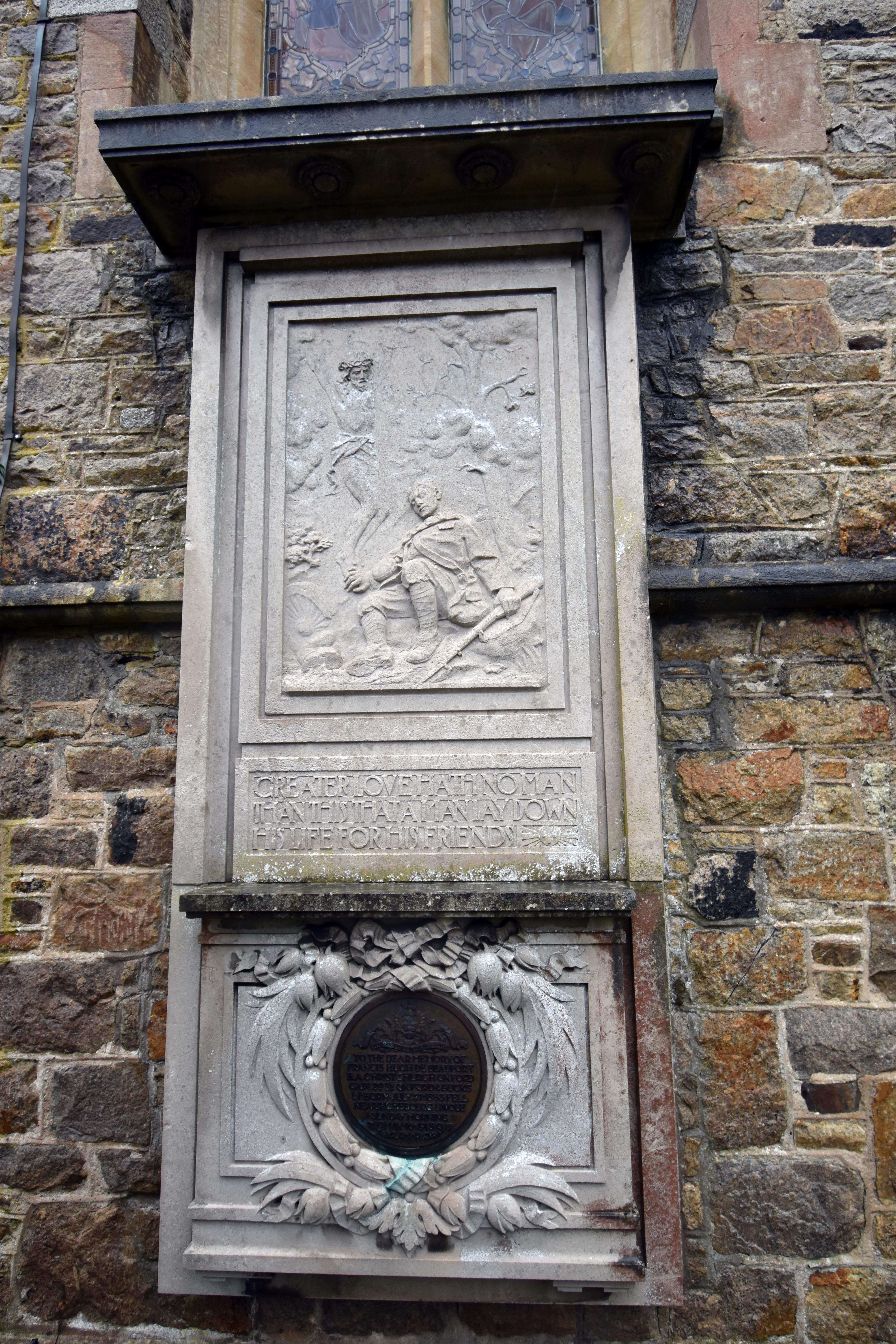
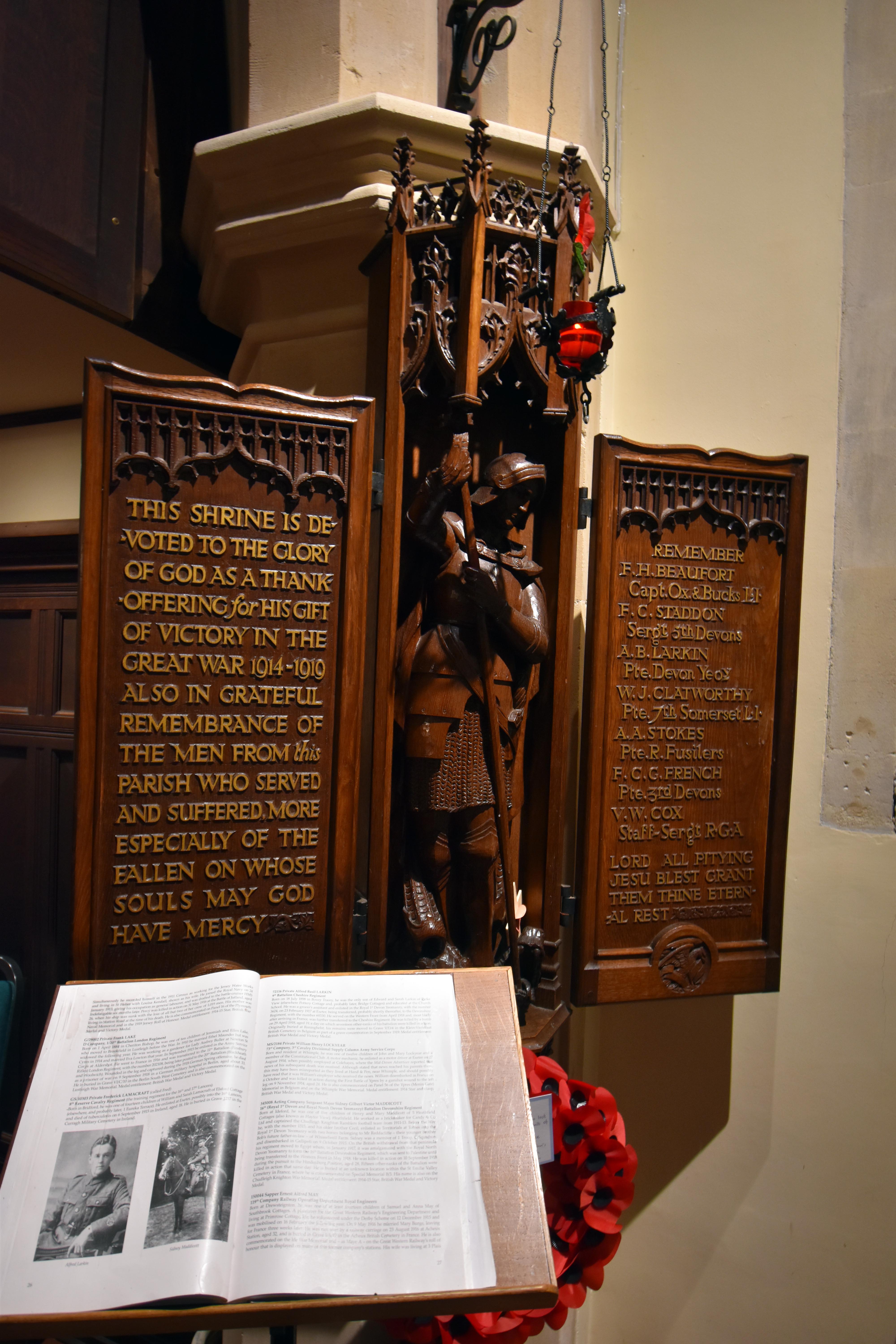
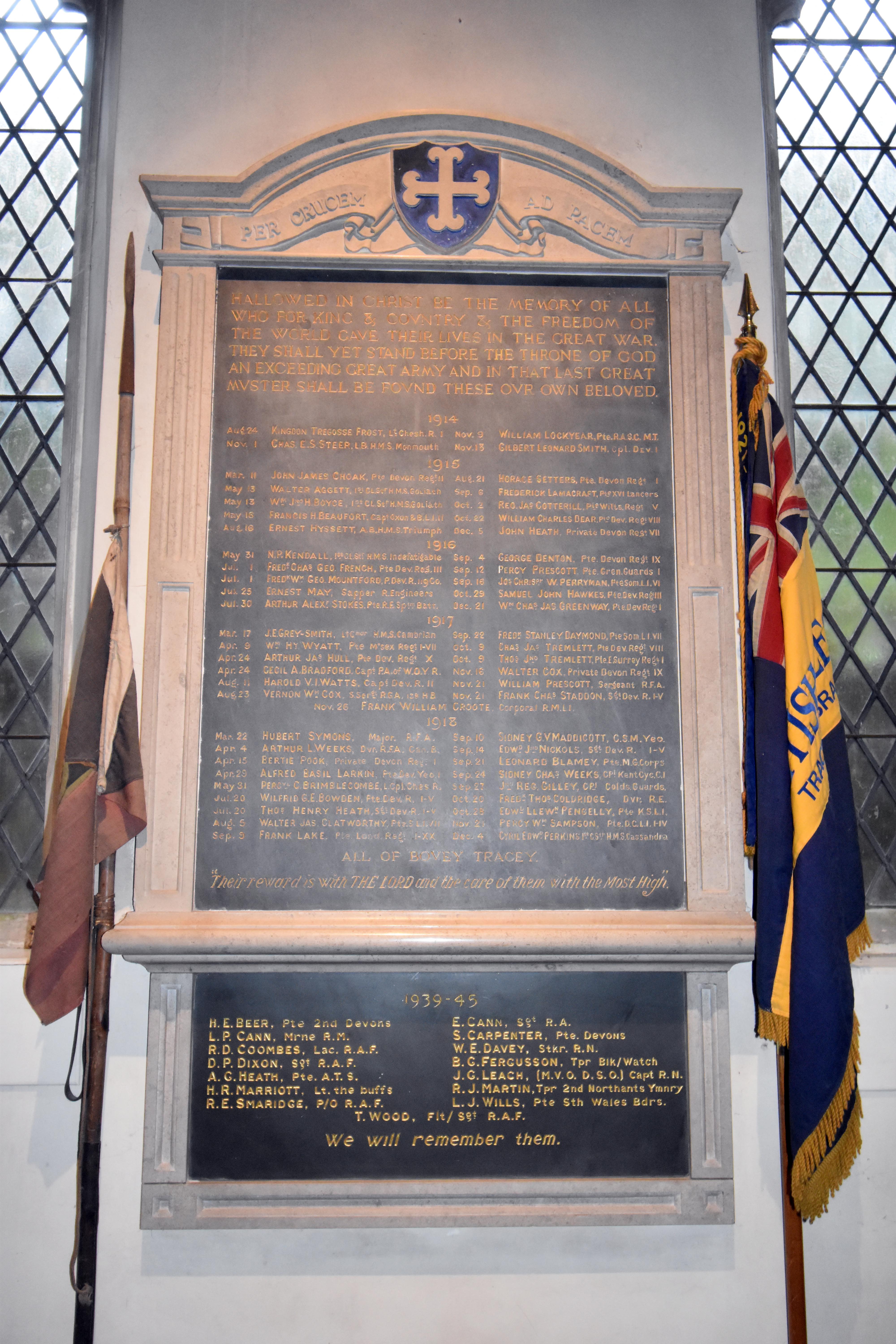
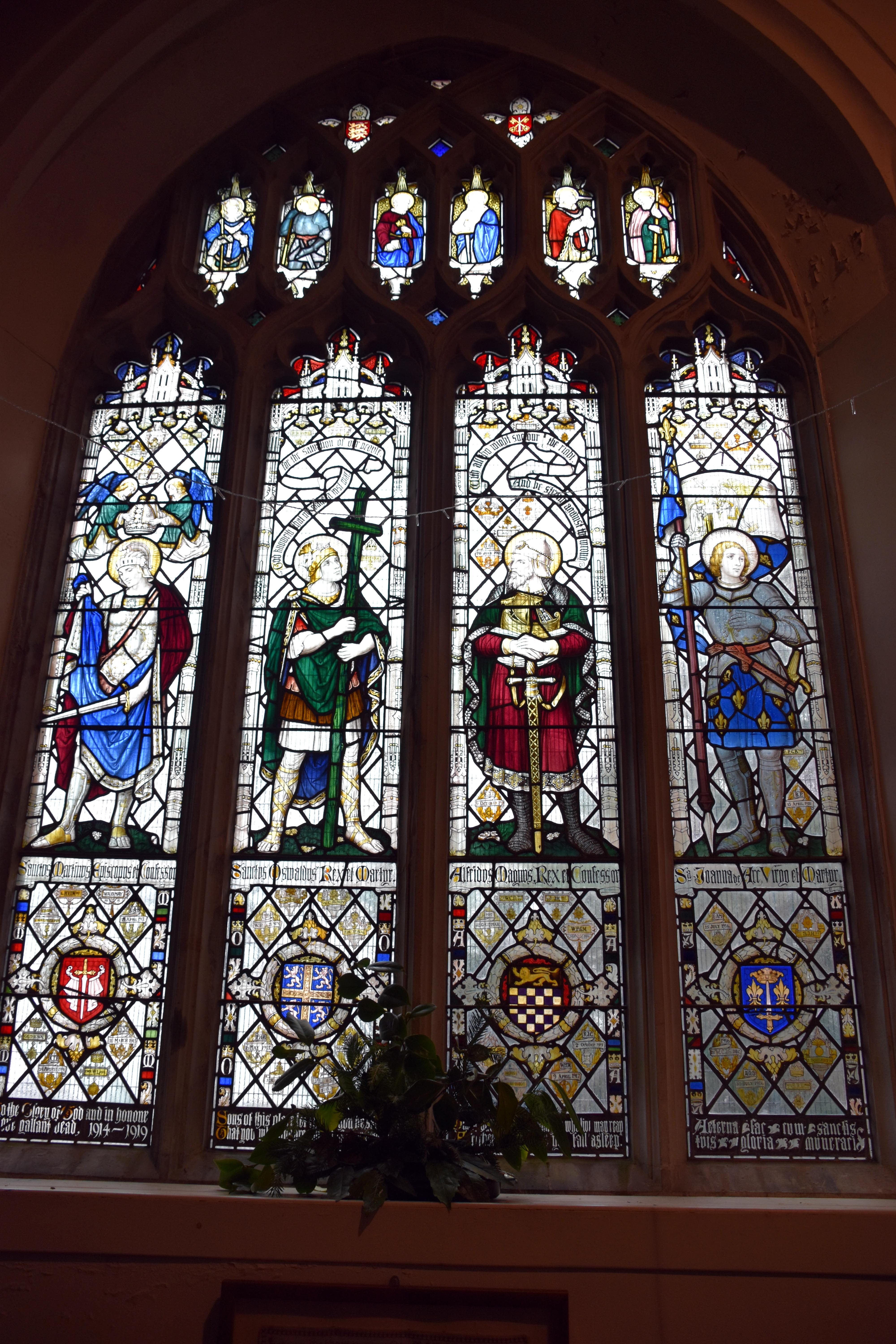
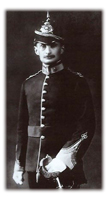
There is also a memorial to one of the very first casualties of the British Expeditionary Force at the Battle of Mons on 24th August 1914. Kingdon Tregosse Frost was a Lieutenant in the Cheshire Regiment but it hints at the extent of his unit’s fighting prowess when it says that “Isolated, he refused quarter and fell fighting.” The 1st Battalion of the Cheshires defended the village of Audregnies in Belgium. This was virtually the first time the British came into contact with the advancing German juggernaut. The Cheshires put up a heroic fight despite being vastly outnumbered. Their sacrifice would buy very precious time for the rest of the British Expeditionary Force to organise the Retreat from Mons. Kingdon was actually an archaeologist who specialised in Ancient Egyptology. He actually was killed after the main battle whilst trying to look for stragglers. By mistake he found himself amidst advancing German soldiers. After a fierce fight he was killed. It was the Germans themselves who wrote that he went down “fighting like a demon, having refused to surrender.” They buried him with full military honours… this was in the early stages of the war when enemies still showed some chivalry to their opposite numbers. Kingdon Tregosse Frost’s memorial would have been one of the first of its kind from the Great War in any church and its relatively heroic epitaph reflects this early stage of the war before war weariness and the extent of the deaths numbed the nation to acts of heroism. Frost’s name is the first on a sadly very long list of soldiers killed in the First World War. In fact it does name these soldiers on the day that they died as well as the unit or ship that they served in. It is nice to get a fuller picture of the service of those who sacrificed their lives. It also helps for anyone who wants to track down more information on their fates.
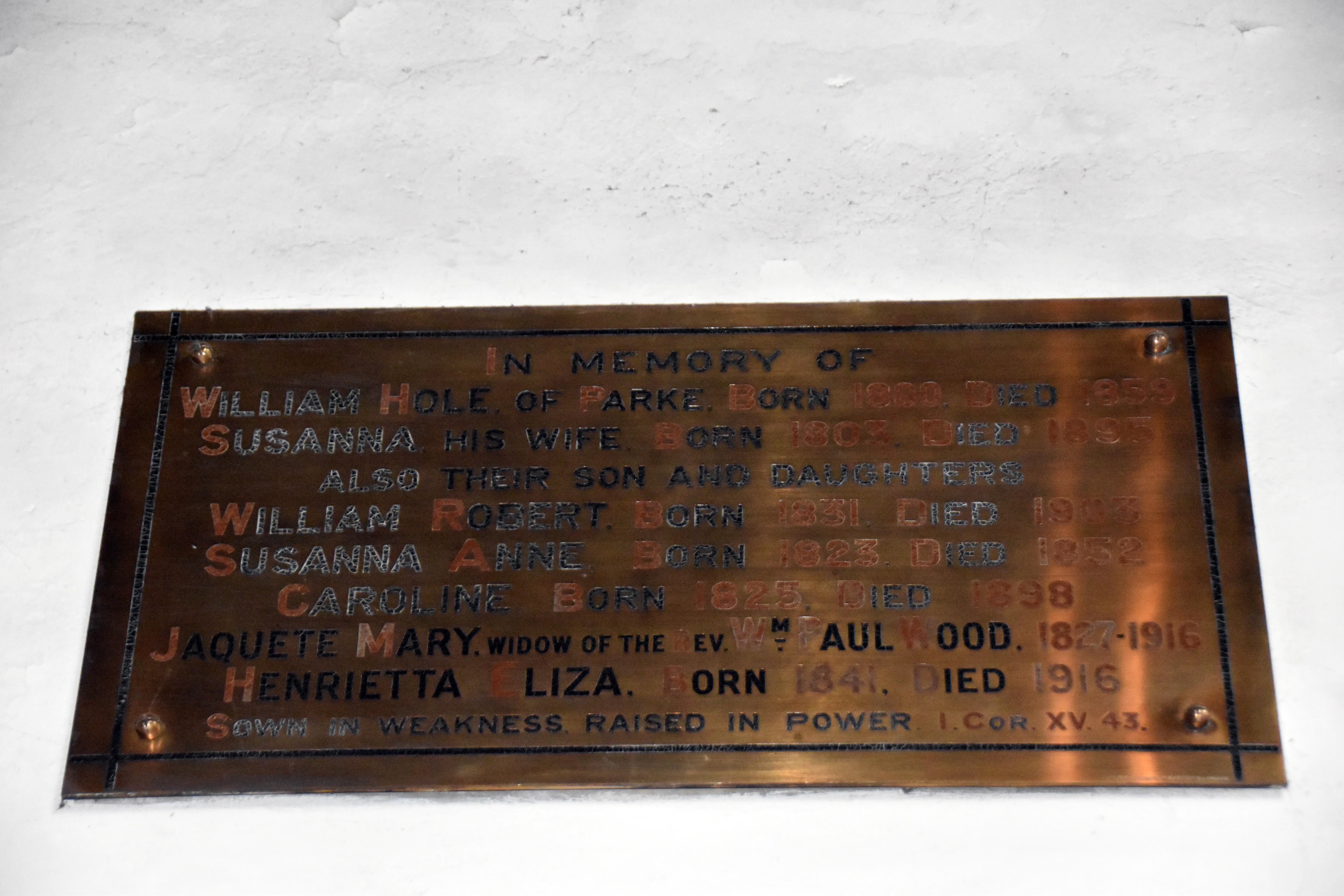
There are a host of other memorials in the church to the great and the good of this relatively prosperous bit of Devon. The Bentincks of Indio of course, the Holes of Stickwick and later of Parke which they later left to the National Trust who leased it to the Dartmoor National Park Authority and is their headquarters now. And fittingly Courtenay is remembered in this church even if he fell out with the local families at the time and invested his time and effort in his new project of St John the Evangelist. It really is worth comparing the two churches – one a Victorian High Anglo-Catholic church and the other a medieval Anglican church which has ridden the roller coaster of religious change in England down to the current day. They are both stunning repositories of our religious and local history even if they represent different aspects of that religious divide.
From here we pretty much doubled back to the start. We came to commemorate a Civil War battlefield but saw that the causes and consequences of that war still spilled over into religious debate and division which cascade all the way down to the present day. The battle may have been fought 380 years ago to the day, but its consequences are still playing themselves out even now!
|