|
This walk would see us visit two churches that both had something of a Phoenix‑like revival after the majority of both churches were destroyed. Curiously though, both churches would see at least part of their towers survive, making them appear older than they actually are. Their manner of destruction and the style of renewal were quite unique though. Both of these churches are located on the west bank of the River Exe and once upon a time they were both rural churches, but now one of them is very much an urban church. The two churches in question are St Ida’s and St Thomas the Apostle Church.
After exploring Exwick Cemetery, Rupert and I sat down for lunch in the porch of the old Anglican Chapel. Sadly it is all locked up these days, but the porch allowed us to eat in the sun when it shone, but also protected us from hail when it decided to change the musical weather on us. Feeling suitably refreshed, we then set off to walk to the very quaint village of Ide with a bit of urban walking to get there.
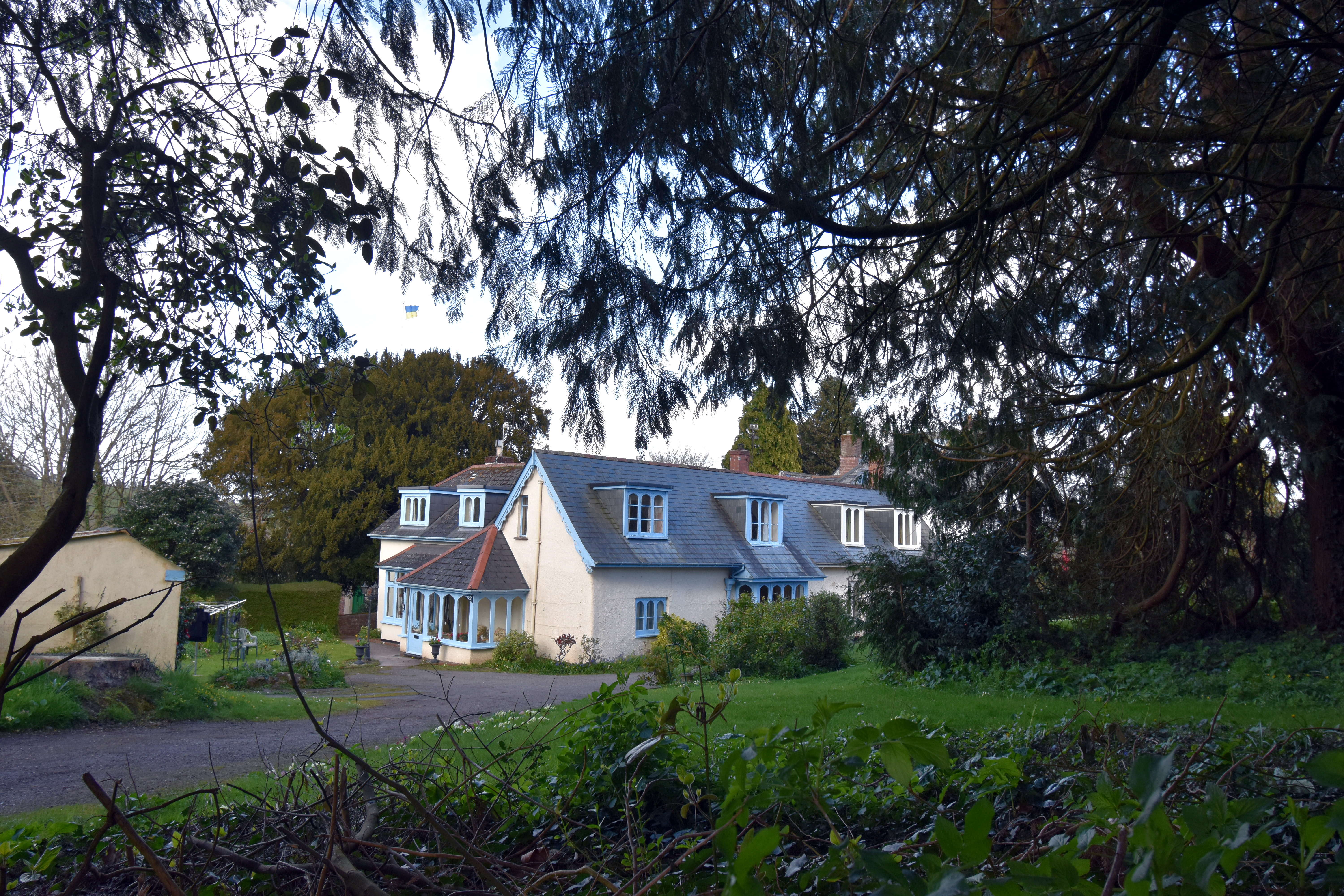
We headed due south on Exwick Road and then on to Buddle Lane. When the sun did emerge and with blossoming trees, it was a surprisingly pretty urban walk. We turned right to walk up Dunsford Road. On the right is an old church converted into a house called Tower House. It still has its impressive tower, as the name implies, and the views from up there must be wonderful, but the heart really does sink whenever I see a place of worship that is no longer a place of worship. It usually means that a community asset has been lost forever, and who knows what happened to the contents, memorials and dedications within. But at least the building survived — it’s not another supermarket, which is something.
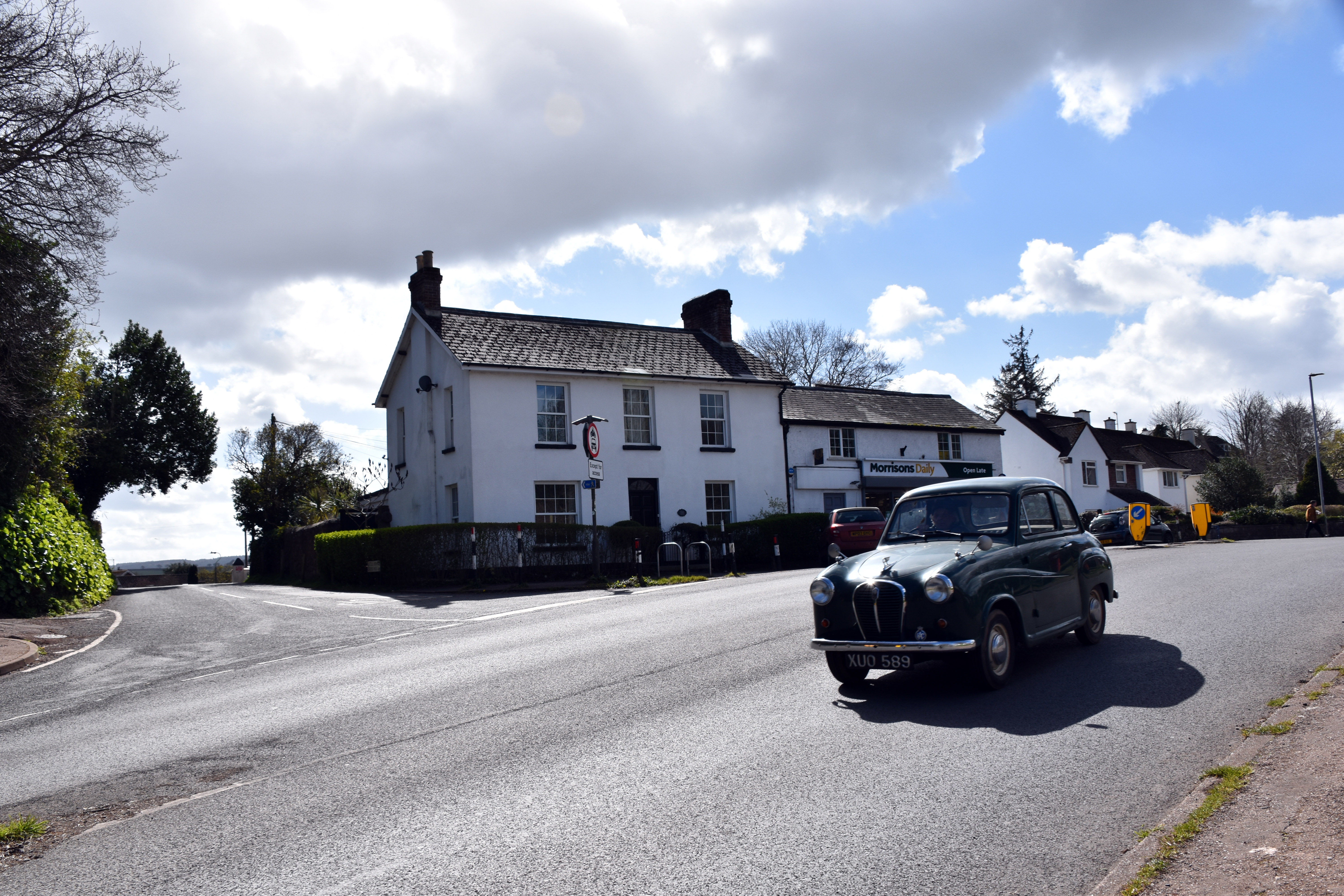
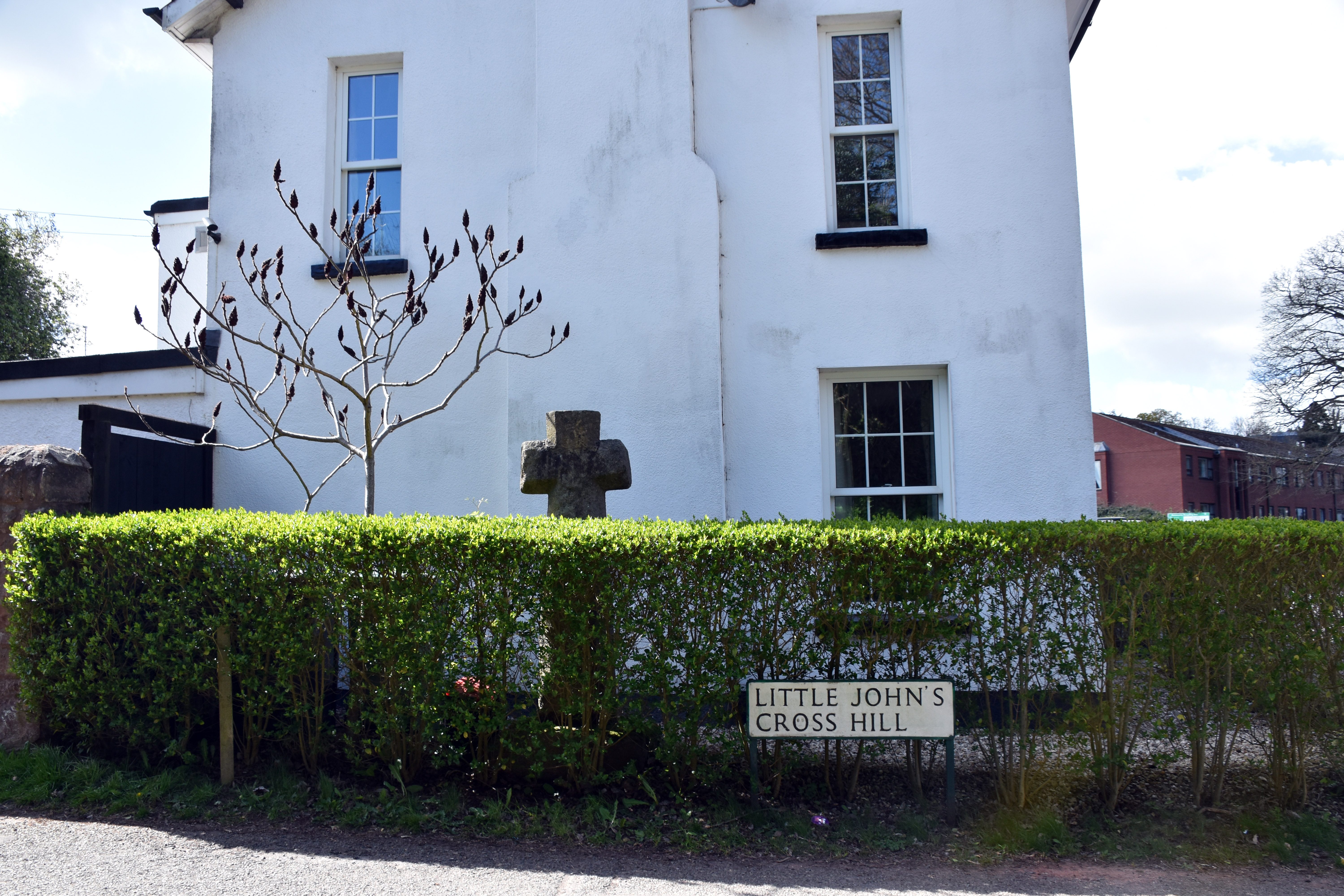
As we approached the top of the hill at Little John’s Cross we spotted a classic car which I think was an Austin A35. But as it was the only car on the road at the time, it immediately transported the scene back to the 1950s in all its technicolour glory (apparently the world wasn’t black and white back then). As we crossed the road to turn down the hill towards Ide we could see Little John’s Cross nestled behind a hedge. All too many of these ancient crosses have disappeared. It is nice to see one that still resides in the place it is supposed to be. These crosses were actually an interesting Christian device that originated before churches became widespread. Clergy would place crosses as symbols to congregate for effectively open‑air services. What better place to hold these services than at a crossroads where the Christian Cross would take on a double meaning and be located in a place that was likely to have more passers‑by. Eventually parish churches would be established to fulfil this worship role, but the crosses remained for centuries after their original purpose had faded. I understand that Little John has nothing to do with the Robin Hood legend and is almost certainly a local surname (plenty of Littlejohns buried in local churchyards), perhaps attached to someone who owned a farm or business premises nearby?
|
|
|
From here we started the transition from urban to rural as we walked down the hill towards the snigger inducing Ball's Farm Lane at the bottom. On the left of the hill you can begin to make out modern day market farming continuing a tradition that has gone on for centuries in this area. Market farming produced perishable, high‑value foods like soft fruit, tomatoes and salads for use in nearby urban centres predominantly. Originally they were placed close enough to an urban centre to produce what the locals needed, but with the advent of the railways, these market farmers could suddenly find new customers for their goods many miles away. Thanks to the Great Western Railway South West producers with the ideal growing conditions could freight these often delicate foodstuffs to Bristol, Birmingham and London. It became a major industry in its own right and although these days a lot of this food is now produced in poly tunnels with micromanaged environments or flown in from abroad, it is pleasing to see that some of that industry still thrives on these hillsides.
|
|
|
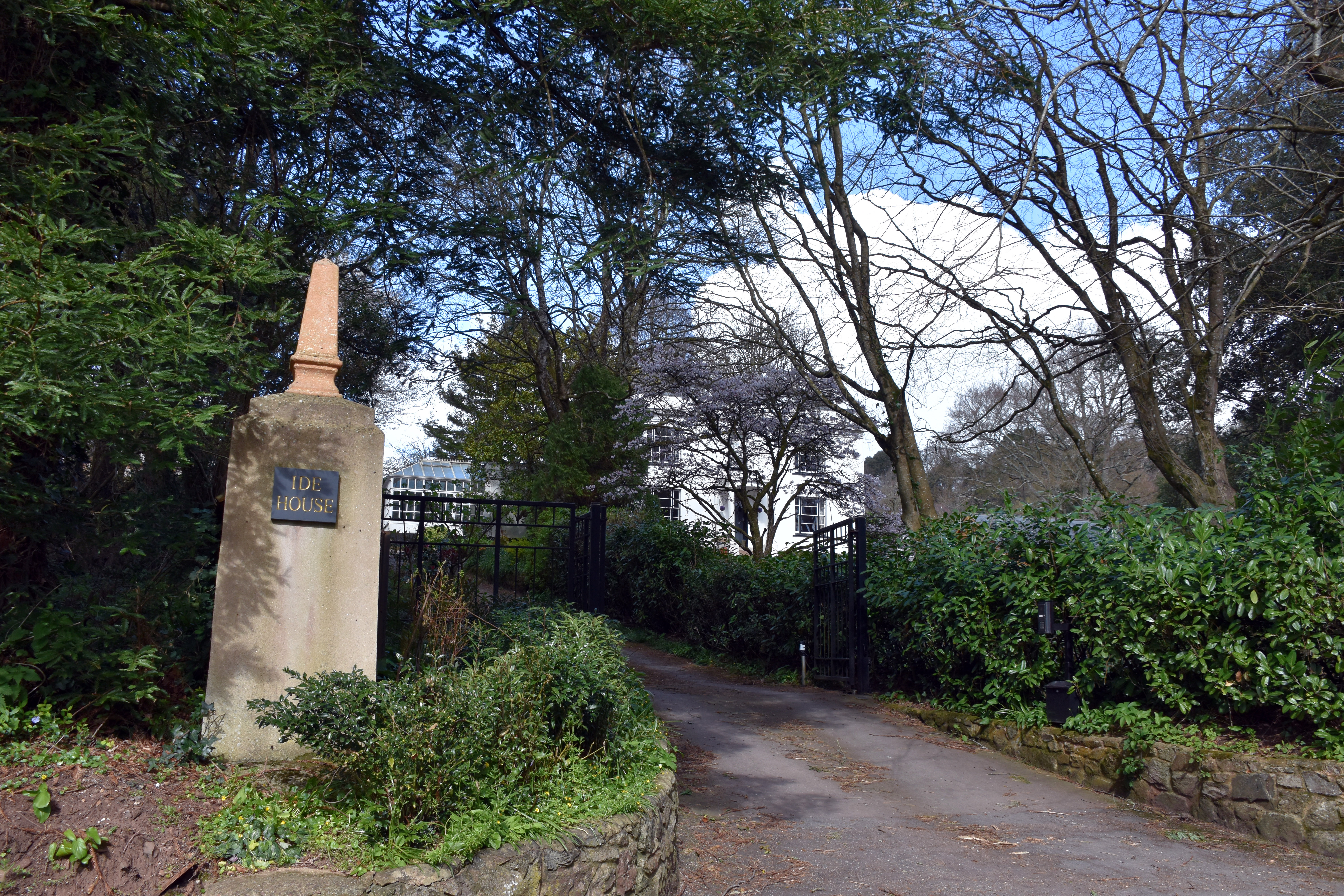
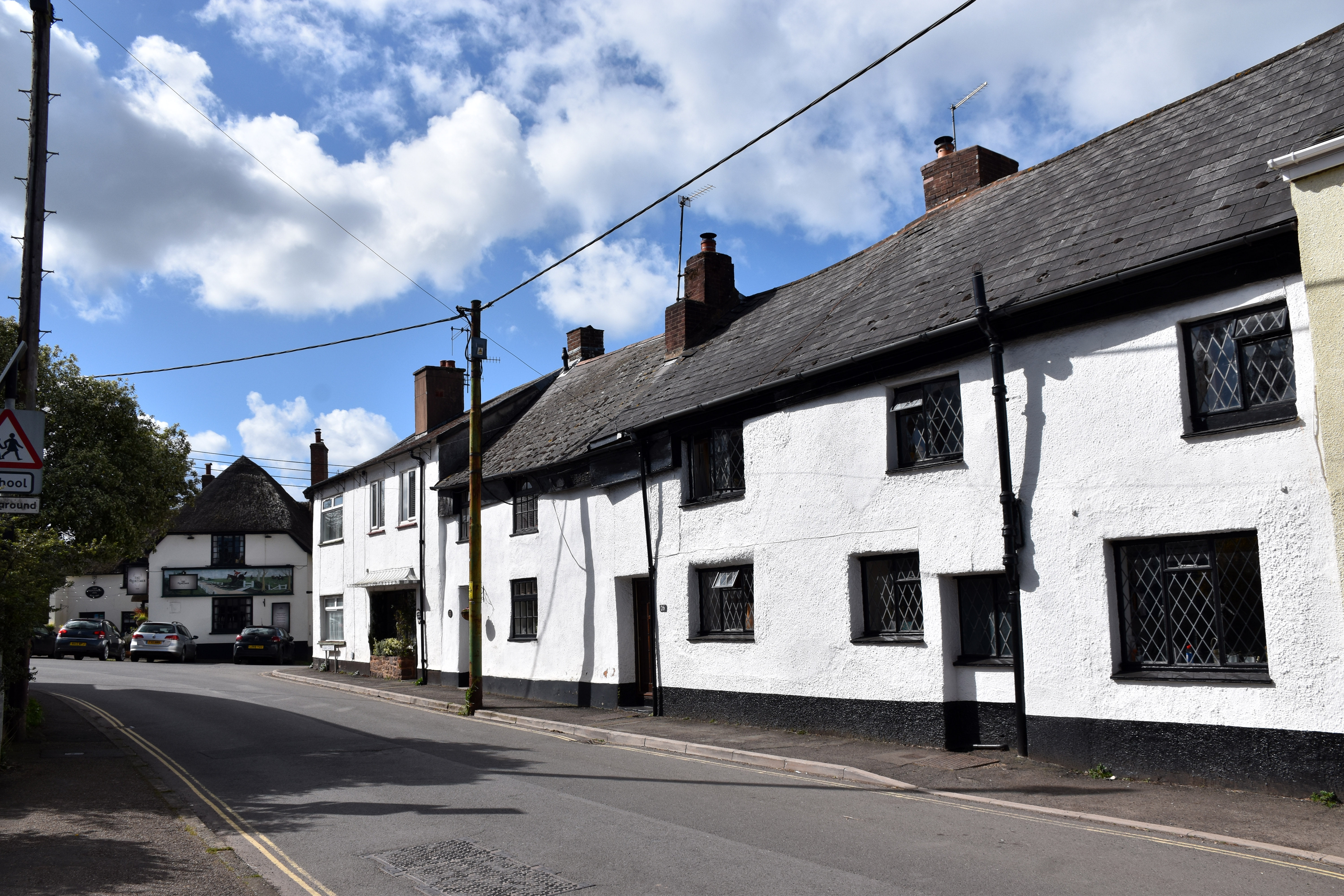
At the bottom of the hill we turned towards the Twisted Oak pub, but just opposite the pub is Ide House, which hinted we were drawing close to our destination. This early 19th‑century house with its Tuscan porch would have once been a leisurely walk or horse‑and‑carriage ride away from the village of Ide, passing what was for many years called The Bridge Inn (now the Twisted Oak) and then a bridge for a very easy journey into Ide. However, the A30 extension from Exeter down into Cornwall has turned this rural idyll into a divided parish with effects not unlike the Berlin Wall. Cars constantly drone on the dual carriageway and there is only a pedestrian bridge with circular ramps to link this side of the parish to its village. I believe the A30 now marks the city limits of Exeter, so once you cross over this bridge you are officially in a rural environment, and I have to say that as you descend the footbridge you do feel a subtle change of pace and you have a lovely view down the village Fore Street. The first item that greets you as you enter Ide is the War Memorial with its sorry toll of names. There used to be a smithy on the left where there is now a delightful‑looking community shop complete with lending library outside. Just a bit further used to be Drake’s Farm, but now there is still an impressive‑looking building despite it no longer being a farm. The north side of the street, though, looks quintessentially like a Devonian village with a hodgepodge of traditional building styles. Just as the road turns into High Street there is a delightfully pretty row of houses by Fordland Brook next to the Huntsman Inn which are referred to locally as 'The College'.
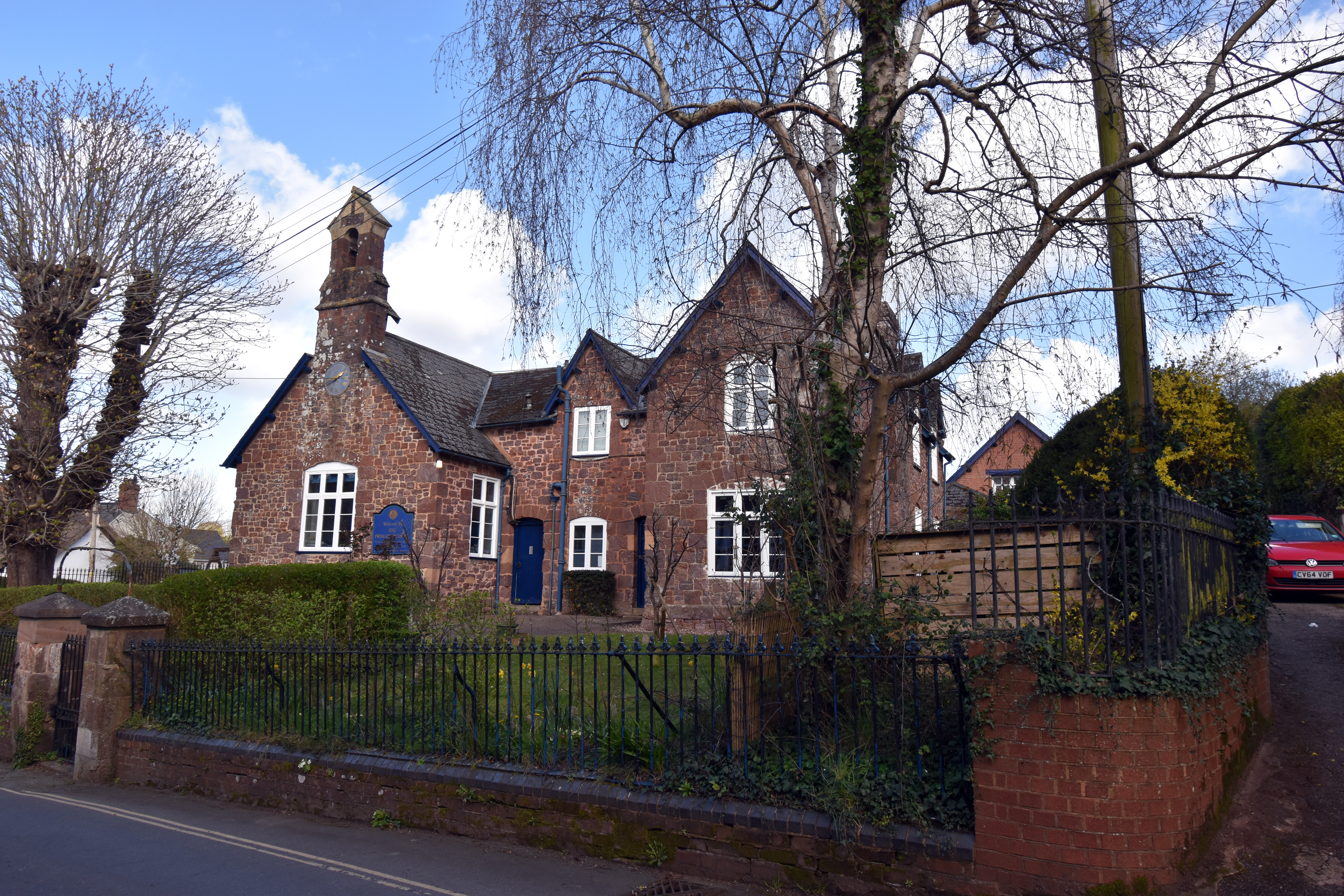
We walked up past Ide Congregational Church, which dates from the late Victorian era as its building style betrays. This would have been one of the non‑conformist churches, or rather chapels, which would have welcomed villagers who did not feel that the Anglican Church was for them. Whether you were ‘Church’ or ‘Chapel’ was often a defining characteristic in most people’s lives and would reveal your social circle and even how you spent your free time. Many of these chapels have closed down in recent years, so it is encouraging to see this one still in operation.

|
|
|
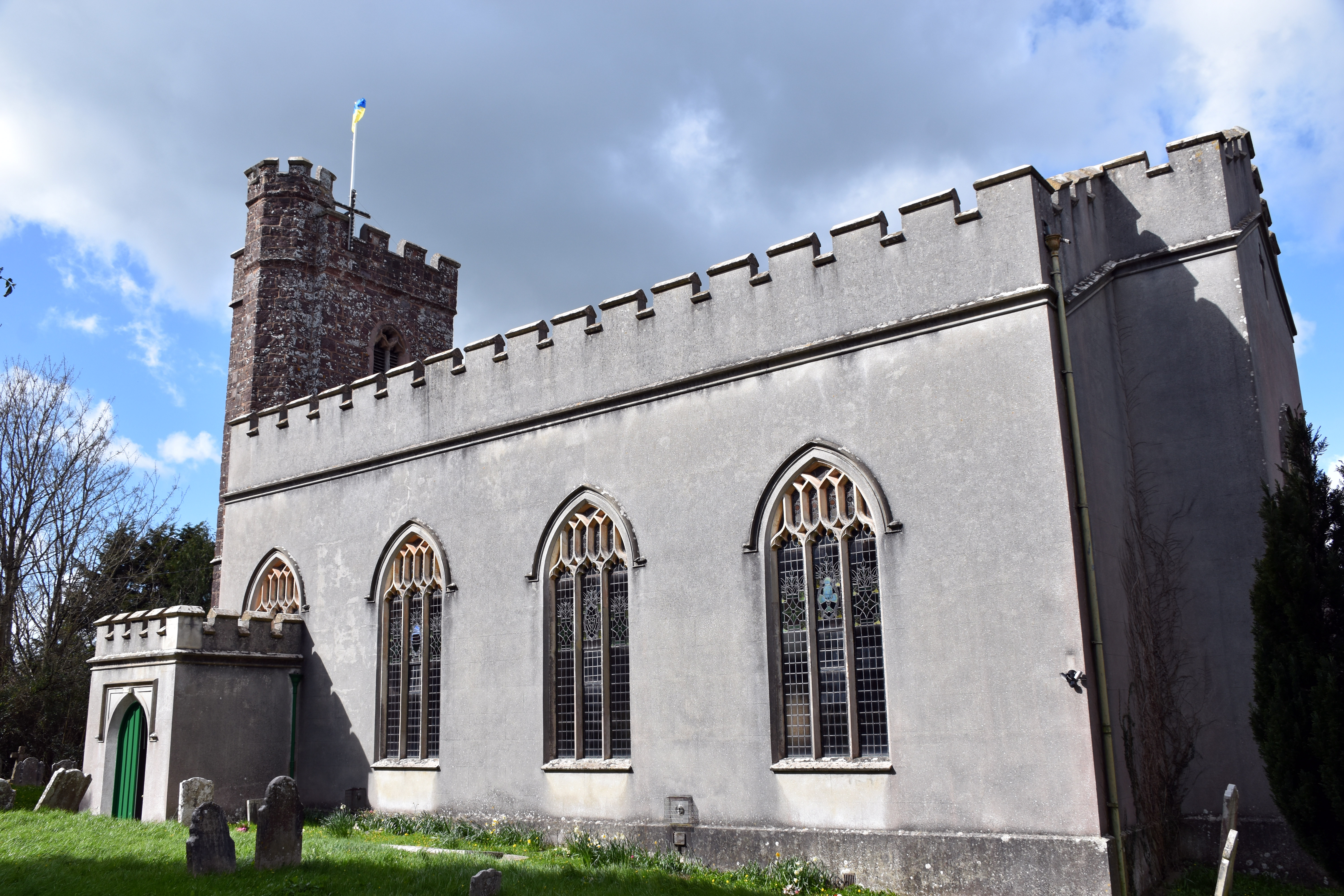
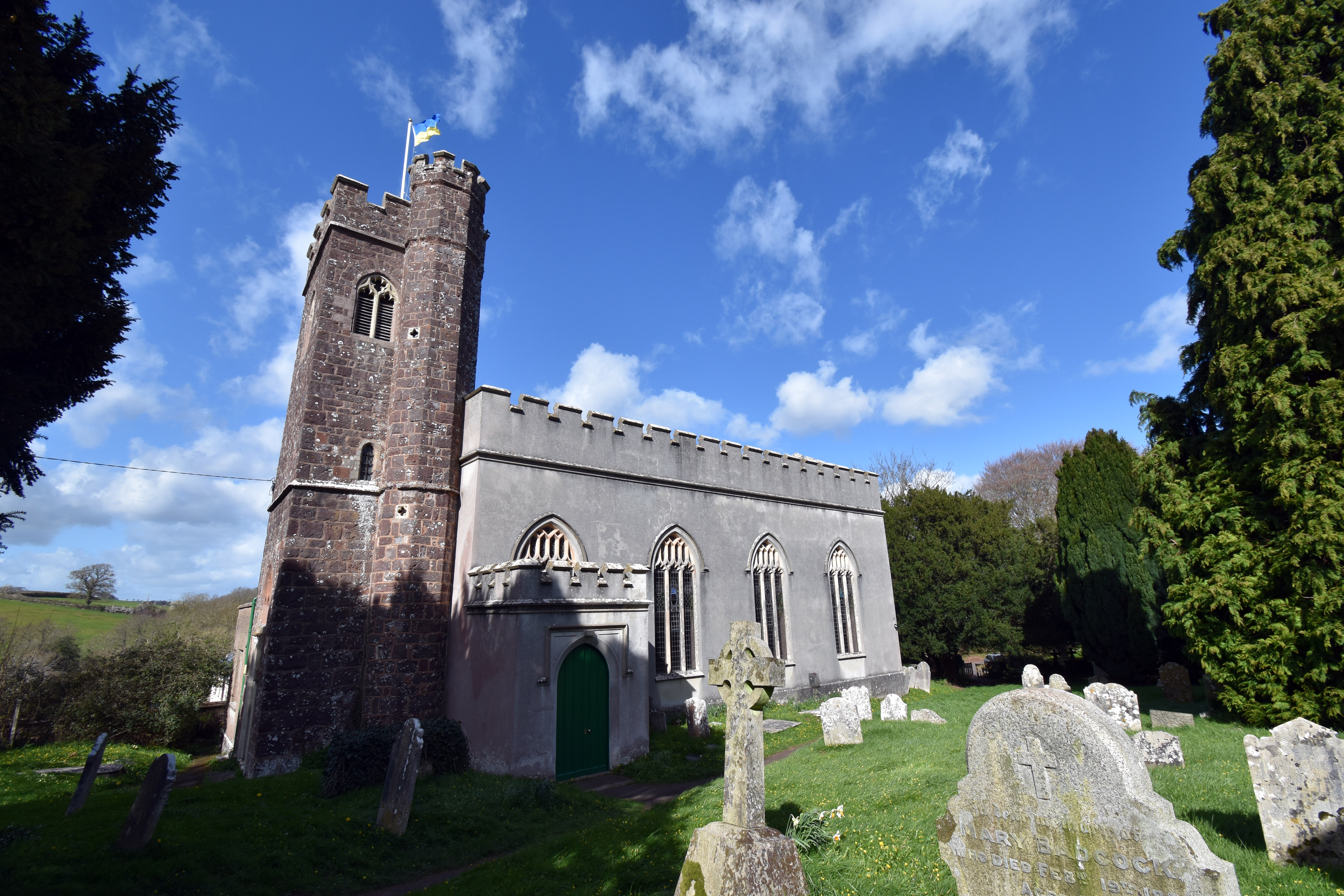
We, however, were headed to St Ida’s, named after a 9th‑century German saint and kinsman of Emperor Charlemagne, who I confess I had never heard of before. Clearly this is the saint that gives the village its name, and there has undoubtedly been a church here for a very long time. Indeed, it is believed that the first Bishop of Exeter, Bishop Leofric, set it up as one of his first churches. Previously, the bishopric had been in Crediton. Being so close to Exeter, it makes perfect sense that he created a church so close to his new base. Also, despite being a Cornishman, Leofric had been raised and educated in Lorraine where undoubtedly he would have come across St Ida. There is nothing left of that first church, but there was a medieval church with a tower built on the present site, which itself was significantly expanded in the 15th century on the back of the wealth of Devon’s wool trade. At this point the tower was strengthened and four bells installed. By the nineteenth century, though, it was clear that there were structural problems for this building on the side of a slope. In 1833 it was declared too dangerous to use and the entire church, save for the tower, was ripped down. They literally started from scratch with only the tower as the anchor point both to its history and to its architecture.
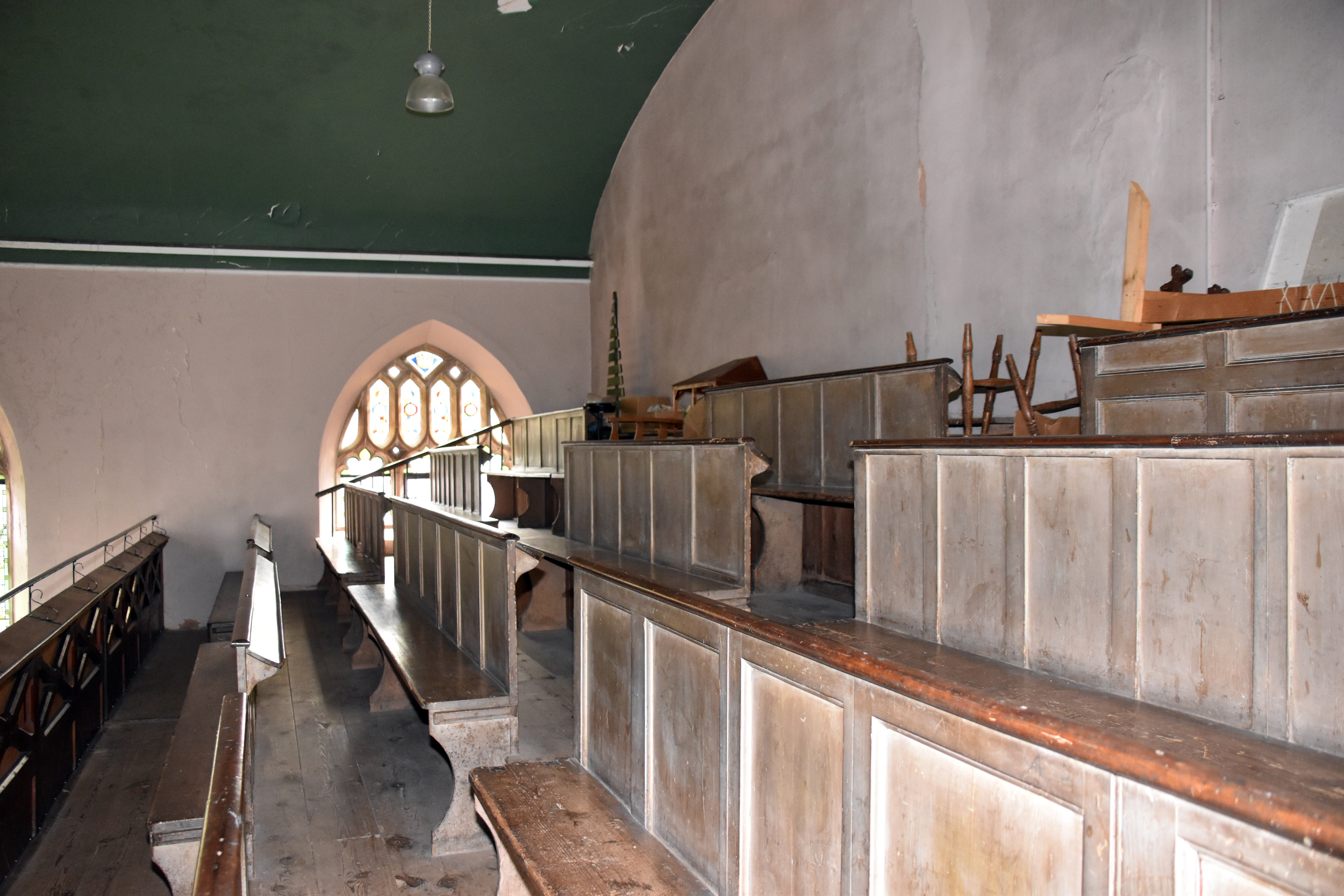
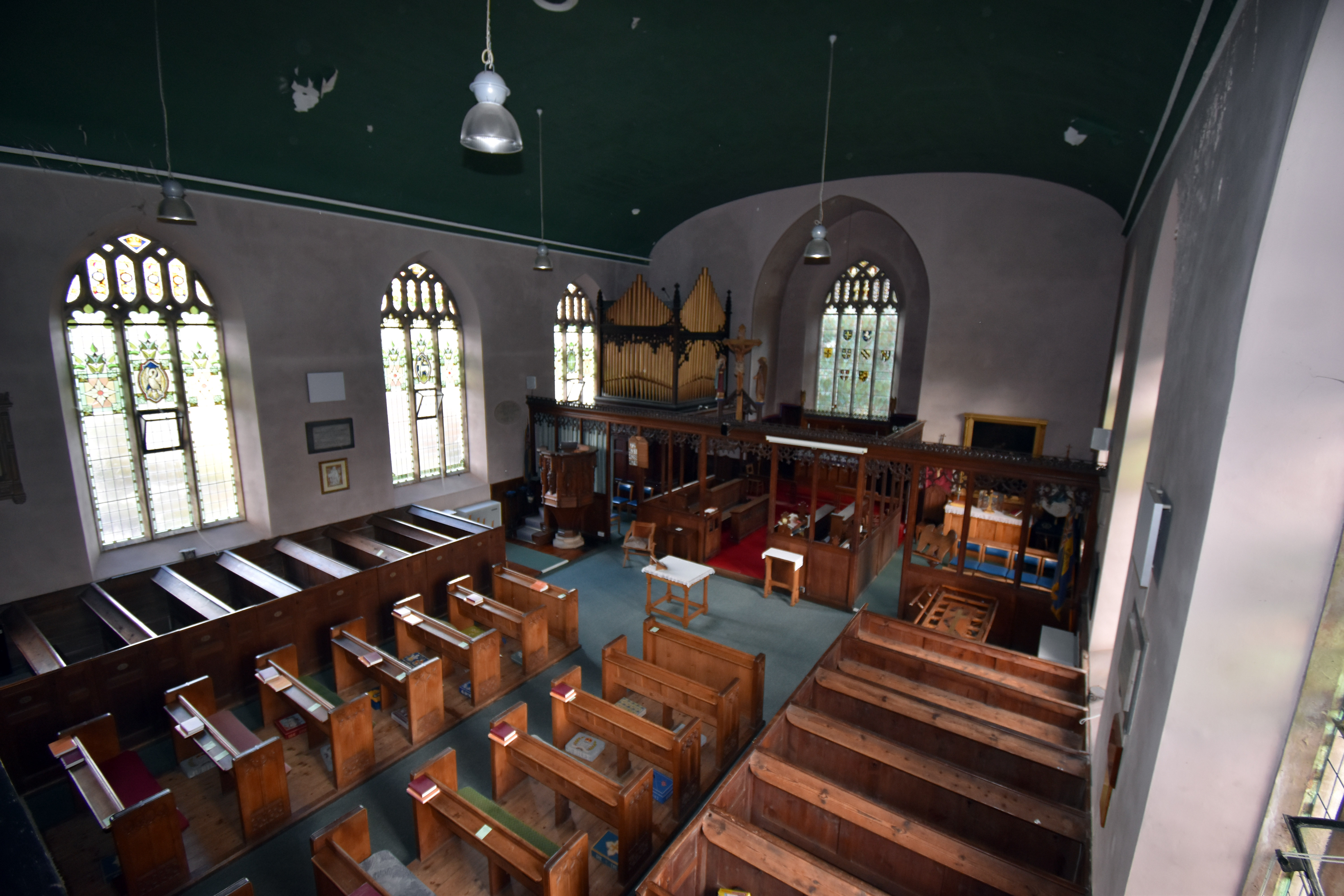
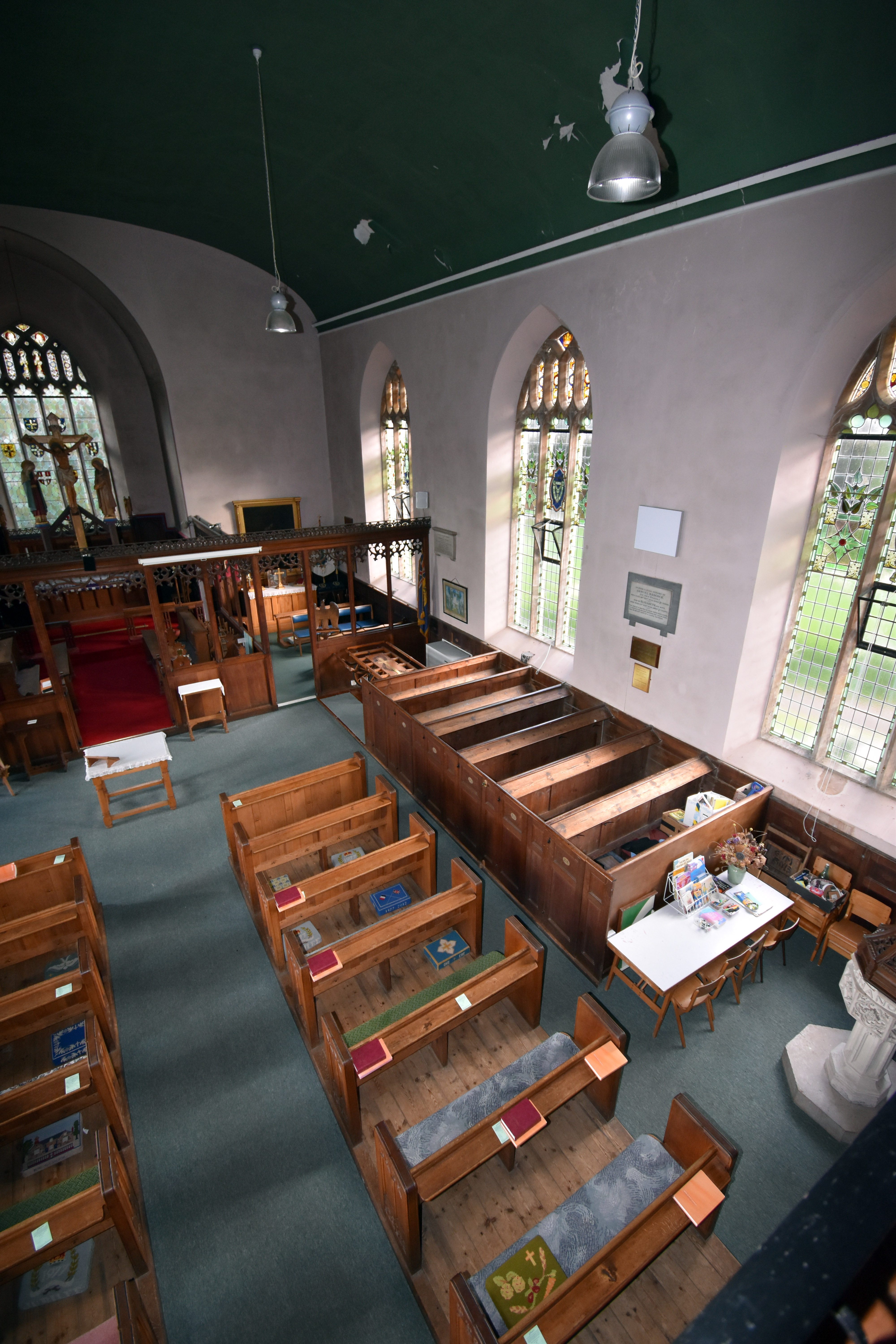
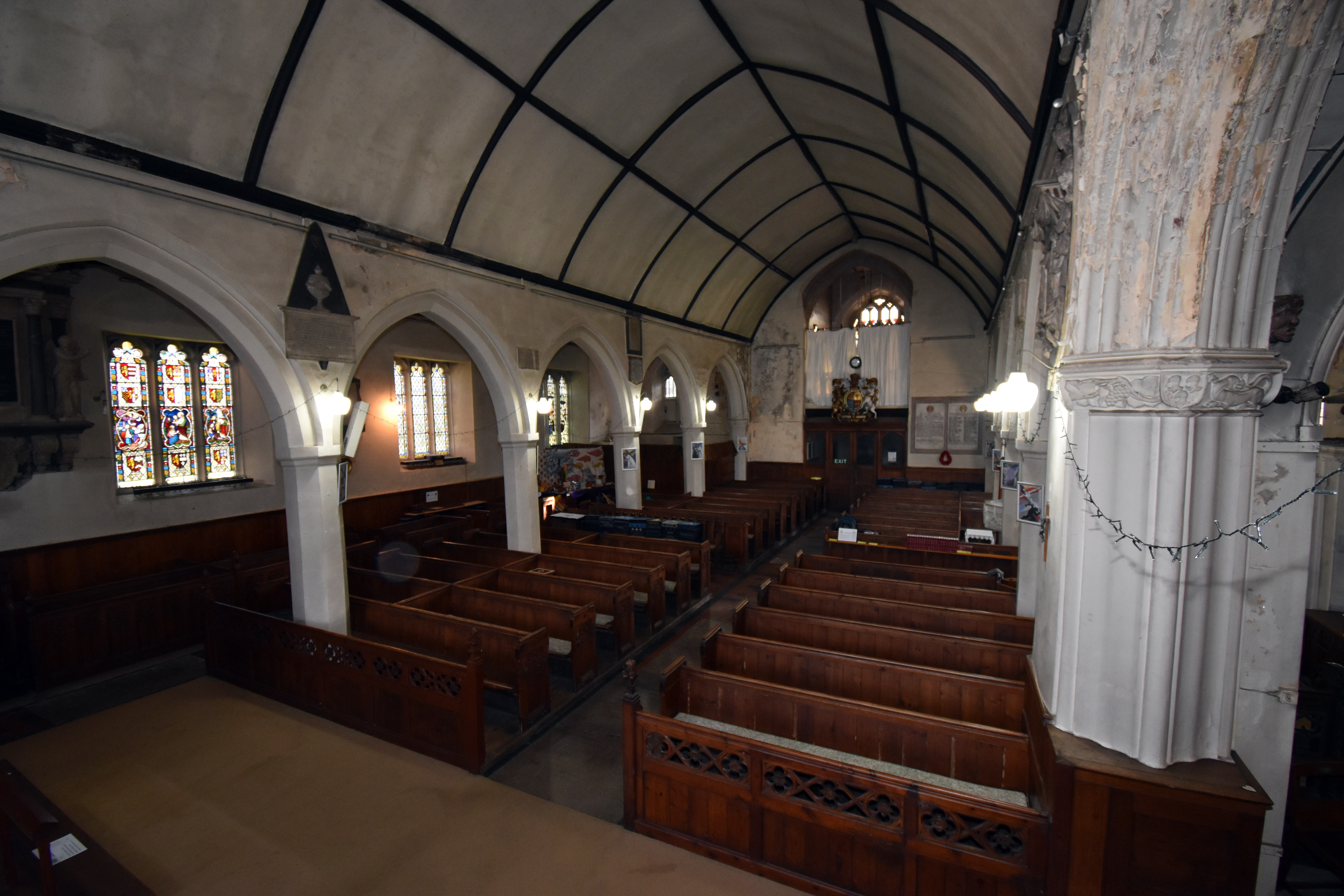
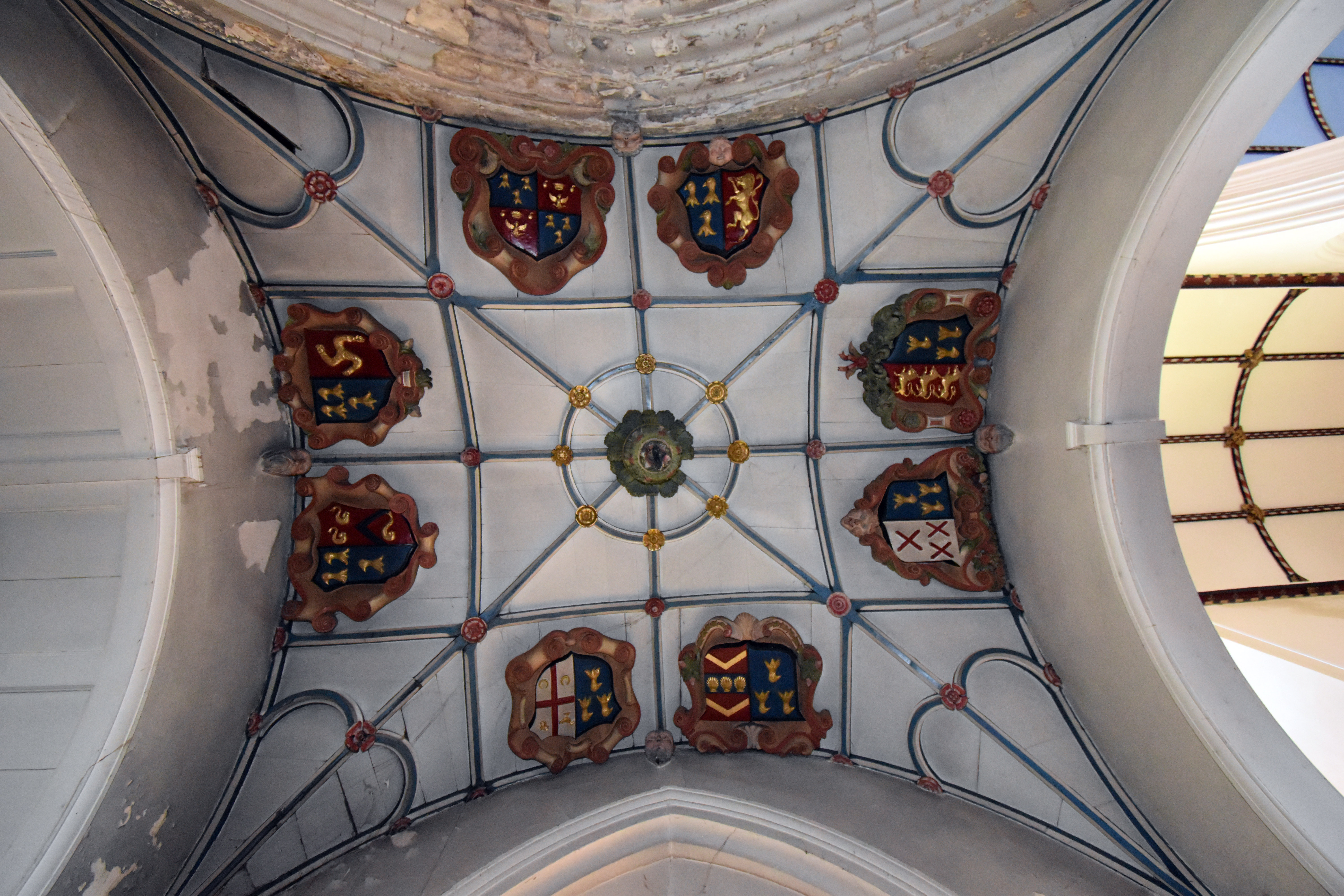
They didn’t hang about: the brand‑new church was opened in September 1834 with a completely remodelled church built in the Williamite, almost utilitarian style — which was very much in vogue in the 1830s. Hence it has a huge viewing platform at the back and an unusually austere ceiling with no decoration. It is very light with plenty of windows, only some of which were later replaced by stained‑glass windows. Unlike many of the Anglo‑Catholic churches we have been visiting lately, this one feels very different. It predates the Victorian obsession with Gothic architecture, which makes it quite unique. It does, though, have some of the box pews which used to be reserved to the great and good of the locality — at a price, of course. Later the central ones were removed and replaced with pews. The oiks had to sit at the back or in the upstairs section — hence why many villagers preferred to visit the less hierarchical ‘Chapel’. Originally the church was even more austere than it is now; the Rood Screen and Cross were not installed until the Edwardian period. Similarly, the East Window only had the coats of arms of various 11th‑century notables as a stained‑glass window installed in 1908.
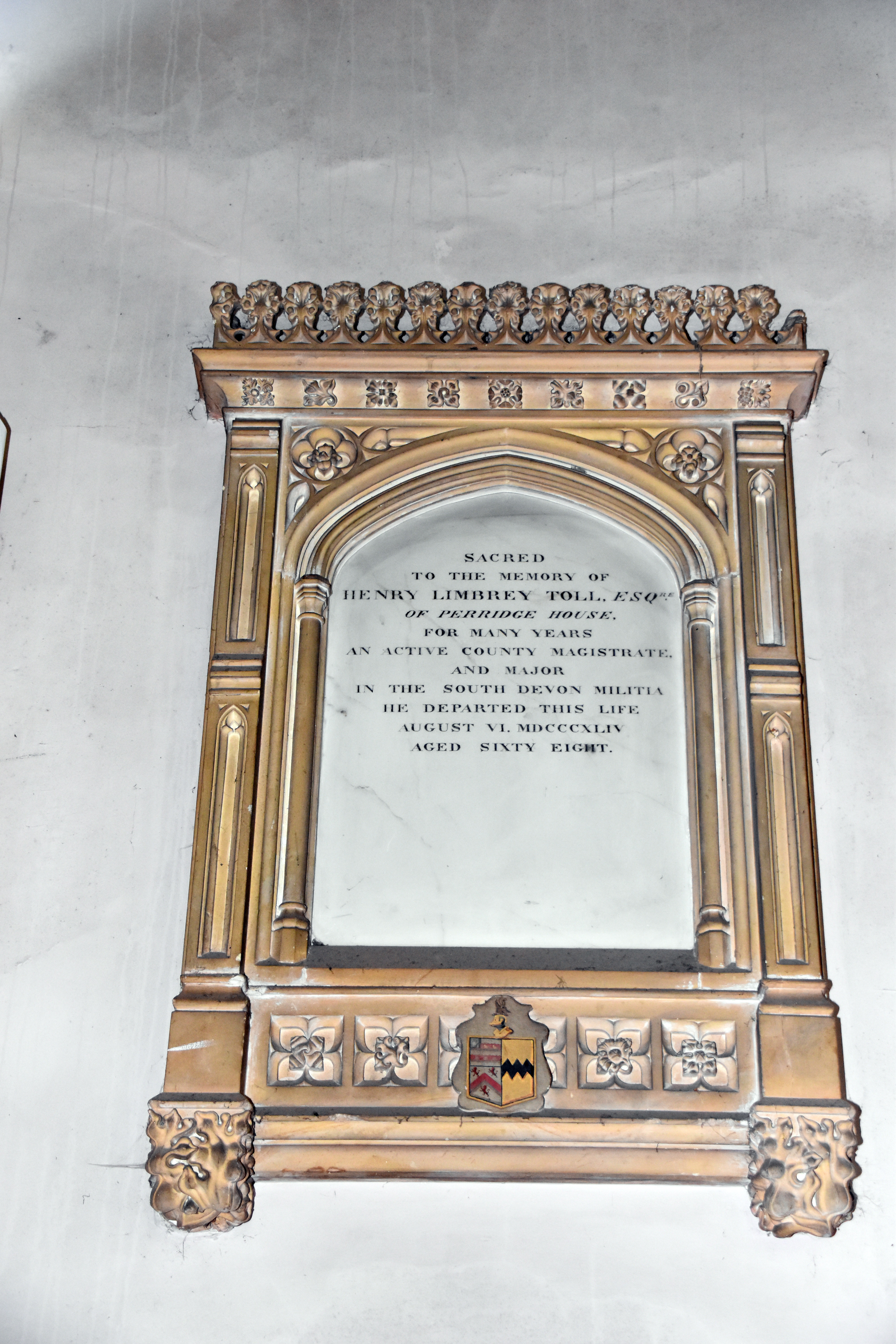
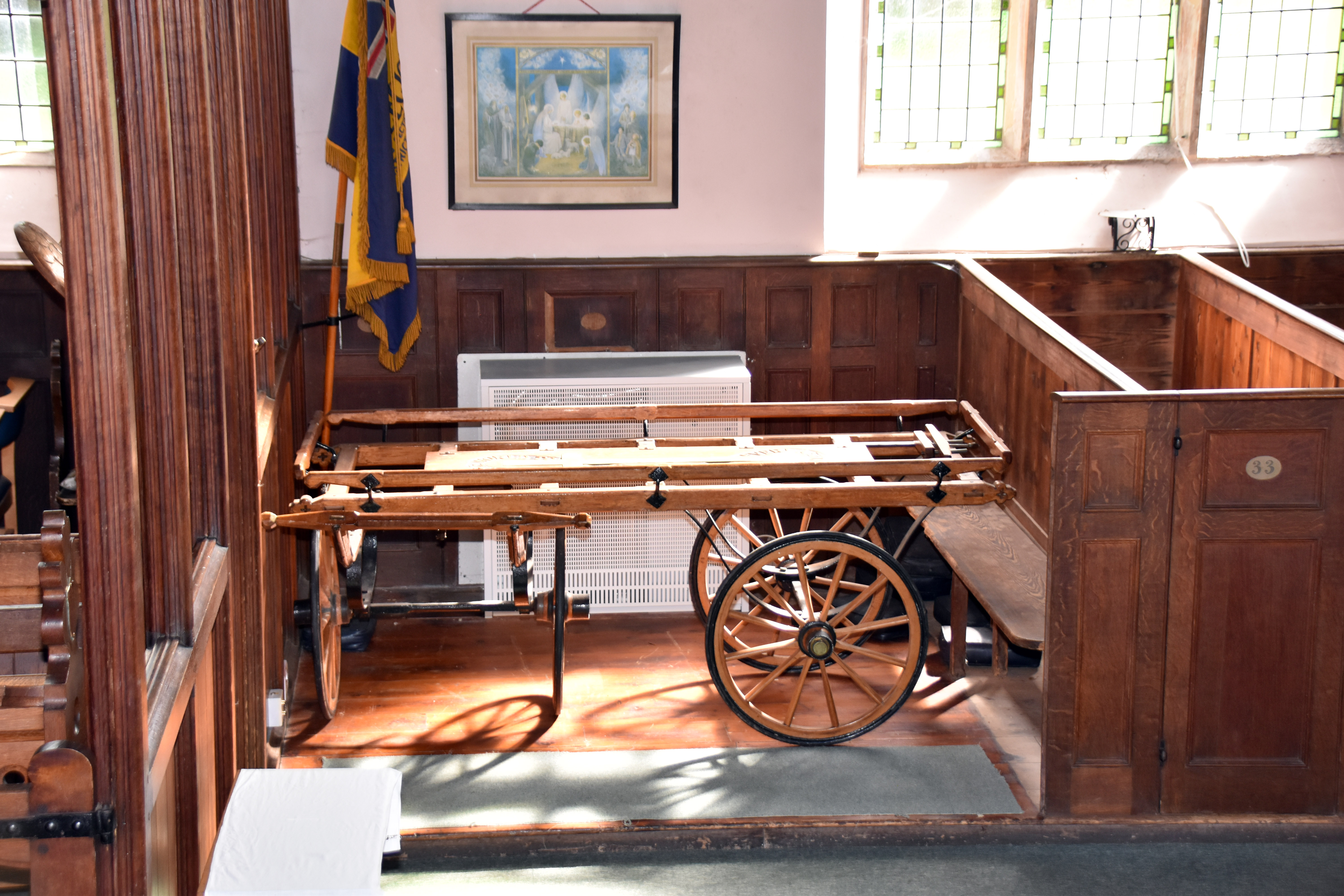
Interesting that the church proudly displays a bier, which was the old‑fashioned way of carrying coffins to burial in the churchyard. The Gothic font by the entrance has an interesting Greek palindrome etched around it which translates as ‘Wash My Sins, Not My Face!’ — supposedly uttered by an Emperor of Constantinople in the 10th century. Apparently only one memorial from the pre‑1833 church remains, and that is on the stairway up to the seating gallery. It is a 1721 monument to Joseph Tothill.
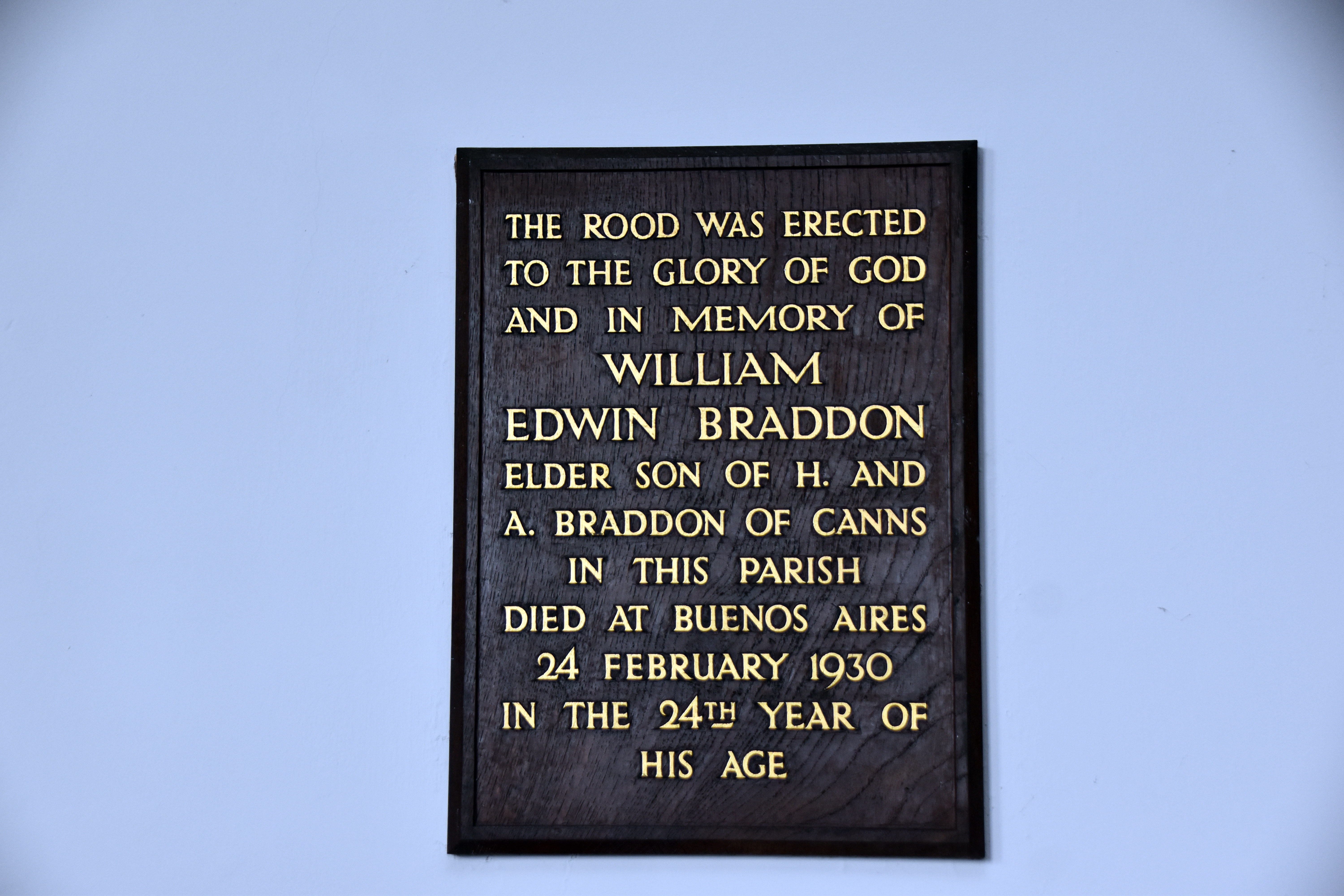
But some memorials remind you how even the smallest rural villages could have surprising links to the wider world. I was very much intrigued by a dedication to William Edwin Braddon, who died in Buenos Aires in 1930 at just 24 years of age. We often forget how strong the links were between Britain and Argentina once upon a time. Many British emigrants headed for South America, including those with rural skills, which were in high demand in Argentina as globalisation allowed them to sell their beef and other produce all over the world. It also helped that ships to South Africa or Australia and New Zealand would put in at South America, and would‑be Imperial emigrants often decided that places like Argentina provided economic opportunities in a delightful climate with a very large expatriate community. There is a reason the Argentinians love football and rugby to this day!
|
|
|
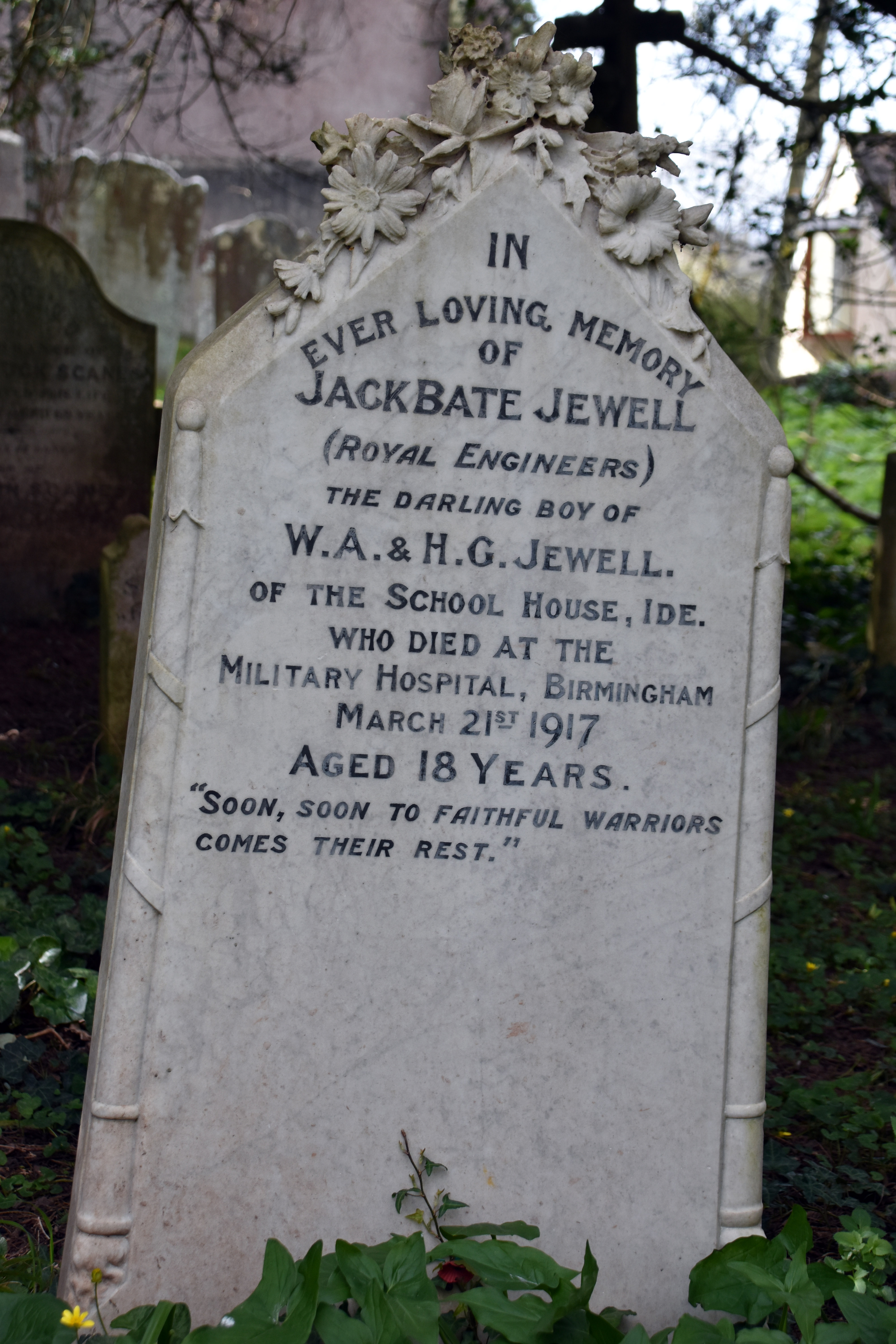
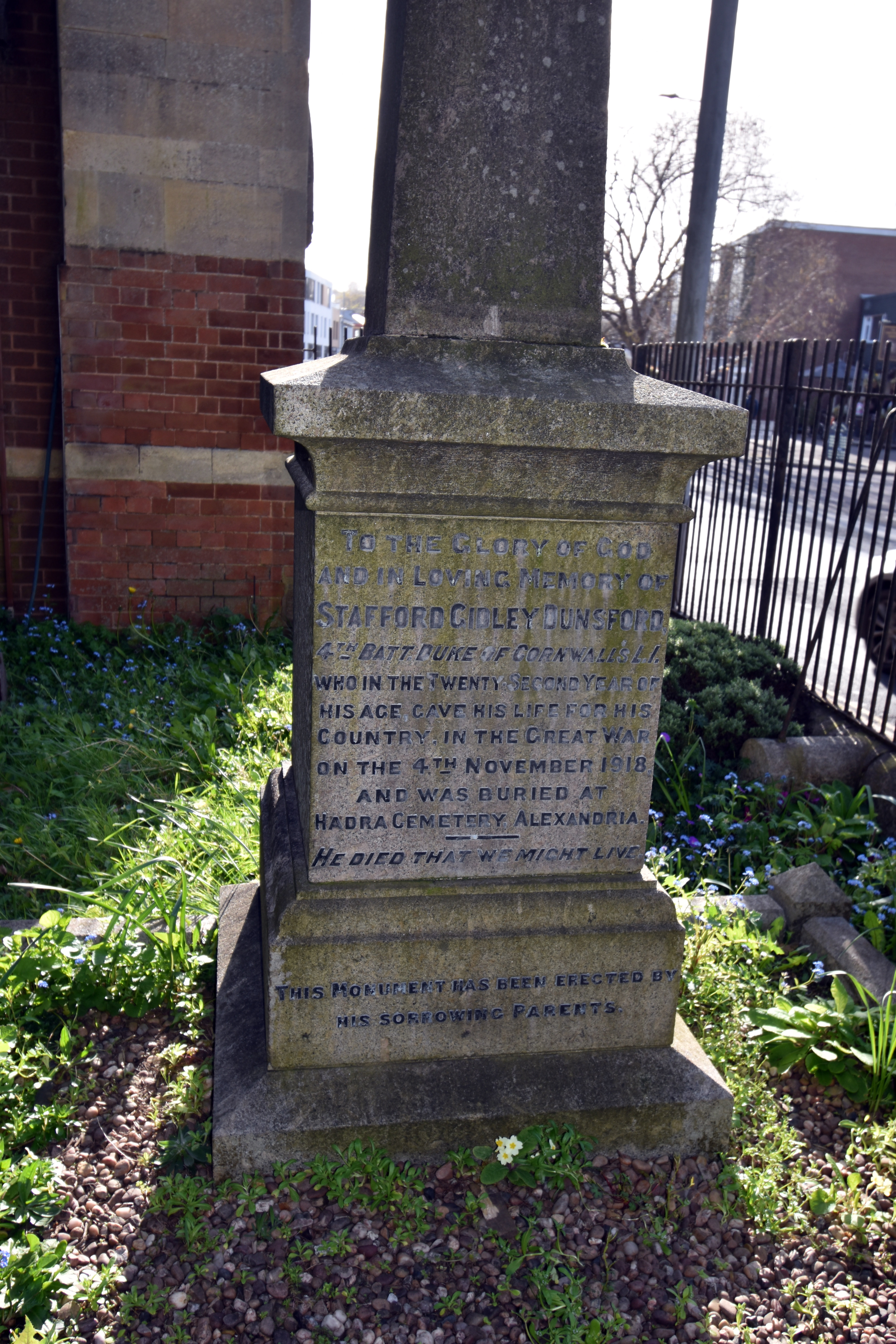
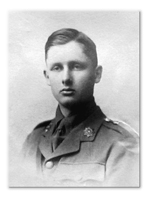
The church holds a beautifully ornate memorial to 23 soldiers from the parish killed in the First World War. There is a separate memorial to Paul Francis William Studholme, a 19‑year‑old 2nd Lieutenant in the 1st Devonshire Regiment. He was actually born in New Zealand, but his parents, who had run a large sheep farm there, had retired to Devon in 1906. Francis studied at Eton and was studying at Magdalen College in Oxford when he joined up in 1917. He was to die on 4th October as part of the Battle of Passchendaele. This battle came to epitomise the worst horrors of trench warfare, and although the Devonshire attack through torrential rain was successful, it coincided with a simultaneous attack by the Germans and led to chaotic fighting and fearful casualties throughout the day. One of those was to be poor Francis, who appears to have been killed by concussion from an artillery round early in the battle, as there were no blemishes or wounds on his body, which was discovered at the bottom of a shell hole. His colonel was also killed in the attack — indeed his battalion lost 12 officers and 291 other ranks killed. And yet, in the standards of the day, this was regarded as a successful operation, utilising General Plumer’s new ‘bite and hold’ tactics whereby they would take a section of enemy trenches and hold them tenaciously. The weather helped neither friend nor foe as Passchendaele became a byword for hell on earth.
Interestingly, the organ in the church actually came from St Edmund’s in Exeter, which used to be the church on the medieval bridge itself. You can still see remnants of that church as you drive around the roundabout where the bridge remains still lie.
We left the church and wandered through the graveyard for a bit before heading back through the village of Ide, this time coming down the High Street back towards the A30 and back into the Exeter city limits. This time, though, we followed the brook parallel with the A30 and then turned north to follow some footpaths back up the hill, passing by more evidence of market‑garden agriculture. At the peak here you got some lovely views back towards Exeter as you descended back into St Thomas — which was entirely appropriate, as we were next headed to St Thomas' Church, our second rebuilt church of the day!
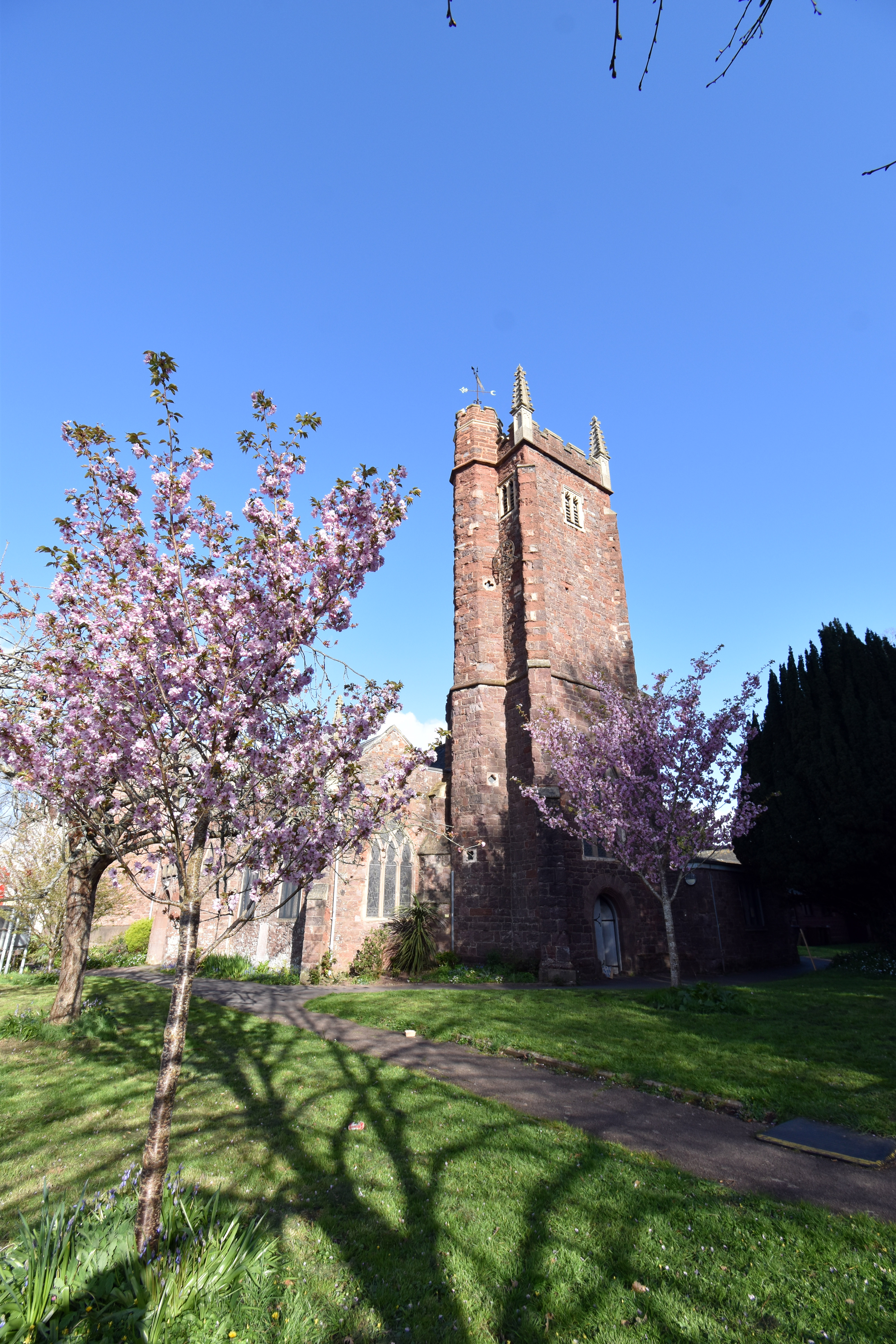
St Thomas the Apostle Church does look a lot older than St Ida’s did, with very weathered red sandstone, and indeed it is older than the largely 19th‑century St Ida’s. But it is not that old; it is 17th century. Originally, St Thomas had been located on this western side of the medieval bridge, but when that bridge was swept away in 1384, the church was moved further inland to avoid a similar fate. At least the base of that tower of the present church dates from that time, but there were to be some tumultuous events in the 16th and 17th centuries unleashed by the Reformation that would have grave consequences for this church.
The first great convulsion was the Prayer Book Rebellion of 1549, of which I have written a lot recently, with the various battles at Fenny Bridges, Clyst St Mary and Sampford Courtenay. But of course, those rebels, unhappy with the Duke of Somerset’s Protestant reforms during the reign of Edward VI, hoped to persuade the citizens of Exeter to join them in their march on London and invested the city. There was no better place to organise this siege of Exeter than from St Thomas’ Church, with its high tower and substantial space. It helped that the vicar of the church, Robert Welshe, enthusiastically agreed with their criticisms of the new orders of service and austere rituals. Indeed, he went beyond being a spiritual adviser and condemned one of the messengers of Lord Russell, the King’s commander, who was then hung on Exe Island by the rebels. After the defeats at Fenny Bridges and Clyst St Mary, the rebels abandoned their siege of Exeter but were about to torch what they could before they left for Sampford Courtenay. Robert Welshe made a plea not to inflict such wanton destruction before they left and undoubtedly saved much of the city. Not that his intervention was appreciated by the advancing King’s Army, which comprised of mercenaries from Burgundy, Germany, Italy and, most bizarrely of all, from Albania! Wishing to impose their will after some surprisingly hard‑fought battles, they hung poor Robert Welshe by chains from his own church tower.
The church, though, was to find its destruction in the following century during the English Civil War. Being a port, Exeter had sided with Parliament at the outbreak of war, but it was surrounded by a sea of Royalist supporters who would invest the city for the King in 1643 and would once again use this strategically placed church as somewhere to coordinate their siege from, and fortified the building. They were to capture Exeter, but as the war went against the King, General Fairfax and his New Model Army marched down through Devon to retake the city for Parliament. It was during this battle that the church was burnt down, although it is not entirely clear if it was set alight by the Royalists to deny it to their enemies or burnt down as part of the attack. Either way, only a part of the tower survived. It is intriguing that the church was rebuilt during the Commonwealth years with a gift from Elizabeth Carew (the same branch of the Carew family who had supported Lord Russell in putting down the Prayer Book Rebellion the century before).
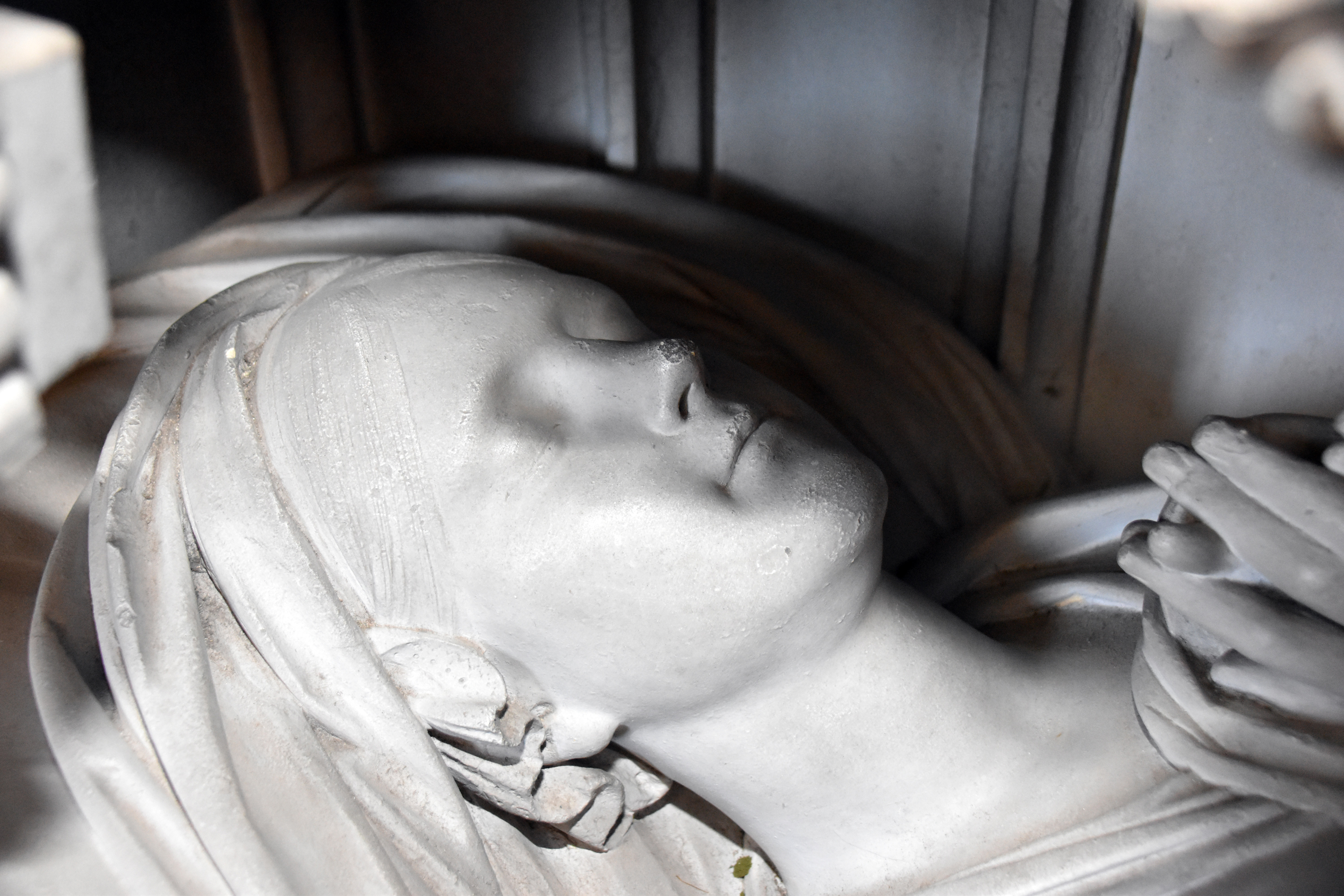
So St Thomas is a 14th‑century tower with a 17th‑century body and a greatly redeveloped 19th‑century interior, thanks to the Gothic Revival that swept through many Anglican churches during the heyday of British imperial and industrial might. The reredos and high altar are all high Gothic. There is also a highly unusual Victorian effigy of Christiana Medley, the wife of a vicar of the church. It was sculpted by her father, John Bacon, and looks like it comes from an altogether different era.
|
|
|
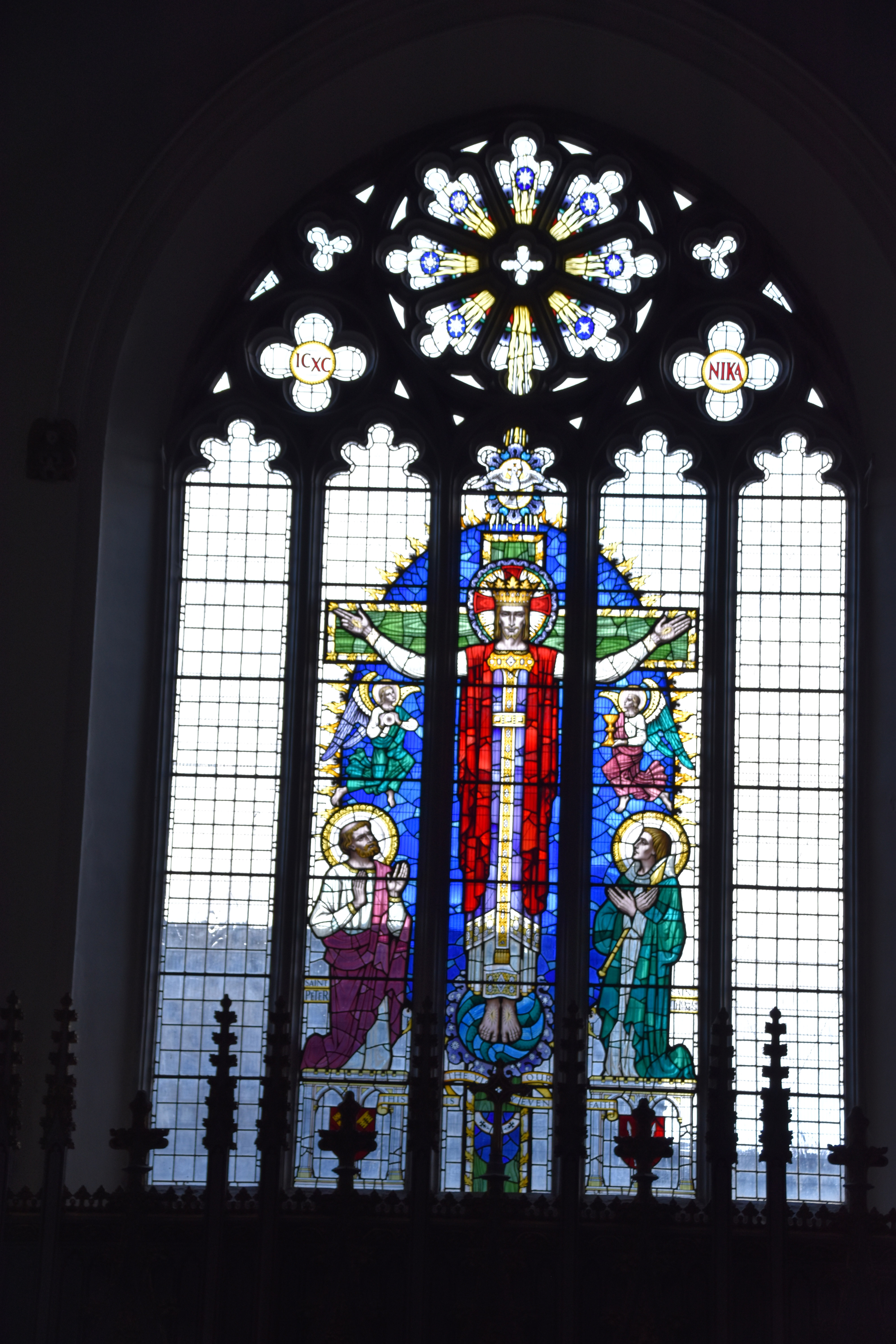
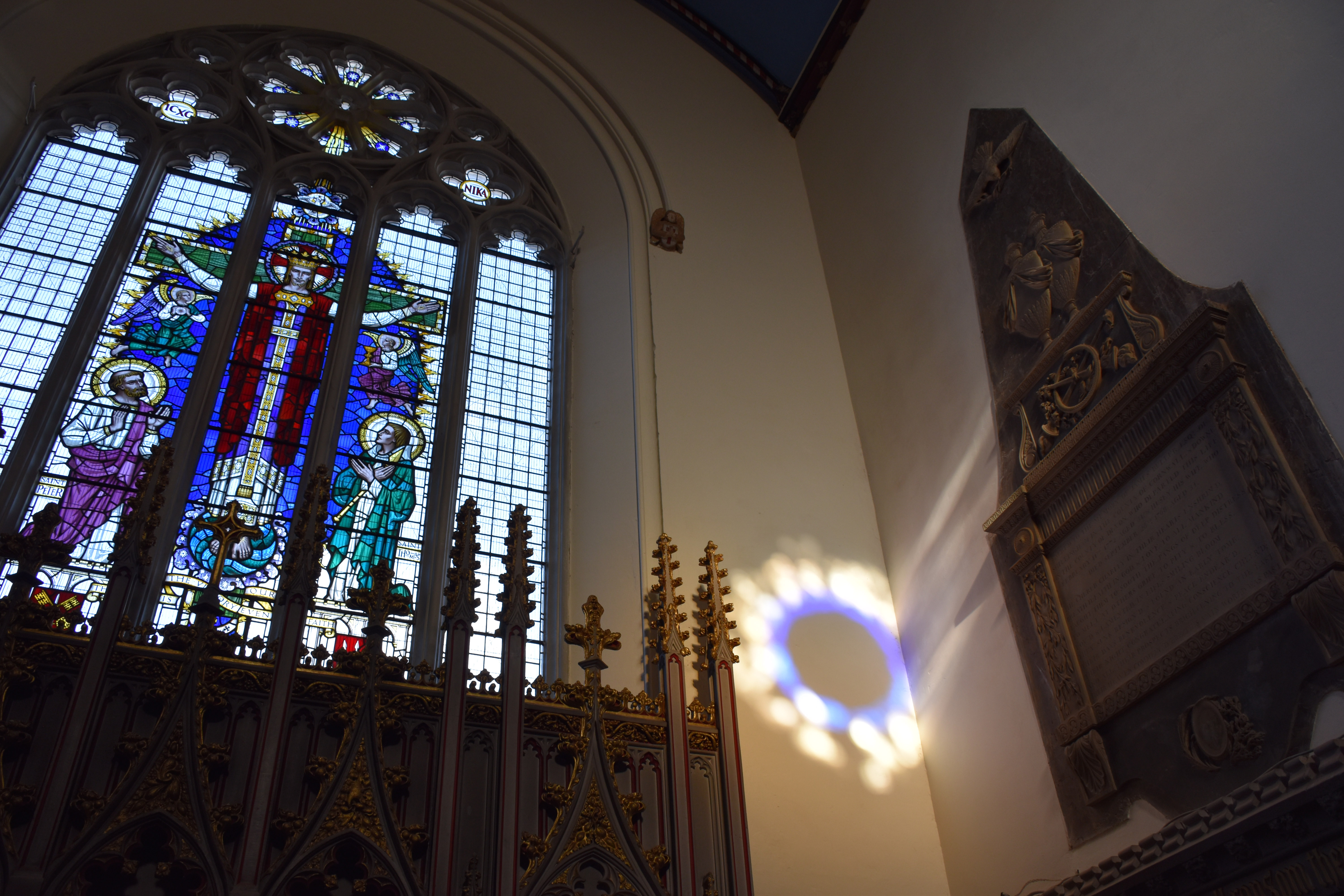
At least St Thomas largely avoided destruction during the Second World War, although its east window was blown out by a bomb landing too close for comfort. Very interestingly to me, the newly installed post‑war window was created by the same person who designed the stained‑glass window in my own church, St Mary’s in Plymouth. I recognised the style instantly. The designer was George Cooper Abbs, who also helped repair and replace stained‑glass windows destroyed in Exeter Cathedral during the Baedeker raids.
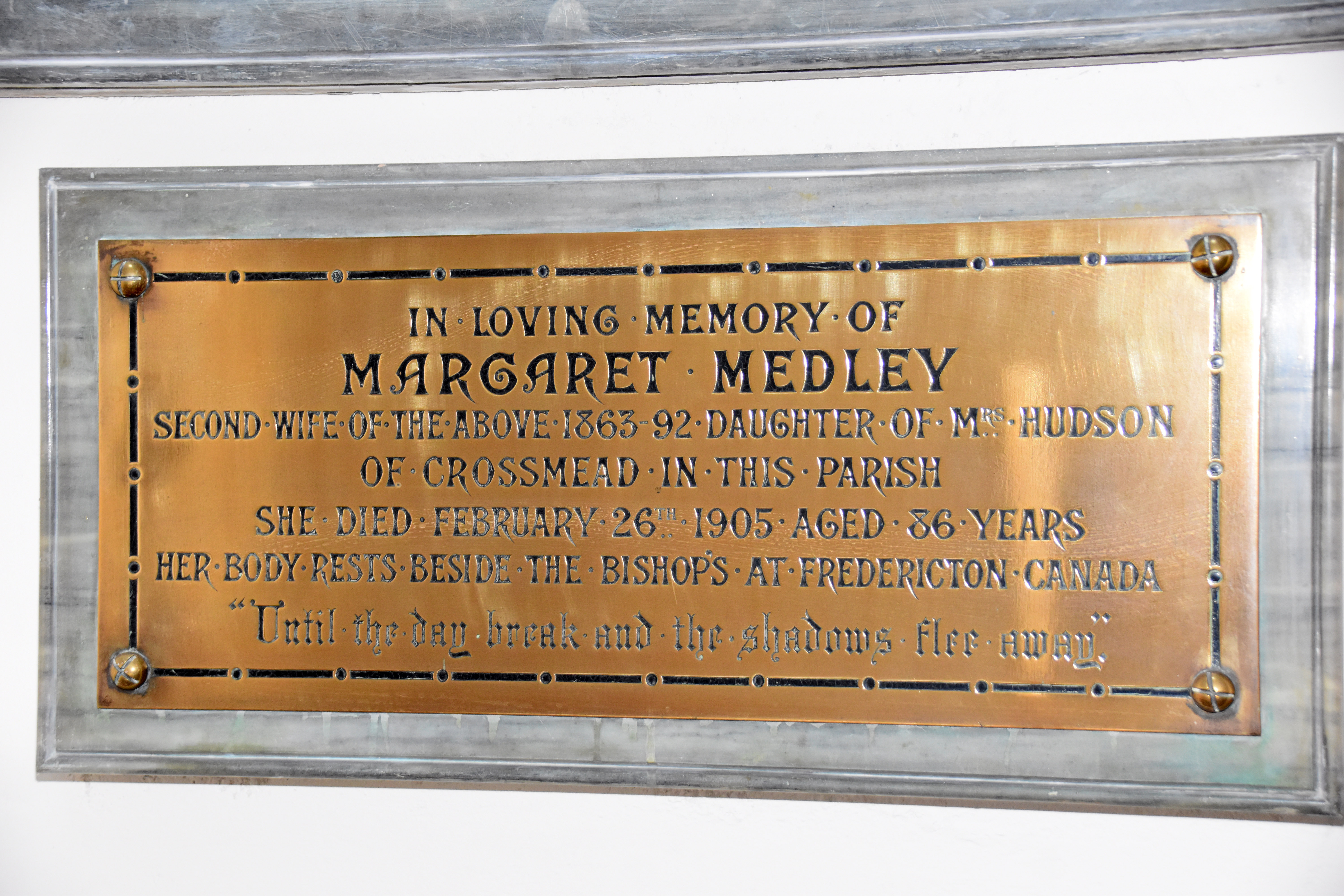
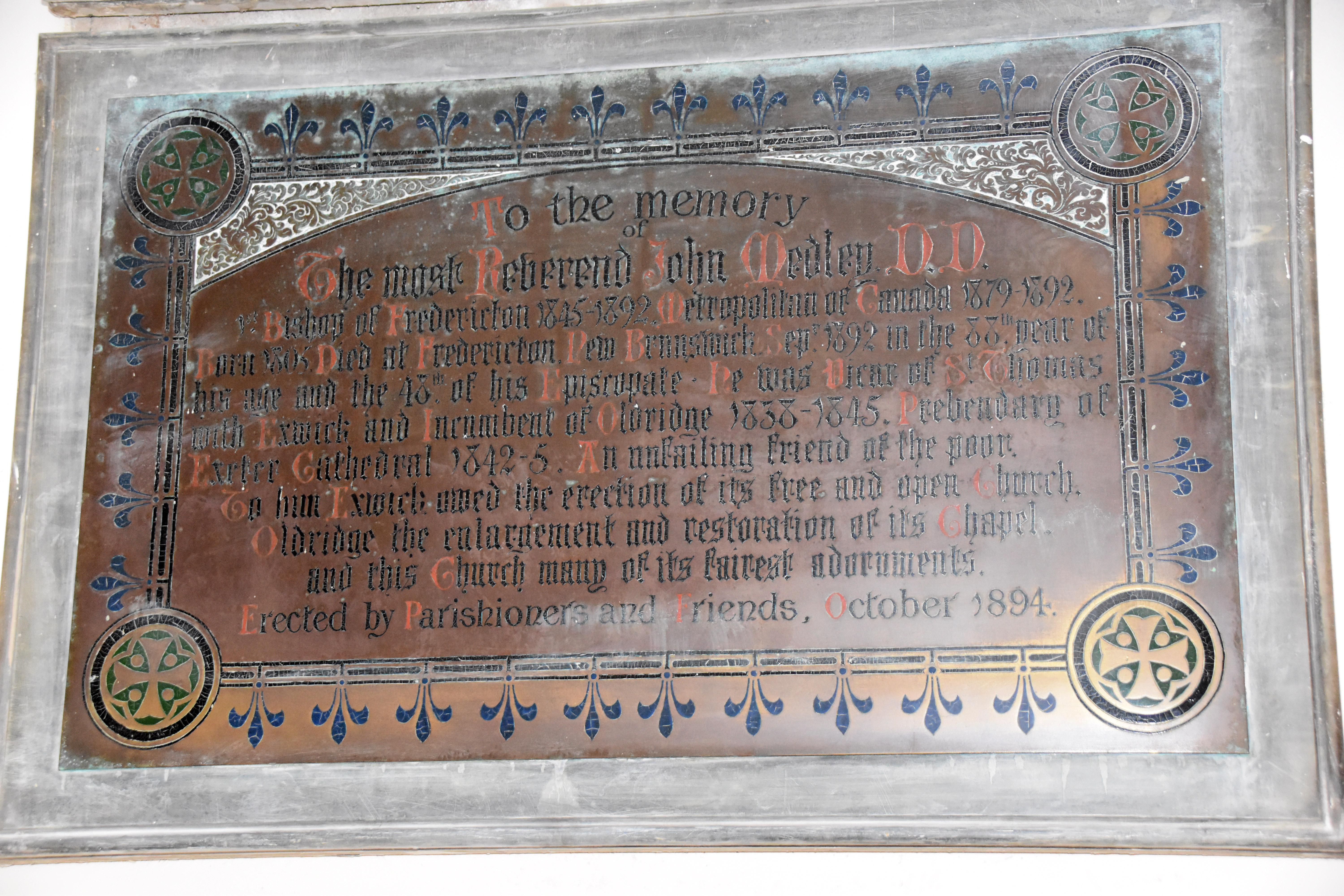
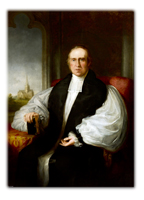
One interesting memorial is to John Medley, the Bishop of Fredericton on the island of New Brunswick in Canada. He had formerly been a vicar at St Thomas before travelling over the Atlantic. He actually isn’t the only Canadian bishop remembered in this church! There is also John Horden, Bishop of Moosonee, which is in Ontario but right up in the north. It must have been a very challenging place to spread the word of God, as its unofficial motto is ‘The Gateway to the Arctic!’.
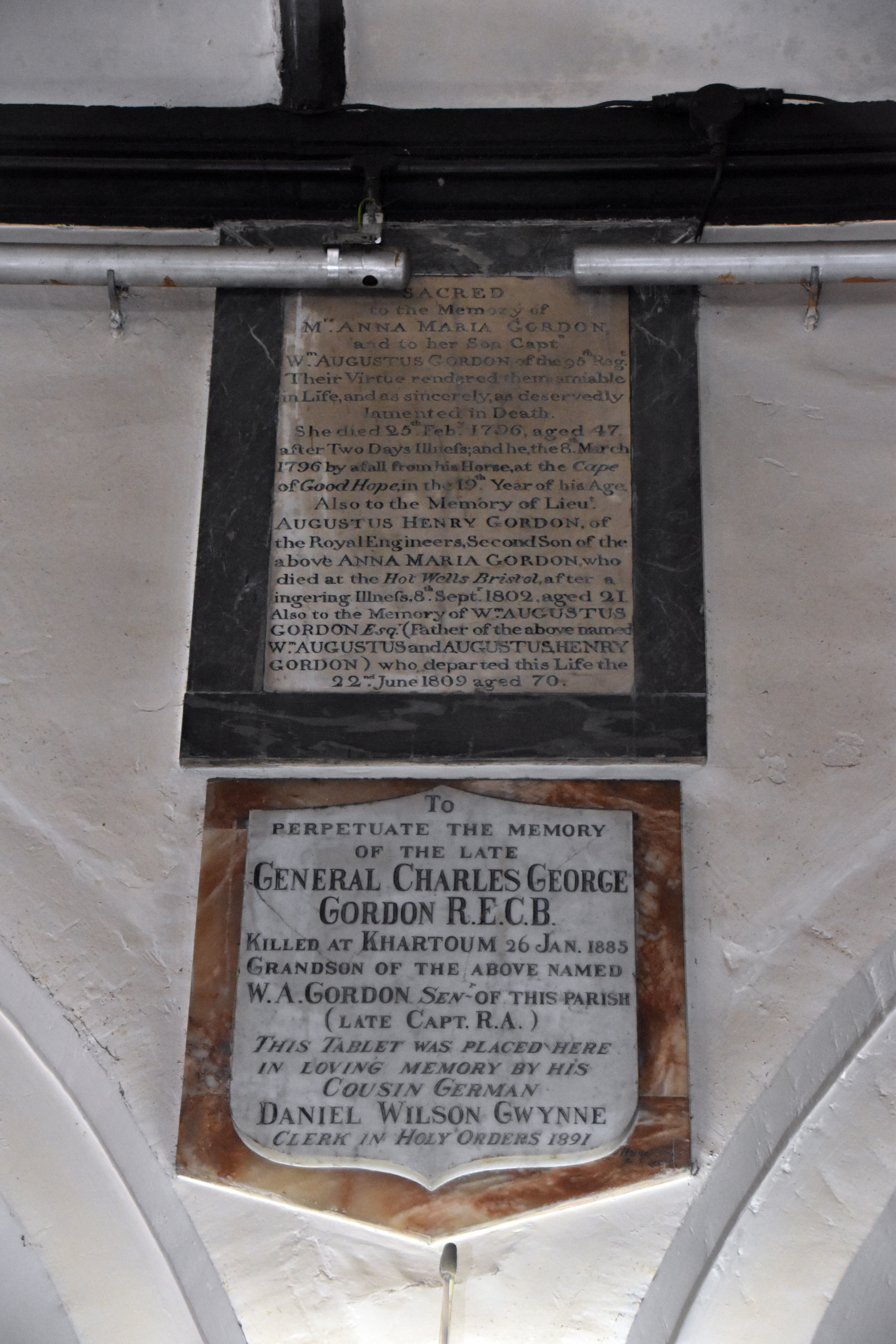
And I was very interested to see a dedication to General Charles Gordon, killed at Khartoum in 1885, tucked up very high and easily missed. The plaque makes it clear that he was the grandson of Captain William Augustus of the Royal Artillery. There was also another Captain William Augustus Gordon (Junior) of the 95th Regiment of Foot, who, the memorial explains, died in the Cape of Good Hope aged just 19 after a fall from his horse in 1796. Interesting that both Charles Gordon and an uncle he would never have known both died in Africa in tragic circumstances.
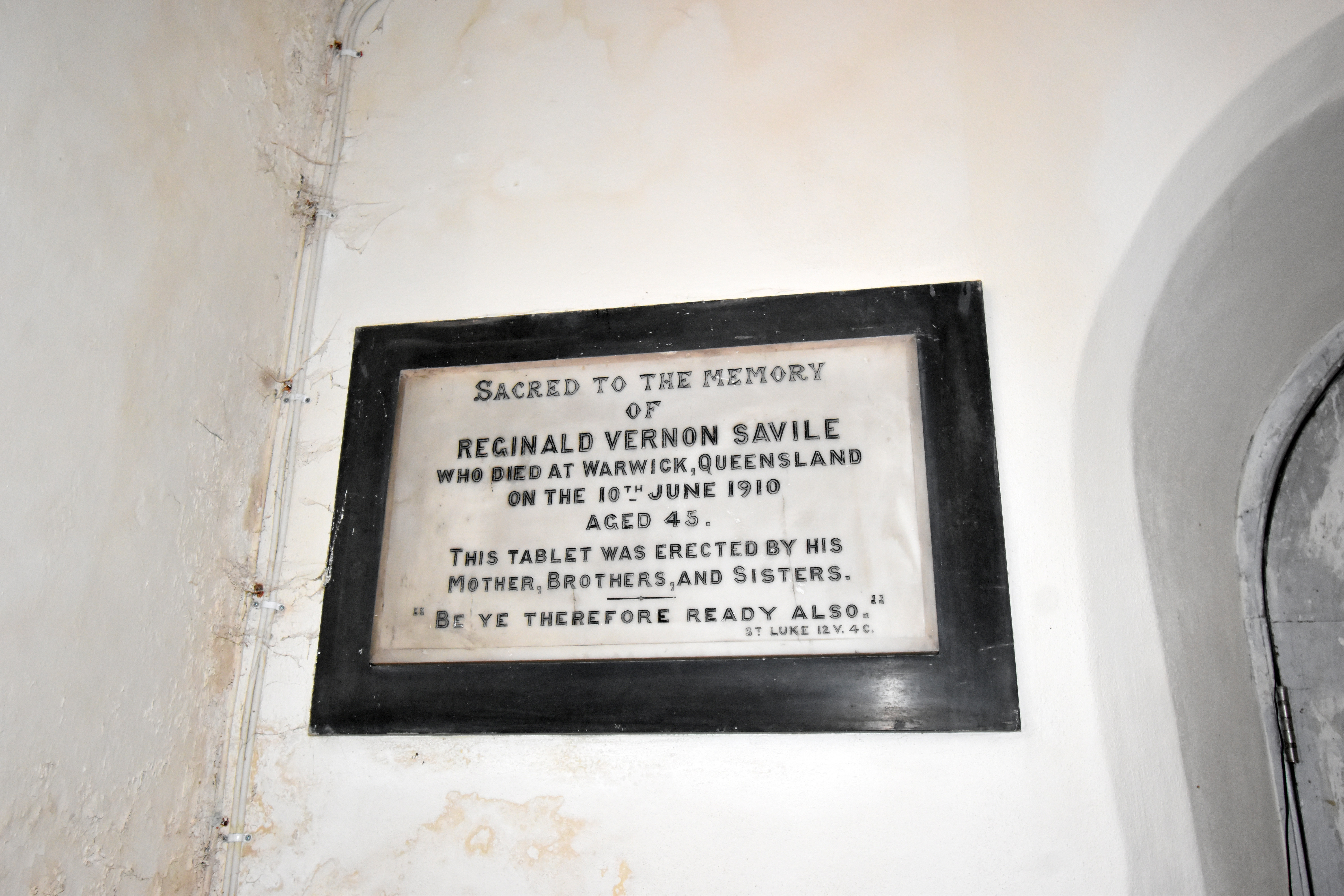
Another person who died far from home but in prosaic circumstances was Mr Reginald Vernon Savile, who died in Warwick in Queensland in 1910. Sadly, his death at 45 was due to falling down the stairs of an ‘All Man’s Hotel’ at 3:30 in the morning and breaking his neck. Was alcohol involved, or was it a pure accident? Either way, a memorial in this Devon church remembers a family member for a family who could not have attended his funeral and likely never even saw his grave.
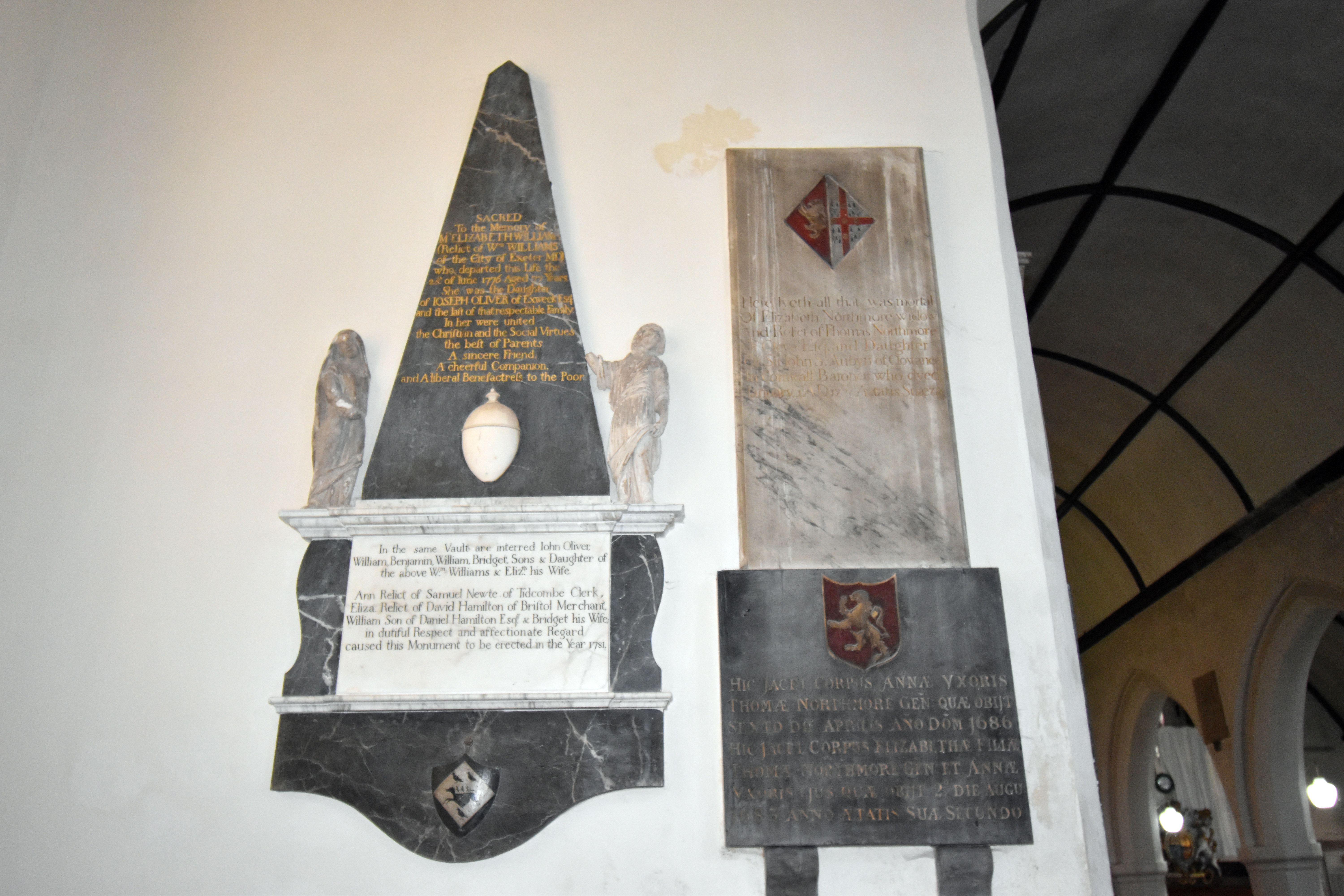
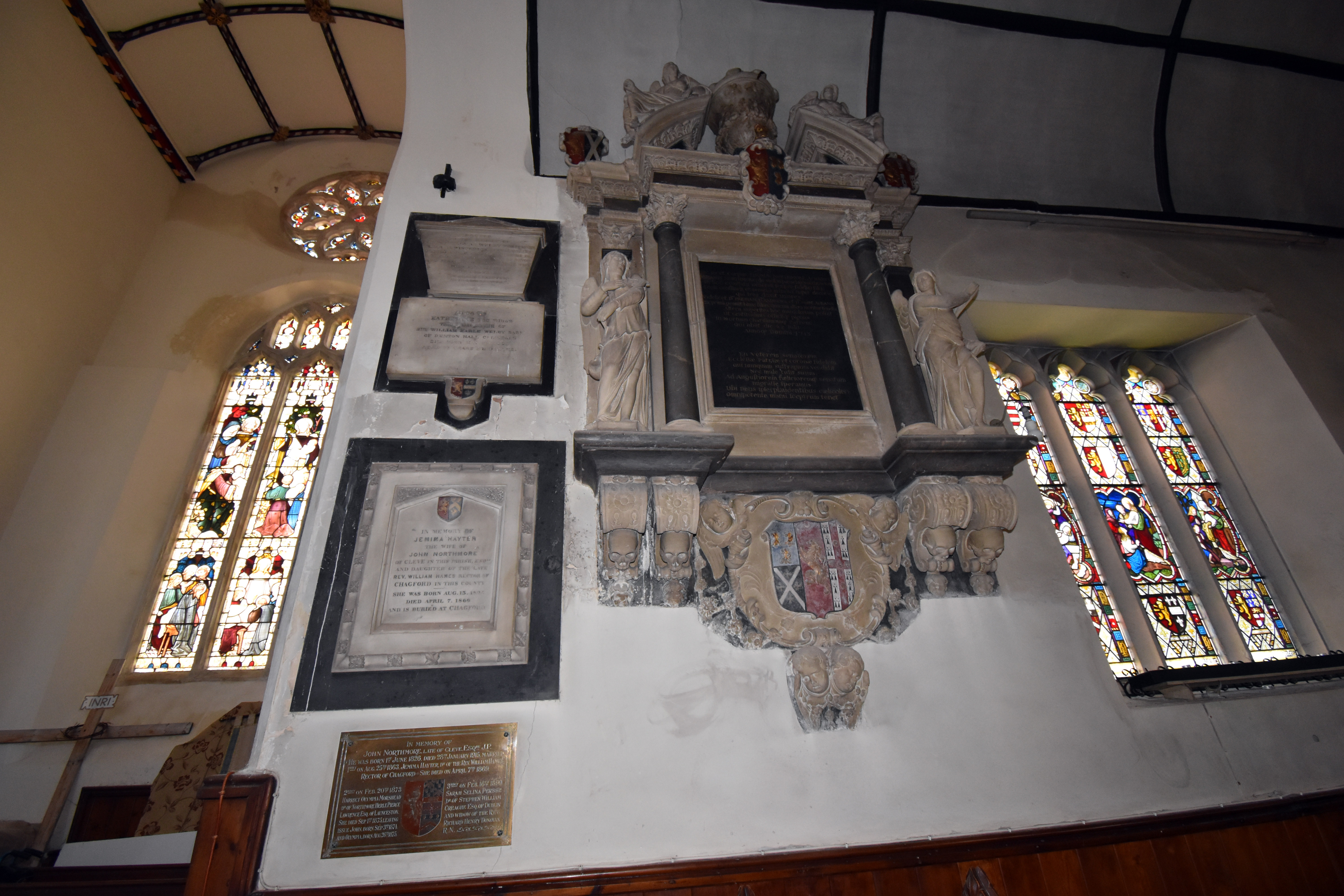
There are memorials to the great and the good in the parish, including the Northmores of Cleve House and also the Bullers of Downes House in Crediton. One of the Northmores born at Cleve, Thomas Northmore (1766–1851), was an early geologist and is the man credited with finding the bones of ancient hyenas and bears in Kent’s Cavern at Torquay. This was before Charles Darwin had written his Origin of Species and led to serious discussion on how they may have ended up there.
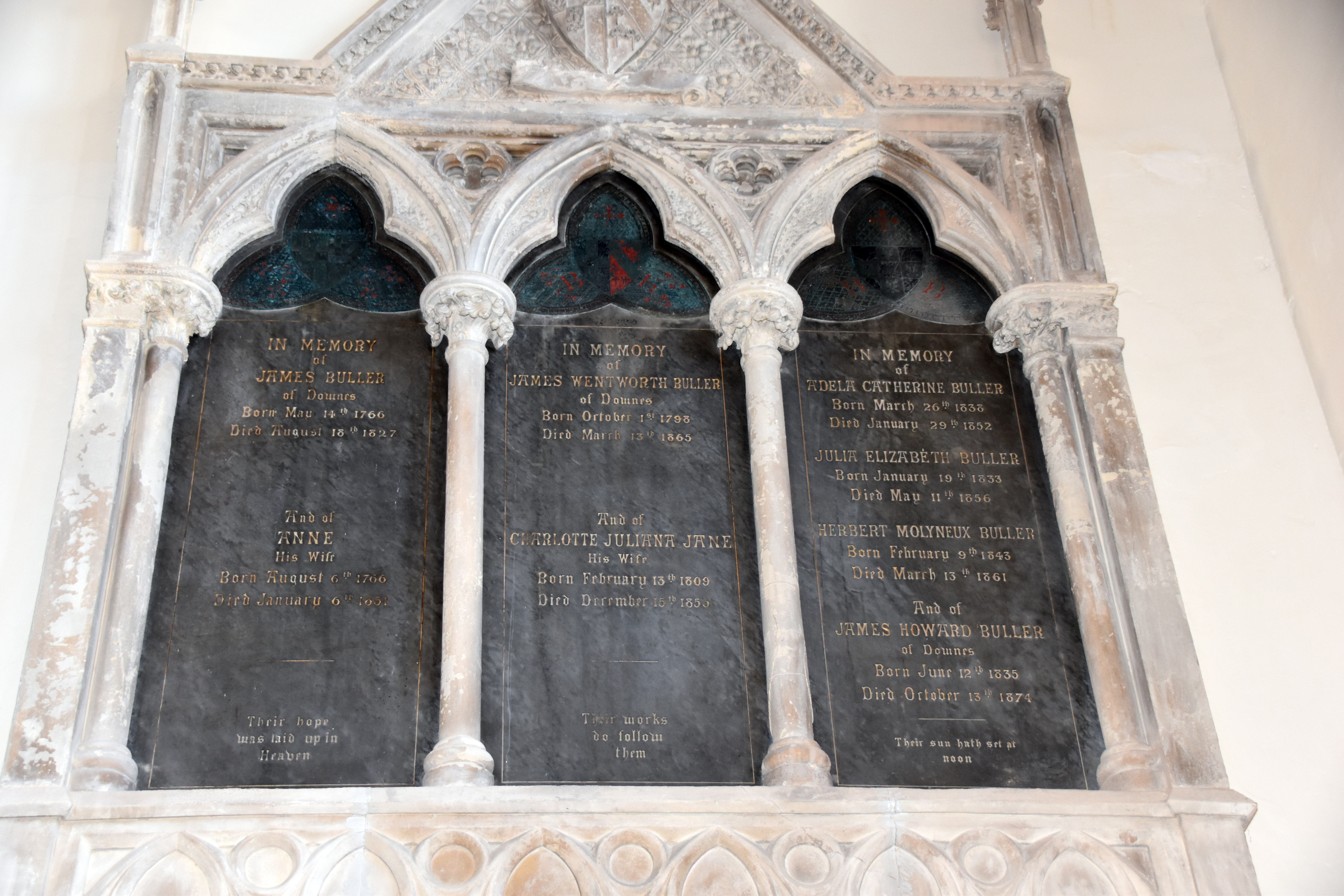
The Bullers were a very powerful local family based in Crediton but owned a lot of the land along the River Exe. One of the Bullers became a lay rector and churchwarden of St Thomas’s Church. There is a very ornate memorial to this James Buller and his son James Wentworth Buller, who was the father of the very famous General Redvers Buller, who won his Victoria Cross in the Zulu War and was the commander of the British Army in the early stages of the Boer War. Redvers Buller has a statue in Exeter but has a very elaborate memorial to him in the church in Crediton.
There is an unusually informative memorial to two Pastfield officers killed in the First World War. It explains how 2nd Lieutenant James T. Pastfield was killed whilst rescuing a brother officer on the Western Front in 1914. Lieutenant Victor Pastfield had a far more exotic war, serving with the Imperial Camel Corps and fighting at Beersheba, Gaza, Jericho and Jerusalem. It goes into some detail on his role outside Jerusalem with the Middlesex Regiment, where his company was surrounded by 700 Turks for two days and held out. Sadly, he was moved to the Western Front, where he died just two months before the war ended in September 1918. For the family to have lost one son at the beginning of the war and another at the end must have been heartbreaking, and the prominence and clarity of the memorial help illustrate their depth of feeling.

|
|
|
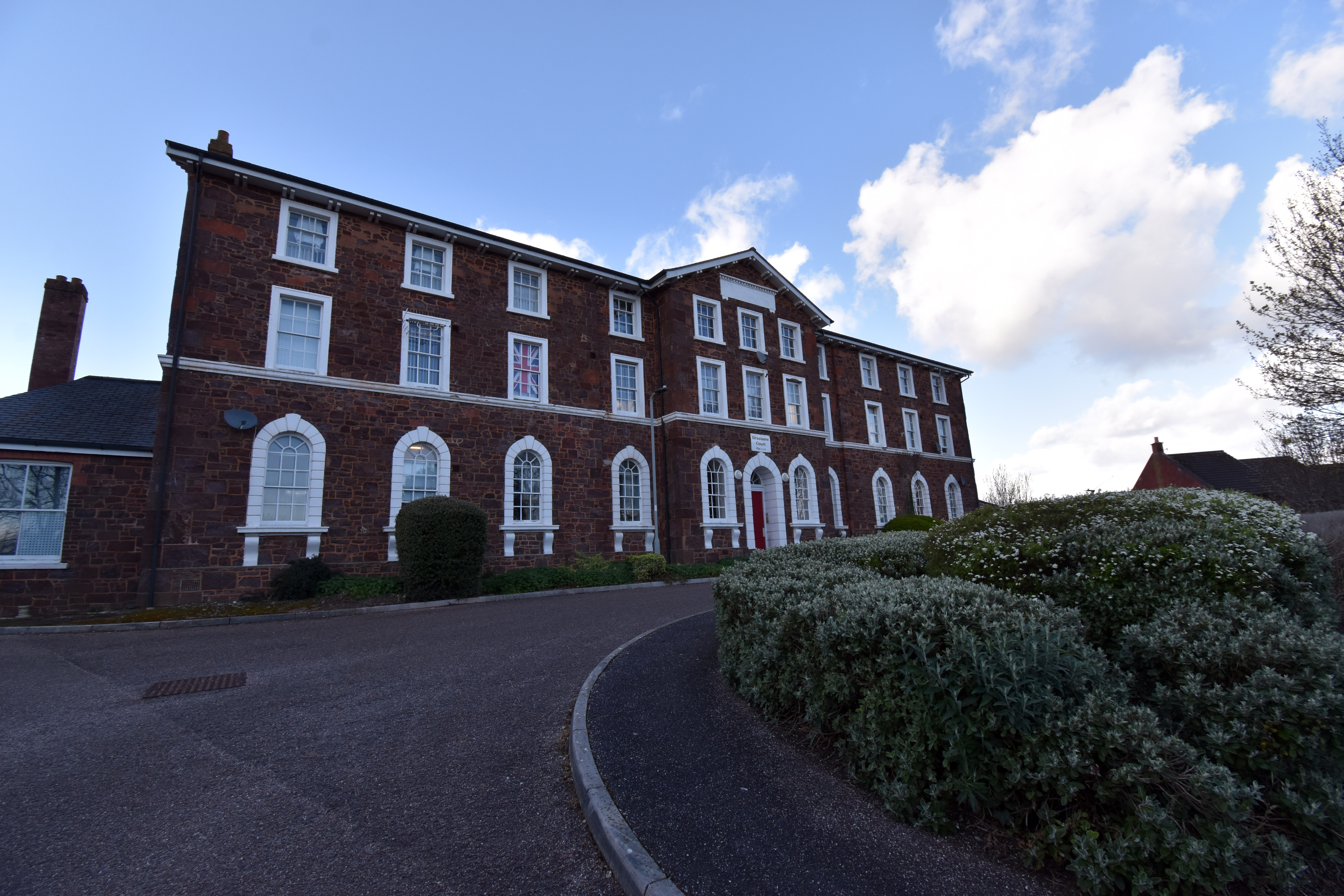
Just before we left, Rupert and I actually bumped into one of the organisers of the cemetery tour we took earlier that day. Now, considering we know almost nobody in Exeter, it was very funny to bump into one of the few faces we recognised. We had another chat about this particular church, and yet more interesting things were pointed out to us. After our chat we left the church and headed back towards Exwick Cemetery, passing by what had been St Thomas Union Workhouse on the way. This had been designed as one of the utilitarian reforms and in fact opened just three years after the rebuilt St Ida was completed. When you look at the map you can see its distinctive shape, which is largely still in place to this day, with the buildings having been converted first to a hospital and then into housing. The main entrance still looks much as it originally did, although somewhat hiding something of its grim past. A few of the original walls remain. The need for these workhouses was another symptom of urbanisation, as parishes like St Thomas could no longer hope to administer and pay for the upkeep of their parishioners who needed help, many of whom never entered the church. The workhouses were a sign of the government taking responsibility for the unemployed and the infirm from the churches. The utilitarians, though, could not imagine giving something for nothing and demanded menial work in return for board and lodging. Of course, the desperate plight of many of those requiring aid combined with austere conditions that were also ripe for abuse at times. Technically, the people could leave at any time, but for those who were too old, too infirm or who had mental health issues, these institutions became the only option available for a roof over their heads and food being provided. Men, women and children were also split up, making it even less desirable, but for some people being homeless and hungry was a worse choice yet. This particular workhouse remained in operation until as late as 1930.
It had been a very full day. The west bank of the River Exe has a different culture and history to the east bank. Having never been protected by the city’s walls, St Thomas was invariably on the side of the attacker, not the defender. It also has a far more rural heritage, with these communities being in the countryside until the end of the Victorian era if not for longer still. Ide is still clinging on to its rural identity, although perhaps the dual carriageway of the A30 may yet prove to be a shield rather than a threat to the community.
Most of all, it was fascinating to compare and contrast the two churches of St Ida and St Thomas, both of which were destroyed although in very different circumstances. Despite this similarity, they were reconstructed in different eras with different architectural hopes and plans. Strikingly, St Ida had more in common with the utilitarian architecture of the workhouse, where utility trumps beauty. St Thomas, by contrast, was on a different trajectory, and as Exeter grew and became more prosperous, so the church’s interior became more ornate and more decorative. It also had richer and more powerful patrons who left their own memorials and dedications to remind the community and their descendants of their positions in society. Yet both churches also remembered parishioners and family members who fell far from home. It is heartening that these memorials still command attention in these beautiful churches, offering us a chance to glimpse events in the local, national and even international spheres.
|